
Land speed record cars have pushed ever faster across salt flats, beaches and desert playas since the late 1920s. Many of the machines that set those marks survive today, most of them preserved in museums with their record figures attached. Here are ten of them, ending with a supersonic jet.
Help yourself and the planet: The Cool Down makes it easy to help yourself while helping the planet, with smart, simple changes to save more and waste less in your everyday life.
We may earn a commission if you sign up.
1. Golden Arrow: Napier Power at Daytona
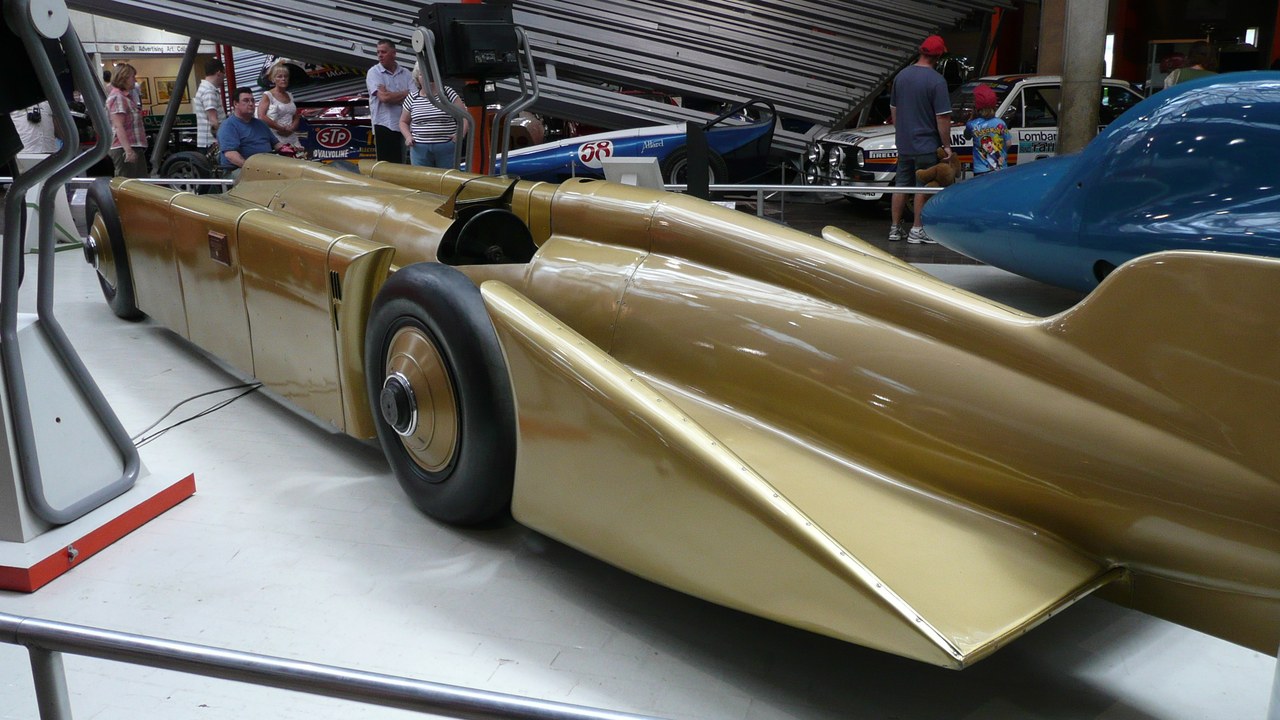
Segrave’s 1929 record run at Daytona Beach reached 231.45 mph in this long, low machine, which was powered by a Napier Lion aero engine. Such an engine was designed for aircraft rather than road cars, and it set the template for how early record builders chased speed.
The car is displayed at the National Motor Museum in Beaulieu. As one of the oldest machines on this list, it shows how far the record climbed in the decades that followed, from roughly 231 mph to well beyond the speed of sound.
2. Campbell-Railton Blue Bird: First Past 300
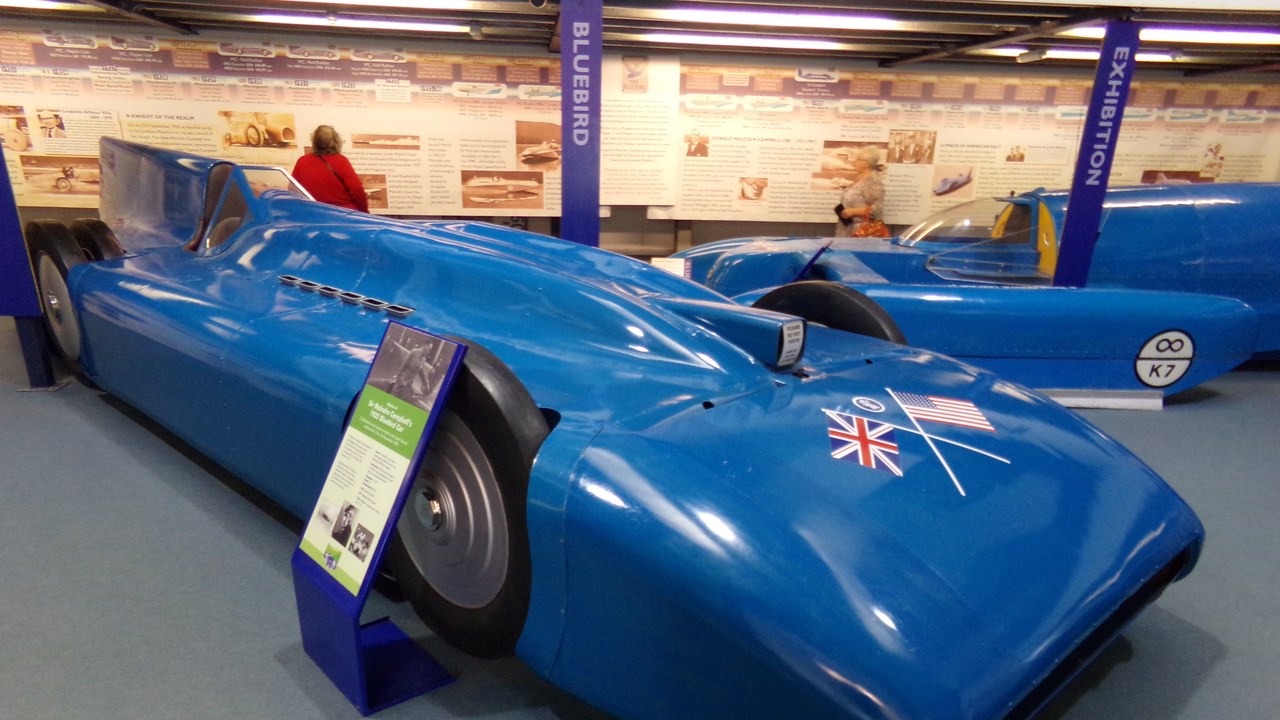
Campbell’s 1935 Blue Bird became the first land speed record car to pass 300 mph, reaching 301.337 mph at Bonneville on September 3, 1935. The figure marked a clear step beyond the earlier Daytona-era runs and moved the contest onto the salt flats of Utah.
The original vehicle resides at the Motorsports Hall of Fame of America, situated at Daytona International Speedway. Visitors can therefore see the car that broke the 300 mph barrier at a venue closely tied to American speed history.
3. Railton Mobil Special: Cobb Tops 394
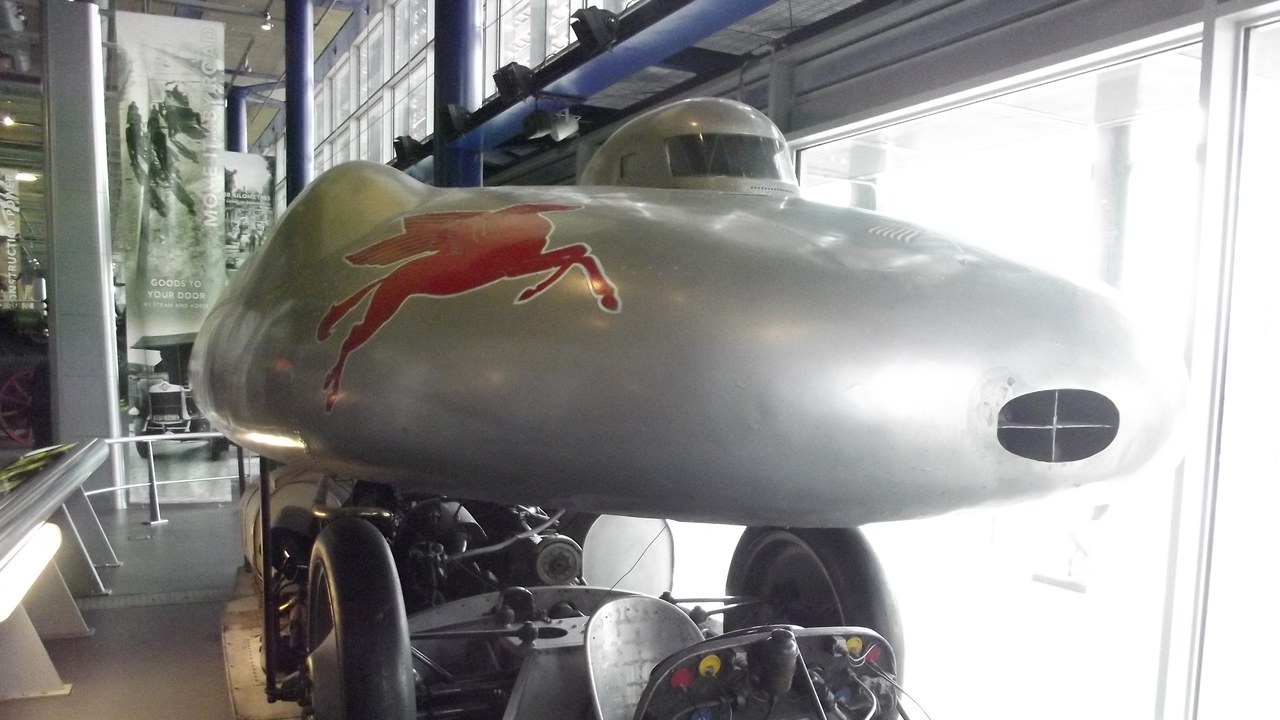
Cobb’s 1947 record lifted the mark to 394.196 mph, a figure reported in Motor Sport at the time, with 400 mph exceeded in one direction of the two-way run. The car carried the Railton name and Mobil sponsorship along its silver bodywork.
A record counts only as the average of runs in opposite directions, which is why the one-way figure above 400 mph did not become the official number. That distinction explains why the headline speed sits just under the round figure.
4. Goldenrod: Four Hemis in Line
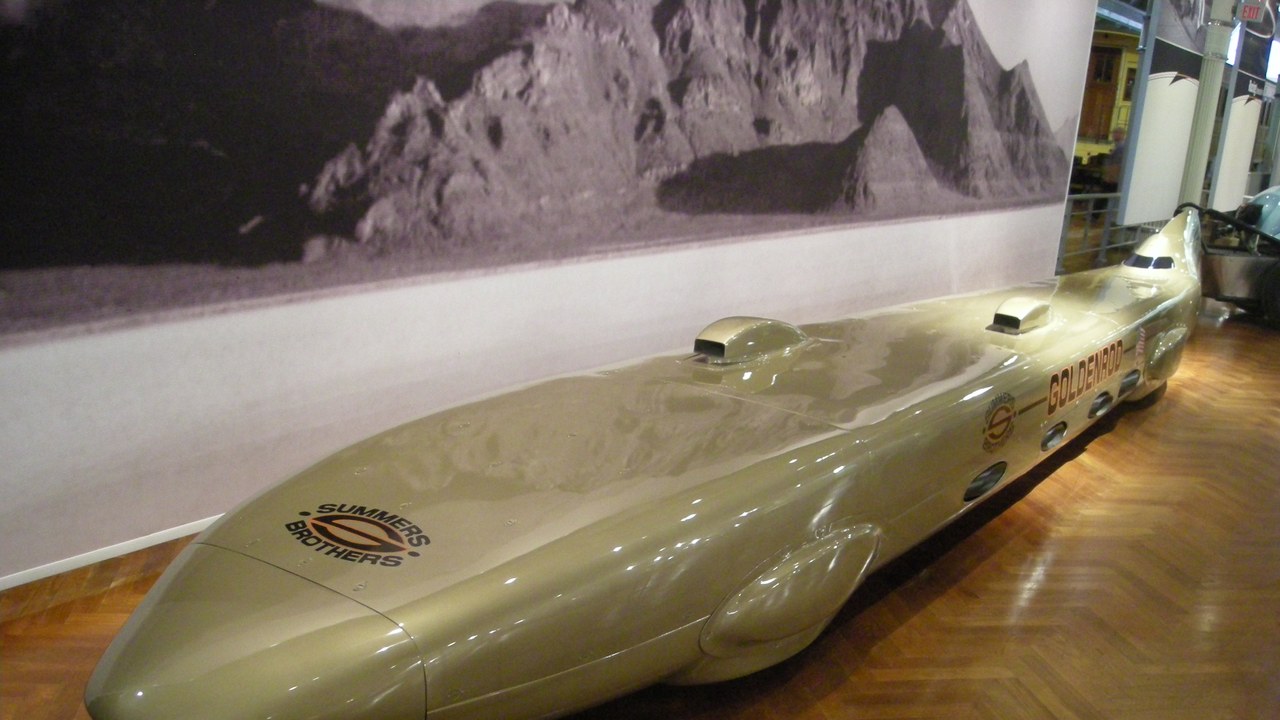
Goldenrod’s four Hemi engines took the wheel-driven record to 409.277 mph in 1965. Four Chrysler Hemi engines sat in line, and the power reached the ground through the wheels rather than through jet or rocket thrust.
The mark stood for 42 years, a long run for any speed title. Its endurance helped define the wheel-driven category as its own challenge, separate from the jet and rocket cars that held the absolute record. Few sporting marks of any kind have survived so long without being beaten.
5. Bluebird-Proteus CN7: Last of the Wheel-Drivers
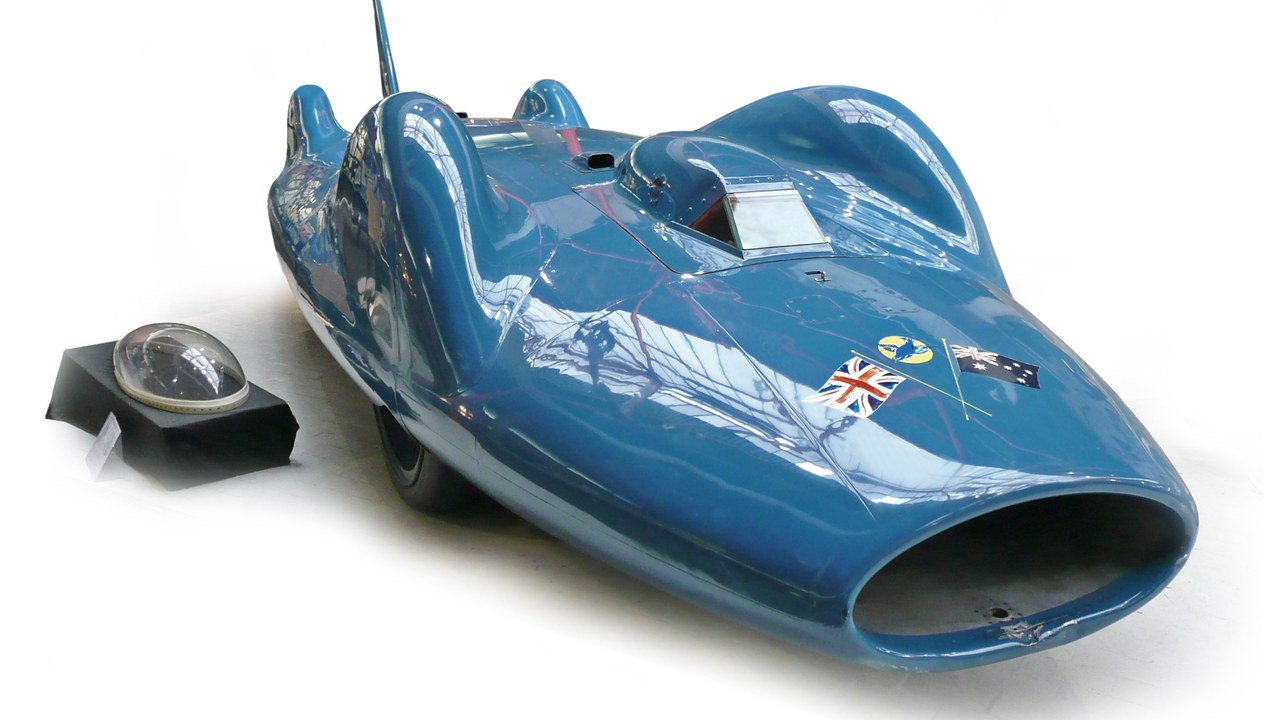
Campbell’s 1964 Lake Eyre run reached 403.10 mph, the last outright record set by a wheel-driven car. The Proteus gas turbine in the Bluebird drove the wheels, and the setting was the dry salt lake in South Australia.
The blue car is recognisable by its bulbous bodywork and a tall tail fin. After this run, outright records passed to cars pushed by jet and rocket thrust, so the machine marks the end of an era in the sport. Campbell’s run therefore stands as the final chapter of the wheel-driven story told across the earlier entries.
6. Sunbeam 1000 HP: First Past 200
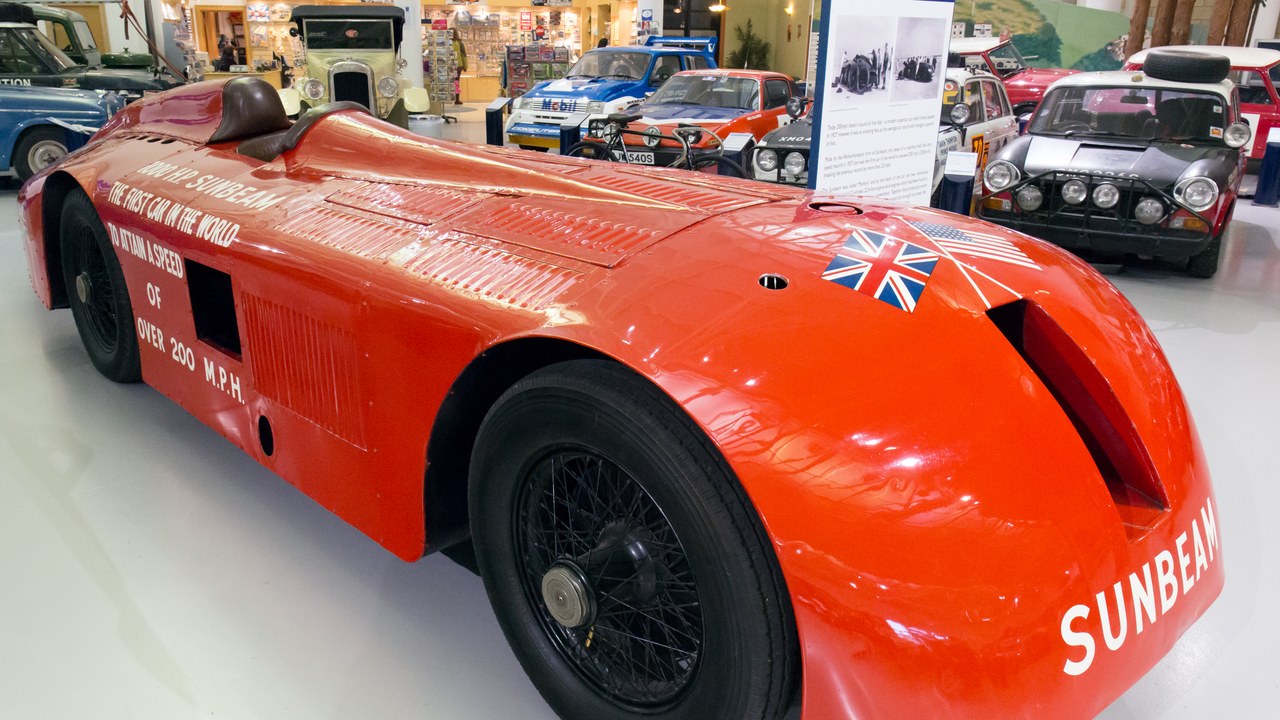
Henry Segrave drove the Sunbeam 1000 HP to 203.79 mph (327.97 km/h) at Daytona Beach on 29 March 1927, making it the first car to exceed 200 mph. Two Sunbeam Matabele aircraft engines of about 22.4 litres each powered the big machine.
Few record cars have used so much displacement, since the pair of aero engines together displaced roughly 45 litres. The car is displayed today at the National Motor Museum in Beaulieu, where visitors can see the machine that first passed the 200 mph mark.
7. Spirit of America (Craig Breedlove): Three Wheels and a Jet
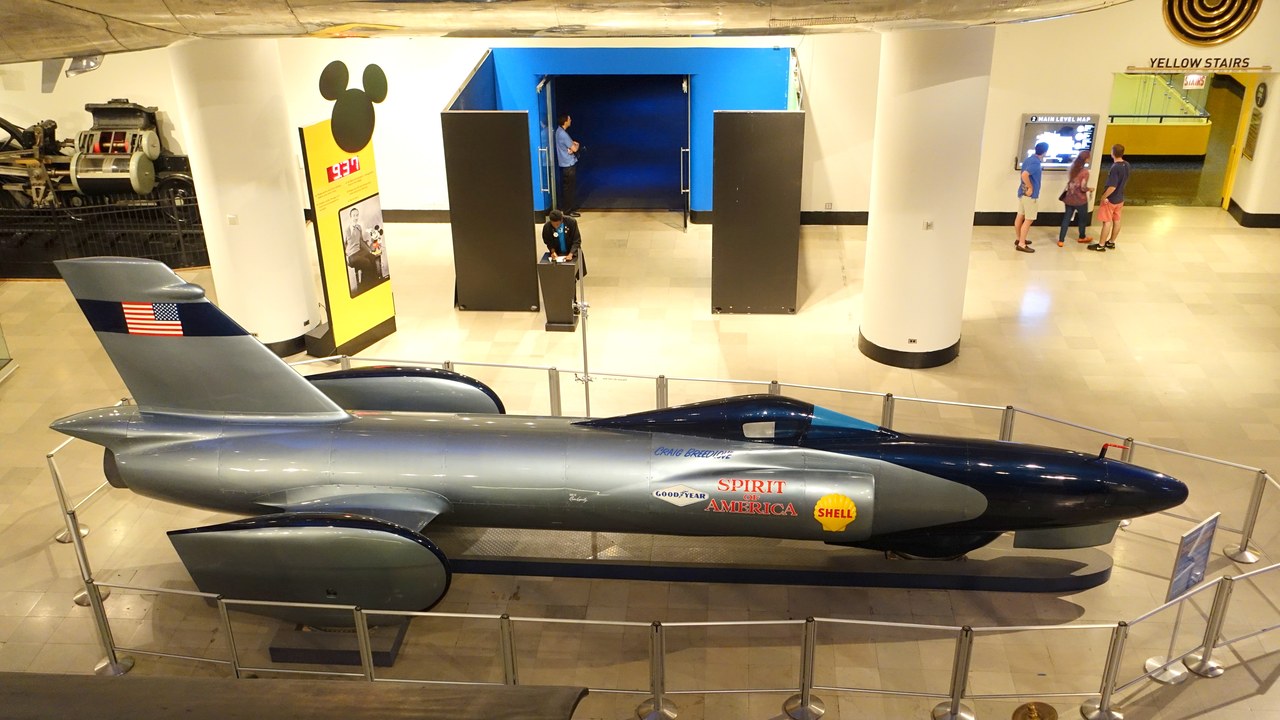
Craig Breedlove’s three-wheel jet car pushed the record past 500 mph on October 15, 1964, setting 526.277 mph. The three-wheeled layout, with a single front wheel, set it apart from most earlier record cars.
The original is no longer on display at the Museum of Science and Industry, and the whereabouts of Sonic I are unknown. That uncertainty makes the car harder to place today than most others in this gallery, even though the 526 mph figure itself is well documented.
8. Blue Flame: Rocket Run on Salt
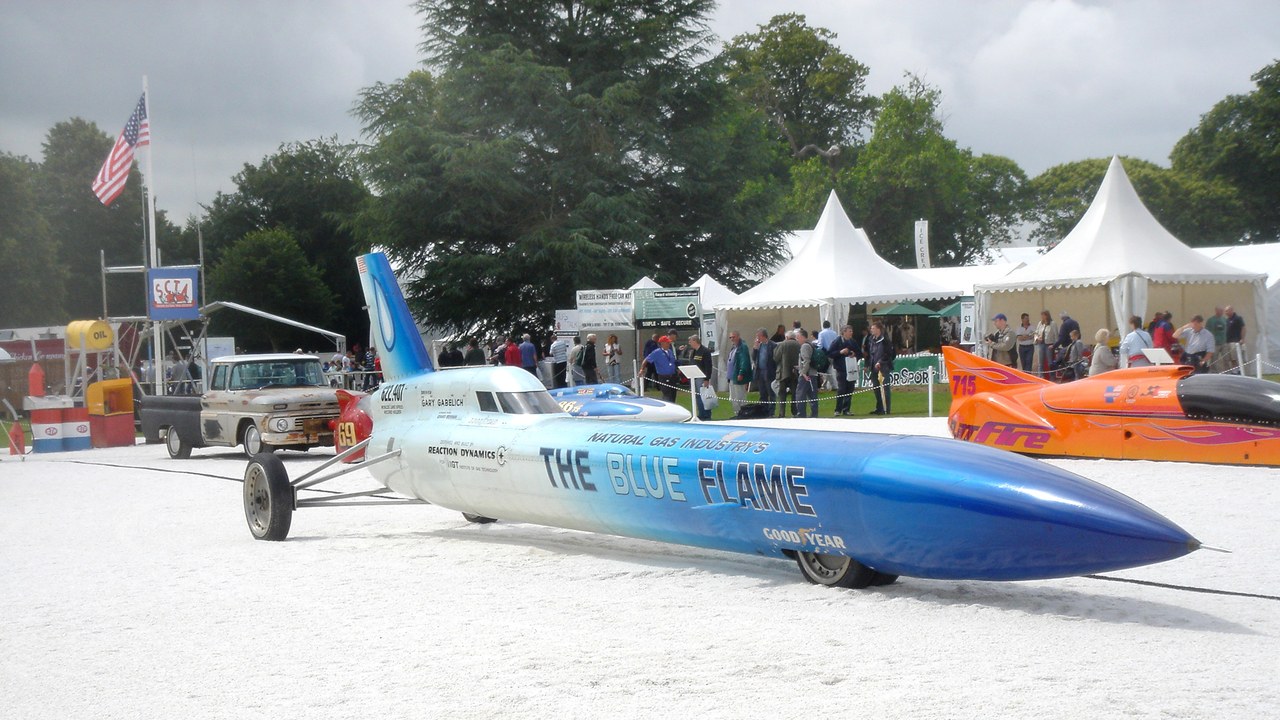
Gary Gabelich’s rocket car averaged over 1,014 km/h on the Bonneville Salt Flats on October 23, 1970, about 630 mph. The Blue Flame was rocket-powered, which is why its slim blue body looks more like a missile on wheels.
The Technik Museum in Germany carries an exhibit page for the car. Its rocket power made the 630 mph average a different kind of achievement from the earlier wheel-driven records, and the figure still impresses on a flat stretch of salt.
9. Thrust2: Black Rock Desert Record
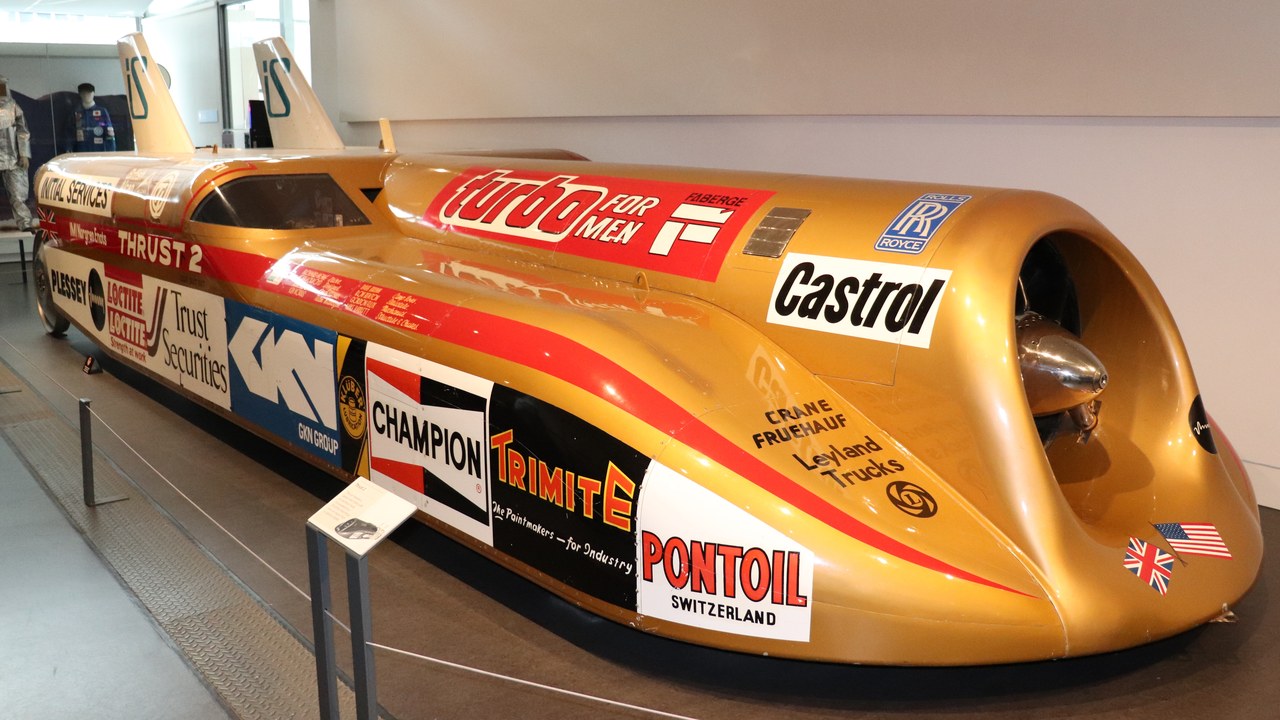
Richard Noble drove Thrust2 to 633 mph at Black Rock Desert in 1983, breaking the world land speed record in the Nevada playa. The car was jet-powered and wore a bright gold, red and white livery covered in sponsor logos.
The 1983 run came well after the record battles of the 1960s and brought the title back to a jet-powered car driven by Noble. Thrust2 is a clear step in the lineage that led, over the following years, to the supersonic car that closes this list.
10. ThrustSSC: Supersonic on Land
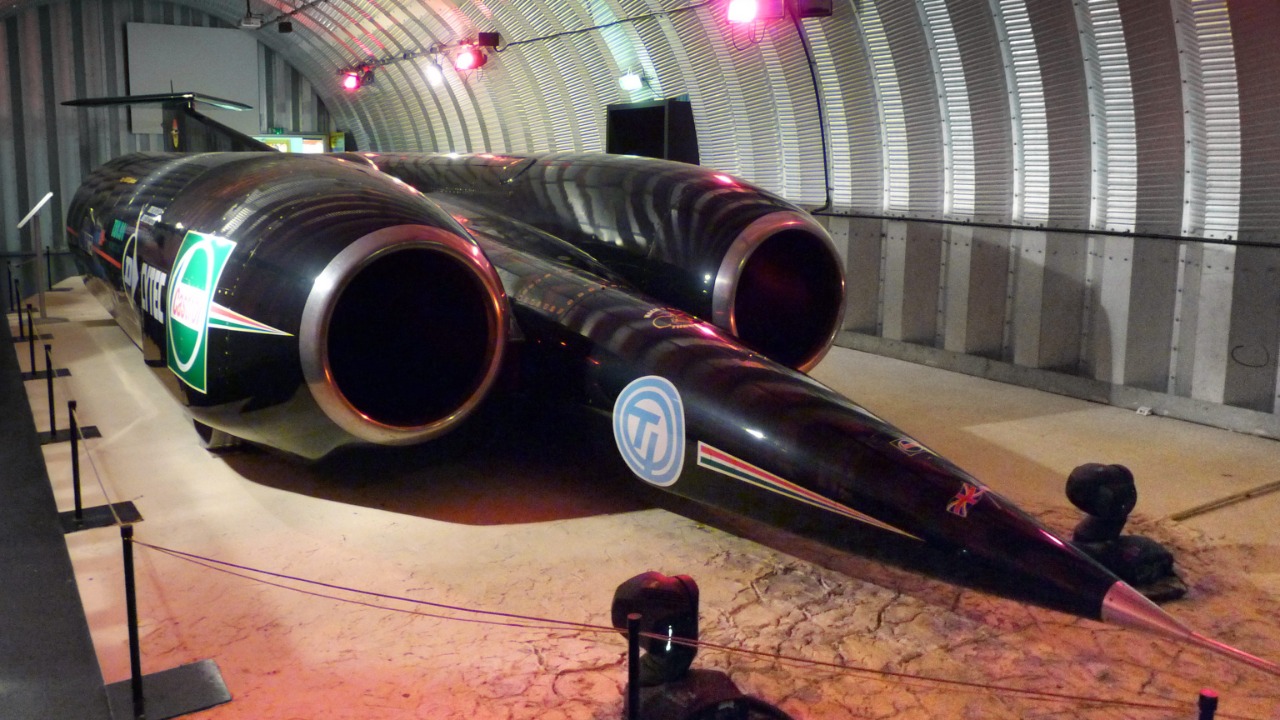
ThrustSSC was the first land vehicle to officially break the sound barrier, and the ASME landmark record says it averaged 763.04 mph, Mach 1.02, in 1997 with Andy Green at the wheel. Twin jet engines are visible in its black, red and white body.
The speed equals 1227.99 km/h by the same source. Nearly three decades on, the figure remains the headline for this list and the benchmark that any future record attempt must beat, which explains the car’s place at the top.
Help yourself and the planet: Get The Cool Down →
We may earn a commission if you sign up.
More from Morning Overview
- Tropical Storm Rachel is dumping up to 12 inches on four Mexican states on its way to major hurricane strength
- The FTC says Lens.com doubled the price shoppers saw in Google ads
- Common allergy, bladder and sleep pills tied to sharply higher dementia odds
- NOAA now gives this winter a 75% chance of the strongest El Nino since 1950
