
Timing belts are rubber, and on interference engines a failed one lets pistons meet open valves. The damage is expensive, which makes the maker’s replacement interval a number worth knowing. Here are twelve vehicles whose engines depend on a belt, with the figures and warnings the sources give for each.
1. Chrysler 300: Interference Star on a V6
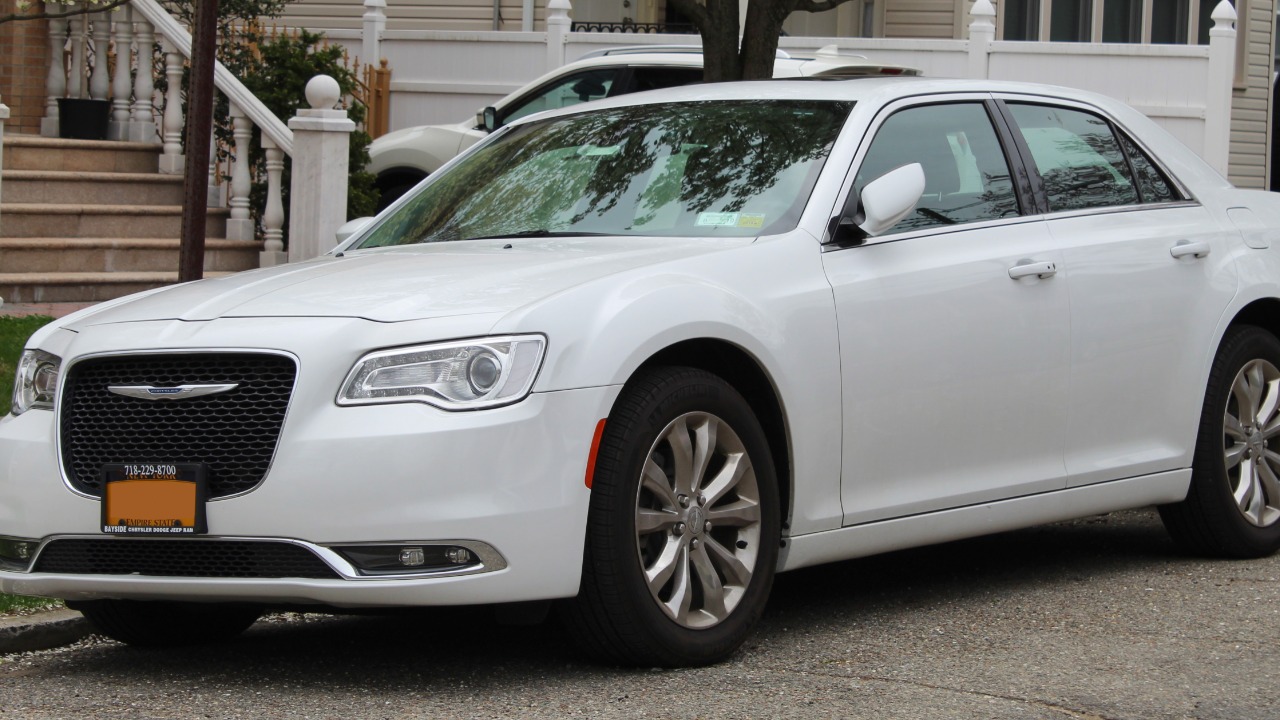
Gates lists the 3.5-liter V6 in the 2007-2009 300 with a belt interval of 105K miles, and the table marks it with the star that identifies an interference engine application. That star is the warning label: valves and pistons share space, so timing has no margin for error.
The same table adds a calendar limit of 72 months, whichever comes first. A low-mileage 300 that sits for years can therefore be overdue on age alone.
2. Chrysler PT Cruiser: A Quirky Four With a Rubber Link
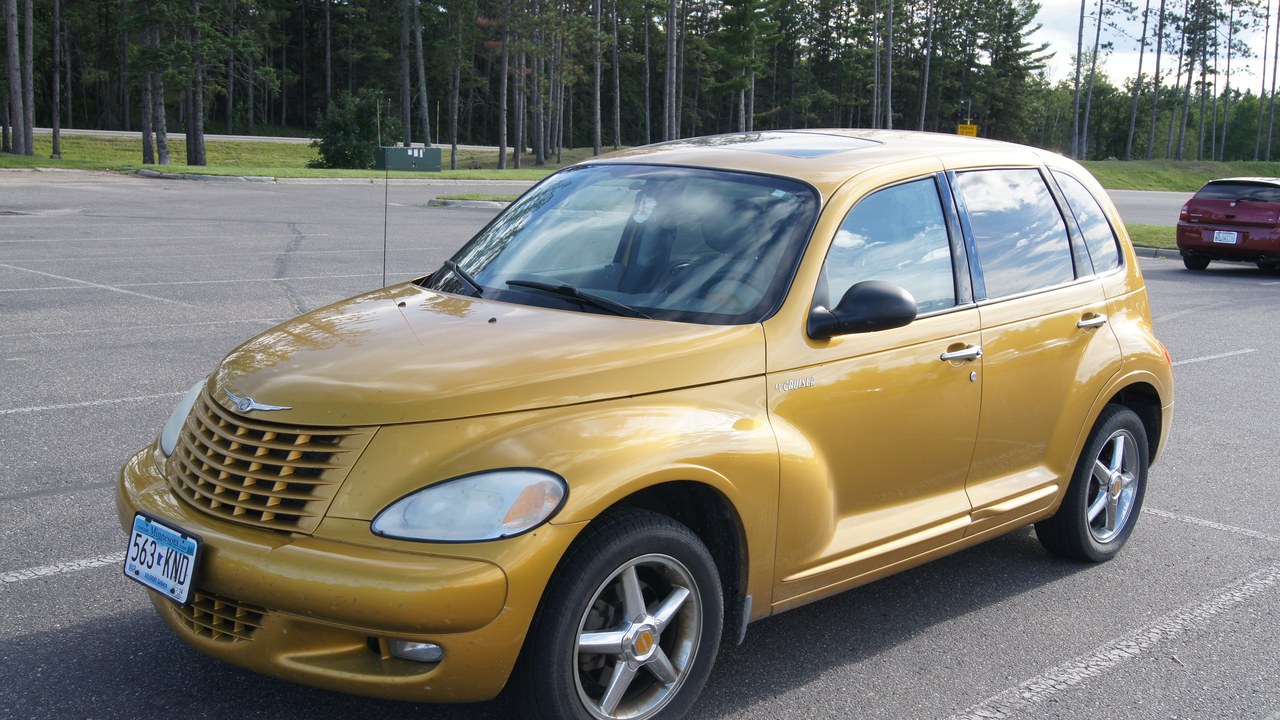
The PT Cruiser’s 2.4-liter four appears in the Gates guide at a 105K-mile belt interval, under part number T265. A small, cheap-looking hatchback still depends on a single rubber loop to keep camshaft and crankshaft in step.
Because the interval is mileage-based, a PT Cruiser bought used with no paperwork is a gamble. Service records showing a belt change are worth more than a low odometer, especially given the 72-month age limit.
3. Chrysler Sebring: Same Belt Family, Same Star
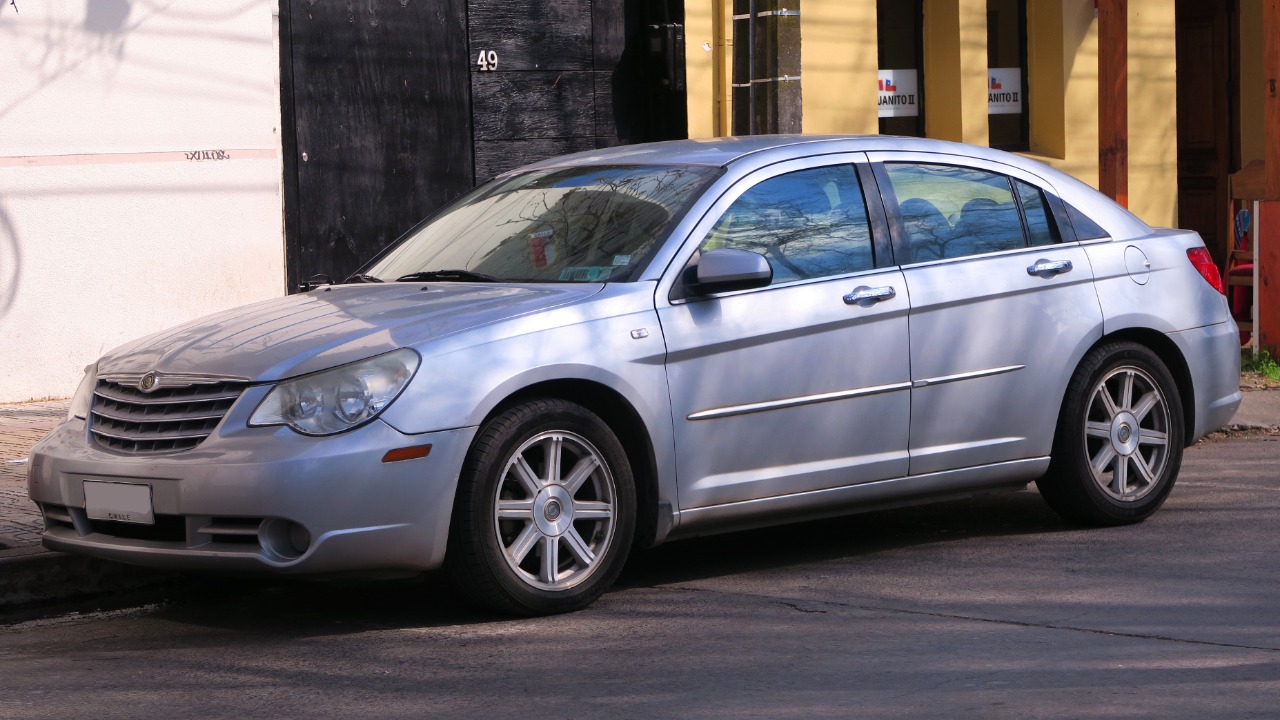
Gates gives the Sebring’s 3.5-liter V6 a 105K interval and the interference-engine star, and the 2009 entry reads T295 for the belt kit. The sedan shares that engine and belt data with the 300 above.
Sebrings are common, inexpensive used cars, which is exactly the situation where belt history goes unchecked. A shop quote for a belt kit costs far less than the valve work that follows a snapped one.
4. Chrysler Town & Country: A Minivan Living on a Shorter Interval
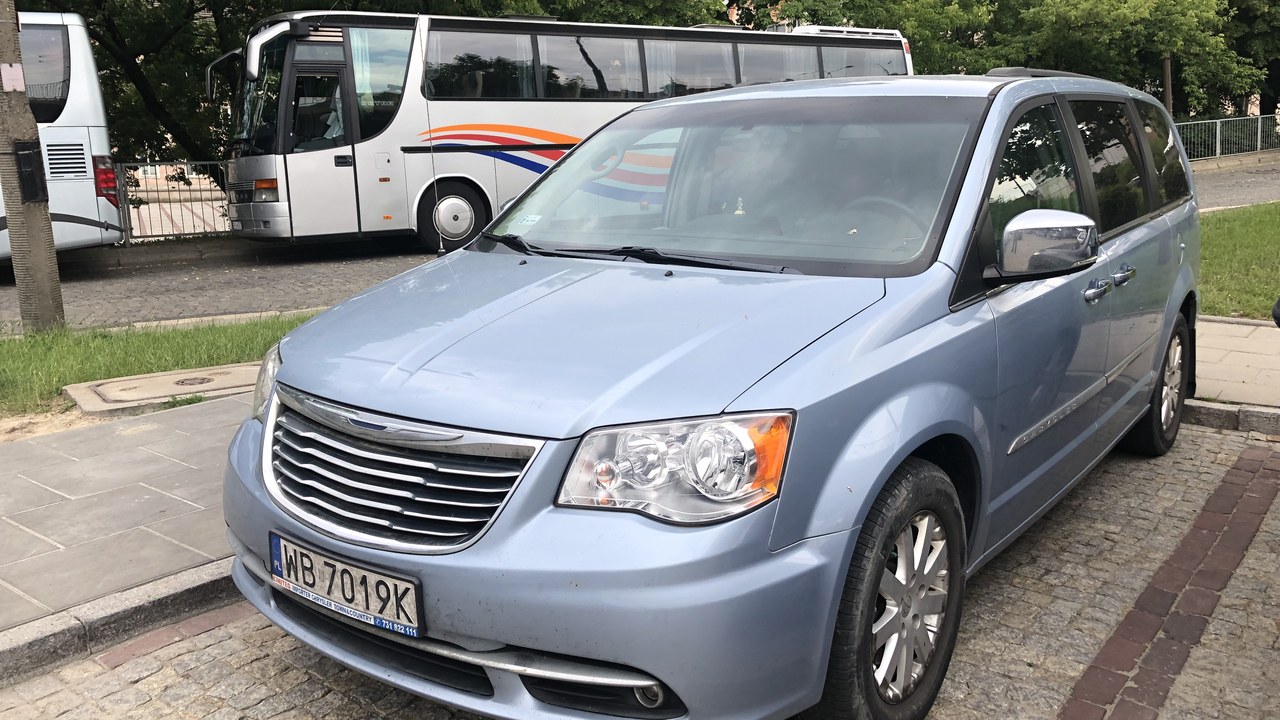
Among the Chrysler entries, the 4.0-liter V6 Town & Country van carries a slightly shorter 100K-mile belt interval than the 3.5-liter cars, and Gates flags it with the interference star as well. Van duty tends to mean heavy loads and long trips.
Family vans often rack up miles quickly, so the 100K mark can arrive sooner than expected. Counting the miles since the last belt change, rather than the age of the van, is the safer habit.
5. Toyota Pickup: Truck Engines From the Early Years

AA1Car lists Toyota’s 2.2 and 2.4-liter Pickup engines, built from 1981 to 1995, among belt-driven interference engines. Toyota’s pickups have a reputation for durability, which can hide the fact that these motors rely on a rubber belt.
Reliability reputation does not extend to rubber. On a decades-old truck with unknown history, replacing the belt is the first maintenance job, since a failure can bend valves. The listing covers both the 2.2-liter and 2.4-liter versions across fifteen model years, so nearly every Pickup of that period falls under the warning.
6. Volkswagen Jetta: When a Broken Belt Bends Valves
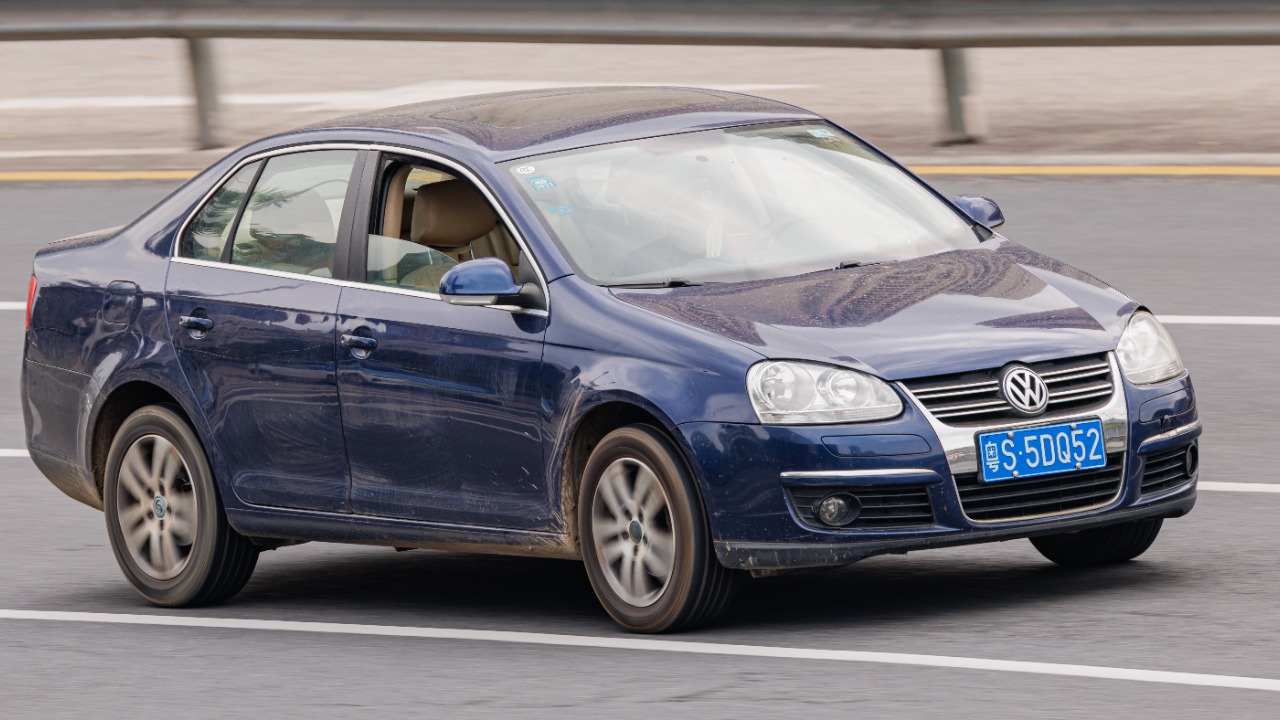
The 1.6-liter Golf and Jetta of 1990-92 and the 2.0-liter Jetta, GLI and Passat of 1990-95 sit on AA1Car’s interference list, where a broken belt “can bend valves and possibly damage a piston.” The wording describes exactly the damage that gives this gallery its premise.
On older Volkswagens that have changed hands several times, the belt date is rarely known. Assuming it is overdue costs a few hundred dollars; assuming it is fine can cost an engine.
7. Nissan Maxima: A Broad Nissan Group of Engines
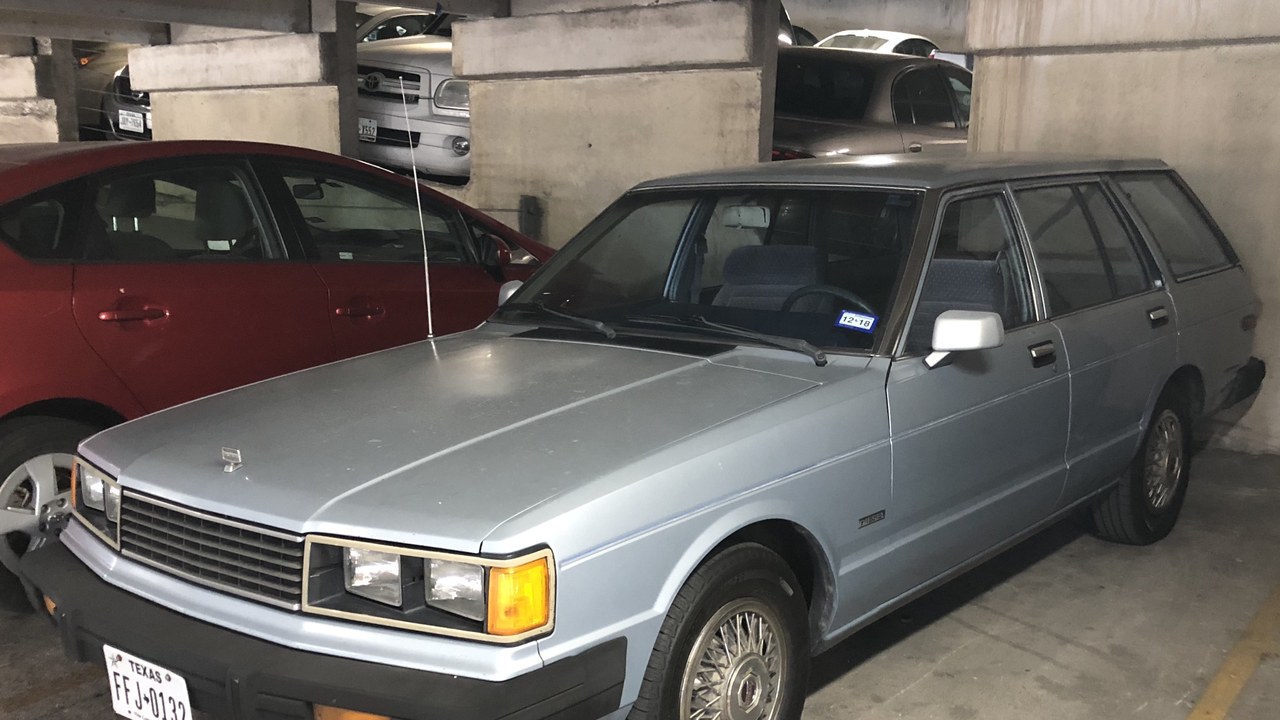
Nissan engines from 1.5 to 3.3 liters made between 1982 and 1998, Maxima included, are listed as belt-driven interference engines. That range spans nearly two decades of Maxima generations and a wide spread of cylinder counts.
Such a broad listing means that age and model year matter less than the engine fitted. Anyone shopping for a used Maxima from this span should confirm the belt type and look for proof of its last replacement.
8. Nissan Pathfinder: Same Nissan Group, Taller Body
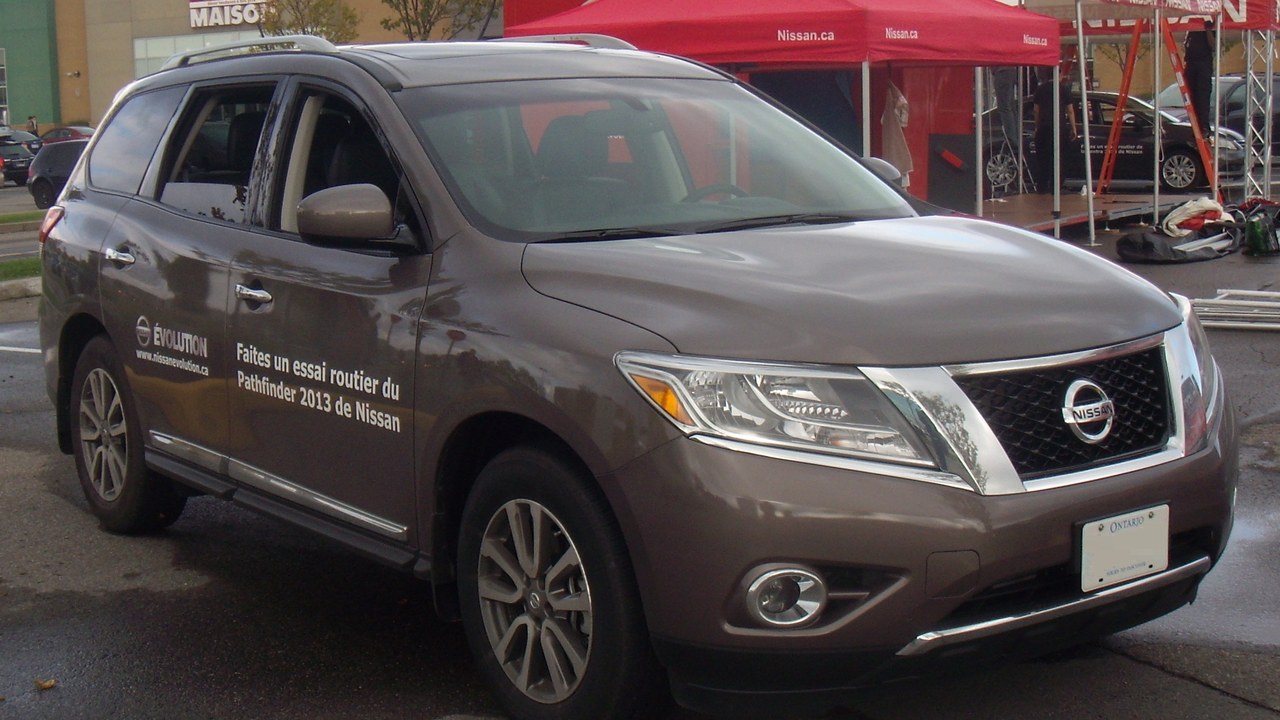
The Pathfinder appears in the same 1982-98 group of Nissan belt-driven interference engines on AA1Car’s list. The sport utility body does not change the engine rules: a snapped belt carries the same risk of bent valves.
Off-road use and towing add strain to an engine already living on a rubber belt. For a used Pathfinder from this era, a documented belt change is a reasonable condition of purchase. The 1982-98 span is long, and the same warning covers every Pathfinder built with one of those engines.
9. Honda Accord: Tensioner Spring Trouble
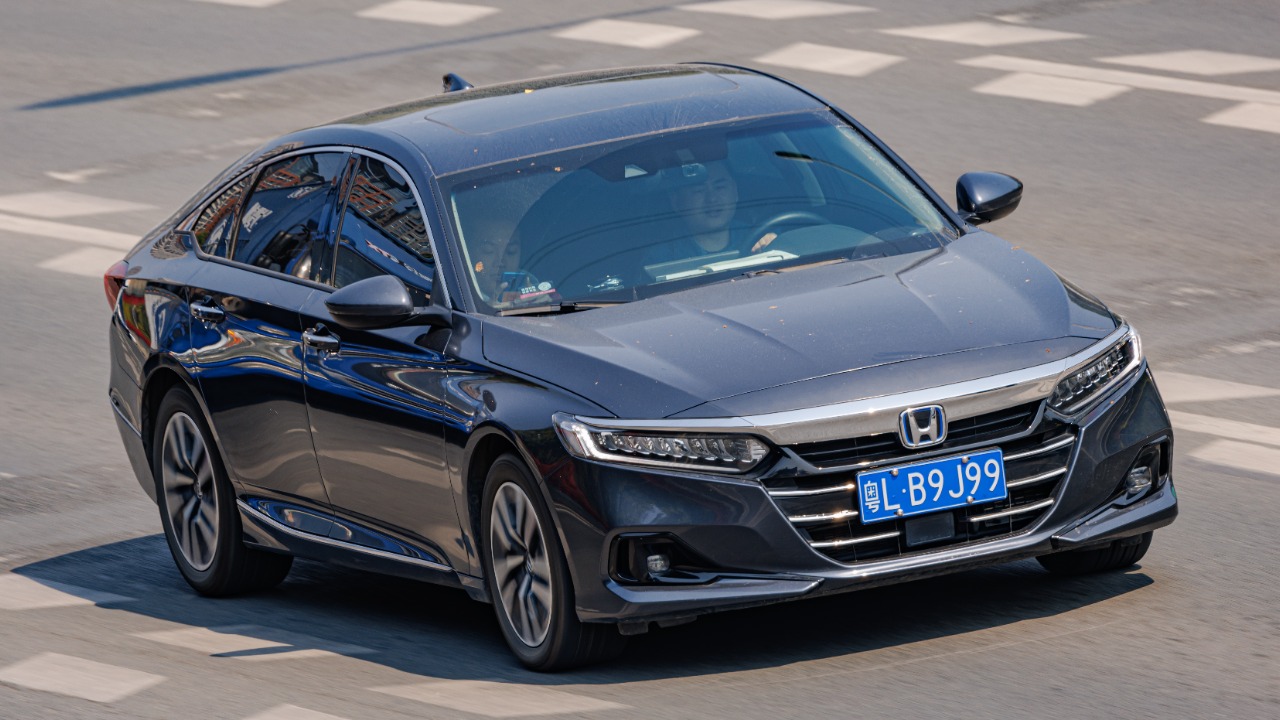
GMB names the Accord among the vehicles with the most timing-belt trouble, citing tensioner failure caused by a weak tension spring. The same write-up notes: “Most modern timing belts are designed to last at least 100,000 miles.”
In this case the belt itself may be fine while the part that keeps it taut gives up. Replacing the tensioner together with the belt addresses the weak point GMB describes. That is a different failure from simple aging, and it can strike well before the 100,000-mile mark.
10. Ford Focus: Age Cracks the Rubber
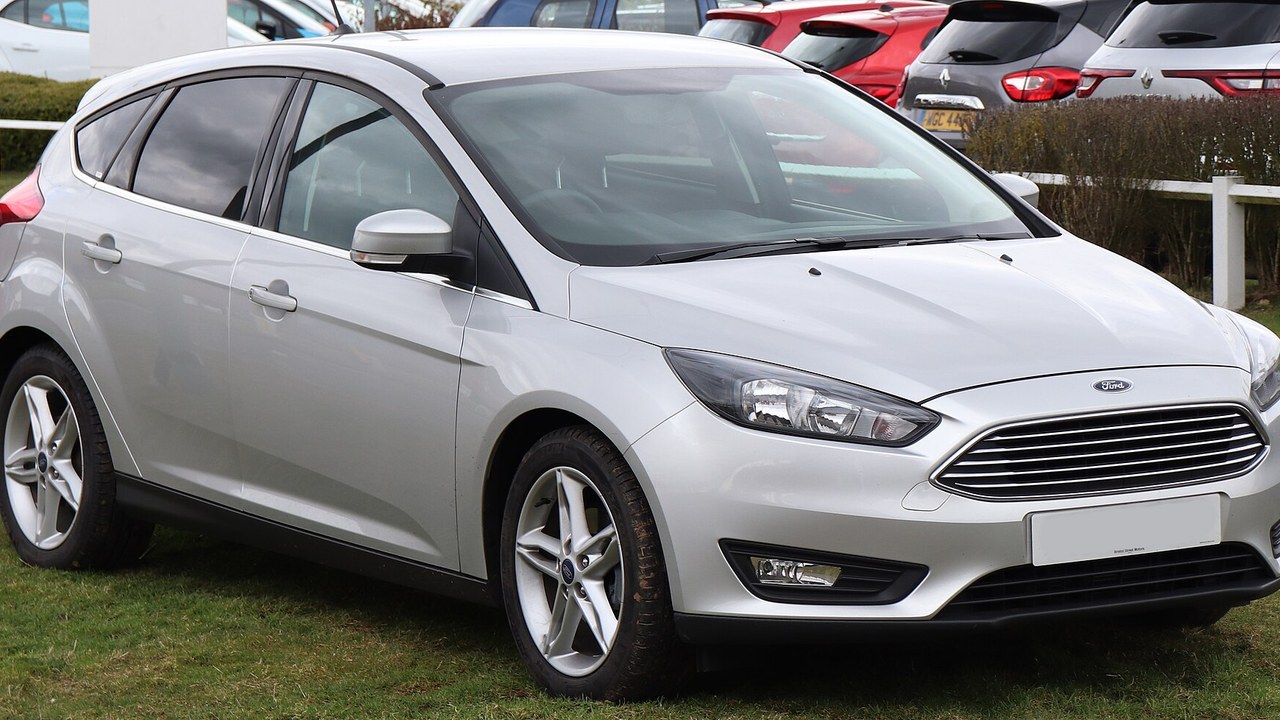
On the Focus, GMB points to “cracking and deterioration” of the belt material with age or mileage. Rubber ages whether or not the car is driven, so a lightly used example is not automatically safe.
The visible cracking is the sort of wear a technician can sometimes spot during inspection. Given the 100,000-mile general figure, any Focus approaching that mark or a decade of age merits a quote for replacement.
11. Toyota 4Runner: Wear and Tear Over Many Years
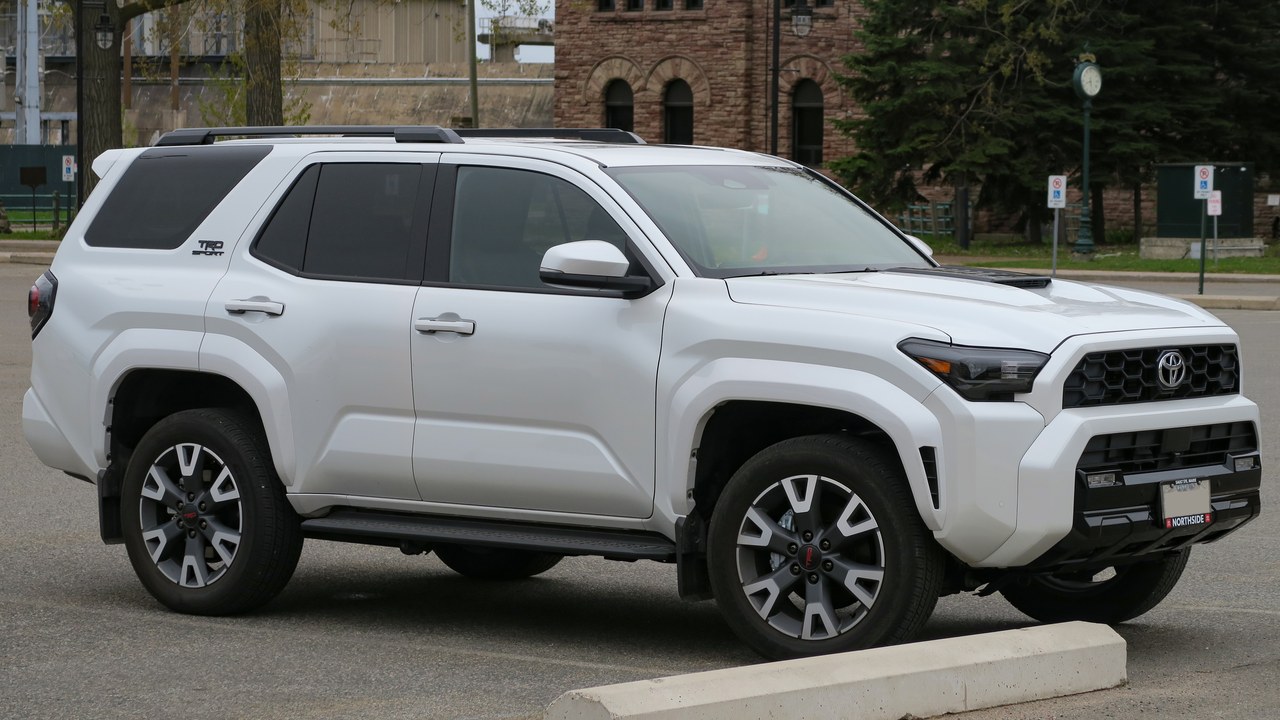
GMB lists the 4Runner’s belt failures as “routine wear and tear” accumulated over many years or high mileage. Nothing exotic is involved; the belt simply reaches the end of a finite life.
Owners keep 4Runners for a very long time, which makes forgotten service items likely. A truck that has crossed the general 100,000-mile mark on its original belt is overdue. The general 100,000-mile figure from GMB gives a practical checkpoint, and the 72-month calendar limit in the Gates guide offers a second one.
12. Subaru Forester: Rubber Degradation Over Time
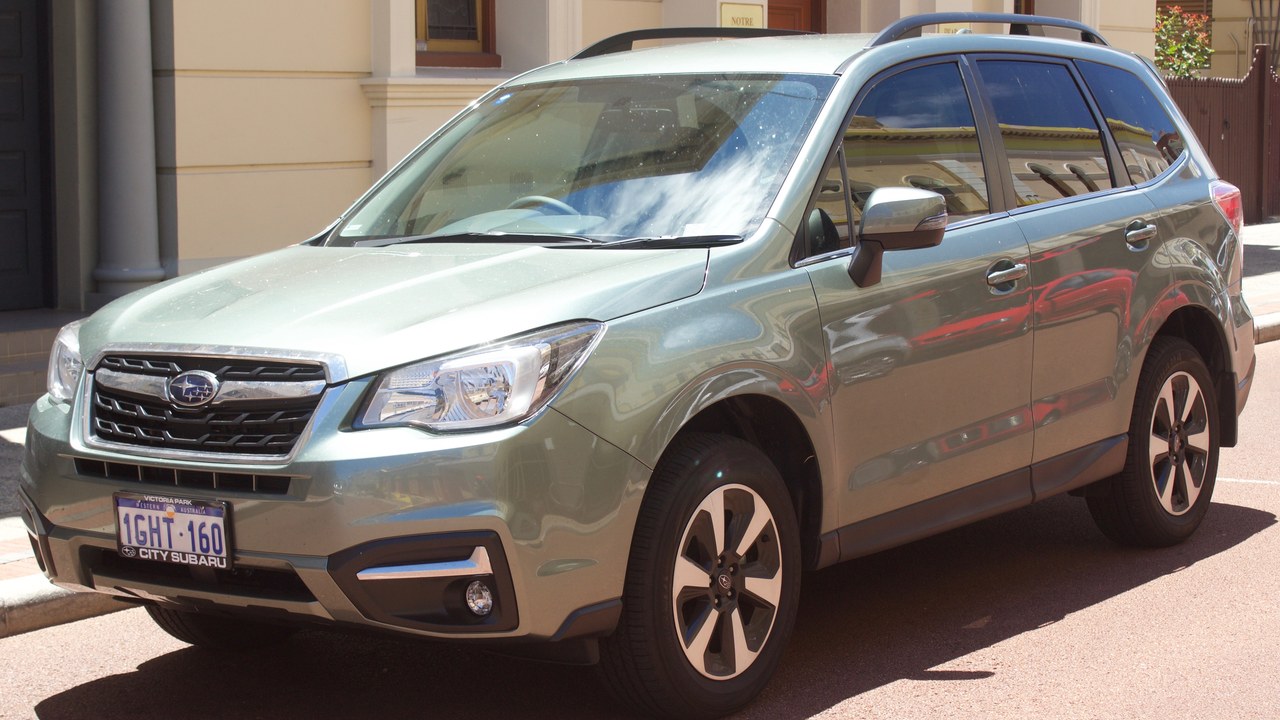
For the Forester, GMB cites “rubber degradation and cracking” over many years and miles, with neglect risking “catastrophic engine damage and costly repairs.” The phrase is blunt, and the failure mode is the same interference damage that runs through this list.
Subarus often serve long, high-mileage lives in rough weather. Keeping the belt interval tied to the maker’s schedule, and not to how the engine sounds, avoids the costly outcome GMB describes.
More from Morning Overview
- Two passengers died at an Ohio toll plaza, and the NTSB now wants the cash lanes shut
- Long use of a common prostate pill is tied to a higher chance of glaucoma
- Ford is recalling 223,472 F-150 pickups because the fuel tank can leak or detach
- Hybrids have 15% fewer problems than gas cars, while EVs and plug-in hybrids have about 80% more, Consumer Reports finds
