
Cars do not all age at the same pace, and large datasets on lifespan, ownership length and reliability make the differences plain. Some familiar nameplates lose years of expected life compared with their rivals, and a few rank last in their category. Here are twelve cars that the numbers place on the short side of the ledger.
1. 10-year-old Chevrolet Sonic: Short Runway After A Decade

Of the ten-year-old cars in lifespan figures for ten-year-old cars, the Chevrolet Sonic ranks near the bottom, with only 4.3 years of expected life left against a 5.9-year average. That is the figure behind the headline, and it makes the small Chevy the starkest example in the data.
Used buyers eyeing one should price in a shorter horizon, since a low sticker can hide repair bills arriving soon after purchase. The 1.6-year shortfall is the widest in this gallery, and it shows how quickly a budget compact can move from bargain to burden once the warranty is long gone.
2. 10-year-old Kia Rio: Budget Hatch Running Low
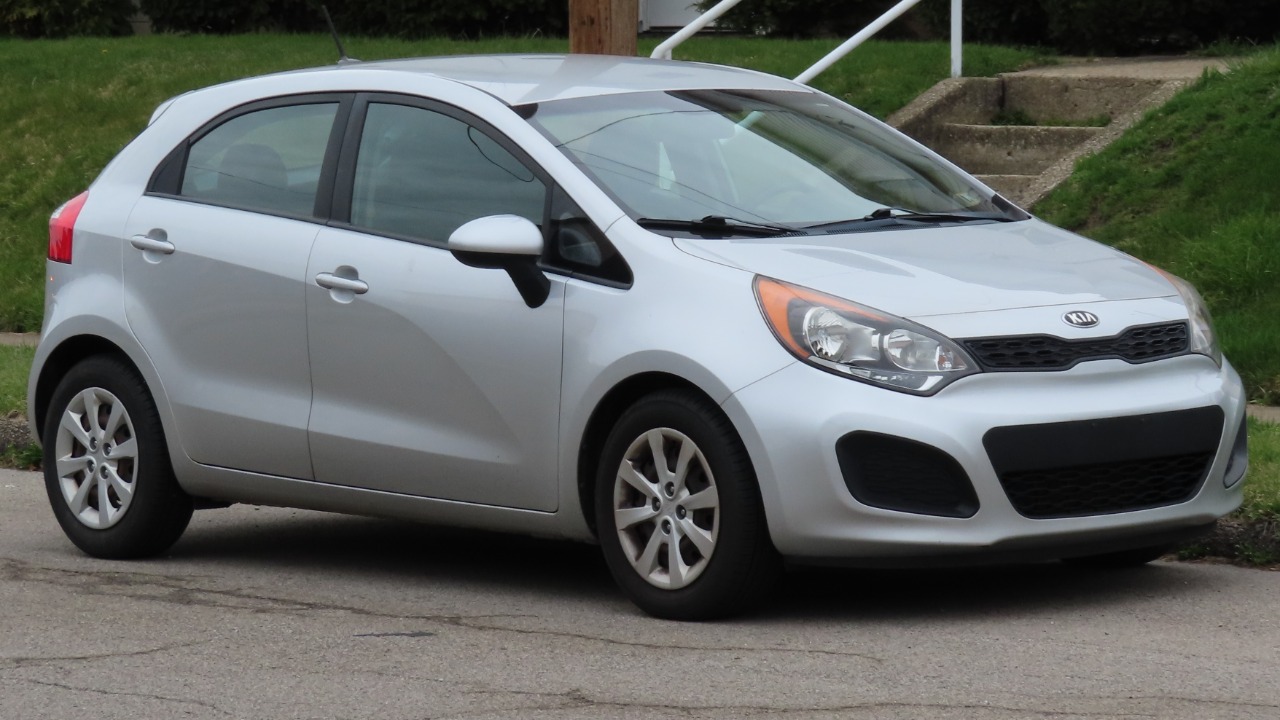
A Kia Rio reaching its tenth birthday has just 4.7 years of remaining life, according to a study of cars bought for the money. The subcompact therefore sits well under the 5.9-year average for cars of the same age.
Cheap economy cars are tempting, though shoppers should check service records and budget for major repairs before the odometer climbs much further. The 1.2-year gap to the average is smaller than the Sonic’s but still meaningful, and low purchase prices on this class of car rarely offset that lost time.
3. 10-year-old Fiat 500L: Quirky Box With Little Left
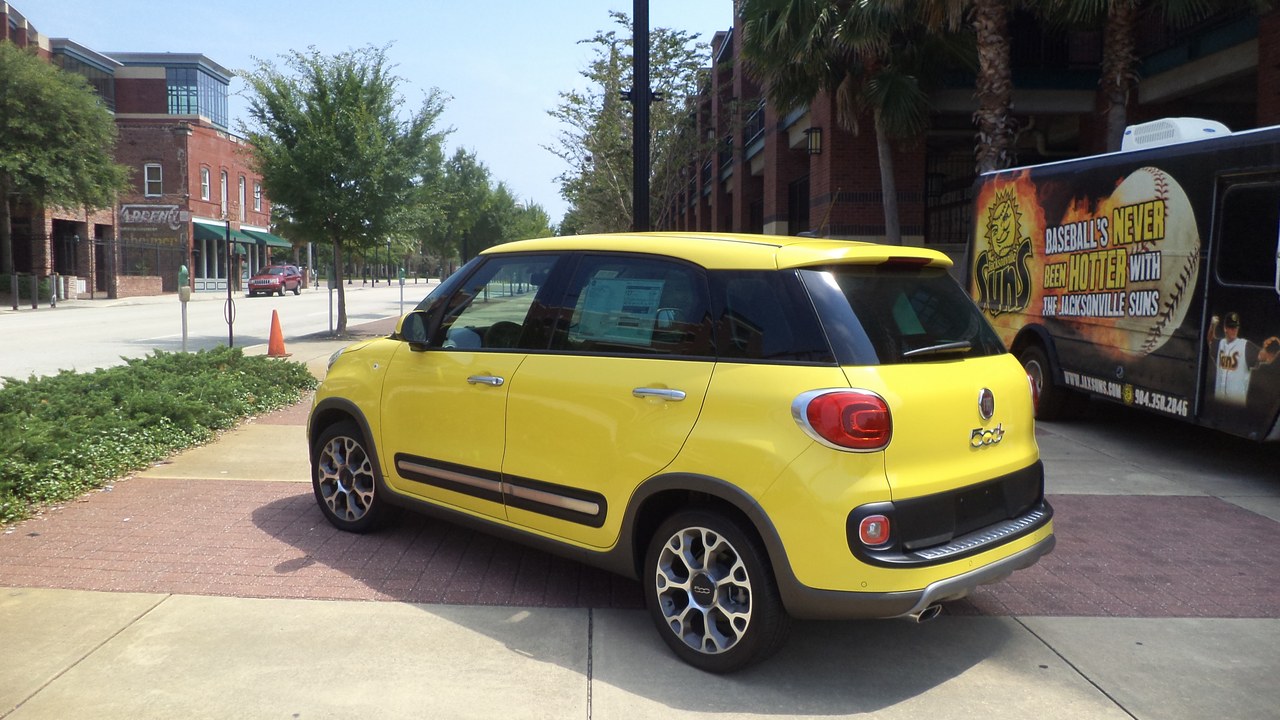
Fiat’s boxy 500L shows 4.9 years left at age 10 in remaining-life estimates by model. The estimate puts the small family hatchback among the weaker performers for aging cars.
Anyone considering an older example should weigh the modest price against a shorter expected runway and limited parts familiarity. The shortfall against the 5.9-year average is about one year, a real difference for a vehicle whose appeal rested on quirky styling and a roomy cabin rather than durability.
4. 10-year-old Volkswagen Passat: Sedan Past Its Prime
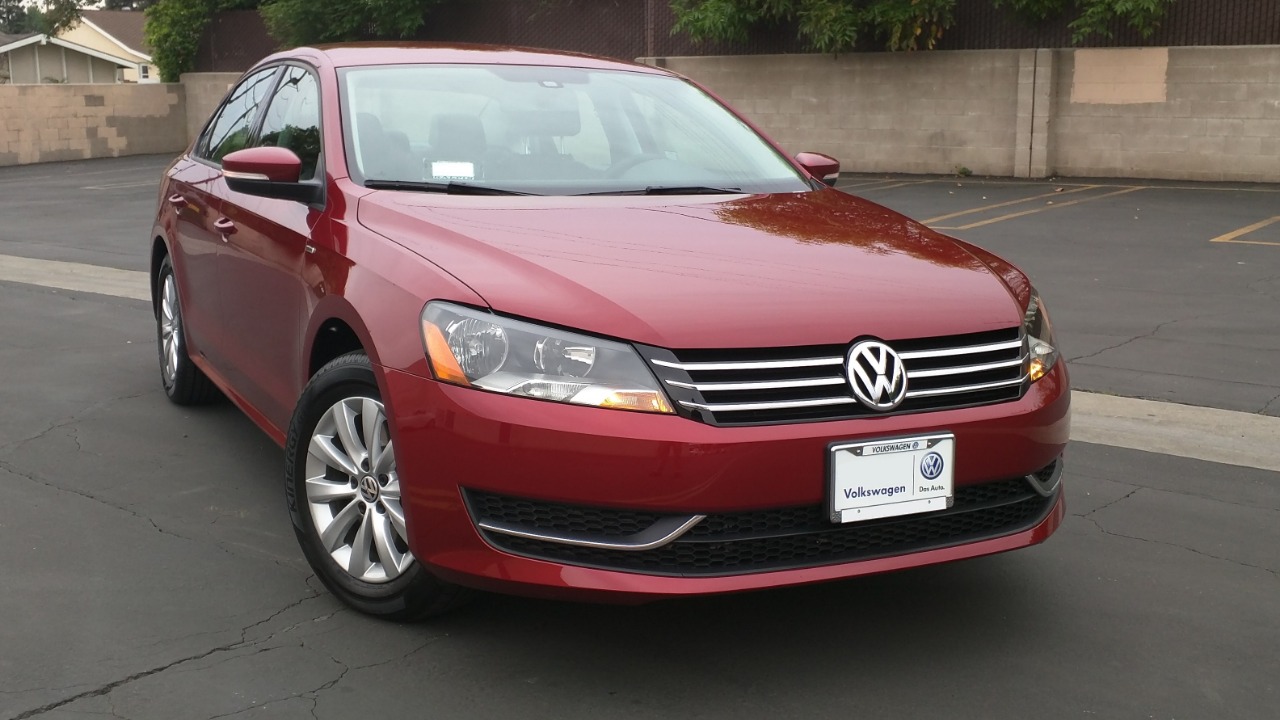
Volkswagen’s midsize Passat is credited with 5.1 years of remaining life at ten years old in a used-car value study. That lands below the 5.9-year average used as the benchmark.
The estimate suggests a pre-purchase inspection matters more here than with longer-lived rivals, particularly for timing components and electronics. The gap is 0.8 years, modest on paper but notable for a sedan that was once a mainstream family pick and is often assumed to be solid.
5. Hyundai Sonata Hybrid: Hybrid Falls Short Of Average
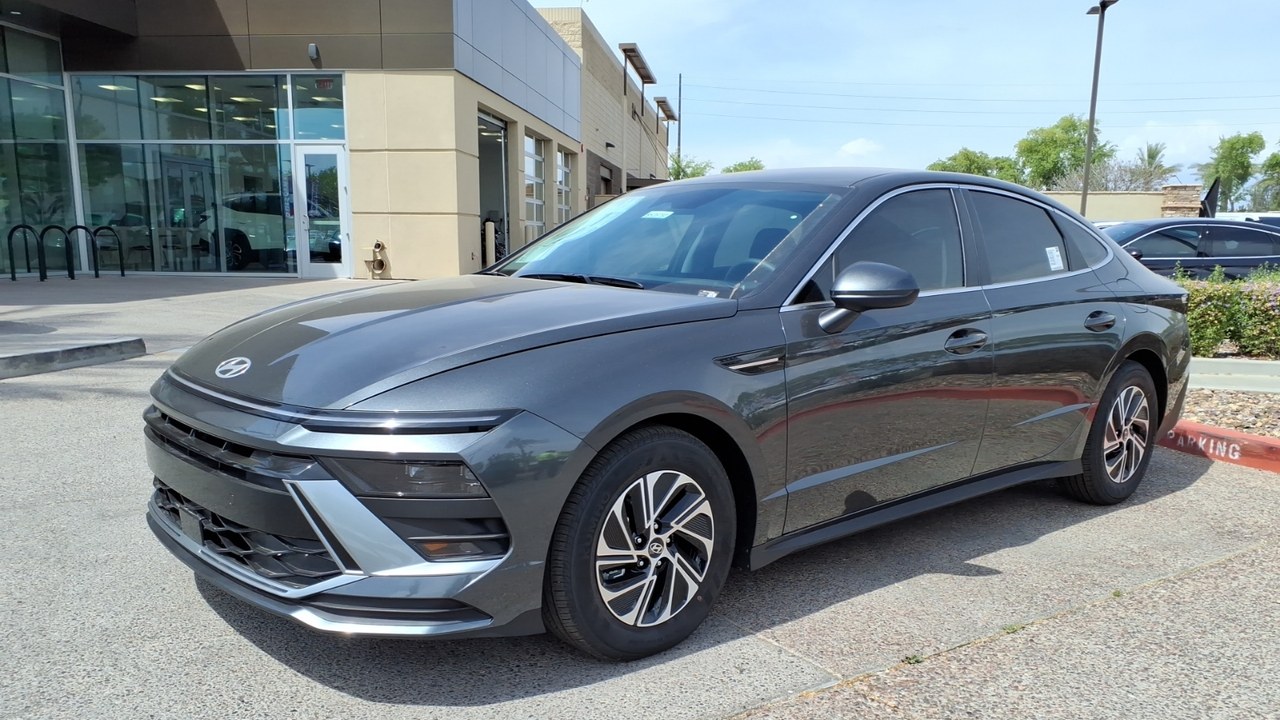
A new Hyundai Sonata Hybrid is expected to last 9.1 years, compared with an 11.0-year average, based on expected lifespan of new cars. The gap is nearly two years for a model sold on efficiency and long-term value.
Buyers should not read the number as a failure prediction; it describes an average, and careful maintenance can stretch any car beyond it. A hybrid system adds components that can complicate repairs, though the study measures overall expected life rather than pinpointing which parts wear out first.
6. Nissan Altima: Midsize Sedan Under The Bar
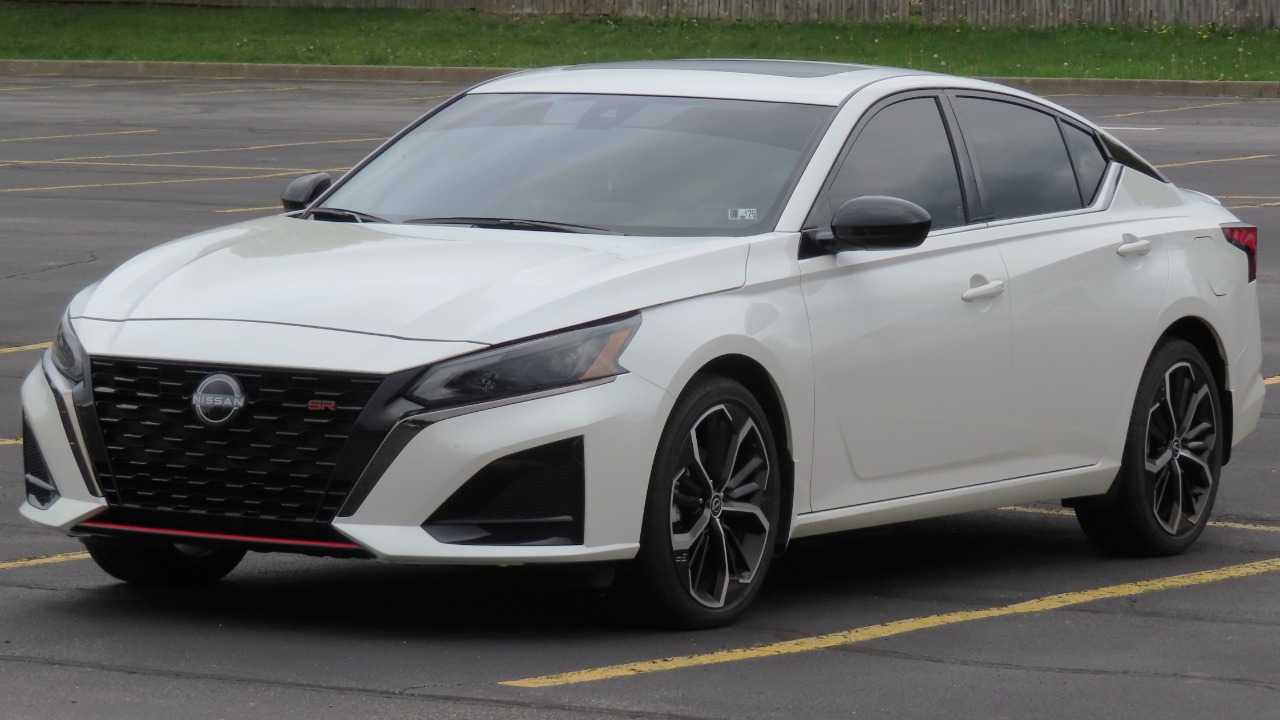
Nissan’s Altima carries an expected lifespan of 9.6 years in a new-car value analysis, well short of the 11.0-year average. The midsize sedan is among the best-known nameplates on the low side of the ranking.
Shoppers weighing resale value might note that a shorter expected life can mean steeper depreciation and a smaller pool of future buyers. The shortfall is 1.4 years, which matters for buyers who finance over six or seven years and expect to keep the car well beyond the final payment.
7. Hyundai Elantra: Compact Stops Short
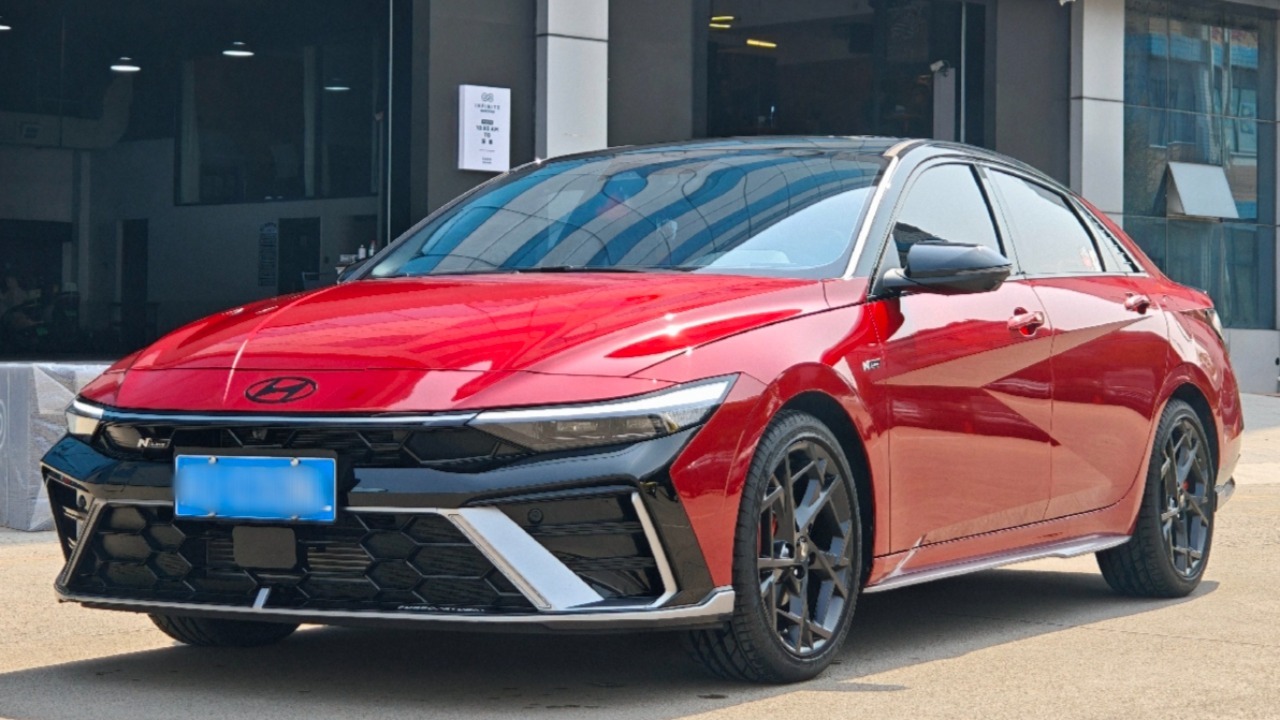
The Hyundai Elantra is expected to last 9.9 years when bought new, according to new-car lifespan estimates. That trails the 11.0-year average by more than a year.
For commuters planning to keep a car a decade or more, the lower figure argues for comparing warranties and maintenance costs before signing. The gap is 1.1 years, and the compact is a volume seller, so the finding applies to a very large number of cars on the road today.
8. Ford Fusion: Owners Move On Early
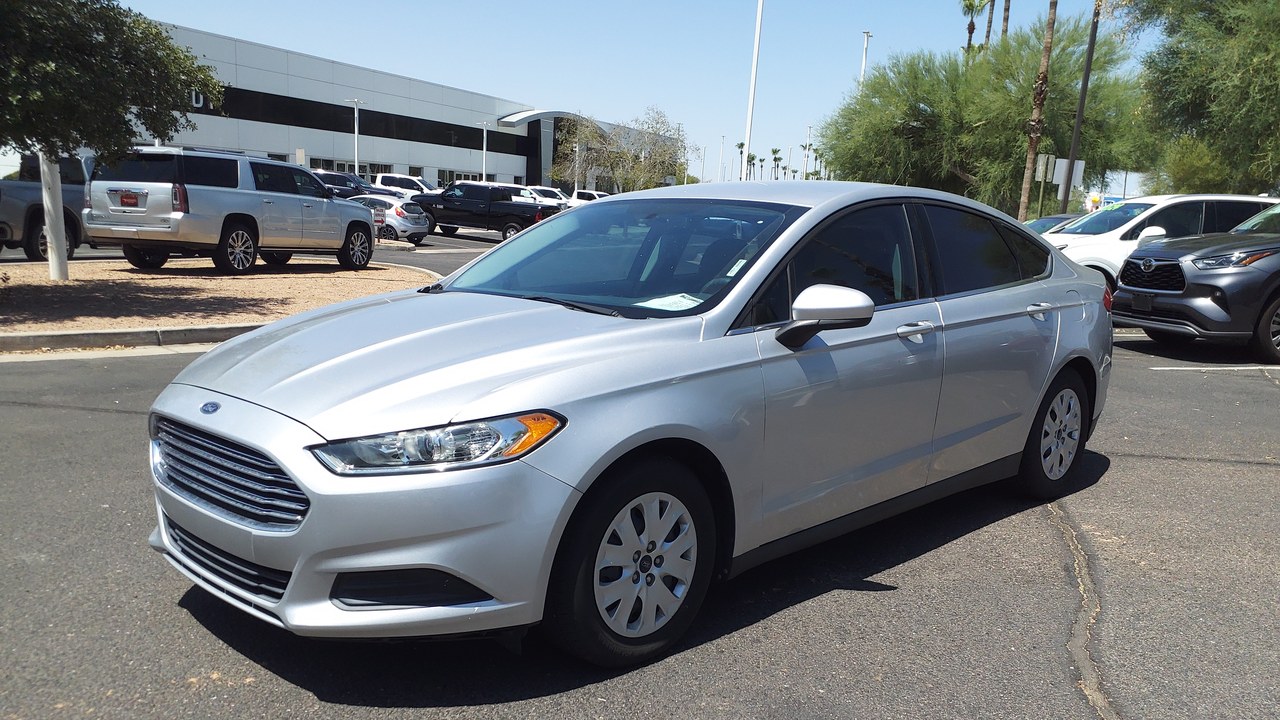
Owners hold a Ford Fusion for just 7.1 years, per a study of ownership length, among the shortest of popular cars and below the 8.4-year average. Short tenure is a signal that drivers lose patience with the sedan sooner than with most rivals.
The takeaway for shoppers is that a car people sell quickly often reaches the used market with its best years already spent, so history deserves scrutiny. The 1.3-year difference from the 8.4-year average also hints at lower owner satisfaction, since people tend to keep cars they trust and like for longer.
9. Nissan Leaf: Electric Pioneer, Lowest Mileage Ceiling
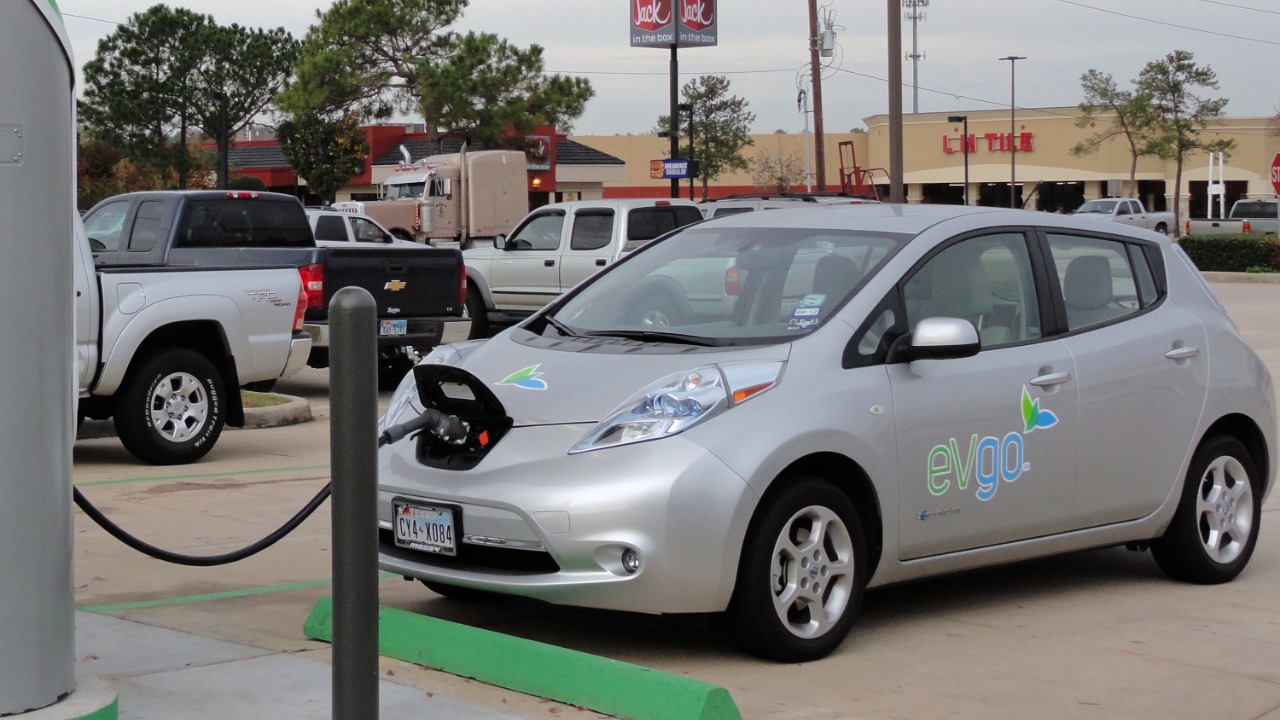
The Nissan Leaf has a potential lifespan of 98,081 miles, the lowest figure in a car lifespan study. Battery wear on the early electric hatchback is the usual explanation for a ceiling that sits far under gasoline rivals.
Prospective owners should treat the figure as a mileage ceiling on early battery packs, and newer models with larger, better-cooled batteries may differ. The result is a ceiling for the model as measured, a useful reference for used shoppers who need to judge whether remaining battery capacity justifies the asking price.
10. BMW 7 Series hybrid: Luxury Hybrid Bottoms The Table
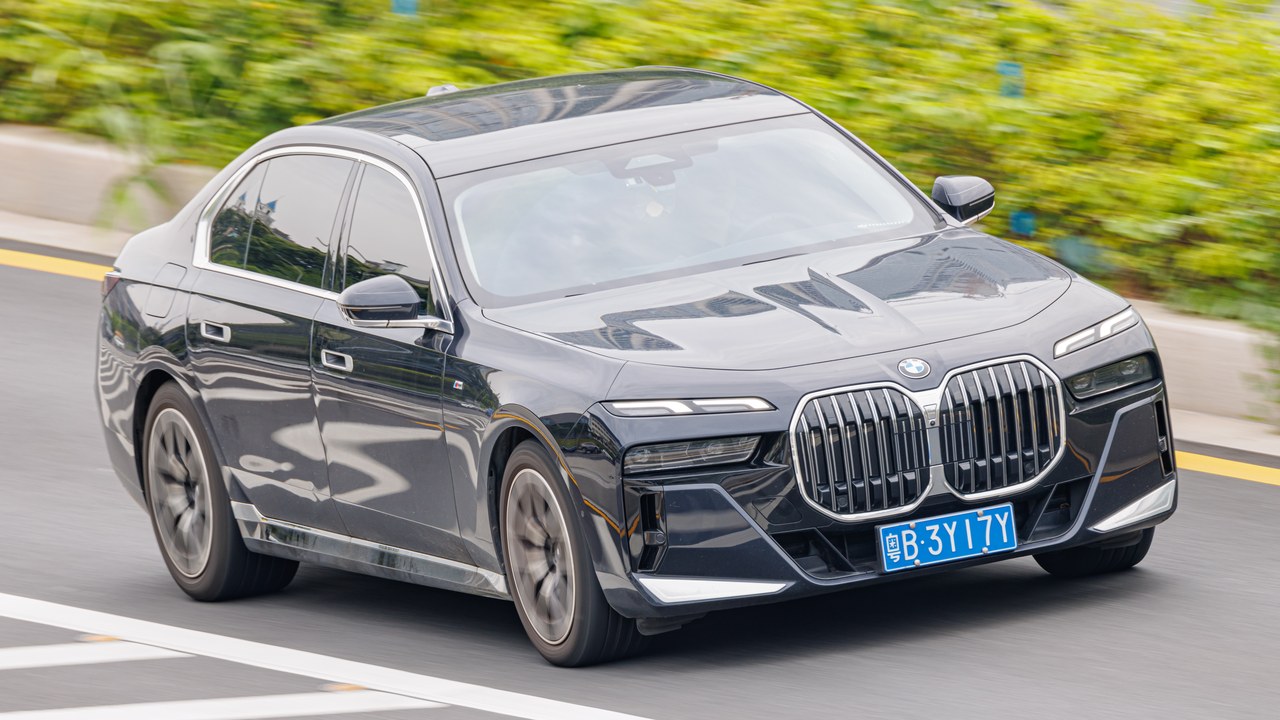
On the hybrid table in hybrid lifespan rankings, the BMW 7 Series hybrid finishes last at 133,545 miles. The Toyota Prius, by comparison, reaches 250,601 miles, nearly double.
Hybrid shoppers drawn to luxury badges should note that complex powertrains can make out-of-warranty repairs expensive, so coverage and maintenance history count. The roughly 117,000-mile gap to the Prius highlights how differently two hybrids can age when one is built for efficiency and the other for performance and luxury.
11. Chrysler Pacifica Hybrid: Minivan At The Reliability Floor
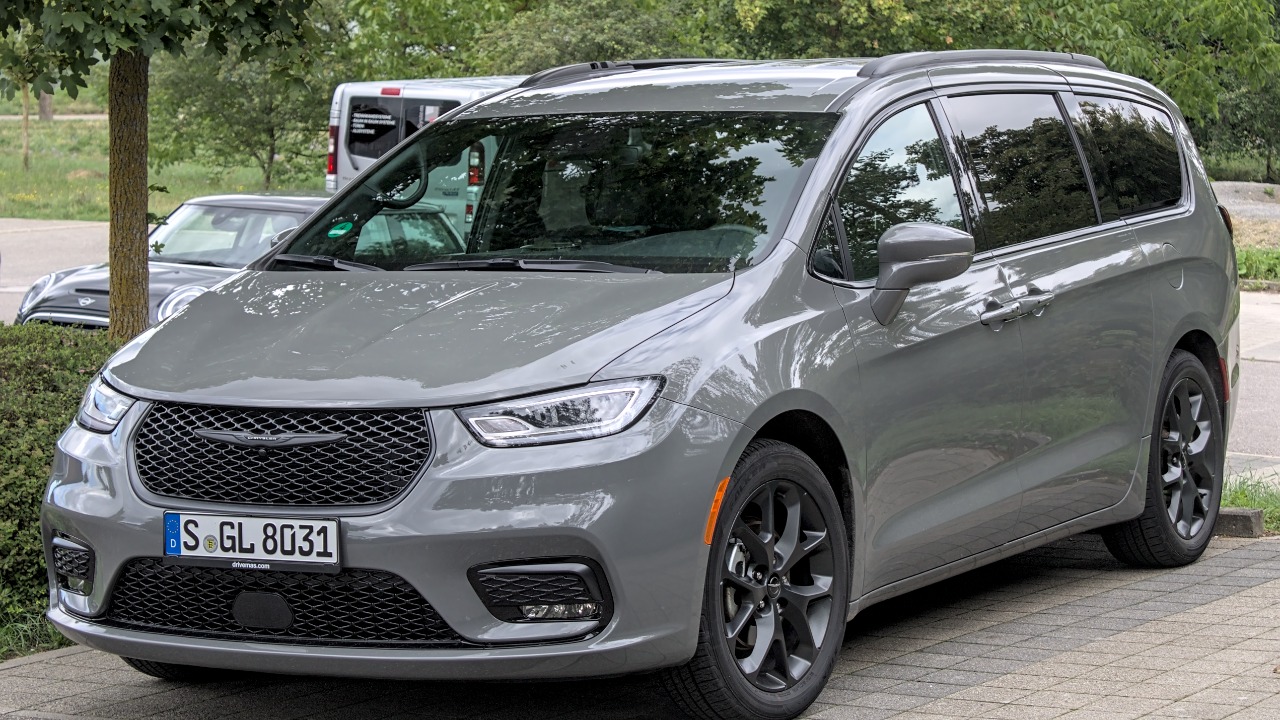
Consumer Reports names the Chrysler Pacifica Hybrid its least reliable 2026 model in Consumer Reports’ reliability list, with a score of 26 out of 100. The minivan lands at the very bottom of the published ranking.
Fleet buyers and families should read the score as a warning to check recall records and warranty terms before committing to the van. The low score reflects owner-reported problems, and the minivan’s mix of electronics and powertrain complexity is a common source of such complaints in modern vehicles.
12. Audi S4: Sport Sedan Few Keep Long
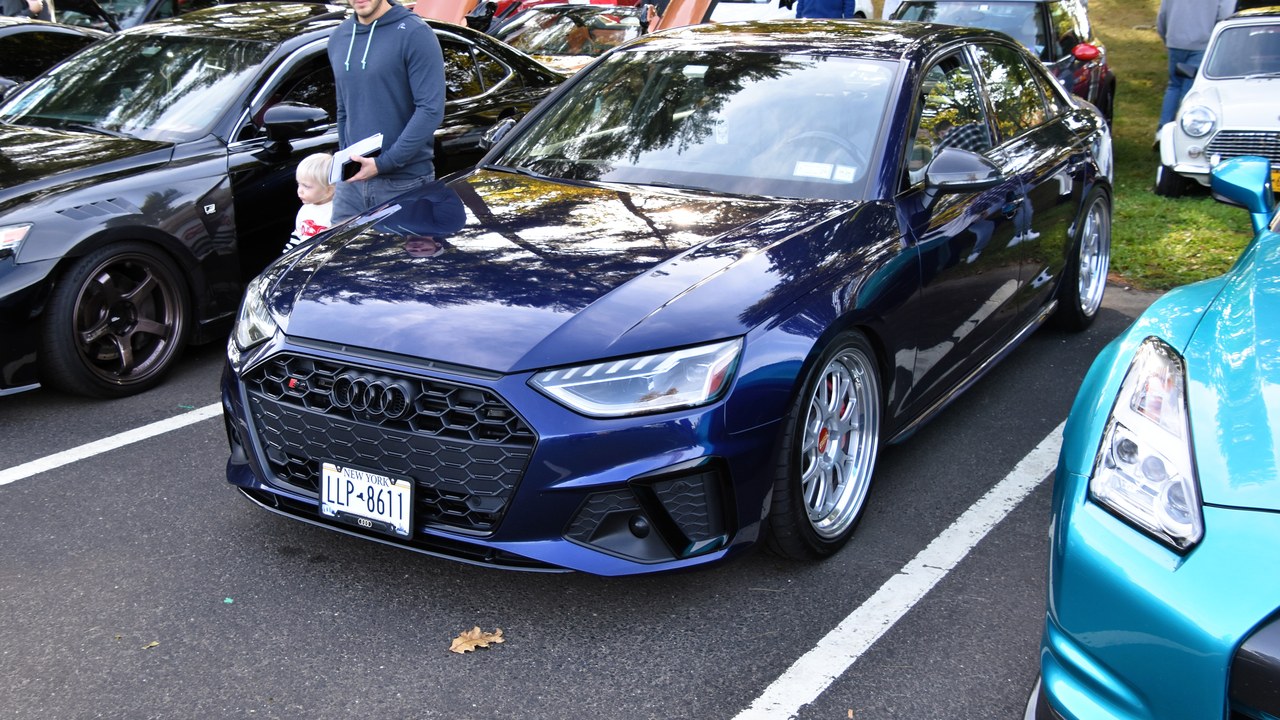
Only 4.1% of Audi S4 buyers still own their car past 15 years, versus 6.1% across all models, according to a long-term ownership study. The performance sedan is handed down or retired earlier than the typical vehicle.
Enthusiasts should expect complicated, costly upkeep on an older performance model, and a clean ownership history is worth paying extra for. The 2.0-point difference is small in absolute terms, yet it points to a shorter life for a car that many owners buy for performance and then trade away once repair costs rise.
More from Morning Overview
- Doctors warn a silent liver disease now affects one in three American adults
- Common allergy, bladder and sleep pills tied to sharply higher dementia odds
- The second-largest U.S. reservoir just fell to its lowest level ever recorded
- Security experts still urge phone owners to switch off one location-tracking setting
