
Towing capacity separates the SUVs built on truck bones from the ones merely styled to look like them. The biggest numbers come from body-on-frame platforms, large or heavily turbocharged engines, and a factory tow package that adds cooling and the right hitch hardware. Here are twelve SUVs that sit at the top of the factory towing charts, ranked.
1. Ford Expedition: The Full-Size Benchmark
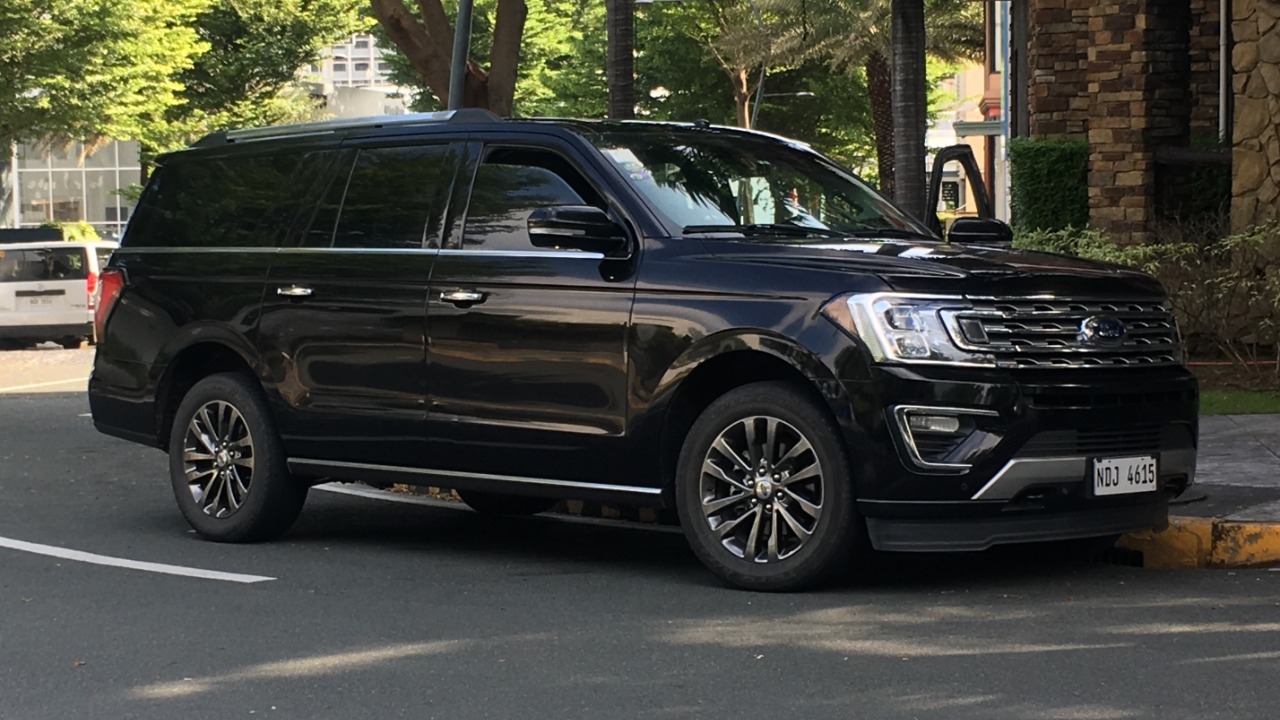
Ford’s largest SUV rides on a body-on-frame chassis derived from the F-150, and it leads this ranking because that truck architecture carries over almost intact. A twin-turbocharged EcoBoost V6 supplies the pulling torque, while the factory heavy-duty trailer tow package adds transmission cooling, an integrated brake controller and a shorter rear axle ratio; the Expedition’s model lineage shows how consistently the formula has held.
Configuration is the catch. Only one combination reaches the headline figure, and payload erodes it quickly once passengers and tongue weight draw on the same allowance.
2. Chevrolet Tahoe: Frame Rails And A V8
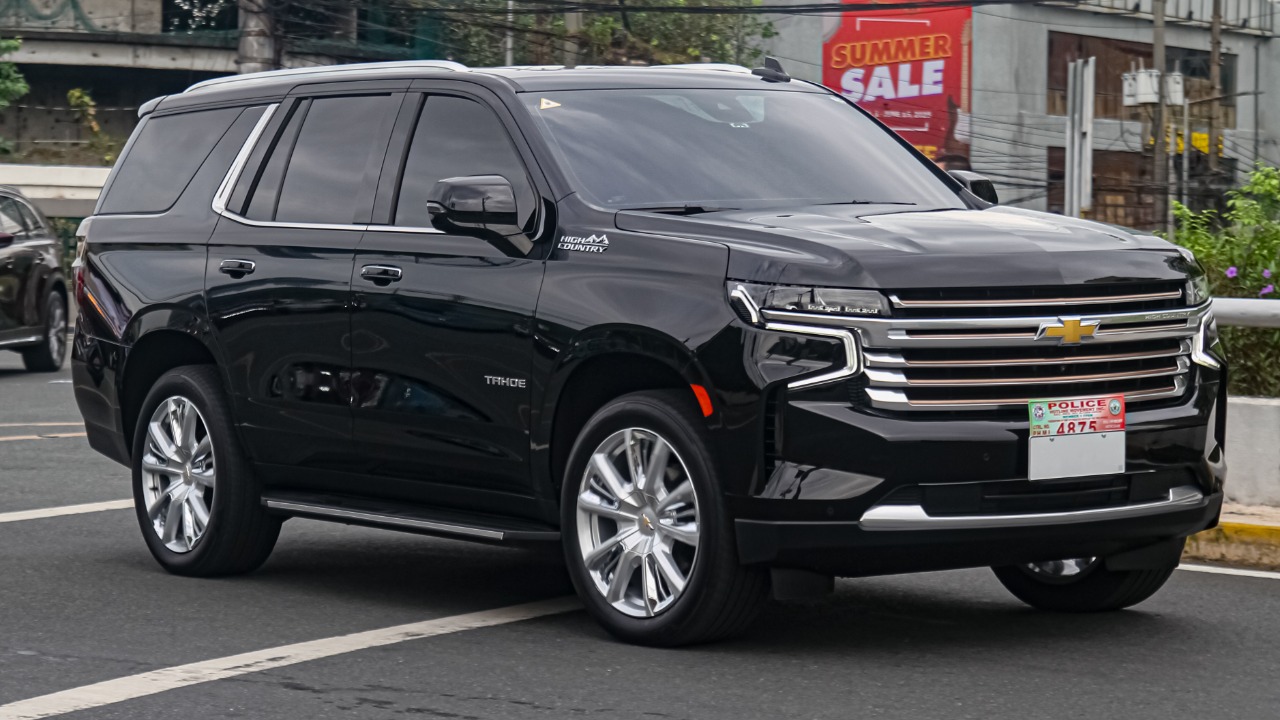
A separate steel ladder frame still sits under the bodywork here, which is the single biggest reason this nameplate belongs near the top of any towing list. Small-block V8s and a turbodiesel inline-six share the engine bay, and the maximum trailering package bundles upgraded cooling, a two-speed transfer case and a trailer brake controller, as the Tahoe’s platform history makes clear.
Independent rear suspension on recent generations improved ride quality without surrendering the rating, though the softer setup makes a weight-distributing hitch more valuable on long highway hauls.
3. Chevrolet Suburban: The Long-Body Hauler
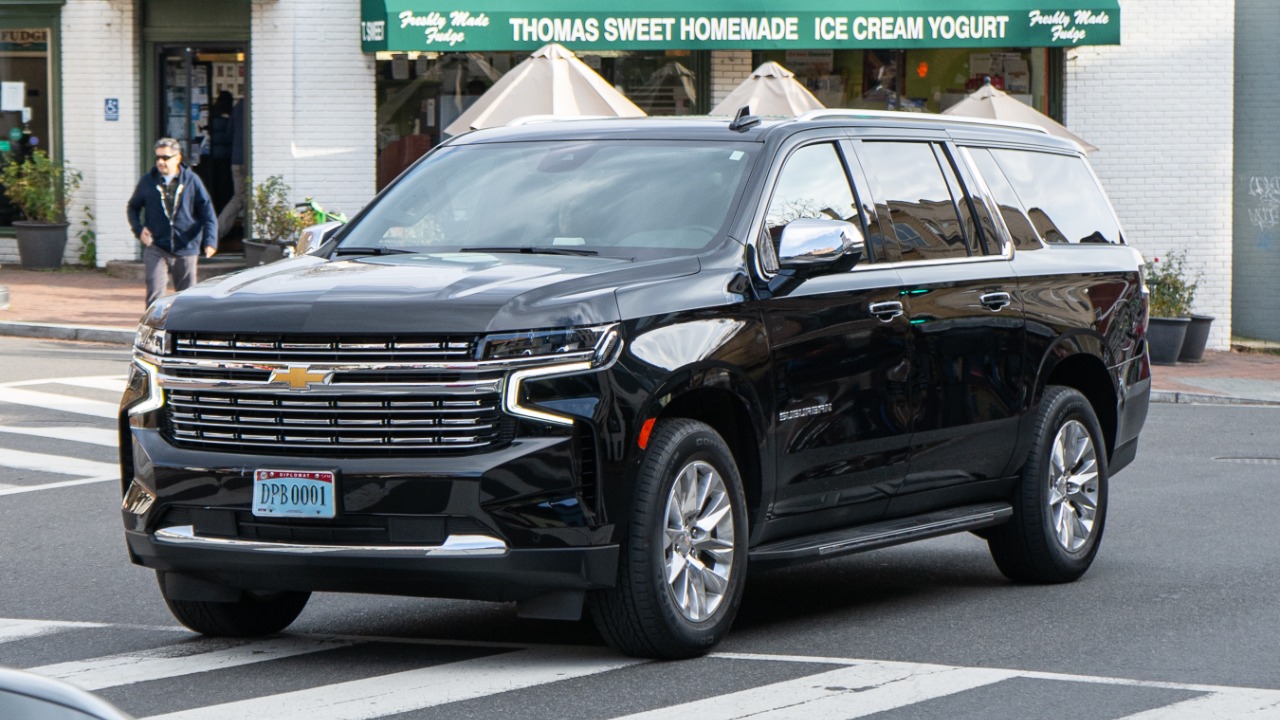
Stretching that same frame roughly twenty inches produces a longer wheelbase, and the extra distance between the axles is what makes this one of the steadiest trailer platforms sold. The powertrain menu mirrors its shorter sibling, and the identical trailering equipment is required before the advertised figure applies. the Suburban’s production record spans more model years than any other American nameplate.
Length carries a penalty. Curb weight climbs with the extra body, so every pound of cargo loaded behind the third row subtracts directly from what the hitch may legally carry.
4. GMC Yukon: Premium Trim, Truck Frame
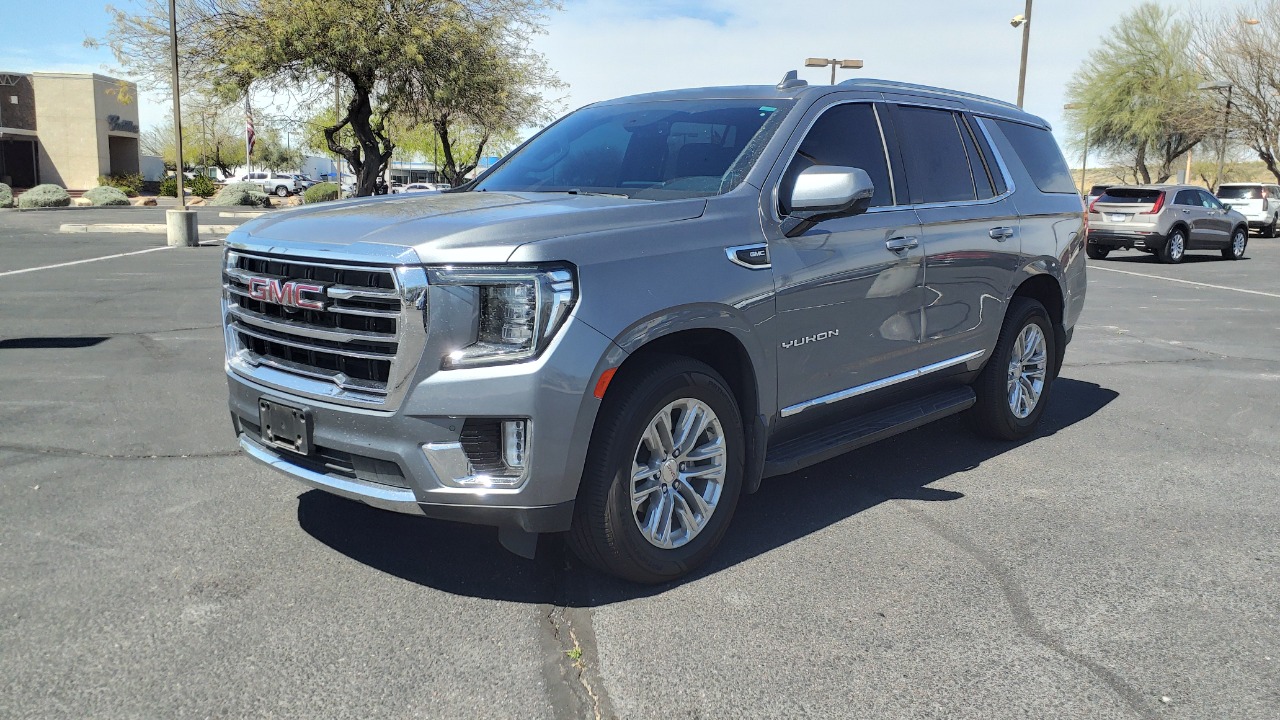
Frame, engines and trailering hardware arrive straight from the Chevrolet pair, differentiated mainly by trim, suspension tuning and the Denali cabin. Ordering the heavy-duty trailering package remains the gate to the highest rating, and the optional diesel trades outright horsepower for torque delivered early on long grades. the Yukon’s generational record documents those shared underpinnings clearly.
Air suspension on upper trims levels the rear automatically under tongue weight, a genuine convenience on a loaded rig that does not by itself raise the published rating.
5. Toyota Sequoia: Hybrid Torque, Truck Frame
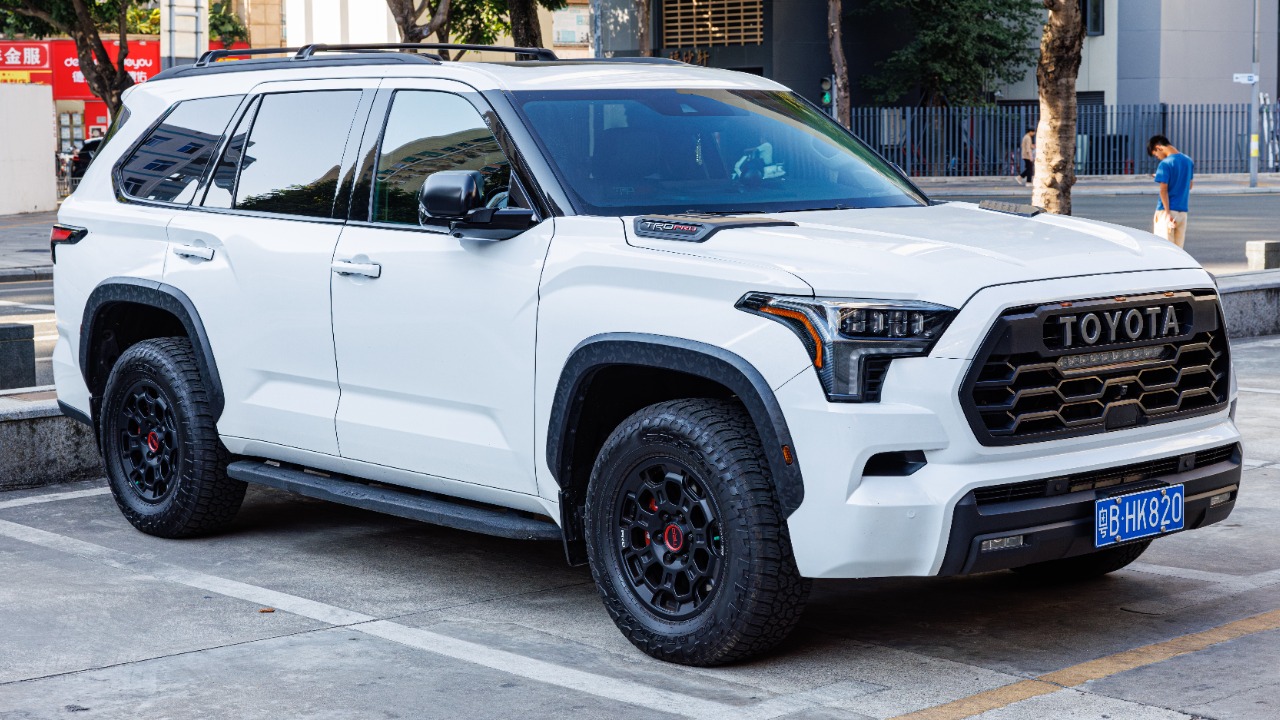
Toyota moved its full-size SUV onto the Tundra’s frame, and the switch brought a hybrid twin-turbocharged V6 that delivers peak torque low in the rev range, exactly where a loaded trailer demands it. A factory tow package with an integrated brake controller and supplemental coolers is required for the top figure, and the Sequoia’s model history marks that generational break plainly.
Third-row space suffered in the redesign, because the battery pack and a revised rear suspension lifted the load floor, a real trade for anyone packing gear behind a trailer.
6. Jeep Grand Cherokee: Midsize With Trailer Ambition
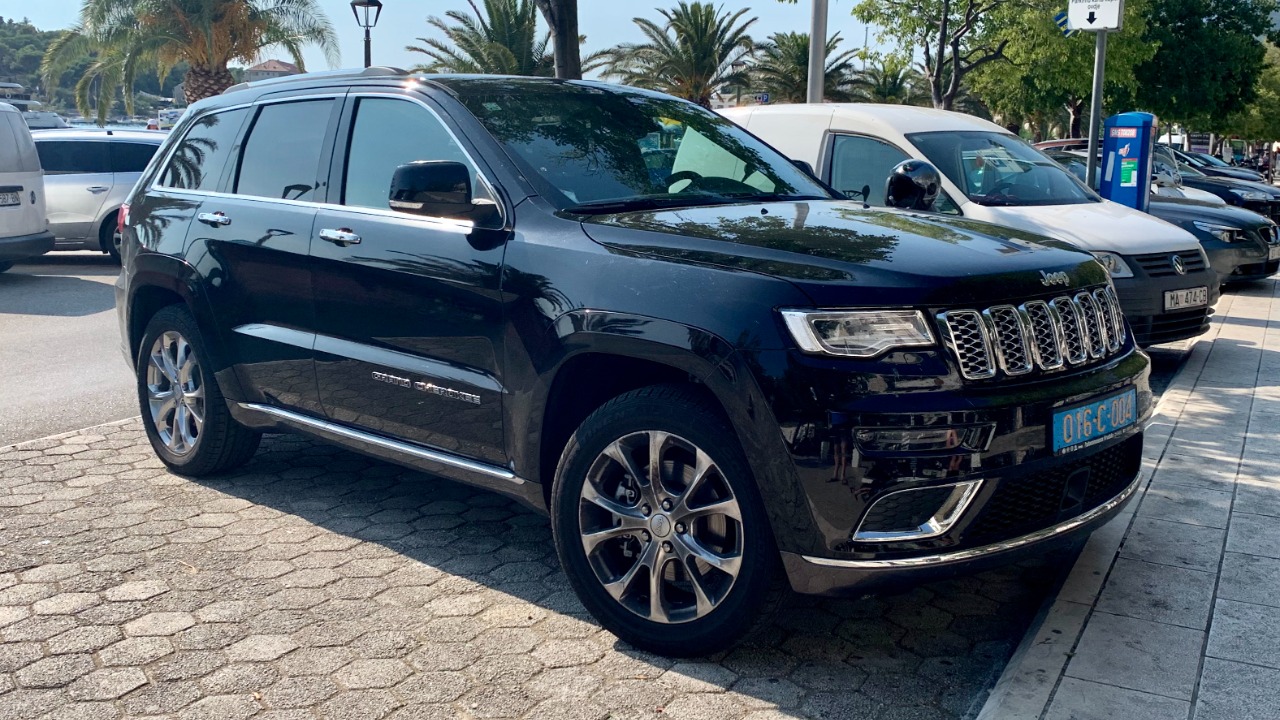
Unlike the full-size entries above it, this one uses a unibody structure, yet Jeep still engineers a proper trailer-tow group around it: heavier cooling, a rear load-leveling option and factory-wired connectors. Earlier generations offered a Hemi V8 that lifted the rating past typical midsize numbers, and the Grand Cherokee lineup covers both two-row and long-wheelbase versions.
Air springs help here too, dropping the tail for hookup and holding ride height under load, but the tongue weight ceiling arrives sooner than on a frame-built rig.
7. Dodge Durango: The V8 Holdout
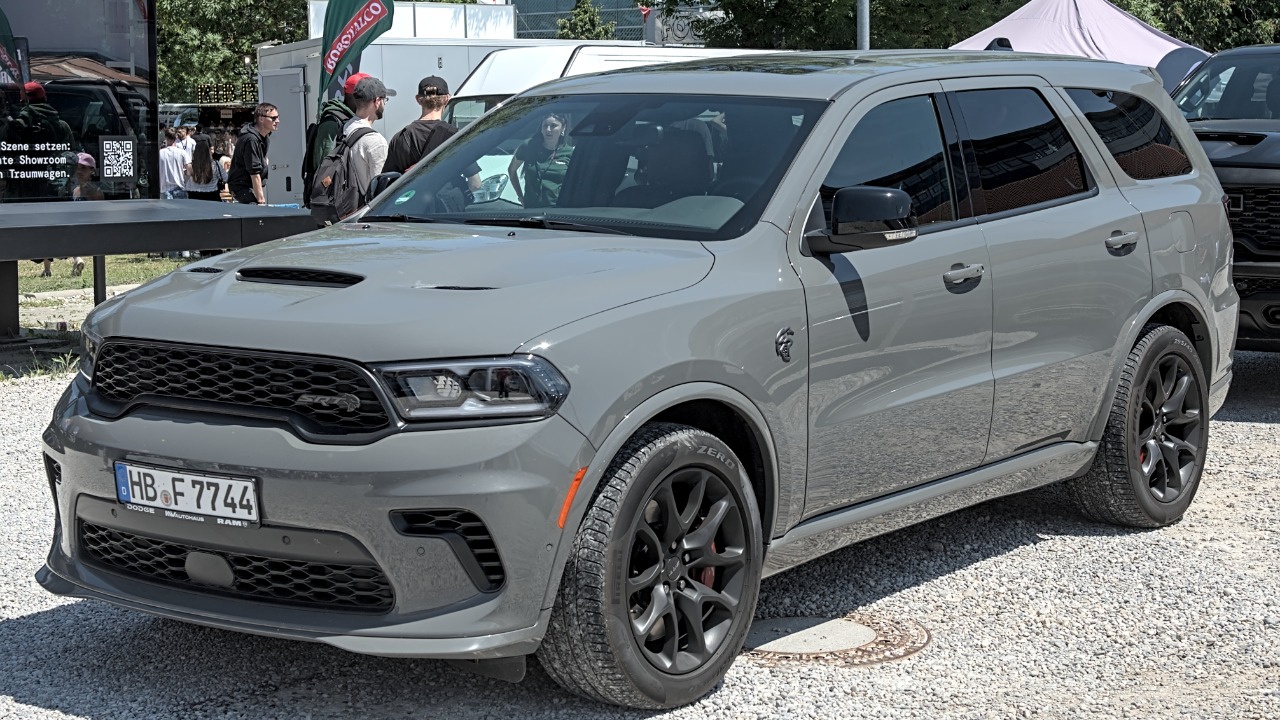
Few three-row crossovers were engineered around a rear-drive platform with a V8 option, and that decision is why this one has outlasted most of its own segment. The Hemi engines, a heavy-duty oil cooler and the factory tow group together unlock its published maximum, a combination the Durango’s engine roster traces across two decades of production.
Fuel economy is the obvious cost, and the rating falls sharply with the base V6, so the badge alone never guarantees the capability the nameplate is known for.
8. Ford Explorer: Rear-Drive Roots Pay Off
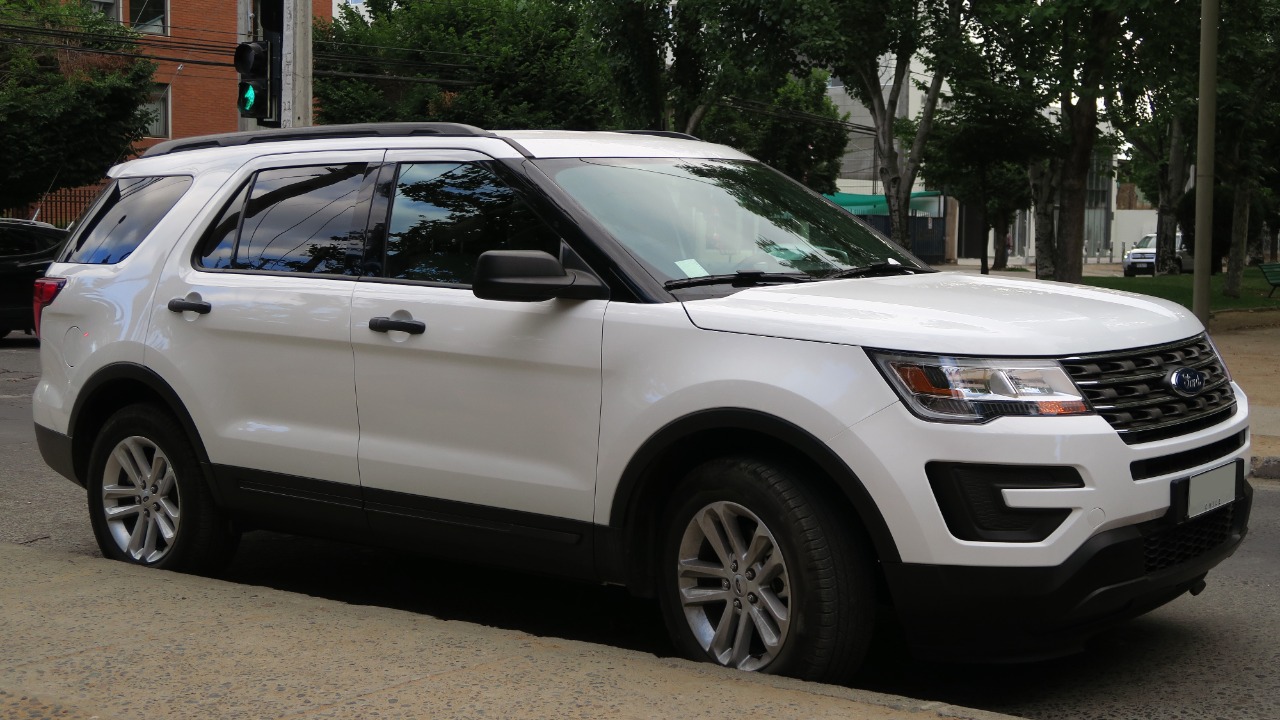
A redesign returned the model to a rear-drive-based architecture after years on a front-drive platform, and towing was the clearest beneficiary. The larger turbocharged engine paired with the Class III trailer tow package, which adds a hitch receiver, wiring and additional cooling, carries the strongest rating in the range; the Explorer’s generational shifts show how sharply the platform changed.
Ratings vary by engine and drivetrain far more than most shoppers expect, and a base four-cylinder or hybrid version sits well below the number advertised for the line.
9. Nissan Armada: Frame-Built Family Hauler
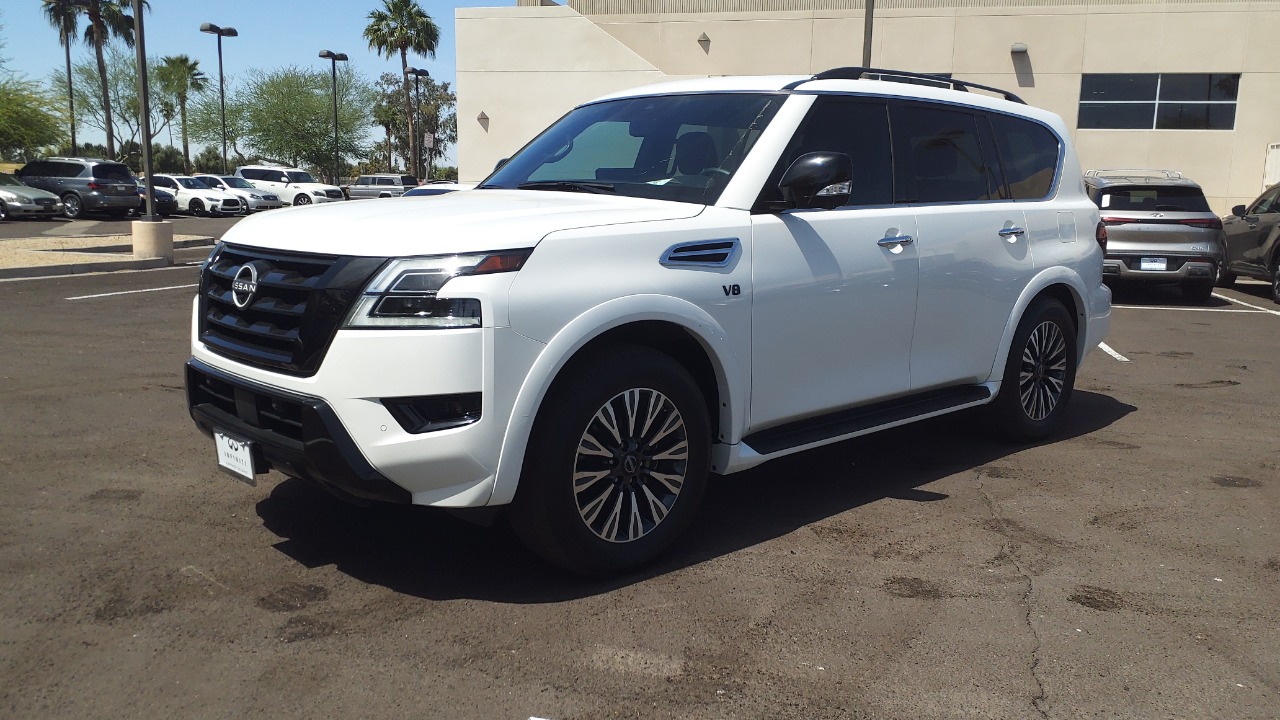
Body-on-frame construction borrowed from a global truck platform underpins Nissan’s largest SUV, long powered by a naturally aspirated V8 and more recently by a twin-turbocharged V6. A tow package with a hitch receiver, trailer harness and extra cooling is standard equipment on most trims, and the Armada’s model background traces that shared international lineage.
Long production cycles leave the mechanicals well understood by independent shops, an underrated advantage once a transmission that has spent years pulling a boat needs service.
10. Lincoln Navigator: Luxury On A Truck Frame
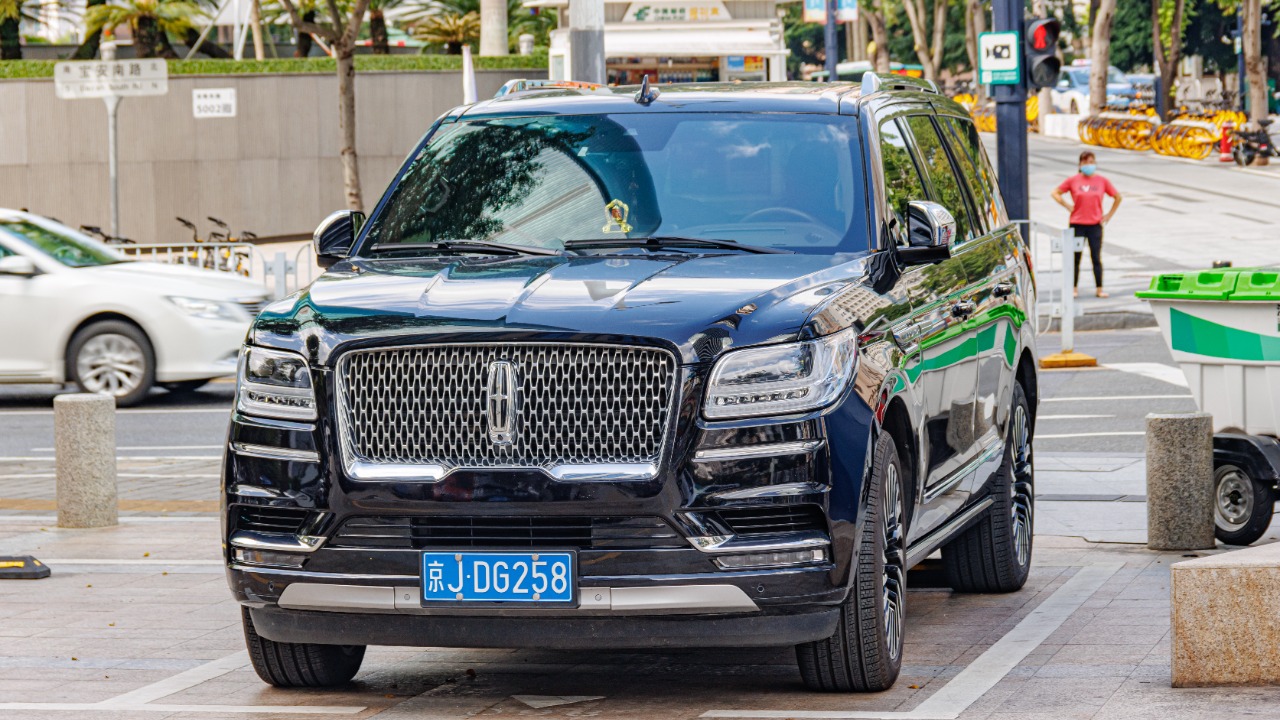
Lincoln’s flagship shares the Expedition’s frame and turbocharged V6, then wraps them in a cabin built around adaptive seating and active noise cancellation. The heavy-duty trailer tow package stays a separate order item, bundling the brake controller, sway-control software and a shorter final drive, and the Navigator’s badge history details the platform it has always shared.
Luxury adds mass, and mass comes out of payload, so a fully optioned example reaches its tongue weight ceiling earlier than a plainly equipped truck-based sibling.
11. Cadillac Escalade: Chrome Over A Tow Rig
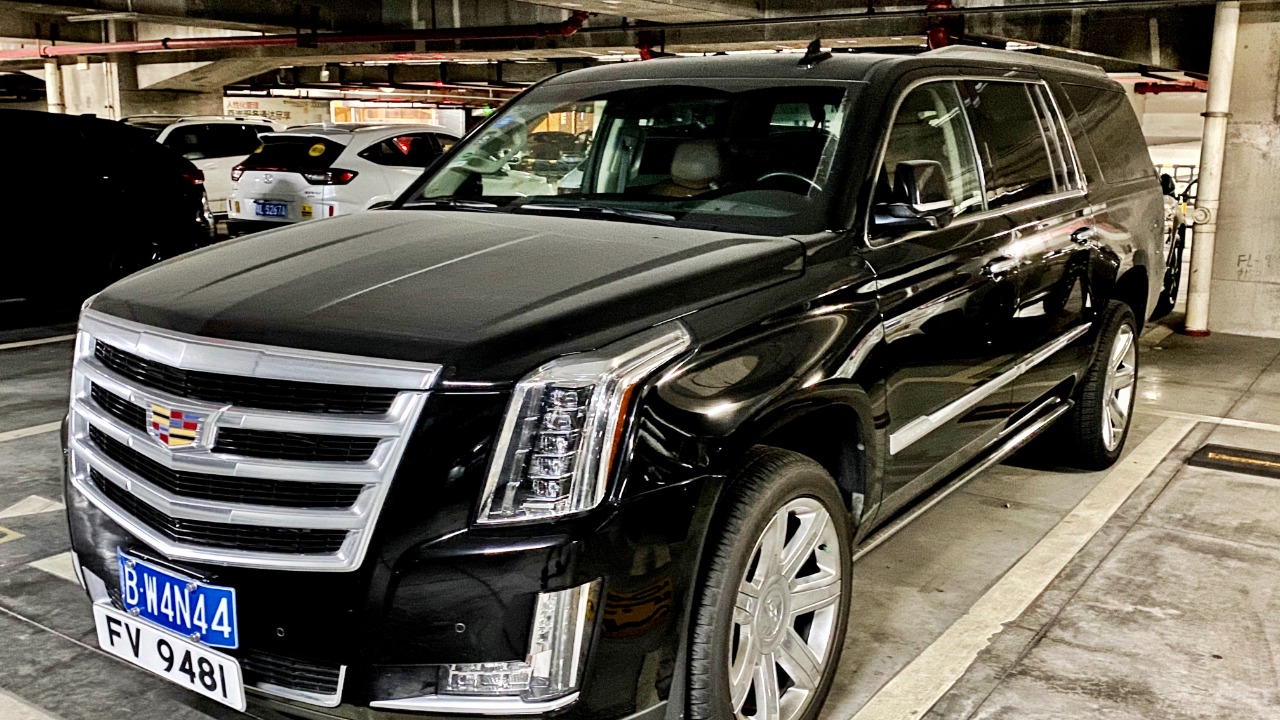
Under the chrome sits the same ladder-frame vehicle as its General Motors relatives, offered with the largest available V8 or an optional turbodiesel inline-six. Reaching the maximum requires the trailering package, and the surround-view system adds a transparent-trailer camera view that makes backing into a site far easier; the Escalade’s production timeline tracks each platform change.
Twenty-two-inch wheels wrapped in low-profile tires are the usual specification, and those tires prove less forgiving of the sustained sidewall loading a heavy trailer imposes in summer heat.
12. Land Rover Defender: Unibody, Rated Heavy Anyway
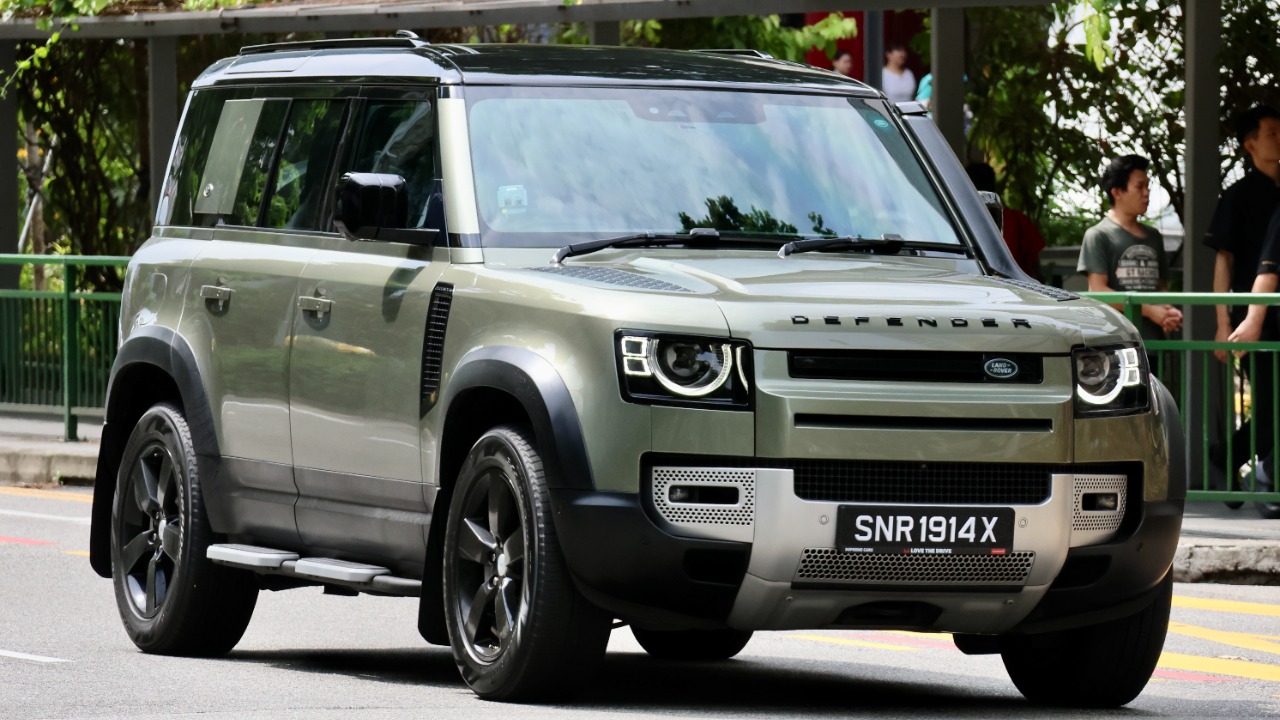
Closing the ranking is an aluminum unibody rather than a ladder frame, an architecture that would normally cap towing well short of this company. Land Rover compensates with a stiff bonded-and-riveted structure, air suspension that levels under load, and an available inline-six with an electric supercharger, as the Defender’s modern reboot documents.
Advanced tow assist steers a trailer in reverse through a rotary controller, a genuinely useful party trick; the ceiling still depends on which wheelbase and engine were ordered.
More from Morning Overview
