
Some SUVs are built to be replaced after a lease ends, while others are built to keep running long after the loan is paid off. Body-on-frame construction, simple drivetrains, and a track record of routine maintenance rather than major repairs separate the vehicles that stall out early from the ones that keep going. Here are twelve SUVs that owners routinely drive past 200,000 miles.
1. Toyota 4Runner: Old-School Toughness That Lasts
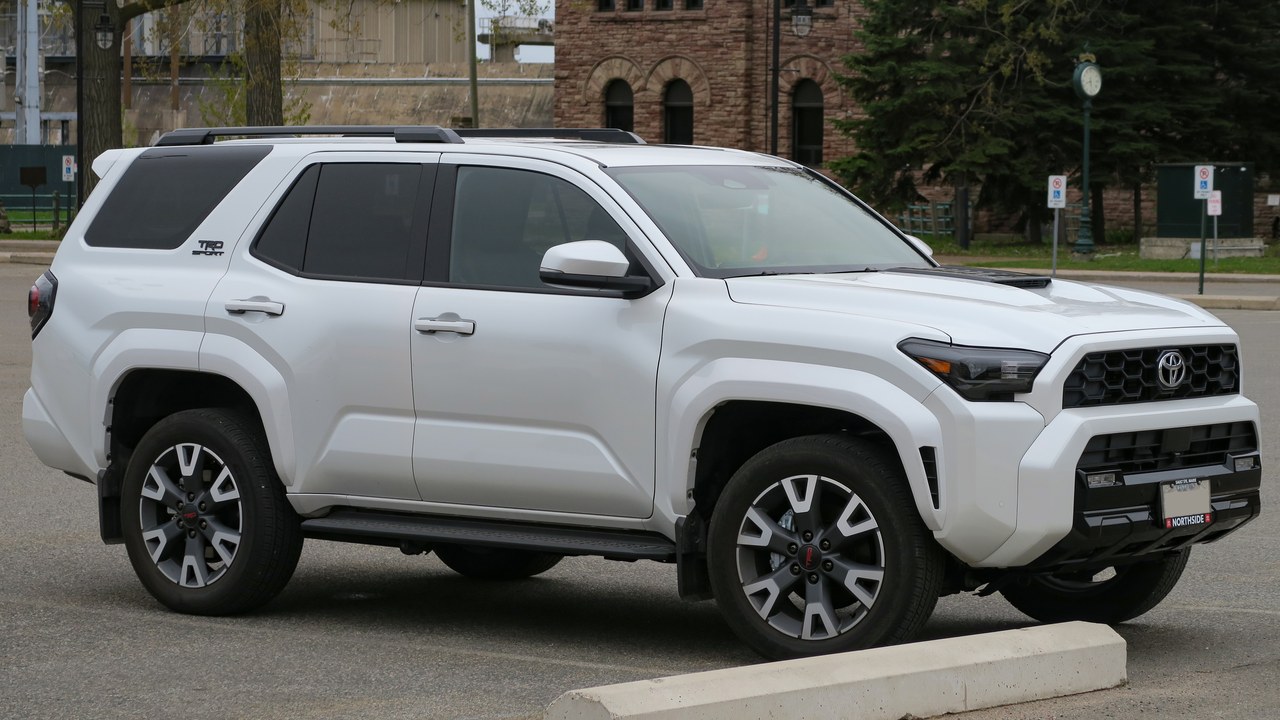
The 4Runner’s body-on-frame chassis and low-stress powertrains give it a reputation few midsize SUVs share, with owners on enthusiast forums and used-car marketplaces frequently reporting 250,000 miles or more before major work is needed. Toyota kept the design conservative for generations rather than chasing lighter, more complex platforms, and that restraint is part of why the 4Runner’s production history spans decades with little structural change.
Resale values reflect that track record, since buyers pay a premium for a vehicle expected to outlast typical ownership. The tradeoff is a firmer ride and lower fuel economy than modern unibody crossovers, a compromise the SUV’s fans consider worth making for long-term durability.
2. Toyota Land Cruiser: Global Benchmark For Durability
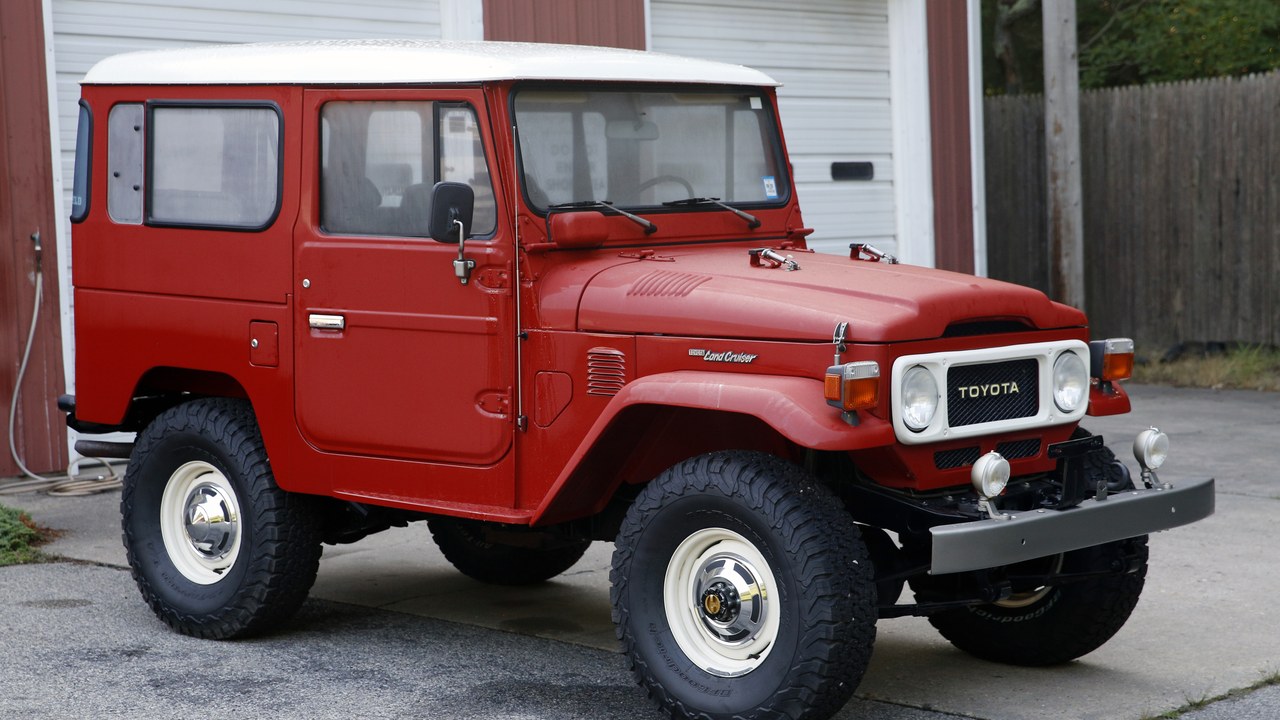
Toyota built the Land Cruiser’s reputation across deserts, mountains, and disaster zones where failure was not an option, and that global service history is why the Land Cruiser lineage is often cited as the benchmark for going the distance. Fleets in remote regions have run examples well past 300,000 miles on minimal parts support.
That toughness came at a price premium in the United States, where the model competed with cheaper domestic SUVs offering similar interior space. Owners who kept up with fluid changes and basic maintenance describe a vehicle that resists the wear patterns that end lesser SUVs early.
3. Lexus GX: Luxury Wrapped Around Toughness
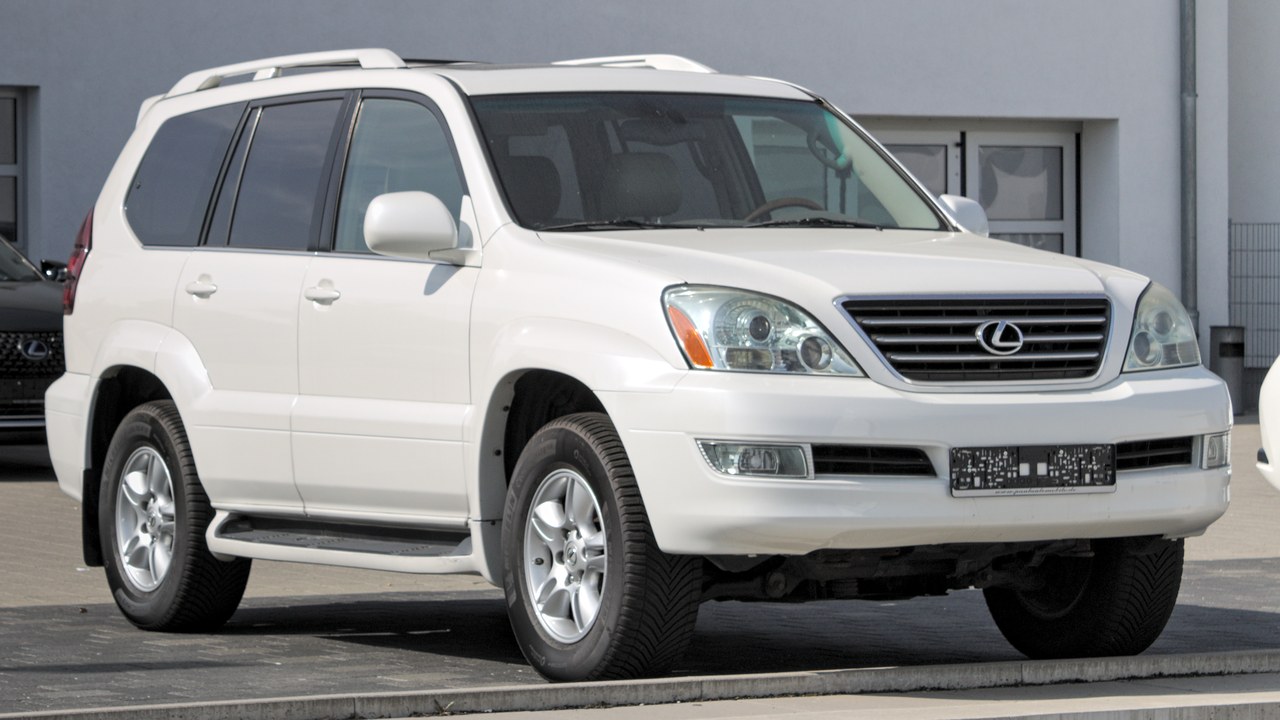
The GX shares its frame, suspension architecture, and drivetrain with the Land Cruiser-based Toyota Prado platform, so the mechanical toughness that makes that lineup last comes wrapped in a quieter, better-insulated cabin. That shared engineering is documented in the Lexus GX model history, and it explains why the SUV holds unusually strong long-term reliability ratings for a luxury nameplate.
Owners tend to keep GX models longer than typical luxury SUVs, since depreciation slows once a vehicle proves it can clear high mileage without major failures. Routine maintenance costs run higher than a mainstream SUV, but catastrophic repairs remain comparatively rare.
4. Toyota Sequoia: Truck-Based Full-Size Muscle
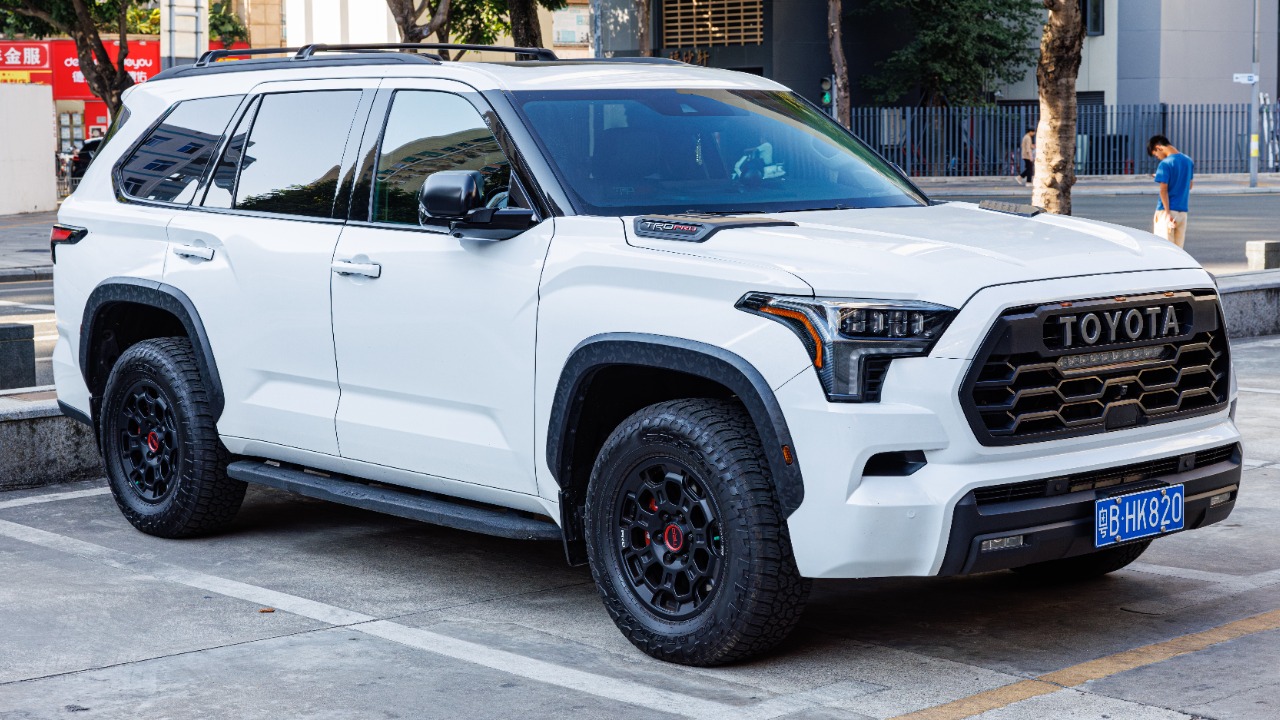
Built on a truck-derived platform shared with the Tundra, the Sequoia carries the same heavy-duty components that let pickups survive commercial use, which is part of why the Sequoia’s engineering background includes a long run with minimal generational change. Full-size families and towing owners frequently report six-figure mileage without major driveline repairs.
The size and thirst that come with a truck-based frame mean fuel costs run higher than a crossover, and that has limited sales compared to rivals. For owners who tow trailers or haul cargo regularly, the tradeoff has generally paid off in fewer breakdowns.
5. Honda Pilot: Family Hauler That Endures
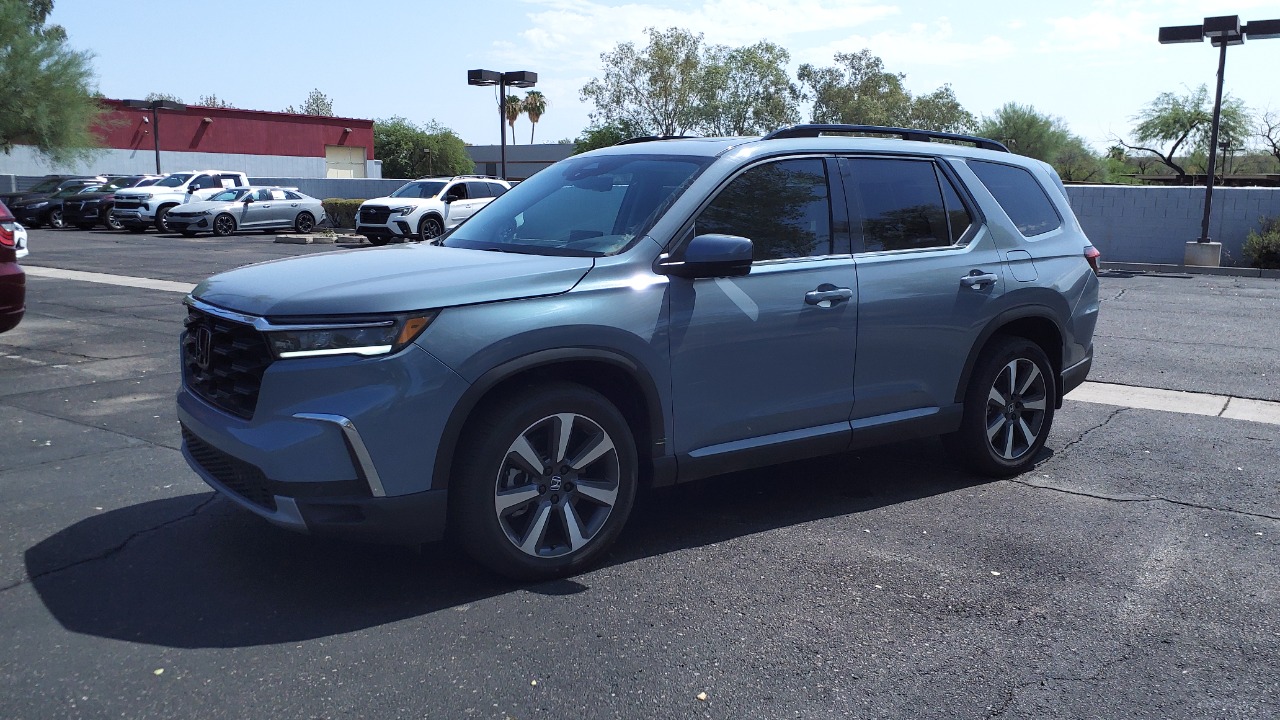
Honda’s V6 and transmission combination in the Pilot has a long record of clearing 200,000 miles with nothing more than scheduled fluid changes, timing belt service, and normal wear parts, a pattern documented across the Pilot’s model generations. Its unibody construction trades some off-road toughness for ride comfort without sacrificing the drivetrain’s underlying durability.
Families cross-shopping three-row SUVs often cite the Pilot’s low repair frequency as a reason to keep one past the point where a lease would typically end. Transmission issues on certain early model years are the main exception mechanics flag.
6. Chevrolet Suburban: America’s Long-Haul Workhorse
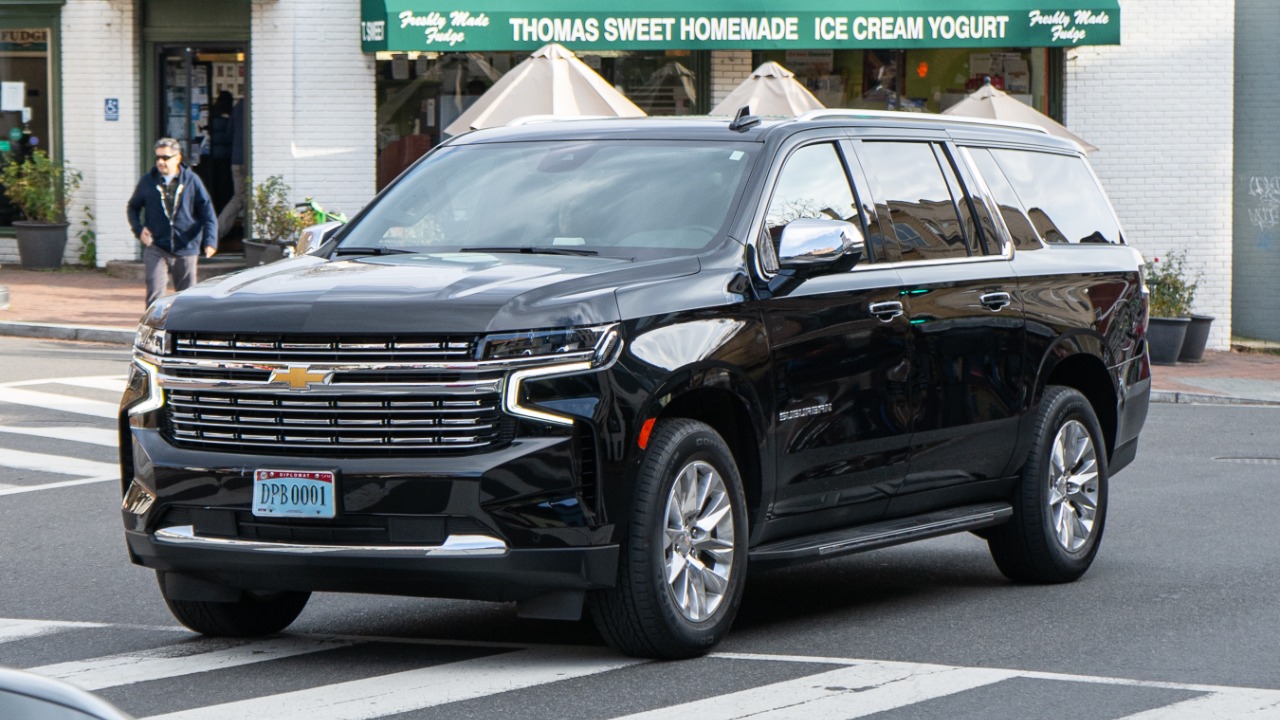
The Suburban’s body-on-frame design, shared with GM’s full-size trucks, has carried police departments, fleets, and large families past 200,000 miles for generations, and that commercial-grade heritage runs through the Suburban’s long production run. Its size accommodates towing and cargo loads that would strain smaller crossovers.
High-mileage examples are common in used fleet auctions, where former commercial vehicles often still run reliably after years of daily service. Fuel costs and a large footprint remain the main drawbacks for buyers who do not need the cargo or towing capacity.
7. Toyota Highlander: Steady Midsize Performer
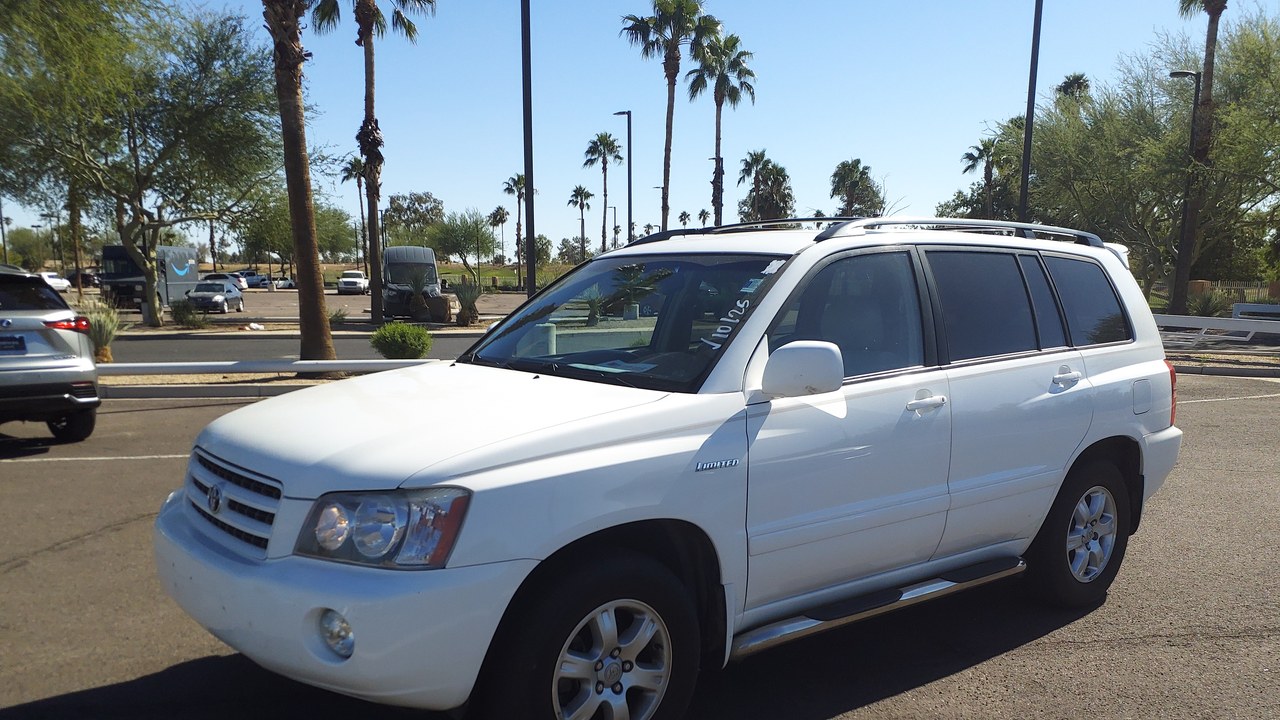
The Highlander pairs Toyota’s durable V6 with a unibody crossover platform, giving families a midsize SUV that mechanics and owners frequently describe as low-drama over long ownership periods, a reputation reflected across the Highlander’s model history. Resale values stay strong in part because buyers expect it to keep running with routine care.
It lacks the low-range gearing and heavy-duty frame of body-on-frame SUVs, so it is not built for serious off-roading. For paved-road, high-mileage commuting and family duty, that tradeoff rarely matters.
8. Acura MDX: Premium Three-Row Durability
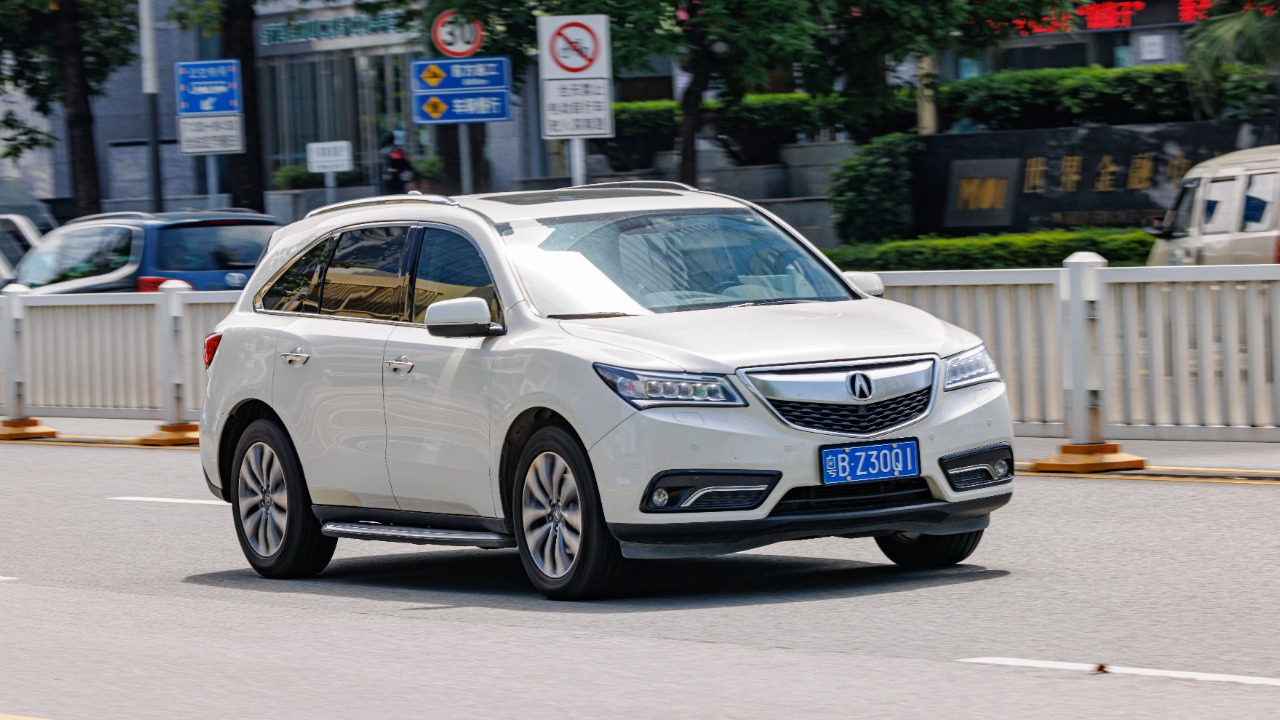
The MDX borrows Honda’s durable V6 and much of its underlying engineering from the Pilot, so the reliability record that makes the Pilot a high-mileage favorite carries over into a more upscale package, a lineage traceable through the Acura MDX’s development history. Owners report similar longevity once past the initial warranty period.
Maintenance and repair costs run higher than the Pilot due to premium parts and labor rates, a common tradeoff for luxury badges built on mainstream platforms. Buyers seeking Honda-level durability with nicer materials have long gravitated toward it.
9. GMC Yukon: Fleet-Tested Full-Size Strength
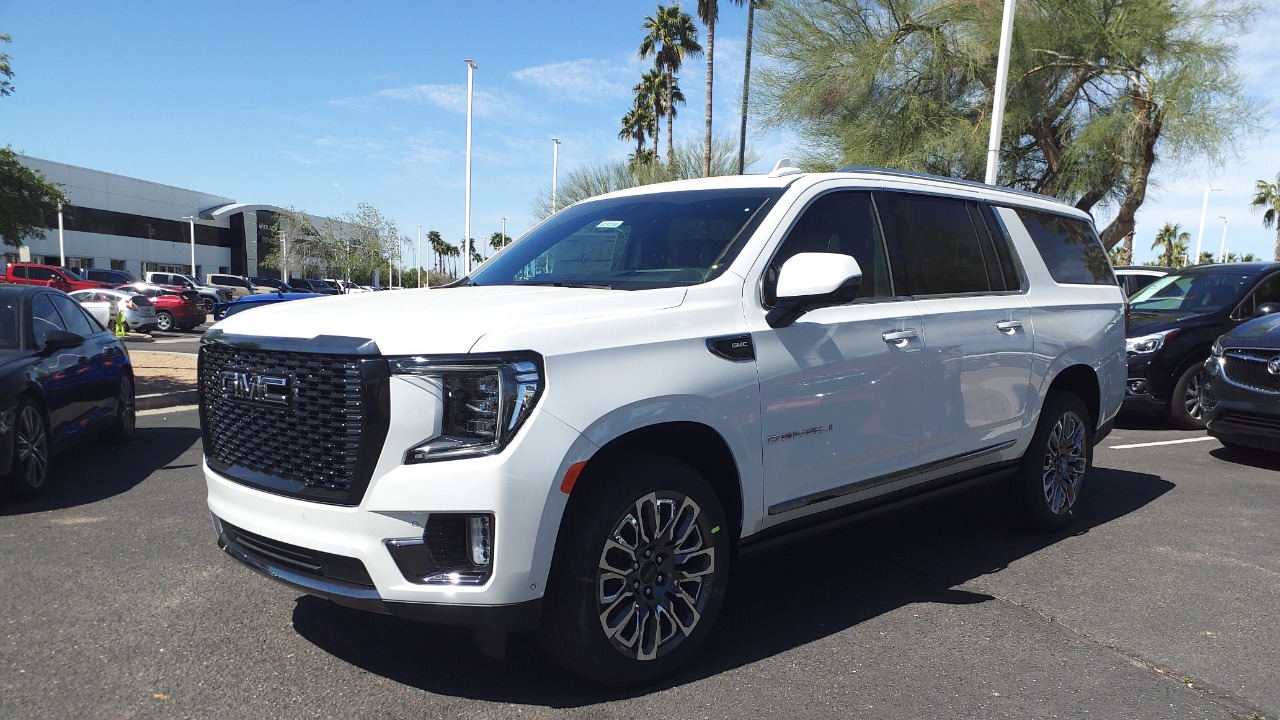
Fleet operators and large families have leaned on the Yukon’s full-size truck platform for decades, and that heavy-duty foundation is why the GMC Yukon’s engineering lineage regularly turns up in used listings well past 200,000 miles. Shared components with GM’s pickups mean parts availability and repair familiarity stay high even as a vehicle ages.
Fuel economy suffers relative to unibody crossovers, and the size can be unwieldy in tight urban parking. Owners who need towing capacity or third-row space for road trips have generally accepted that tradeoff for the mileage payoff.
10. Ford Expedition: Heavy-Duty Long-Term Hauler
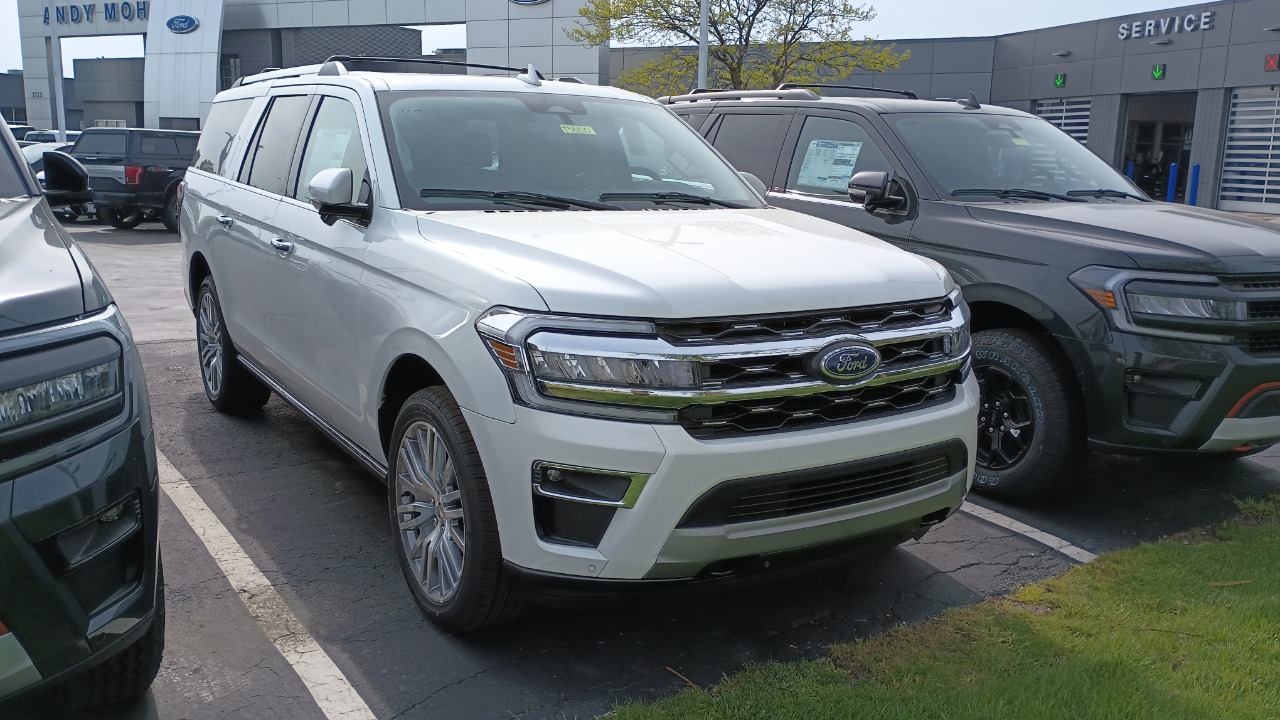
Built on Ford’s full-size truck architecture, the Expedition shares its frame and much of its drivetrain with the F-150, giving it the heavy-duty foundation that lets pickups survive years of hard use, a background detailed in the Ford Expedition’s model history. High-mileage examples remain common among towing and large-family owners.
Its turbocharged V6 lineup has required more attention to cooling and turbo components than some naturally aspirated rivals. Owners who stay current on scheduled maintenance still commonly reach six-figure mileage without major driveline failures.
11. Toyota RAV4: Compact SUV, Long Life
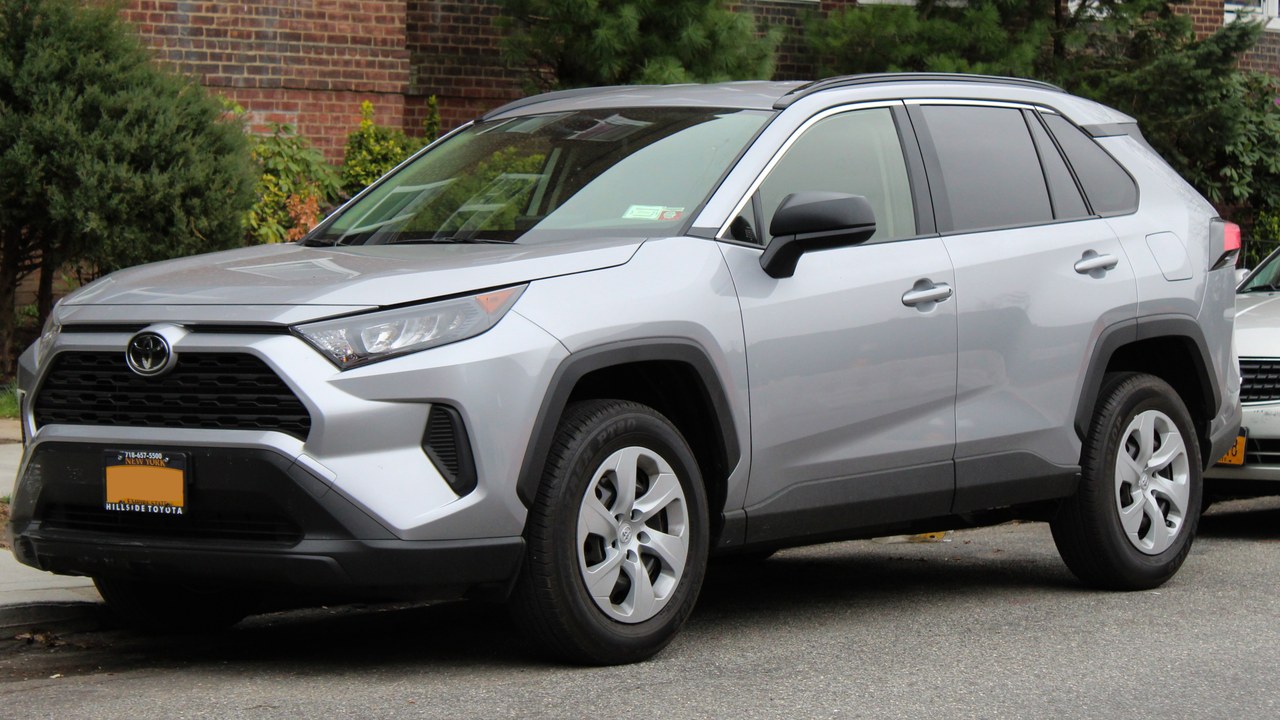
As the best-selling compact SUV in the United States for years, the RAV4 has generated an enormous pool of high-mileage ownership data, and that record consistently shows owners reaching 200,000 miles on the original engine and transmission, a pattern reflected in the RAV4’s sales and reliability history. Its simple, unibody construction keeps repair costs modest.
The tradeoff for that reliability is a driving experience built around efficiency and practicality rather than performance or off-road capability. For commuters and families prioritizing low running costs, that compromise has rarely been a complaint.
12. Nissan Armada: V8 Power That Lasts
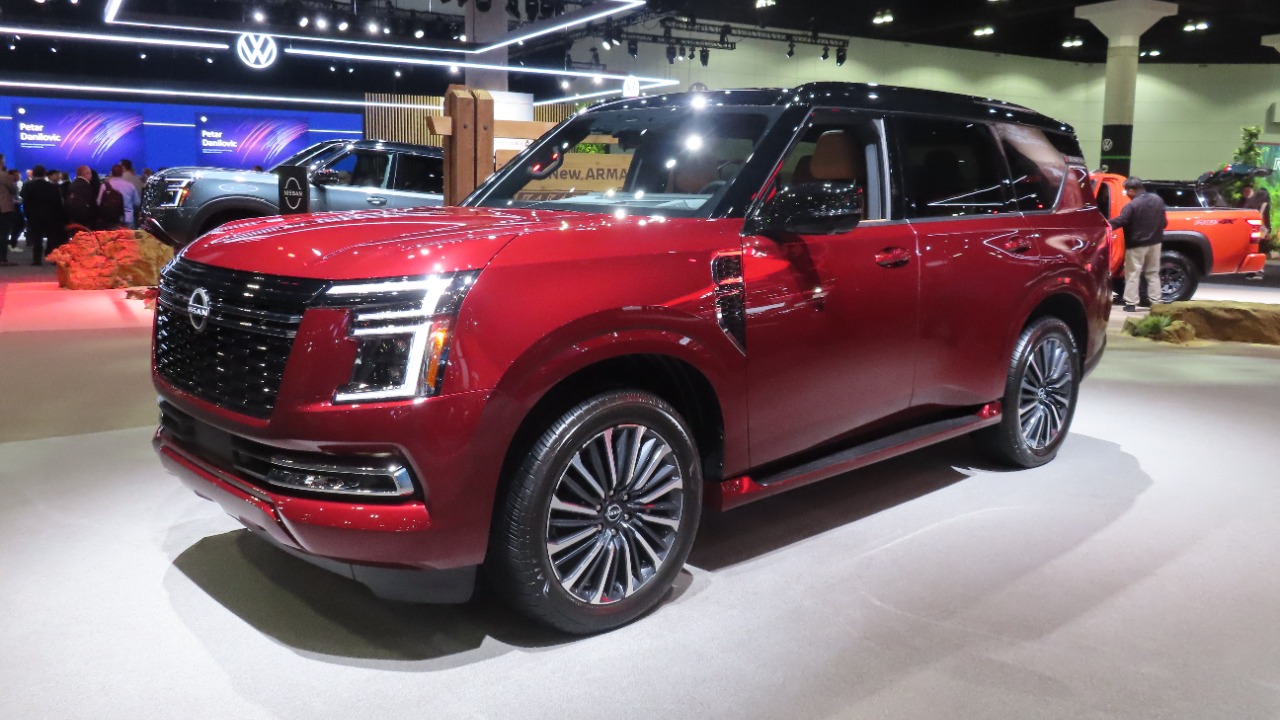
The Armada pairs a stout V8 with a full-size, truck-based platform shared with Nissan’s pickup lineup, a combination that has historically favored longevity over efficiency, according to the Nissan Armada’s engineering background. Owners towing trailers or hauling large families cite the V8’s low-stress operation as a reason it holds up over time.
Fuel costs run higher than most rivals, and the SUV’s size limits its appeal outside families who need the space. Where towing and third-row capacity matter, the Armada’s durability has kept it a fleet and family favorite despite lower sales volume than Toyota or Chevrolet rivals.
More from Morning Overview
