
Some vehicles get traded in within a few years, while others stay with the person who bought them new for well over a decade. Studies of first-owner retention and average ownership length show which SUVs keep their buyers the longest. Here are twelve SUVs that owners hold onto well past the norm.
1. Toyota Highlander: Retention Champion
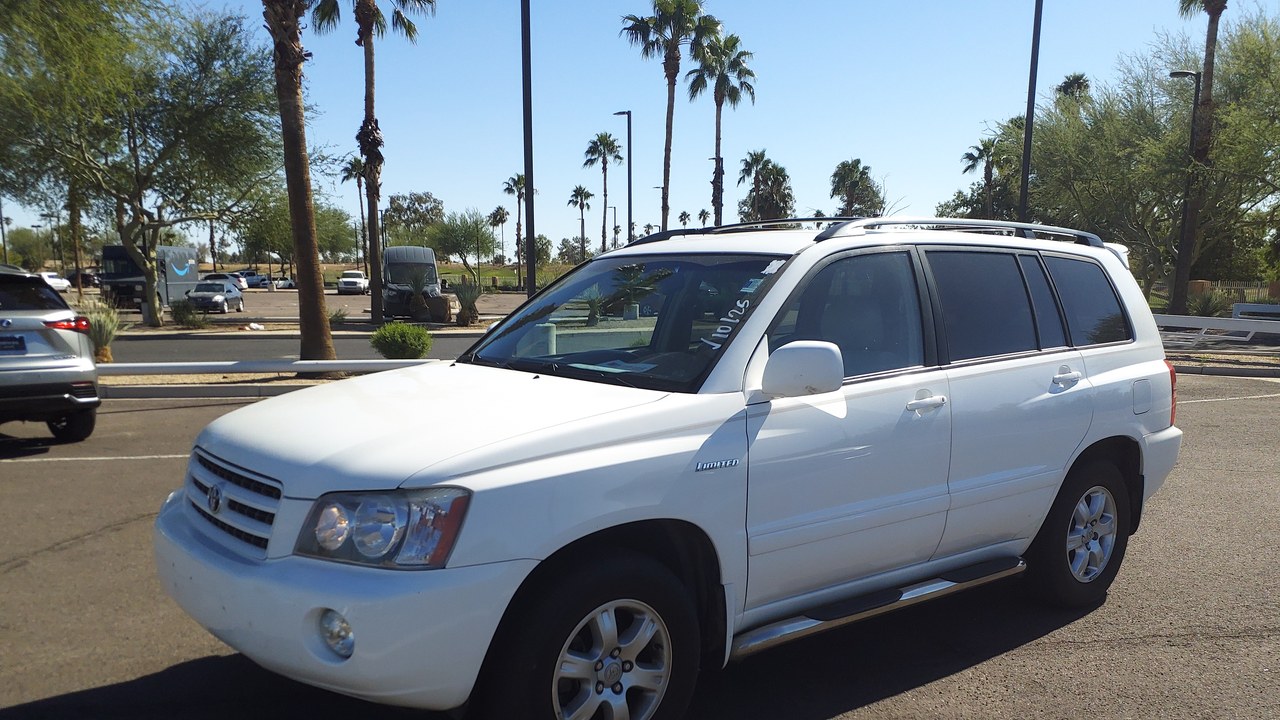
Among 15-year-old vehicles, iSeeCars retention figures found that 18.3 percent of Highlanders were still with the person who bought them new. That works out to 2.4 times the average and the top spot of every vehicle in the study, not just every SUV. Topping every vehicle in the study, rather than just its own segment, is the unusual part of that result.
For a shopper weighing a new Highlander, the number points to unusually low odds of an owner giving up on one early. The figure describes first-owner staying power over a decade and a half, not resale value or repair cost, so it measures satisfaction only indirectly.
2. Subaru Forester: Long-Haul Loyalty
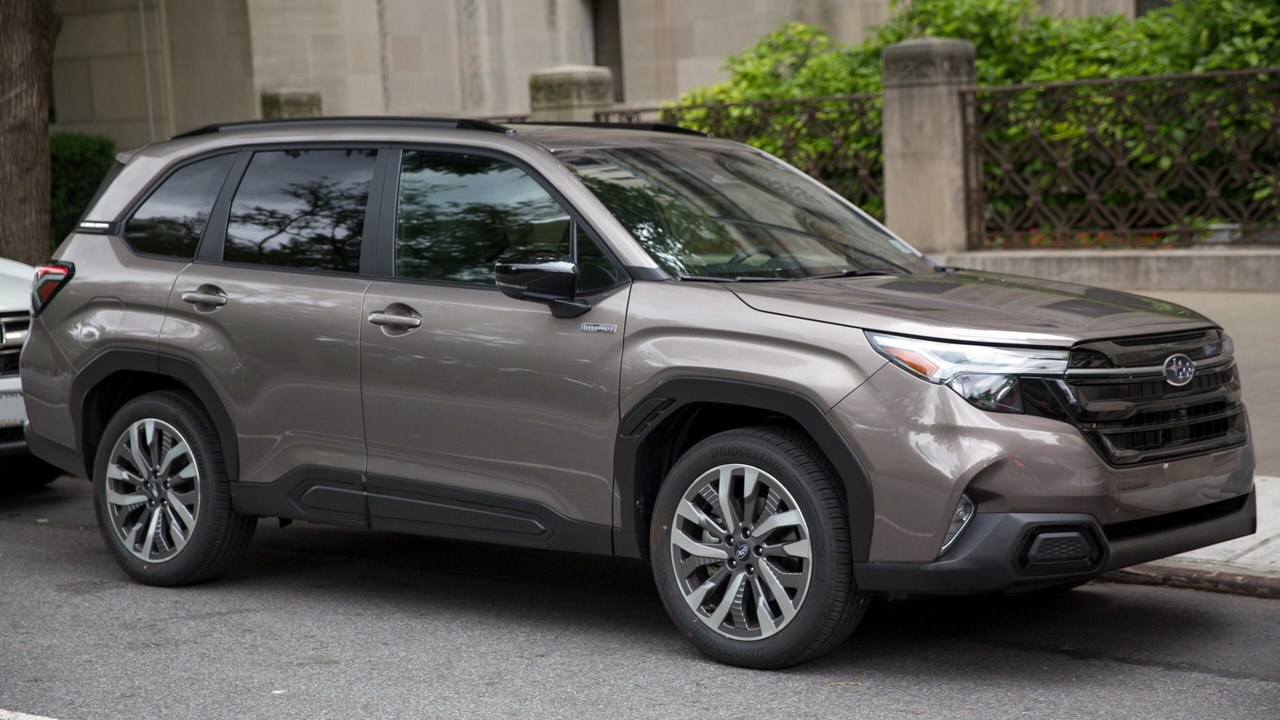
Subaru’s compact Forester appears in Auto Remarketing’s owner data with 12.8 percent of vehicles kept by the original owner for 15 or more years. That is 1.7 times the average across all vehicles. That puts the Forester well ahead of the typical new-vehicle buyer when it comes to holding on.
Anyone buying a Forester new can read the figure as evidence that a meaningful minority never trade it in. The statistic covers ownership duration only, so it says nothing about why those owners stayed, whether through affection, low running costs or simple inertia.
3. Honda Pilot: Family Hauler That Stays
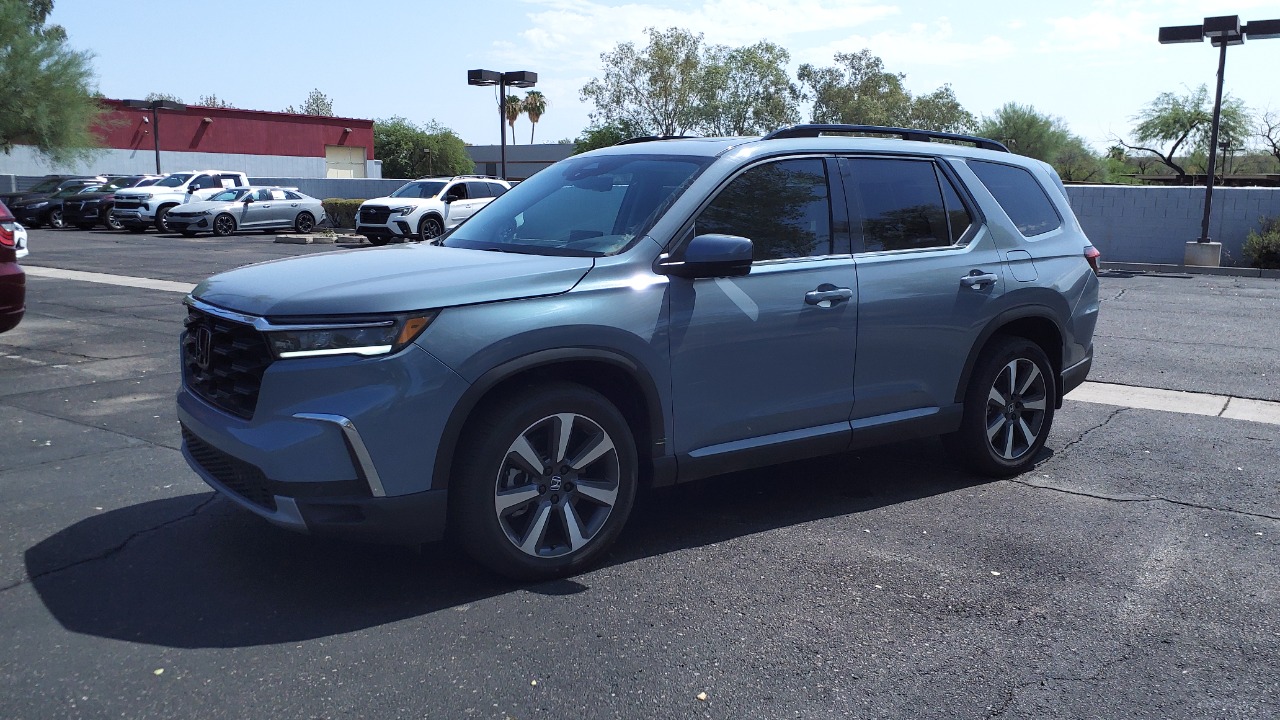
In Auto Remarketing’s retention table, Honda’s Pilot lands at 12.6 percent of original owners keeping the three-row SUV for 15 years or longer. Roughly one in eight buyers, in other words, never replaced it across a decade and a half of ownership. That places the Pilot close behind the Subaru Forester in the same retention table.
The result suggests that a Pilot bought new has a fair chance of becoming a long-term household fixture. Because the share reflects only buyers who held on, it does not reveal how many owners sold earlier or what they paid to keep the others running.
4. Toyota Land Cruiser: Built To Be Kept
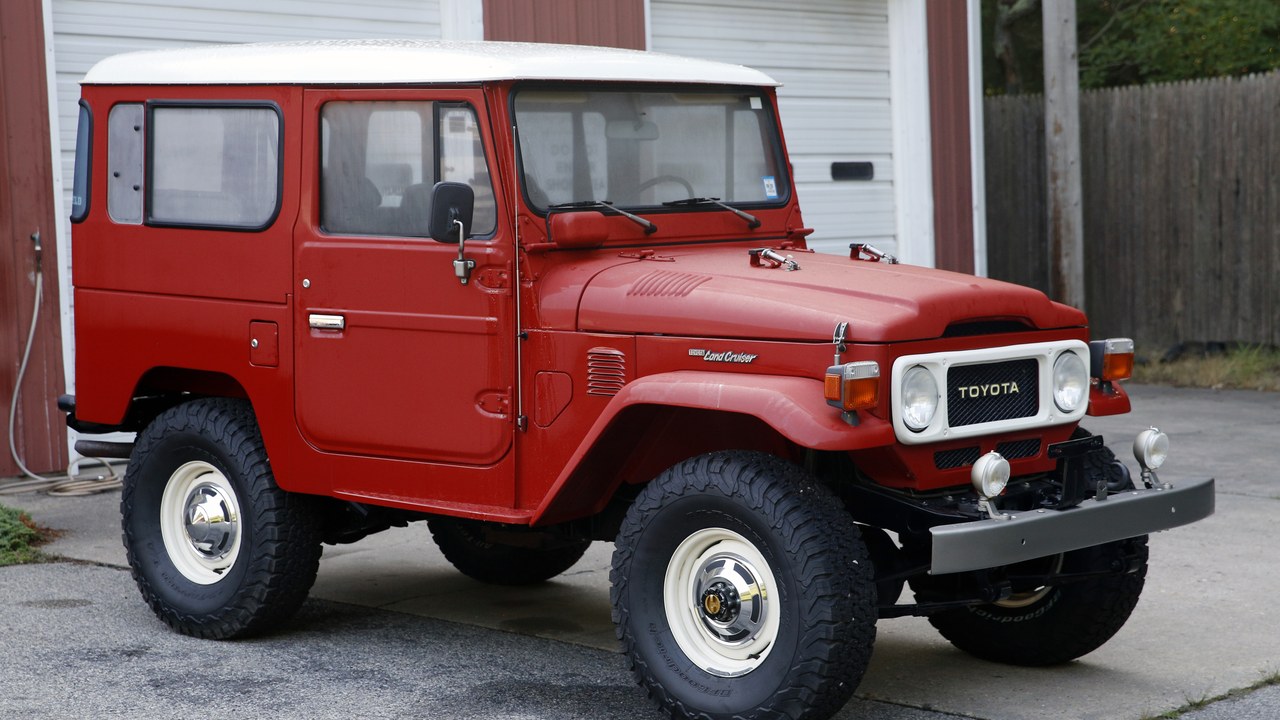
Toyota’s Land Cruiser shows up in retention figures reported by Auto Remarketing with 10.6 percent of vehicles still held by the first owner after 15 years. That equals 1.4 times the average, a showing that puts the Land Cruiser well above the typical vehicle on the same measure.
A buyer paying Land Cruiser money is, on this evidence, more likely than average to keep the vehicle for the long run rather than flip it. The percentage speaks to loyalty among original owners only, and low sales volume could make it swing more than the larger models’ numbers.
5. Honda CR-V: Compact Crossover Staple
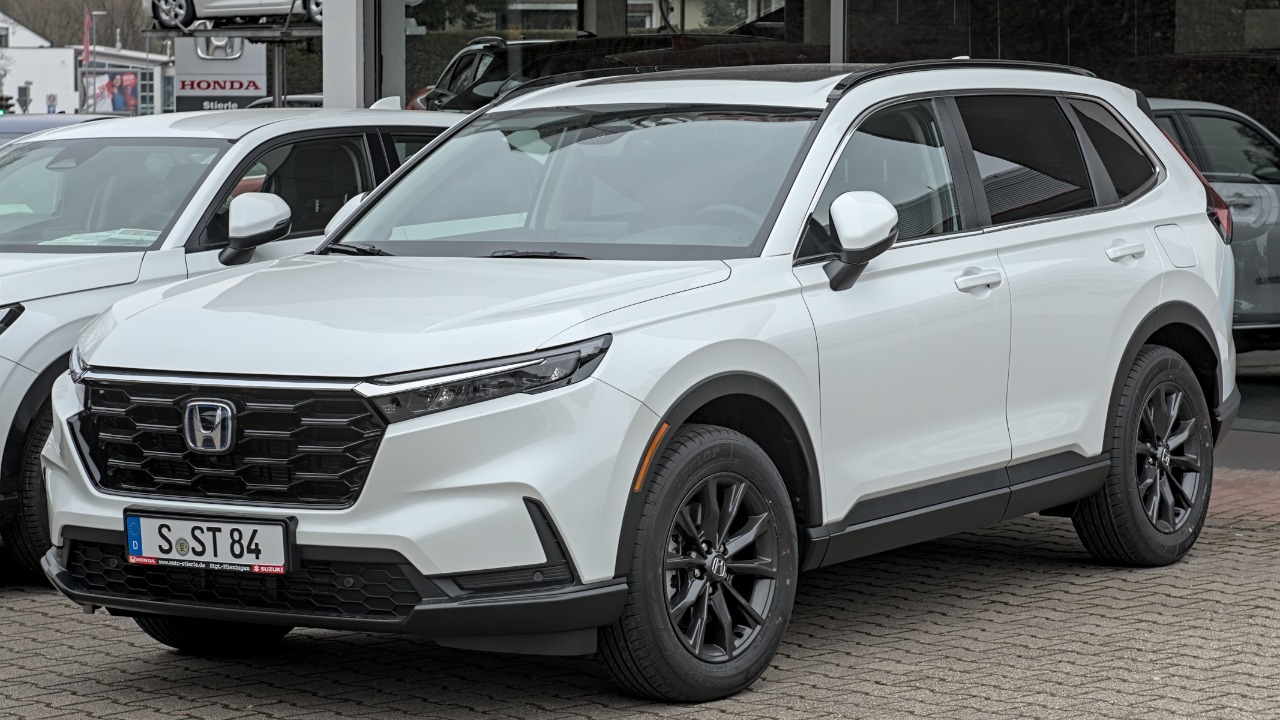
Honda’s CR-V logged 10.7 percent of original owners keeping it 15 or more years, according to iSeeCars’ ownership study. The study put that at 1.8 times the SUV average, well above what the average SUV managed in the same comparison. Holding roughly one first buyer in nine for that long is the core of its case.
For owners deciding whether to trade up, the figure shows plenty of CR-V drivers simply stayed put. It is a retention statistic rather than a reliability rating, so it reflects what buyers chose to do with the vehicle, not a measured failure rate.
6. Toyota RAV4: Quietly Sticky
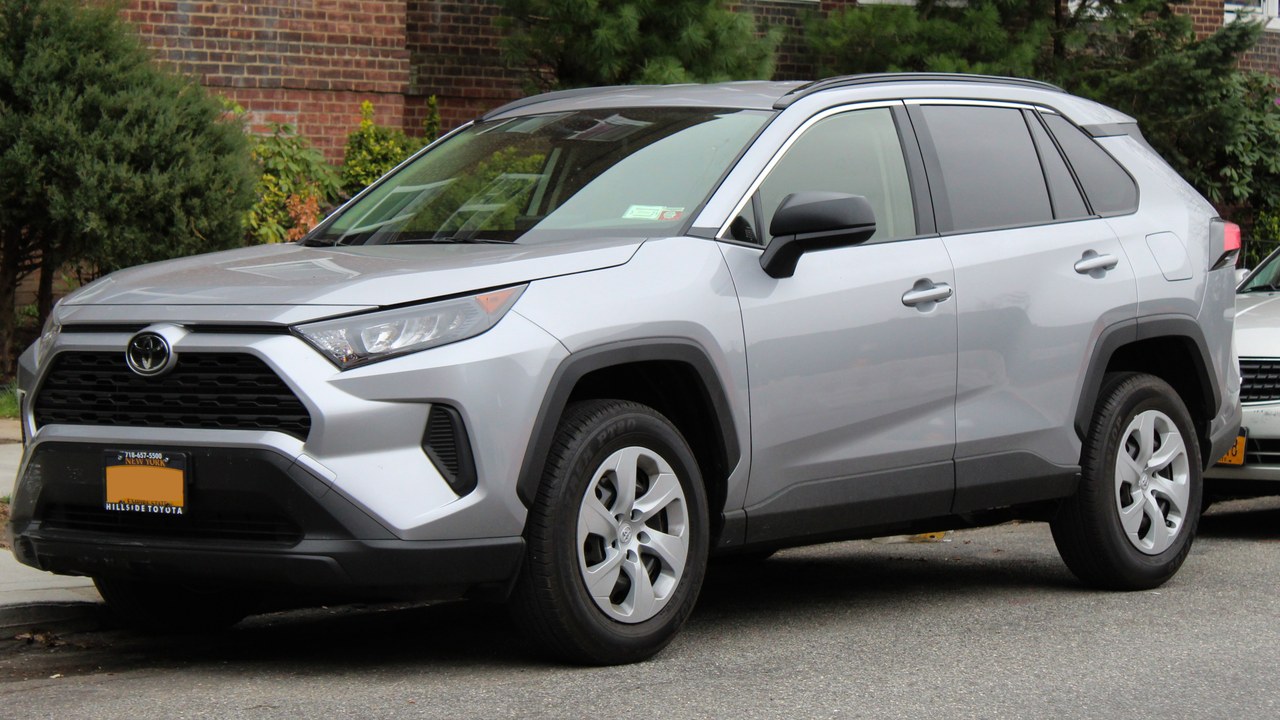
Toyota’s RAV4 turns up in iSeeCars’ long-term retention list with 8.7 percent of original owners holding on for 15 years or more. The share trails the Highlander, Forester, Pilot and CR-V, yet it still means a real fraction of first owners never parted with the compact SUV.
Prospective buyers can treat the number as a sign that fewer than one in ten first owners ever let go. Whether those owners kept the RAV4 out of satisfaction or convenience is not something the data distinguishes, so the figure works best as a rough gauge of staying power.
7. Acura MDX: Luxury That Lingers
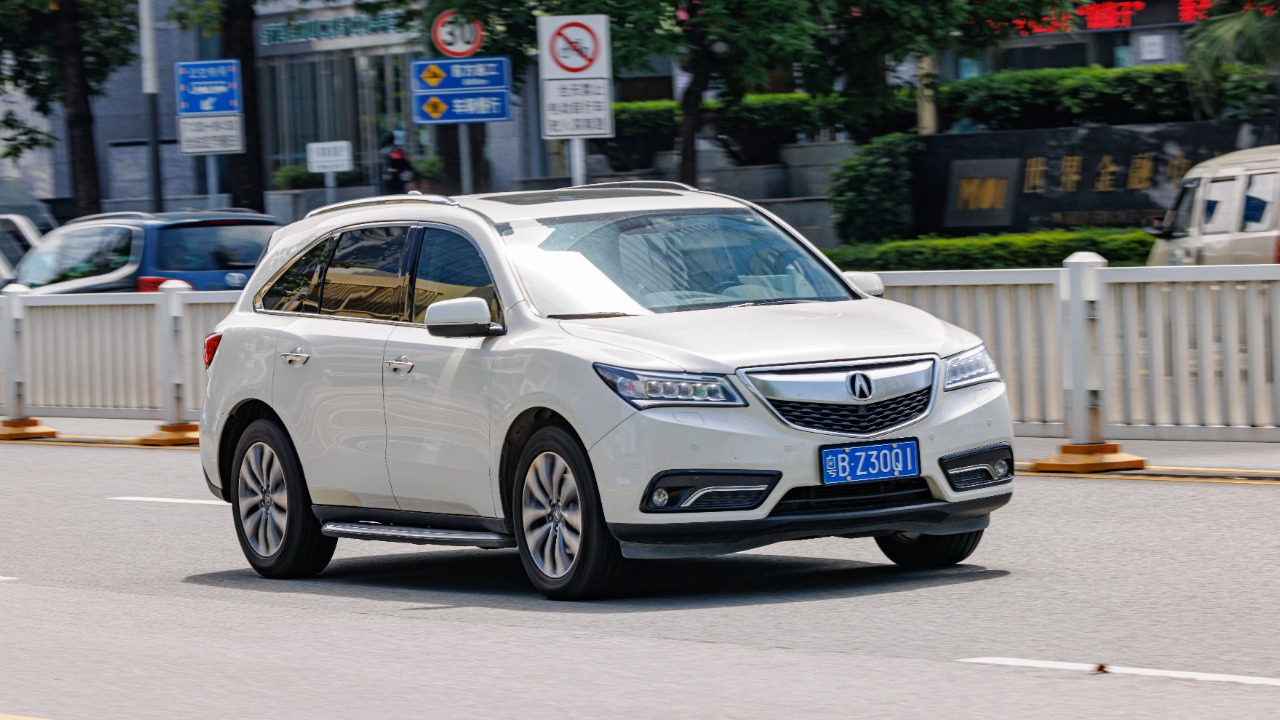
Acura’s MDX earns a place in iSeeCars’ SUV comparison, with 7.9 percent kept by the first owner past 15 years. The SUV average in the same analysis is 5.9 percent, so the MDX beats it by a factor of 1.3.
That gap is worth noting for anyone considering an MDX new. The margin over the average is modest, though, and the percentages describe original owners only, leaving later buyers and secondhand costs out of the picture.
8. Hyundai Tucson: Late Bloomer
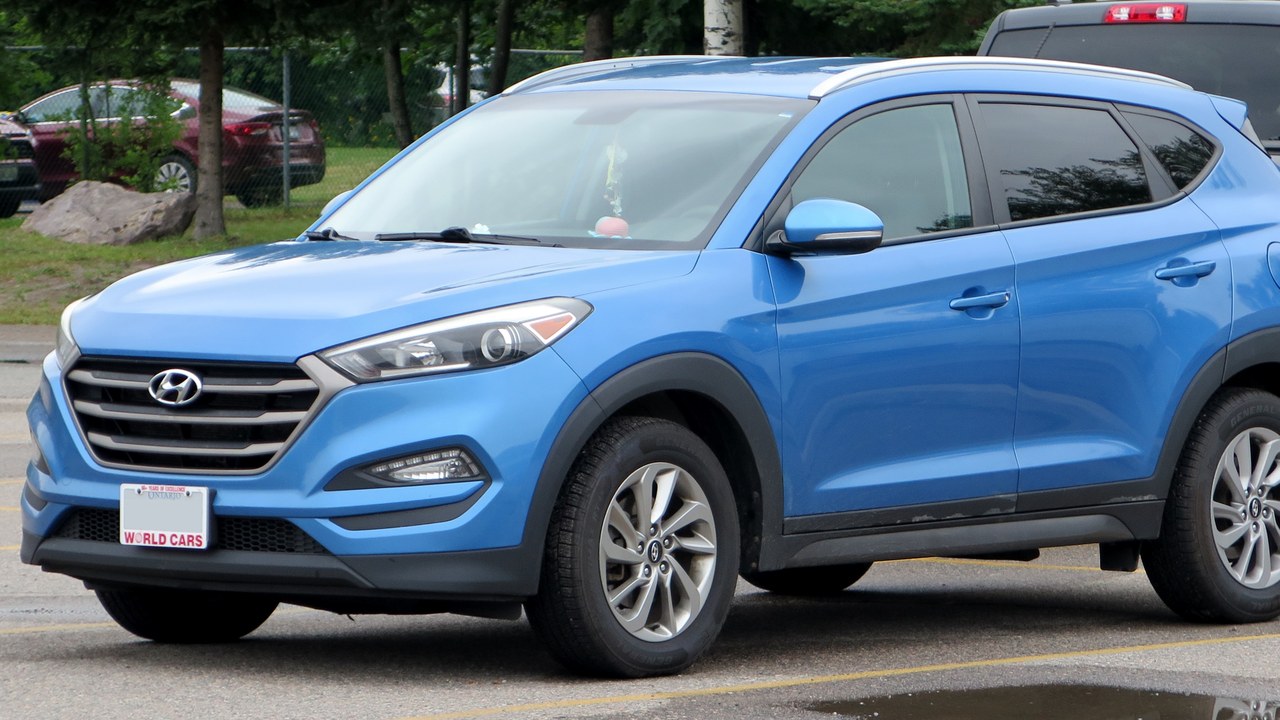
Hyundai’s Tucson makes the list on the strength of iSeeCars’ ownership numbers, where 7.6 percent of 15-year-old examples were still with their original buyer. That is a respectable share for a compact crossover, though it sits below the Honda and Toyota models ahead of it.
Shoppers looking at a new Tucson can take it as a sign that a sizable slice of owners stay put rather than cycling out. The figure sits below the leaders, so the Tucson earns its place as a strong contender rather than an outright champion of loyalty.
9. Ford Expedition: Longest Of Any Vehicle
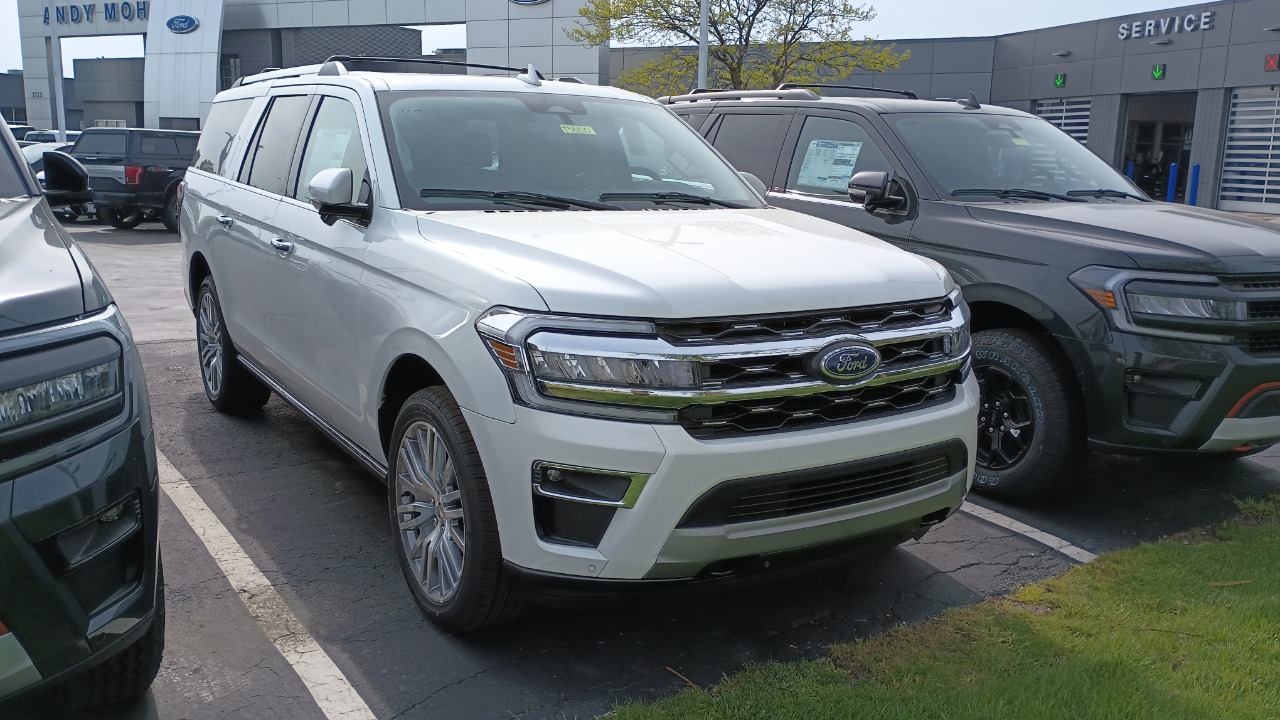
Ford’s Expedition earns its spot in Clark Howard’s report, where owners who bought new kept it an average 9.0 years. That ties for the longest of any vehicle against a 7.4-year norm, a gap of 1.6 years.
The tie suggests that Expedition buyers tend to commit rather than churn. An average hides a wide spread, however, so the 9.0-year mark describes a typical owner and does not promise that any particular Expedition will stay in a driveway that long.
10. Toyota Sequoia: Eight Point Nine Years
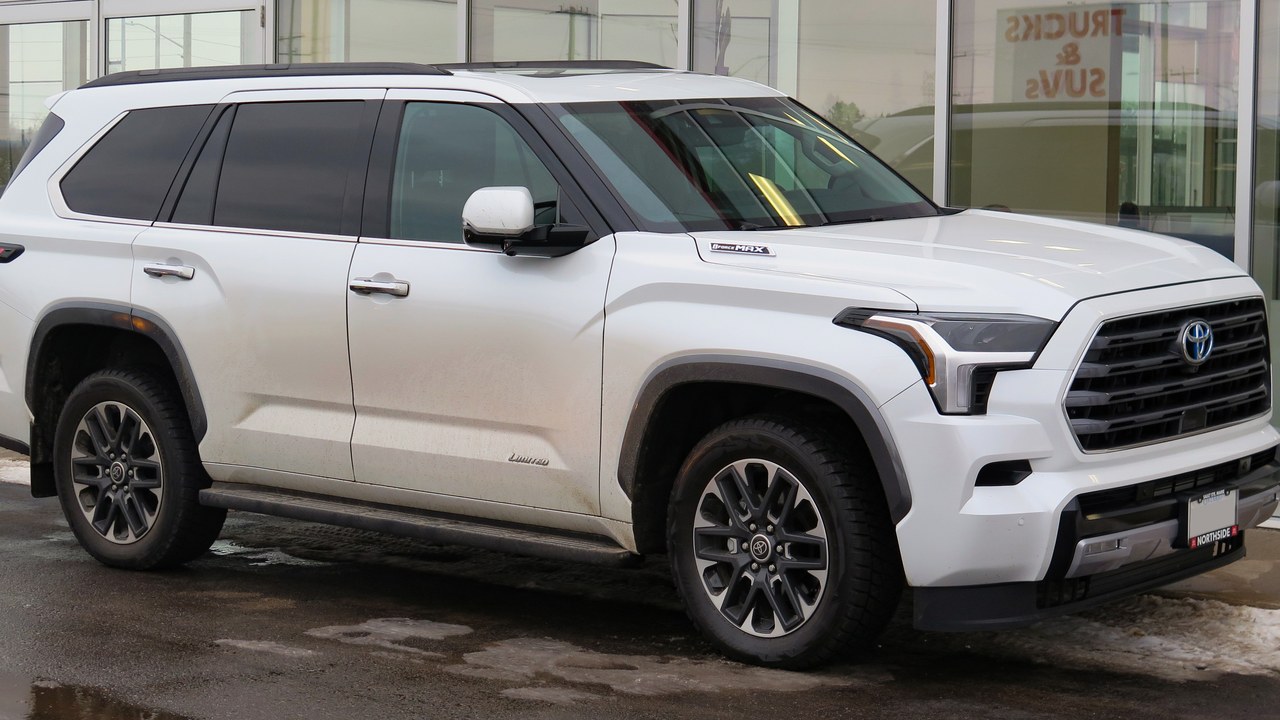
Toyota’s Sequoia is another SUV that people hang onto, with original owners holding it 8.9 years on average according to Clark Howard’s ownership rankings. That sits just under the Expedition’s 9.0 years and well above the 7.4-year norm cited for all vehicles.
Owners of a full-size Toyota SUV, the data implies, hold it nearly a year and a half longer than ordinary new-vehicle buyers do. The figure is an average of first-owner tenure only, which makes it a loyalty measure and not a statement about condition at the point of sale.
11. Toyota 4Runner: Body-On-Frame Holdout
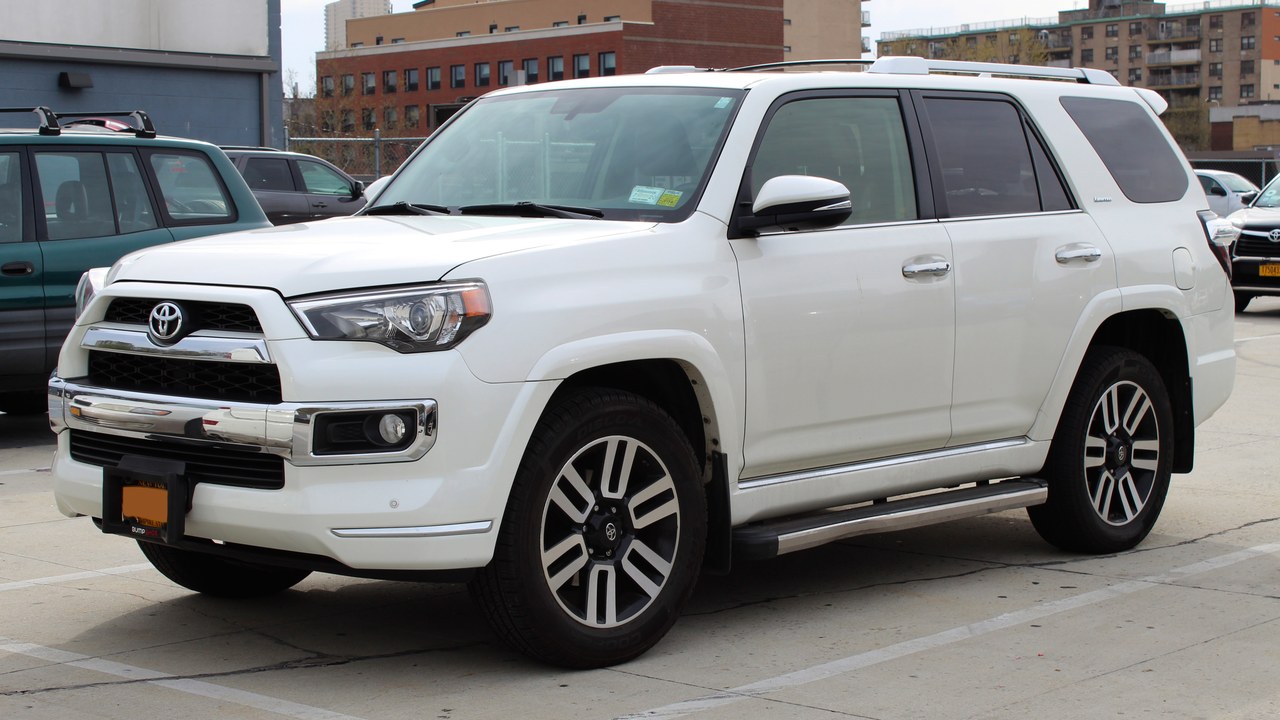
Toyota’s 4Runner is kept an average 8.8 years by owners who bought it new, a result drawn from the report’s top-ten ranking. Set against the 7.4-year norm cited in the same report, that is well over a year of extra ownership.
Prospective buyers weighing a new 4Runner can note how closely it trails the Sequoia and Expedition at the top. The number captures tenure rather than satisfaction, so owners might hold on from affection or simply because replacing the vehicle costs so much.
12. Ford Explorer: Popular And Persistent
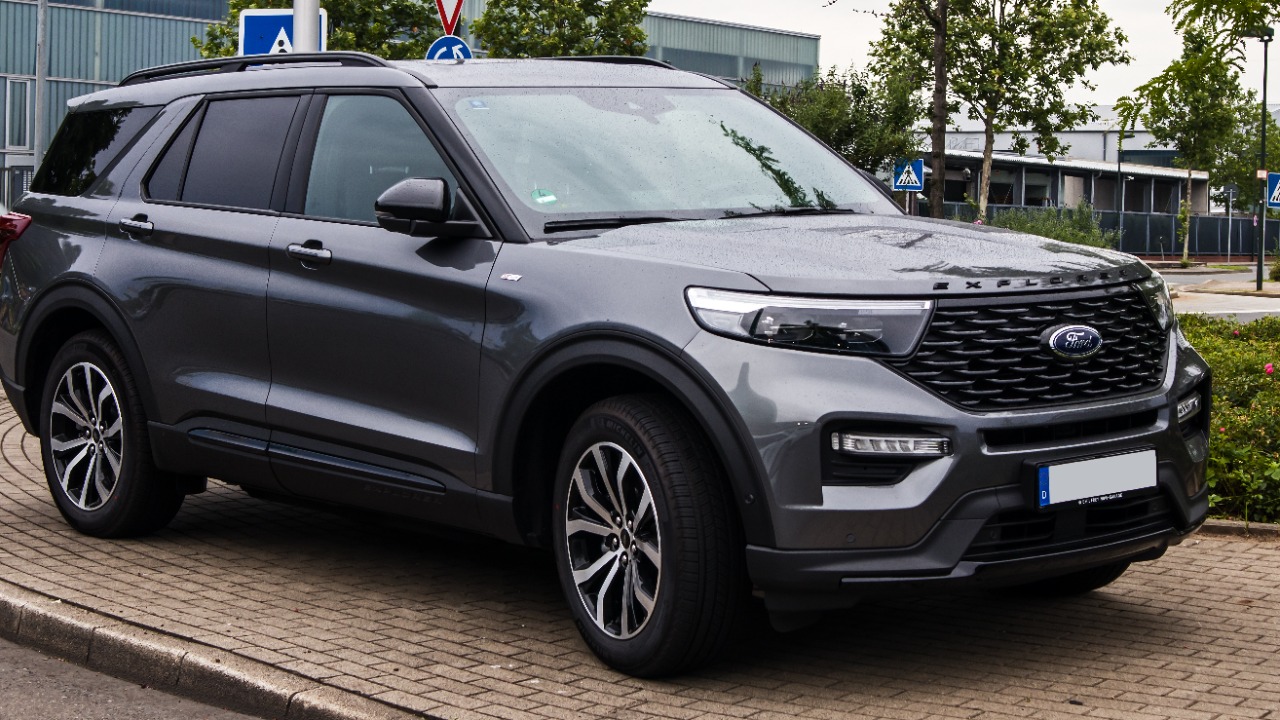
Ford’s Explorer rounds out the SUVs in Clark Howard’s top-ten report, with owners holding onto it 8.4 years on average. That is a full year past the 7.4-year norm, a margin that earns the Explorer a spot in the ranking.
For households considering a new Explorer, the figure shows ownership running longer than average even without the very top ranking. The measure reflects first-owner tenure alone, so it leaves out how the vehicle fared later or what each owner spent keeping it.
More from Morning Overview
- The second-largest U.S. reservoir just fell to its lowest level ever recorded
- Security experts still urge phone owners to switch off one location-tracking setting
- The FBI warns a new phishing trick can hijack your account without your password
- The NSA says three phone features should be off whenever you aren’t using them
