
Insurance companies price risk, and small, modest, mass-market cars keep landing on the low end of that scale. Cheap parts, low horsepower, high production volume and decent crash-test records all pull premiums downward, even though the actual quote depends on the driver, the state and the coverage chosen. These twelve subcompacts and small cars keep showing up in that inexpensive-to-cover group.
1. Honda Fit: The Little Hatch Insurers Barely Notice
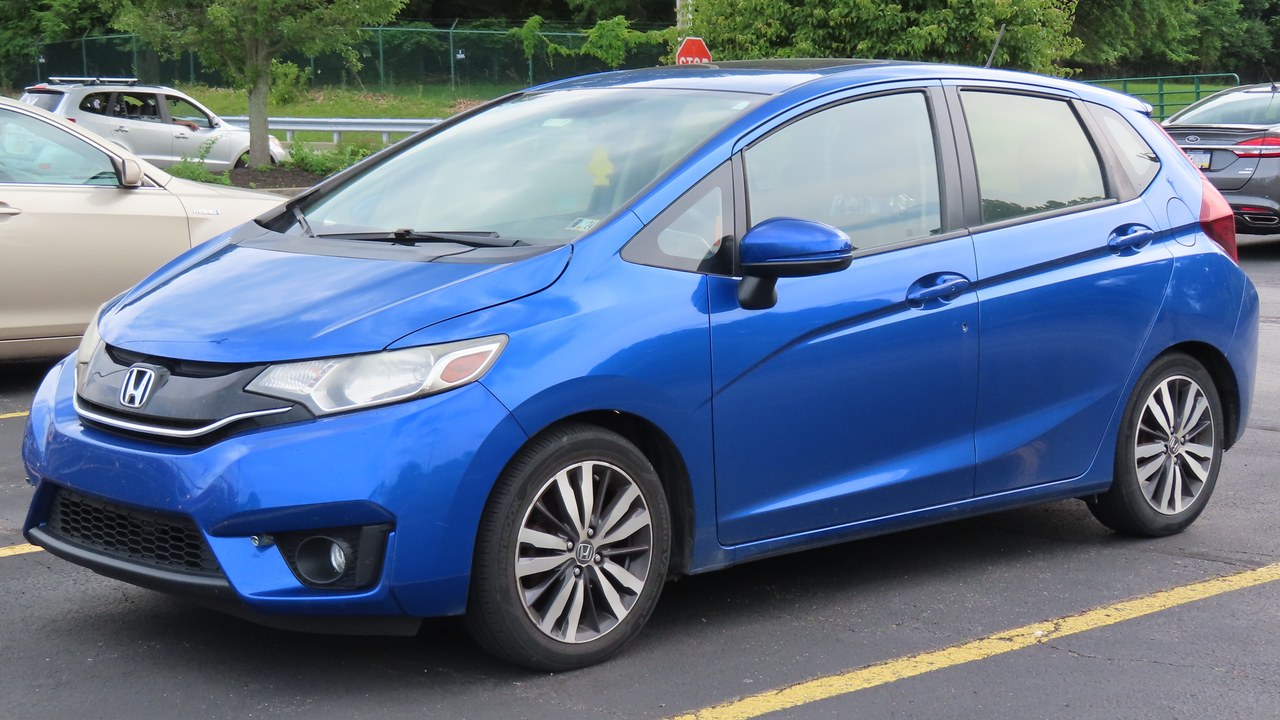
Honda’s subcompact hatchback was built around a small four-cylinder engine and a light body, a combination that rarely triggers the surcharges insurers attach to speed and mass. The Fit’s center-tank layout gave it a low floor and a famously flexible cargo bay, but nothing about it reads as a performance risk. Parts are common, and body panels on a high-volume Honda are cheap to replace after a fender-bender.
None of that guarantees a specific price. Rates still swing with the driver’s record, the garaging address and the coverage limits selected. What the Fit offers is a low starting point rather than a fixed bargain.
2. Toyota Corolla: Boring Is The Whole Point
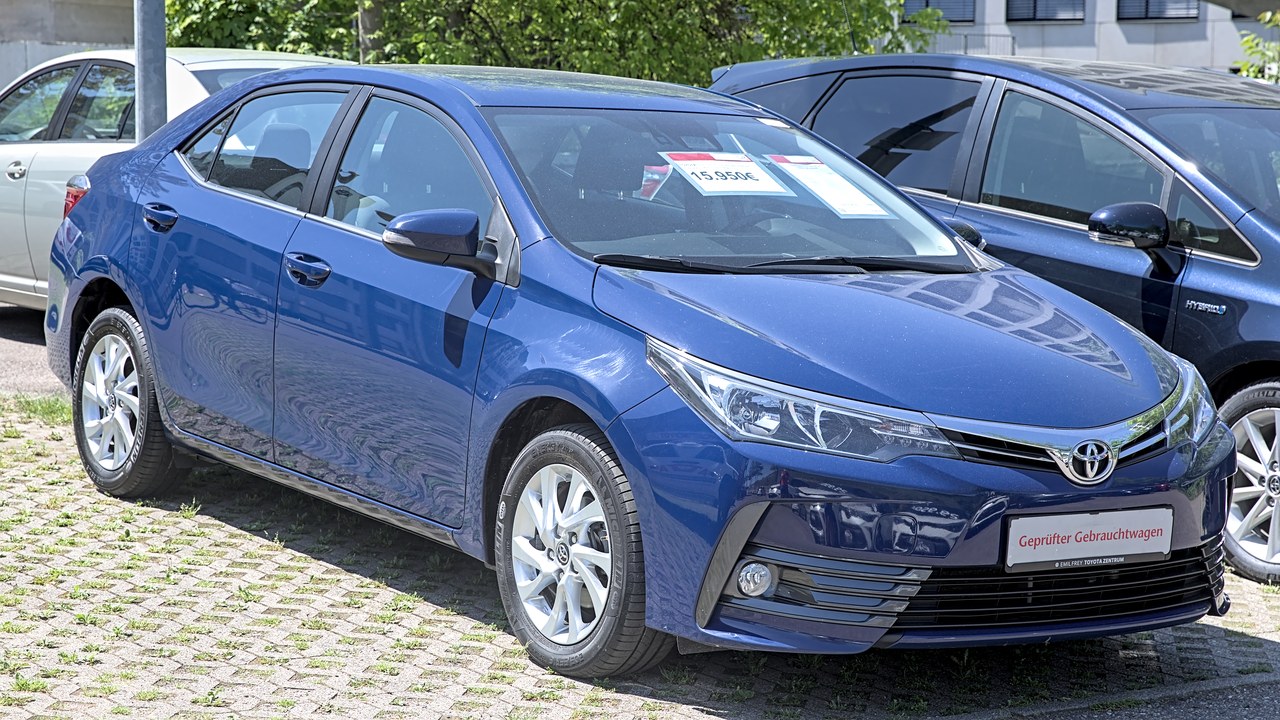
Few cars carry a duller risk profile, and that is exactly why quotes come in low. The Corolla’s global production run has made it one of the best-selling nameplates ever, which floods the parts supply and drives repair estimates down. Recent generations also post strong crash-test results, and the standard engines are tuned for economy rather than acceleration.
Trim levels aim at commuters rather than enthusiasts, and the nameplate’s reputation rests on longevity instead of speed. Insurers still price the car and the driver together, so a clean record matters more than the badge on the trunk. The Corolla simply rarely works against a quote.
3. Honda Civic: Volume Keeps The Repair Bill Small
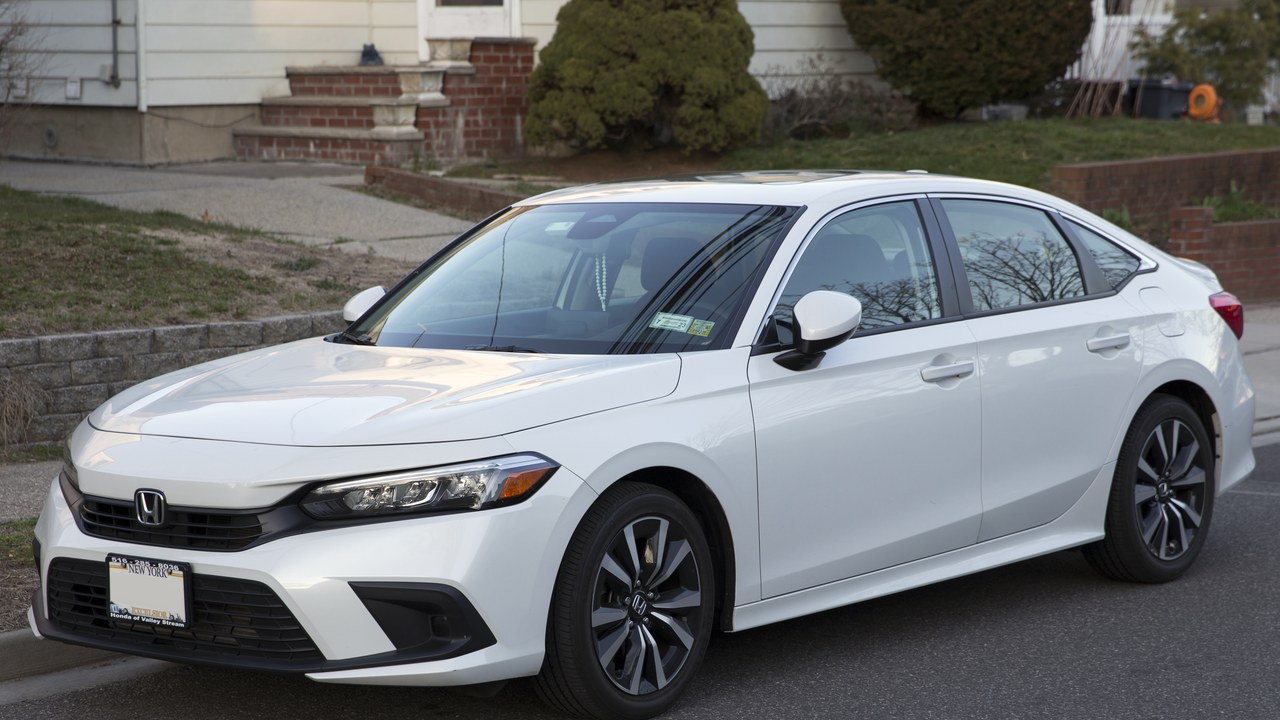
Decades of high-volume sales left an enormous aftermarket behind the Civic, so a bumper cover or headlight assembly is rarely a special order. The Civic’s long production history spans eleven generations, and mainstream trims stick with modest four-cylinder engines rather than the turbocharged Type R hardware. Modern versions have earned strong scores in independent crash testing, which insurers weigh when setting injury exposure.
The caveat is trim. A sport-tuned Civic with a bigger engine, and a younger driver behind it, will not be quoted like the base sedan. Older generations also carry a theft history, so cheap coverage tracks the ordinary versions, not every car wearing the badge.
4. Hyundai Accent: A Budget Car That Stays Budget

Priced near the bottom of the new-car market for most of its life, the Accent is inexpensive to replace outright, and collision and comprehensive premiums track the value of the metal being covered. The Accent’s subcompact platform has carried small, naturally aspirated four-cylinder engines aimed at fuel economy, which keeps the car well clear of the performance brackets that attract surcharges.
Later versions added stability control and a long factory warranty, marks of a car engineered to be cheap rather than fast. Repairs lean on components shared across Hyundai and Kia models, so parts stay widely stocked. Quotes still vary by state and record.
5. Kia Rio: Low Value, Low Exposure

Replacement cost drives a large share of any premium, and the Rio has always been one of the least expensive cars on a dealer lot. The Rio’s shared Hyundai underpinnings mean its mechanical parts overlap with the Accent, spreading tooling and inventory across two nameplates. Engines are small, output is modest, and the car was never marketed on straight-line speed.
Damage estimates on a light subcompact also tend to stay lower because there is simply less structure to repair. That logic reverses in a serious collision, when a total loss arrives quickly. For routine coverage, though, the Rio sits at the affordable end.
6. Nissan Versa: The Cheapest New Car Habit
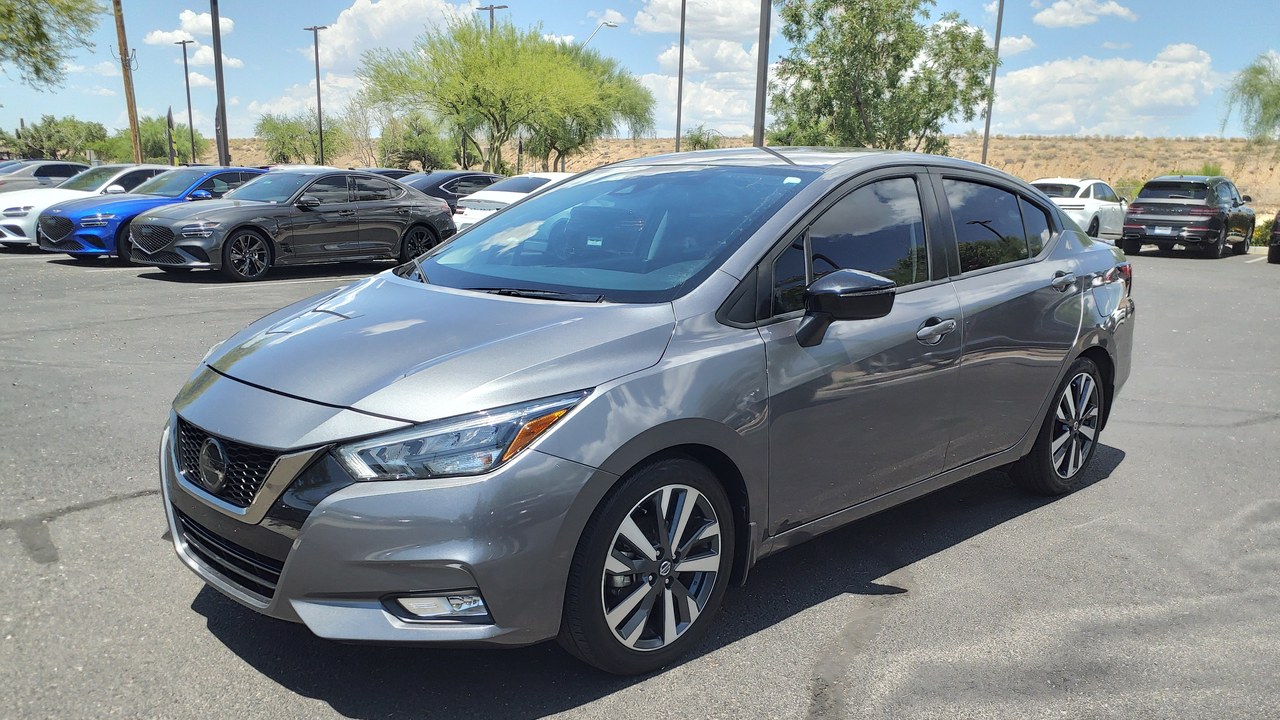
For years the Versa held the title of the least expensive new car sold in the United States, and that sticker price echoes through every physical-damage calculation. The Versa’s economy-first design pairs a small four-cylinder with a continuously variable transmission, a package built for fuel mileage rather than acceleration. Newer models come with automatic emergency braking as standard equipment.
The trade-off is that low-cost cars often attract first-time owners, and youth surcharges can swamp any savings the vehicle itself earns. The car contributes a favorable base, but the person holding the policy still sets most of the number.
7. Toyota Yaris: Small, Slow And Sensible
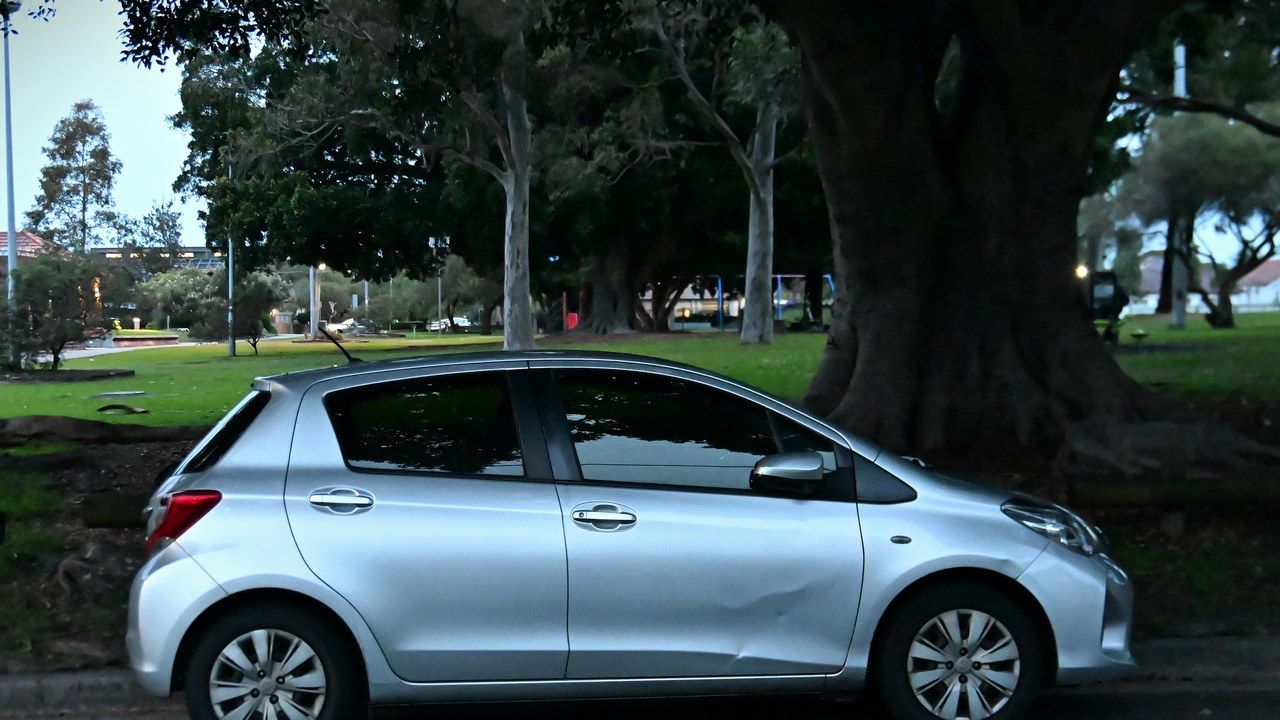
Sold globally as a hatchback and, in some markets, a sedan, the Yaris was engineered around low running costs from the start. The Yaris subcompact range has long relied on 1.0- to 1.5-litre four-cylinder engines, output that sits well below anything an underwriter treats as performance. Light weight keeps brakes and tires cheap to service, and Toyota’s parts network is dense in most markets.
One caution: the GR Yaris is a turbocharged, all-wheel-drive rally homologation car and shares almost nothing with the economy model in a rating table. The ordinary Yaris is the inexpensive one.
8. Chevrolet Sonic: Discontinued But Still Cheap To Cover

General Motors ended production of the Sonic in 2020, yet the used examples still on the road are among the least costly small cars to insure. The Sonic’s North American production ran out of Michigan for most of its life, so replacement panels and mechanical parts remain easy to source. Base engines were small four-cylinders, and depreciation has pushed replacement values low.
A discontinued nameplate can cut both ways. Specialist trim pieces get harder to find as dealers clear stock, which occasionally slows a repair. Physical-damage premiums, however, follow the car’s modest market value, and that value keeps falling.
9. Ford Fiesta: Europe’s Small-Car Benchmark
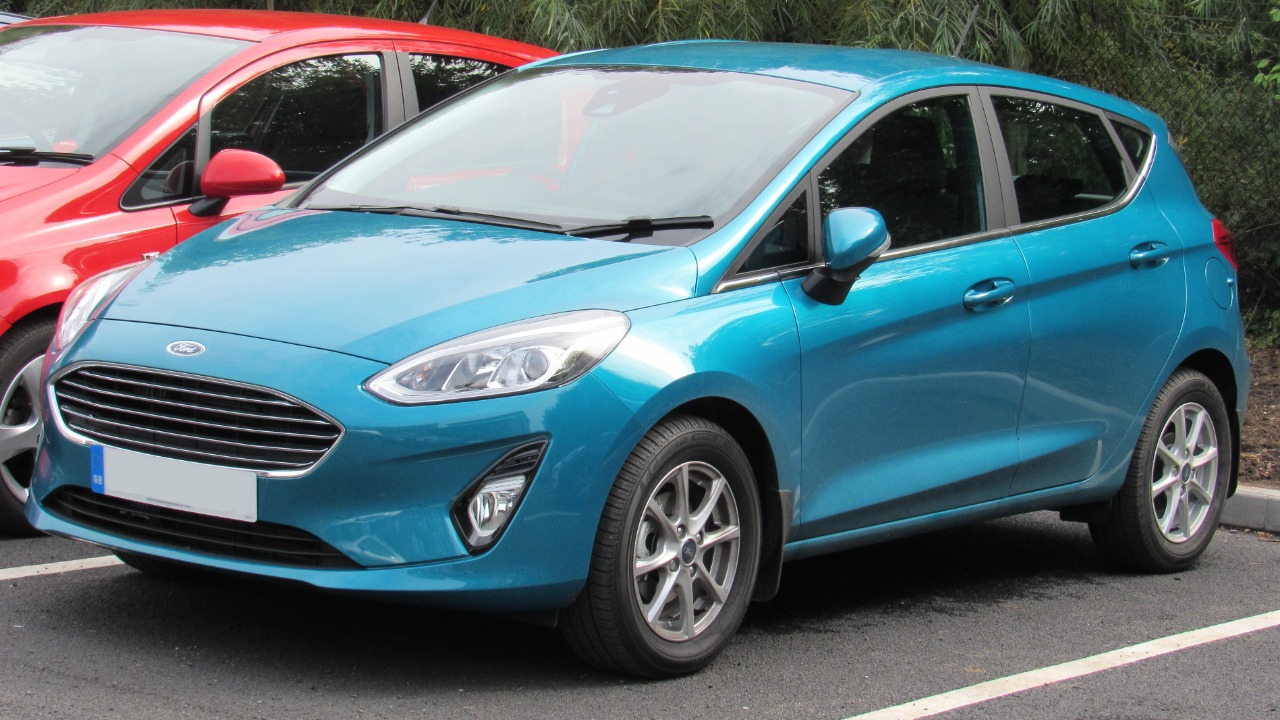
Few nameplates have sold in the volumes the Fiesta managed across Europe, and that scale is what keeps its repair economics friendly. The Fiesta’s multi-generation run stretched from 1976 to 2023, leaving a deep pool of secondhand panels, glass and running gear. Standard cars used small three- and four-cylinder engines, with modest output and light kerb weight.
The performance variants are the exception. A Fiesta ST carries a turbocharged engine, uprated brakes and a very different claims record, and underwriters rate it accordingly. Anyone chasing the cheap number wants the ordinary trim.
10. Mazda2: A Featherweight With Nothing To Prove
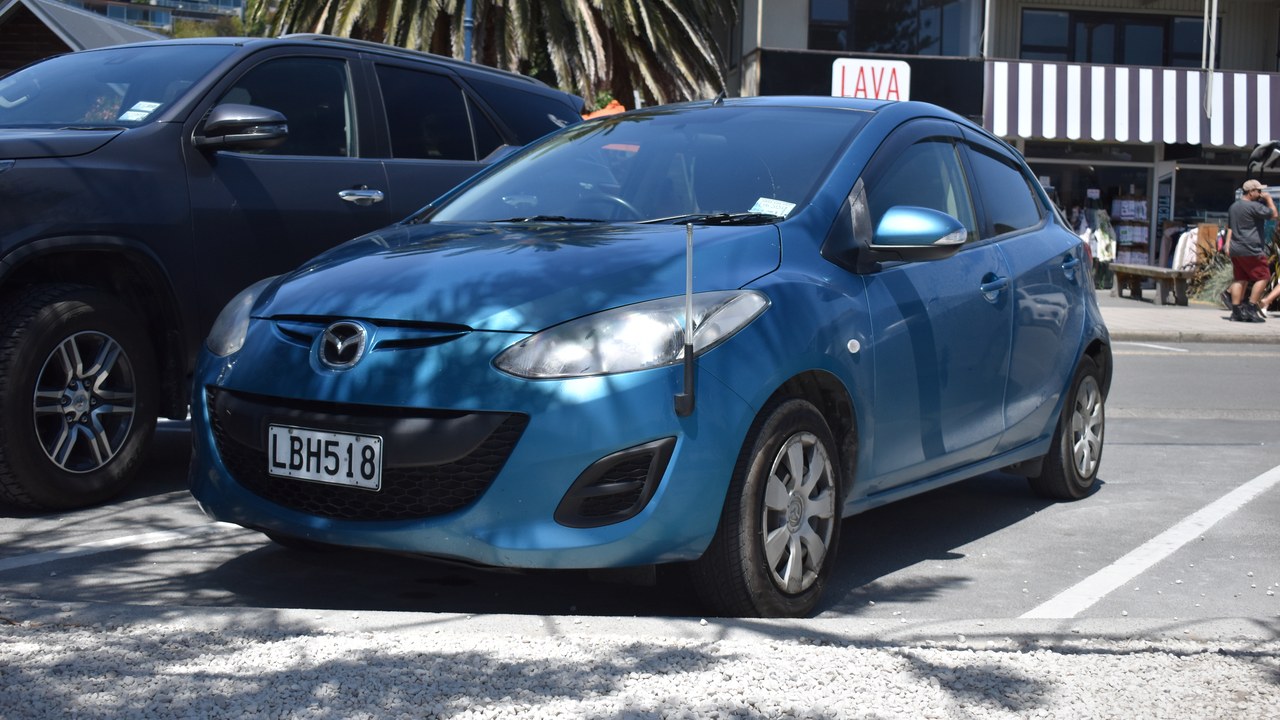
Known as the Demio in Japan, Mazda’s smallest car has always competed on weight rather than power, and light cars are cheap cars to fix. The Demio’s four generations kept curb weights close to a tonne, with small-displacement engines aimed squarely at economy. That combination keeps it in the mildest categories underwriters maintain for engine size and value.
Rarity is the complication in North America, where the car was sold only briefly before being rebadged by Toyota. Parts availability there is thinner than in Japan or Europe, which can lengthen a repair even when the premium itself stays low.
11. Kia Soul: Boxy, Slow And Well-Rated
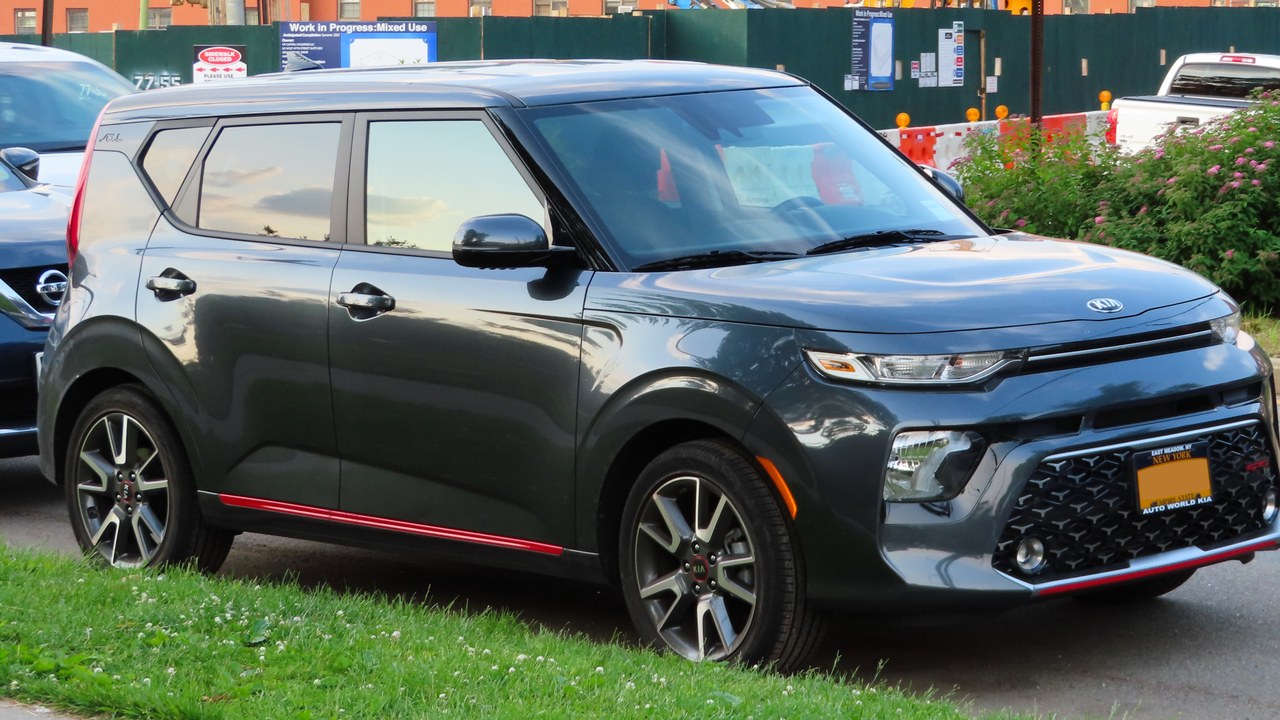
The Soul trades a low roofline for interior space, and its tall body hides an entirely ordinary drivetrain: front-wheel drive, four cylinders, no performance pretensions in the volume trims. The Soul’s crossover positioning gives it utility at hatchback prices, and hatchback replacement values follow. Crash-test performance on recent generations has been strong, which matters for injury exposure.
The caveat is theft. Certain Hyundai and Kia models built without engine immobilizers became targets during a widely reported wave of thefts, and coverage for those model years became harder and costlier to obtain. Model year and equipment decide which side of that line a Soul falls on.
12. Hyundai Venue: The Smallest Crossover On The Lot
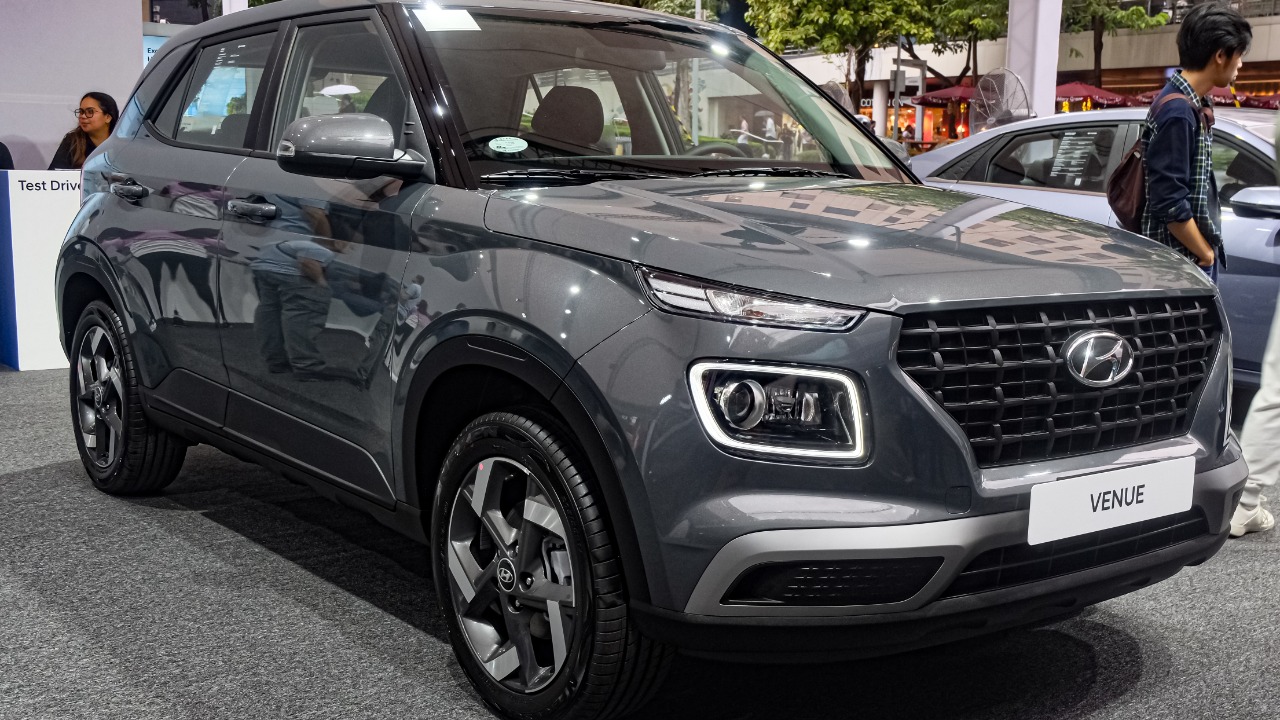
Hyundai’s entry-level crossover is essentially a subcompact hatchback on slightly taller suspension, and it is priced accordingly. The Venue’s single engine option is a 1.6-litre four-cylinder driving the front wheels only, with no all-wheel-drive version offered in North America, meaning less hardware to damage and less to replace. Driver-assistance features including forward-collision warning arrived as standard equipment.
Because it sits at the bottom of the range, replacement cost stays modest, and that governs the collision and comprehensive portions of a policy. Liability coverage is another matter entirely, since it prices the harm a driver can cause rather than the car.
More from Morning Overview
- More than 60,000 people flee the Spokane area as complex fires overrun 600 structures
- 11 engines built to run well past 200,000 miles
- Card skimmers hidden on gas pumps and ATMs are draining accounts, and here’s the tell
- The FBI says hackers are hijacking outdated home routers, and it named the models to check
