
Small pickups once looked like a cheap way for Detroit to compete with Japan, but the tariff reshaped what reached showrooms. Some wore Ford, Chevrolet or Dodge badges on Japanese hardware, while others were built in Pennsylvania or modified to cross the border at a lower rate. Here are twelve small pickups that show how the import duty changed what American buyers could get.
1. Ford Courier: Rebadged Mazda With a Lighter Rating
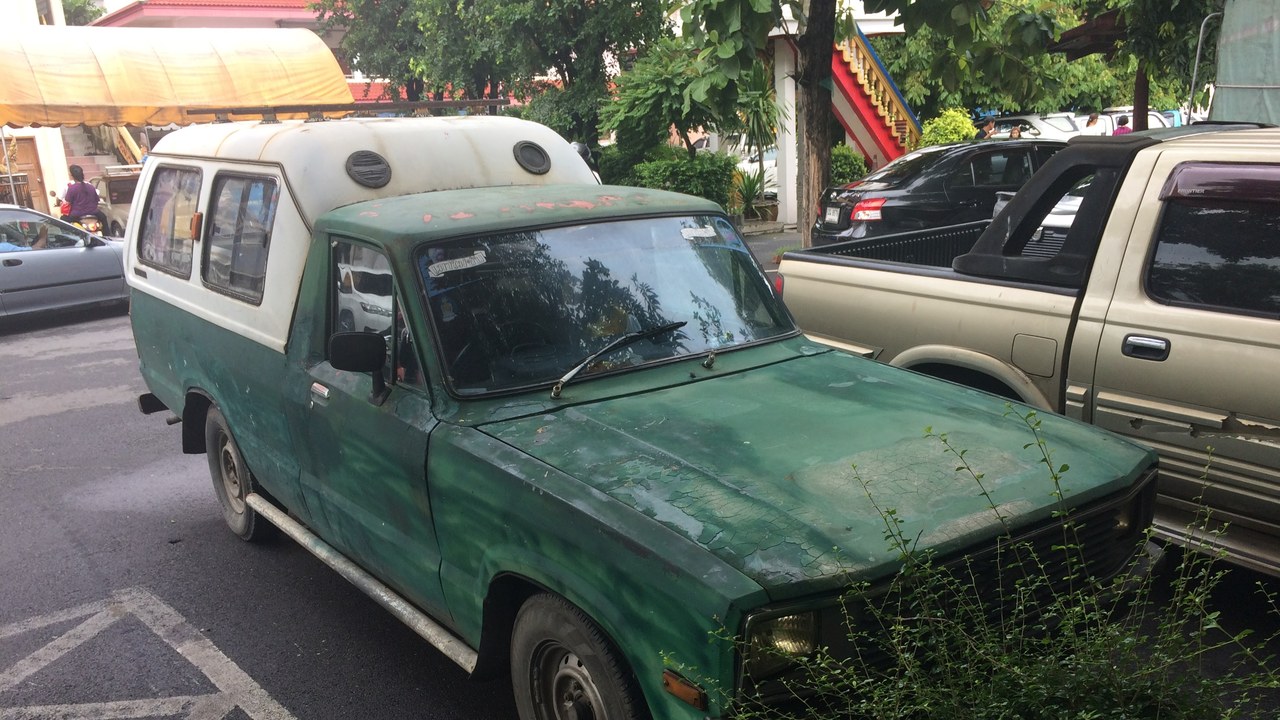
Ford’s Courier was a Mazda B1600 under a Ford badge, sold from 1972 and promoted in Hagerty’s history of Detroit’s mini-trucks as good for 1,400 pounds of cargo. The identical Mazda carried a 2,250-pound rating, an 850-pound gap on the same hardware. The Courier’s run ended in 1982.
Captive imports like this were one truck under two nameplates, so mechanical parts and repair knowledge trace back to Mazda rather than Ford. A shopper comparing old payload claims should treat the lower Ford figure as a marketing number, not evidence of a weaker frame. Owners hunting for components usually have better luck searching Mazda catalogs first.
2. Chevrolet LUV: Detroit’s Isuzu Bet
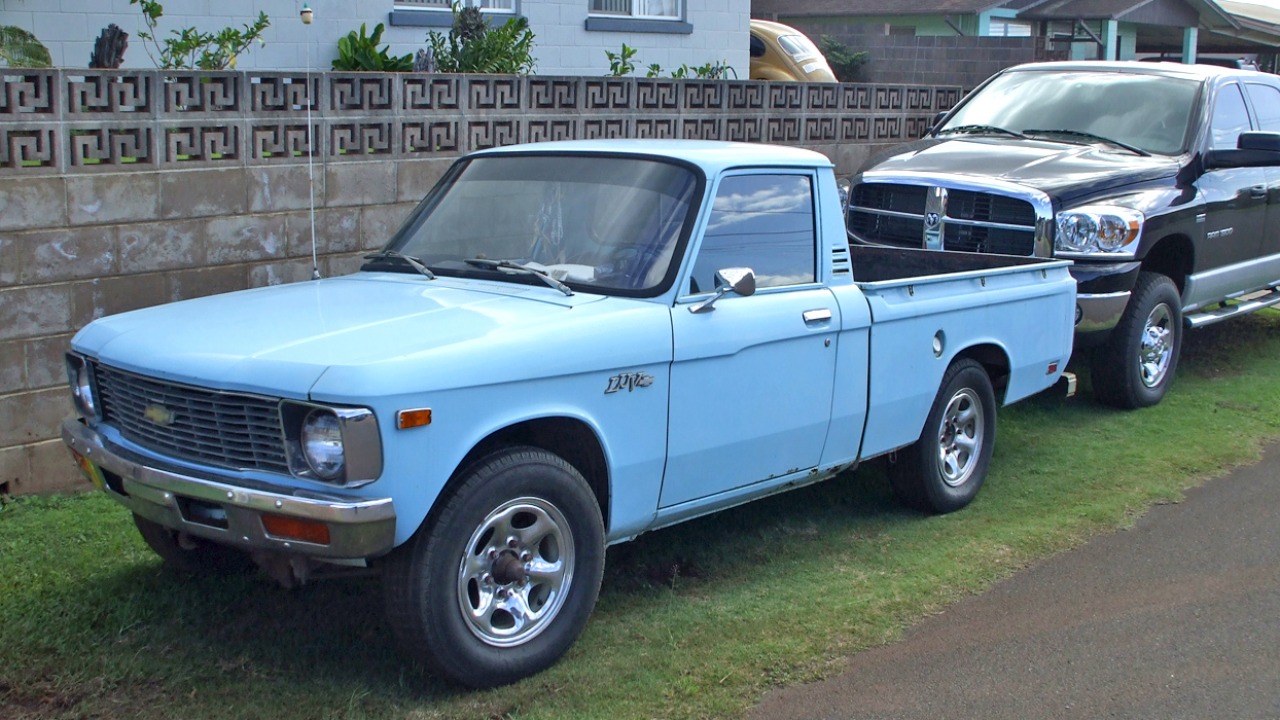
Chevrolet’s LUV, short for Light Utility Vehicle, was supplied by Isuzu and arrived in 1972. Per a Hagerty look at the LUV’s sales, first-year sales were just over 20,000 and climbed to more than 100,000 by 1979. Chevy sold 462,000 of them in all.
The numbers show that a small imported-underneath truck could build a real following inside a big domestic brand. For collectors, that volume means survivors are findable, though rust-prone bodies and Isuzu-specific parts make condition the deciding factor. Buyers should inspect the bed floor, rocker areas and cab corners before agreeing on a price.
3. Plymouth Arrow Truck: Mitsubishi in Plymouth Clothes
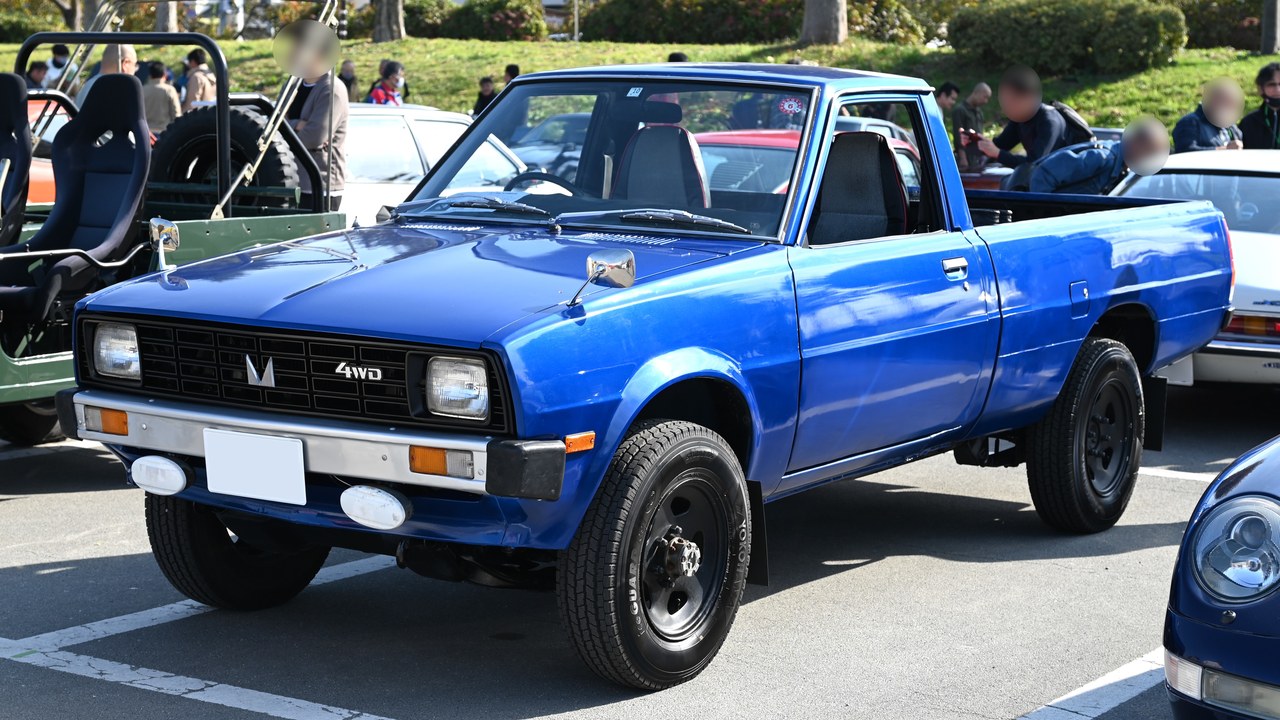
Plymouth’s Arrow Truck was the twin of the Mitsubishi-built Dodge D-50, arriving in 1979 and gone by 1982. Hagerty’s mini-truck overview places it among the Japanese-built nameplates Chrysler sold to compete in the small-pickup class. Its short run reflects how quickly the badge-swapped imports were overtaken.
Anyone researching one should search under Mitsubishi and Dodge D-50 listings, since the Plymouth name rarely appears in parts catalogs or classifieds. Rarity does not translate to high prices, so the Arrow Truck mainly appeals to buyers who want an unusual Chrysler-family oddity with ordinary Mitsubishi mechanicals underneath.
4. Dodge Ram 50: The Longest-Running Captive
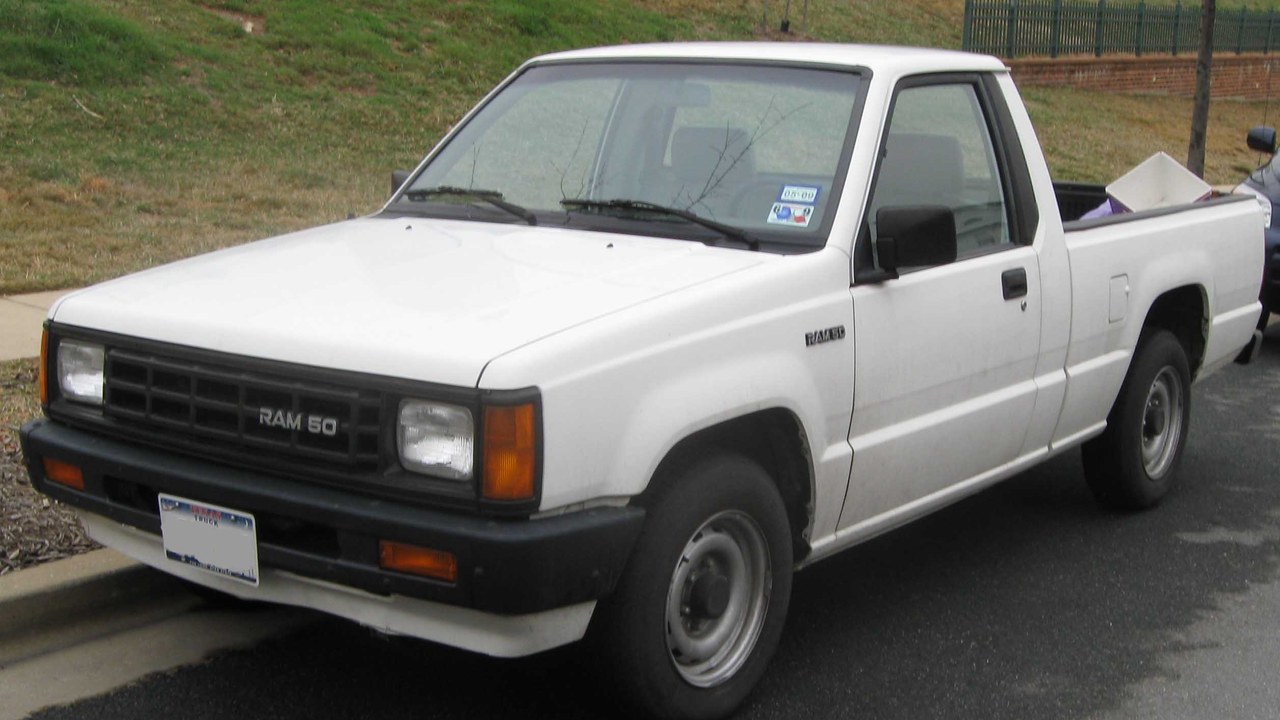
Dodge sold the Ram 50 until 1994, making it the longest-running Detroit captive import. Mitsubishi built it in Japan, and DrivingLine’s minitruck history describes the later trucks as a rebadged Mighty Max. Its run outlasted the Courier, LUV and Arrow Truck by well over a decade.
That longevity is why the Ram 50 shows up in used markets more often than its 1970s cousins. Shoppers should note that the Mighty Max name on the title or in parts listings points to the same truck, which widens the pool of available components and the number of enthusiasts who can help with repairs.
5. Mazda B-Series: Japan’s Original Workhorse
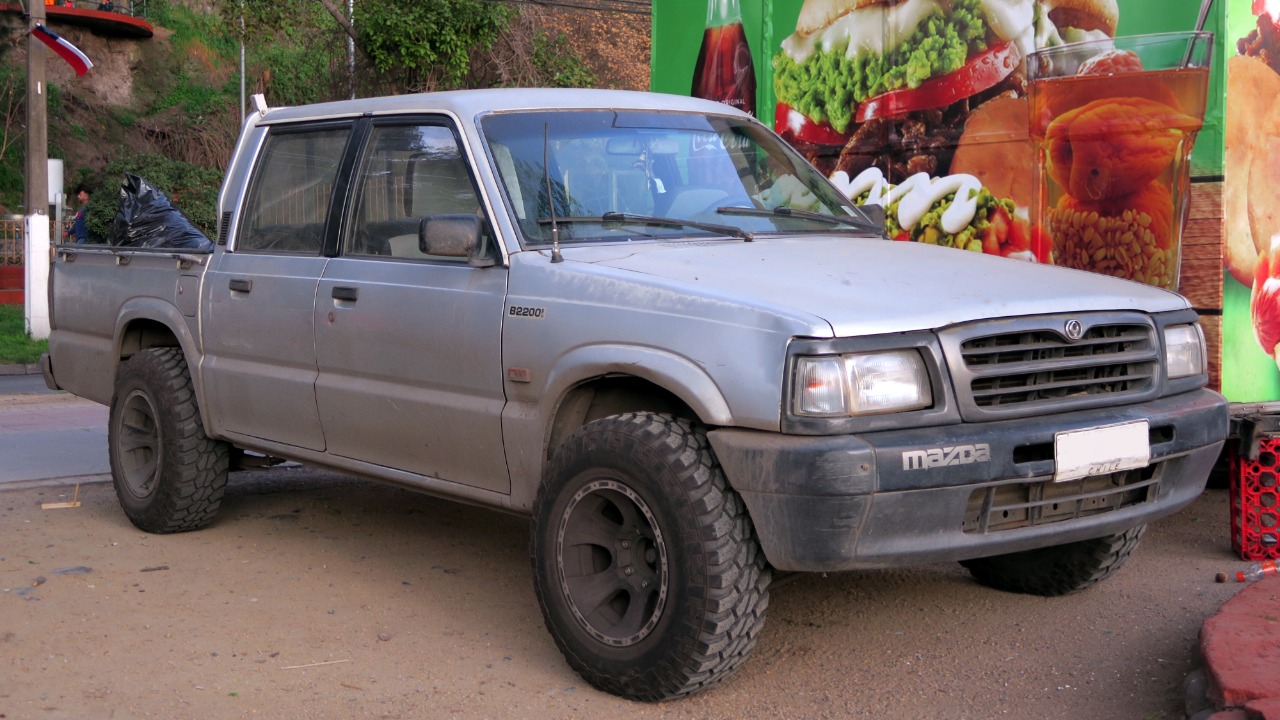
Mazda’s B-Series was already on sale in Japan when Ford began importing it as the Courier in 1972. DrivingLine’s account of the B-Series notes that its North American popularity soon outran home-market sales by a wide margin.
That reversal explains why Mazda kept investing in the line for American buyers well beyond the Courier years. For used shoppers, the B-Series offers a rare case where the Japanese original and the Detroit-badged version can be cross-referenced, which helps in tracking down body panels, interior trim and drivetrain parts.
6. GMC S-15: Compact From General Motors
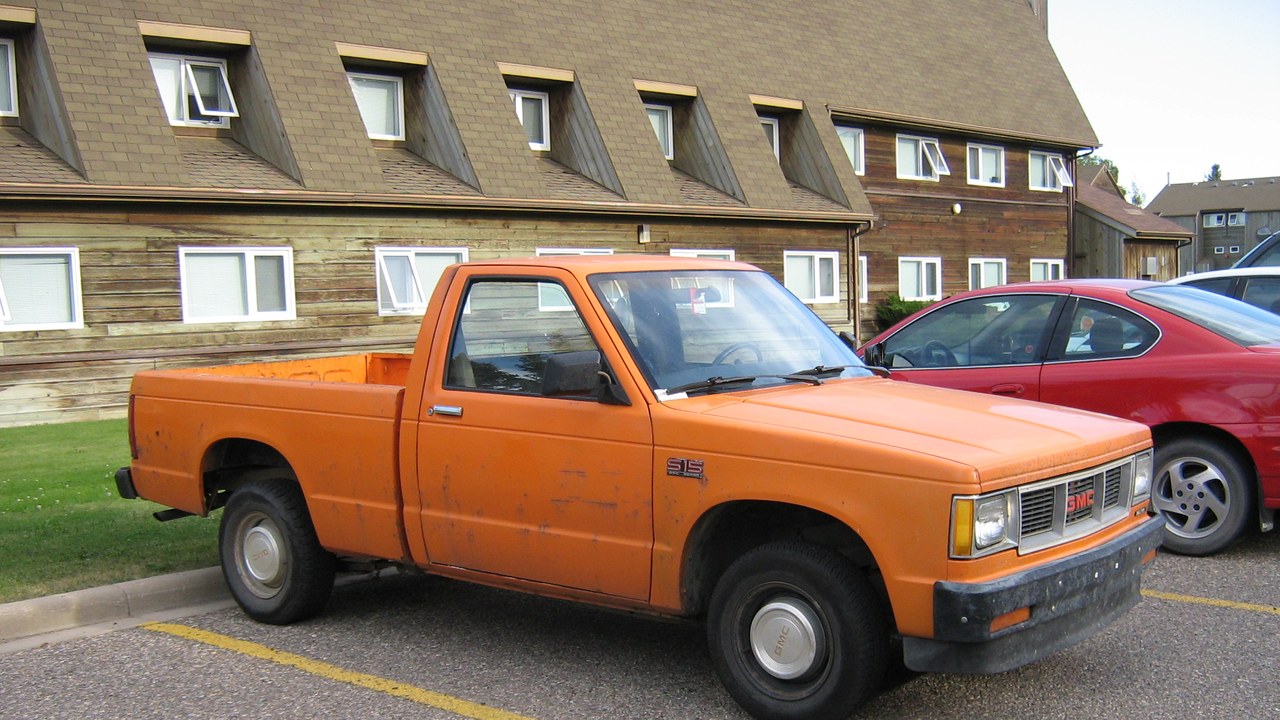
GMC’s S-15 sat alongside the Chevrolet S-10, Ford Ranger and Dodge Dakota in the compact class described by American Heritage’s history of pickups. That segment’s sales grew to 1.2 million in the 1970s. The S-15 was GMC’s version of the domestic answer to the imports.
The S-15 is an easy truck to overlook, since it shares nearly everything with the S-10 apart from trim and badging. Owners benefit from that, because S-10 parts and service information cover it. Buyers should expect a modest price premium for a clean example only if it keeps its original GMC grille and interior.
7. Toyota T100: Toyota’s Near-Full-Size Experiment
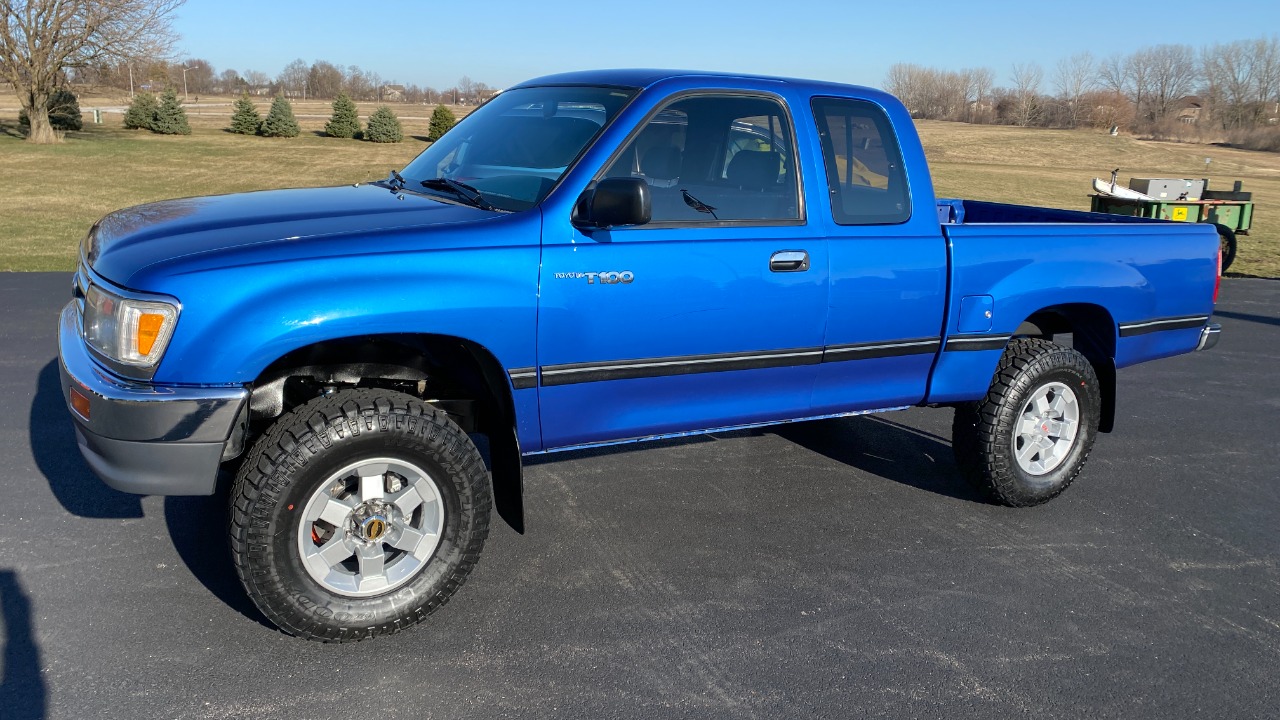
Toyota’s T100 appears with the Ranger, S-10, S-15 and Dakota in American Heritage’s pickup-market essay among the compact pickups that full-size trucks outsold by about three to two by 1995. It was a Japanese-brand entrant in a segment that Detroit’s big trucks were already dominating.
The T100 matters as a bridge between small imports and the full-size trucks. Used shoppers value it for Toyota durability, and clean examples hold prices better than most contemporaries. Because the bed and cab sit between compact and full-size, it suits owners who want more room than a Tacoma-class truck without a big pickup’s bulk.
8. Volkswagen Rabbit Pickup: Built in Pennsylvania to Dodge the Tariff

Volkswagen’s Rabbit Pickup was built at the company’s Westmoreland, Pennsylvania plant, so it avoided the 25% tariff on imported trucks. According to Curbside Classic’s pickup profile, sales topped 25,000 in both 1980 and 1981. Domestic assembly was the whole point of its pricing.
The Rabbit Pickup shows the chicken tax could be beaten by manufacturing locally rather than by loopholes. It also reveals the limits of that approach, since American-built compacts soon undercut it. Collectors today appreciate its Golf-based driving manners and unusual layout, and parts overlap with the Rabbit hatchback helps with upkeep.
9. Chevrolet S-10: The Domestic Answer
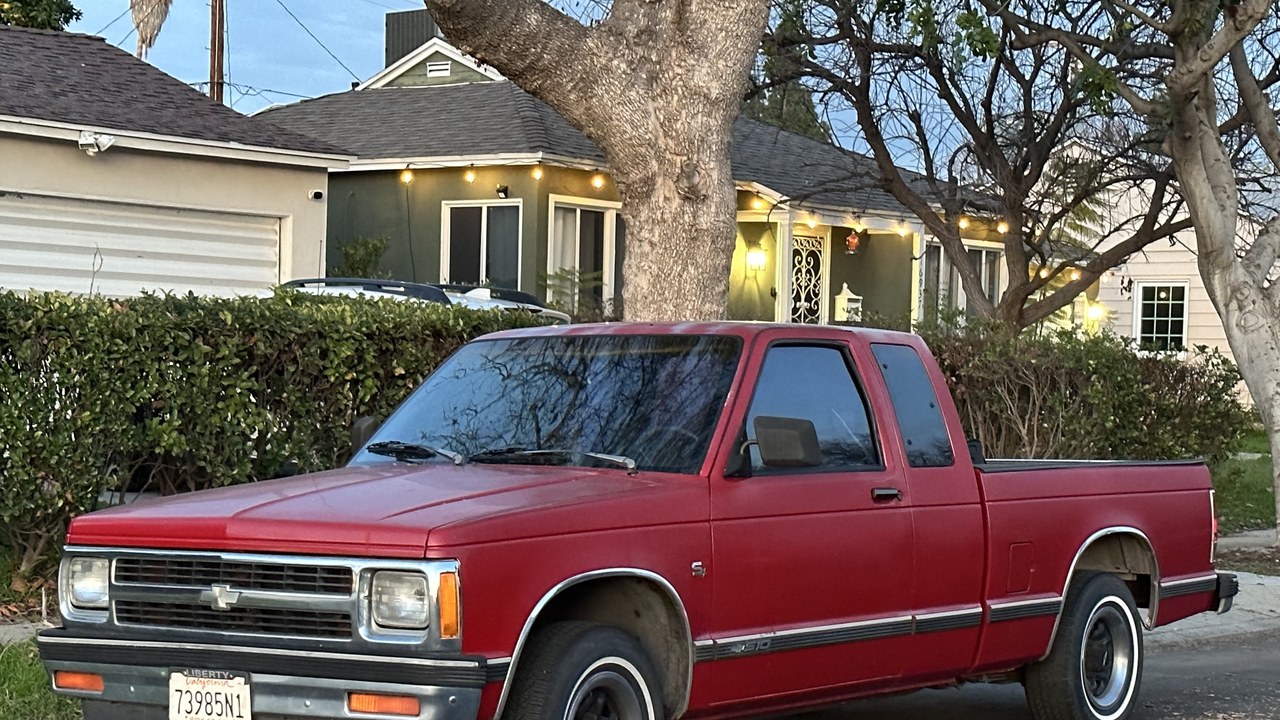
Chevrolet launched the S-10 in 1982 as a U.S.-built compact. Along with the Ranger, it undercut the Volkswagen pickup’s base price by 1983, according to Curbside Classic’s review. Both trucks gave Detroit a small pickup that carried no import tariff at all.
That price pressure helped end the era of badge-engineered Japanese trucks, since American buyers could now get a cheap small truck from a domestic plant. For used shoppers, first-generation S-10s remain affordable and well supported, though rust and tired interiors are common and should be checked closely before purchase.
10. Ford Ranger (first generation): Ford’s Compact Replaces the Courier
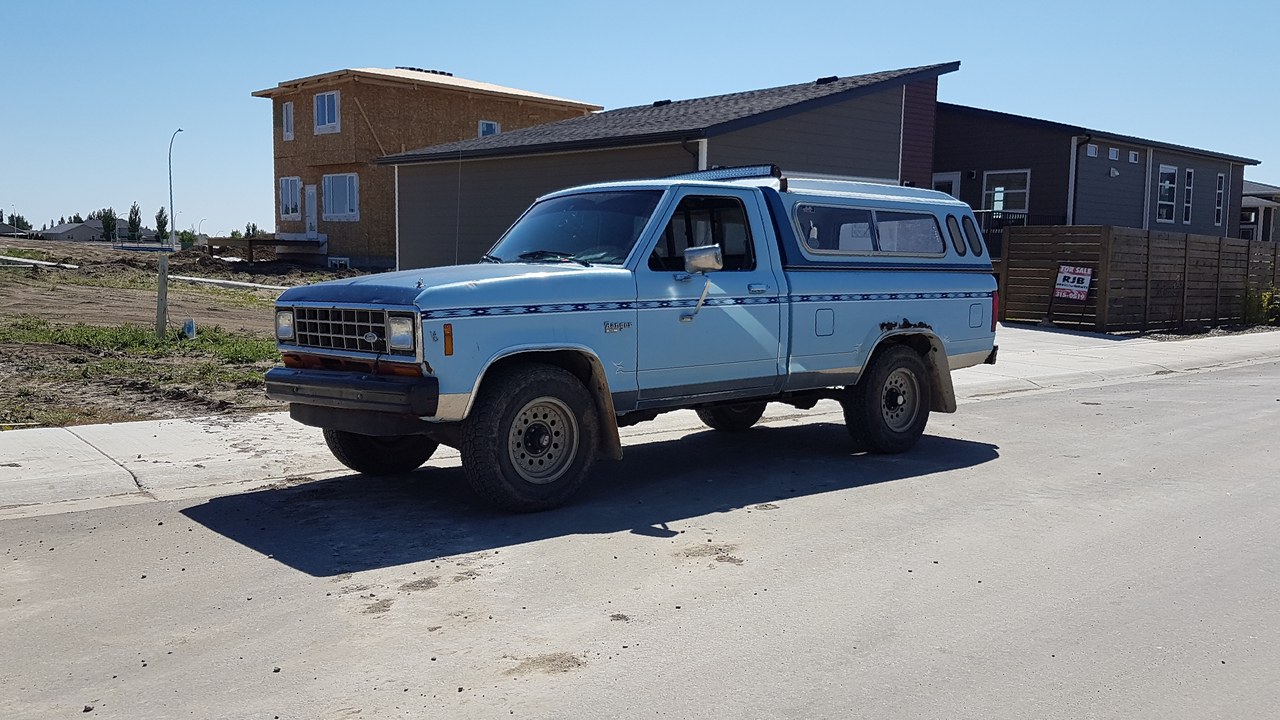
Ford’s first-generation Ranger arrived in 1983 as a U.S.-built compact that replaced the imported Courier. Curbside Classic’s comparison credits it, together with the S-10, with helping push the VW pickup’s sales below 10,000. Ford effectively turned its tariff problem into a domestic product.
The Ranger’s success explains why the Courier faded so quickly and why Ford stuck with small trucks for decades. Shoppers looking at early examples should expect simple mechanicals and strong aftermarket support, with body rust at the cab corners and rockers the usual deal-breaker on trucks from the 1980s.
11. Subaru BRAT: Jump Seats and a Tariff Loophole
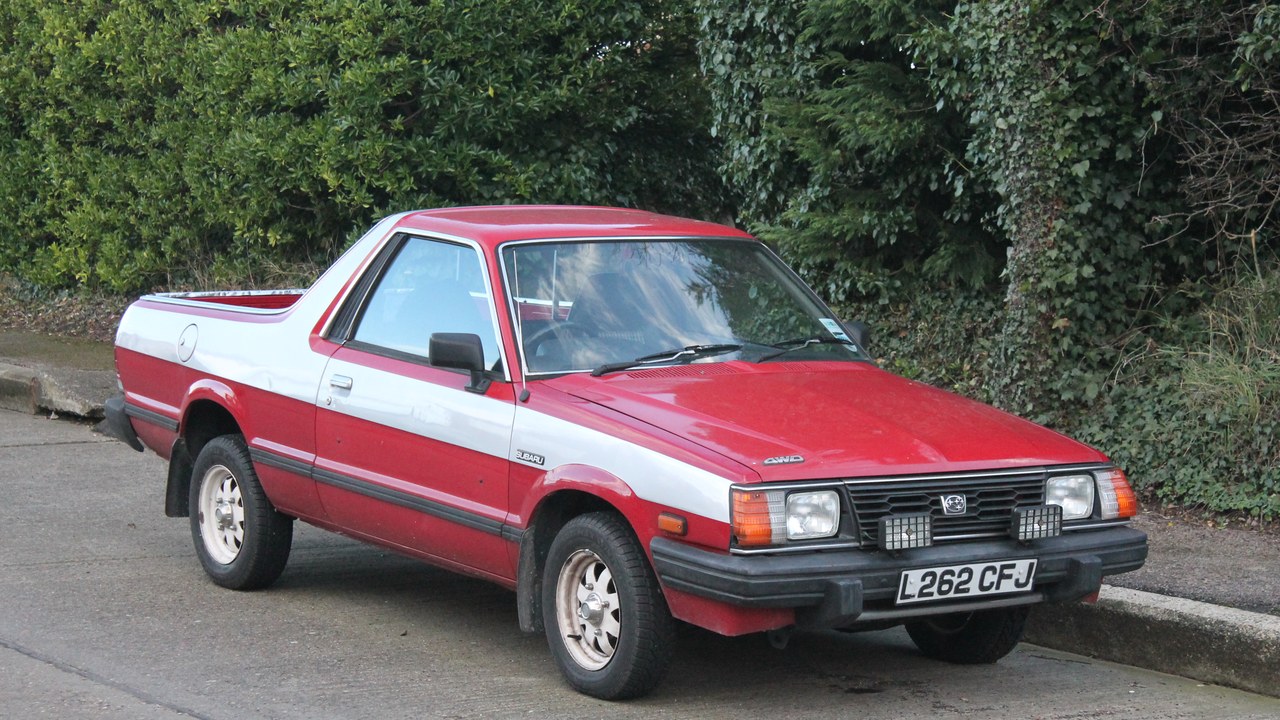
Subaru’s BRAT bolted rear-facing jump seats into its bed so it could count as a passenger vehicle, paying a 2.5% tariff instead of 25%, as SlashGear’s chicken tax explainer explains. Subaru dropped the model in 1987. The seats were a regulatory device first and a feature second.
The BRAT is the clearest example of how the chicken tax shaped design, not just pricing. Today it is a cult classic, with clean examples drawing enthusiast interest. Buyers should check the seat mounts, the rear bed and the four-wheel-drive system, and should confirm that missing jump seats can be sourced before committing.
12. Datsun pickup: Cab Chassis Without a Bed
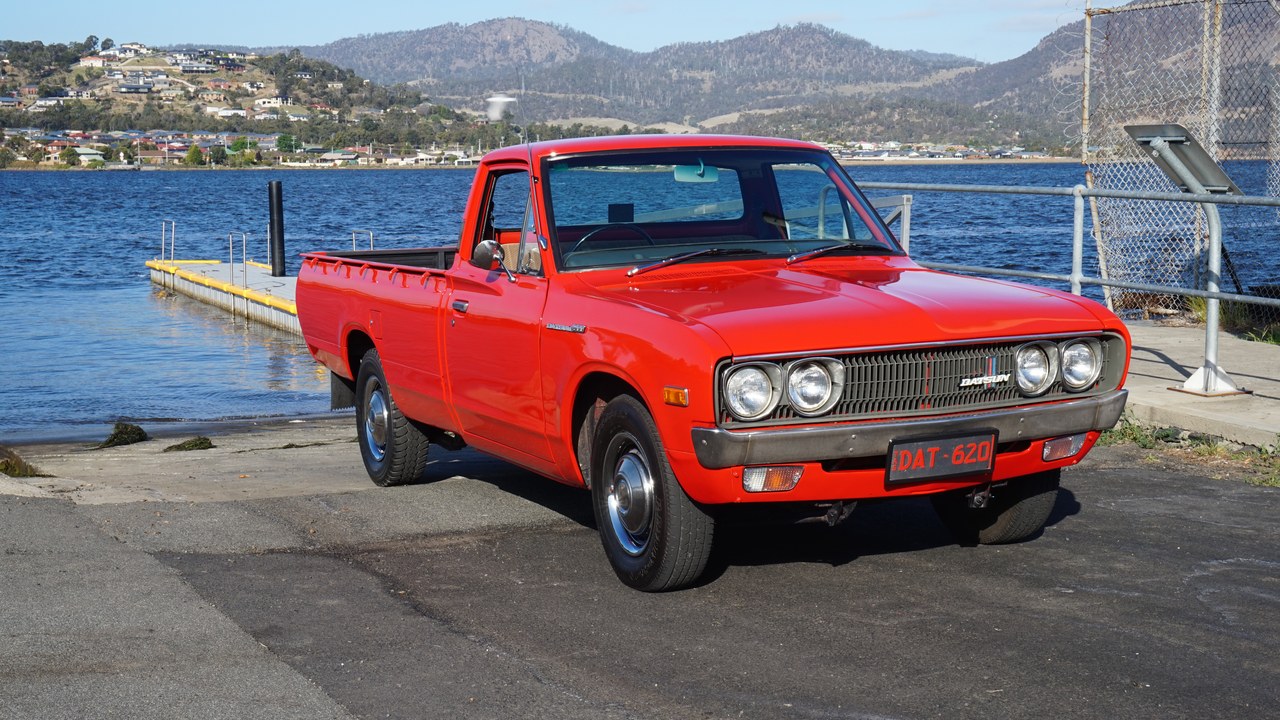
Datsun’s mini trucks entered the U.S. as cab chassis without beds, cutting the chicken-tax rate to 4%, as SlashGear’s tariff history describes. The beds were added after arrival. That small change in how the truck crossed the border saved importers a large share of the 25% duty.
The Datsun workaround shows how Japanese automakers adapted to the tariff faster than Detroit expected. Surviving trucks are popular with vintage-import fans, and parts support is decent thanks to the Datsun-Nissan community. Buyers should expect rust in the bed and cab floor and should verify the frame before paying a collector price.
More from Morning Overview
- The FBI told the rest of ShinyHunters to surrender after a 24-year-old was arrested
- Two passengers died at an Ohio toll plaza, and the NTSB now wants the cash lanes shut
- Long use of a common prostate pill is tied to a higher chance of glaucoma
- Ford is recalling 223,472 F-150 pickups because the fuel tank can leak or detach
