
Charging time now matters as much as range for anyone shopping for an electric car. These models stand out for how quickly they add miles at a fast charger, with a Hyundai leading the field at under six minutes for 100 miles. Here are eleven EVs that spend the least time plugged in.
1. Hyundai Ioniq 5: Recurrent’s Champion

Recurrent’s 2026 ranking puts the Ioniq 5 first, adding 100 miles in just 5.79 minutes, which is the quickest time on the list. That result sits behind the headline claim of a Hyundai adding 100 miles in under six minutes. See first-place ranking for the underlying data.
Recurrent notes that real-life stops run closer to eight or nine minutes, so the figure is a best-case benchmark. Even so, it shows how little time a short top-up can take for an owner on a road trip.
2. Hyundai Ioniq 6: Fifteen Minutes, 218 Miles
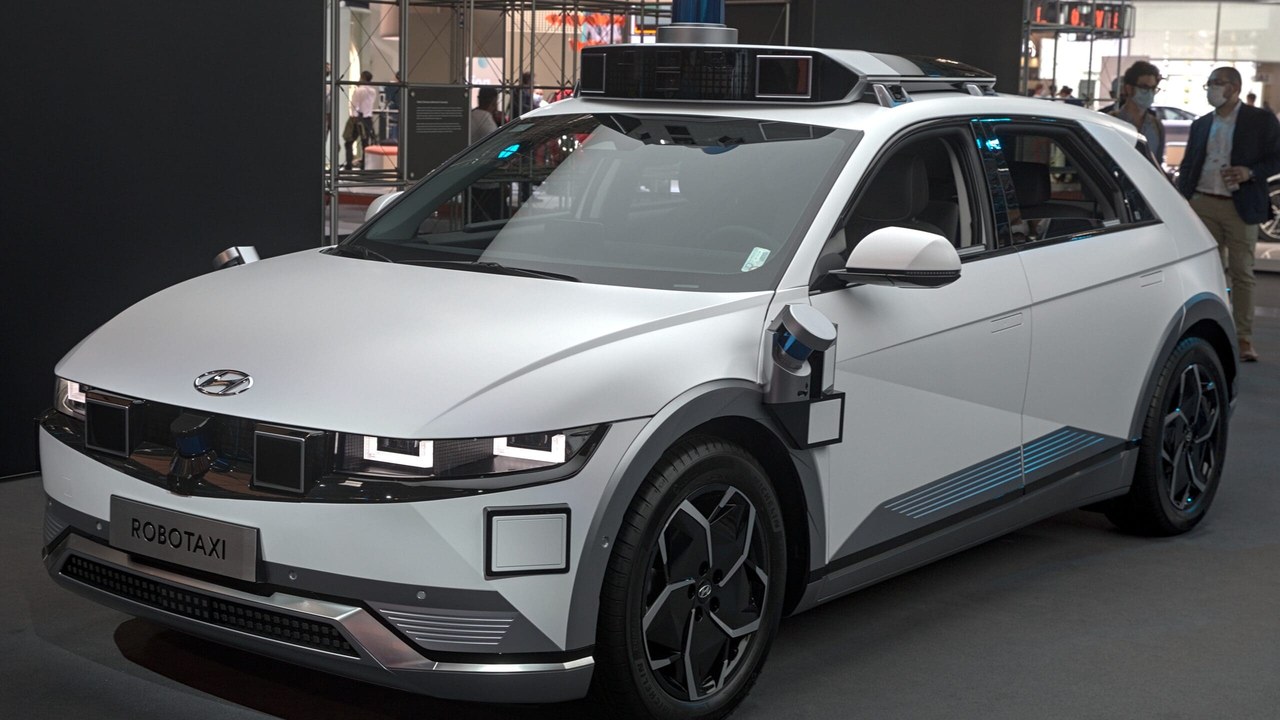
The Ioniq 6 can add up to 218 miles of range in 15 minutes, according to Kelley Blue Book’s list of fast-charging electric cars. That figure turns a short coffee stop into a substantial chunk of highway driving. See KBB’s fast-charging roundup for the underlying data.
The words up to matter, since real results depend on the charger and battery condition. Buyers who regularly travel long distances should treat 218 miles as a ceiling rather than a promise.
3. Porsche Taycan: Sports Sedan, Quick Stops
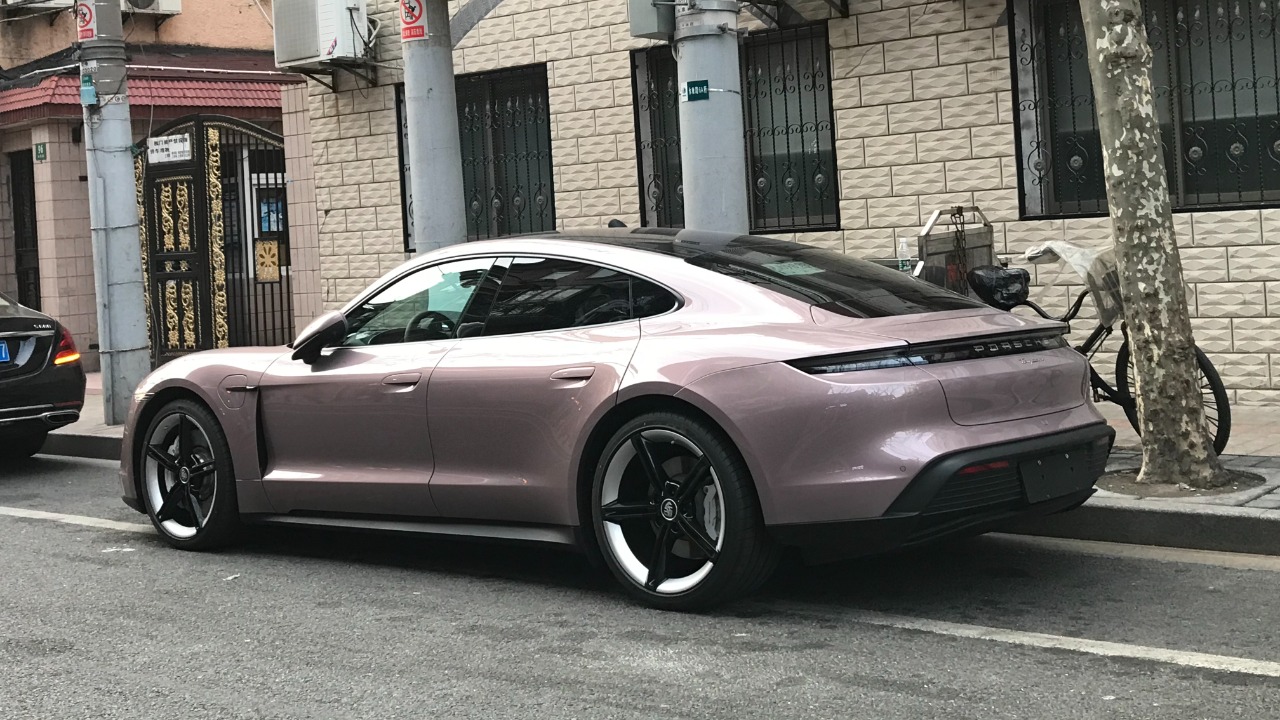
Porsche’s Taycan adds 100 miles in 8.06 minutes in Recurrent’s ranking, placing the performance sedan well inside the top tier of fast chargers. Quick charging is not limited to mainstream crossovers, and this result shows it. See Recurrent’s charging data for the underlying data.
Drivers who want sports-car performance without long waits at the plug get a real advantage here. The number is a ranking benchmark, so everyday stops may vary with charger and conditions.
4. Lucid Air: Luxury With a 300 kW Peak
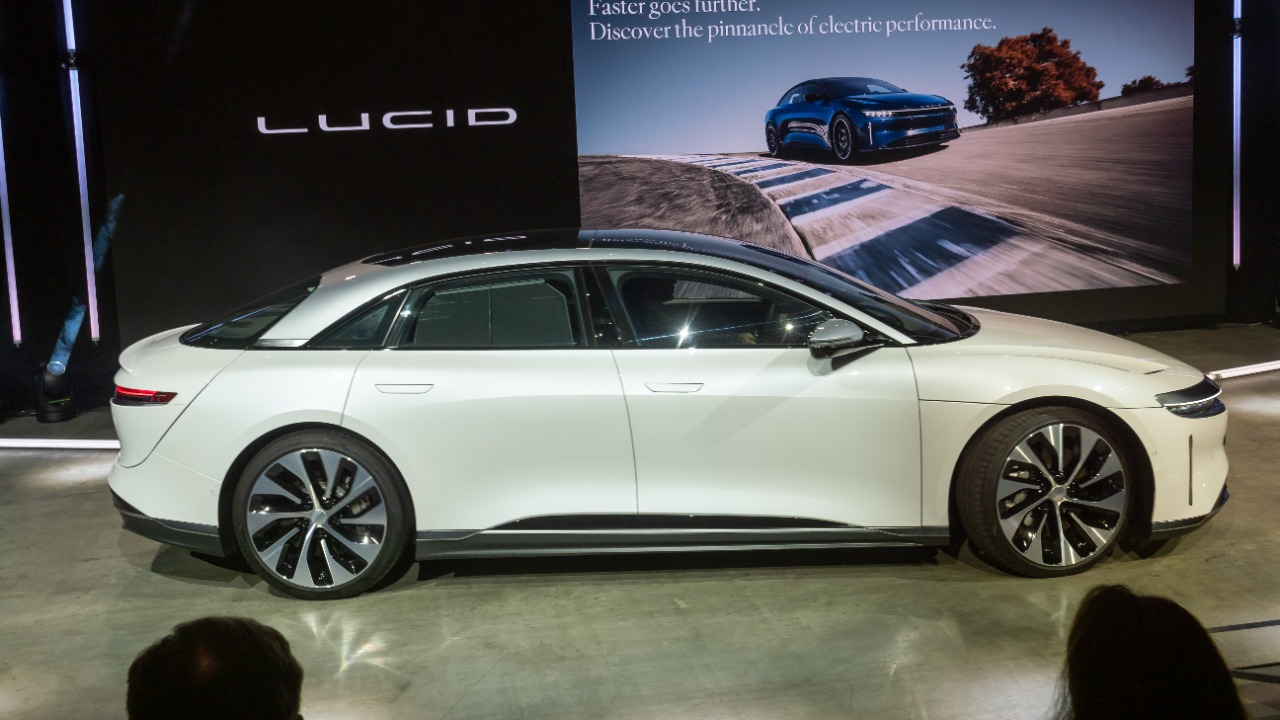
The Lucid Air adds 100 miles in 8.1 minutes, supported by a 300 kW peak charging rate, according to Recurrent. That pairing of a headline peak and a strong time-to-100-miles figure puts the luxury sedan near the front of the pack. See Recurrent’s ranking for the underlying data.
A high peak rate matters most when the charger can deliver it. Owners should look for compatible high-power stations to see results close to the benchmark.
5. Lucid Gravity: 400 kW for a Big SUV
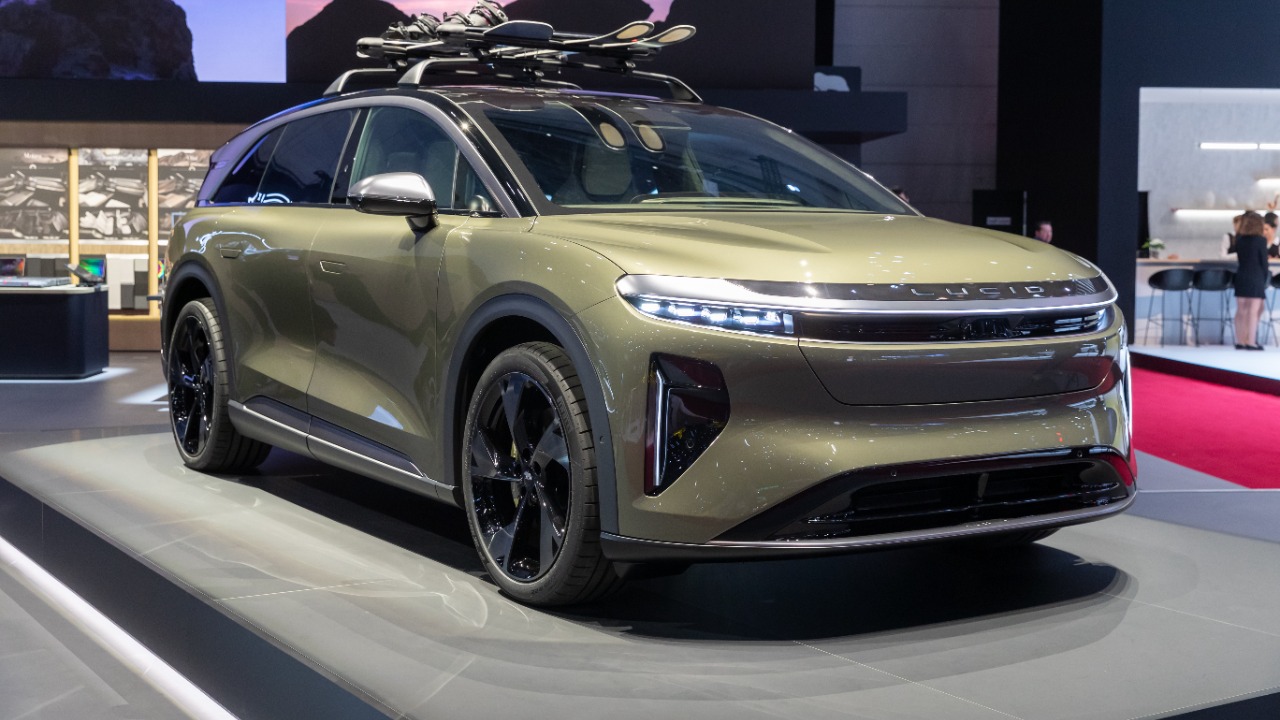
The Lucid Gravity supports 400 kW fast charging, which can add 200 miles in under 12 minutes, according to Kelley Blue Book. That rate is the headline figure for the SUV. See KBB’s fast-charging list for the underlying data.
Two hundred miles in under twelve minutes is a notable claim. As with every figure here, hitting the peak requires a charger capable of delivering that much power. The figure is a peak-power claim, so real stops may differ from it.
6. Kia EV6: 240 kW and Eight Minutes
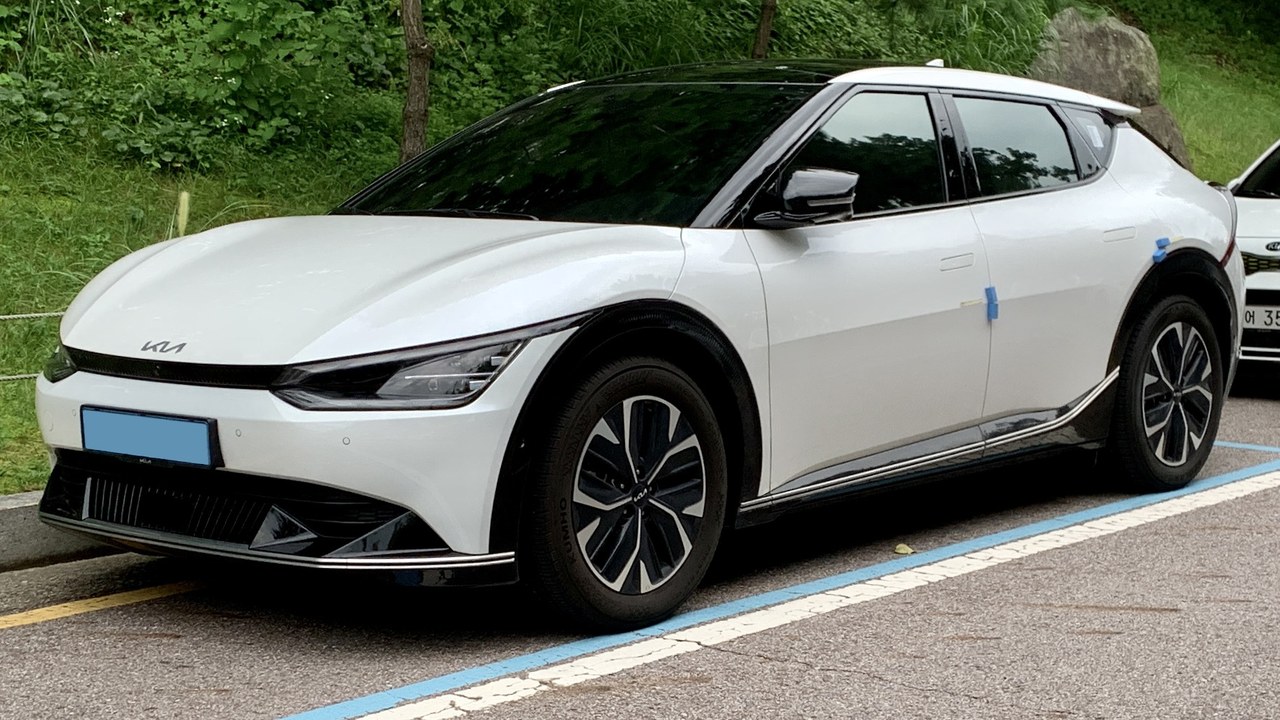
The Kia EV6 adds 100 miles in 8.55 minutes with a 240 kW peak, per Recurrent’s ranking. The result keeps the crossover close behind the Taycan and the Lucid Air in time to add 100 miles. See Recurrent’s research for the underlying data.
Shoppers comparing electric crossovers can use the figure to judge how long a fast-charging stop is likely to last. The 240 kW peak is the rate behind that result.
7. Genesis GV60: Eighteen-Minute Claim
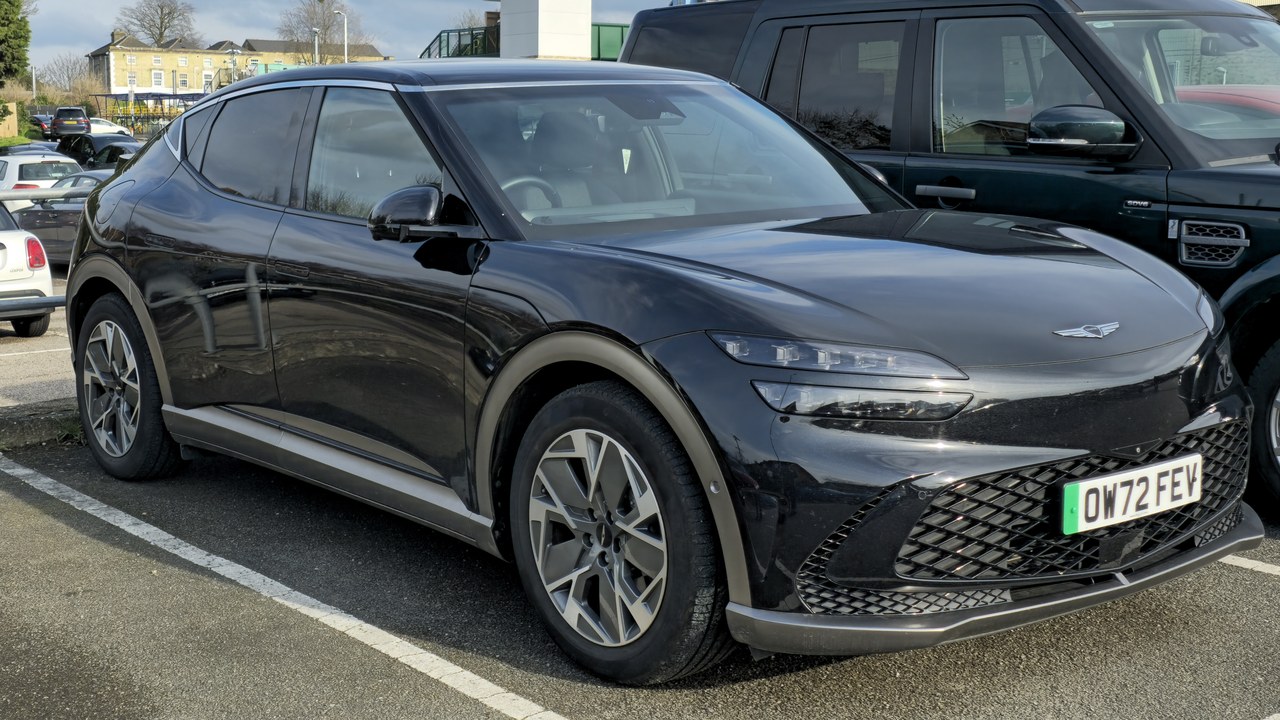
The Genesis GV60 carries a claimed 10-to-80% charge in 18 minutes at a 233 kW peak, according to InsideEVs. That pairs a modest-sounding stop with a high peak rate. See InsideEVs’ charging comparison for the underlying data.
The word claimed matters, because the time is a manufacturer figure rather than an independent test. Owners should expect results to vary with charger power and battery temperature. The 18-minute window covers only the 10-to-80% portion of a charge, not a full fill.
8. Tesla Model 3: Miles Per Minute
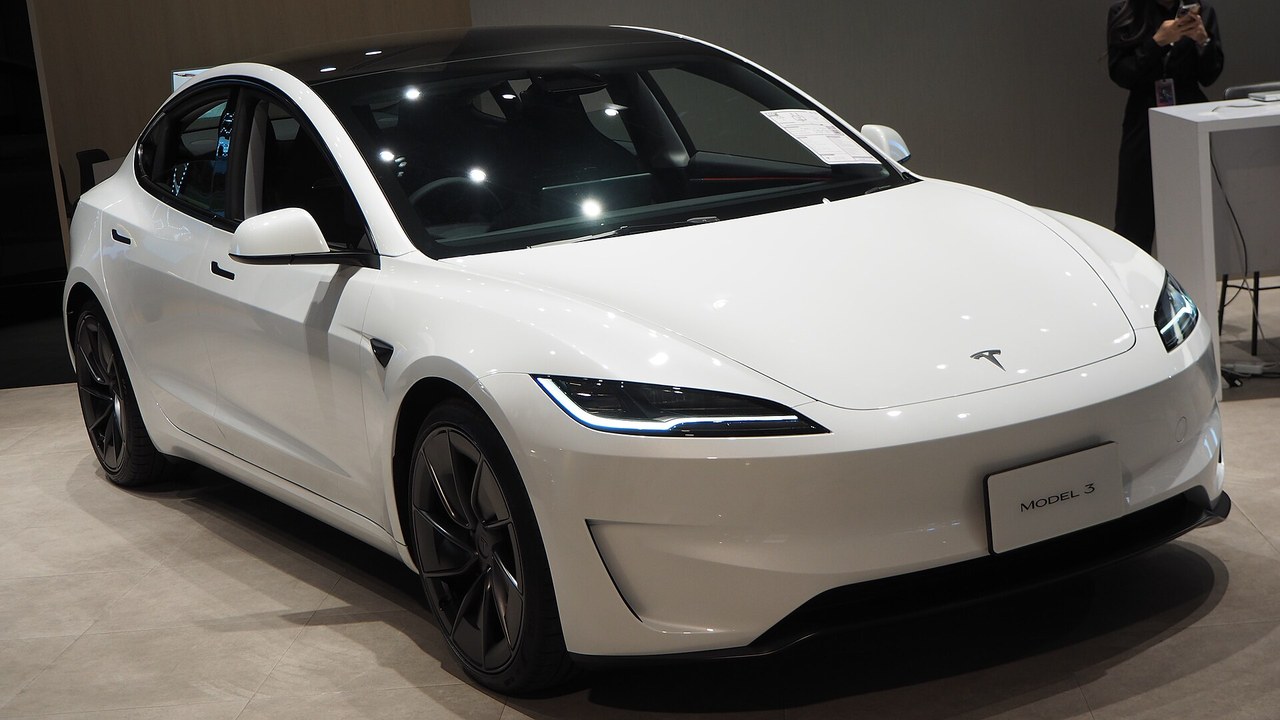
Kelley Blue Book calculates that the Tesla Model 3 adds about 11.7 miles of range per minute on a fast charger. That rate-based measure favors efficient cars, since less energy is needed to cover each mile. See KBB’s calculation for the underlying data.
Efficiency can make a modest peak charging rate feel quick in practice. Buyers who focus only on kilowatt figures may miss how much distance each minute at the plug actually delivers.
9. Kia EV9: Three-Row Fast Charger
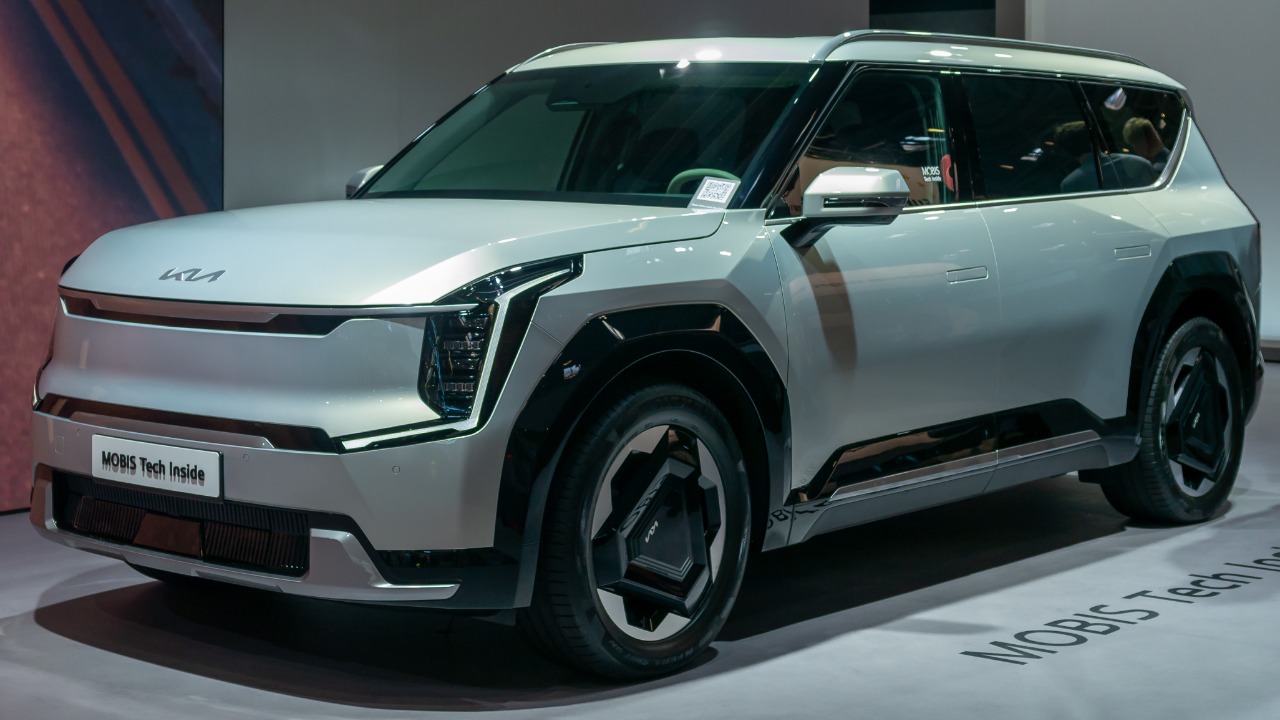
The Kia EV9 claims a 10-to-80% charge in 20 minutes with its 76.1 kWh battery, and 24 minutes with the larger 99.8 kWh pack. Both numbers are manufacturer claims. See InsideEVs’ claimed times for the underlying data.
The larger pack takes four minutes longer, a small penalty for more capacity. Families weighing the two batteries can see that extra range costs little extra waiting. The 20-minute and 24-minute times both cover the same 10-to-80% charging window.
10. Porsche Macan Electric: 270 kW Electric Macan
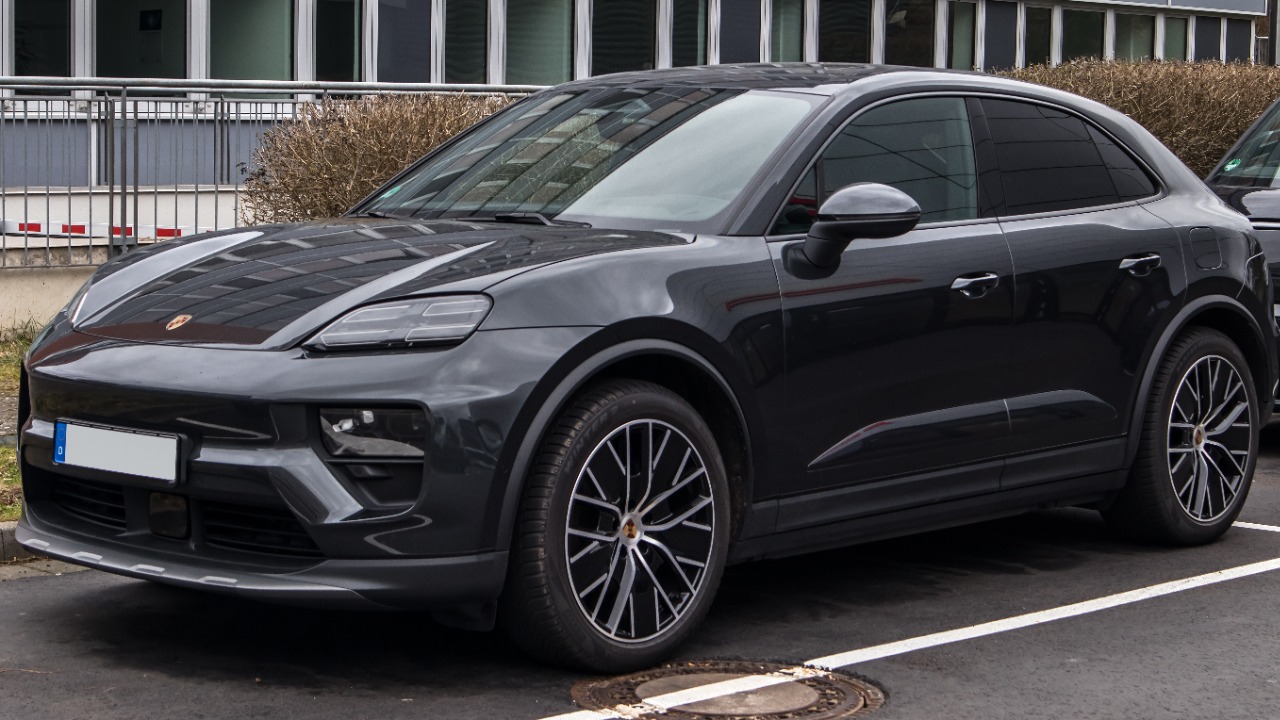
The Porsche Macan Electric claims a 10-to-80% charge in 21 minutes at up to 270 kW, according to InsideEVs. That is the claimed figure for the electric version of the Porsche SUV. See InsideEVs’ fast-charging feature for the underlying data.
The time is a claimed figure and the peak rate applies only at suitable chargers. Prospective owners should plan around the 270 kW ceiling instead of treating it as a constant speed.
11. Volvo EX90: Tops Out at 310 kW
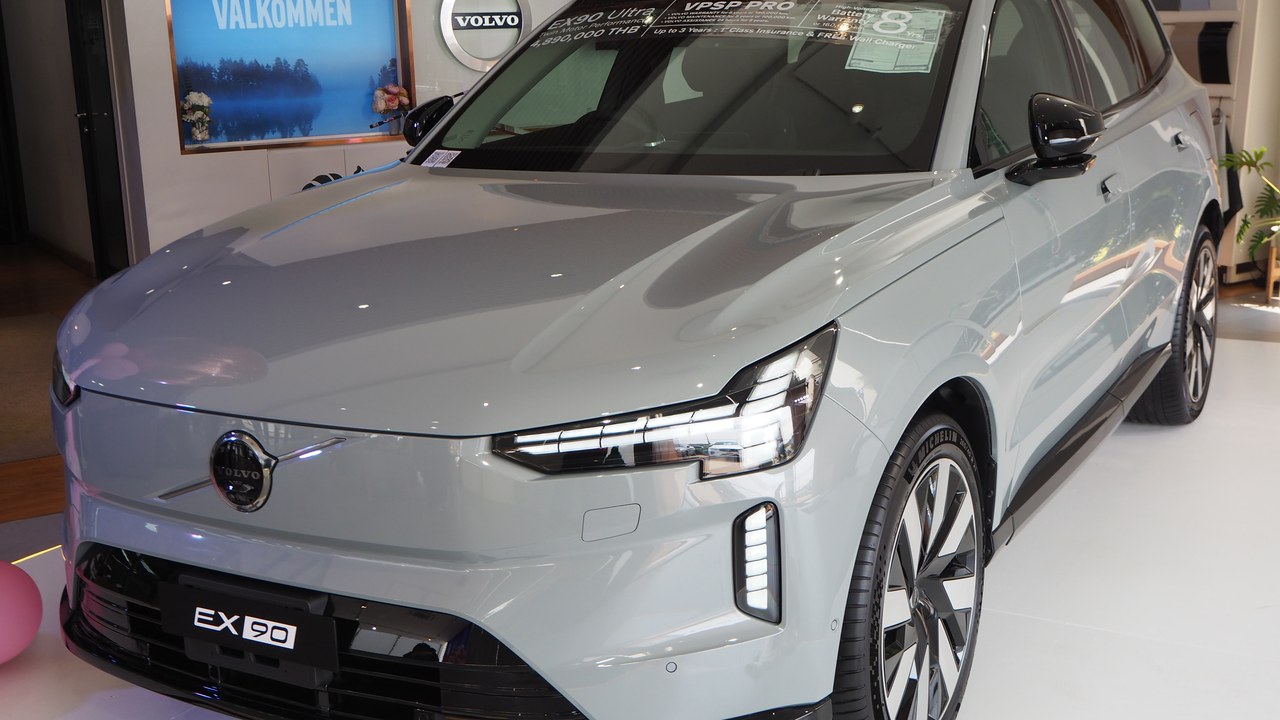
The Volvo EX90 claims a 10-to-80% charge in 22 minutes, and independent tests show it tops out at 310 kW. That independent peak figure adds context to the claimed time. See InsideEVs’ charging coverage for the underlying data.
Independent confirmation gives this figure more weight than a brochure number alone. For owners, the takeaway is that the claimed time looks achievable at a high-power station. The 22-minute time is the claimed 10-to-80% window, not an independent measurement.
More from Morning Overview
