Image Credit: Alexander-93 - CC BY-SA 4.0/Wiki Commons
The true cost of a pickup extends far beyond its sticker price, folding in depreciation, fuel, insurance, and repairs across years of ownership. Some trucks that look cheap on the lot bleed value quickly, while others hold their worth and keep running bills low. These twelve pickups are ranked by what they actually cost to own over five years.
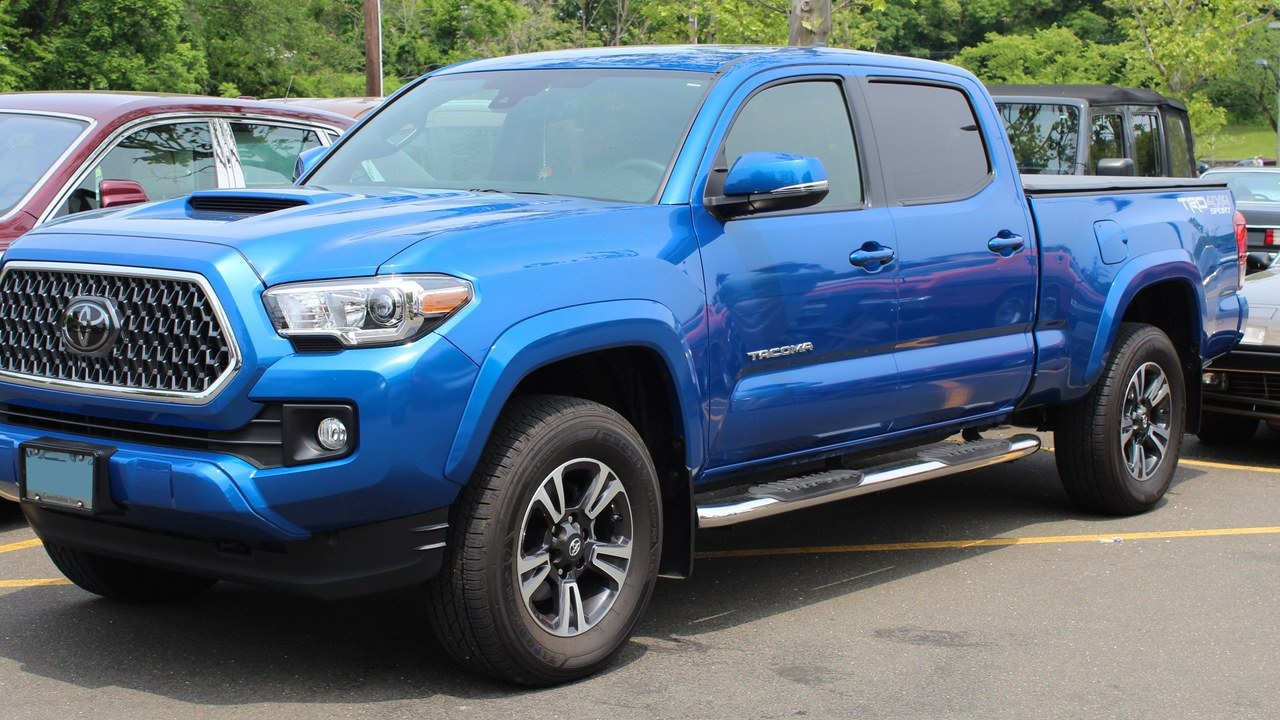
1. Toyota Tacoma: The Resale Champion
Image Credit: Kevauto – CC BY-SA 4.0/Wiki Commons
The Toyota Tacoma routinely tops affordability rankings because its resale value stays unusually strong, and an industry cost-to-own study places midsize Toyotas among the cheapest trucks to keep across five years. Slow depreciation, the single largest ownership expense, does more to hold down the Tacoma’s total cost than fuel economy or repair bills ever could.
A high used-market floor means owners recover more at trade-in, though strong demand also inflates the sticker price up front. Buyers accept a premium purchase in exchange for a smaller loss down the road.
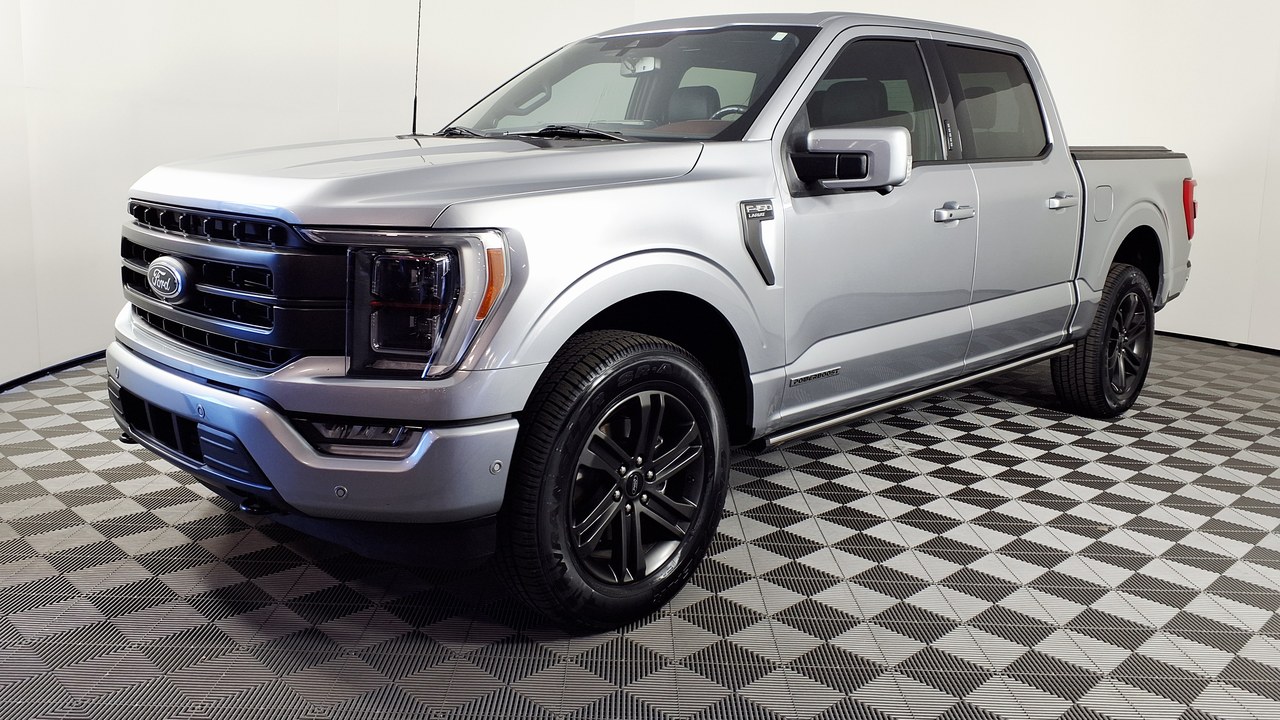
2. Ford F-150: Parts Everywhere
Image Credit: HJUdall – CC0/Wiki Commons
America’s best-selling vehicle for decades, the Ford F-150 benefits from a parts and service network no rival can match, keeping repair costs low almost anywhere. That ubiquity offsets the heavier fuel bills a full-size V8 or turbocharged V6 generates over five years of driving.
Independent shops stock F-150 components cheaply, and specialized labor is rarely needed. The trade-off is fuel consumption, where the truck trails smaller midsize and hybrid rivals by a wide margin.
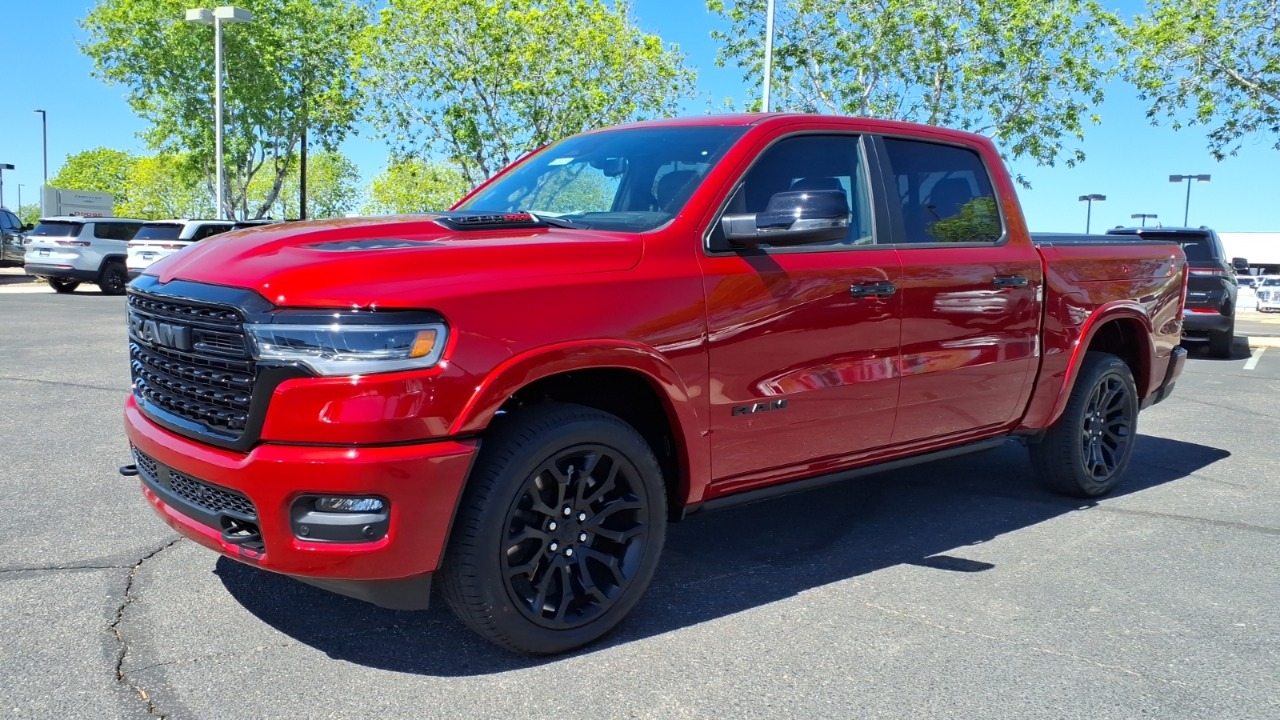
3. Ram 1500: Comfort At A Cost
Image Credit: HJUdall – CC0/Wiki Commons
The Ram 1500 lands mid-pack on five-year cost, pairing a comfortable ride with running expenses that sit between the thriftiest midsize trucks and the priciest heavy-duty haulers. Its coil-spring rear suspension and quiet cabin draw buyers who prioritize comfort over the lowest possible operating bill.
Depreciation runs steeper than on Toyota rivals, so resale trails the segment leaders. Owners who keep the truck long enough to outrun that early value drop see the total cost even out.
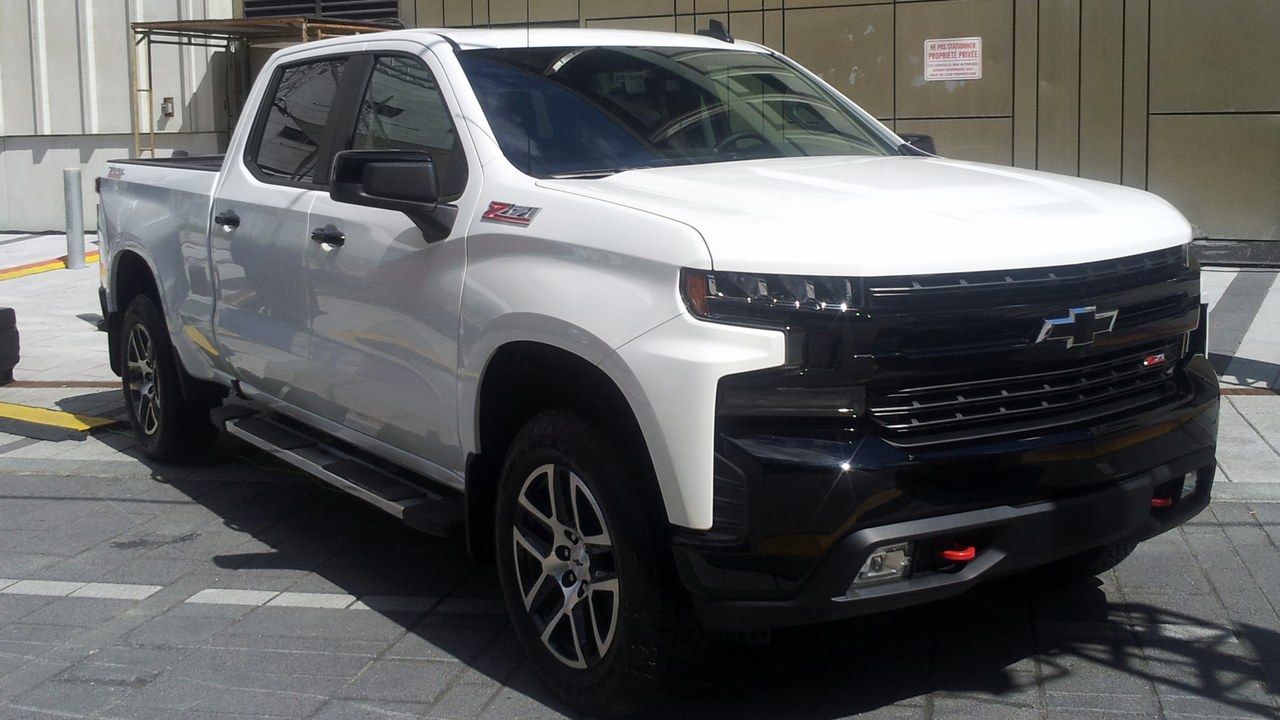
4. Chevrolet Silverado 1500: Cheap To Service
Image Credit: Bull-Doser – Public domain/Wiki Commons
High production volume works in the Chevrolet Silverado‘s favor, flooding the market with affordable parts and technicians familiar with the platform. That scale keeps maintenance predictable and holds down the Silverado 1500’s five-year service costs relative to lower-volume competitors.
Fuel economy remains average for a full-size truck, and depreciation is moderate rather than exceptional. The savings come from cheap, widely available upkeep rather than from an unusually strong resale market.
5. GMC Sierra 1500: The Pricier Twin
Image Credit: Charles from Port Chester, New York – CC0/Wiki Commons
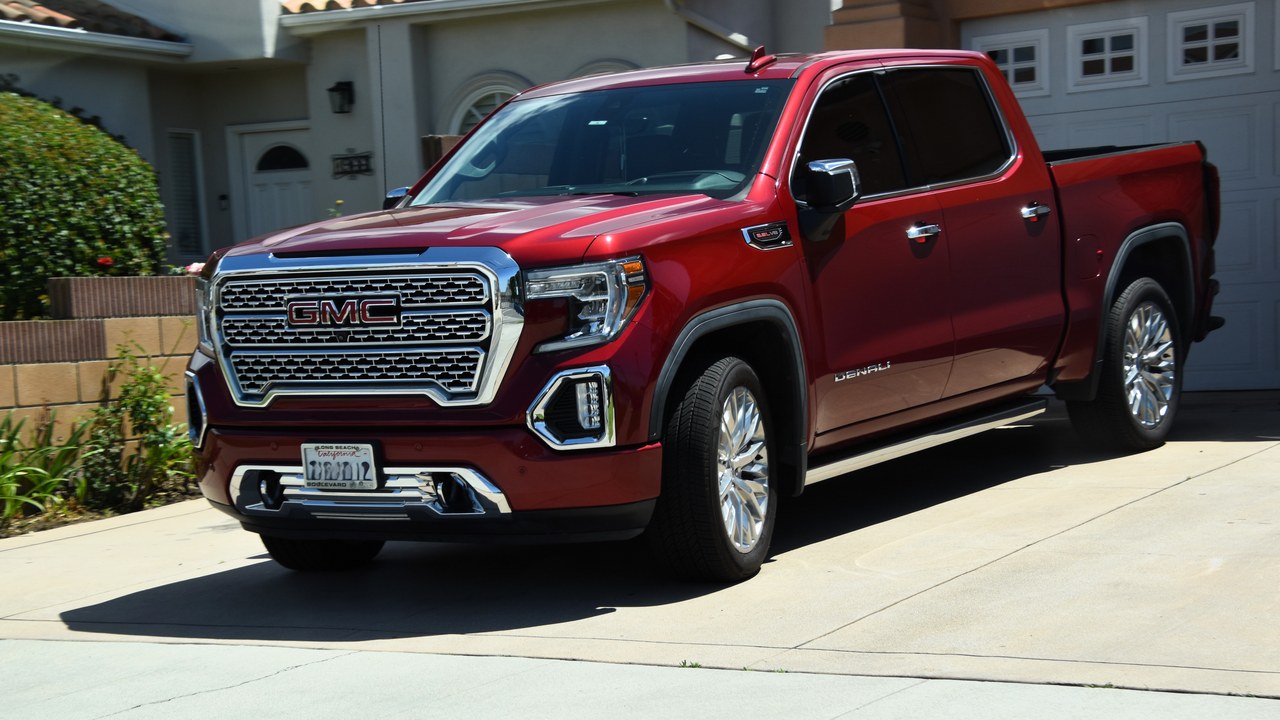
The GMC Sierra 1500 shares its mechanicals with the Silverado, so parts and repairs cost roughly the same, yet a more upscale trim strategy pushes purchase prices higher. That premium positioning raises the Sierra’s five-year cost above its corporate twin despite identical hardware.
Buyers pay for nicer interiors and the Denali badge rather than for cheaper ownership. Shoppers chasing the lowest cost often find the near-identical Silverado saves money for the same drivetrain.
6. Toyota Tundra: Value That Holds
Image Credit: Mr.choppers – CC BY-SA 3.0/Wiki Commons
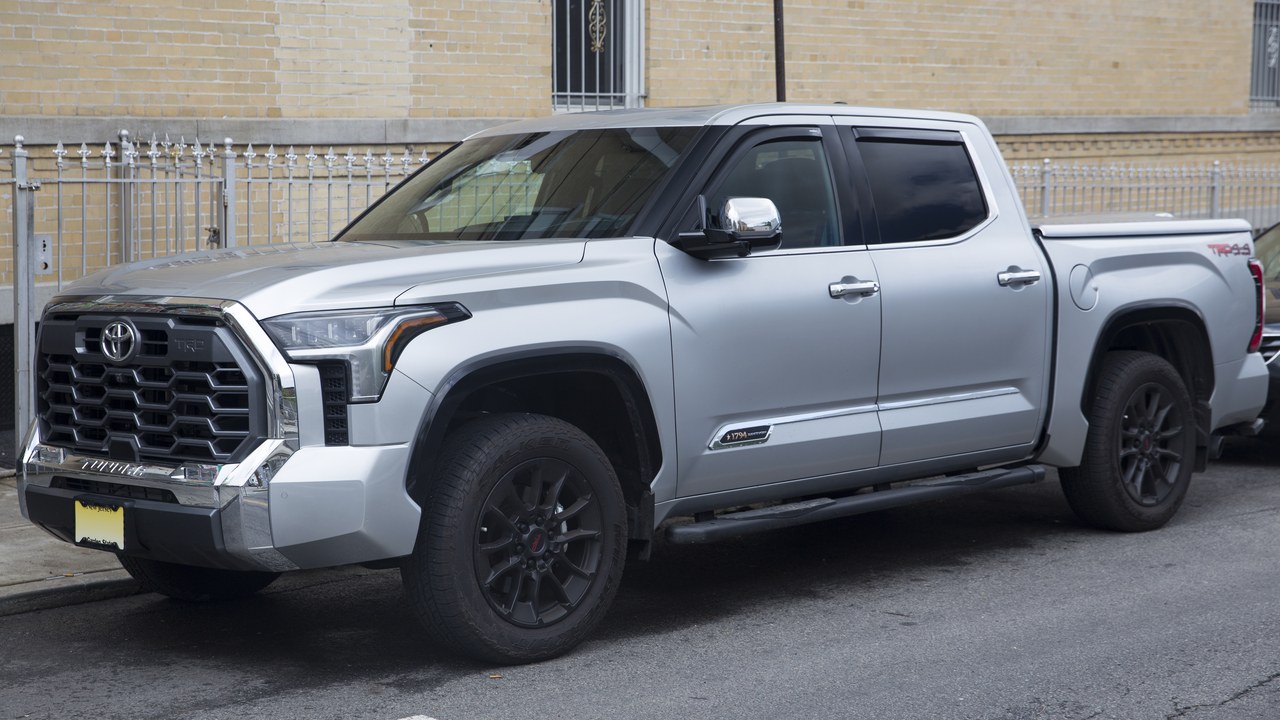
Reliability and steady demand keep the Toyota Tundra holding its value well among full-size trucks, softening the depreciation that usually dominates five-year ownership math. A reputation for longevity means used Tundras command strong prices, returning more capital at resale.
Fuel economy is unremarkable, and the current twin-turbo hybrid V6 carries higher complexity than the old naturally aspirated V8. Even so, resale strength largely offsets those running costs across a typical five-year hold, keeping the Tundra competitive against domestic rivals.
7. Nissan Frontier: Simple And Modest
Image Credit: Alexander Migl – CC BY-SA 4.0/Wiki Commons
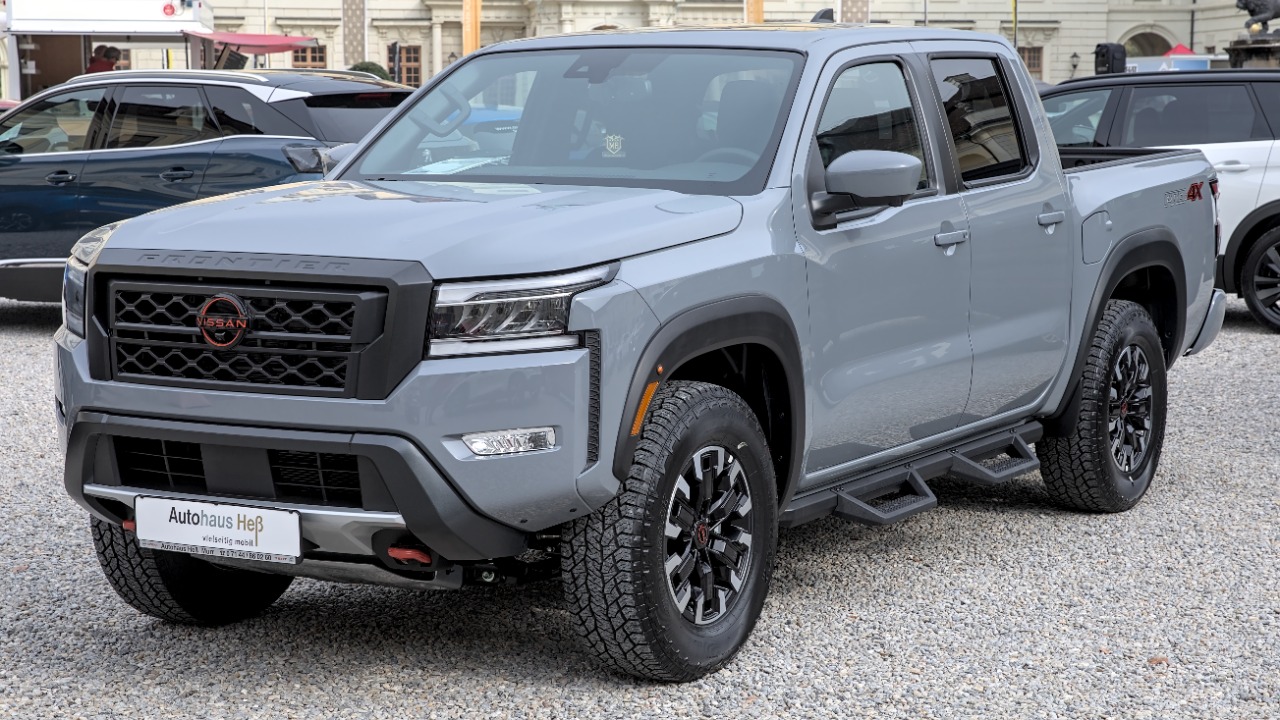
The Nissan Frontier keeps ownership costs modest through mechanical simplicity, favoring proven components over cutting-edge complexity in a midsize package. Lower purchase prices and straightforward maintenance combine to hold its five-year cost near the bottom of the segment.
Resale value trails the class-leading Toyota, and interior refinement lags newer rivals. For drivers who prioritize a low total outlay over prestige, the Frontier remains one of the cheaper trucks to run.
8. Honda Ridgeline: Car-Like Economy
Image Credit: Elise240SX – CC BY-SA 4.0/Wiki Commons
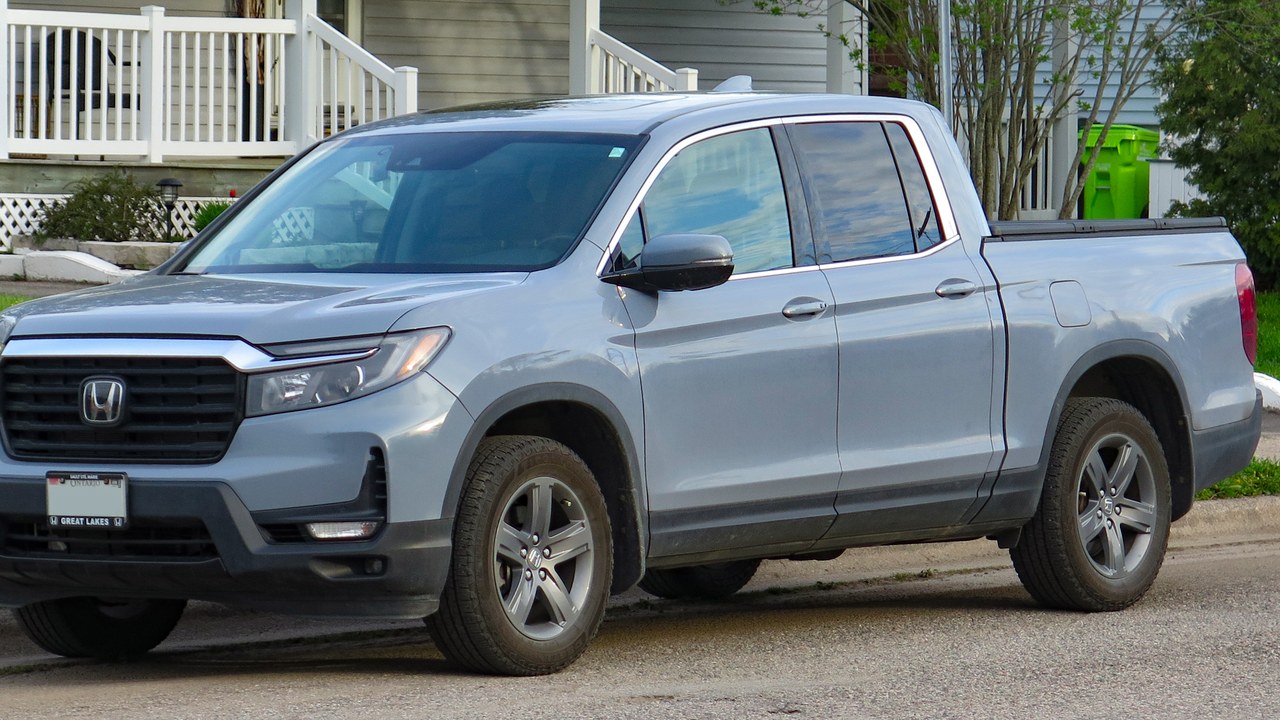
Built on a car-derived unibody rather than a body-on-frame chassis, the Honda Ridgeline drives and consumes fuel more like an SUV, trimming the running costs that weigh on traditional pickups. Its smoother powertrain and better mileage lower the everyday expense of ownership.
The unibody design limits towing and payload compared with rugged midsize rivals. Owners who rarely tow heavy loads gain car-like economy without sacrificing the practicality of an open bed.
9. Ford Ranger: Lower Fuel Bills
Image Credit: Captainmorlypogi1959 – CC BY-SA 4.0/Wiki Commons
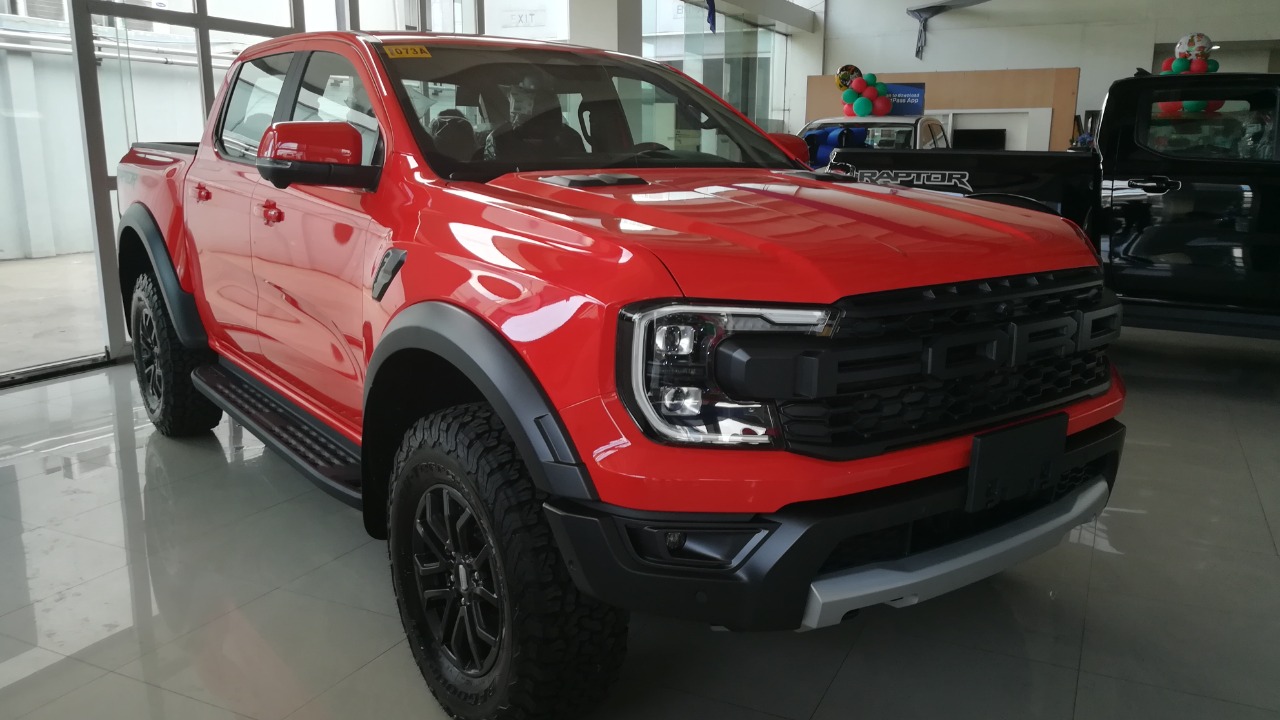
The midsize Ford Ranger undercuts its full-size F-150 sibling on fuel, using a smaller turbocharged four-cylinder that sips less across five years of commuting and light hauling. Reduced consumption is the Ranger’s clearest cost advantage over the thirstier trucks above it.
Parts pricing benefits from Ford’s vast dealer network, though midsize resale is less certain than Toyota’s. The savings concentrate at the pump, where the Ranger’s efficiency compounds over years of driving.
10. Chevrolet Colorado: Balanced Upkeep
Image Credit: MercurySable99 – CC BY-SA 4.0/Wiki Commons
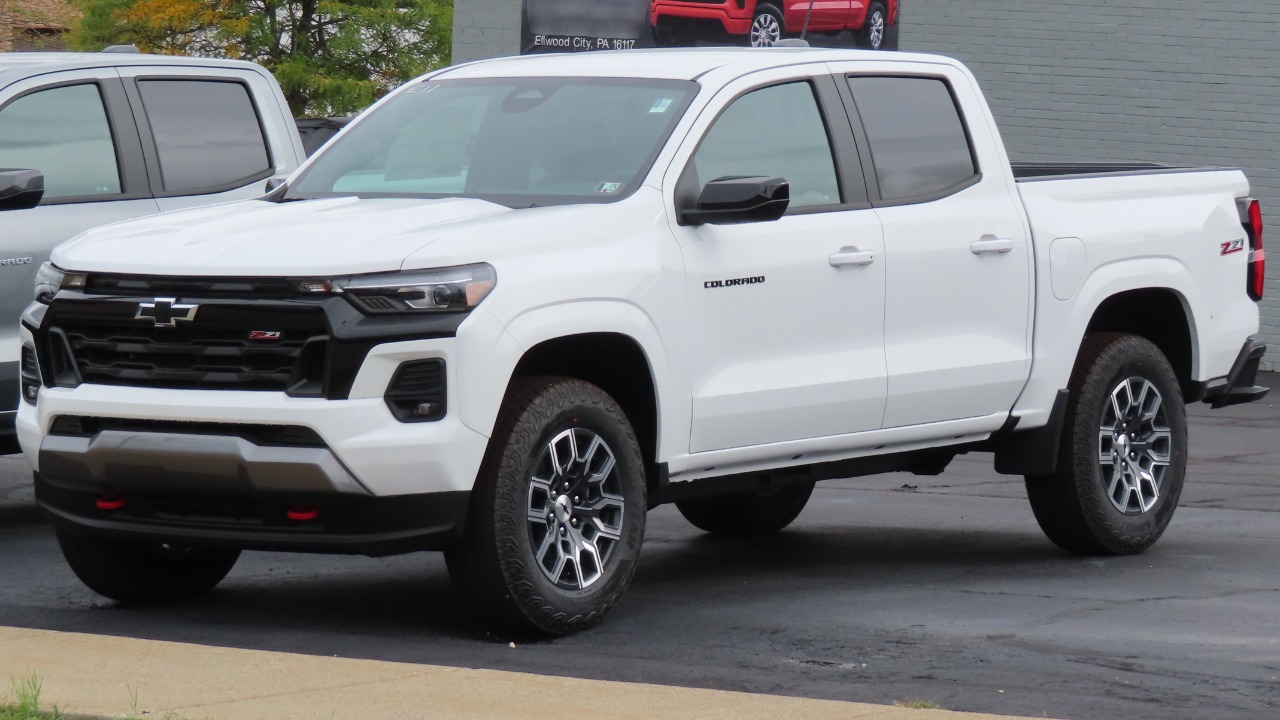
The Chevrolet Colorado keeps maintenance reasonable by sharing components across General Motors’ broad parts catalog, giving independent shops easy access to affordable pieces. That accessibility holds down the midsize truck’s five-year service bills relative to niche competitors.
Fuel economy is competitive for the midsize class, and depreciation sits comfortably mid-pack. The Colorado’s appeal rests on balanced, predictable costs rather than a single standout advantage in resale or efficiency, making it a safe pick for cost-conscious buyers.
11. Ford Maverick: The Hybrid Bargain
Image Credit: Greg Gjerdingen from Willmar, USA – CC BY 2.0/Wiki Commons
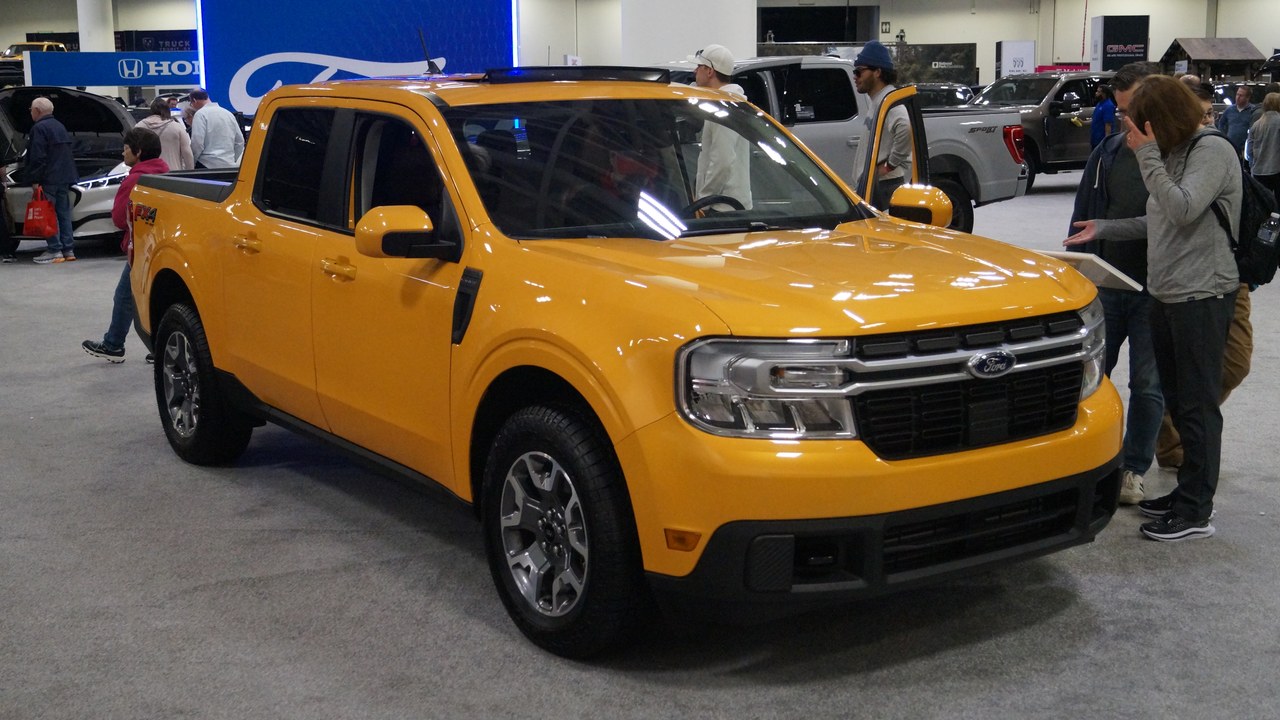
The compact Ford Maverick launched with a standard hybrid powertrain that posts fuel figures no full-size truck approaches, slashing the largest recurring cost of pickup ownership. A city-friendly efficiency and low starting price drive the Maverick’s five-year cost well below the rest of the field.
Payload and towing are modest, reflecting the small footprint and car-based platform. Light-duty buyers gain dramatic fuel savings, while heavy haulers need a larger, costlier truck.
12. Hyundai Santa Cruz: Warranty Cushion
Image Credit: HJUdall – CC0/Wiki Commons
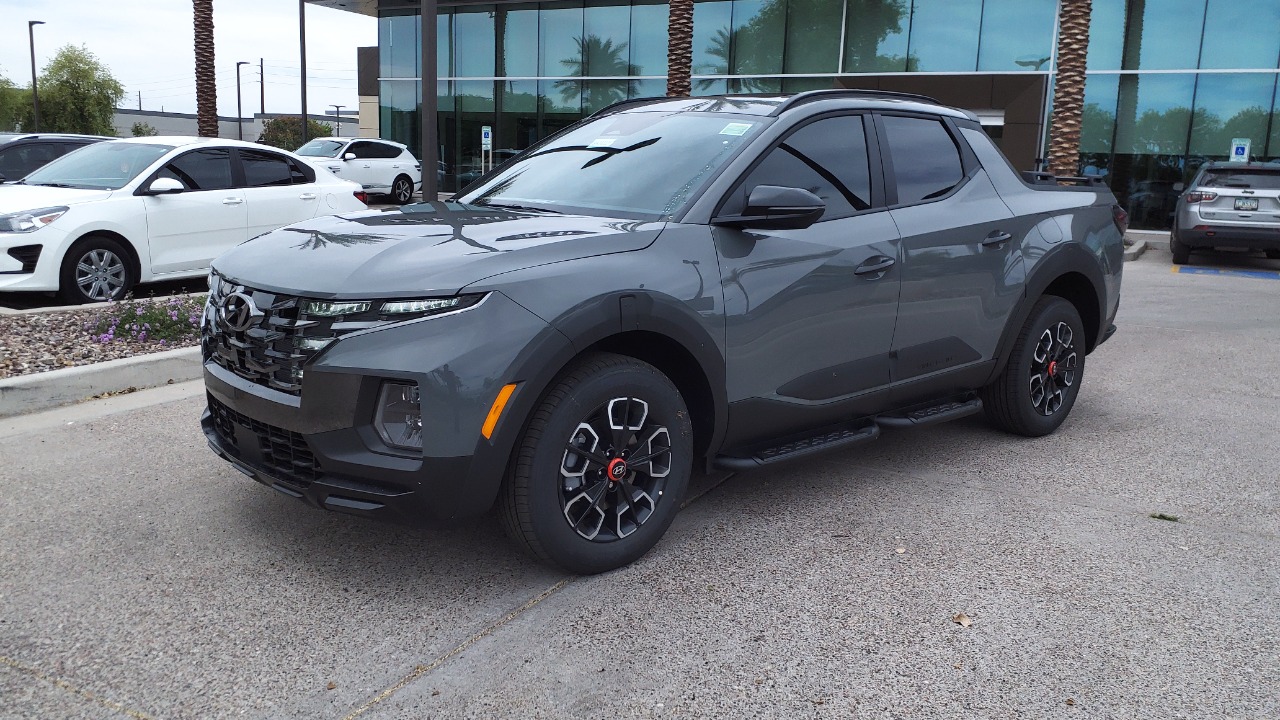
The car-based Hyundai Santa Cruz pairs crossover efficiency with one of the longest warranties in the segment, cushioning owners against unexpected repair costs during the critical early years. That coverage and a compact footprint keep the Santa Cruz’s five-year cost competitive.
Bed size and towing capacity fall short of traditional pickups, limiting utility for heavy work. For urban drivers wanting a small, efficient truck, the extended warranty adds tangible peace of mind.
More from Morning Overview
Morning Overview is reader-supported. Some links in our articles are affiliate links, and we may earn a commission at no extra cost to you. As an Amazon Associate I earn from qualifying purchases. Full disclosure.