
Car history is full of moments when one new model rescued a company that looked to be running out of road. Bankruptcy, government loan guarantees and fading sales haunted several of these makers before a single launch changed their fortunes. Here are twelve cars, from postwar sedans to modern coupes, that turned the tide.
The day in tech, in one email: TLDR is the daily newsletter with links and TLDRs of the most interesting stories in startups, tech and programming.
We may earn a commission if you sign up.
1. Chevrolet Camaro (fifth generation): A Showroom Hit Returns
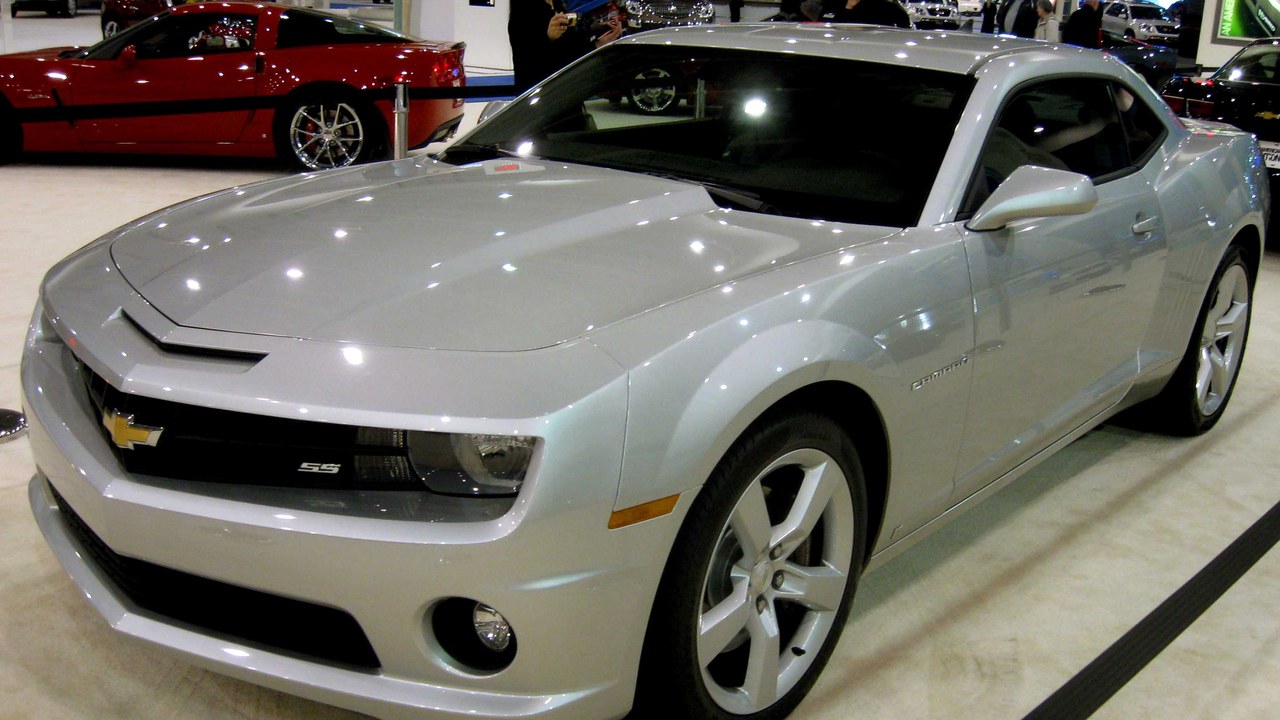
GM was in its bankrupt era when the fifth-generation Camaro arrived, and the coupe gave the company something it badly needed: a showroom hit. According to Top Gear’s rescue list, Chevy moved over 61,000 new Camaros in 2009. For a brand under heavy financial strain, a rear-drive performance coupe with bold styling pulled buyers and attention back toward Chevrolet.
The Camaro nameplate carries decades of muscle-car heritage as Chevrolet’s answer to the Ford Mustang, and that history gave the new model instant recognition. A halo car of this kind can lift traffic across an entire dealer network, which made the sales figure matter well beyond the coupe itself.
2. Jeep Cherokee (XJ): The Modern SUV Recipe

The Jeep Cherokee in its XJ form is credited with doing something larger than selling well. As Top Gear’s list puts it, the model helped popularise the modern SUV recipe, a compact four-door wagon body with off-road ability built in. That formula turned a niche taste into an everyday family choice and gave the Jeep name fresh relevance.
Jeep has long traded on rugged heritage, and the XJ Cherokee showed that heritage could be packaged for suburban driveways as well as trails. The result built Jeep’s brand value, a lasting asset for a marque that changed owners several times and needed a dependable sales anchor.
3. Honda Civic: Small Car, Big Moment
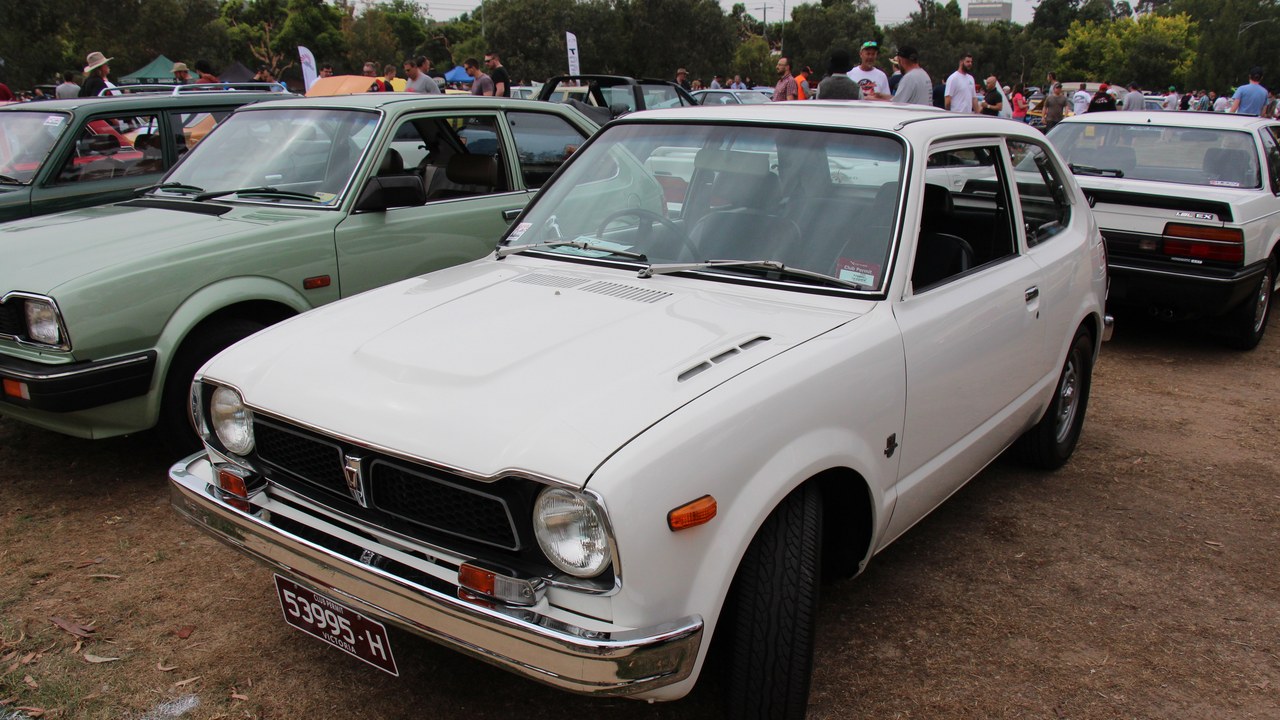
Honda introduced the Civic in 1972, and the timing proved fortunate. The oil crisis pushed drivers toward small, thrifty cars, and Top Gear’s rescue list describes the Civic as becoming a worldwide hit in that climate. For a company still building its reputation outside Japan, a compact model with broad global appeal carried enormous weight.
The first Civic was a modest hatchback, light and economical, and it helped establish Honda as a serious carmaker rather than a motorcycle specialist with automotive side projects. The nameplate has remained in the lineup ever since, which shows how thoroughly one well-timed small car can reshape a manufacturer’s future.
4. Volkswagen Golf: Beetle’s Big Successor
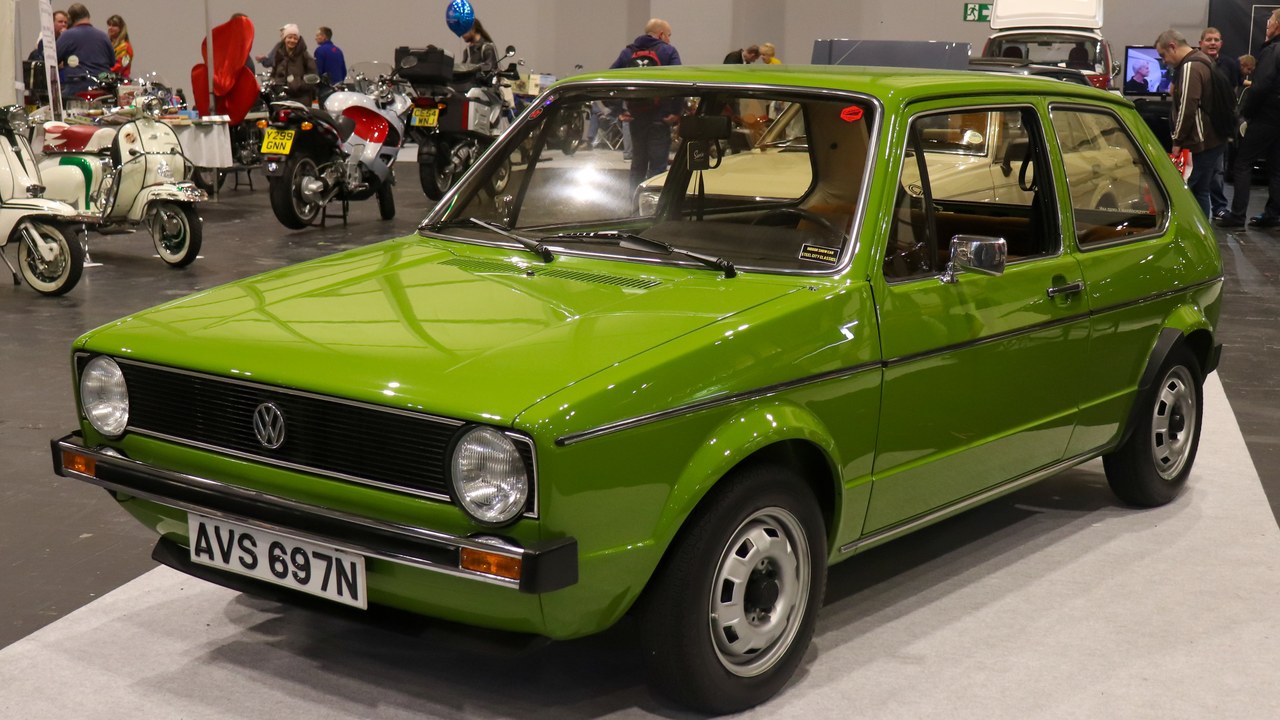
Volkswagen faced a serious problem by the early 1970s, because the Beetle was aging and the company needed something new. The Golf arrived in 1974 as the replacement, and Top Gear’s list calls it a sales smash. The car went on to set the benchmark for the family hatchback.
Unlike the rear-engined, air-cooled Beetle, the first Golf placed a water-cooled engine up front and drove the front wheels, a layout that became the template for compact cars worldwide. Taking over from a global icon was a daunting job, and the Golf handled it so well that Volkswagen’s next chapter was secured.
5. Dodge Aries and Plymouth Reliant (K-car): Loan-Guarantee Lifeline
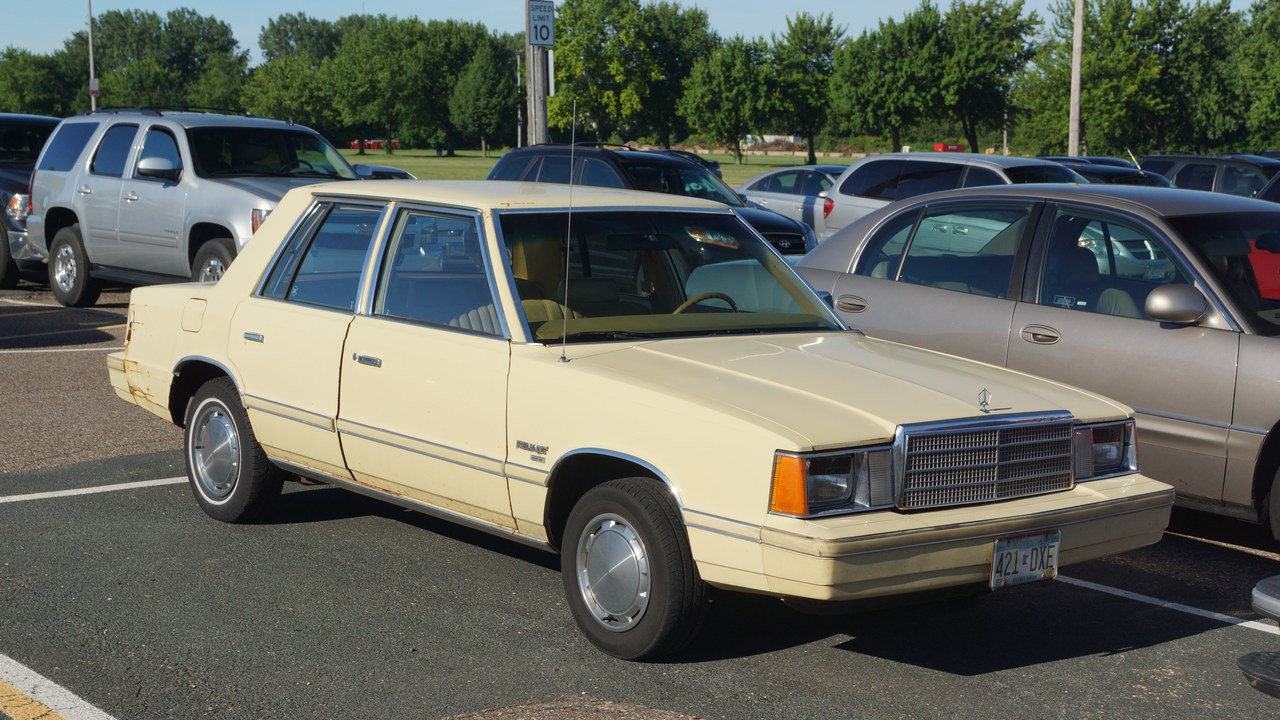
Chrysler stood close to collapse when the K-car platform arrived, and the Dodge Aries and Plymouth Reliant carried the load. Hagerty says in Hagerty’s company-savers roundup that the K-car kept Chrysler largely off life support, while the company needed $1.5 billion in government loan guarantees to survive. The twin sedans were plain, practical and affordable.
Sharing a platform between two badges let Chrysler spread development costs across more sales, an important advantage for a firm with little spare money. The same coverage notes the rescue only lasted until the next inevitable crisis, so the Aries and Reliant bought time rather than permanent security.
6. BMW 2002: Enthusiast Darling
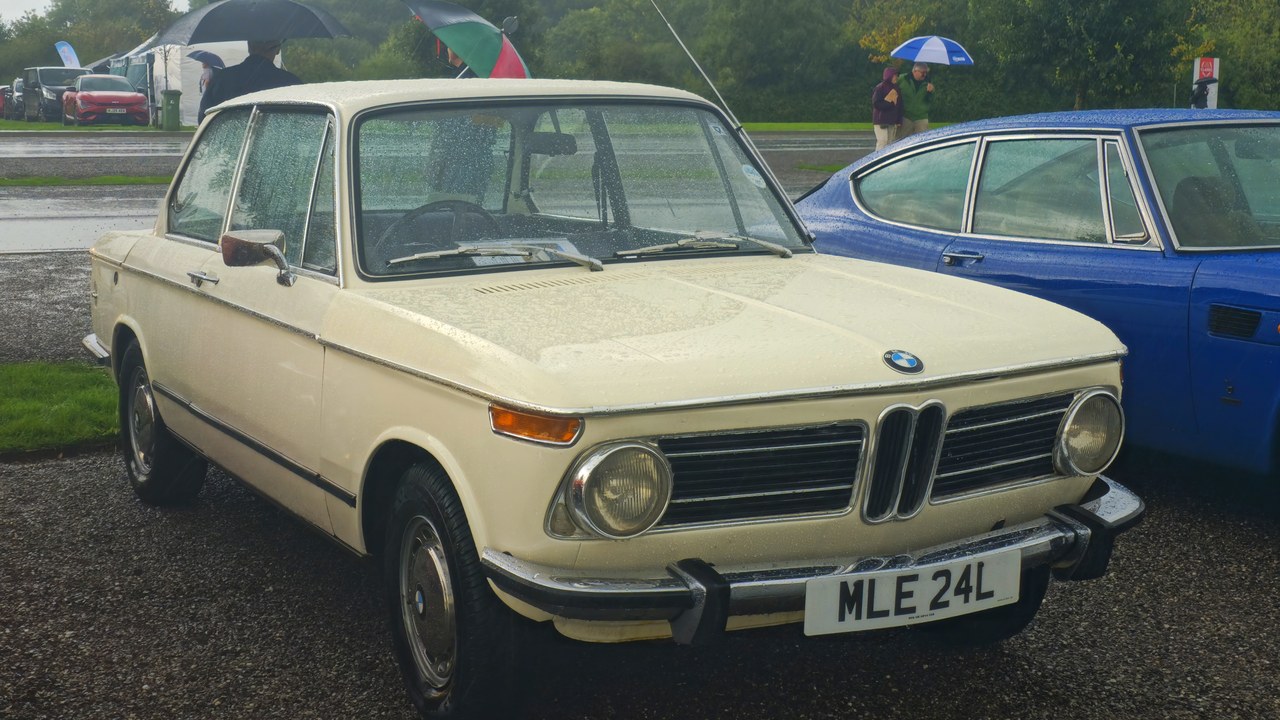
BMW introduced the 2002 in 1968, and the effect on the Munich company was dramatic. As Hagerty’s company-savers roundup explains, the compact two-door made BMW the darling of the enthusiast press overnight. A small, lively coupe-sedan with sporting manners suited drivers who wanted fun without an enormous price.
The 2002 laid down the template that BMW still invokes when it talks about driver-focused sedans, pairing compact dimensions with an eager engine and agile handling. Positive reviews from enthusiast magazines carried real weight in that era, and the praise helped turn a regional manufacturer into a name that performance-minded buyers sought out.
7. Porsche 944: Off The Endangered List
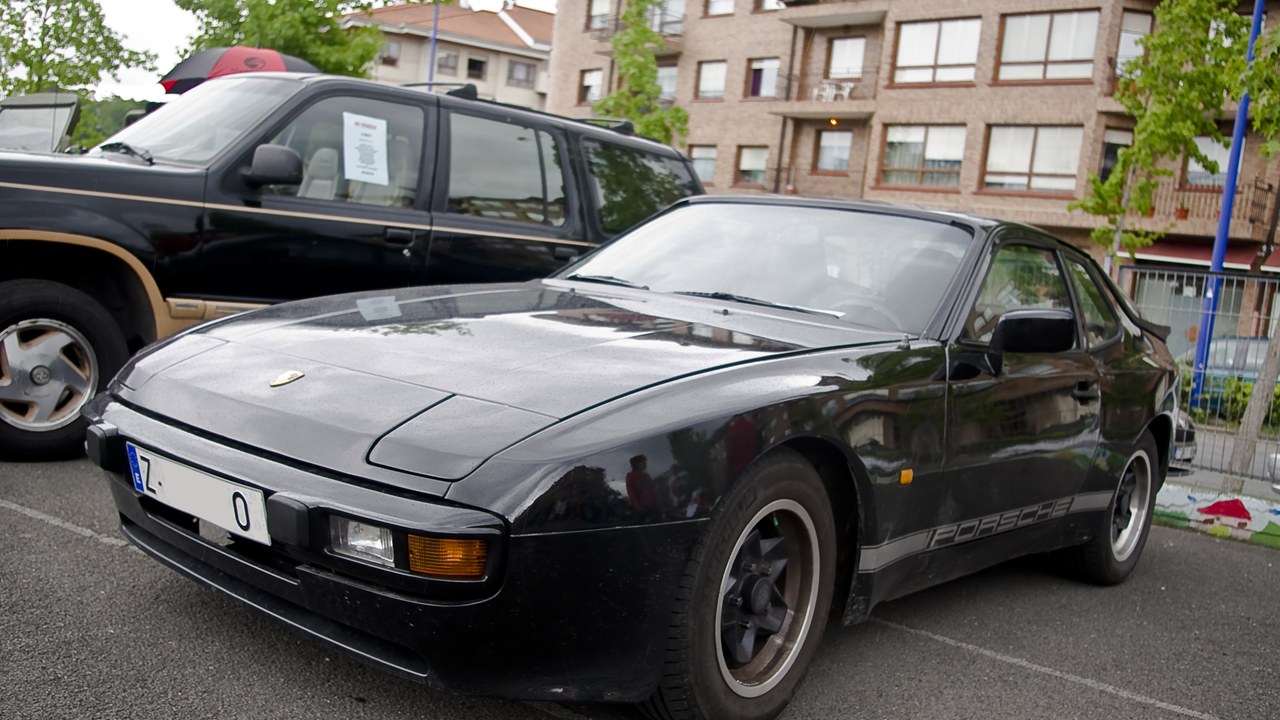
Porsche needed a dependable seller during a difficult stretch, and the 944 delivered. According to Hagerty’s company-savers roundup, the 944 kept Porsche off of the endangered list. That phrase captures how fragile the sports-car maker’s position looked before the model established itself in showrooms.
The 944 was a front-engined, water-cooled sports coupe, quite different from the rear-engined 911 that defined the brand. Offering a more approachable and affordable Porsche widened the customer base, and the revenue it generated helped the company through a period when relying on a single design would have been risky for a small manufacturer.
8. Volkswagen Beetle: The Car That Built VW
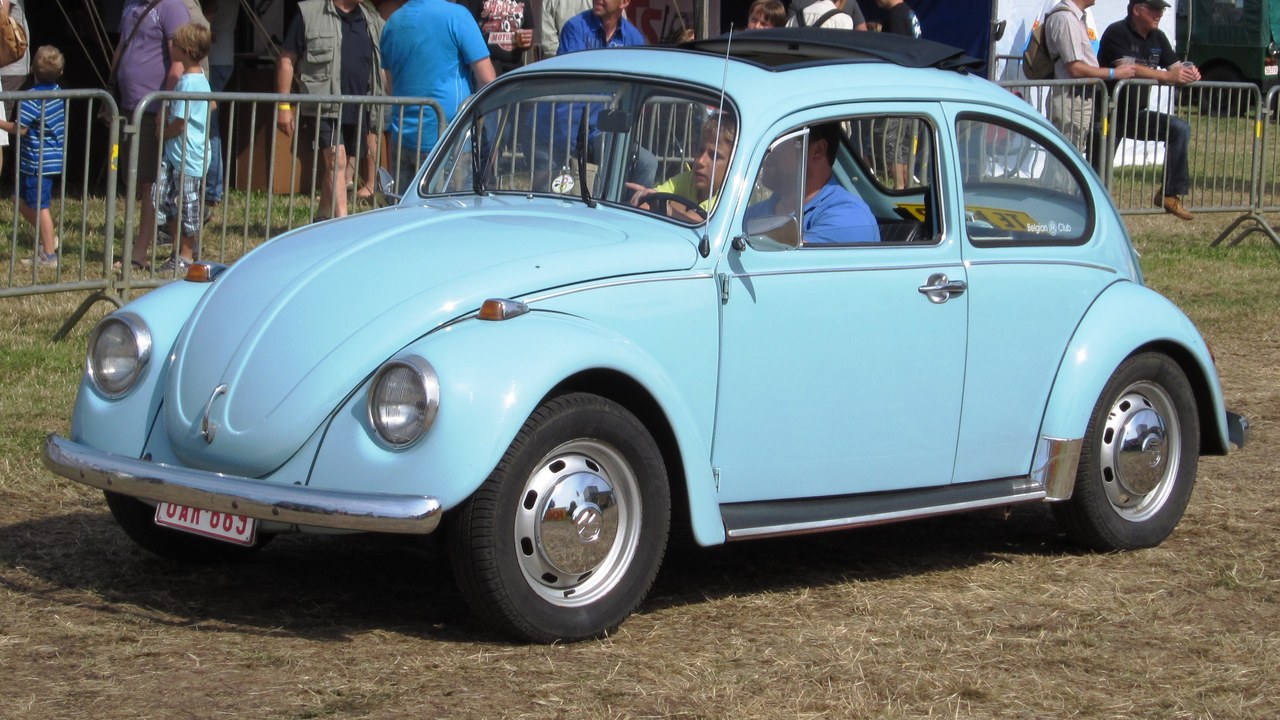
The Type 1 Beetle did more than rescue Volkswagen; it launched the VW brand itself. HotCars’ company-savers list records 21 million units sold, a total that placed the little rear-engined car among the best-selling designs the industry has ever produced. A huge cult following developed around it along the way.
Simple, air-cooled and inexpensive to run, the Beetle suited buyers across many countries and decades, and its rounded shape became recognisable almost anywhere on earth. Few automotive debuts have given a company both its identity and its financial footing so completely, which is why the Beetle sits at the heart of any discussion about cars that saved their makers.
9. 1949 Ford: First All-New Postwar Design

Ford entered the postwar years needing a bold reset, and the 1949 car supplied it. HotCars’ company-savers list describes it as the first all-new design to come out of one of the Big Three since World War II ended. Ford, General Motors and Chrysler had mostly sold warmed-over prewar styling until then.
Offering truly fresh bodywork before its rivals gave Ford a clear advantage with buyers who had waited through years of wartime production restrictions. The slab-sided look of the new model also marked a shift in how American cars were shaped, and the company’s recovery from its weakened position gained momentum from that decisive early move.
10. Volvo 700 Series: Boxy And Beloved
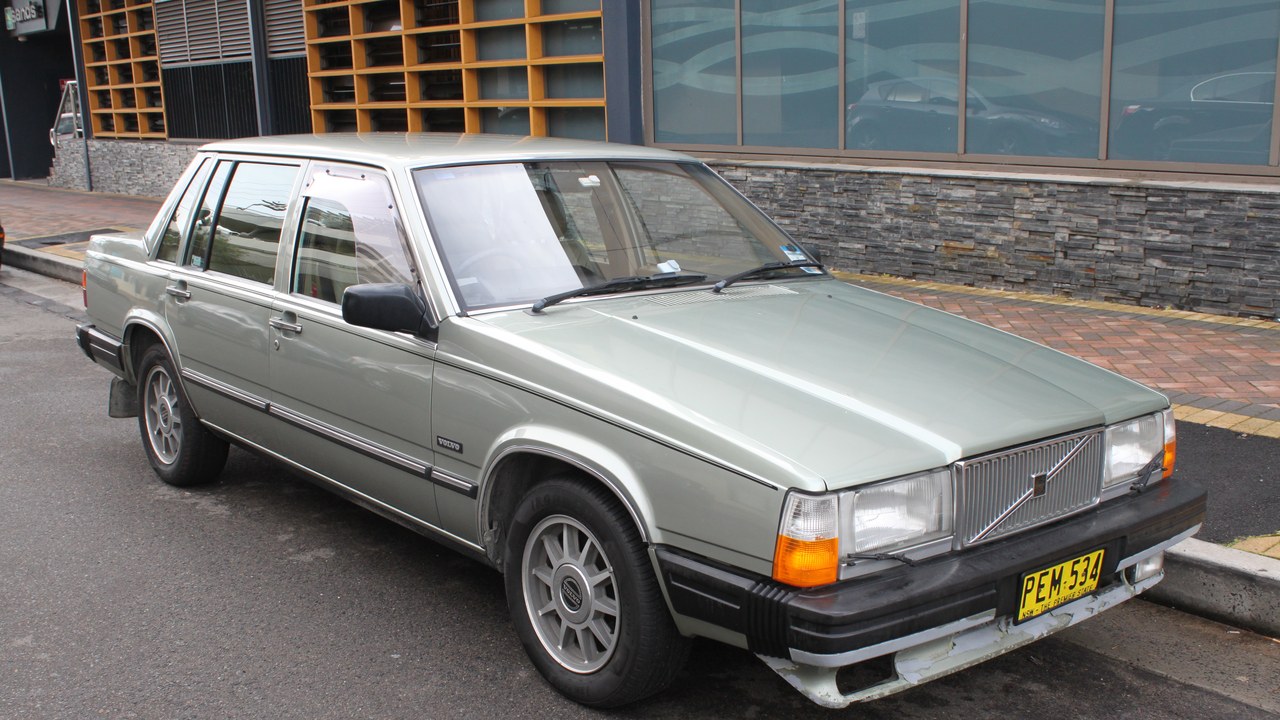
Volvo launched the 700 series in 1984, and the family of sedans and wagons proved crucial to the Swedish maker. HotCars’ company-savers list says it went on to become one of the most successful models in the brand’s history. That is a notable claim for a company with a long record of dependable cars.
The 700 range, which included the 740 and the more upscale 760, carried the straight-edged styling and safety-minded reputation that Volvo built its image on. Strong sales across several markets gave the company the stability it needed, and the model’s success showed that practical engineering could compete with more fashionable rivals.
11. Porsche Boxster: Mid-Engine Rescue
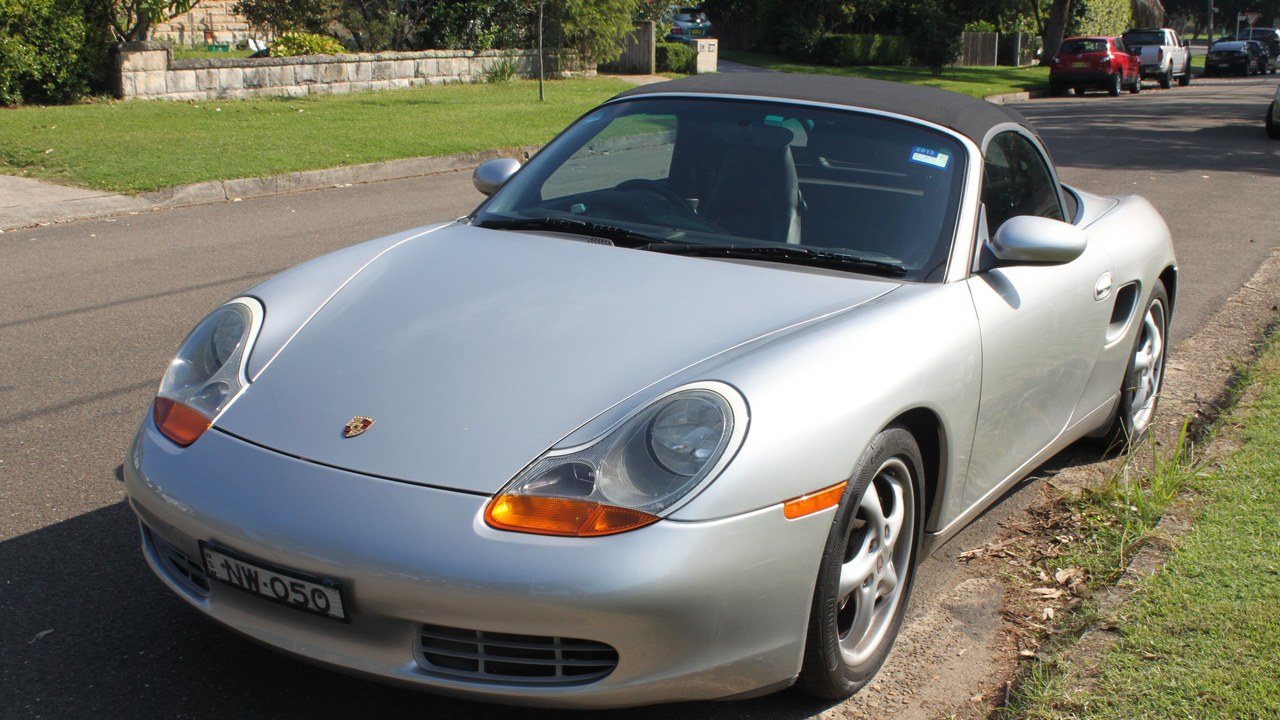
Porsche sold just 15,000 cars globally in 1992, a figure that reveals how deep its trouble ran. The Boxster changed that picture, and Hagerty’s Boxster profile reports global sales of 146,874 by 2004. By the end of 1996, the roadster had produced the company’s first profit in four years.
The first-generation Boxster, known internally as the 986, was a mid-engined two-seat convertible priced below the 911, which opened the brand to a younger and broader audience. Bringing in new customers while a smaller sports-car maker rebuilt its finances was the whole point, and the numbers show the plan worked.
12. Dodge Caravan / Plymouth Voyager: The Van That Saved Chrysler
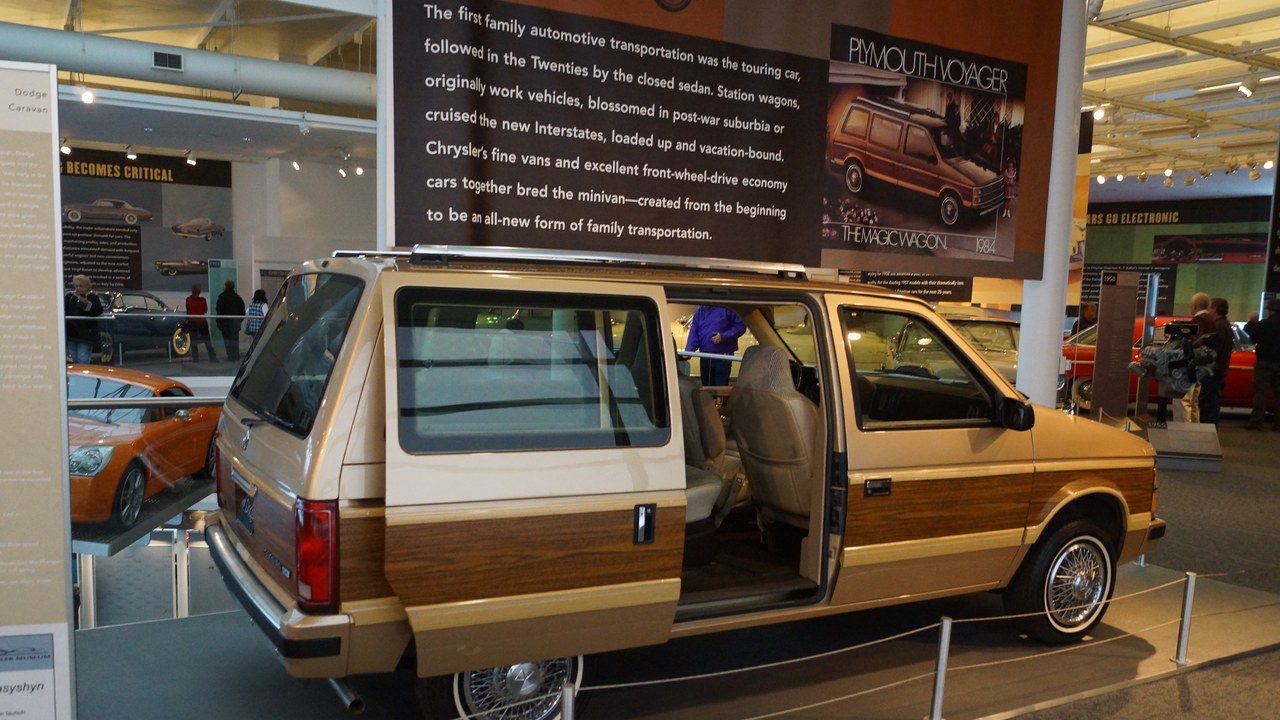
Chrysler’s minivan arrived at a moment when the company badly needed a breakthrough, and Hagerty’s Caravan feature calls it the van that saved Chrysler. The first Voyager came off the line on November 2, 1983. In the first year, Chrysler sold 210,000 of them, an extraordinary figure for a brand-new kind of vehicle.
Sold as the Dodge Caravan and the Plymouth Voyager, the front-wheel-drive van offered car-like driving with the interior space of a much larger vehicle. Families embraced it quickly, and the same publication credits it with changing the way America hauled people and cargo, a shift that reshaped the whole market.
The day in tech, in one email: Get TLDR →
We may earn a commission if you sign up.
More from Morning Overview
- The NSA says three phone features should be off whenever you aren’t using them
- Hurricane Hunter radar shows four warning signs that a tropical cyclone is about to strengthen, a University of Miami study found
- Tropical Storm Rachel is dumping up to 12 inches on four Mexican states on its way to major hurricane strength
- The FTC says Lens.com doubled the price shoppers saw in Google ads
