
Few vehicle families have shaped the way people think about off-road travel the way Jeep has. This lineup follows the nameplate from a wartime Army workhorse through civilian CJs, family-hauling wagons, and the modern Wrangler. Here are twelve models that carry the story forward, each tied to a figure or milestone.
Help yourself and the planet: The Cool Down makes it easy to help yourself while helping the planet, with smart, simple changes to save more and waste less in your everyday life.
We may earn a commission if you sign up.
1. Willys MB: The Original
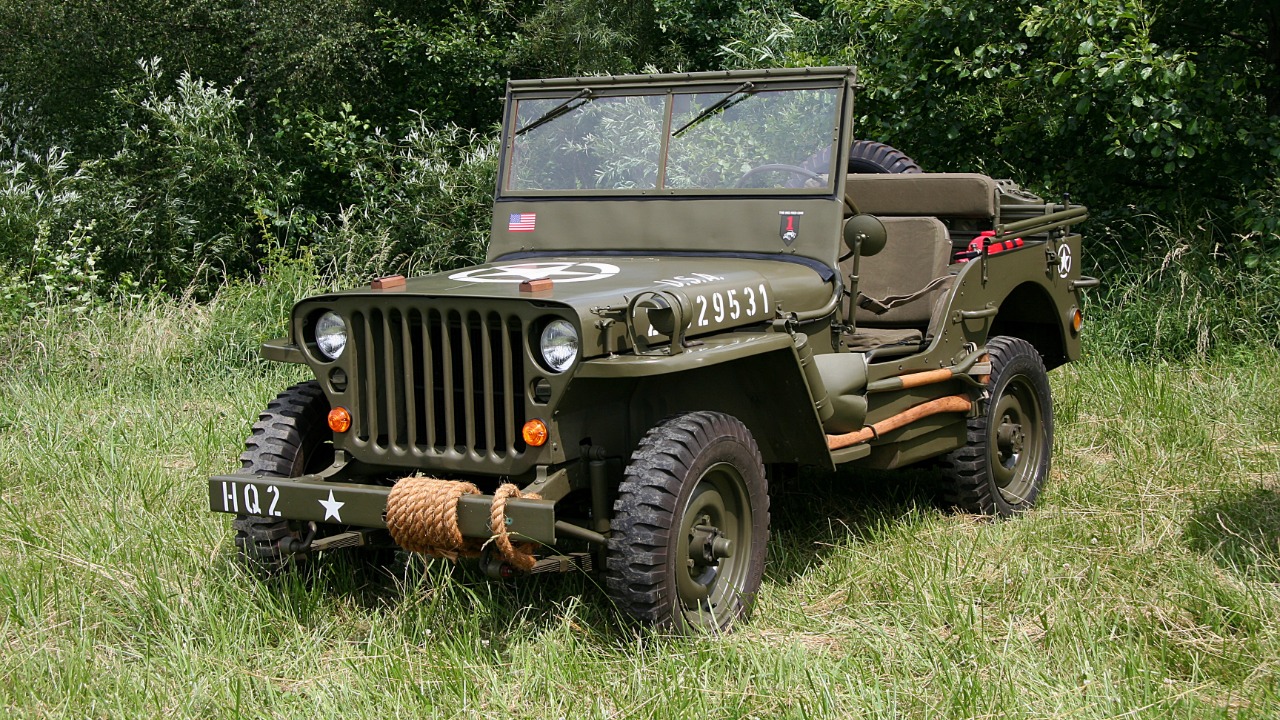
The wartime numbers set the scale: Willys-Overland built more than 368,000 of the WWII Jeep, and Ford produced some 277,000 more under license, according to this Jeep historical summary. Few military vehicles of the era were built in such quantity by two separate manufacturers.
The Willys MB was the small, light four-wheel-drive utility vehicle ordered for the U.S. Army, and its simple, rugged layout became the template for every Jeep that followed. Soldiers and the wider public came to know it simply as the Jeep, a nickname that outlasted the war and grew into a brand.
2. Willys CJ-2A: First Civilian Jeep
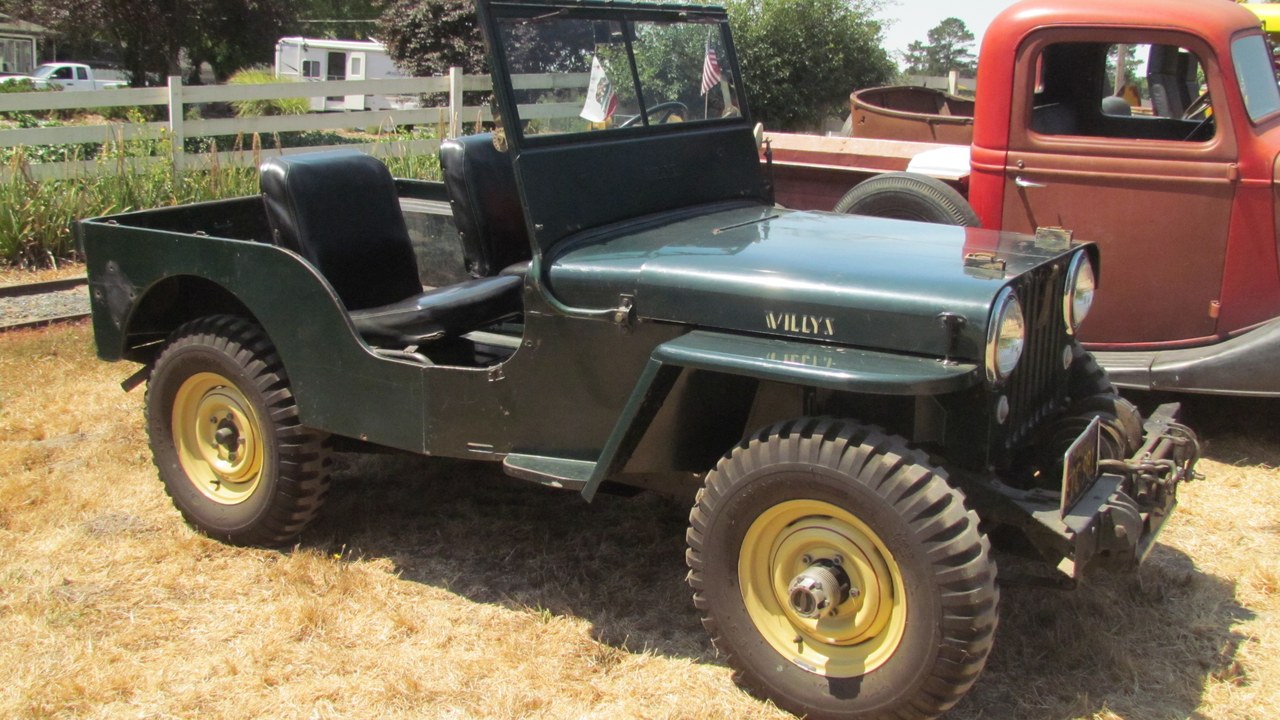
Willys-Overland built 214,760 of the CJ-2A, the first civilian Jeep, as laid out in a Hagerty valuation guide. The model took the military formula of four-wheel drive and basic mechanicals and offered it to buyers outside the armed forces.
Output was 60 hp, modest by modern standards, but the CJ-2A suited farms, ranches and job sites where traction mattered more than speed. A Condition 1 example is now worth close to $29,000, a sign of how collectors treat the earliest civilian models of the line.
3. Willys CJ-3B: The Farm Jeep
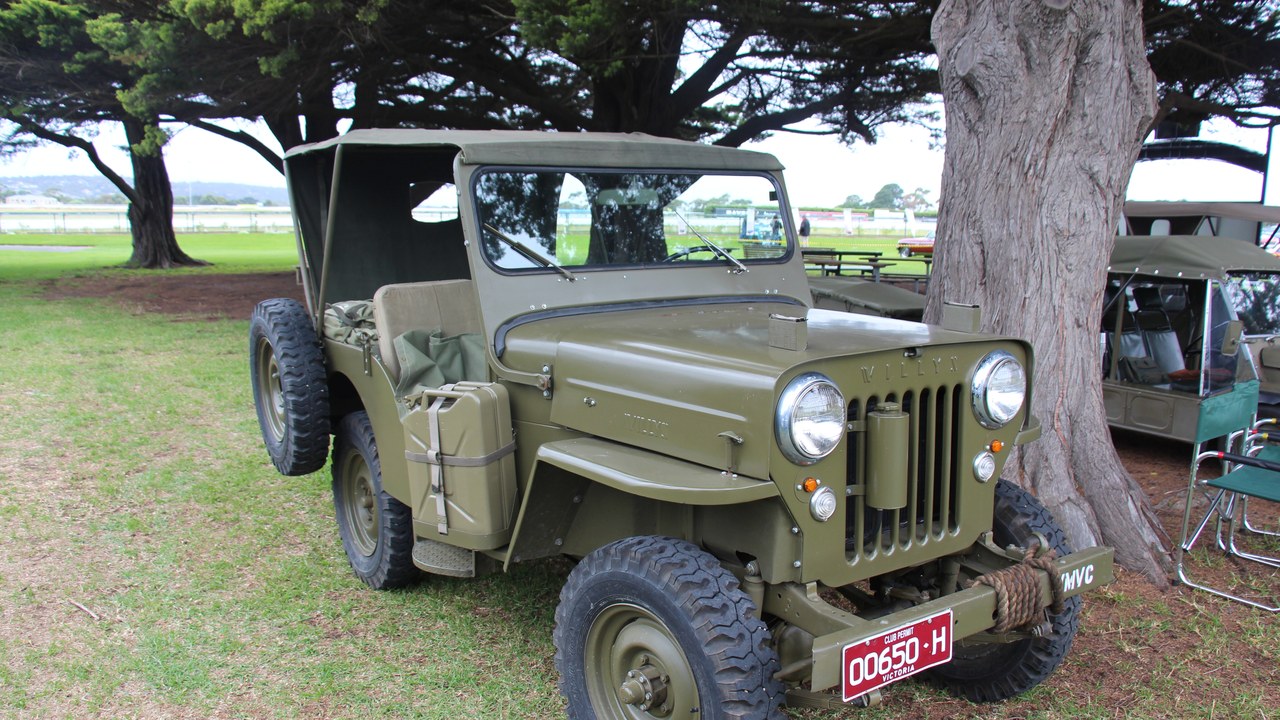
Power in the CJ-3B ranged between 72 and 75 hp, with 112 to 114 lb-ft of torque, according to Hagerty’s CJ data. That was a clear step up from the 60 hp of the earlier CJ-2A.
The CJ-3B carried the Willys name forward into the 1950s as a working vehicle, and the Farm Jeep variant reflects that agricultural heritage. A Condition 1 Farm Jeep is valued at $30,800, which shows that even utilitarian trucks built for hard daily use can become sought-after classics.
4. Jeep Wagoneer: Station Wagon Pioneer
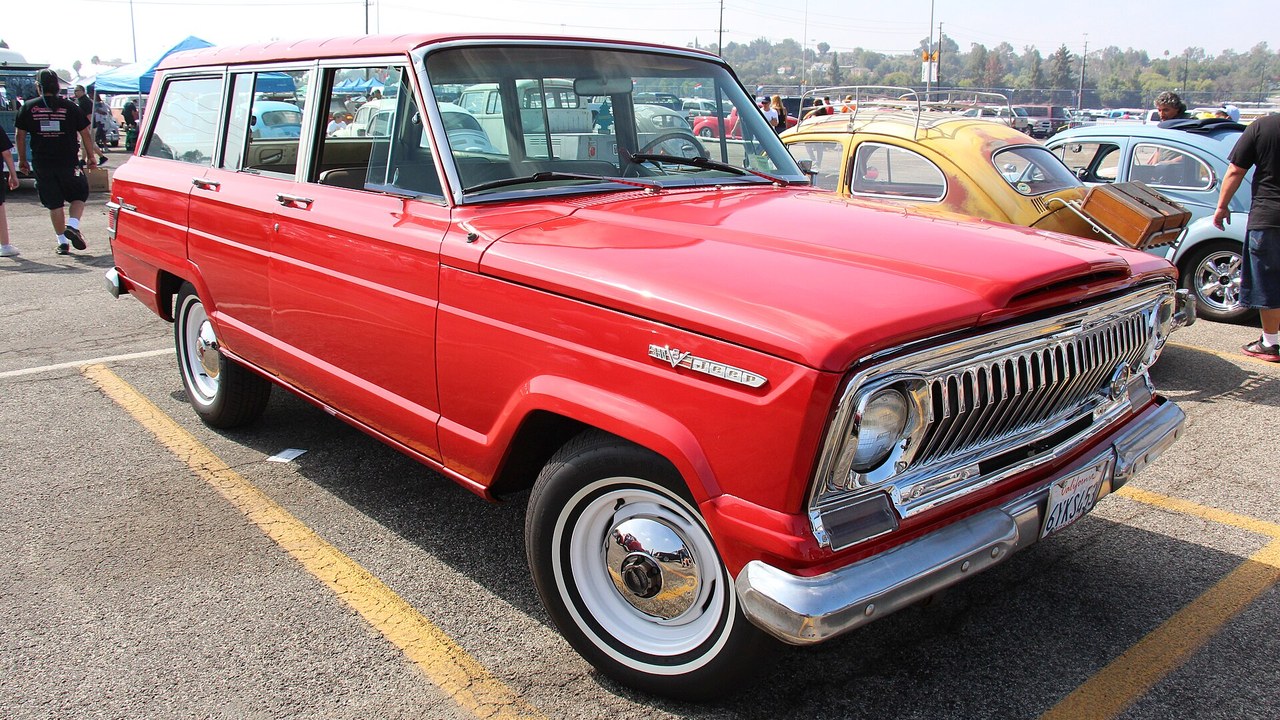
Two engineering firsts define the Wagoneer in this Stellantis Jeep history: it was the first four-wheel-drive vehicle mated with an automatic transmission, and Quadra-Trac added the first automatic full-time 4WD in 1973.
Those features moved Jeep away from purely utilitarian machines and toward comfortable family transportation that could still handle snow, mud and gravel. The full-size Wagoneer wagon proved that four-wheel drive did not have to feel crude, an idea that later shaped the entire modern SUV market.
5. 1978 Jeep CJ-5 Silver Anniversary: Silver Anniversary
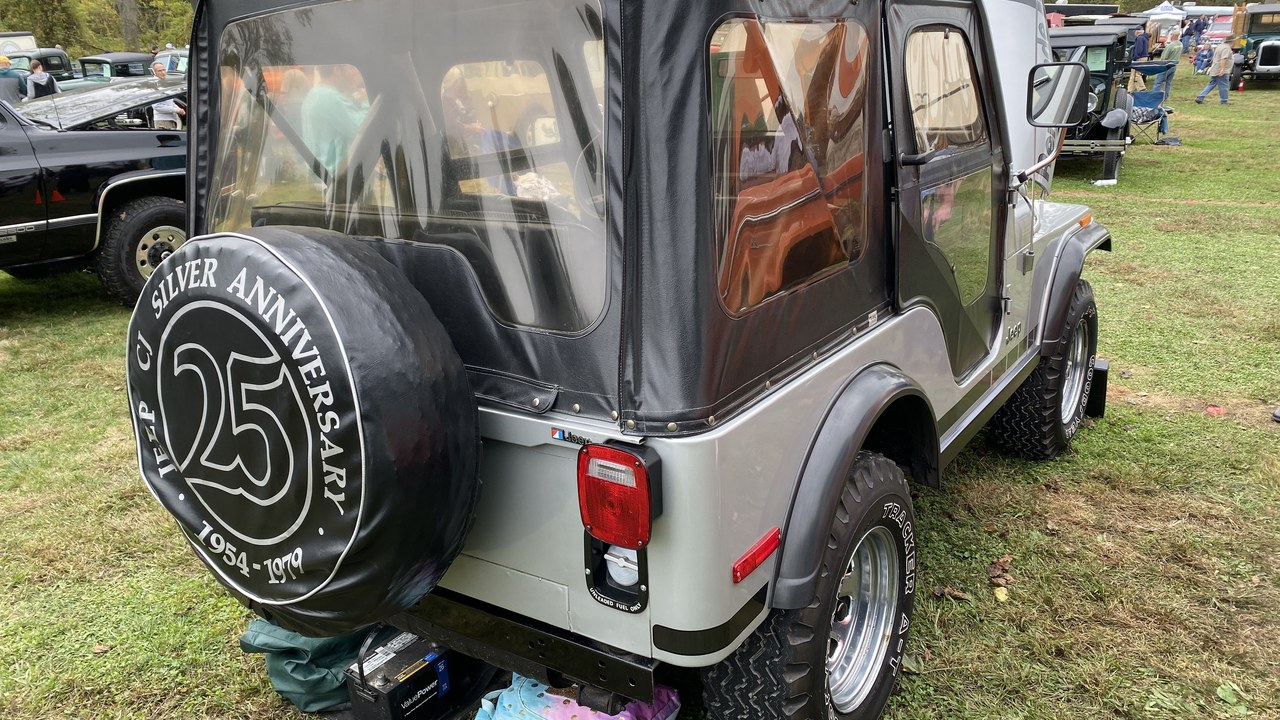
A 304 V-8 Silver Anniversary CJ-5 is valued at $48,100 in Condition 1, per the Hagerty price listing. The edition marked an anniversary for the CJ-5 and wore special trim to set it apart from ordinary models.
Production numbers are a point of debate. Official documentation claims 1,000 units were built, yet the registry suggests about 850 exist or were produced. Limited editions like this one appeal to enthusiasts because the V-8 power and commemorative details are rarely found together on a short-wheelbase CJ.
6. Willys CJ-3A: One-Piece Windshield
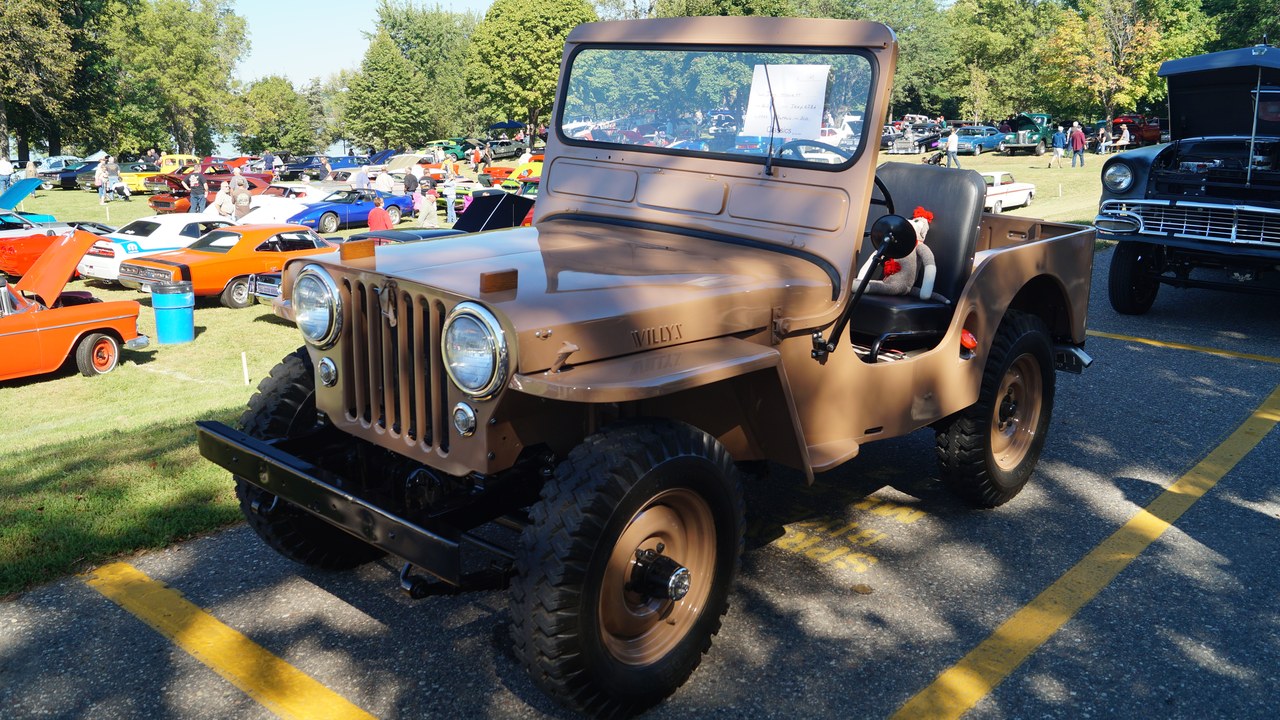
The 1951 CJ-3A, known as the Farm Jeep, carried the same 2.2-liter, 60-hp four-cylinder as the CJ-2A, according to this Hagerty valuation guide. Built from 1949 to 1953, it was the CJ-2A’s successor before the CJ-3B arrived.
A one-piece windshield replaced the split screen of the CJ-2A, a small change that made the cabin feel more modern. Hagerty values a Condition #2 Farm Jeep at $19,300 and a standard CJ-3A at $18,100, a narrow gap between the two versions.
7. Jeep Cherokee (XJ): The Compact Trailblazer

The Cherokee XJ was AMC’s first Jeep designed from scratch, as the Jeep heritage summary notes, and it gained a 4.0-liter six in 1989. That engine became a favorite among owners for its durability.
Its compact, boxy body was lighter and more car-like than the big wagons that came before, which helped make it an everyday vehicle as well as an off-road one. The XJ built a loyal following that persists today, with many examples still working or being modified decades after production.
8. Jeep Grand Cherokee (ZJ): Upscale Debut
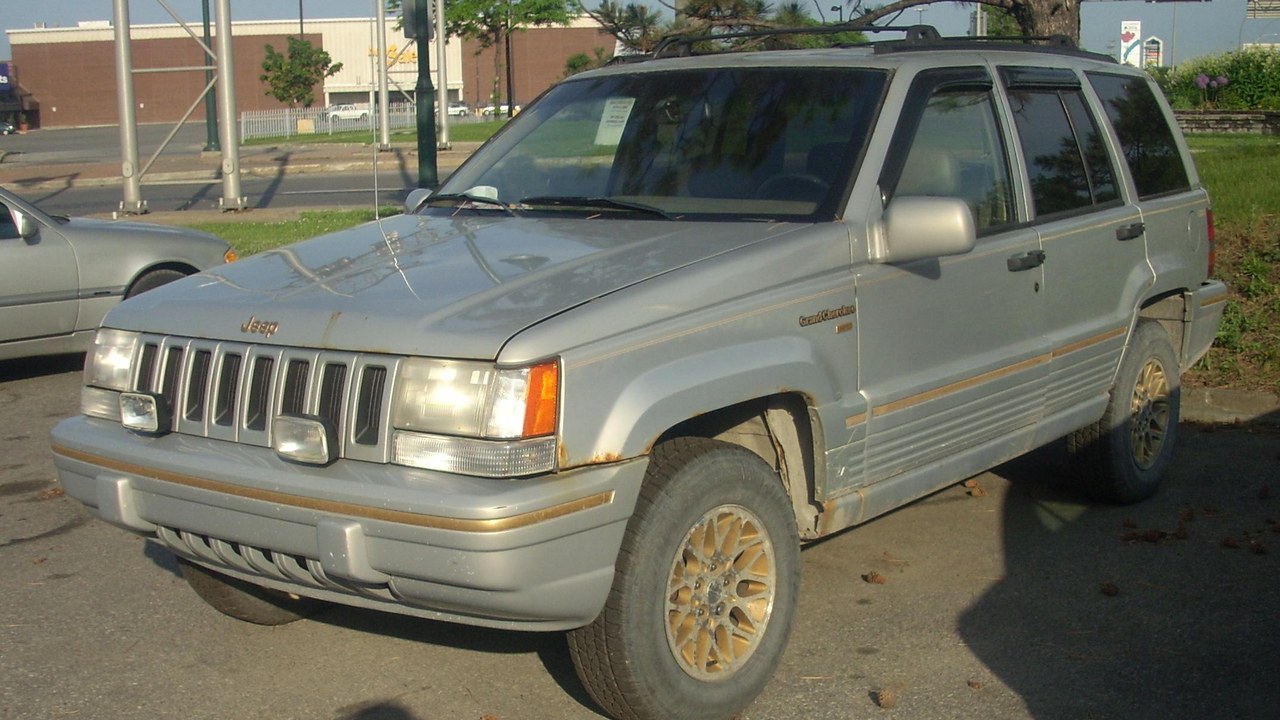
The ZJ made its debut at the 1992 Detroit auto show, and the Stellantis historical summary credits it as the first SUV equipped with a driver’s side air bag.
The Grand Cherokee name positioned the vehicle above the Cherokee, aiming at buyers who wanted more refinement without giving up four-wheel capability. Safety equipment such as an air bag helped signal that SUVs were becoming mainstream family vehicles, a shift that reshaped the segment through the following decades.
9. Jeep Wrangler (YJ): Square Headlamps
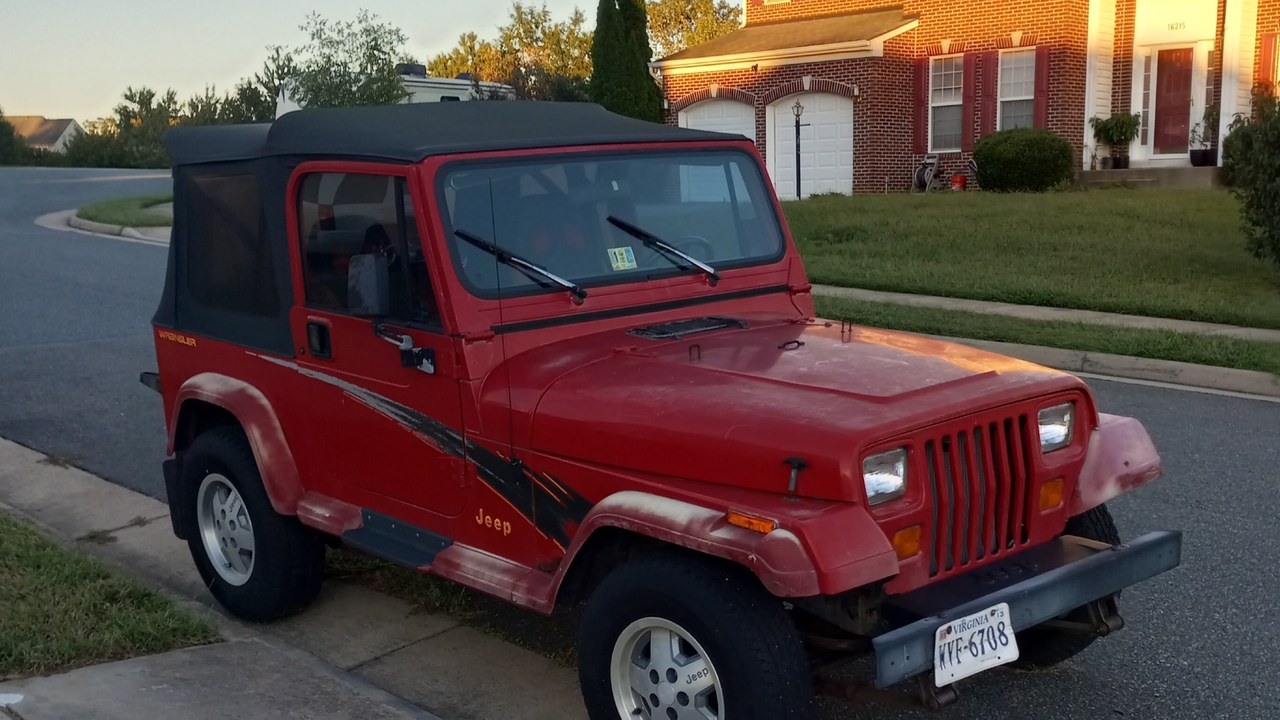
The 1987 Wrangler arrived with rectangular headlamps, differing from the round ones on its predecessors, according to a Wikipedia Wrangler overview. The change was an instant talking point.
The YJ replaced the CJ line and introduced the Wrangler name that remains in use. Its square lamps divided enthusiasts, many of whom associated round lamps with the classic Jeep face, yet the vehicle kept the open-body, removable-top character that defined the brand and carried it into a new era.
10. Jeep Wrangler (TJ): Round Lamps Return
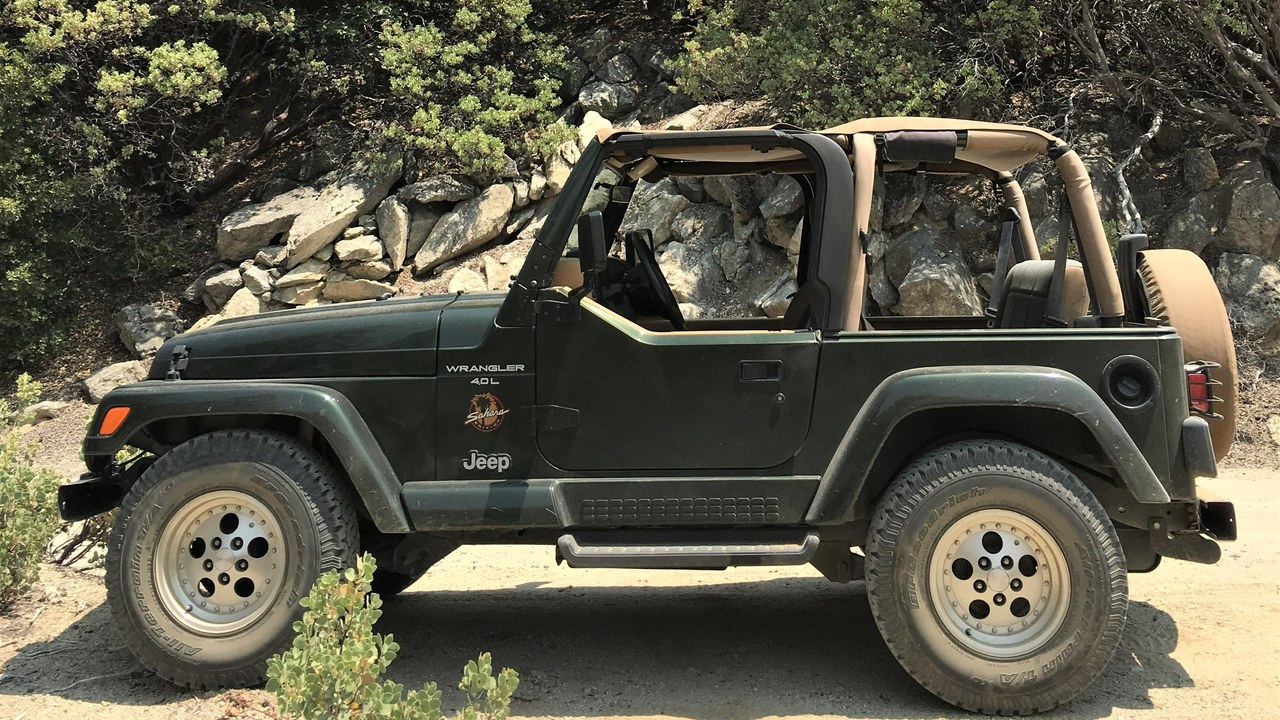
For 1997 the Wrangler swapped leaf springs for coil springs and brought back the round headlamps from the classic Jeep models, as the Wrangler generation history explains. U.S. sales ran 89,174 in 1999.
Coil springs gave the TJ a more controlled ride on pavement and better wheel travel off it, while the returning circular lamps pleased traditionalists. Together the changes made the generation a favorite for modification, and the sales total shows that buyers responded strongly to the redesign.
11. Jeep Wrangler Unlimited (JK): Four Doors Arrive
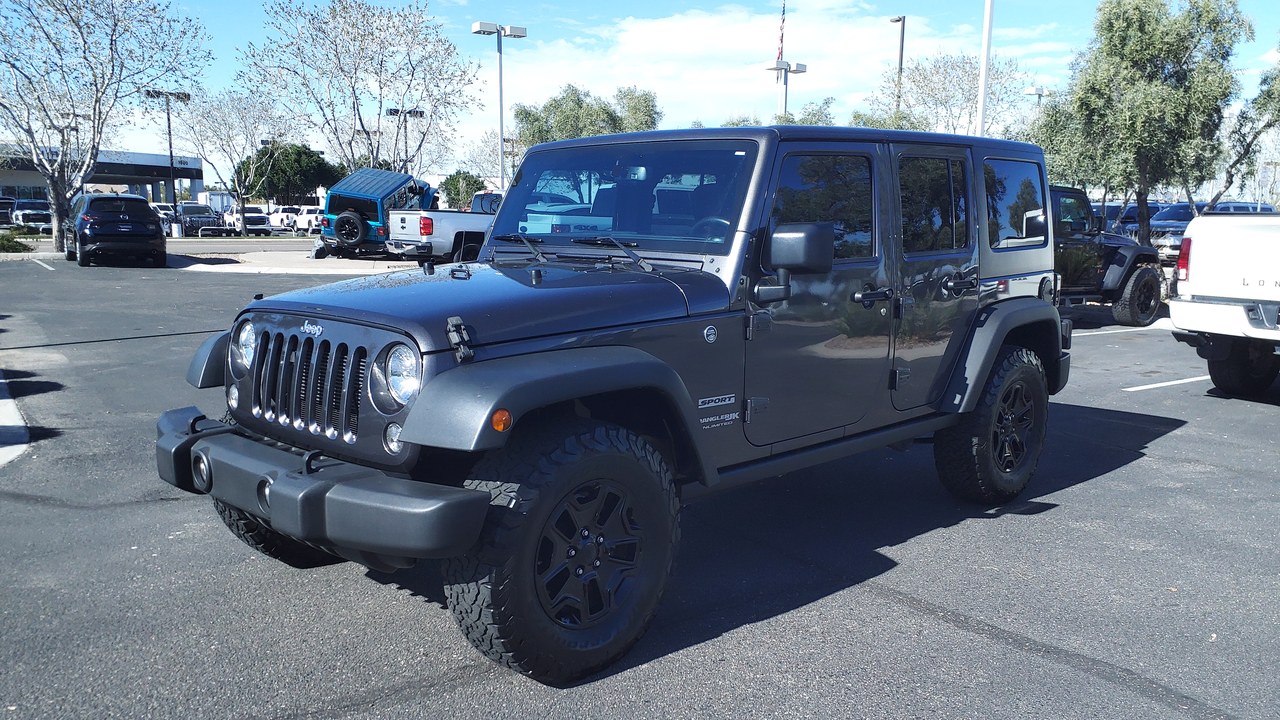
The 2007 JK introduced the four-door Unlimited, riding a wheelbase more than 20 inches longer, as noted in the Wikipedia Wrangler article. U.S. sales hit 190,522 in 2017.
The longer body gave rear passengers genuine room and made cargo space far more practical, widening the Wrangler’s appeal to families who had previously looked at conventional SUVs. The sales figure shows how successful the format became, turning an enthusiast vehicle into a high-volume seller.
12. Jeep Wrangler Rubicon 392 (JL): Hemi Power
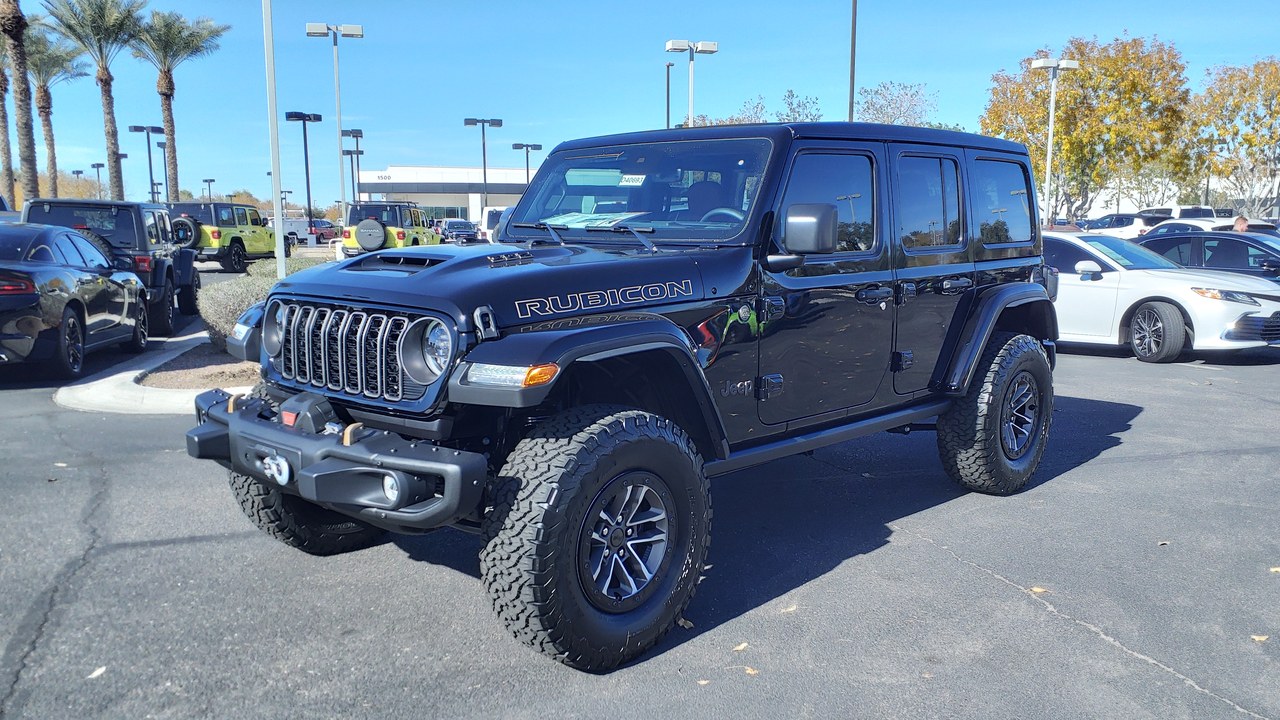
The JL’s Rubicon 392 packs a 6.4-liter Hemi V8 making 470 hp, according to the Wrangler specification summary. U.S. Wrangler sales were 240,032 in 2018.
A V8 in a Wrangler echoes the muscle-minded V-8 CJs of earlier decades, but the Rubicon trim adds off-road hardware aimed at serious trail use. The pairing of that output with a vehicle descended from the wartime MB shows how far the Jeep formula has stretched since the 1940s.
Help yourself and the planet: Get The Cool Down →
We may earn a commission if you sign up.
More from Morning Overview
- Long use of a common prostate pill is tied to a higher chance of glaucoma
- Ford is recalling 223,472 F-150 pickups because the fuel tank can leak or detach
- Hybrids have 15% fewer problems than gas cars, while EVs and plug-in hybrids have about 80% more, Consumer Reports finds
- Regulators cleared the first U.S. small modular reactor, 4 months early
