
Japanese automakers turned out some of their most memorable performance cars during the 1990s. Output ranged from a modest 116 horsepower in the original Miata to 320 in the turbocharged Supra, with rotary, V6 and high-revving four-cylinder engines in between. Here are eleven of the cars that defined the decade.
AI, explained every day: The Deep View is the go-to daily newsletter for 600,000+ founders, knowledge workers and professionals who want to stay up to date with artificial intelligence.
We may earn a commission if you sign up.
1. Mazda MX-5 Miata (NA): Featherweight Roadster Basics
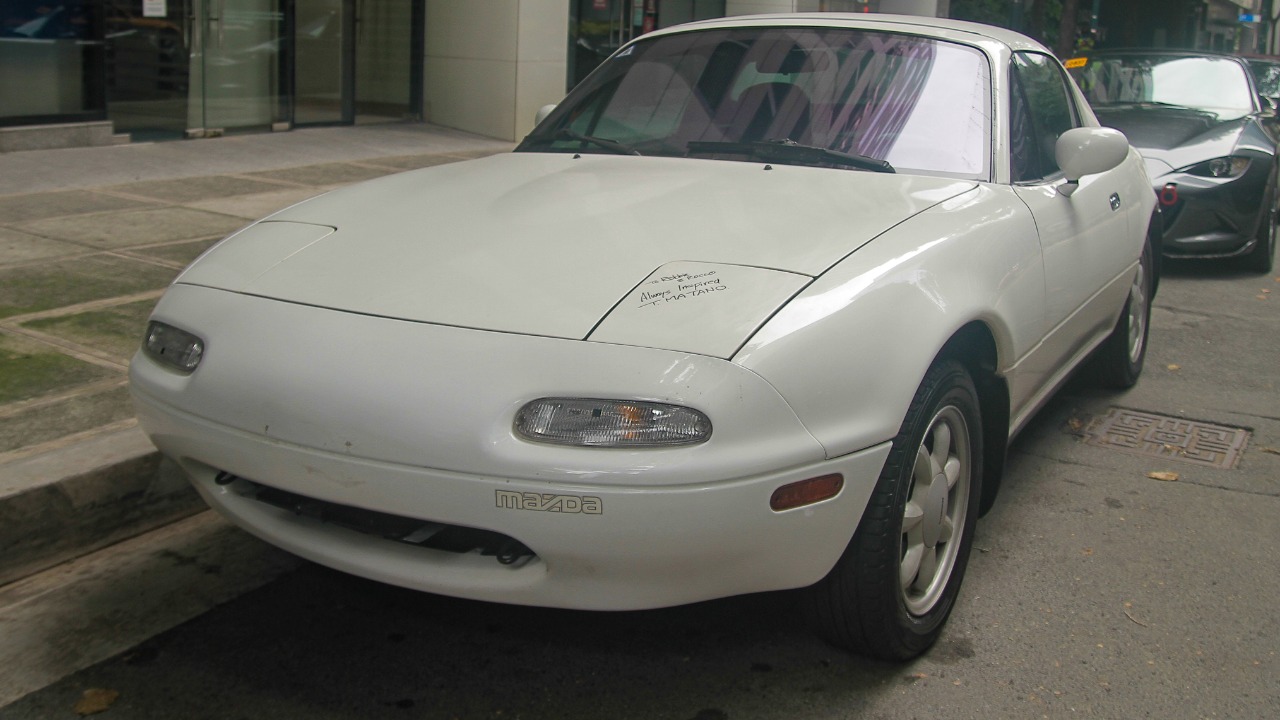
The original Miata started with a 116-horsepower 1.6-liter four in a car that weighed under 2,100 pounds, which makes it the lightest and gentlest entry on this list.
Modest output was never the point of this small two-seat roadster. Low weight and simple rear-drive handling set the tone for the affordable sports cars that followed, and it anchors the bottom of this horsepower ladder. Its small size and open top defined what a sports car could be for ordinary buyers.
2. Nissan 240SX: Rear-Drive on a Budget
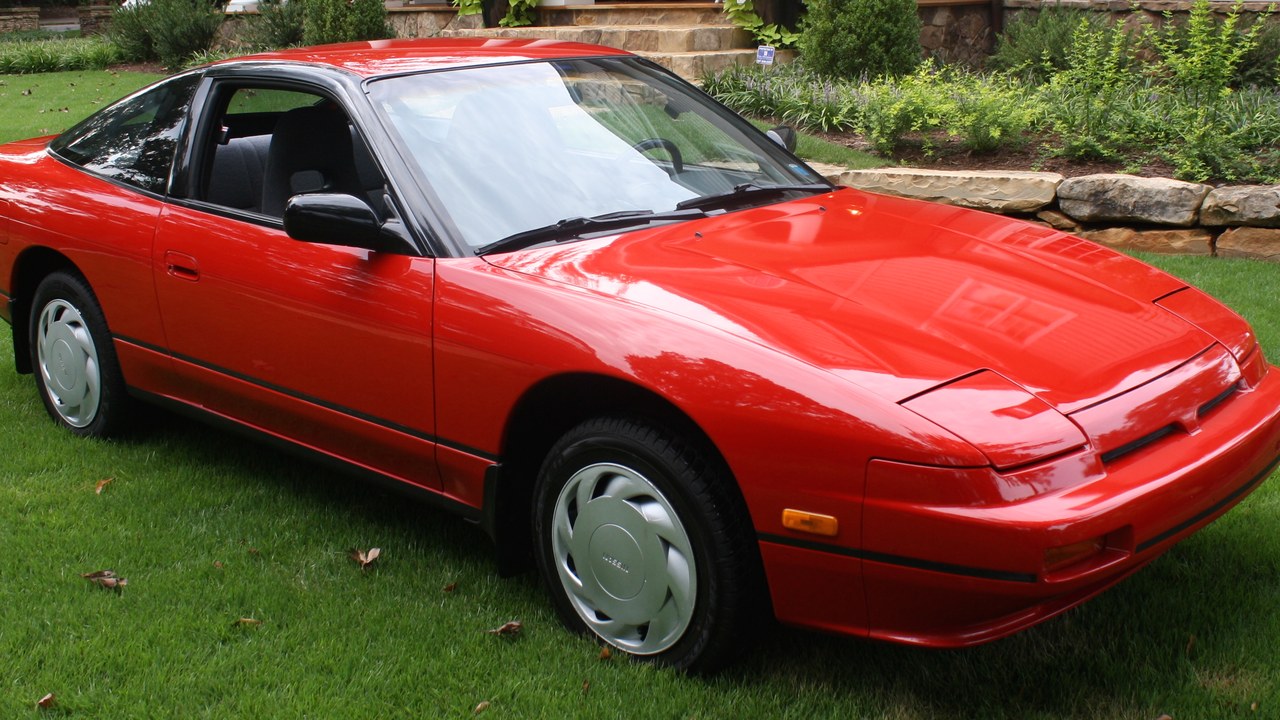
Power from the 240SX went to the rear wheels, and a roundup of the decade’s best Japanese sports cars credits the coupe with 155 horsepower at about 2,700 pounds.
That recipe of a fairly light coupe and a driven rear axle made it an appealing starting point for drivers who wanted classic rear-drive handling without a big price tag. It sits one step above the Miata on the power scale. The coupe body also gave it a familiar shape in car parks across the continent.
3. Toyota MR2 Turbo (SW20): Mid-Engine Turbo Redesign
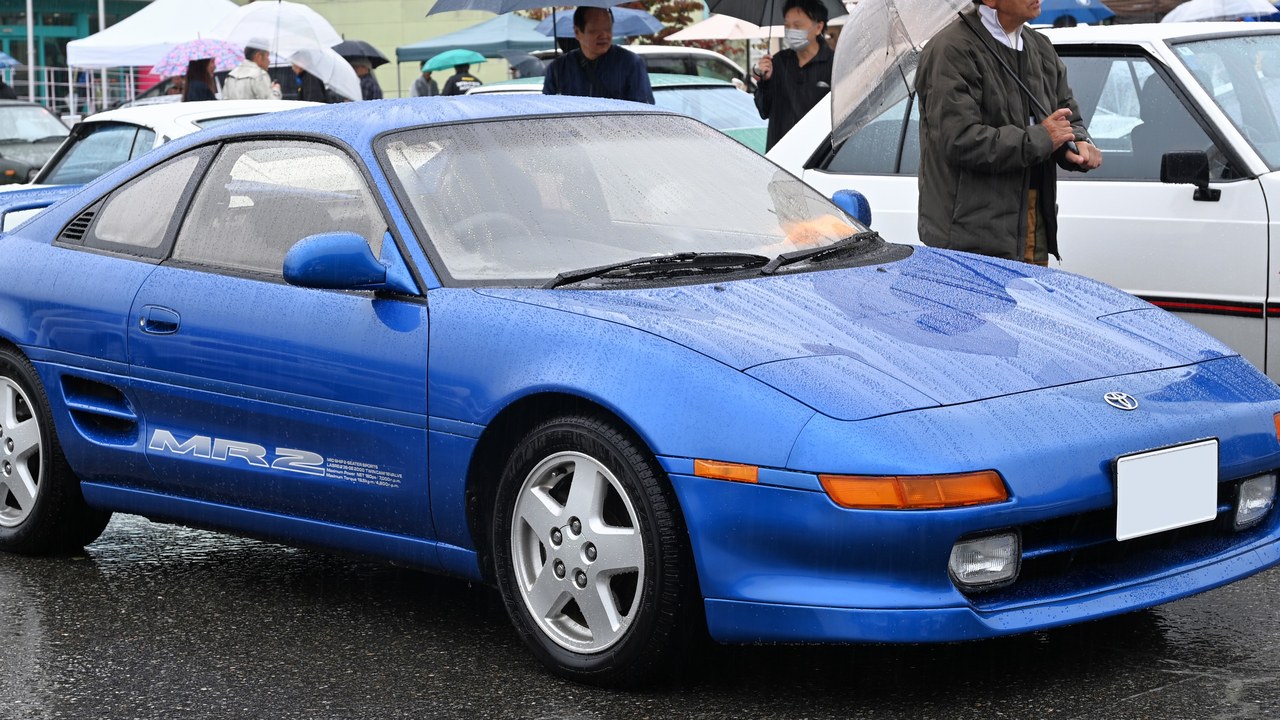
The 1990 redesign of the MR2 added a 200-horsepower turbocharged engine, and the two-seater could reach 60 mph in around six seconds, according to the same roundup.
Placing the engine behind the seats gave the car a different character from the front-engined coupes around it. A turbocharger in that layout put the MR2 in a small group of affordable mid-engine sports cars sold during the decade. Its compact proportions made it look unlike most of its rivals.
4. Acura Integra Type R: High-Revving Front-Drive Hero
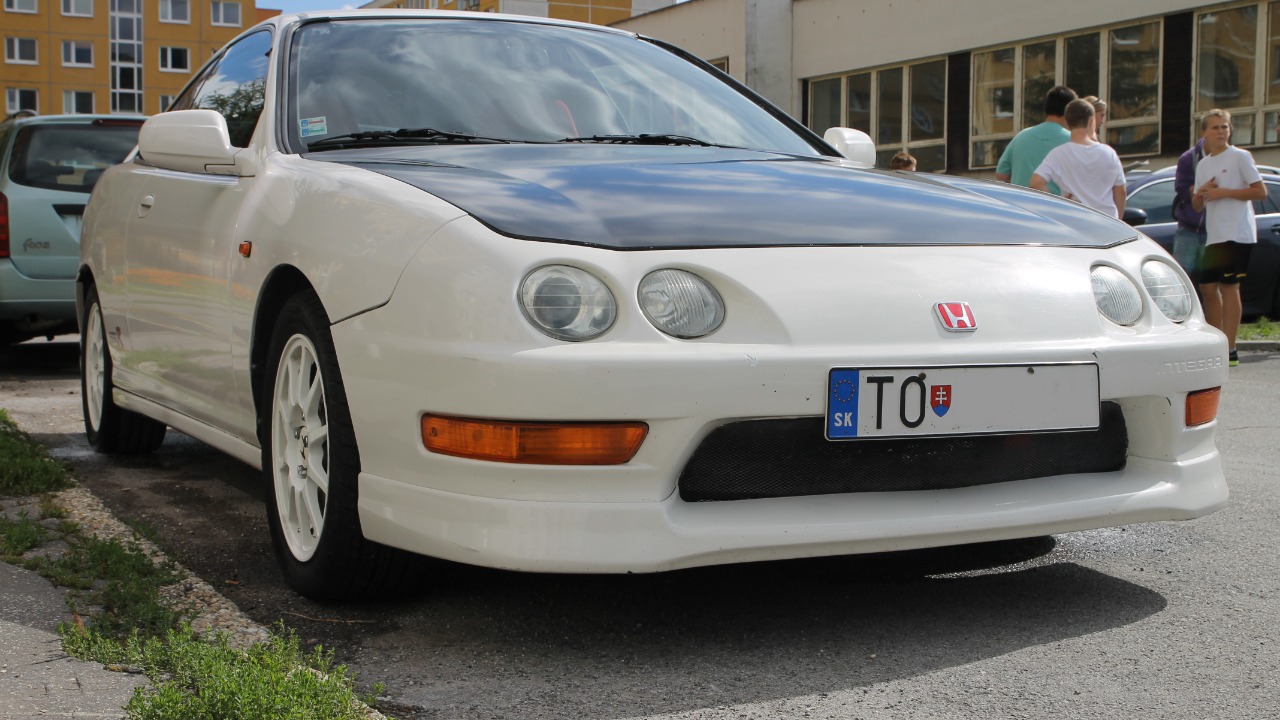
Output from the Integra Type R’s 1.8-liter four reached 195 horsepower, and the small engine revved all the way to 8,400 rpm before the limiter intervened.
Those numbers came from a front-wheel-drive compact rather than an exotic, which is much of why the Type R earned its reputation among enthusiasts. Few four-cylinder engines of the era asked for so many revolutions per minute. The car stands as a reminder that engine character can matter more than raw size.
5. Nissan 300ZX Twin Turbo (Z32): A Z-Car Sales Run
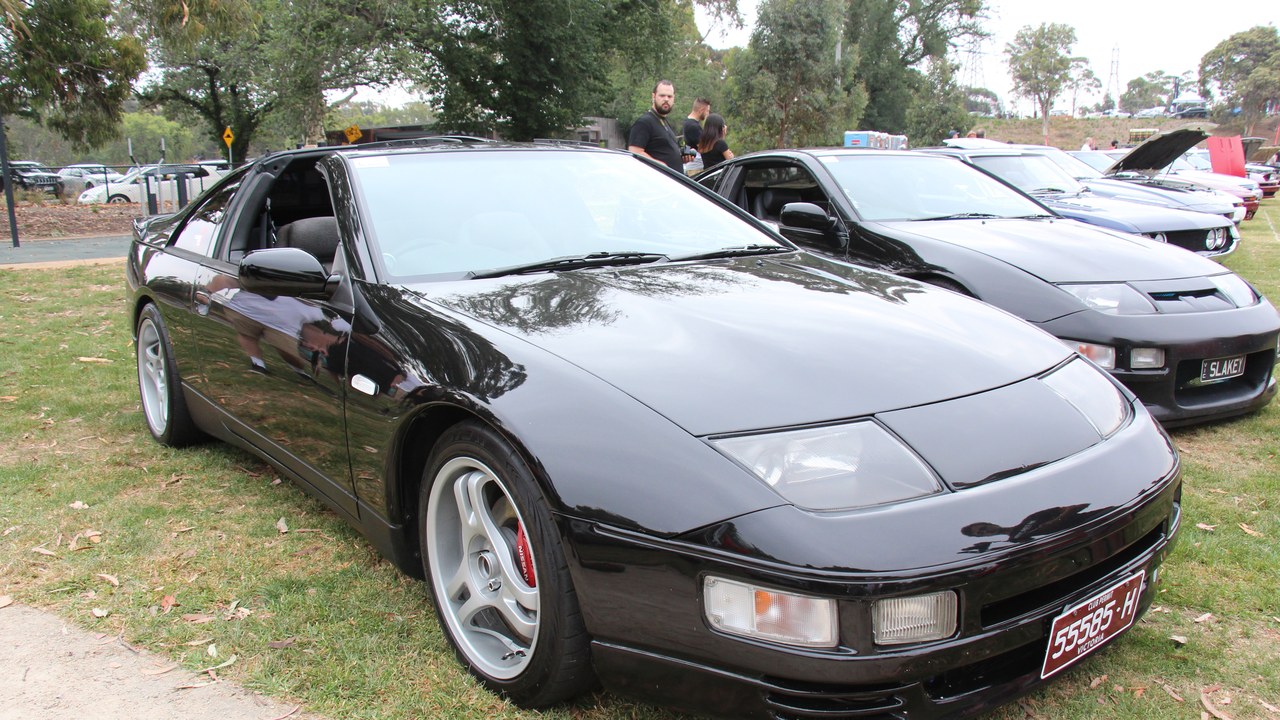
Sales of the 300ZX in North America ended in 1996, closing out a run of over 80,000 units sold on the continent, according to the history of Nissan’s Z-car line.
The twin-turbo version stood at the top of the Z32 range and carried the sporty image of the whole model. Its departure left a gap in Nissan’s American lineup, and the sales total shows how well the V6 coupe found buyers. Few Japanese coupes of the period sold in comparable numbers.
6. Mitsubishi 3000GT VR-4: Twin-Turbo All-Wheel Drive
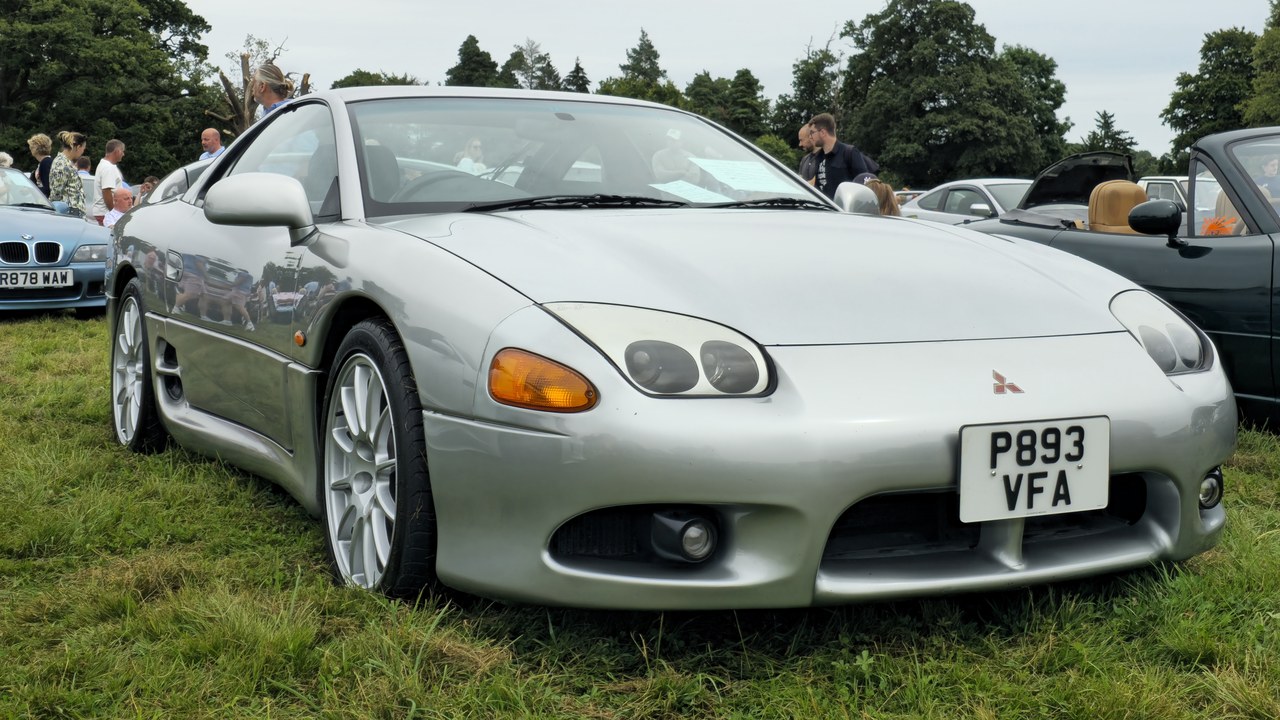
A twin-turbocharged, all-wheel-drive V6 gave the 3000GT VR-4 up to 320 horsepower and 315 lb-ft of torque, a pairing of numbers that puts it among the strongest cars of the decade.
Driving all four wheels set it apart from most Japanese coupes of the period. The output matches the Supra at the top of this list, though the VR-4 was a heavier and more technology-laden grand tourer. Its sheer complexity is part of what makes it memorable today.
7. Toyota Supra Turbo (Mk IV): The One to Have
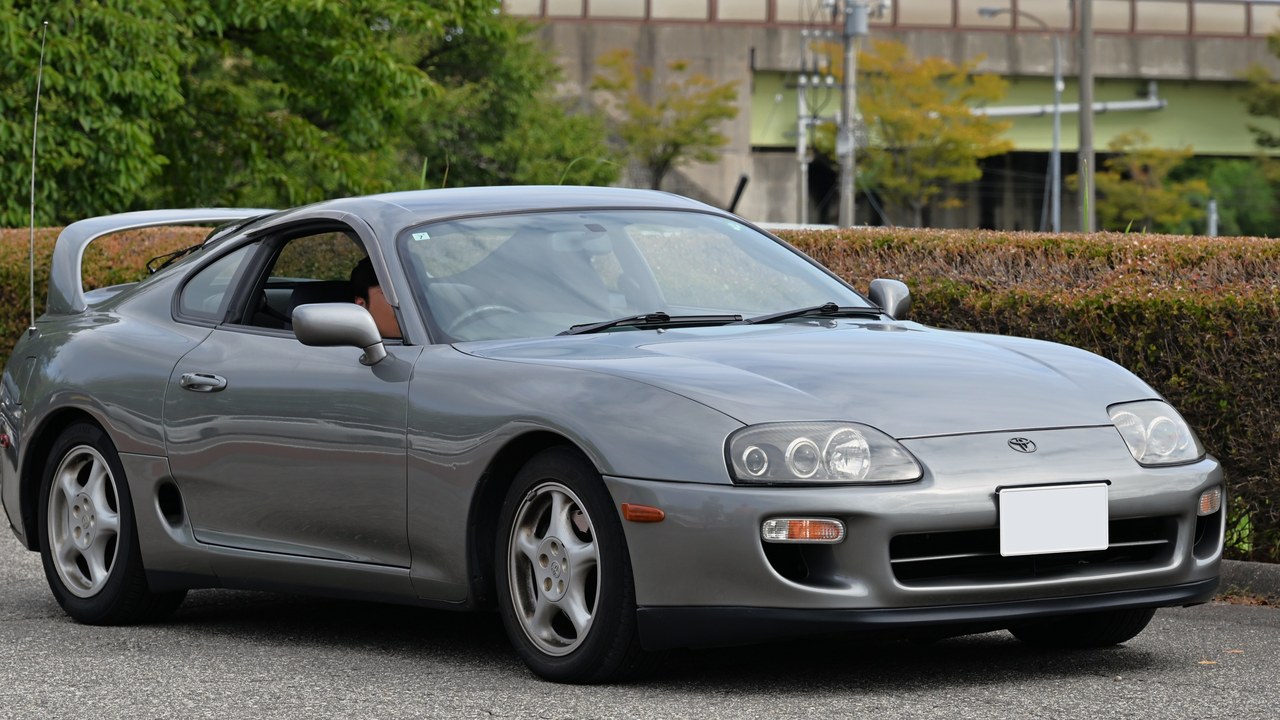
Among Japanese cars of the era, the Supra Turbo was singled out as the one to have thanks to a turbo six that made 320 horsepower and 315 pound-feet of torque.
Production of the fourth-generation Supra ended in 1998. Its place at the head of this list rests on that peak output figure, a number it shares with the 3000GT VR-4, and on the lasting reputation of the turbocharged inline-six. Collectors still treat the model as a benchmark for the era.
8. Acura NSX: Aluminum Mid-Engine Pioneer
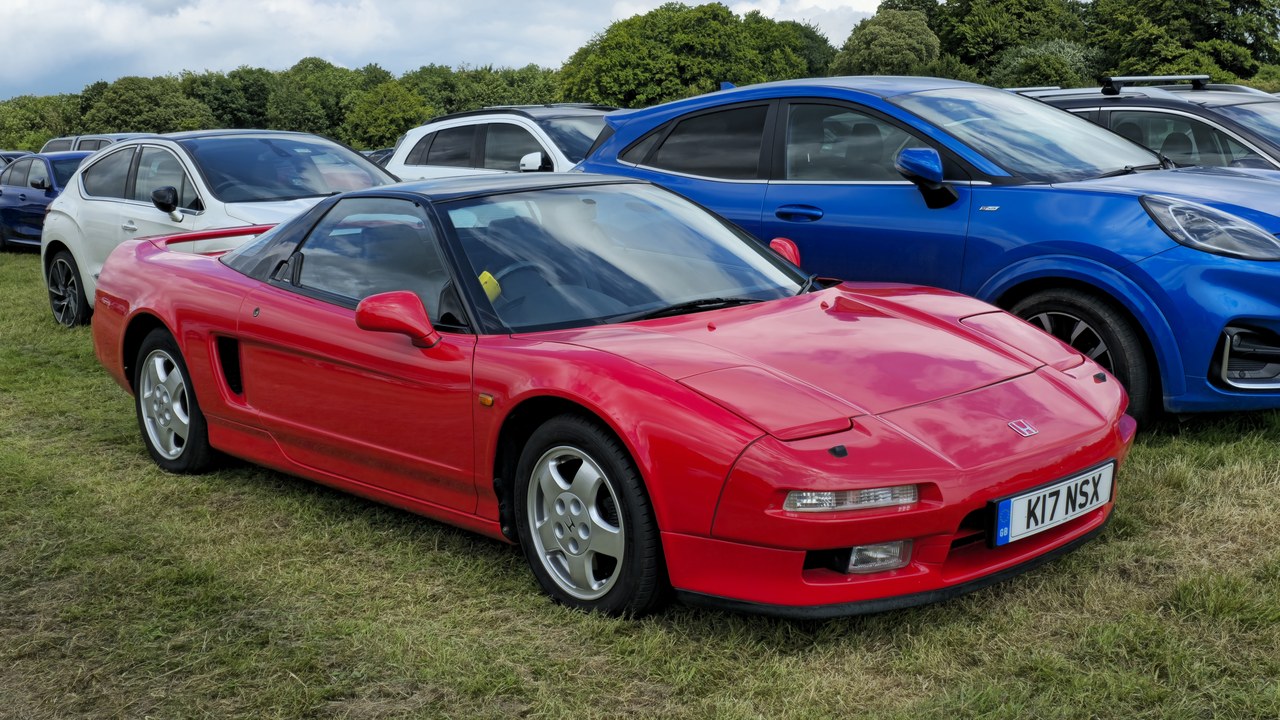
Described as the world’s first all-aluminum production car, the NSX produced 270 horsepower from its V6 and carried the Acura badge in North America.
A mid-engine layout and a lightweight aluminum body gave the brand a credible alternative to far costlier exotics. It made less power than the turbo cars here, yet it remains among the era’s most admired Japanese designs. It also showed that a daily-usable exotic was possible.
9. Mazda RX-7: Rotary Sales Champion
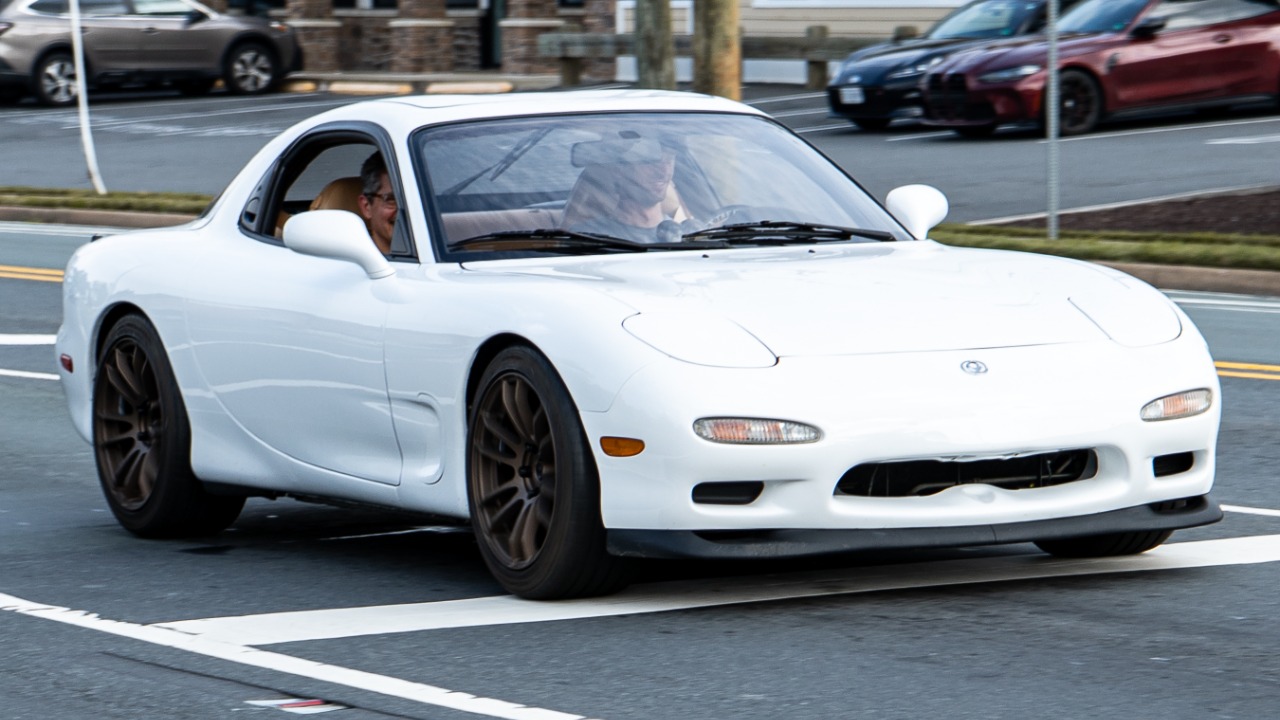
The RX-7 has been called the most commercially successful rotary car ever, with more than 800,000 sold over the life of the nameplate.
Its Wankel engine, built around spinning rotors rather than conventional pistons, made it one of the few mainstream sports cars to rely on that design. The sales total covers every generation, not only the 1990s model that appears here. Its swooping body remains a highlight of Mazda’s catalog.
10. Nissan Skyline GT-R (R34): Understated Horsepower Claim
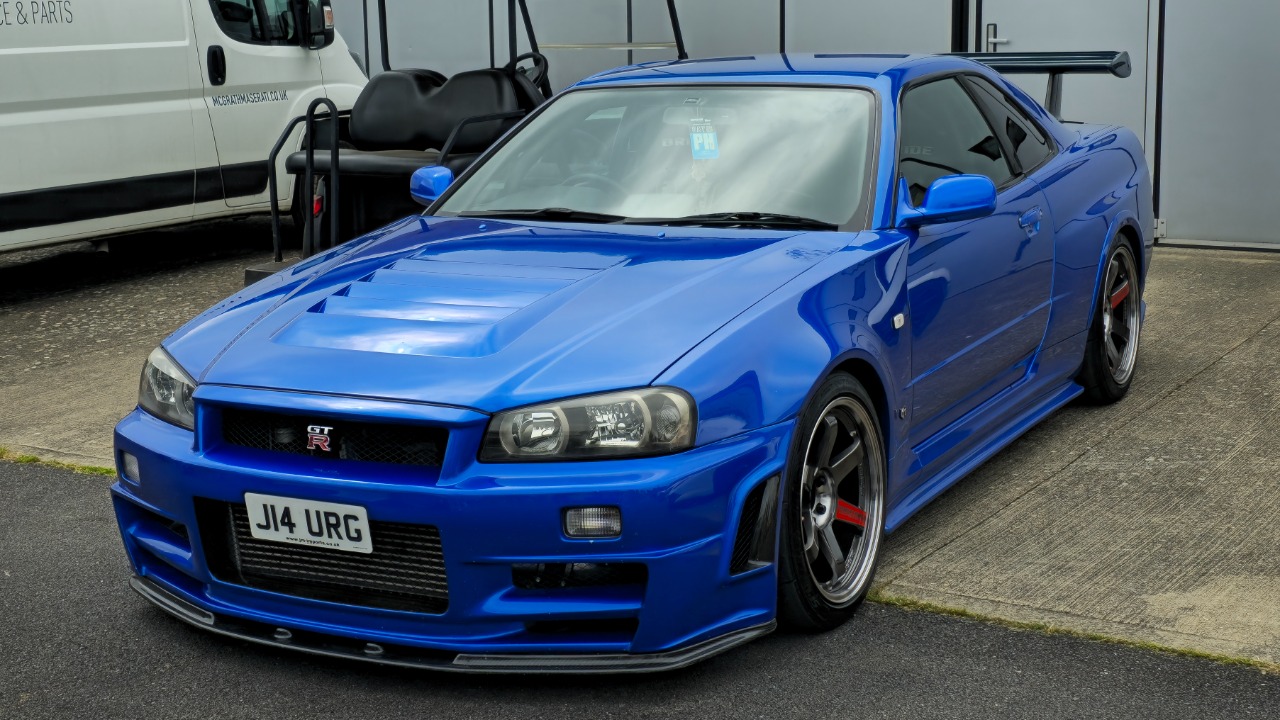
Official figures credited the R34 Skyline GT-R with 276 horsepower, but one ranking of the fastest Japanese sports cars says it was actually putting out more like 330.
That gap between the claimed number and the apparent output is a well-known quirk of the car’s reputation. If the higher figure is right, the GT-R edges past the 320-horsepower Supra and 3000GT on paper. Such understatement became part of the legend of the nameplate.
11. Honda S2000: Nine Thousand RPM Roadster
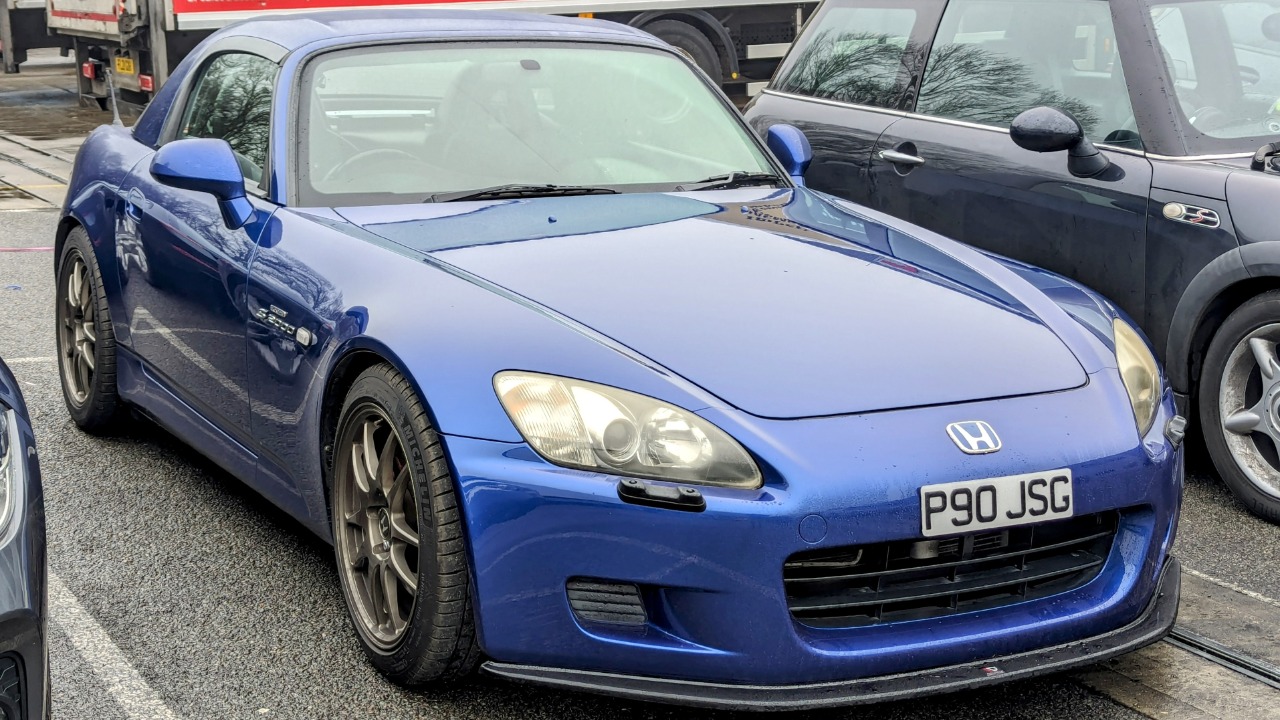
Honda said that over 65,000 S2000s had been sold in the United States since 1999 when it announced 2009 as the final model year, and the roadster offered up to 250 horsepower with a 9,000 rpm redline.
A high-revving four-cylinder in a rear-drive roadster gave the car a purist following. It arrived at the very end of the 1990s, so it closes out the list as the newest design here. Its rev-happy engine remains the detail enthusiasts mention first.
AI, explained every day: Get The Deep View →
We may earn a commission if you sign up.
More from Morning Overview
- Lake Powell sank to a record 3,517 feet, nearing the level that stops Glen Canyon Dam’s turbines
- Seven of Earth’s nine planetary boundaries are breached, and all seven are worsening
- The NSA says three phone features should be off whenever you aren’t using them
- Hurricane Hunter radar shows four warning signs that a tropical cyclone is about to strengthen, a University of Miami study found
