
For large families, road trippers and anyone who hauls gear, cargo space can matter more than horsepower. Measurements of maximum cargo volume show a clear group of SUVs that can swallow strollers, coolers and luggage with room to spare. Here are twelve family haulers with cavernous cargo holds.
Read next on Morning Overview: 11 engines built to run well past 200,000 miles
1. Chevrolet Suburban: The Cargo King
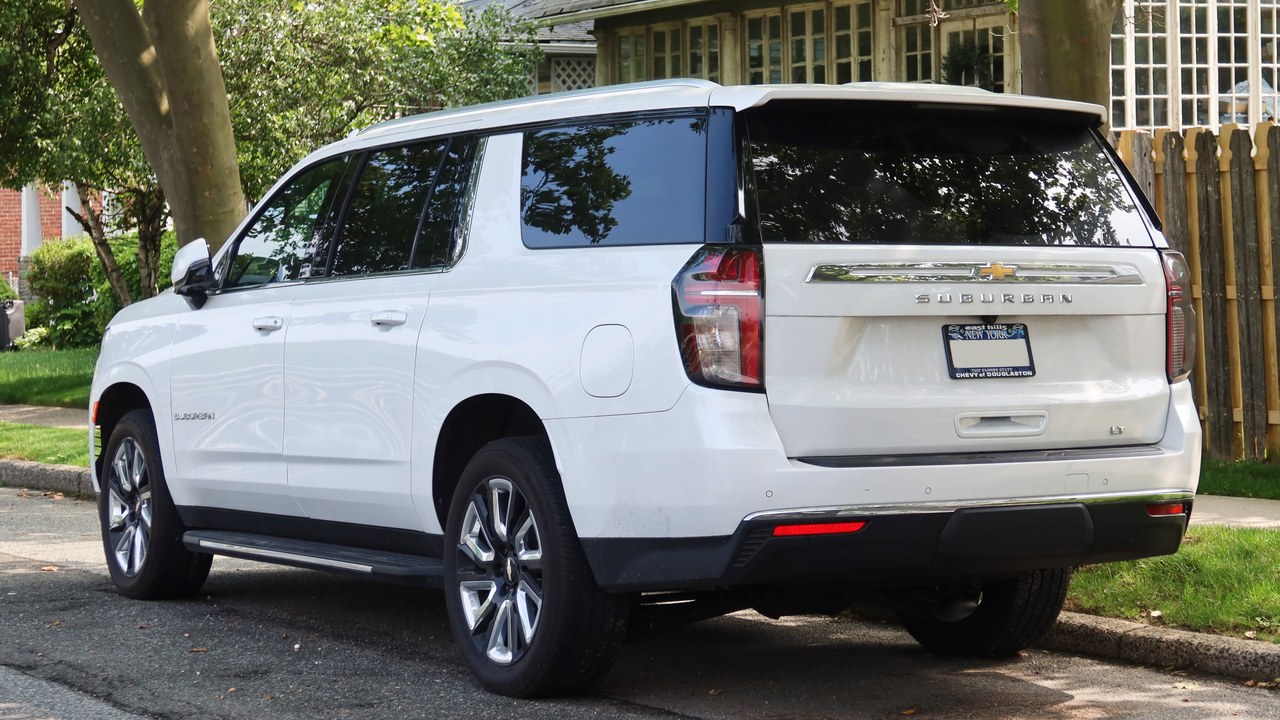
The Chevrolet Suburban tops iSeeCars’ large-SUV list with 144.5 cubic feet of cargo space with the seats folded and 41.5 cubic feet behind the third row, according to iSeeCars’ large-SUV cargo rankings.
That third-row figure is the key for families, since it means the Suburban can carry a full load of passengers and still fit luggage for a long trip. Its long body has made it a favorite for decades, and the extra room is a big reason many owners never consider anything smaller.
2. GMC Yukon XL: Matching the Leader
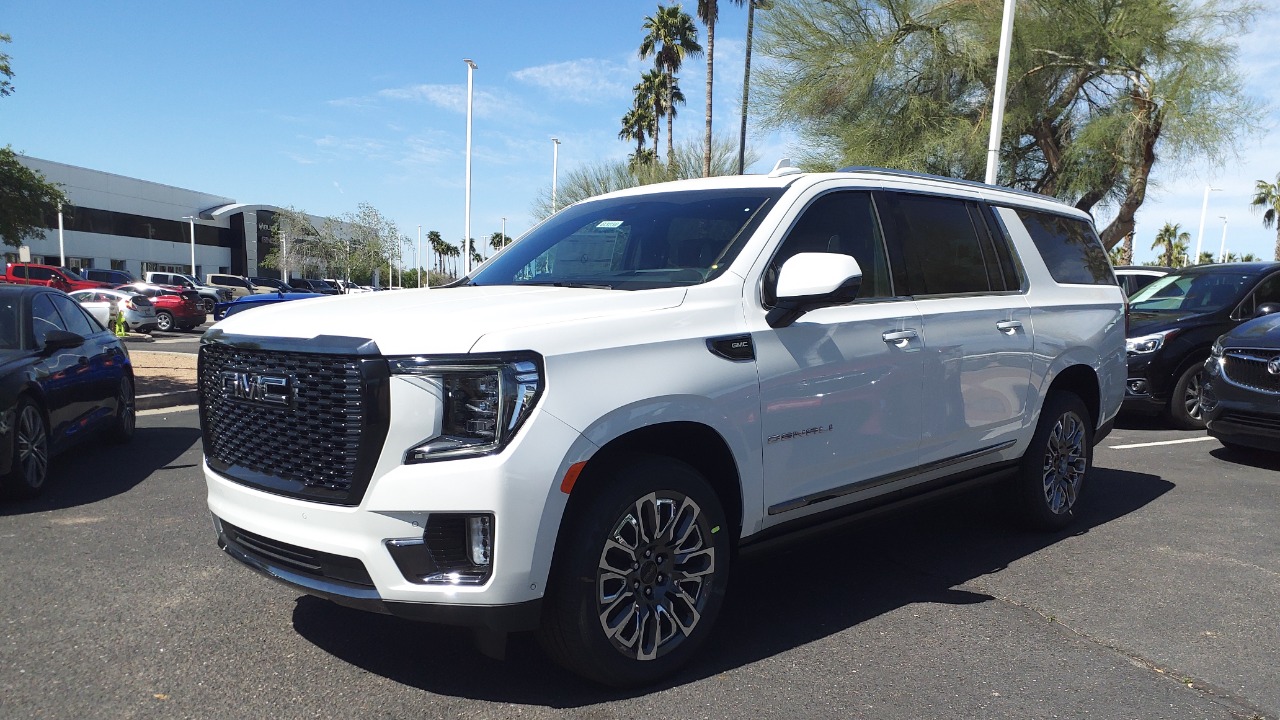
The GMC Yukon XL matches the Suburban with 144.5 cubic feet of maximum cargo space, according to iSeeCars.
The Yukon XL shares its body and platform with the Suburban but offers GMC styling and upscale Denali trims. Buyers who want the same space with a different look often choose it. Its long wheelbase also gives the third row more legroom than shorter SUVs, a plus for adults. It is very popular.
3. Chevrolet Tahoe: Big Space in a Shorter Body
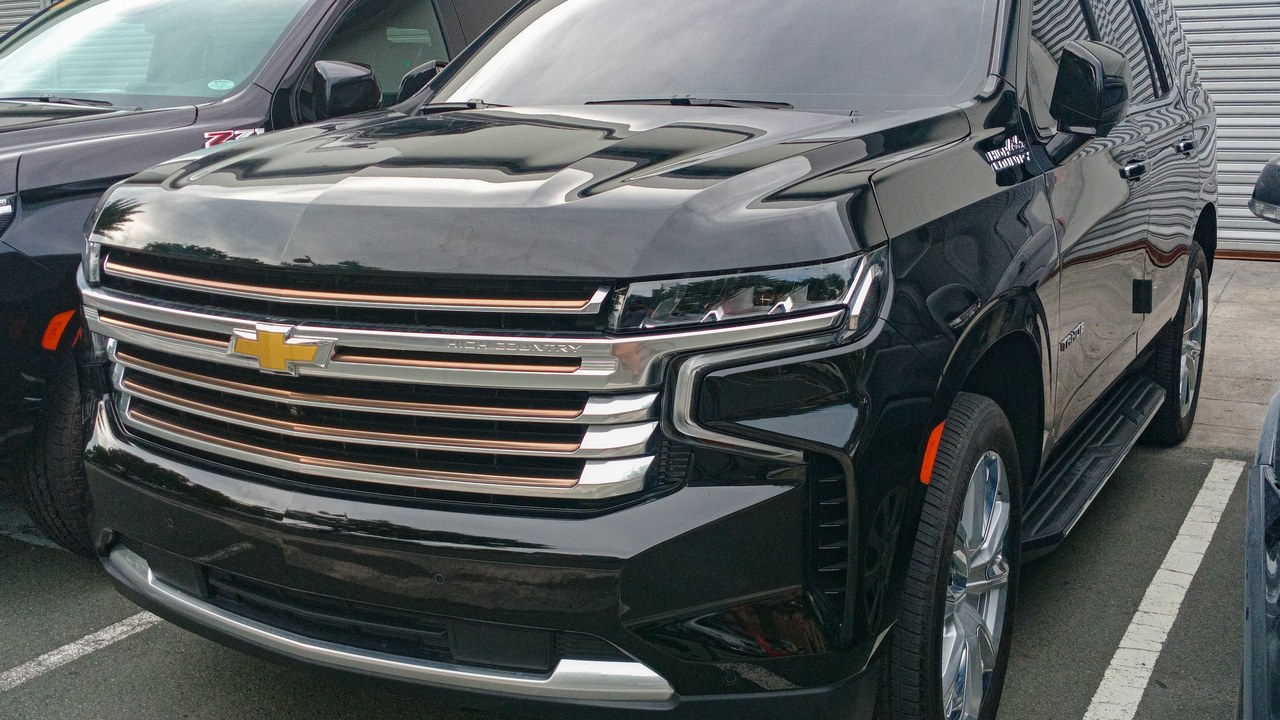
The Chevrolet Tahoe offers up to 125.9 cubic feet of cargo volume, third among large SUVs, according to iSeeCars’ rankings.
The Tahoe is shorter than the Suburban, which makes it easier to park in a home garage while still offering plenty of room. Its independent rear suspension, added in the latest redesign, also freed up space for the third row. It is also slightly cheaper than the Suburban, which appeals to budget-minded buyers.
4. Toyota Sequoia: Big Outside, Tight in the Back
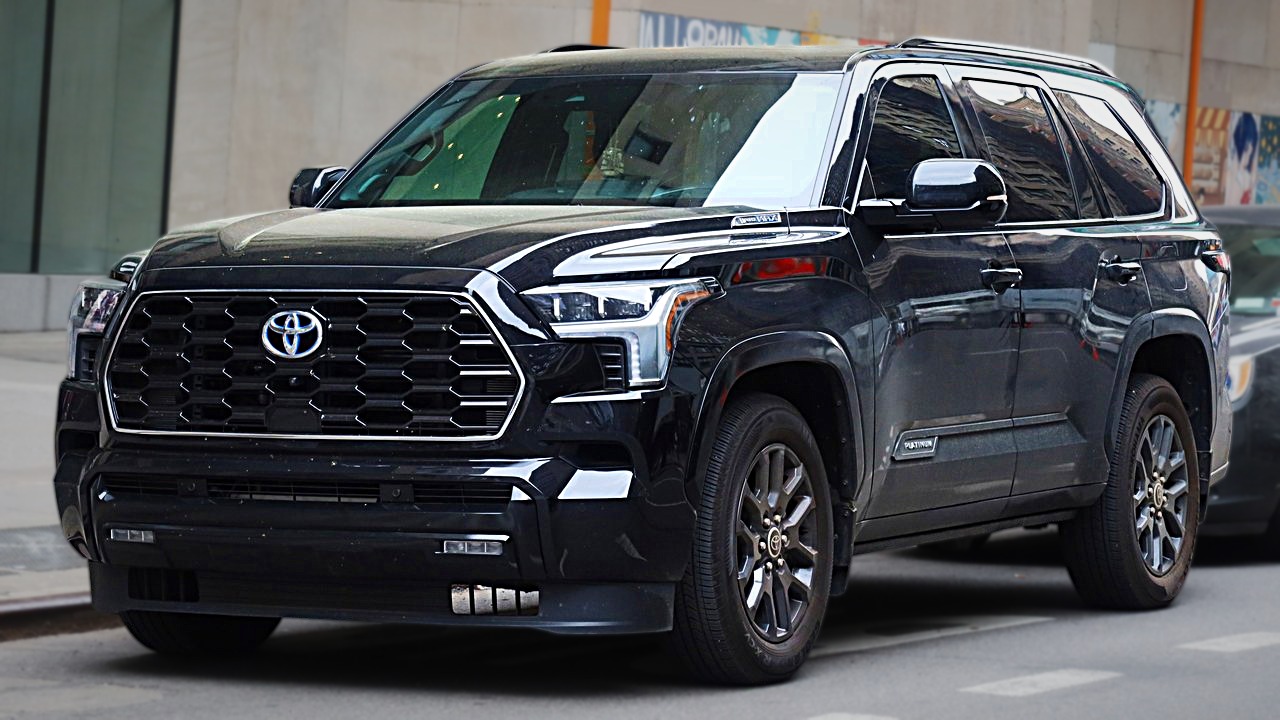
The Toyota Sequoia holds up to 120.1 cubic feet with the seats folded but just 18.9 cubic feet behind the third row, according to iSeeCars.
The Sequoia’s hybrid battery sits under the rear cargo floor, which reduces space behind the third row. Some versions offer an adjustable shelf that helps organize the cargo area, but families who use the third row often may find the space tight on longer trips.
5. Cadillac Escalade ESV: Two Seats and a Massive Hold
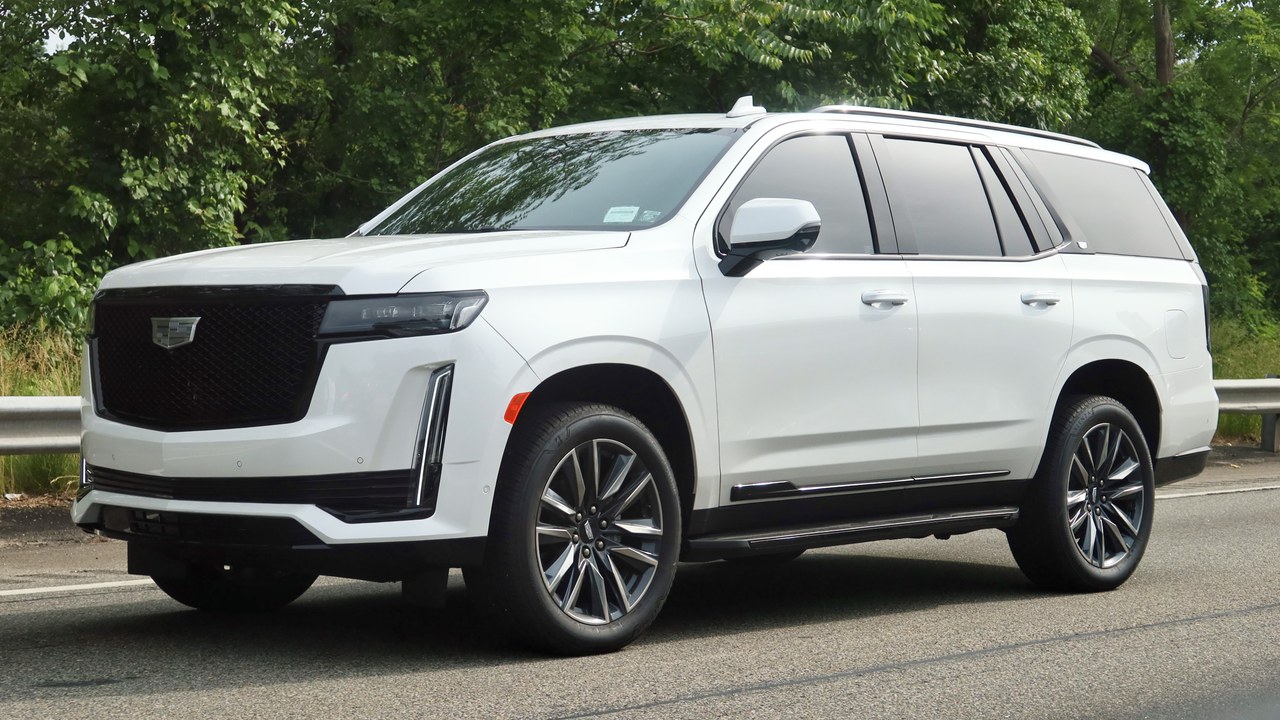
With only two seats in place, the 2026 Cadillac Escalade ESV swallows 142.2 cubic feet, and it offers 41.5 cubic feet behind the third row, according to Jalopnik’s ranking of 2026 SUVs by cargo space.
The extended-length ESV pairs luxury with practicality, making it popular with chauffeur services and large families. Its power-folding rear seats make it easy to switch between passenger and cargo duty. It is among the priciest SUVs here.
6. Jeep Grand Wagoneer L: The Most Room Behind the Third Row
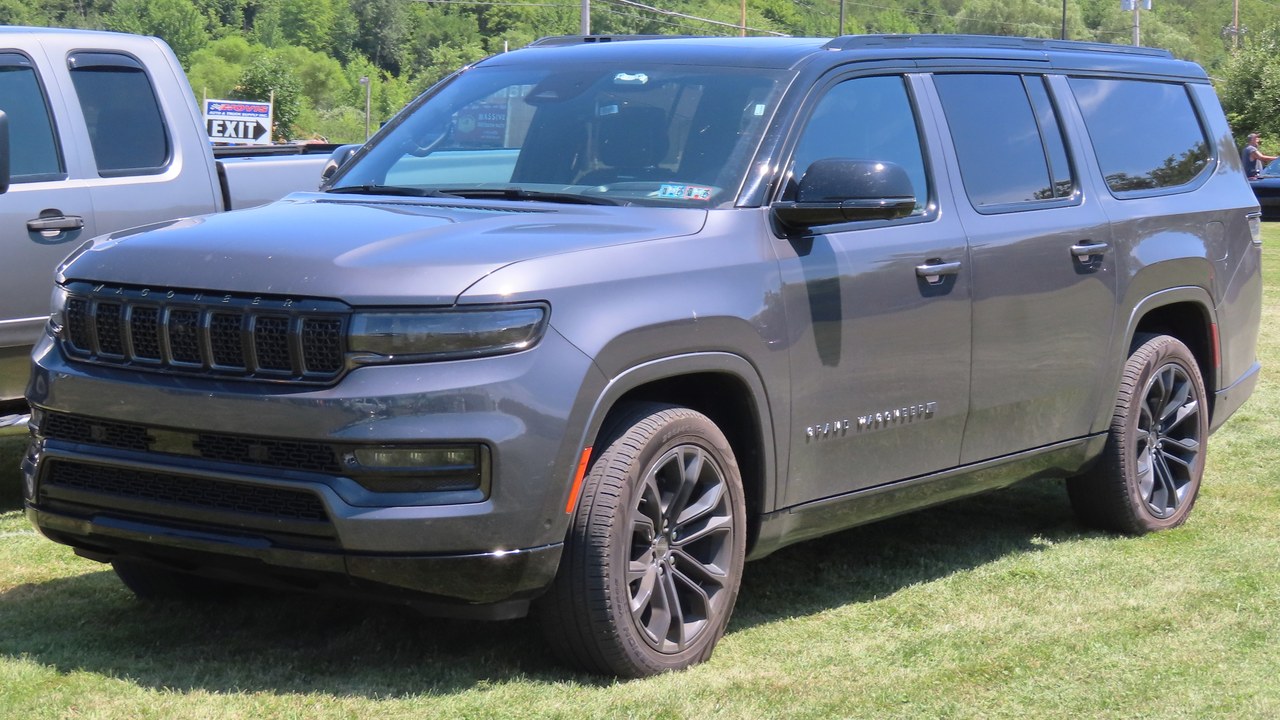
The 2026 Jeep Grand Wagoneer L offers 42.6 cubic feet behind the third row and 116.7 cubic feet with the rear seats folded, according to Jalopnik.
That third-row figure is the most in this group, which means the Grand Wagoneer L can carry eight people and still fit a large amount of luggage. Its long wheelbase also gives rear passengers more legroom than many rivals. It is built in Michigan.
7. Lincoln Navigator L: A Luxury Long-Wheelbase Option
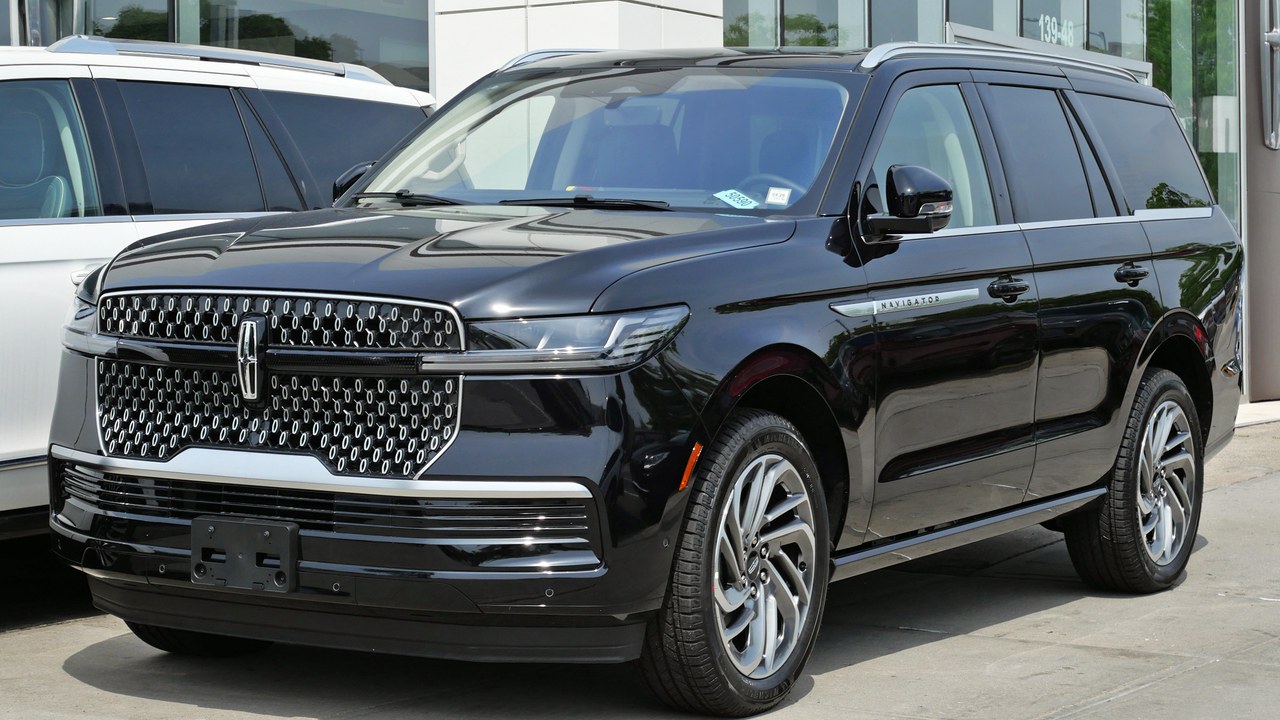
The 2026 Lincoln Navigator L has a 37.4-cubic-foot trunk behind the third row that grows to 121.6 cubic feet with the second row down, according to Jalopnik’s cargo comparison.
The Navigator L is built for comfort as much as space, with features such as massaging seats and a quiet cabin. Its extended length gives it a clear advantage over the standard Navigator for families who travel with lots of gear.
8. Ford Expedition Max: Ford’s Extended Hauler
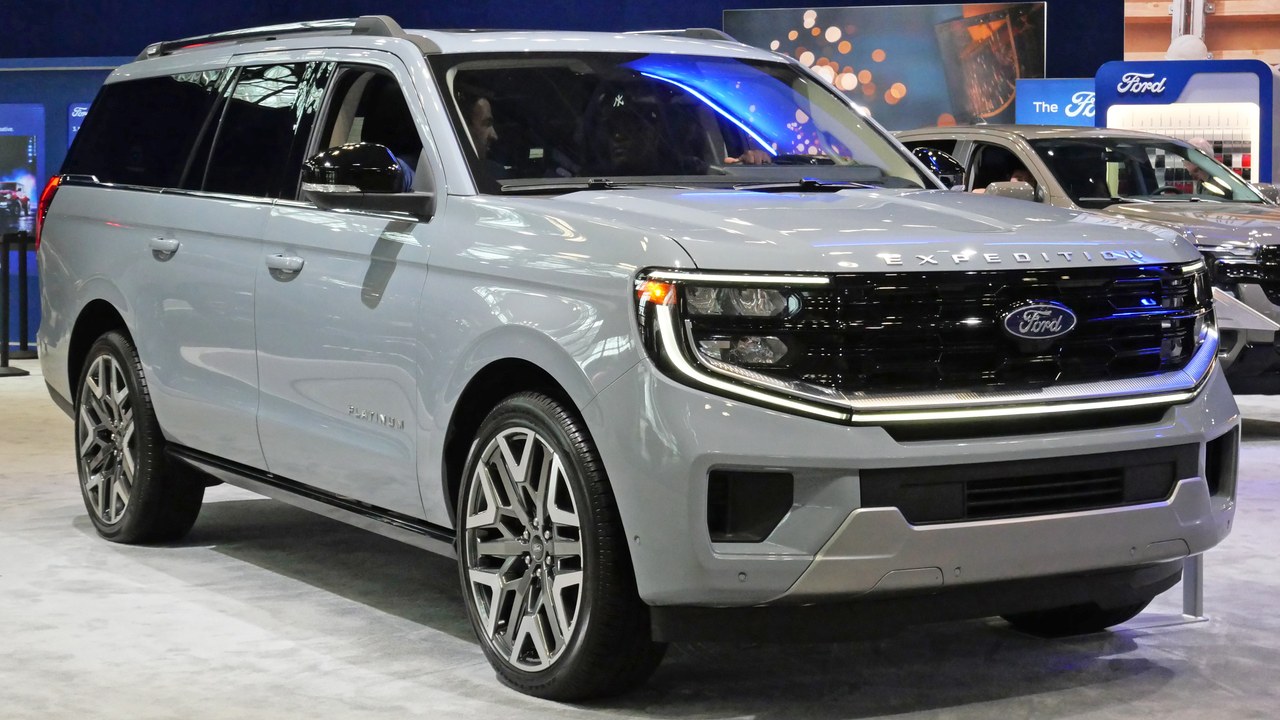
The 2026 Ford Expedition Max holds 36.1 cubic feet behind the third row and 123.1 cubic feet behind the front seats, according to Jalopnik.
The Expedition Max is the long-wheelbase version of Ford’s full-size SUV and is often used for towing campers and boats. The latest redesign added a split tailgate that makes loading easier and creates a handy bench for tailgating. Its towing ability is strong. Families love it.
9. Chevrolet Traverse: The Roomiest Crossover
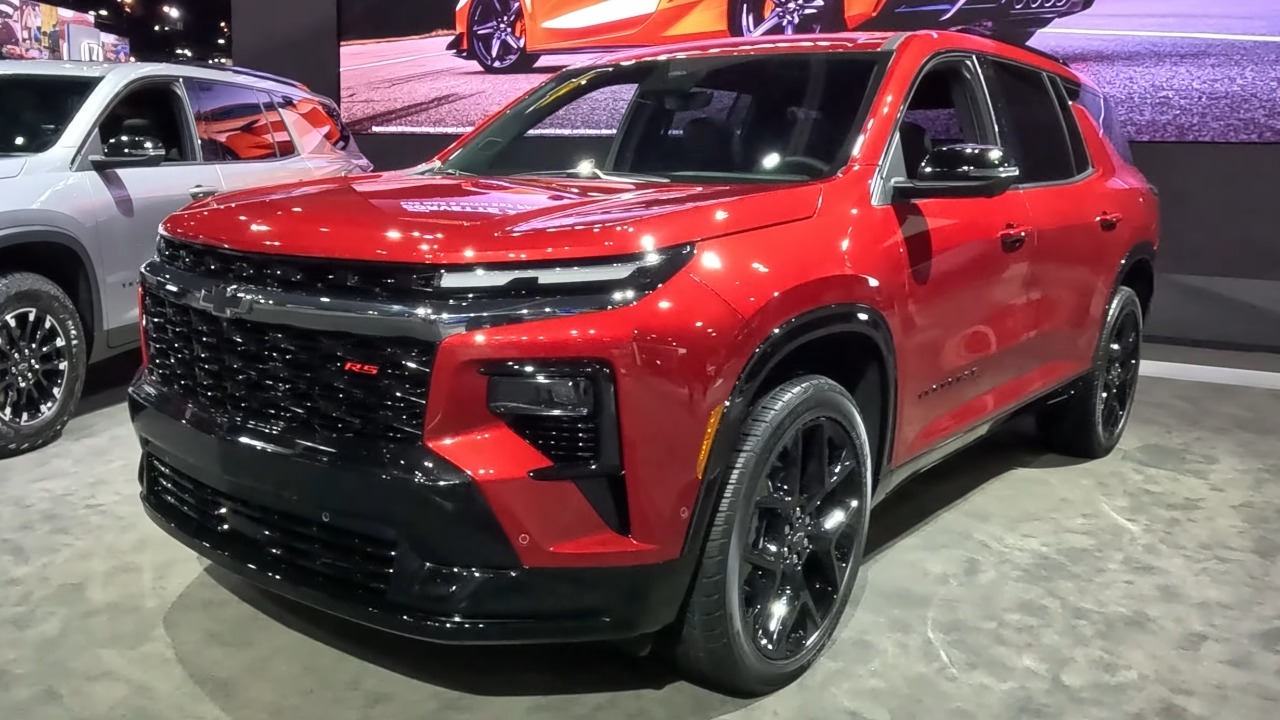
The Chevrolet Traverse has 97.6 cubic feet of maximum cargo space, the most of any regular crossover SUV on iSeeCars’ crossover list.
Crossovers ride on car-based platforms, which usually means better fuel economy than body-on-frame SUVs. The Traverse offers much of the space of a larger SUV while being easier to drive and park every day. It also has a wide, flat load floor that makes sliding in heavy items easier.
10. GMC Acadia: A Close Second Among Crossovers
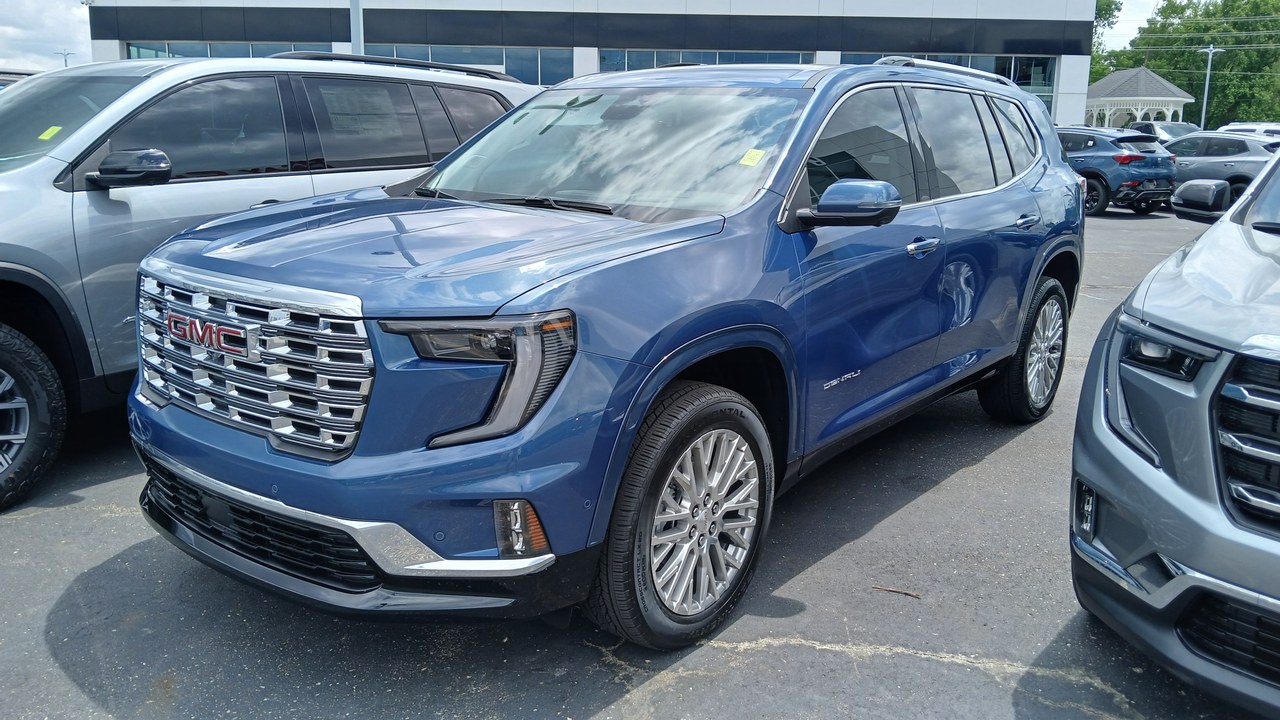
The GMC Acadia holds 97.5 cubic feet with the seats folded and 23 cubic feet behind the third row, according to iSeeCars.
The Acadia grew significantly in its latest redesign, moving closer in size to the Traverse it shares a platform with. Its larger cargo area makes it a practical alternative to bigger and thirstier SUVs. Its starting price undercuts most full-size SUVs. It rides quietly on long trips. Few rivals match it.
11. Toyota Grand Highlander: Toyota’s Bigger Highlander
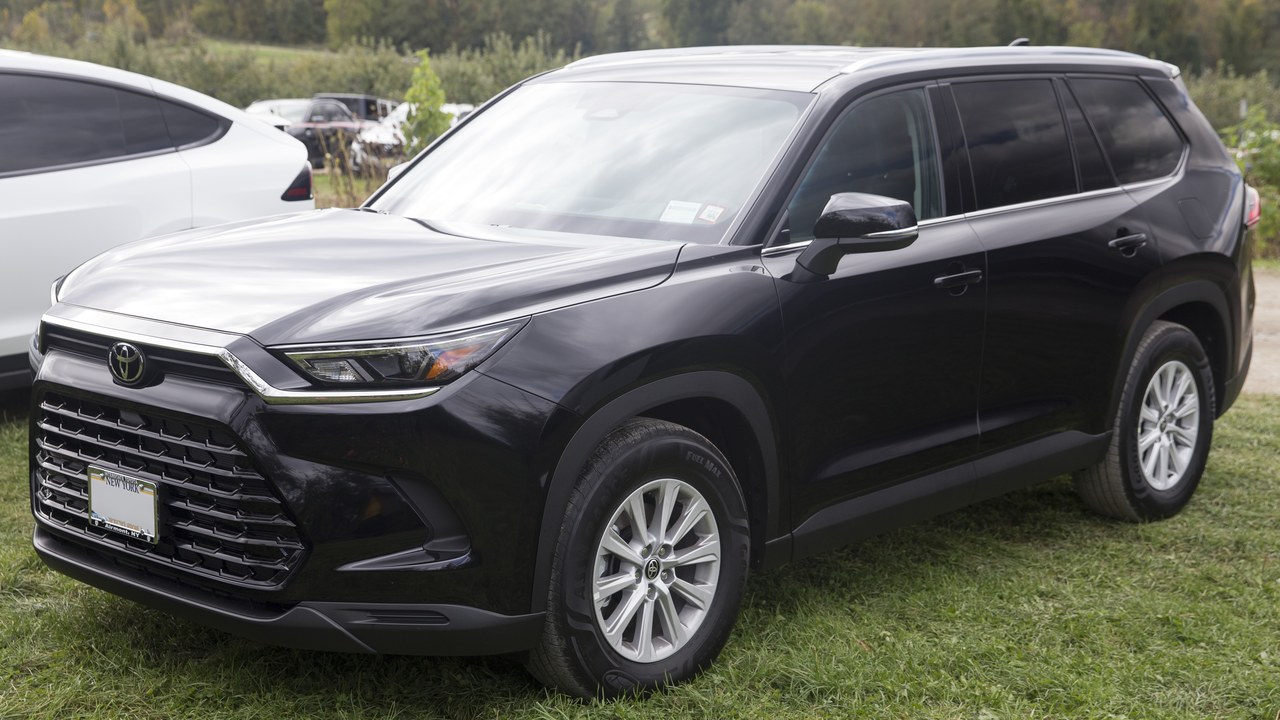
The Toyota Grand Highlander offers 97.5 cubic feet of maximum cargo space and 20.6 cubic feet behind the third row, according to iSeeCars’ crossover rankings.
Toyota created the Grand Highlander to give families more room than the standard Highlander, including a third row that fits adults. Its hybrid versions also offer strong fuel economy for a vehicle of its size. Its starting price is competitive. It is built in Indiana.
12. Volkswagen Atlas: Big Space Behind the Second Row
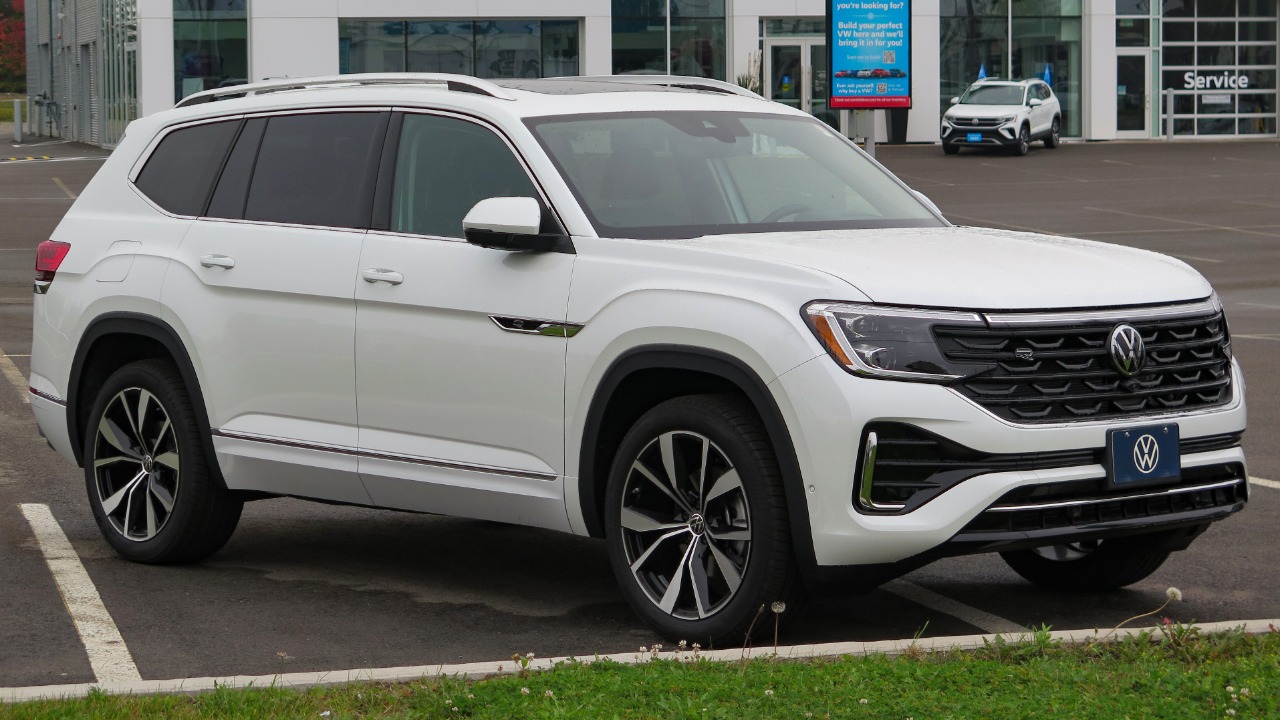
The Volkswagen Atlas holds 96.6 cubic feet with the seats folded and 55.5 cubic feet behind the second row, according to iSeeCars.
The Atlas was designed with American families in mind and is built in Tennessee. Its boxy shape helps maximize interior space, and the third row is roomy enough for adults on shorter trips. It is a strong value for families on a budget. Its ride is smooth. It is well priced.
More from Morning Overview
- A $1 billion gas plant planned for Superior, Wisconsin, has been abandoned
- Shaq spent $1.3 million on three Rolls-Royce Phantoms to prove a point to a salesman
- The Justice Department asked courts to undo approvals for three offshore wind farms, one already making power
- Over 20 trillion gallons of rain fell on the Four Corners states and Nevada in two weeks
