
Dodge built its name on a mix of everyday workhorses and wild performance specials, and a handful of models carried the brand through each era. From a rare winged racer to a game-changing minivan, these cars shaped how drivers see the company. Here are twelve Dodges that made the brand, led by the 1969 Charger Daytona limited to 500.
Save more, waste less: The Cool Down’s newsletter sends smart, simple changes that help you and the planet in your everyday life.
We may earn a commission if you sign up.
1. Dodge Dart: The Compact That Ran Hot
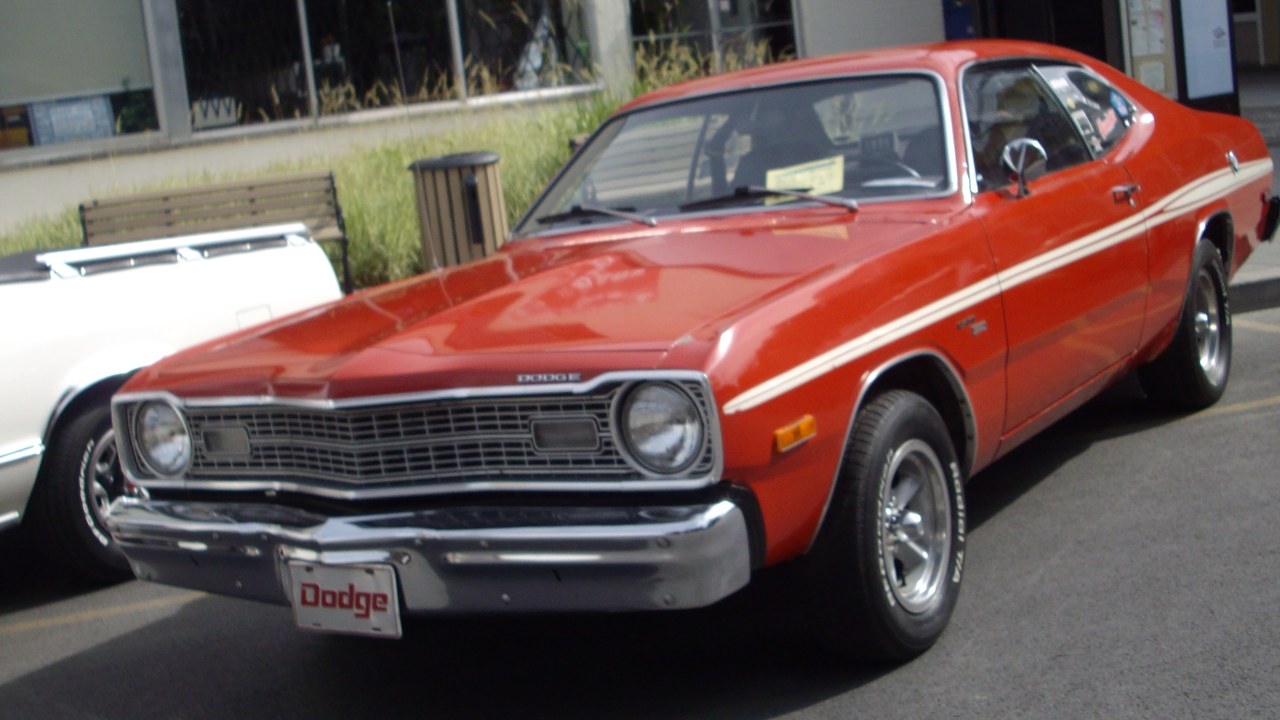
Dodge’s company history describes the Dart as a compact whose final North American model year came in 1976. Late in that run, a Dart Sport 360 was tested at 121.6 mph, a speed that placed it second only to the Corvette in the comparison.
That result is a striking line for a small, ordinary-looking car. It shows that the brand could hide real speed inside a modest package, and it gives the Dart a performance footnote that outlasts its time on sale. For buyers who wanted a quick compact without paying for a sports car, the Sport 360 made a persuasive case.
2. Dodge Super Bee (1969 440 Six Pack): Six Pack Rarity
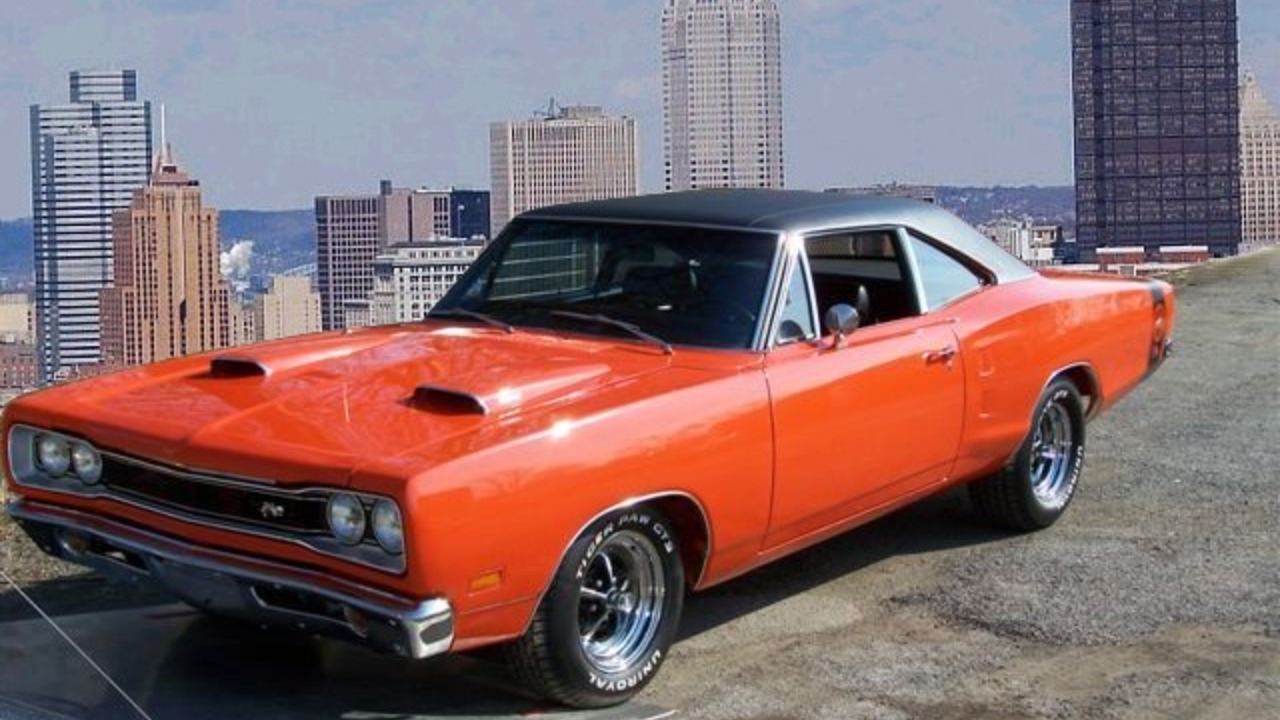
Rarity defines the 1969 Super Bee with the 440 Six Pack, and the RM Sotheby’s lot listing spells out the numbers. Of the 420 cars constructed for US dealerships, only 267 were equipped with a four-speed manual transmission.
Those small totals explain why the three-carburetor Super Bee is prized by collectors today. Few muscle cars of the era were built in such limited quantities, and the manual-gearbox subset is rarer still. Production figures like these turn a strong performer into a genuine collectible.
3. Dodge Charger (1966): Launched With a Hemi Option
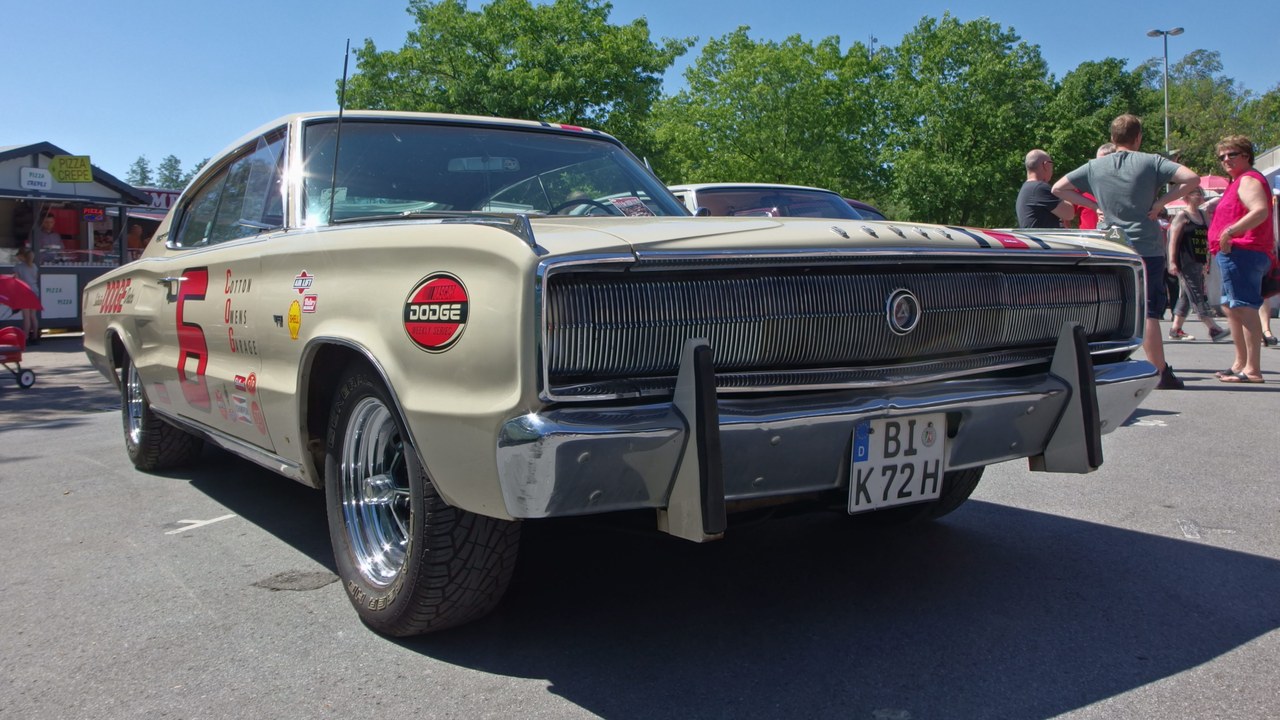
The Charger arrived on January 1, 1966, and a Stellantis media fact sheet lists a 230-hp 318 as the base engine. At the top of the range sat the 425-hp Street HEMI, a huge step up in output for buyers who wanted maximum performance.
The nameplate later gained fame as the General Lee, which starred across seven seasons of The Dukes of Hazzard. Few cars have traveled from showroom to screen icon so thoroughly, and the exposure kept the Charger in the public eye long after the first model left production.
4. Dodge Charger Daytona: Winged and Limited
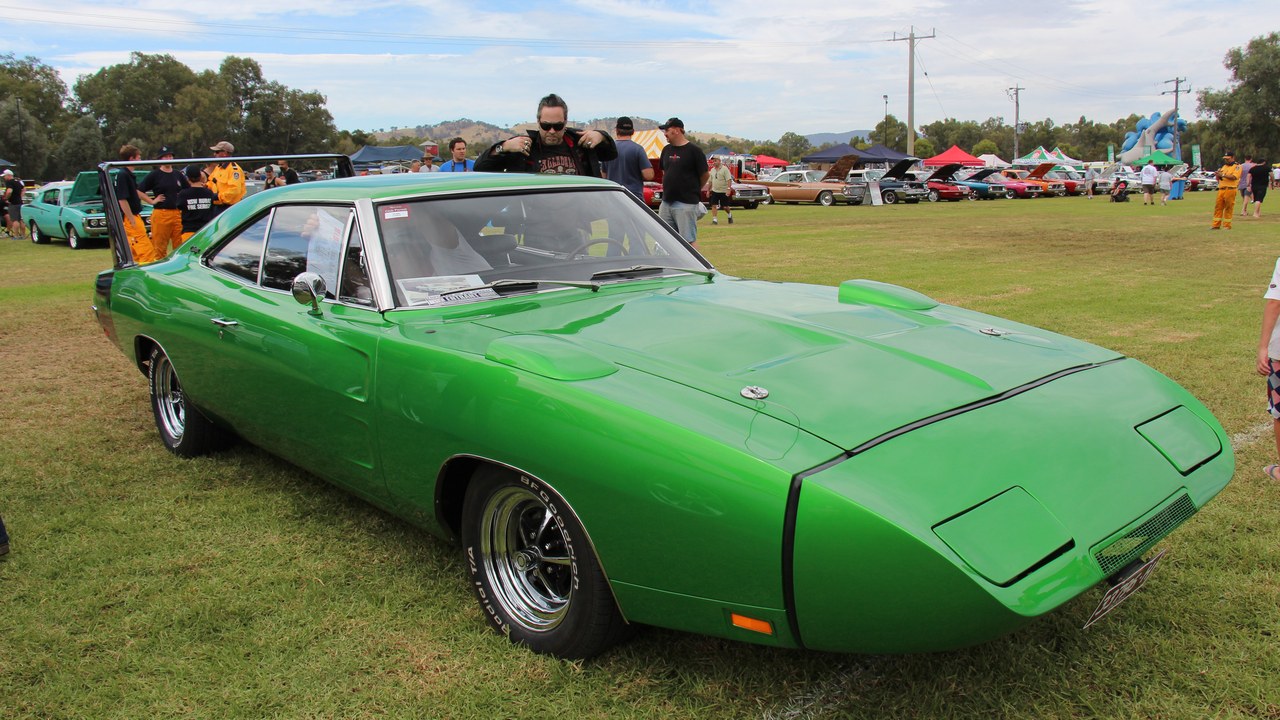
Only 500 examples of the winged 1969 Charger Daytona were produced, according to a Stellantis media fact sheet. Its wing stood 58 inches tall, an unmistakable shape engineered for racing rather than the showroom.
The aero gamble paid off on track, where the Daytona won 45 of the next 59 races. That record turned a limited-run special into a legend, and the tiny production number only adds to its pull. Few Dodges embody the brand’s racing ambition as clearly as this one.
5. Dodge Challenger SRT Hellcat: Muscle Car Math
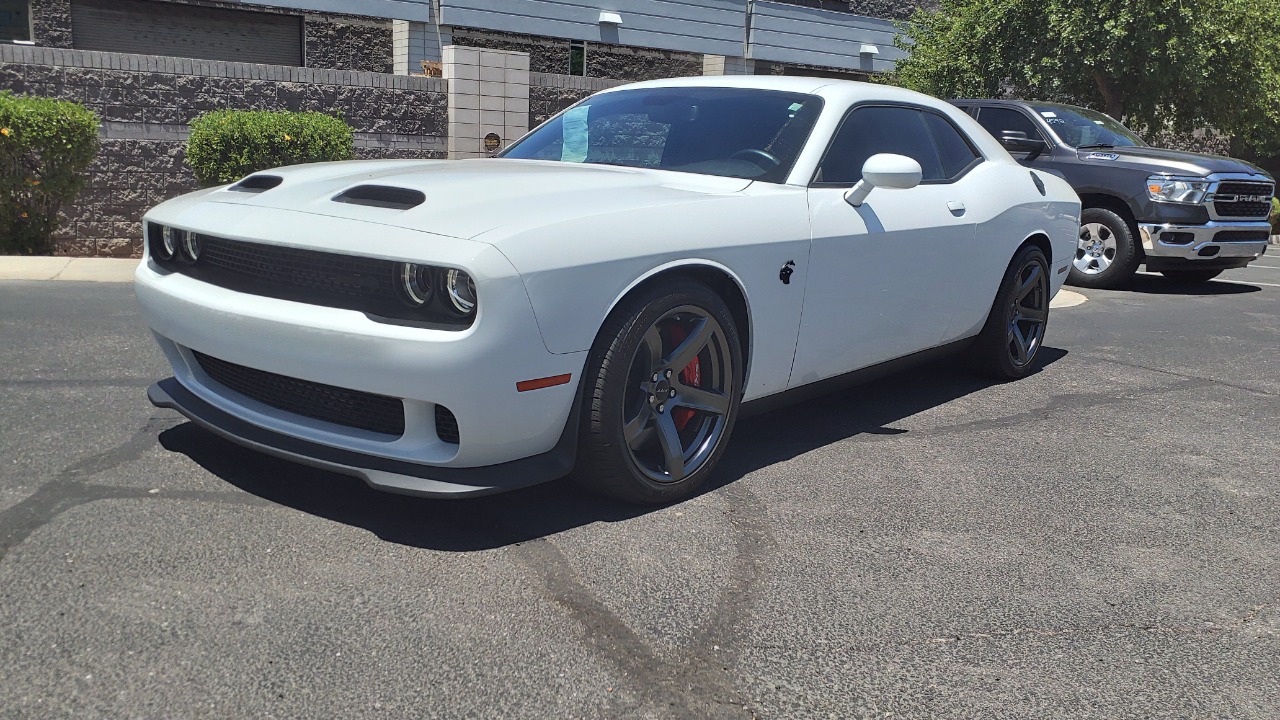
The 2015 Challenger SRT Hellcat made 707 hp and 650 lb-ft of torque, figures detailed in a Stellantis media release. Dodge billed it as the most powerful muscle car ever, a claim built on those numbers.
Output at that level reset expectations for what a factory coupe could deliver, and it put the Challenger at the center of the horsepower race. The Hellcat name has since become shorthand for the brand’s performance push, carried well beyond the car that introduced it.
6. Dodge Viper: V-10 Statement
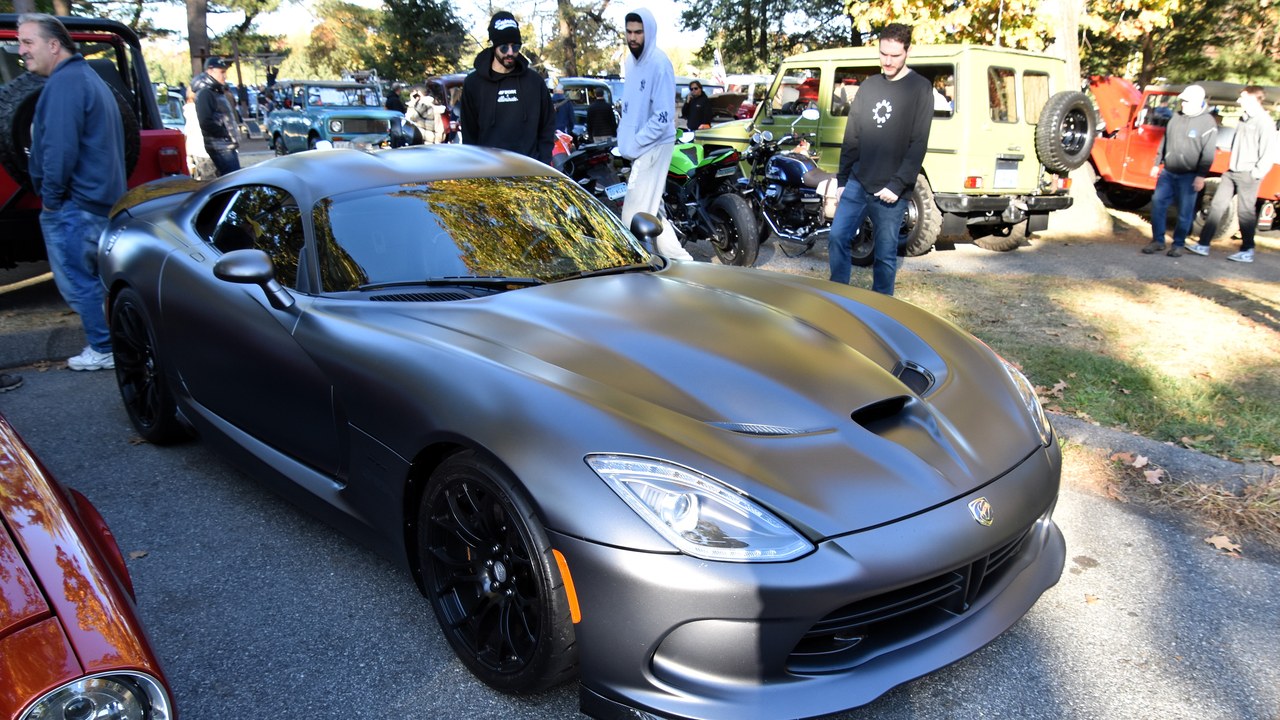
The Viper launched in 1992 with an 8.0-liter V-10 making 400 hp. By the end of its run, the 8.4-liter V-10 in the final ACR delivered 645 hp, as a Stellantis media release records.
The jump from 400 to 645 hp shows how far the two-seater evolved over its life. The enormous V-10 remained the car’s defining feature throughout, and the ACR version stands as the most extreme expression of what the engineers set out to build in 1992.
7. Dodge Caravan: Minivan Day One
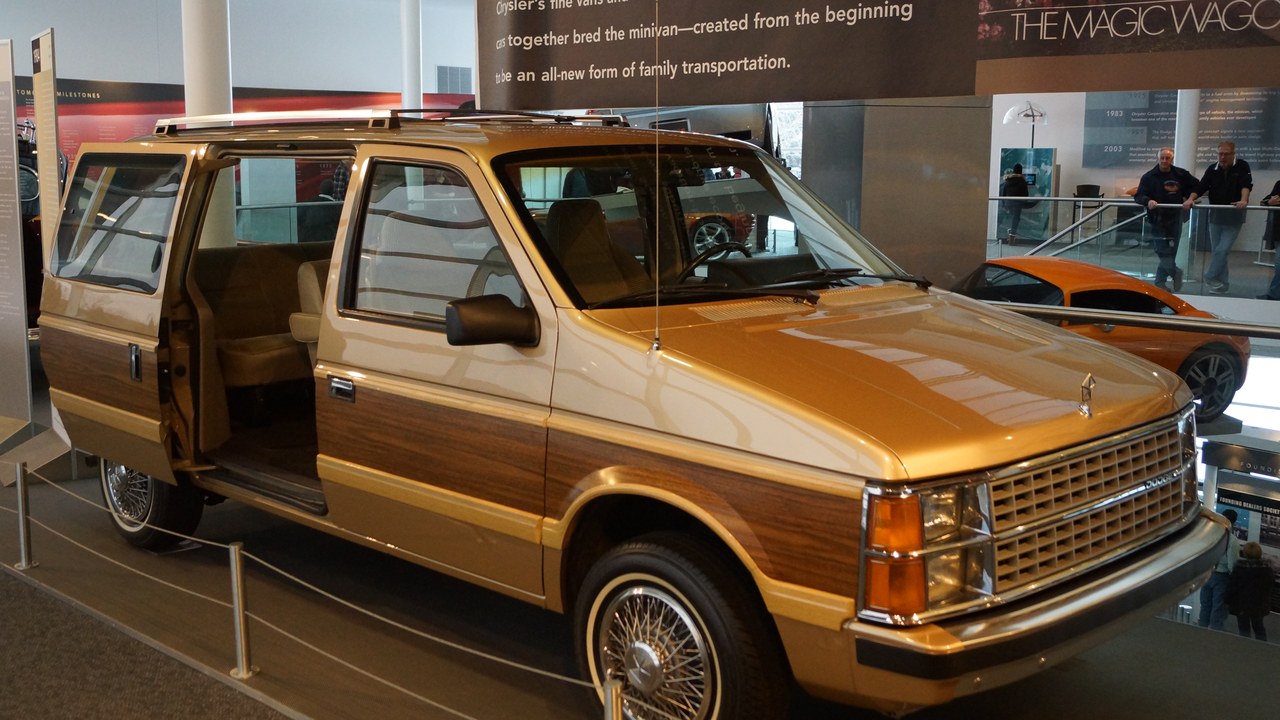
The first Caravan came off the line on November 2, 1983, at Windsor, launching the minivan for the brand. According to a Stellantis media release, 210,000 were sold in the first year, a remarkable total for an entirely new kind of vehicle.
A debut that strong showed families were ready for the format, and the Caravan became a template that rivals chased for decades. Its early sales success makes it one of the most consequential vehicles Dodge ever put on the road.
8. Dodge Ram (1994): Big-Rig Reinvention
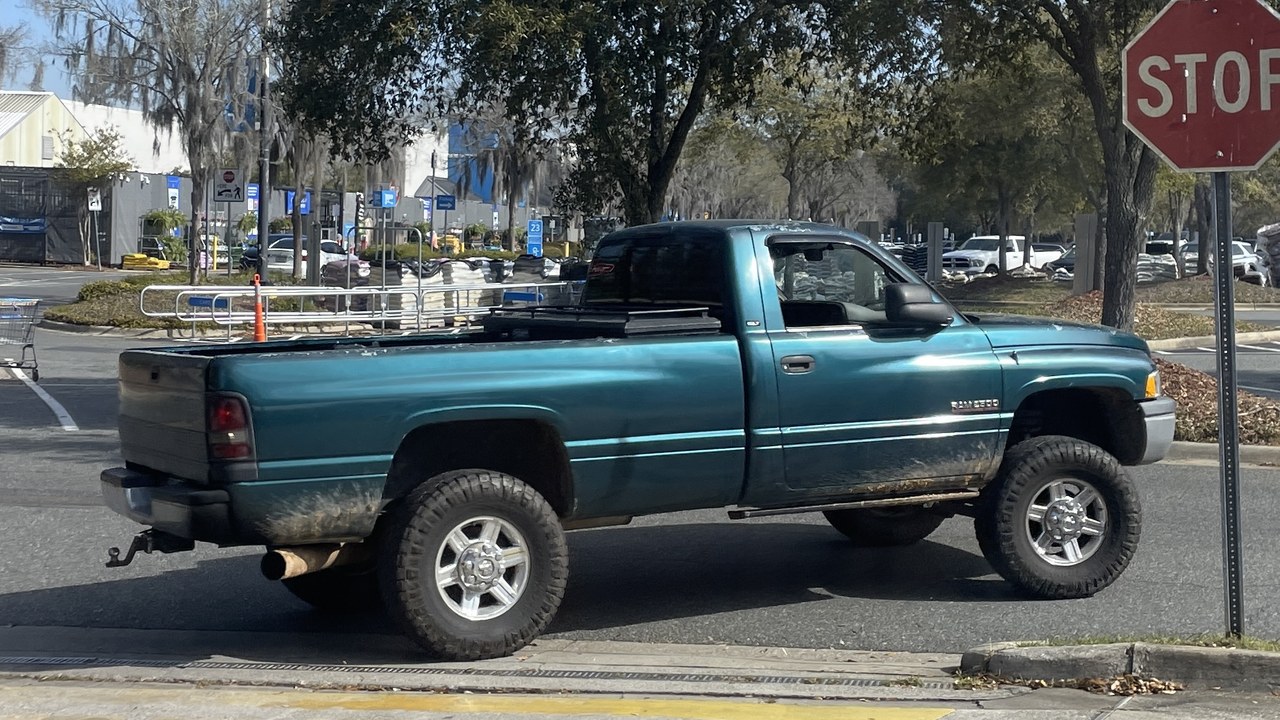
Dodge’s big-rig restyle of the Ram transformed its truck business in 1994. Sales rose from 95,542 units in 1993 to 232,092 in 1994, according to Wikipedia’s Dodge history, more than doubling in a single year.
The redesign also earned Motor Trend Truck of the Year honors, giving the new look an authoritative endorsement. It marked a turning point for Dodge’s pickups, and the leap in volume shows how much a bold design can change a model’s fortunes.
9. Dodge Omni: A Shared Car of the Year
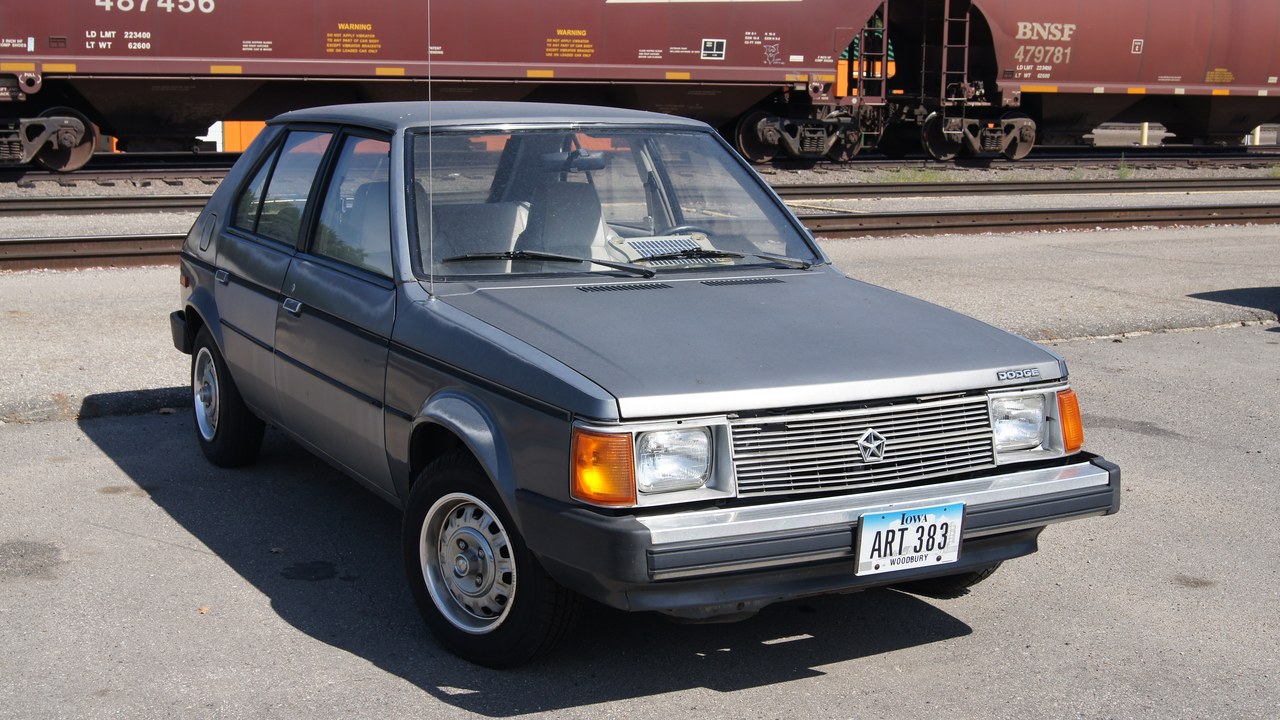
The Omni arrived in 1978 as a subcompact that shared honors with its twin, the Plymouth Horizon. Together the pair were named Motor Trend’s Car of the Year, as a Stellantis media release notes.
The award gave the small car instant credibility and showed that Dodge could compete in the economy segment. Sharing the title with a Plymouth sibling also underlined how closely the two brands worked at the time, with one design serving both showrooms.
10. Dodge Neon: The Small-Car Reset
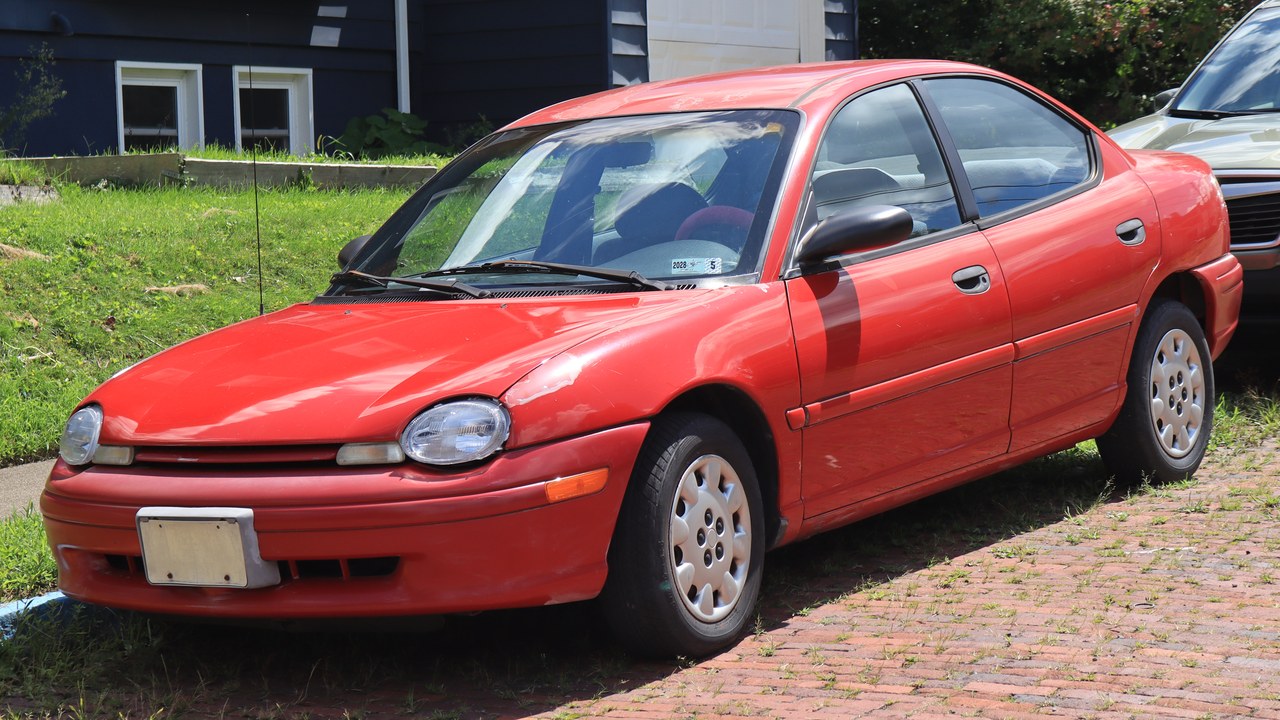
The Neon was introduced in 1995 with a 2.0-liter engine rated at 132 hp, according to a Stellantis media timeline. It gave Dodge a fresh entry in the compact class.
A healthy output for its size set the Neon apart from many economy rivals of the period. That punchy starting point helped build a sporty image for the nameplate, and it explains why the Neon remains a memorable small car in the brand’s history.
11. Dodge Durango: Mid-Size SUV Debut
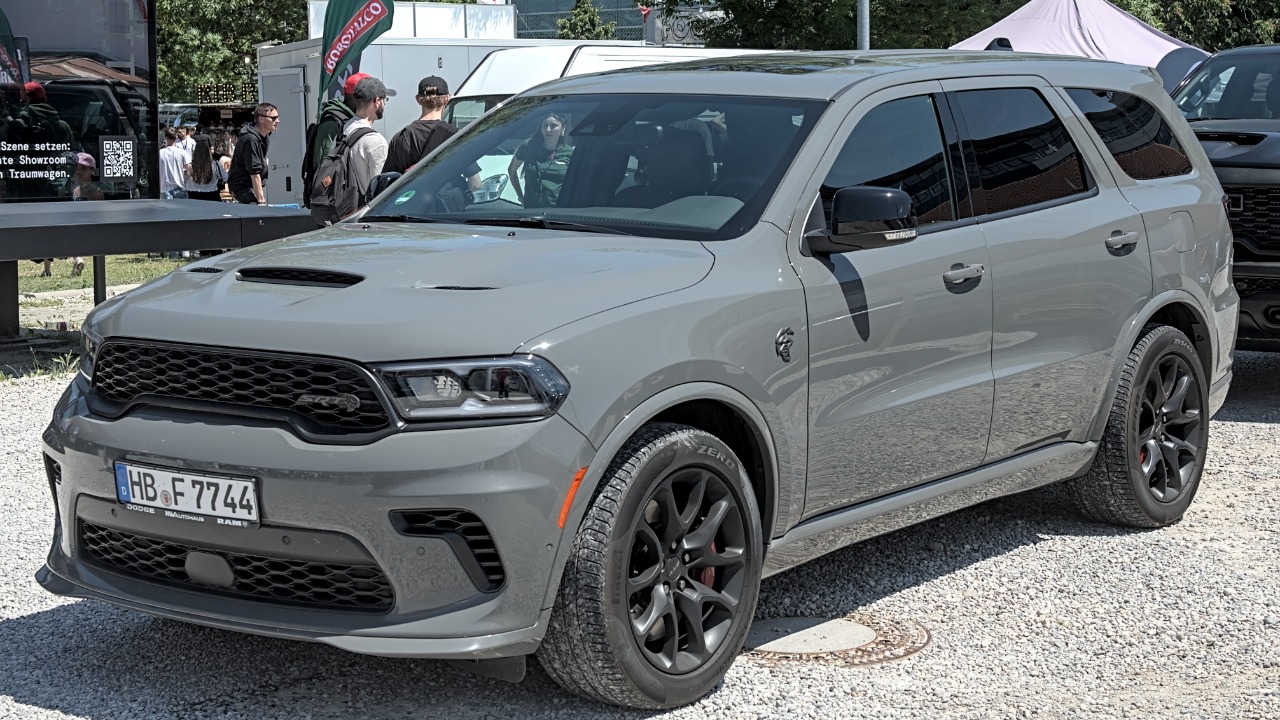
The Durango was introduced for the 1998 model year as a mid-size SUV, as Wikipedia’s Dodge history explains. It was rated to tow up to 7,500 pounds, a figure that mattered to buyers who needed more than a family hauler.
That capability made it a practical alternative to heavier rivals and gave Dodge a foothold in a booming segment. The nameplate has remained a pillar of the lineup ever since, which speaks to how well the original concept was judged.
12. Dodge Dakota: A V8 in a Mid-Size Pickup
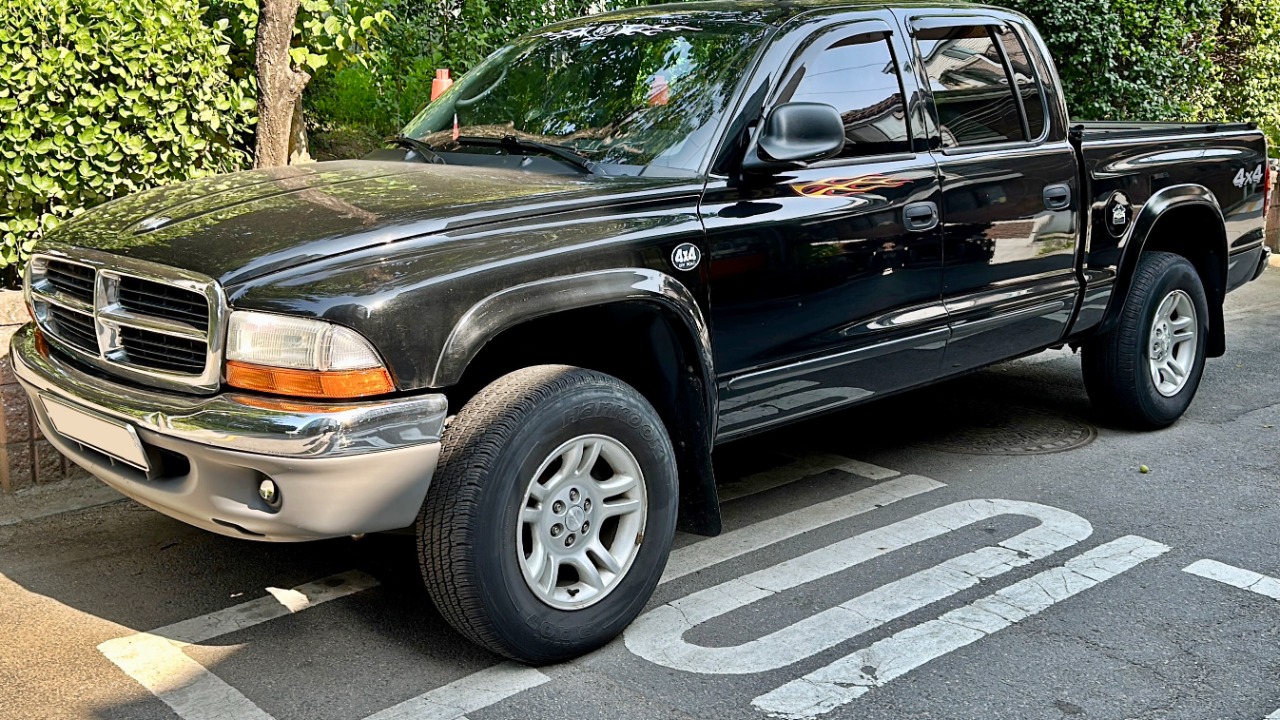
The Dakota’s 1997 redesign added a class-exclusive V8 option for a mid-sized pickup, Wikipedia’s Dodge history reports. No other truck in the segment offered the same engine choice at the time.
That edge gave buyers who wanted power without a full-size footprint a reason to choose Dodge. It is a typical example of the brand’s engine-first thinking, and it helped the Dakota stand out in a crowded class. Pairing a V8 with a smaller truck was the selling point.
Save more, waste less: Subscribe to The Cool Down →
We may earn a commission if you sign up.
More from Morning Overview
- NOAA now gives this winter a 75% chance of the strongest El Nino since 1950
- Doctors warn a silent liver disease now affects one in three American adults
- The FBI told the rest of ShinyHunters to surrender after a 24-year-old was arrested
- Two passengers died at an Ohio toll plaza, and the NTSB now wants the cash lanes shut
