
Chevrolet has built the Camaro in six generations since the 1967 model year, and its history is full of limited-run specials and horsepower milestones. Racing homologation cars, aluminum-block monsters and a supercharged halo model all appear along the way. Here are twelve Camaros that tell the story, from the 602 Z/28s of 1967 to a 650-horsepower ZL1.
AI, explained every day: The Deep View is the go-to daily newsletter for 600,000+ founders, knowledge workers and professionals who want to stay up to date with artificial intelligence.
We may earn a commission if you sign up.
1. 1967 Camaro (first generation): Pace Car Debut
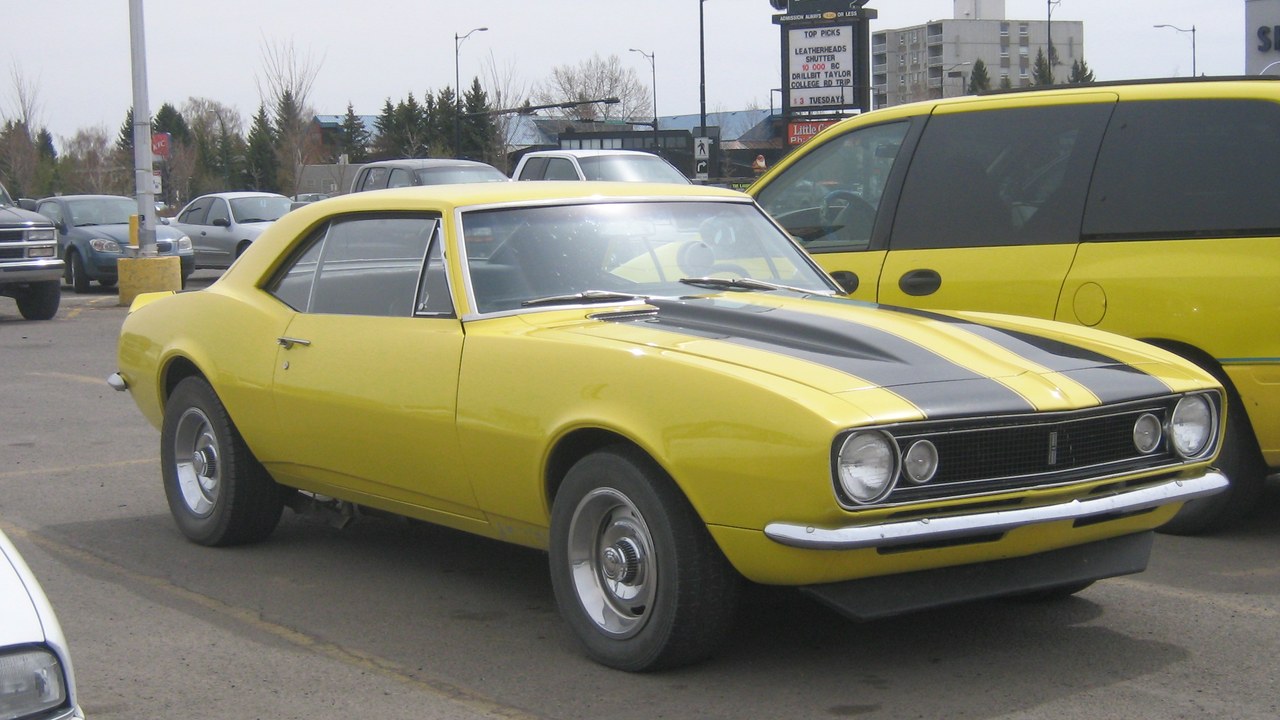
Production of the first Camaro began on Sept. 29, 1966, and a 1967 RS/SS 396 convertible went on to pace the Indianapolis 500, as covered in the first-generation Camaro history. Chevrolet built 100 replicas of that pace car.
The pace-car moment tied the new pony car to racing from its first model year. It also set a pattern of limited special editions that would recur across the following decades. Collectors and racing fans still associate the car with that Indianapolis appearance, and the replica run shows how much Chevrolet leaned on the moment.
2. 1967 Camaro Z/28: Trans-Am Homologation Special
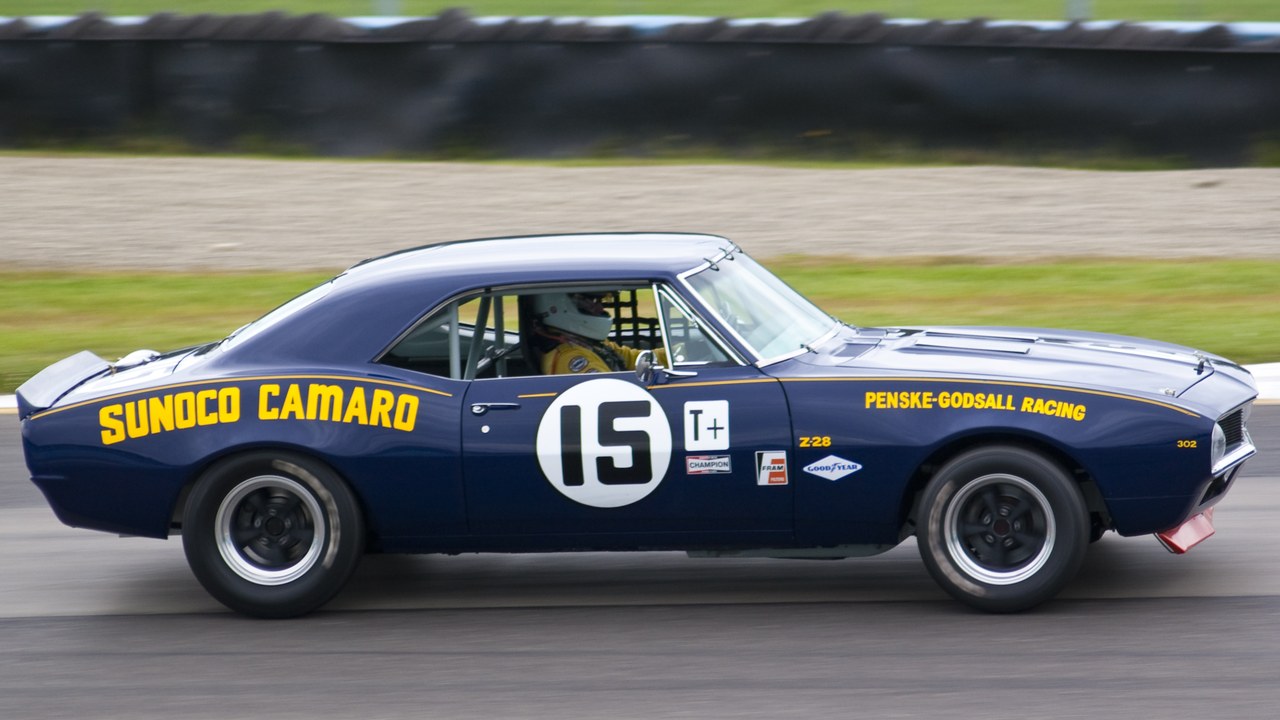
The Z/28 was a homologation special for Trans-Am racing, built around a 290-hp 302-cubic-inch V-8, according to a Motor Authority Camaro ranking. Only 602 were built for the 1967 model year.
That tiny run is the number in this gallery’s headline. It shows how a race-driven package, produced in token quantities, became one of the most sought-after Camaros ever. Racing needs shaped its design, and a run that small guaranteed rarity from the start, which is why the car now carries so much weight among enthusiasts.
3. 1969 Camaro ZL-1: Aluminum Monster
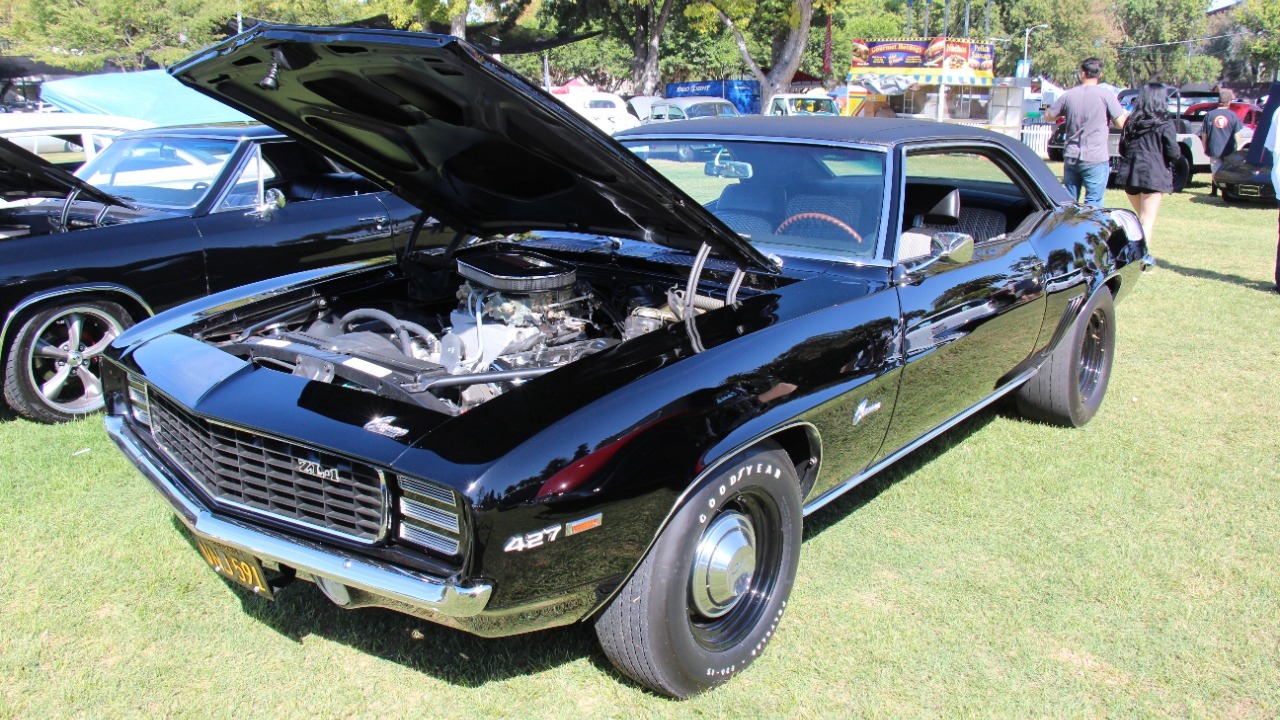
The 1969 ZL-1 carried an aluminum-block 427 rated at 430 hp, though its real output was likely over 500, per the Motor Authority list. Only 69 of these monstrously powerful Camaros were built.
The conservative rating and the minuscule production make the ZL-1 a legend among collectors. It stands as the wildest factory Camaro of the first generation. Those figures explain why this single model year is treated as a high-water mark for factory muscle, and why the true output was never in doubt among those who drove it.
4. 1970 1/2 Camaro (second generation): Midyear Fastback
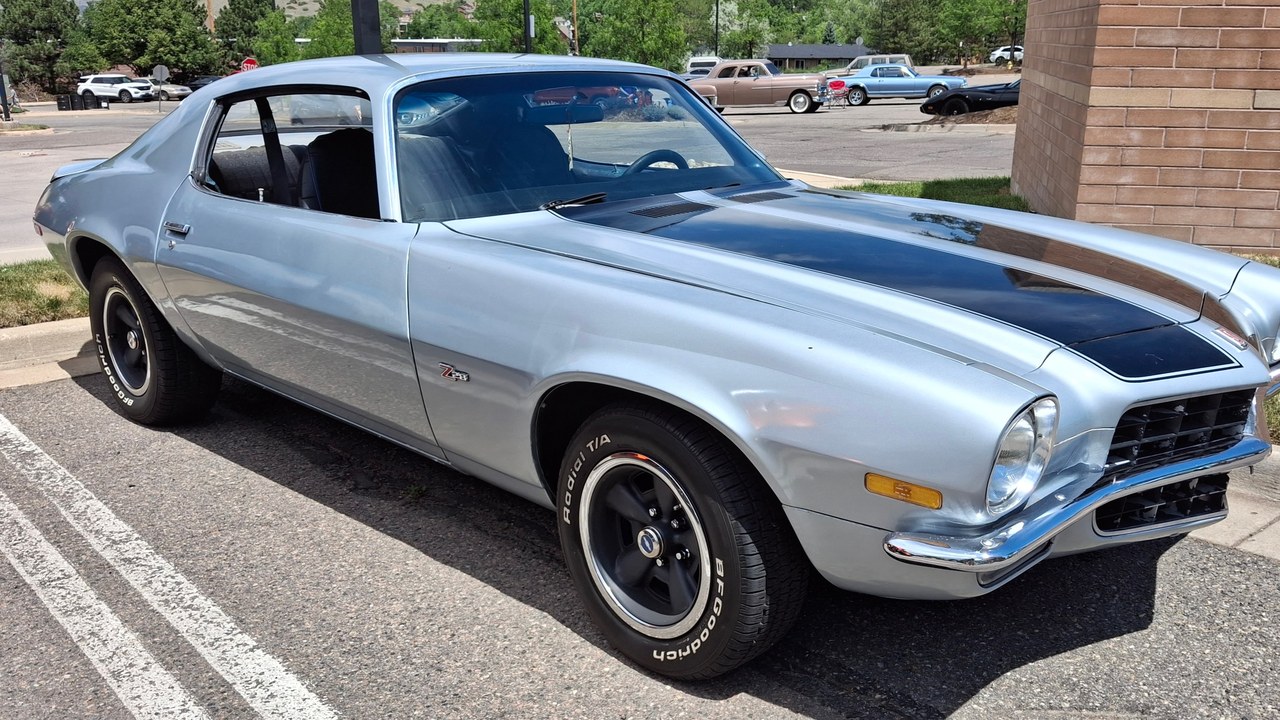
The second-generation Camaro arrived midway through the 1970 model year as a fastback, and the Z28 borrowed the Corvette’s solid-lifter LT-1 350, as Hagerty generations overview explains. The design then ran long enough to set the model’s sales record.
That record came in 1979, when 282,571 Camaros found buyers. No later year has topped it, which makes the second generation the commercial high point of the nameplate. The combination of a new body, a racing-bred small-block and long production made this the Camaro’s most successful stretch.
5. 1982 Camaro (third generation): Downsized Reboot
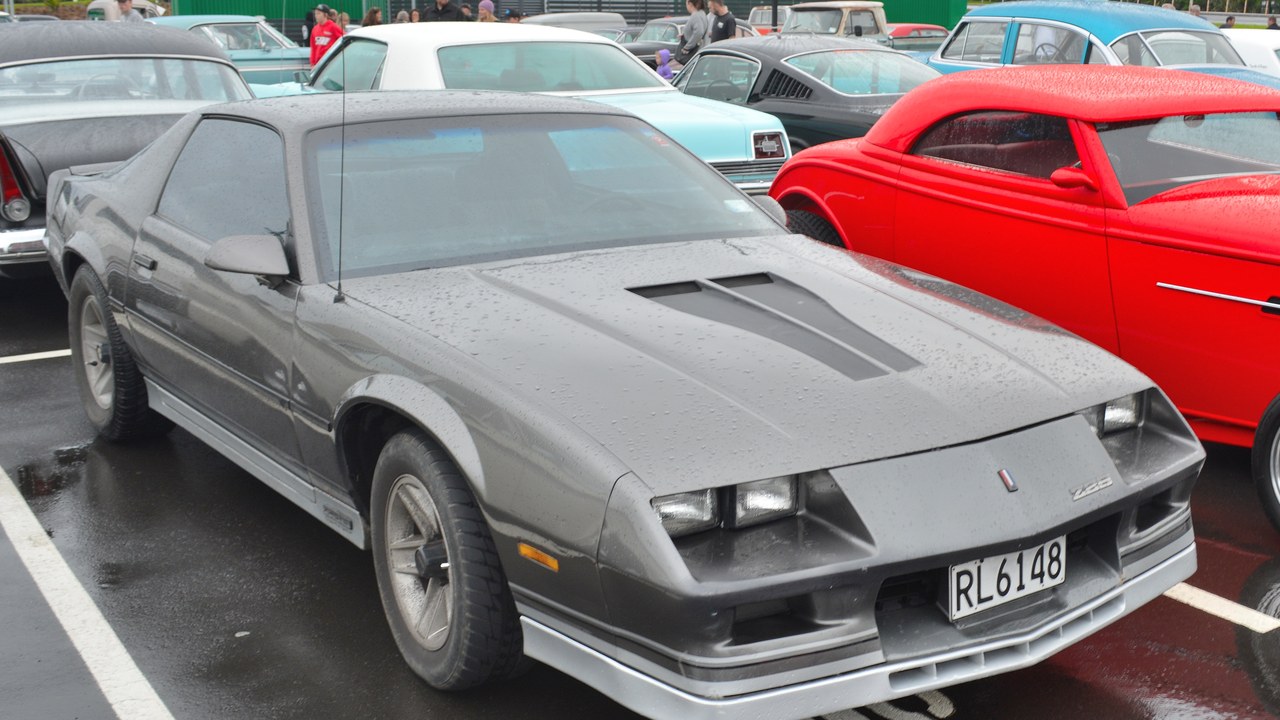
For 1982 the Camaro was downsized and moved to a coil-spring rear suspension, according to the Hagerty-sourced generation guide. The base engine was a 90-hp Iron Duke four-cylinder.
That four-cylinder was widely disliked, and it undercut the car’s performance image at the start of the third generation. Stronger V-8 versions later gave the generation a more muscular reputation. Even so, the redesign gave the Camaro a lighter, more modern footing that carried it through the decade.
6. 1987 Camaro IROC-Z: Option-Sheet Muscle
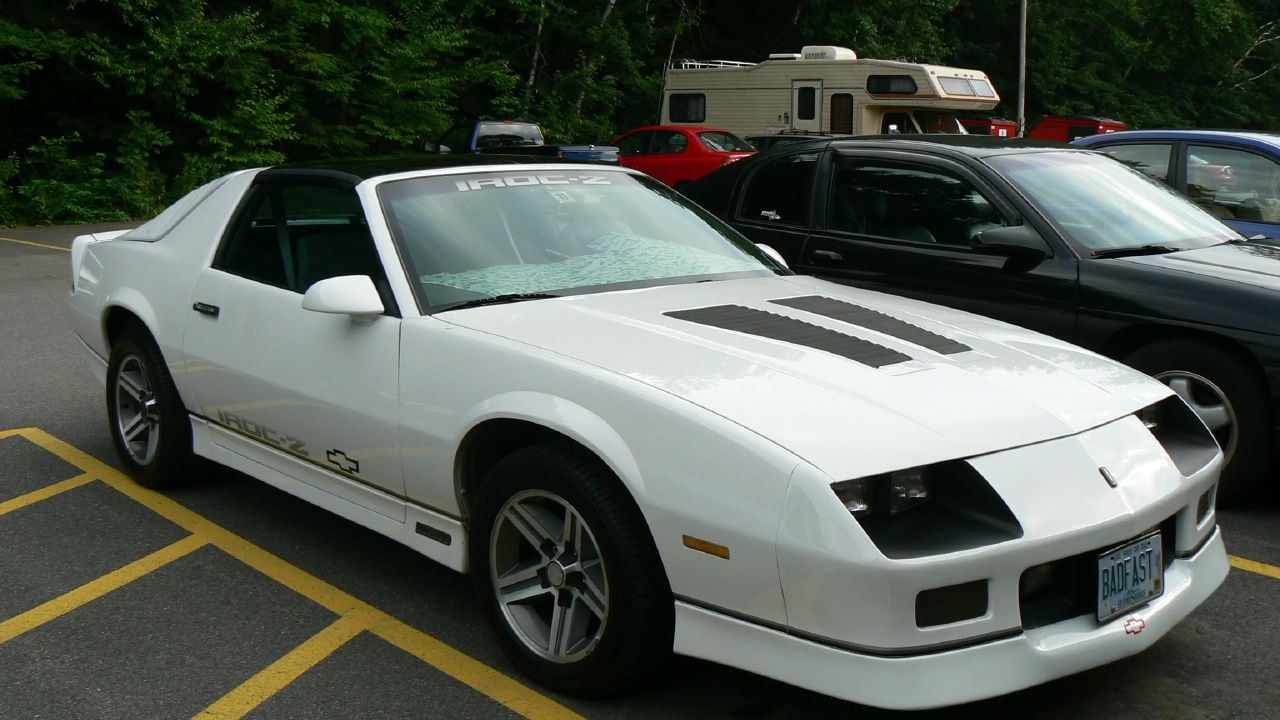
The IROC-Z could be ordered with a 5.7-liter V-8 that added 225 hp, a $1,045 option noted in the Motor Authority rundown. Testers clocked 6.3 seconds to 60 mph with it.
Those numbers were quick for the late 1980s, and the pricing shows how a single box on the order form defined the car’s character. The IROC-Z became the signature third-generation performance model. For buyers weighing a base engine against the V-8, the price gap was modest next to the jump in performance.
7. 1993 Camaro Z28 (fourth generation): Six-Speed Z28
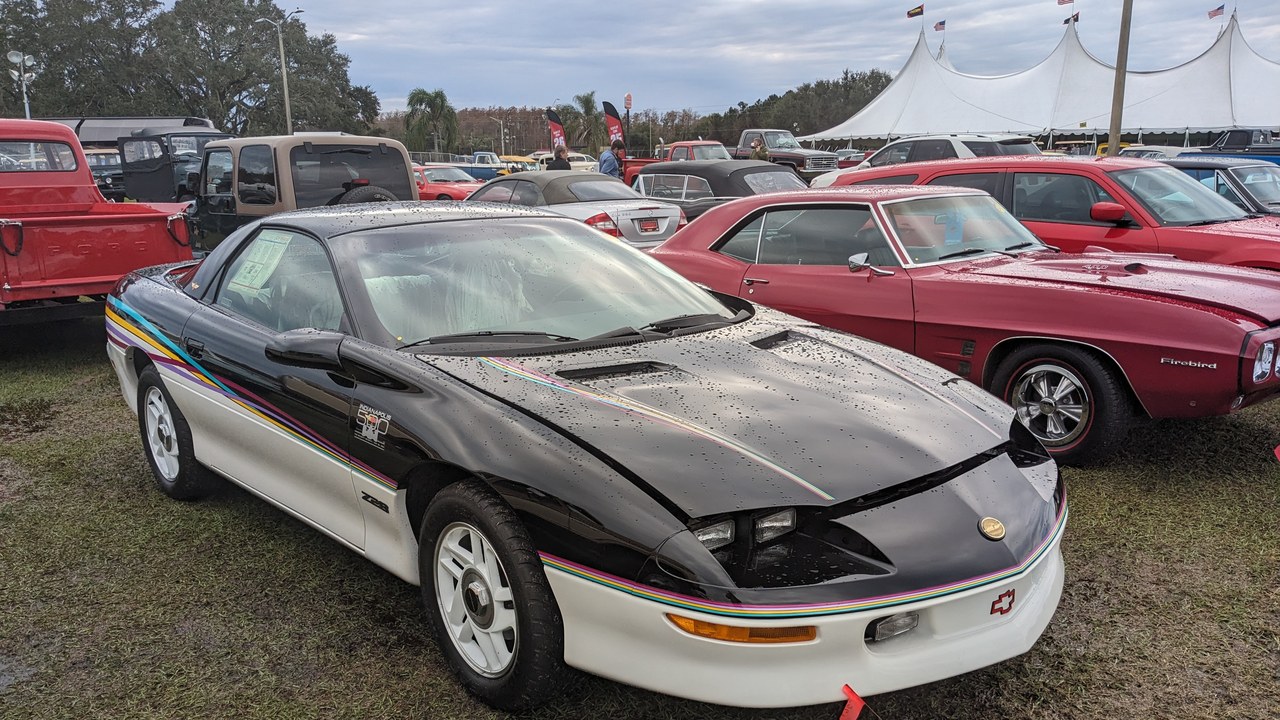
Redesigned for 1993, the Z28 packed a 275-horsepower 5.7-liter V-8 and a six-speed stick, as Hagerty Camaro retrospective recounts. It opened the fourth generation with a clear performance message.
The combination of a big V-8 and a modern manual gearbox gave the new body style a strong start. The rest of the generation would struggle more with sales than with speed. A roughly 275-horsepower output, paired with a gearbox enthusiasts preferred, gave the new car a credible claim to the muscle-car mantle.
8. 2002 Camaro 35th Anniversary (end of fourth generation): The Send-Off
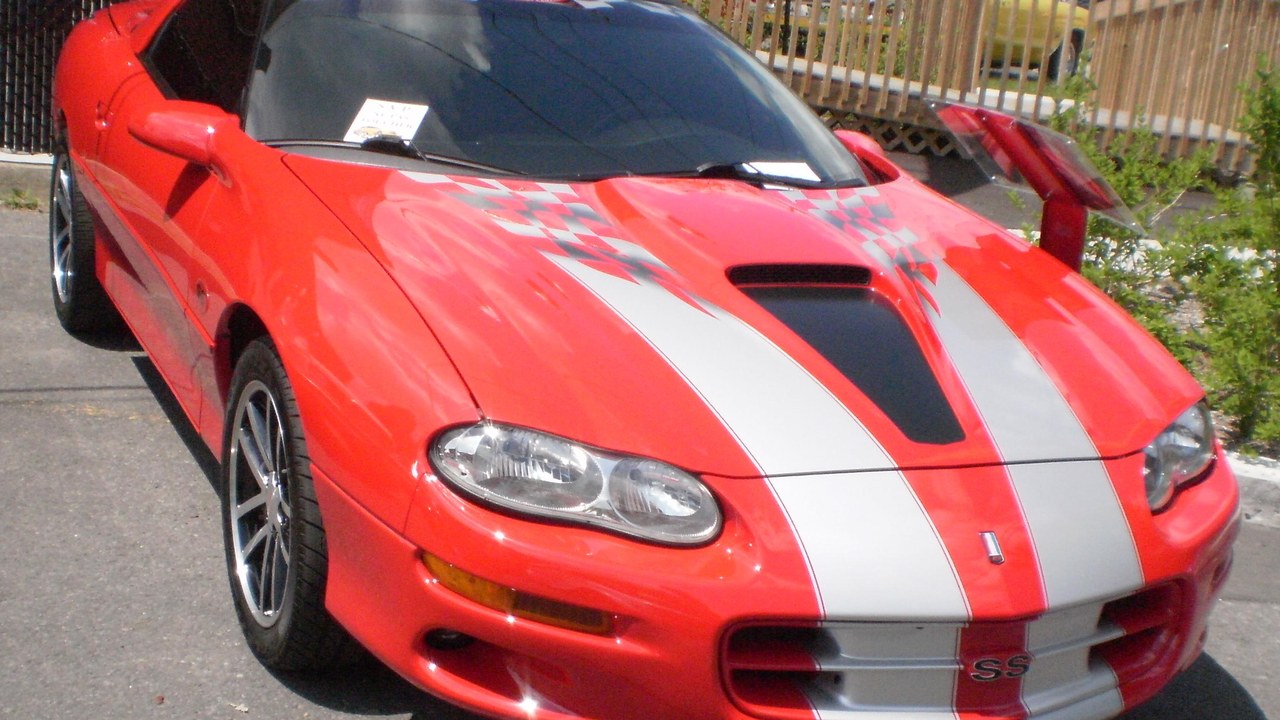
Sinking sales spurred Chevrolet to cancel the Camaro after 2002, according to the Hagerty-sourced history. The 35th Anniversary SS send-off carried a 325-hp LS1 V-8.
The special edition marked the end of the fourth generation and, at the time, of the whole nameplate. A long hiatus followed before the Camaro returned for the 2010 model year. Buyers who wanted the final fourth-generation Camaro could therefore choose a car with a clear collectible story.
9. 2010 Camaro (fifth generation): Back From Hiatus
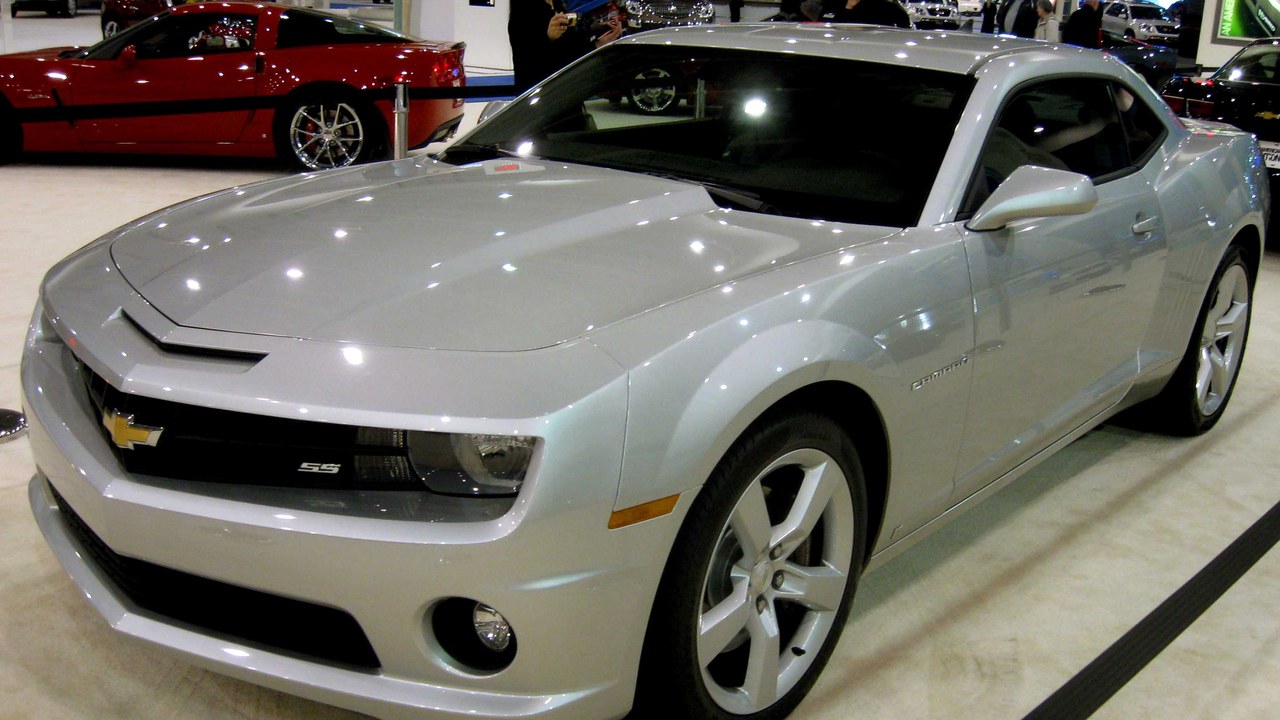
Production of the revived Camaro restarted on March 16, 2009, at Oshawa, Ontario, on a Holden-derived platform, as the fifth-generation Camaro entry records. Chevrolet sold 61,648 Camaros in 2009.
The car reached showrooms as a 2010 model after the post-2002 gap. Its Australian-developed architecture marked a departure from the rear-drive designs of earlier generations. The numbers show a strong comeback year for a nameplate that had been absent from showrooms for several model years.
10. 2012 Camaro ZL1: Supercharged Halo
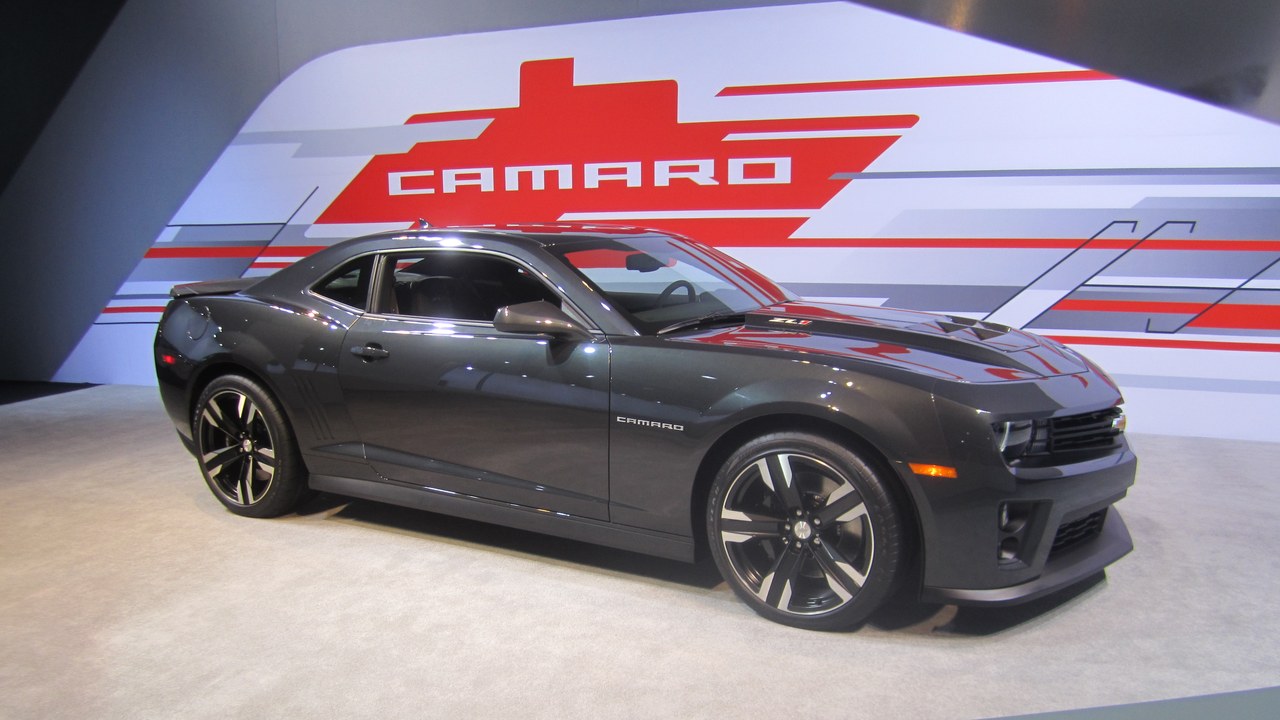
The 2012 ZL1 used a supercharged 6.2-liter V-8 rated at 580 hp and lapped the Nurburgring in 7:41.27, per the Camaro fifth-generation article. Only 1,971 were built for the 2012 model year.
Its limited production and track credentials revived the ZL1 badge from 1969. It also set the performance bar that later versions would raise further. Few Camaros of any era pair that much supercharged power with a documented lap time from one of racing’s best-known circuits.
11. 2014 Camaro Z/28: Driver’s Car Winner
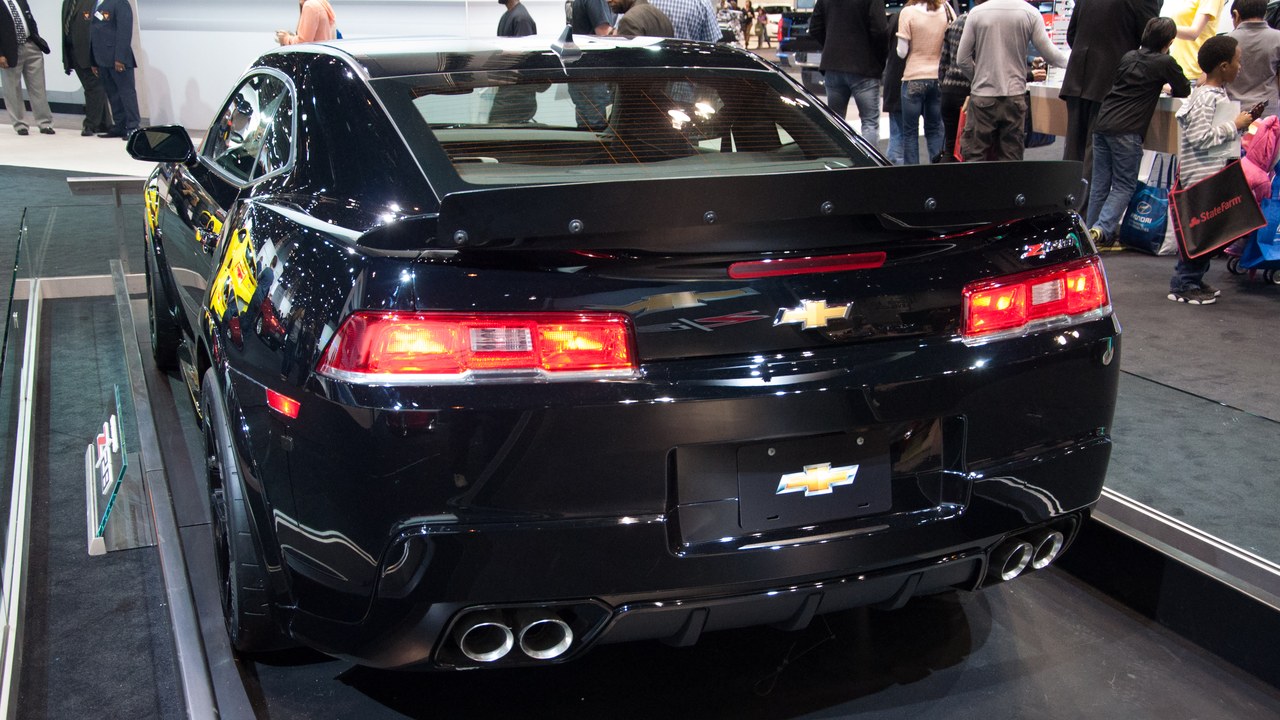
The 2014 Z/28 reached 60 mph in 3.95 seconds and had a 188 mph top speed, according to the fifth-generation Camaro summary. Motor Trend named it its 2014 Best Driver’s Car.
The award for a track-focused Camaro, rather than a straight-line muscle car, showed how far the model’s handling had come. It capped the fifth generation with its most focused variant. Few muscle cars of any era earn a driver-focused award, which gives this Z/28 a special place in the lineup.
12. 2016-2024 Camaro (sixth generation) and ZL1: 650 Horsepower Finale
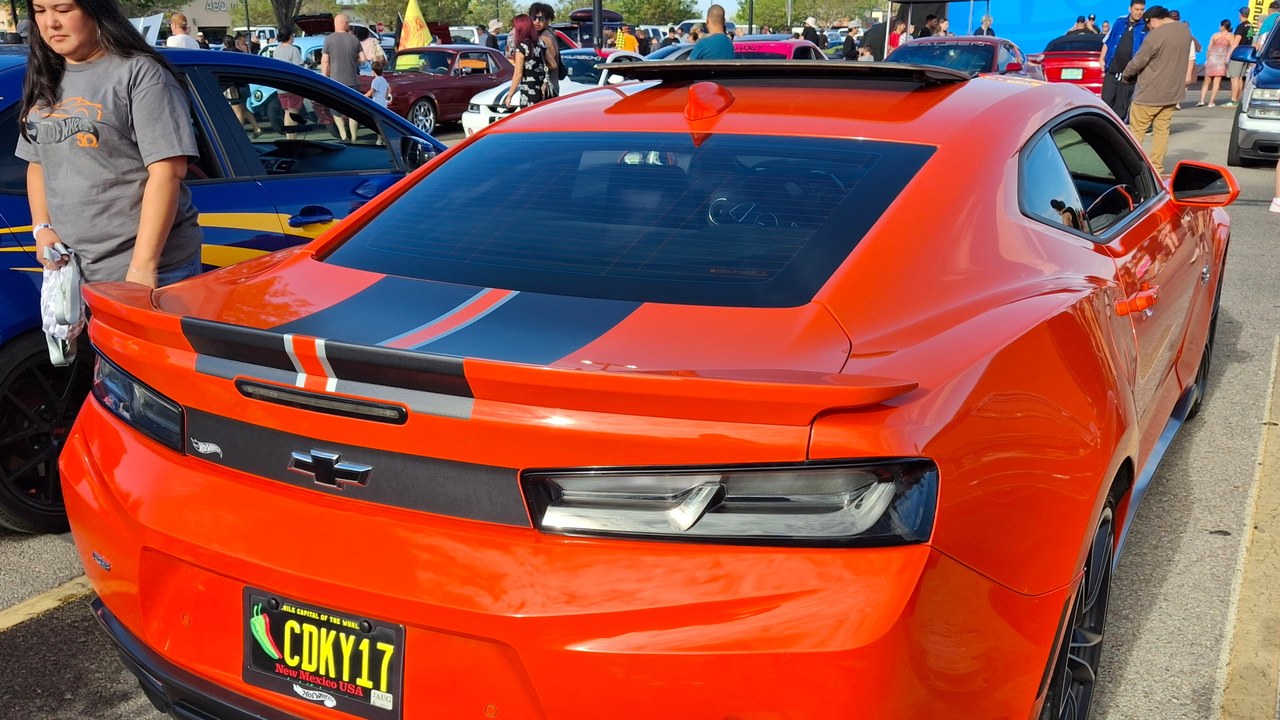
The ZL1 1LE is rated at 650 horsepower, as the Chevrolet newsroom announcement states, and the 2017 ZL1 claimed 198 mph. The sixth generation retired after model year 2024, with the final units built in Lansing in January 2024.
That output is the top figure in this gallery’s headline. It closed the Camaro’s run with its most powerful production variants. The generation that began in 2016 thus ended with the horsepower figure that anchors the headline.
AI, explained every day: Get The Deep View →
We may earn a commission if you sign up.
More from Morning Overview
- Lake Powell sank to a record 3,517 feet, nearing the level that stops Glen Canyon Dam’s turbines
- Seven of Earth’s nine planetary boundaries are breached, and all seven are worsening
- The NSA says three phone features should be off whenever you aren’t using them
- Hurricane Hunter radar shows four warning signs that a tropical cyclone is about to strengthen, a University of Miami study found
