
The Chevrolet Suburban holds the title of longest-running nameplate in the automotive industry, and its story spans from a small six-cylinder wagon to a modern V8 giant. Each generation brought its own first, from automatic transmissions and extra doors to diesel power and driver aids. Here are eleven Suburbans that chart the journey from 60 hp to 420 hp.
Tech news in one quick read: Get the most interesting stories in startups, tech and programming, each with a short TLDR, in one daily email from TLDR.
We may earn a commission if you sign up.
1. 1935 Chevrolet Suburban (first generation): Where the Nameplate Began
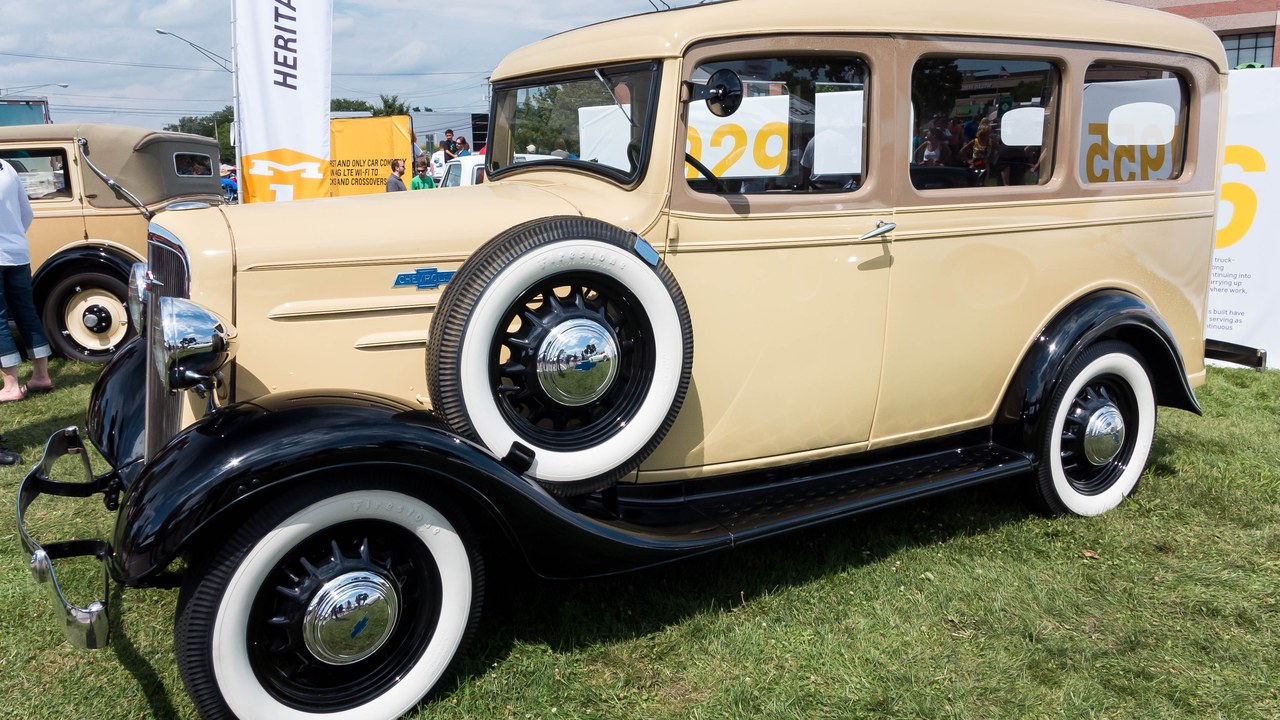
Chevrolet describes the Suburban as the longest-running nameplate in the automotive industry, and this first generation set the pattern. A straight-six making 60 hp powered an all-steel wagon body that seated eight, as laid out in the Carscoops anniversary feature.
That modest output is the baseline for everything that follows in the lineup. Measured against it, later power figures show how far the truck-based wagon travelled from its starting point, while the eight-passenger, all-steel layout stayed recognizable for generations.
2. 1941 Chevrolet Suburban (second generation): Wartime Workhorse
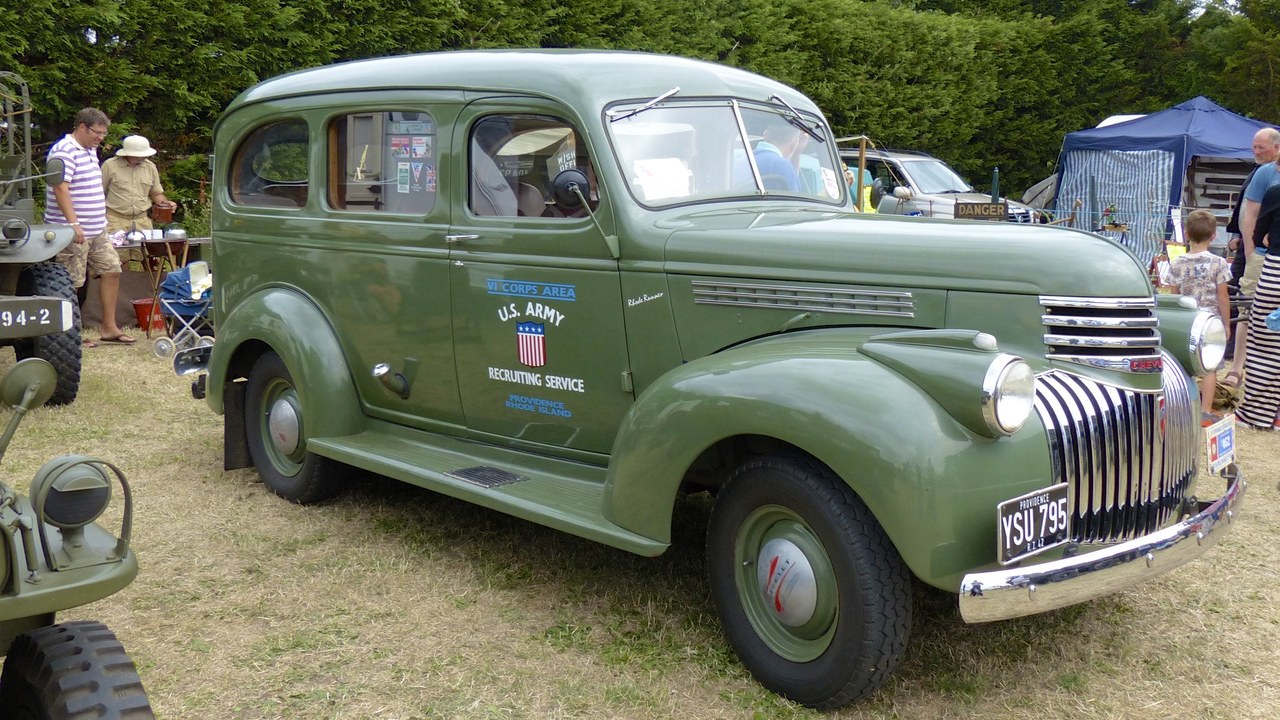
A more modern body arrived for the second generation, with room for up to eight people, according to the Motor1 generation rundown. Many of these trucks were pressed into service as military transports during World War II.
That military duty showed how well the body suited moving groups of people. The roomy cabin and sturdy construction that made it useful on base set up the civilian workhorse role that followed.
3. 1947 Chevrolet Suburban (third generation): The Civilian Debut
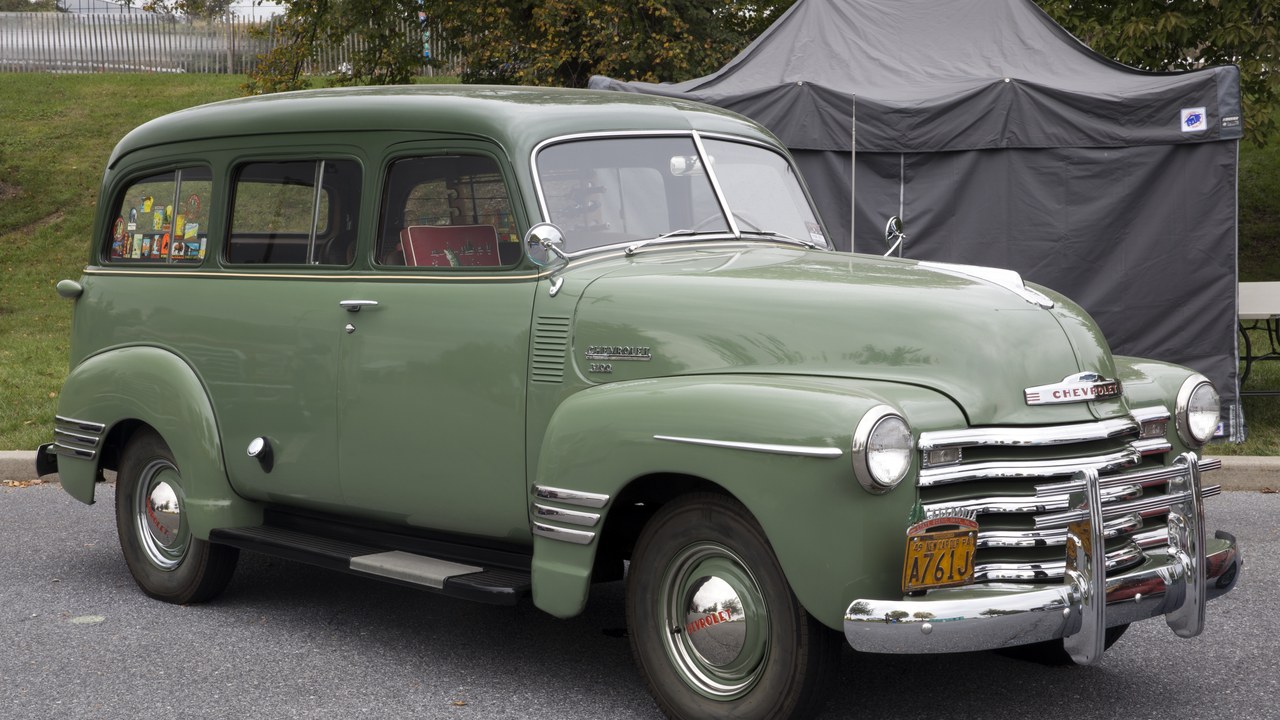
The third generation marked the Suburban’s civilian market debut as a workhorse, as the GM Authority generation guide describes it. Buyers looking for something easier to drive had to wait a few years, because the HydraMatic automatic only arrived in 1954.
Source accounts of when automatic transmissions first reached the Suburban differ, which makes the 1954 date one to treat with some care. Either way, the early postwar wagon was valued for utility first and convenience second.
4. 1960 Chevrolet Suburban (fifth generation): Enter the C/K Era
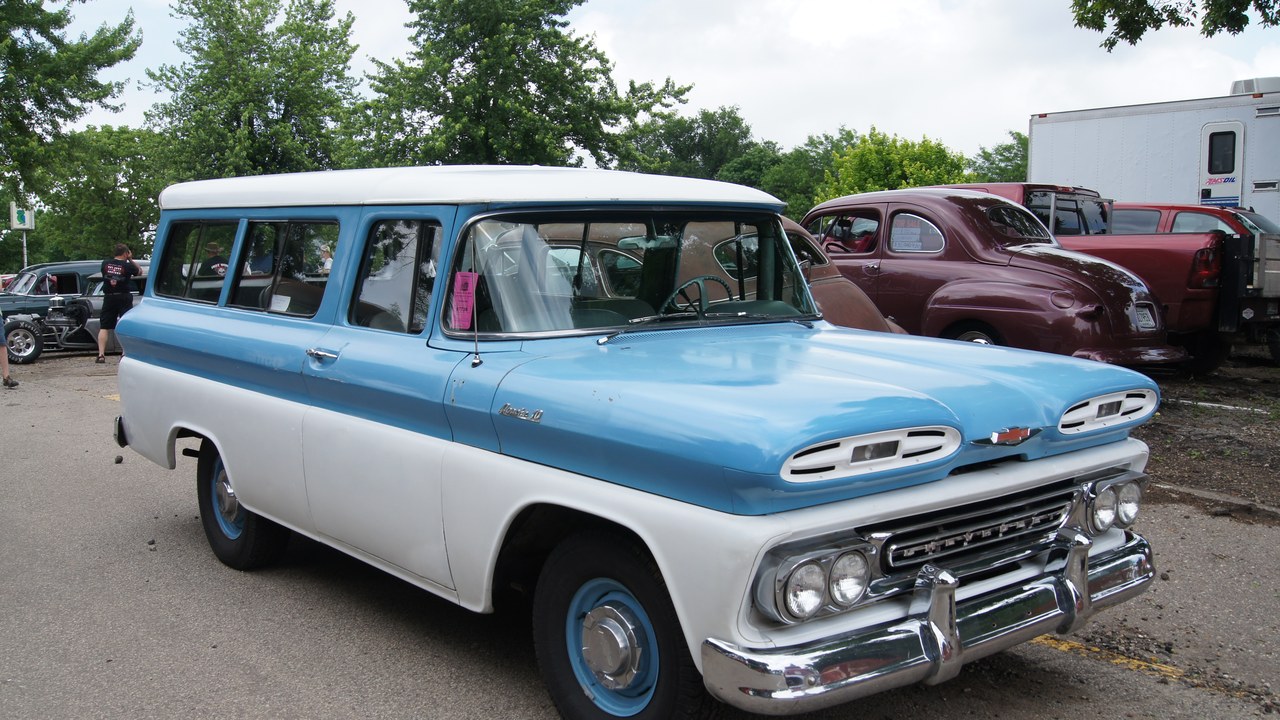
The fifth generation adopted the C/K designation, with C standing for two-wheel drive and K for four-wheel drive, per the GM Authority Suburban history. That simple lettering gave buyers a quick way to tell the drivetrains apart.
Comfort features began to appear in this period as well, and factory air conditioning arrived in 1965. For a vehicle built to carry a crowd over long distances, climate control was a notable step up from the earlier work-truck feel.
5. 1967 Chevrolet Suburban (sixth generation): Three Doors, One Big Change
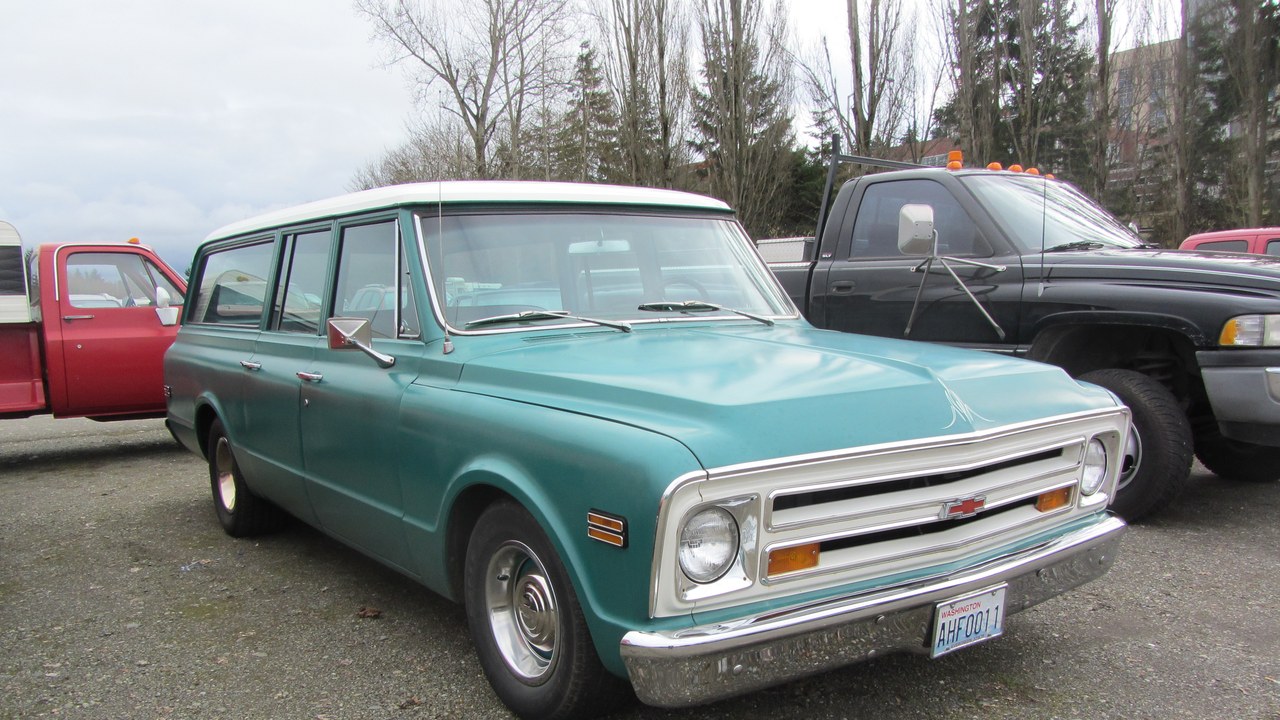
The sixth generation changed the body by adding a single rear door, bringing the total to three doors, according to the GM Authority generation list. That extra opening made it easier for passengers to reach the rear seats.
The roomy, practical layout also made the truck a popular ambulance base. Its blend of cargo space and an accessible interior suited work well beyond family hauling, which helps explain why this era is still remembered for its versatility.
6. 1973 Chevrolet Suburban (seventh generation): First With Four Doors
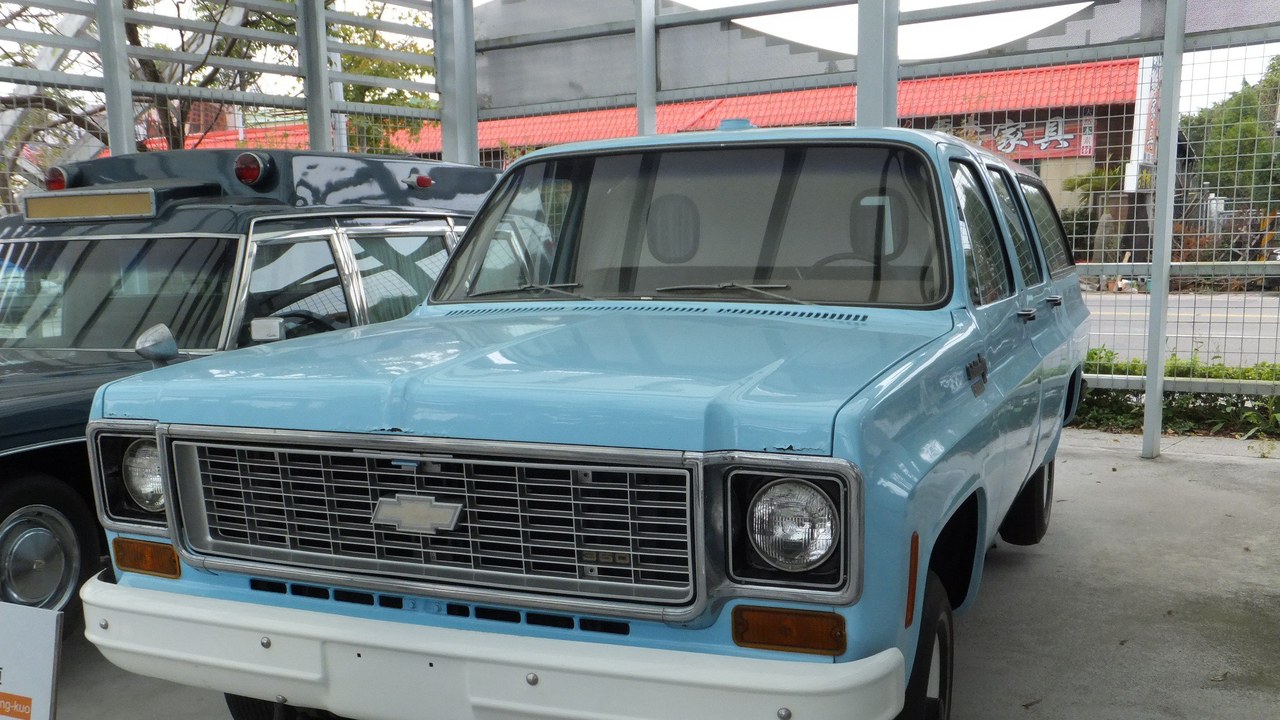
With the seventh generation came the first four-door Suburbans, paired with a four-speed automatic, as the Motor1 evolution story notes. The change made rear-seat access far simpler than on the earlier three-door layout.
The design proved durable. This look stayed in production for 18 years, running through 1991, which makes it one of the longest-lived styles in the nameplate’s history and a familiar sight for several decades on roads and job sites alike.
7. 1992 Chevrolet Suburban (eighth generation): Diesel Joins the Lineup
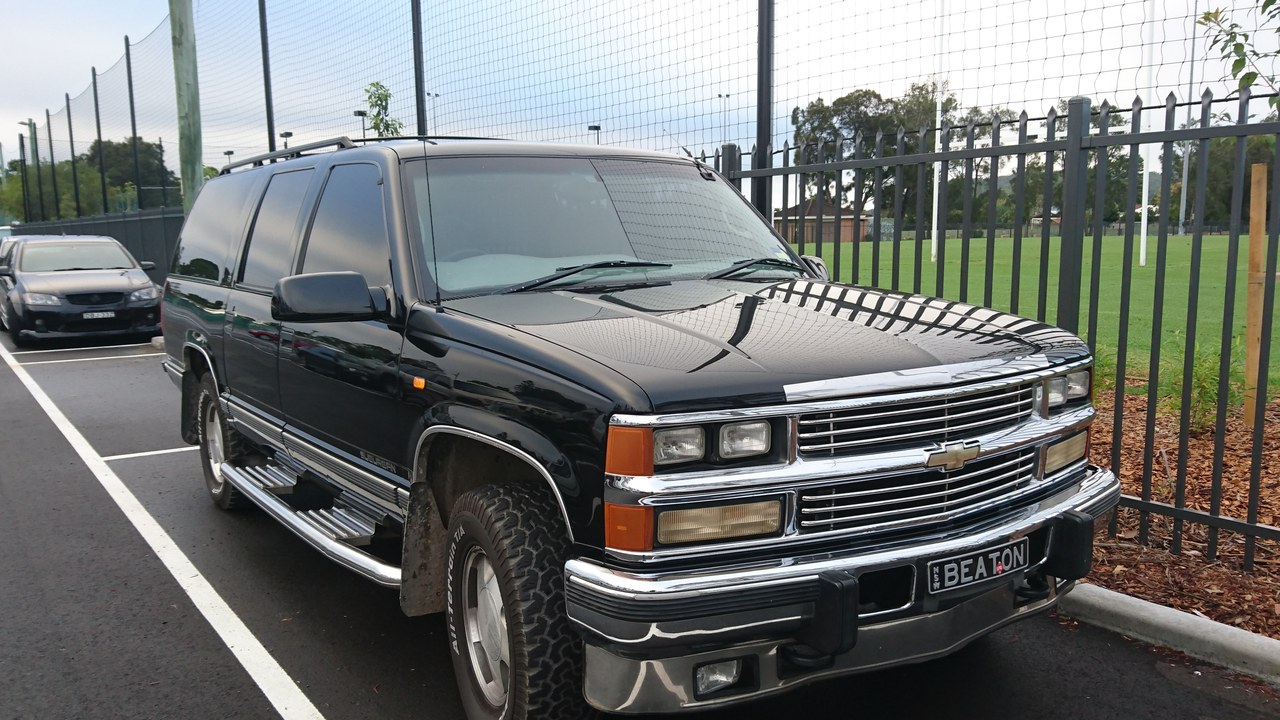
The eighth generation covers 1992 to 1999, and the Wikipedia Suburban article notes that a turbodiesel V8 joined the line in 1994. It gave buyers an alternative to gasoline power in the full-size wagon.
A diesel option reflected how the Suburban was used, often for towing and long-distance family travel. It also showed that the nameplate kept adding drivetrain choices while its basic formula of space and capability stayed the same.
8. 2000 Chevrolet Suburban (ninth generation): The 8.1-Liter Option
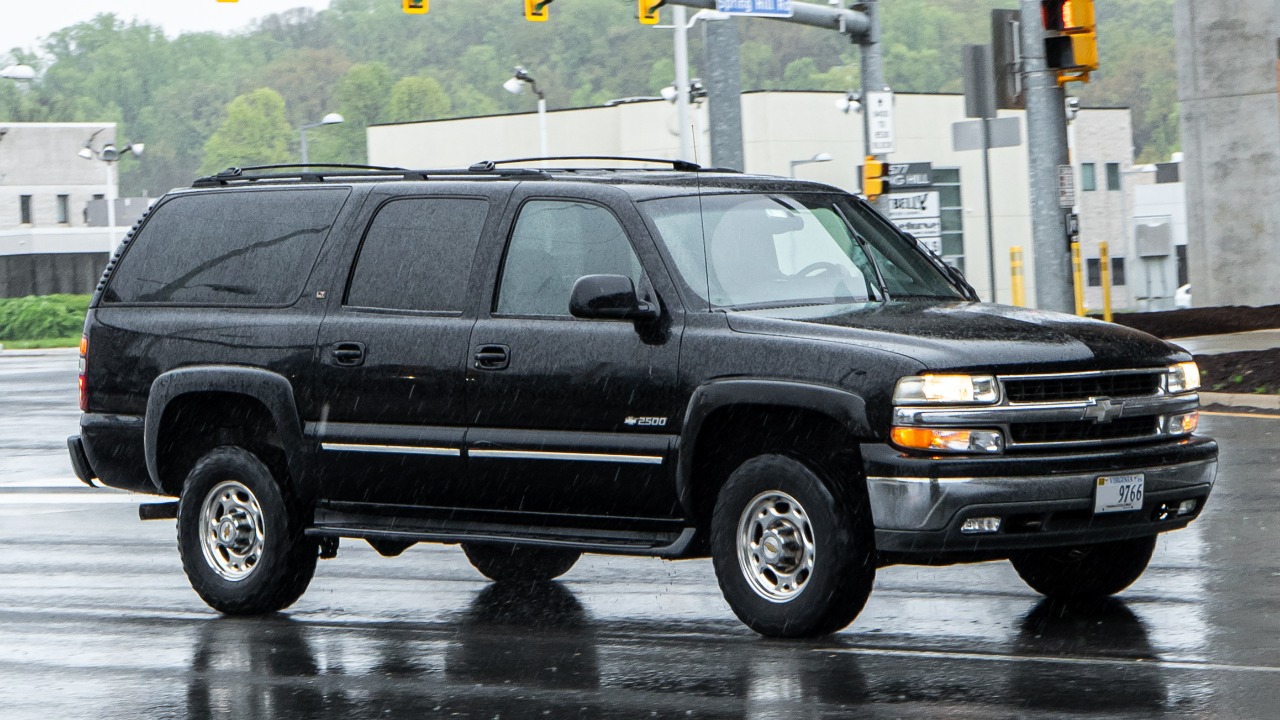
For the ninth generation, an optional 8.1-liter V8 was offered on the three-quarter-ton model, rated at 340 hp and 455 lb-ft at launch, according to the Motor1 generational overview. The big engine targeted buyers with serious hauling needs.
Technology moved forward too, with OnStar becoming available in 2001. Together, the heavy-duty muscle and connected services showed the Suburban stretching beyond a simple people mover into a more modern, versatile machine.
9. 2007 Chevrolet Suburban (tenth generation): Safety Tech Arrives
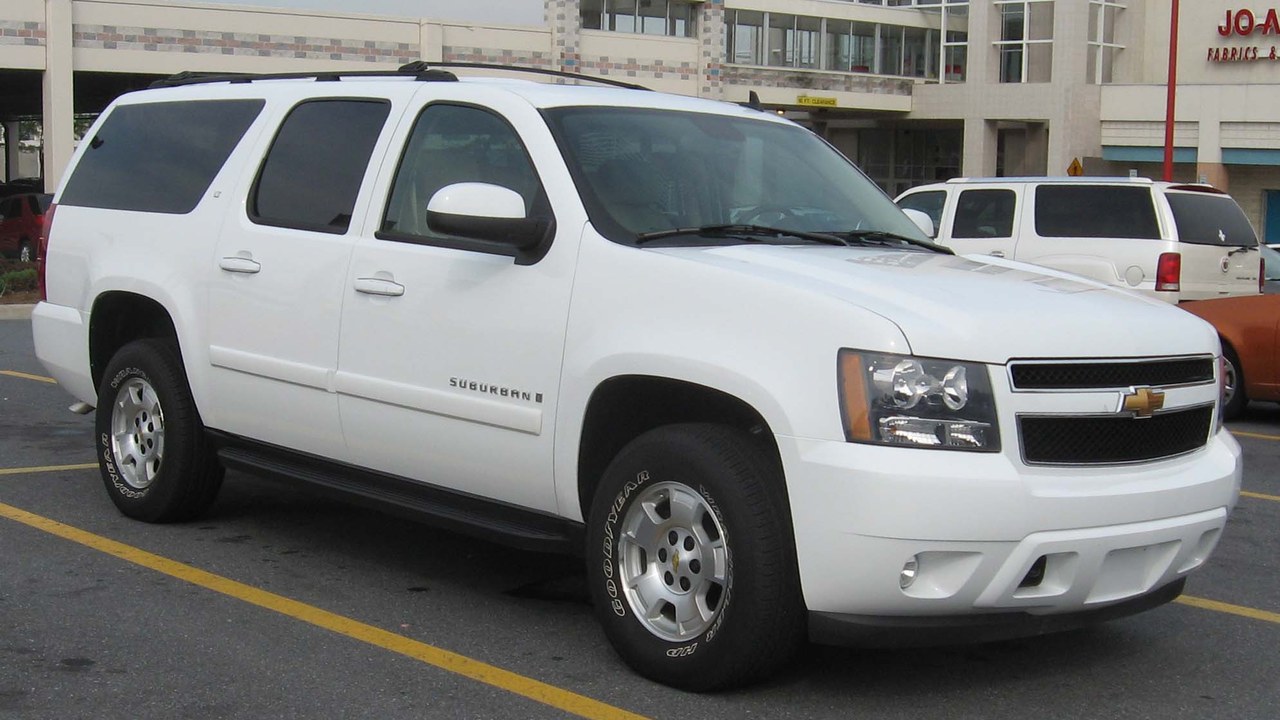
The tenth generation brought slightly softer lines and added driver aids, including a rearview camera, blind-spot monitoring and parking assist, as covered in the Motor1 Suburban timeline. These features suited a vehicle of this size.
Such tools were especially welcome on a long, tall wagon that is often loaded with passengers and cargo. They mark the point where electronic assistance became part of the Suburban’s everyday appeal for families and fleets alike.
10. 2015 Chevrolet Suburban (eleventh generation): Seven Times the Power
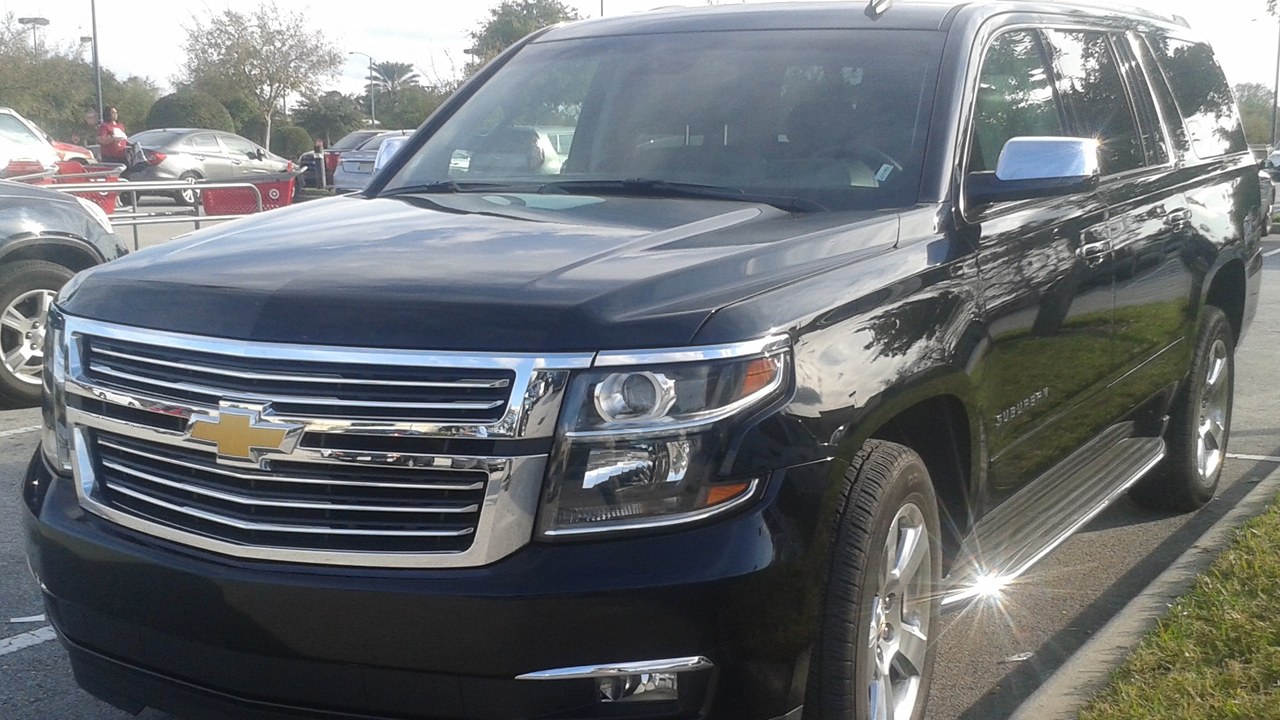
The eleventh generation offered a 6.2-liter V8 with 420 hp, seven times the output of the 1935 original, per the Carscoops anniversary piece. It seated up to nine people and offered 121.7 cubic feet of cargo space.
That jump from 60 hp to 420 hp is the clearest measure of the nameplate’s evolution. Room for nine and a large cargo area show that, even with far more power, the core job of moving people and gear remained unchanged.
11. 2021 Chevrolet Suburban (twelfth generation): A Rear Suspension Reset
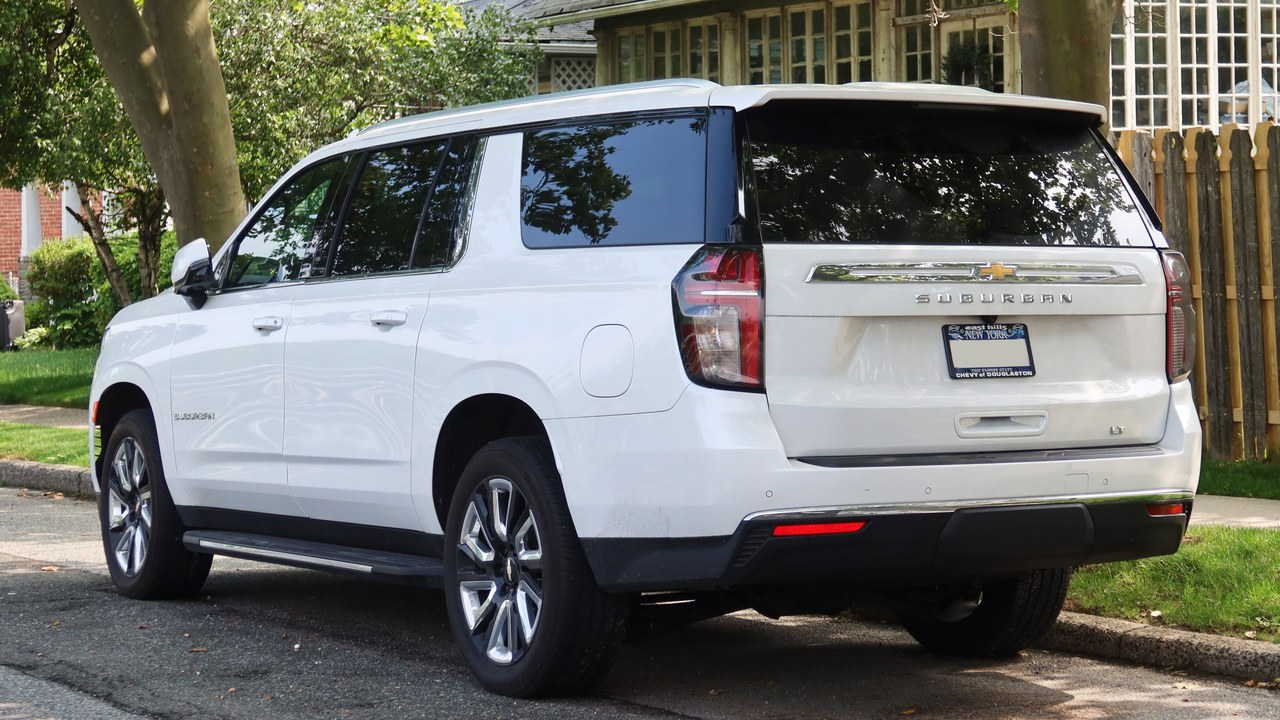
The twelfth generation swapped the live rear axle for an independent multilink rear suspension with coil springs, a change the Wikipedia Suburban entry describes. The new layout lowered the floor, improving the cabin space.
The latest Suburban measures 225.7 inches long on a 134.1-inch wheelbase. That size shows the nameplate still delivers on the large-wagon formula it began with in 1935, now with a more modern chassis underneath it and a lower floor inside.
Tech news in one quick read: Subscribe to TLDR →
We may earn a commission if you sign up.
More from Morning Overview
- Common allergy, bladder and sleep pills tied to sharply higher dementia odds
- NOAA now gives this winter a 75% chance of the strongest El Nino since 1950
- Doctors warn a silent liver disease now affects one in three American adults
- The FBI told the rest of ShinyHunters to surrender after a 24-year-old was arrested
