
The Missouri, Colorado and Columbia rivers carry some of the largest concrete and earthen works ever built in the United States. Some of these dams are prized for the water they hold, others for their height, and others for the electricity that powers whole states. Here are twelve dams that hold back America’s rivers and its power.
Read next on Morning Overview: A dead key fob doesn’t have to strand you, because most push-button cars hide a backup
1. Hoover Dam: Lake Mead’s Giant Reservoir
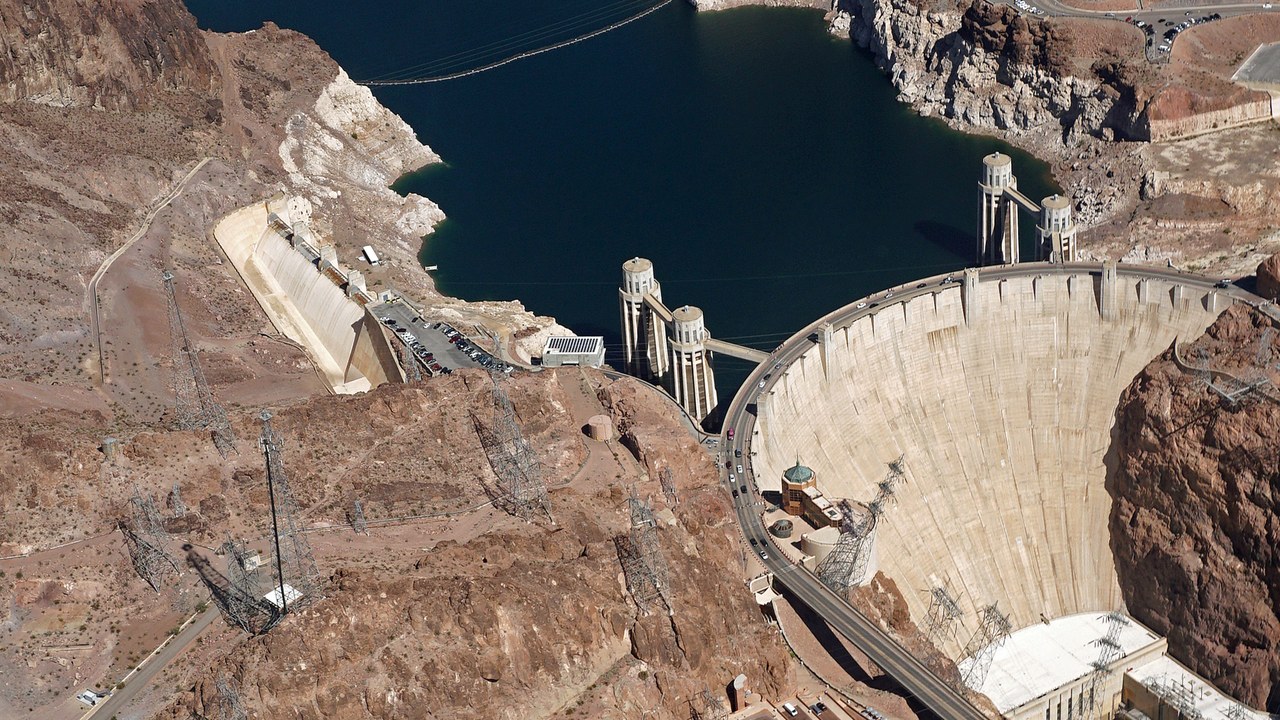
Behind the arch of Hoover Dam on the Colorado River sits Lake Mead, the largest reservoir in the country at 28,945,000 acre-feet, according to a WorldAtlas ranking. The reservoir supplies drinking water to some 25 million people across Nevada, Arizona and California.
The concrete arch-gravity dam was completed in 1936 on the Nevada-Arizona border, rising 726 feet, and it was the tallest dam in the world at the time. Years of drought and overuse across the Colorado River Basin have since dropped the lake to a fraction of its full capacity.
2. Garrison Dam: The Earthen Wall on the Missouri
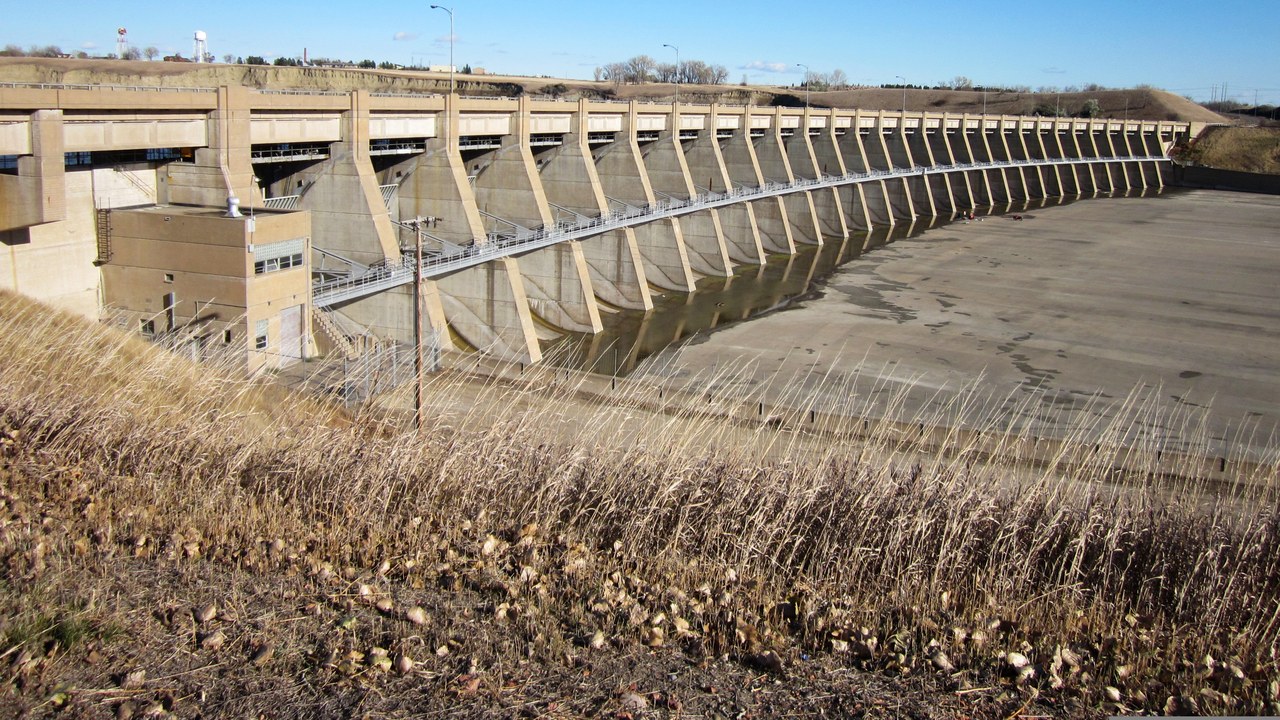
Garrison Dam is a 210-foot earthen embankment on the Missouri River in North Dakota, holding back Lake Sakakawea. The WorldAtlas ranking puts the reservoir at about 23,451,000 acre-feet, stretched across roughly 178 miles of the state’s west-central plains.
The project was built between 1947 and 1953 and runs about 3.5 kilometres long. Construction flooded much of the Fort Berthold Indian Reservation, displacing members of the Mandan, Hidatsa and Arikara Nation from their riverside communities, a legacy that still shapes the lake’s history.
3. Oahe Dam: A Reservoir 231 Miles Long
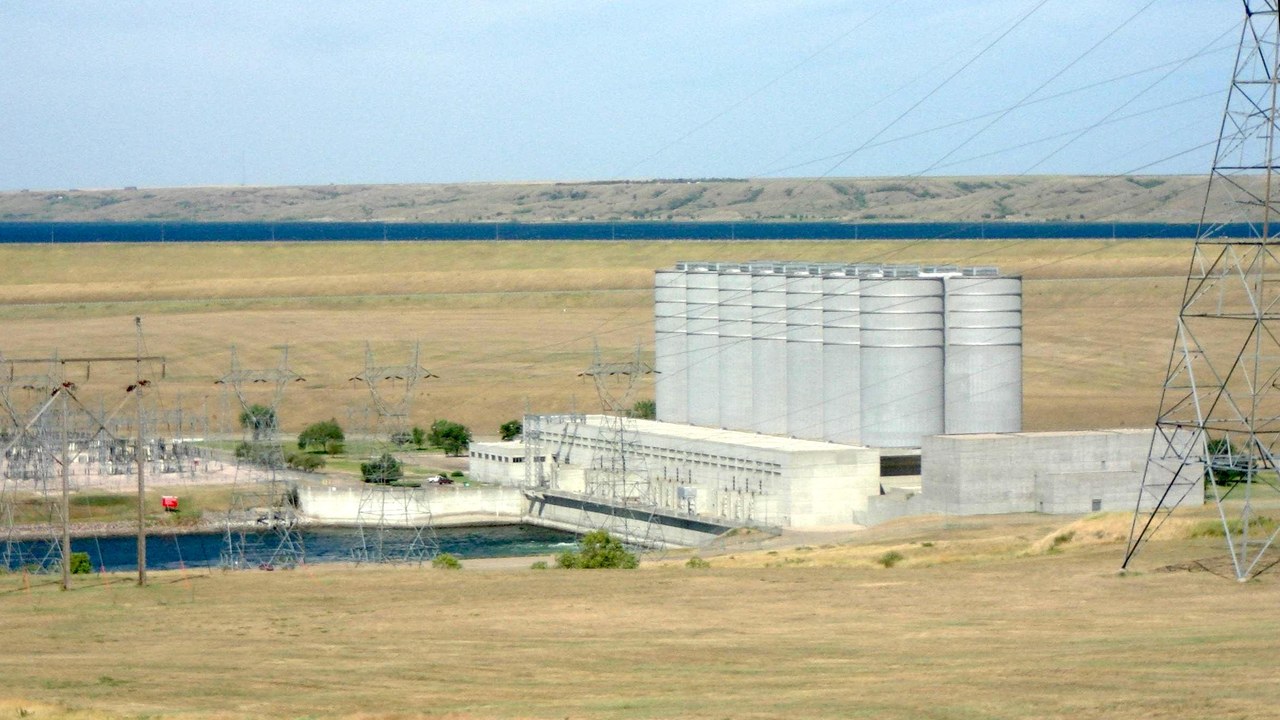
Oahe Dam rises 245 feet above the Missouri River just north of Pierre, South Dakota, and impounds Lake Oahe at about 22,983,000 acre-feet, according to the WorldAtlas list. The reservoir stretches roughly 231 miles upstream into North Dakota.
Construction ran from 1948 to 1962, and President John F. Kennedy dedicated the project in 1962. The lake also submerged large portions of the Standing Rock and Cheyenne River Sioux reservations, a history still felt across the region, while its shoreline supports walleye and chinook salmon fisheries.
4. Fort Peck Dam: The Giant Built from Slurry
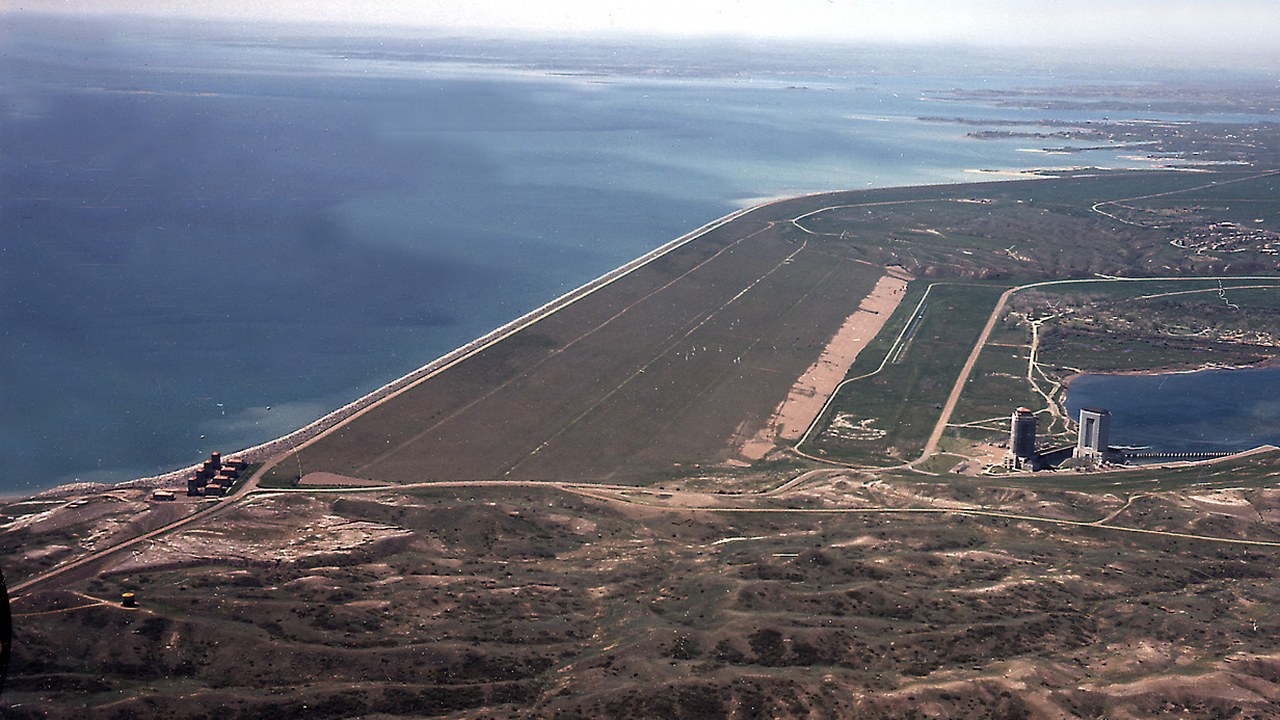
Fort Peck Dam in northeastern Montana is the largest hydraulically filled dam in the United States, according to WorldAtlas. Built between 1933 and 1940 on the Missouri River, it holds back Fort Peck Lake and its 18,463,000 acre-feet of water.
The reservoir covers a 245,000-acre surface, making it the fifth-largest in the country. It sits within the Charles M. Russell National Wildlife Refuge, and the dam’s Depression-era construction camps once housed tens of thousands of workers who were documented in some of the era’s most famous photography.
5. Oroville Dam: The Tallest in America
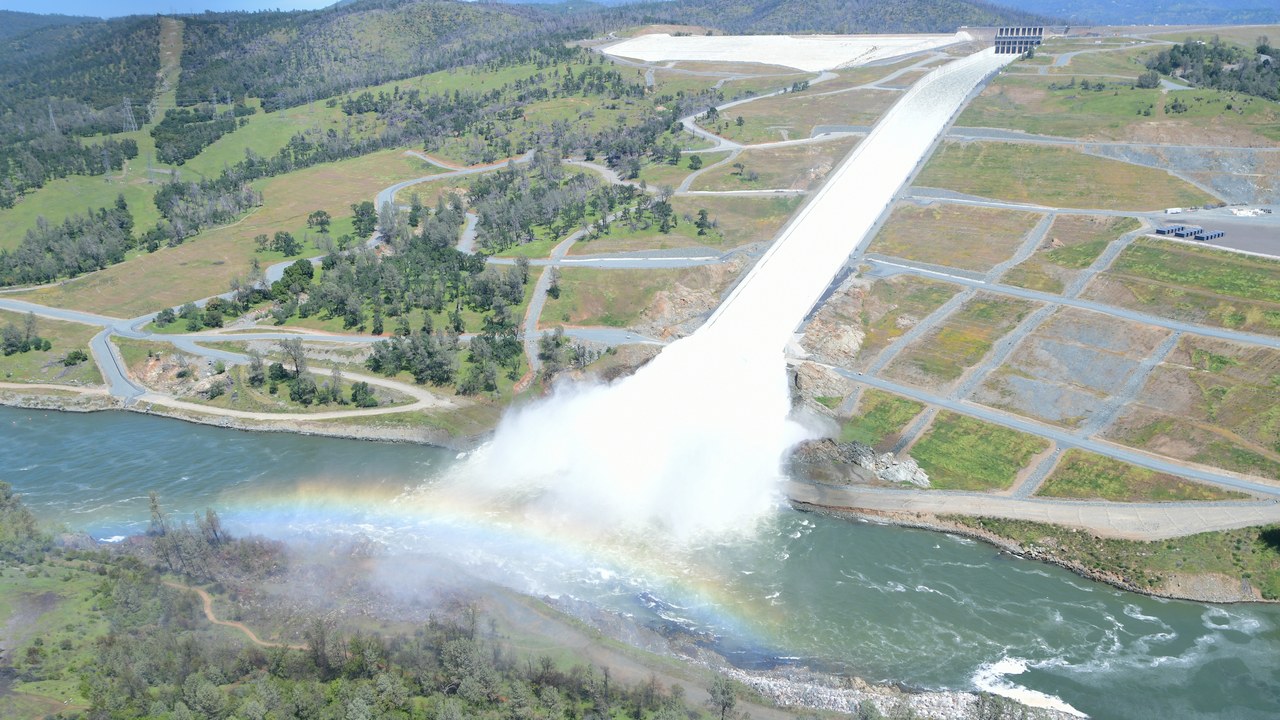
At 235 metres, Oroville Dam on California’s Feather River is the tallest dam in the United States, according to We Build Value. It was built between 1961 and 1968 to store water, produce hydroelectric power and control floods.
The structure drew worldwide attention in 2017, when cracks in the main spillway and the emergency spillway led to the evacuation of 200,000 people. The dam was subsequently repaired in record time and returned to full and safe operation two years later, in 2019.
6. Glen Canyon Dam: Lake Powell’s Concrete Wall
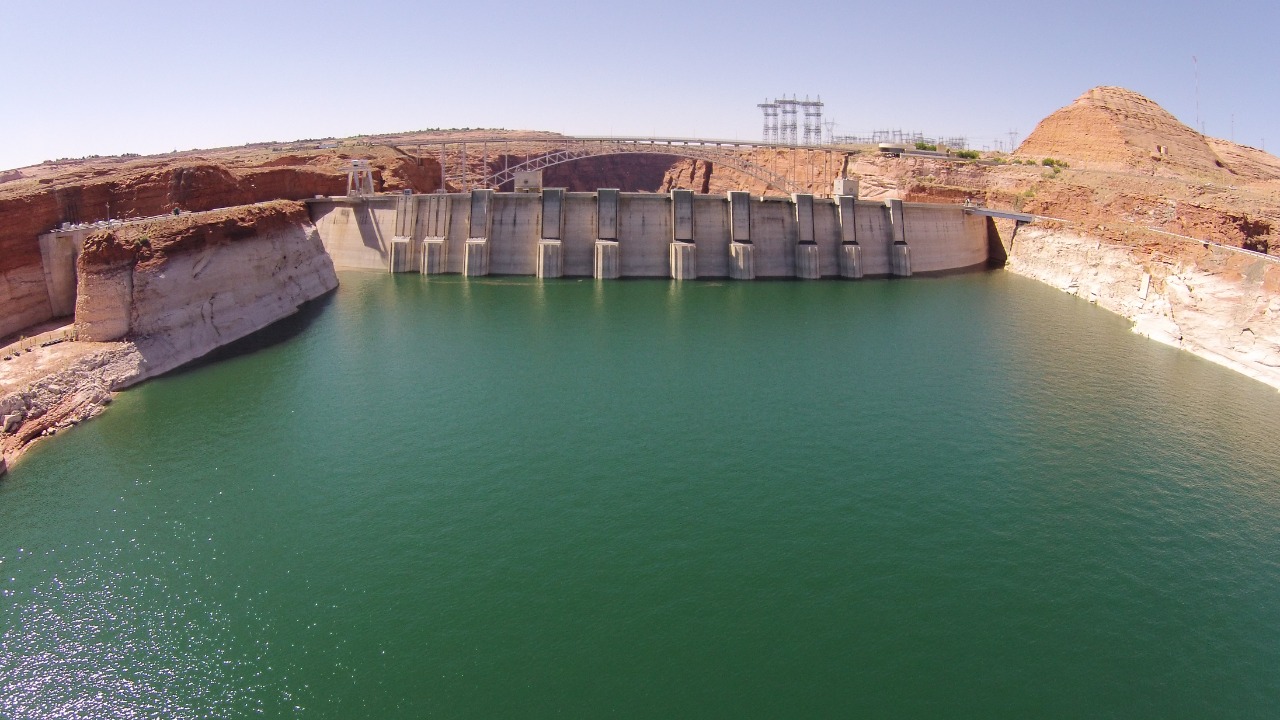
Glen Canyon Dam stands about 220 metres tall on the Colorado River near Page, Arizona, and We Build Value ranks it fourth tallest in the country. Its reservoir, Lake Powell, holds 8.53 cubic miles of water, second only to Hoover’s Lake Mead.
Construction ran from 1956 to 1966, though the dam had been planned and postponed since 1924, partly because Hoover Dam took precedence. The structure is about 480 metres long. Lake Powell first reached full pool in 1980, and drought has pushed it to some of its lowest levels on record in recent years.
7. Dworshak Dam: The Western Hemisphere’s Tallest Straight Dam
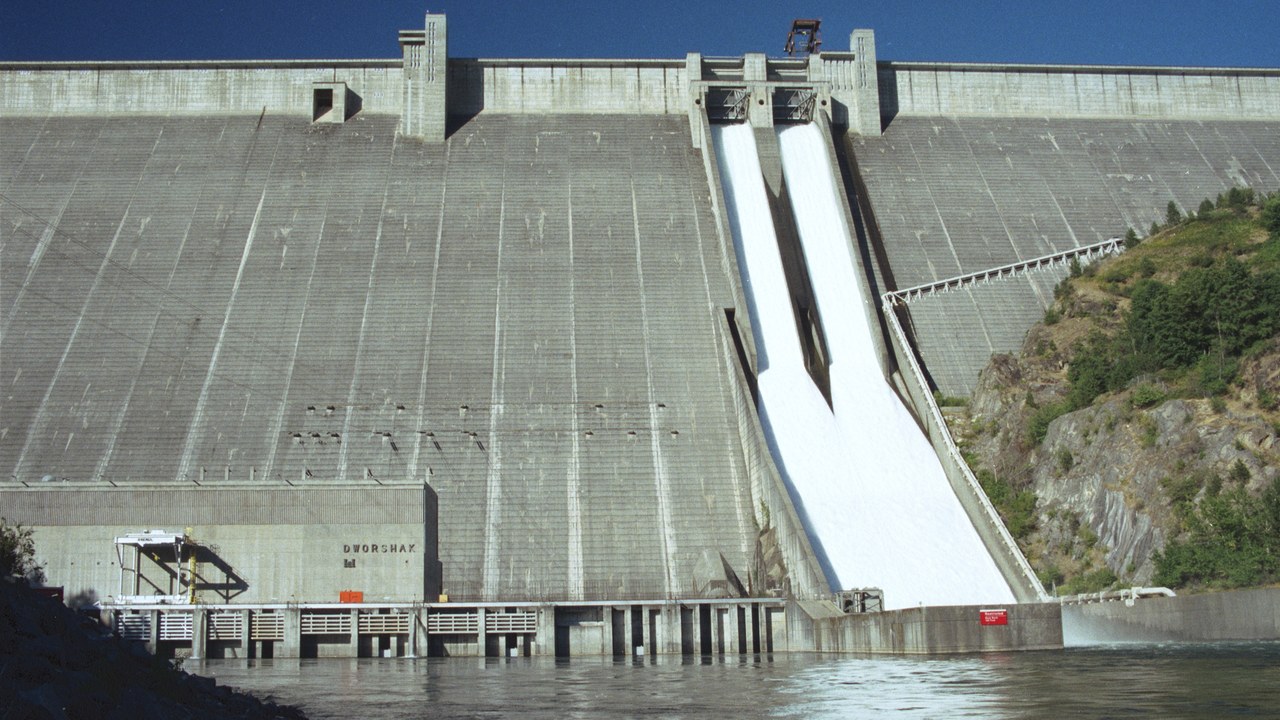
Dworshak Dam on Idaho’s Clearwater River stands 220 metres tall, only a little lower than Hoover, and We Build Value calls it the third tallest dam in the United States. It is also the tallest straight-axis concrete dam in the western hemisphere.
Built between 1966 and 1973, the dam is just over a kilometre long. It is used for water storage and the production of electrical energy. Only Oroville and Hoover rise higher among American dams, which puts this Idaho structure in the same height class as the Colorado River giants.
8. Grand Coulee Dam: The Columbia’s Hydropower Giant
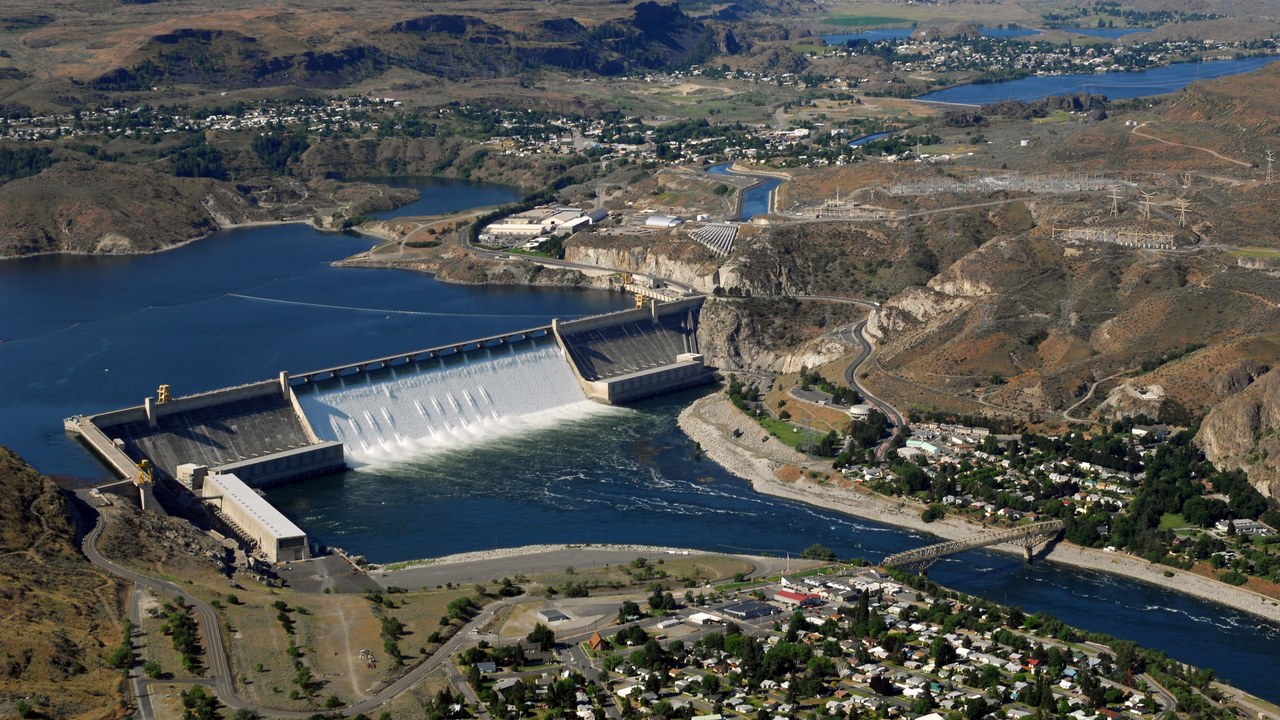
With a net summer capacity of 6.8 gigawatts, Grand Coulee Dam in Grant County, Washington, is the largest hydroelectric power plant in the United States and the sixth largest in the world, according to an EIA analysis.
It anchors the Columbia River Basin, where hydroelectric plants account for 29 gigawatts of capacity and supplied 44 percent of the nation’s hydroelectric generation in 2012. The river runs 1,214 miles, and its steep gradients make it ideal for power. A significant amount of Northwest hydropower is consumed by California customers.
9. Chief Joseph Dam: Bigger Than Hawaii’s Electricity Sales
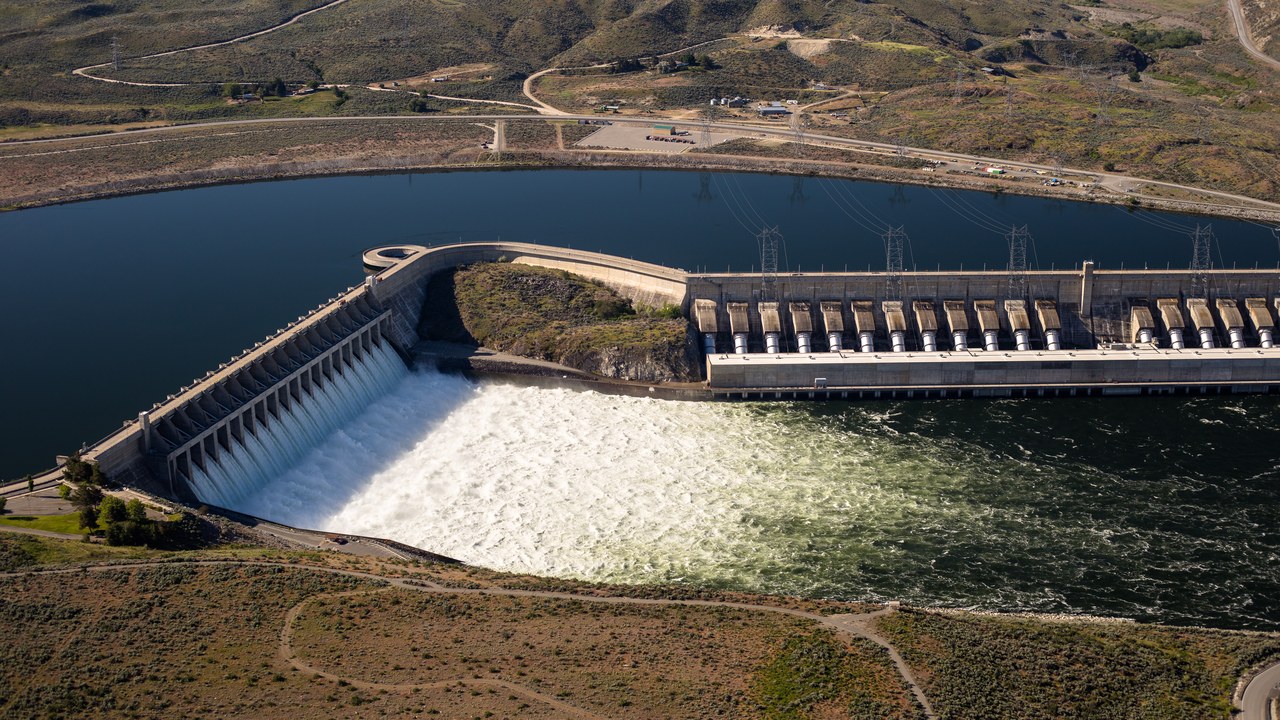
Chief Joseph Dam on the Columbia River in Washington had a strong 2025. Its 27 units produced 9,806,156 megawatt-hours, more than Hawaii’s retail electricity sales of 9.137 million, according to WorldAtlas analysis.
The U.S. Army Corps of Engineers calls it the second-largest hydropower-producing dam in the country. The structure crosses 5,962 feet of the river near Bridgeport and operates as a run-of-river project, passing flows through a powerhouse more than one-third of a mile long, with Rufus Woods Lake running 51 miles upstream.
10. John Day Dam: Edging Past Rhode Island
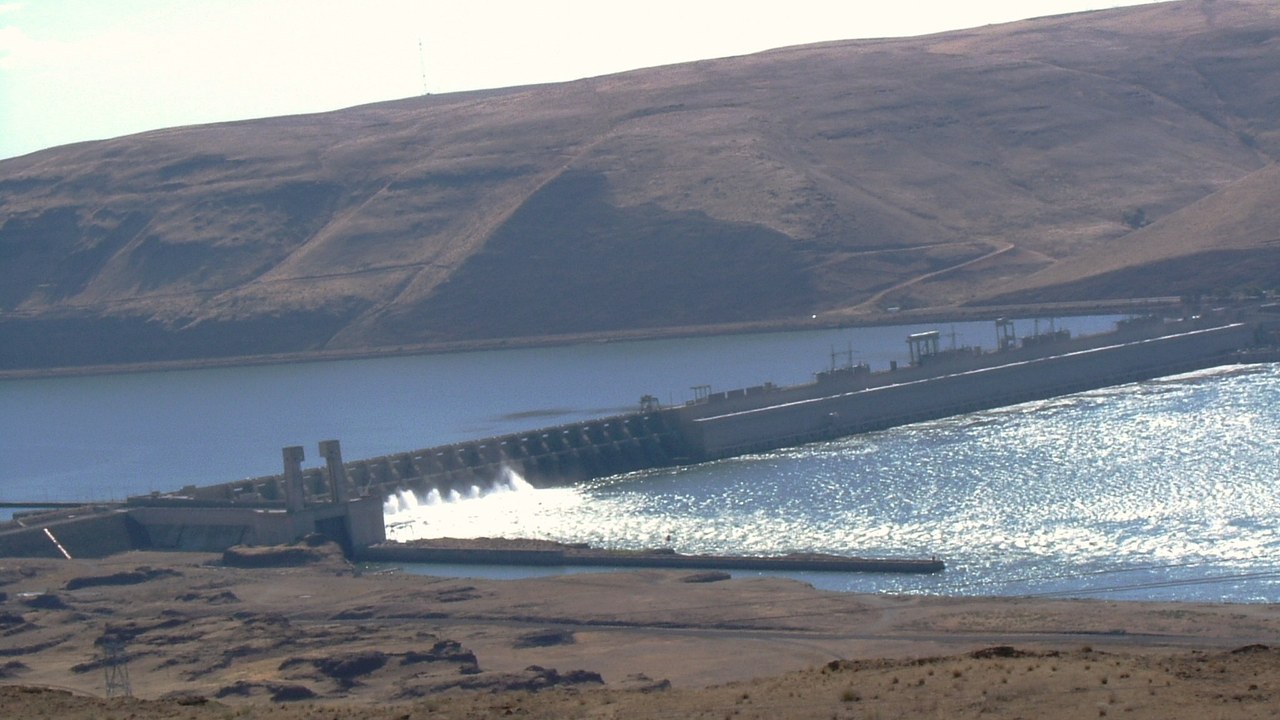
John Day Dam on the Oregon-Washington border generated 7,589,037 megawatt-hours in 2025, according to WorldAtlas data. Rhode Island’s retail electricity sales were 7.404 million, leaving a margin of only about 2.5 percent.
The Army Corps of Engineers lists 16 generators with 2,160 megawatts of capacity, and a navigation lock that can raise or lower vessels by as much as 113 feet. The dam made about 6.96 million megawatt-hours in 2024, a reminder that water, not rated megawatts, decides the comparison.
11. The Dalles Dam: The New Arrival Beating Vermont
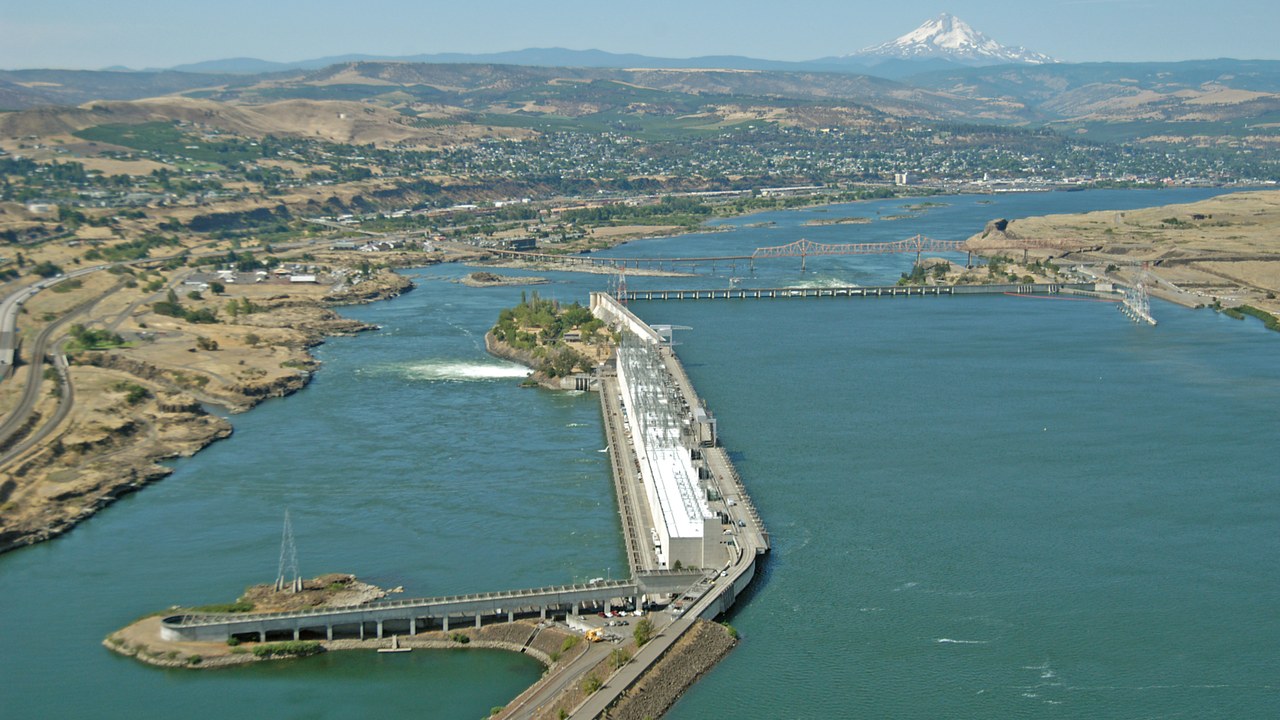
The Dalles Dam produced roughly 6.5 million megawatt-hours in 2025, comfortably above Vermont’s retail electricity sales of 5.473 million, according to WorldAtlas. The result reversed 2024, when it made about 5.43 million and fell just short.
The Army Corps of Engineers operates the dam two miles east of The Dalles, Oregon, on the Columbia River, where the project combines hydropower, navigation and fish passage behind a 24-mile reservoir called Lake Celilo. The 2025 gain came without an exceptional snowmelt year.
12. Robert Moses Niagara Power Plant: A Plant at Niagara, Not a Typical Dam
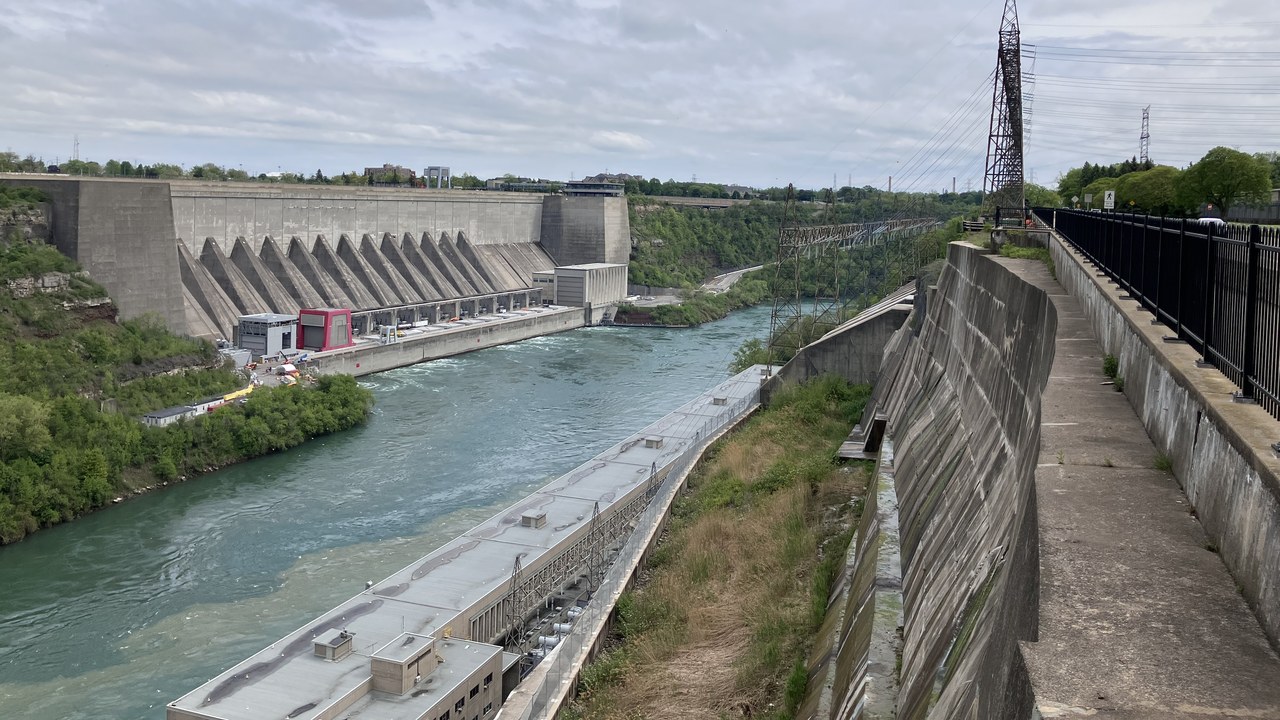
The Robert Moses Niagara Power Plant generated 14,318,419 megawatt-hours in 2025, according to WorldAtlas. South Dakota utilities sold 13.813 million, so the New York plant finished about 505,000 megawatt-hours ahead, though that was a much tighter margin than in 2024.
It is not a conventional dam. Water is taken from the upper Niagara River above the falls, carried through conduits and a forebay, then sent through turbines before returning to the lower river. NYPA’s Lewiston plant has 13 main generating units, which a modernization program is upgrading one by one.
More from Morning Overview
- Up to 5 feet of snow is burying Donner Pass, and forecasters warn against Sierra travel
- Southern California cities built towering sand berms to fend off Thanksgiving tides
- Google is shutting down the Nest app, and unmigrated accounts risk deletion
- Florida’s St. Johns River just topped its worst flood on record near Cocoa
