
Premium fuel adds roughly a dollar a gallon over regular, and on certain models the owner’s manual requires it rather than merely suggesting it. The list spans everyday crossovers, European luxury SUVs and Lexus flagships. Here are twelve cars where the pump choice is not really a choice.
1. Chevrolet Equinox: Premium Hiding in a Family Crossover
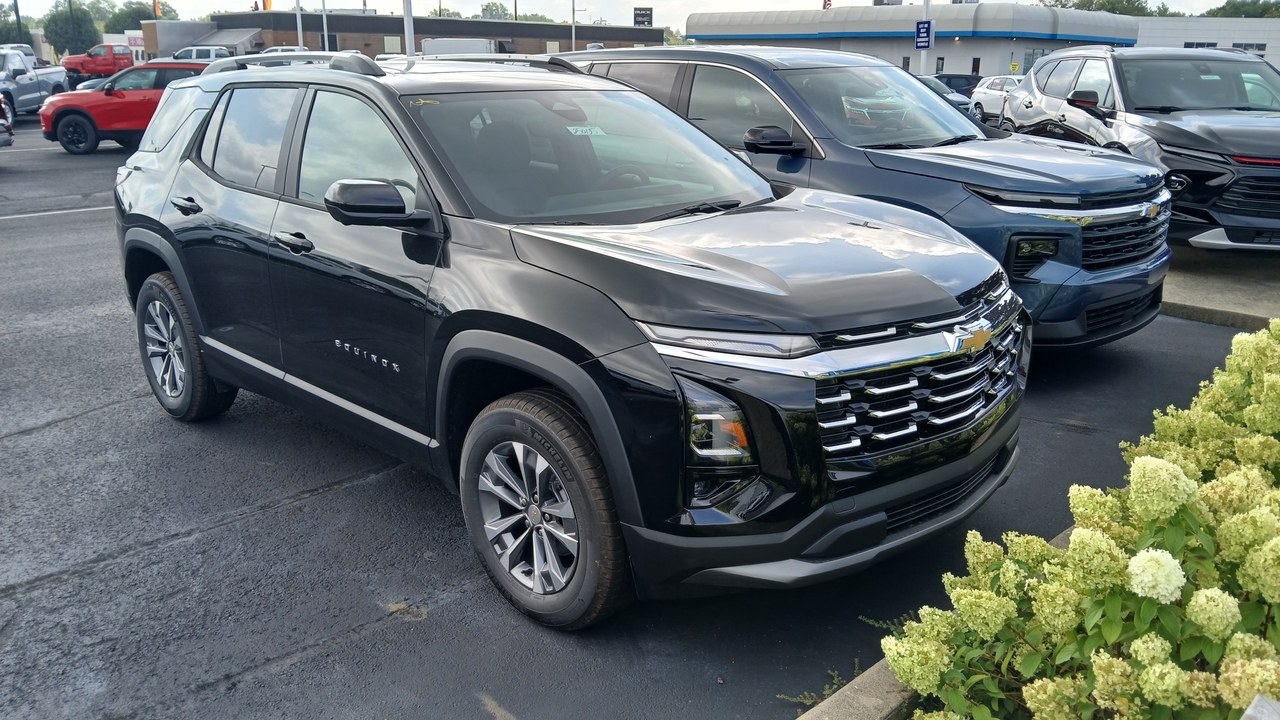
The Equinox is the surprise on this list, and the HotCars fuel-grade round-up says so bluntly. Citing the owner’s manual, it reports that the crossover needs 93 octane, adding that it is a car that requires premium fuel even when nobody would expect it.
A mainstream compact SUV rarely carries that kind of fuel demand, so the requirement is easy to overlook at the pump. Anyone shopping for a used Equinox is better off checking the fuel-door label and the manual before budgeting for a regular-grade fill-up.
2. GMC Terrain: The 2.0-Liter Wants Top Grade
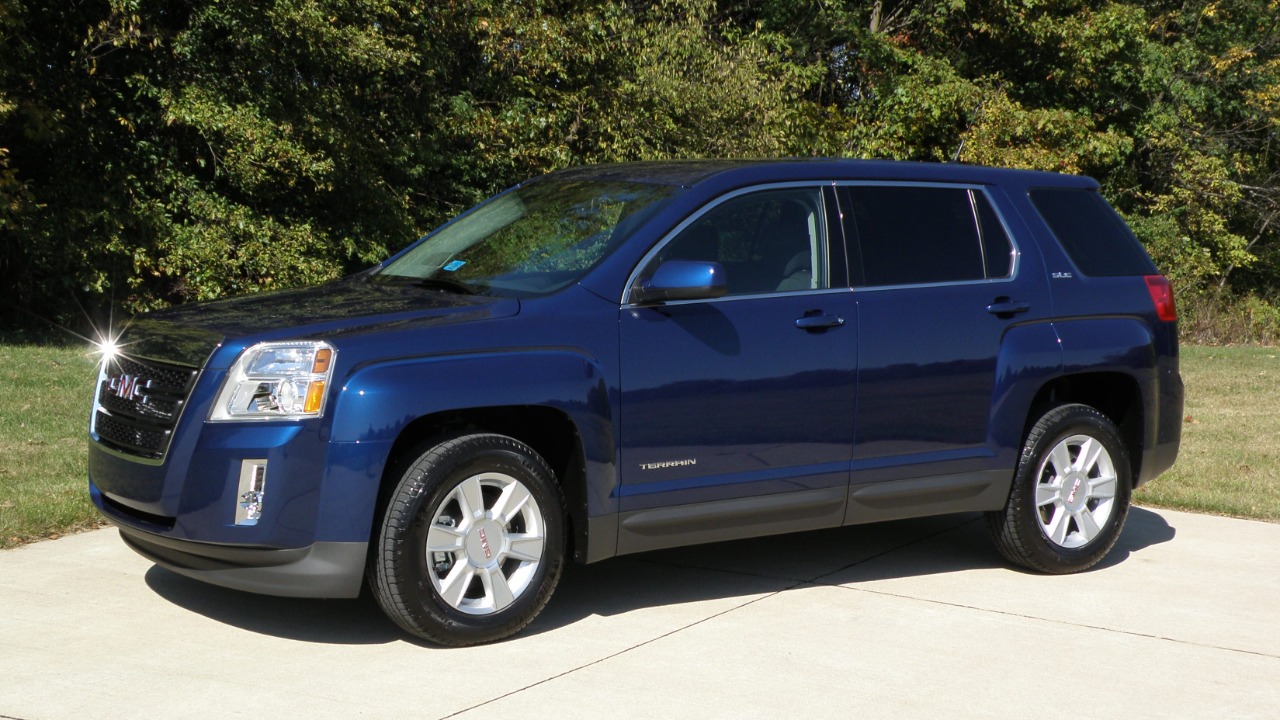
The Terrain draws a similar verdict in the same HotCars list. For the 2.0-liter version, the entry says the 93 octane grade has to be used, as the owner’s manual suggests for this model.
The wording matters because it points to the manual rather than to a casual preference. Buyers comparing Terrain engines should treat the 2.0-liter’s fuel grade as a running cost that never goes away, since cheaper gas is not what the manufacturer specifies.
3. Buick Regal: Engine Choice Decides the Pump
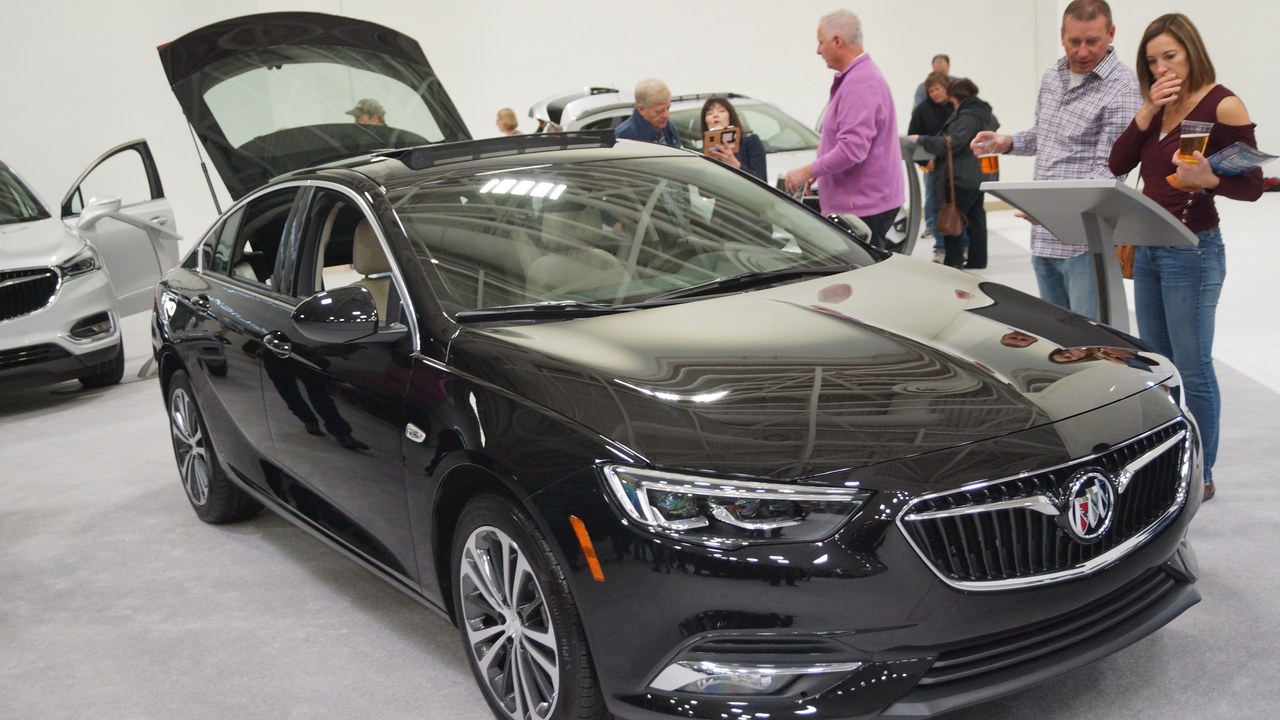
Fuel needs on the Regal depend on what sits under the hood, according to the HotCars rundown. Its summary: “The turbo can run on regular octane, while the 2.4L needs premium.”
That split is unusual, because the engine that sounds more performance-minded is the one allowed to run on regular. A used-car shopper looking at a Regal should confirm which engine is fitted before assuming the cheapest grade is acceptable at the pump.
4. Nissan Juke: Fun Comes at 96 Octane
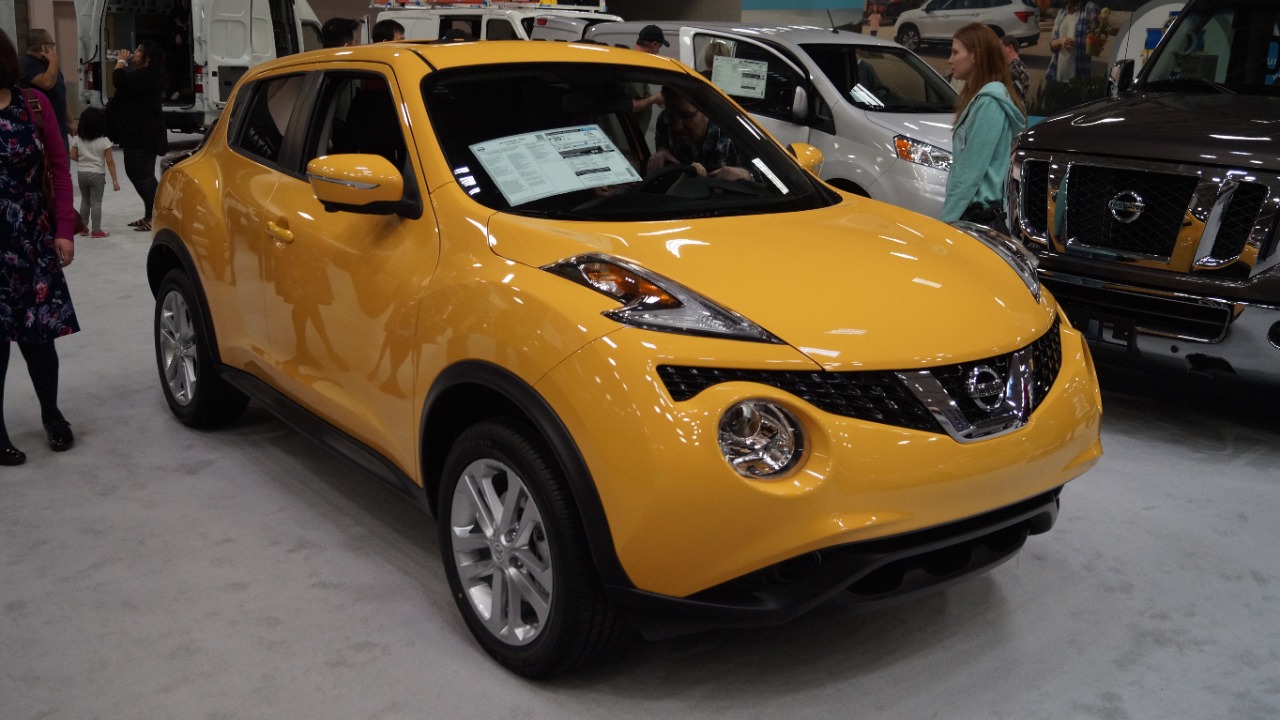
Small and quirky, the Juke still lands on the premium side of the pump. The HotCars entry lists it at 96 octane and puts the consequence plainly: premium gasoline is required for the fun the car promises.
Few subcompact crossovers are expected to be this particular about fuel, which makes the Juke a good example of why size says little about the requirement. Running costs for the styling and the character include a permanently pricier fill-up.
5. BMW 530i: Required Premium in a Mid-Size Sedan
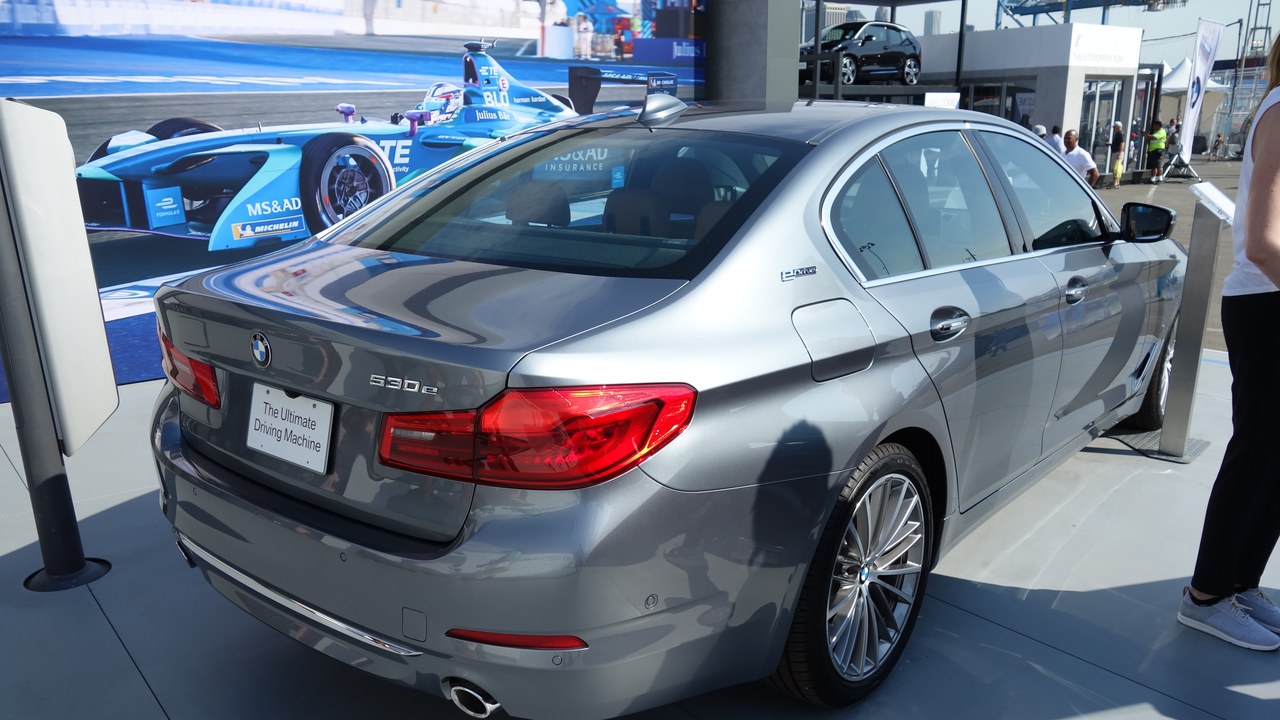
Luxury badges do not always mean flexibility, and SlashGear lists the 530i among the models that cannot take the cheap stuff. The publication’s wording is direct: the sedan “requires premium fuel.”
For a car in this class, premium is simply part of the ownership budget rather than a recommendation to be weighed. Anyone who stretches a fuel stop with regular gas is going against what the maker specifies for this model, and the extra cost per gallon adds up quickly over a year.
6. BMW X7: Large Luxury, High-Test Diet

The X7 turns up in the same SlashGear luxury-car roundup as the 530i. It is grouped with the BMWs “that require high test,” which puts the SUV on the premium-only side of the list.
Because the X7 sits in that group, premium fuel is a standing cost on every visit to the pump. No loophole is described for the model in the cited piece, so the requirement should be assumed unless the owner’s manual for a specific vehicle says otherwise.
7. Mercedes-Benz GLA 250: Compact Mercedes, Premium Rules
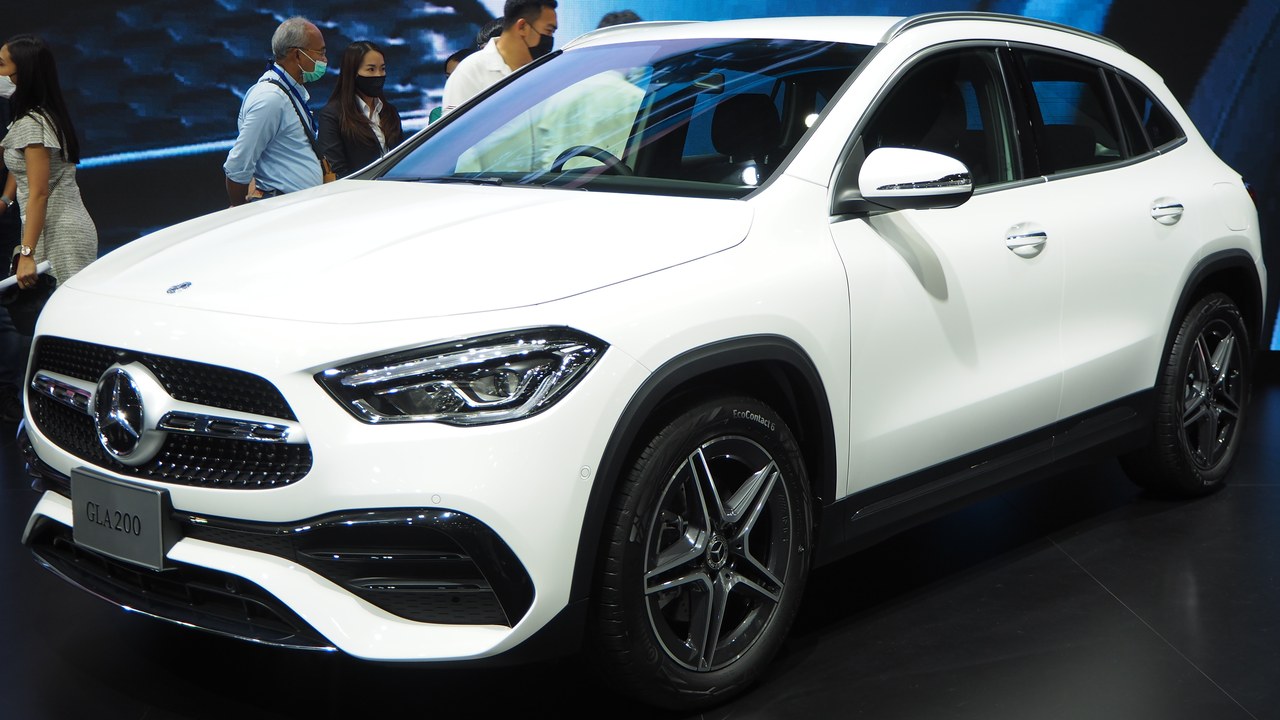
A compact badge does not soften the fuel rule at Mercedes-Benz. Writing about the GLA 250, SlashGear refers to “the GLA’s premium fuel requirement,” treating the point as settled.
Shoppers drawn to the GLA as an approachable way into the three-pointed star should price premium gas into the monthly figure. The requirement is stated as a fact about the model, not as a suggestion for drivers who want the best performance.
8. Audi Q7: A V6 That Insists on 91
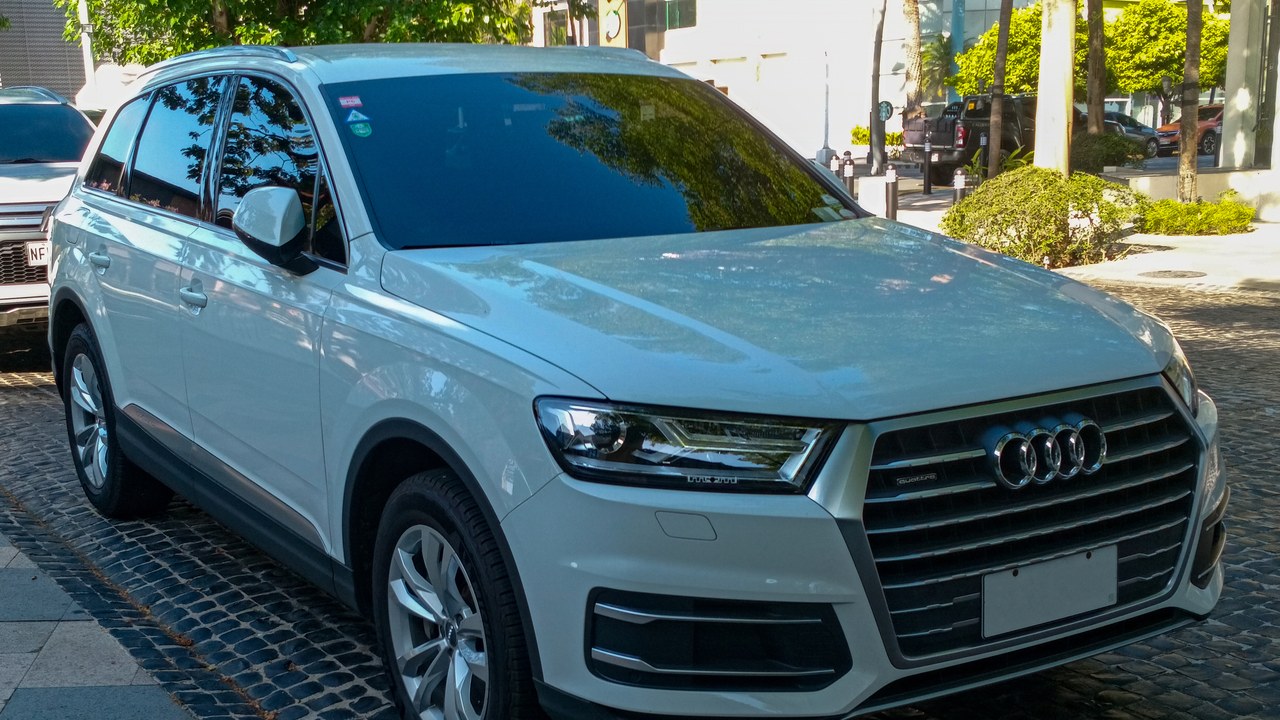
Audi’s Q7 is tied to a specific engine and a specific grade in the SlashGear piece. The listing describes a “3.0-liter turbocharged V6 powertrain running on 91,” which means premium at every fill-up.
Ninety-one octane is the number to remember for this powertrain, and regular grade is not endorsed in the cited text. Owners budgeting for the Q7 should expect the higher price per gallon to apply every time the tank is topped up.
9. Lexus NX 350: Turbo Version Takes Premium
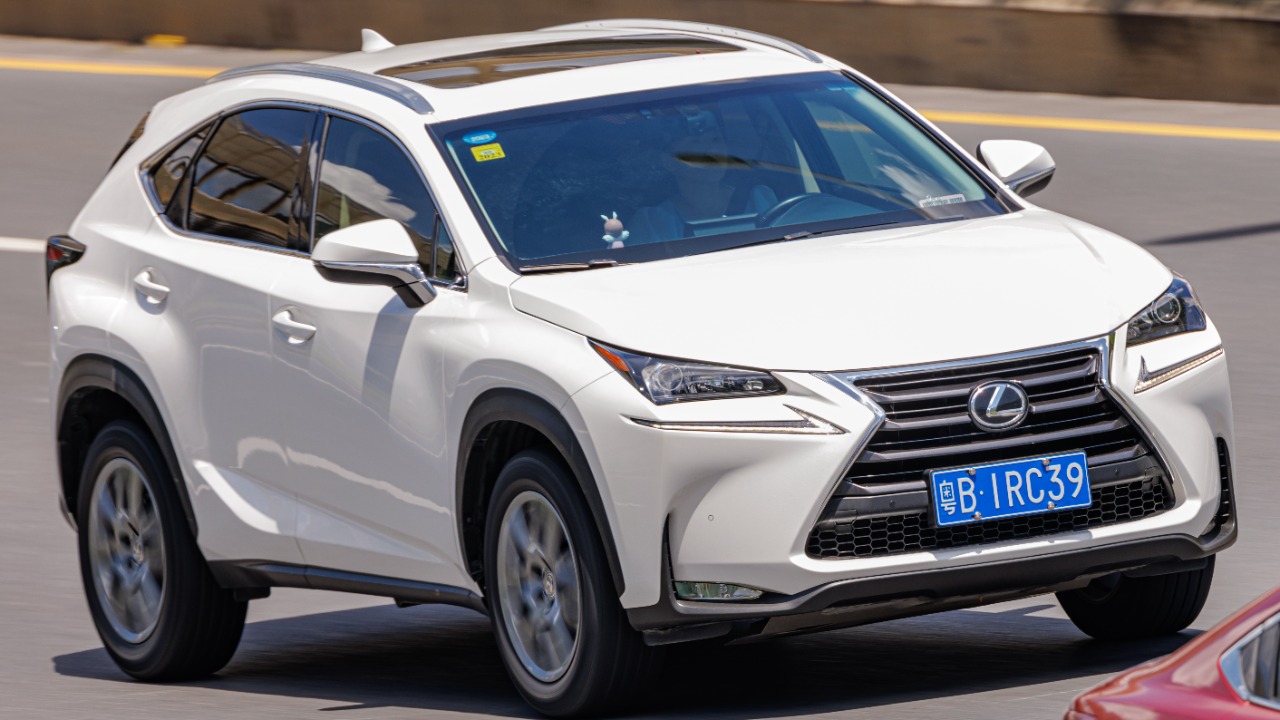
Within the Lexus NX family, the engine sets the rule. The SlashGear Lexus breakdown says the turbocharged NX 350 takes premium, while the NX 250 is “the only model from the 2024 NX line that requires regular 87-octane gasoline.”
Choosing between the two therefore changes the fuel bill as well as the performance. Buyers who want the cheaper pump price have to accept the lone regular-fuel version of the line, because every other NX in that model year asks for the pricier grade.
10. Lexus LS: Flagship Sedan, Premium Only
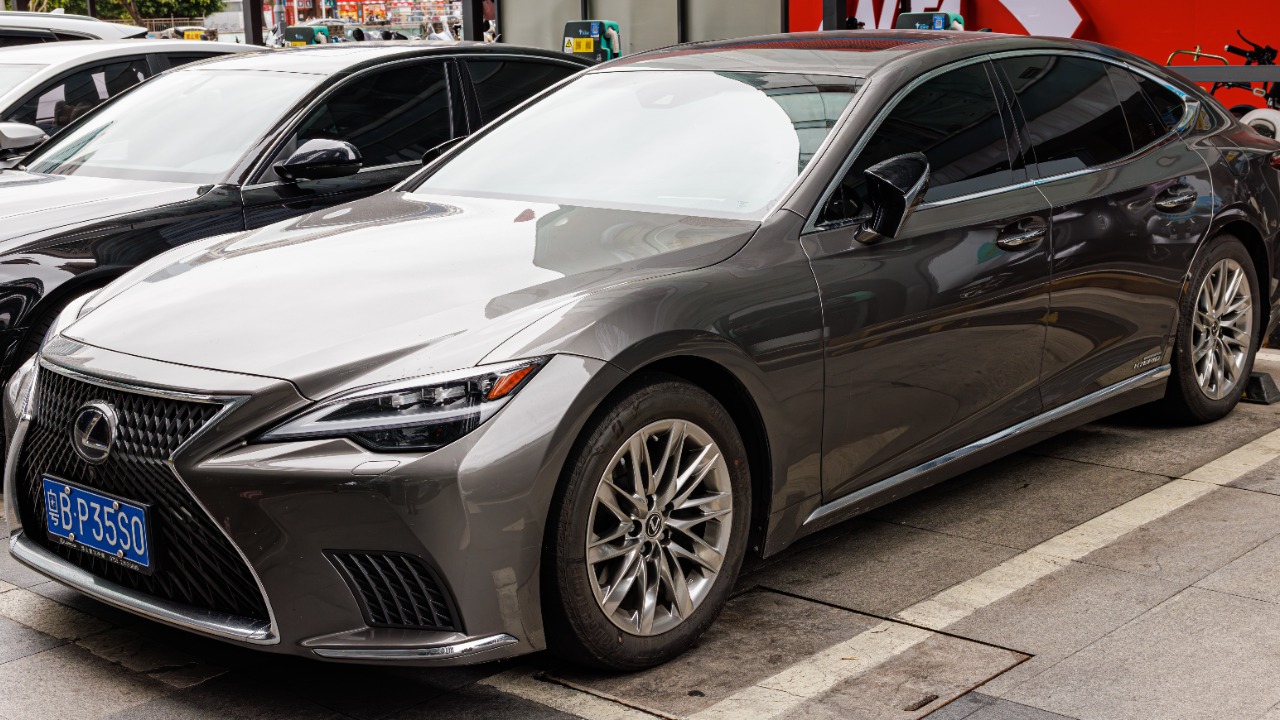
The LS falls inside a sweeping finding from SlashGear: “Most of the models in the 2024 lineup require premium fuel.” The LS series is covered by that statement, alongside the TX and NX.
A luxury sedan in this tier that runs happily on regular is hard to find, and the LS follows the pattern. Premium is the expected diet for the model, not an option reserved for hard driving, and the lineup-wide finding leaves little room for an exception.
11. Lexus TX: Three Rows, Same Premium Rule

The three-row TX lands under the same umbrella in the SlashGear Lexus lineup guide. Lexus’s larger models fall under the 2024-lineup requirement for premium fuel, so the TX is treated as a premium-fuel vehicle.
Families buying the TX for space should factor that in when planning the household budget. The fuel grade is part of the package rather than an upgrade, and the cited article gives no sign that regular gas is an approved substitute for the series.
12. Cadillac XT5: Turbo Four Versus the Six
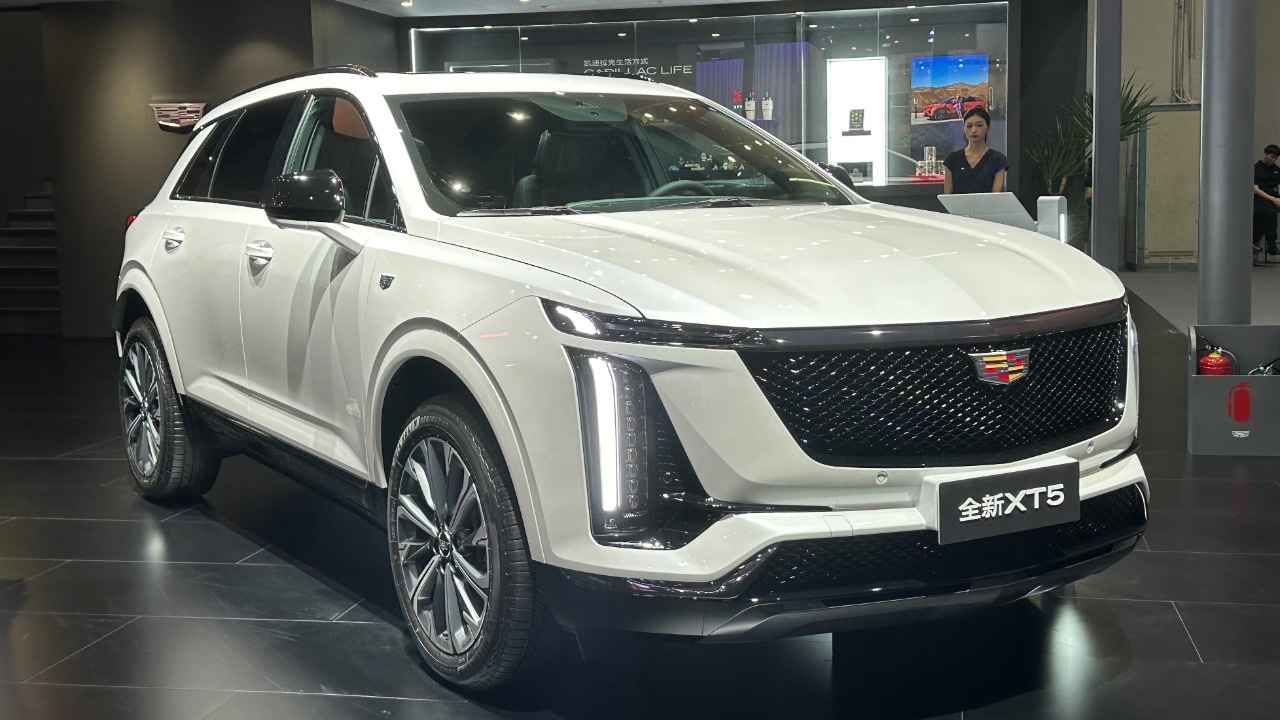
The XT5 draws its line inside the engine bay, as Cars.com explains for the 2026 model: “The turbo engine requires premium fuel, but the six does not.” The turbo is the 2.0-liter, and the six is the 3.6-liter V6.
Shoppers who want to keep fuel costs down have a clear reason to look at the six, since that is the version able to skip the premium pump. Anyone choosing the turbo should plan for premium on every fill-up.
More from Morning Overview
- The FBI told the rest of ShinyHunters to surrender after a 24-year-old was arrested
- Two passengers died at an Ohio toll plaza, and the NTSB now wants the cash lanes shut
- Long use of a common prostate pill is tied to a higher chance of glaucoma
- Ford is recalling 223,472 F-150 pickups because the fuel tank can leak or detach
