
The 1990s produced a run of sports coupes built around simple, mechanical ideas: rotary engines, mid-mounted drivetrains, and turbocharged four-cylinders that owners could tune themselves. Automakers eventually dropped most of those formulas to chase efficiency rules and shifting buyer tastes toward SUVs. Here are twelve cars from that decade enthusiasts still wish would come back.
1. Toyota Supra: The Turbo Icon
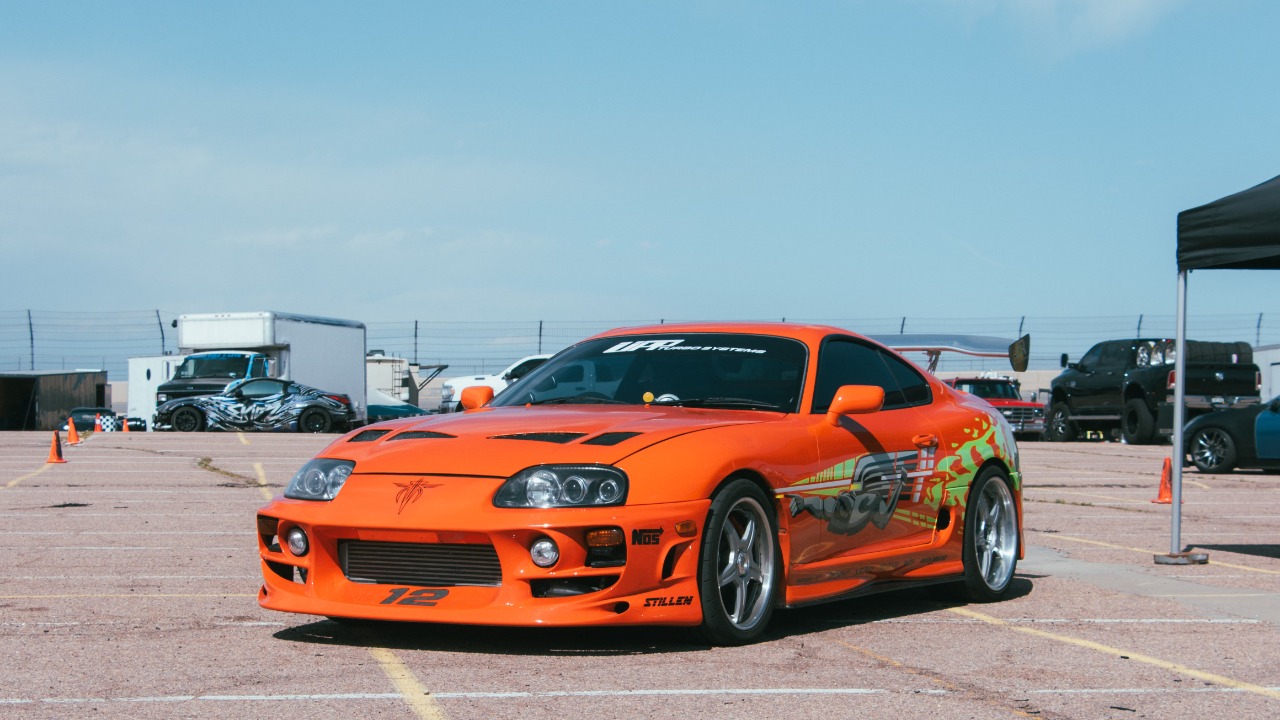
Enthusiasts point first to the fourth-generation Supra, built on the A80 platform with a twin-turbocharged inline-six that made the car a benchmark for tuners long before it became a pop-culture fixture. Toyota sold the model through the decade as a flagship halo car, and its overbuilt engine internals let owners push horsepower far past the factory rating without swapping the block, a detail that cemented its reputation among performance car collectors.
Toyota eventually revived the Supra nameplate through a partnership with BMW, but that later car shares little of the A80 chassis or engine, so the original’s specific mechanical layout is what fans still say they miss on dealer lots.
2. Acura Integra: The Type R Hatch
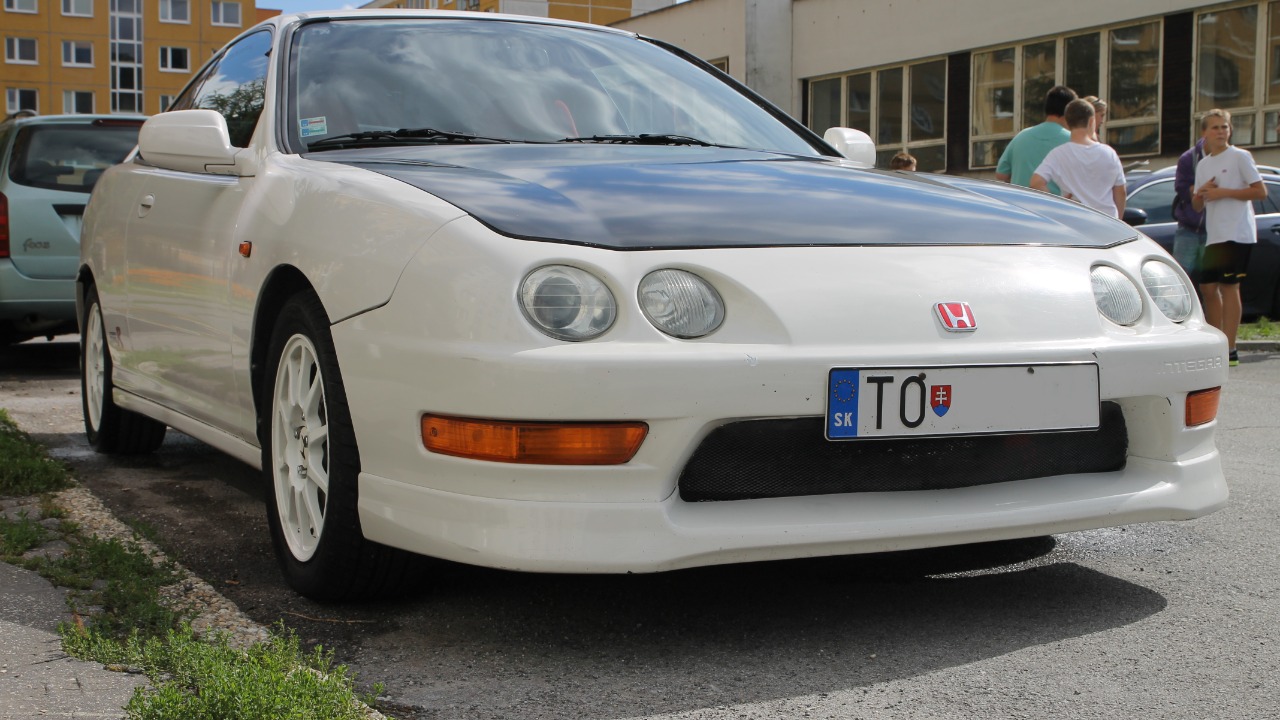
Acura built the Integra as an accessible sport compact, but the Type R variant of the 1990s sharpened the formula with a high-revving VTEC engine, a limited-slip differential, and a stripped interior aimed squarely at drivers who wanted lap times over comfort. Reviewers of the era ranked it among the decade’s best-handling cars, and that reputation only grew once production ended.
Acura’s later Integra revivals have chased the same badge recognition, but none matched the original hatch’s low curb weight, and that combination is what keeps the ’90s version in enthusiast wish lists rather than showroom nostalgia alone.
3. Mazda RX-7: The Rotary Legend
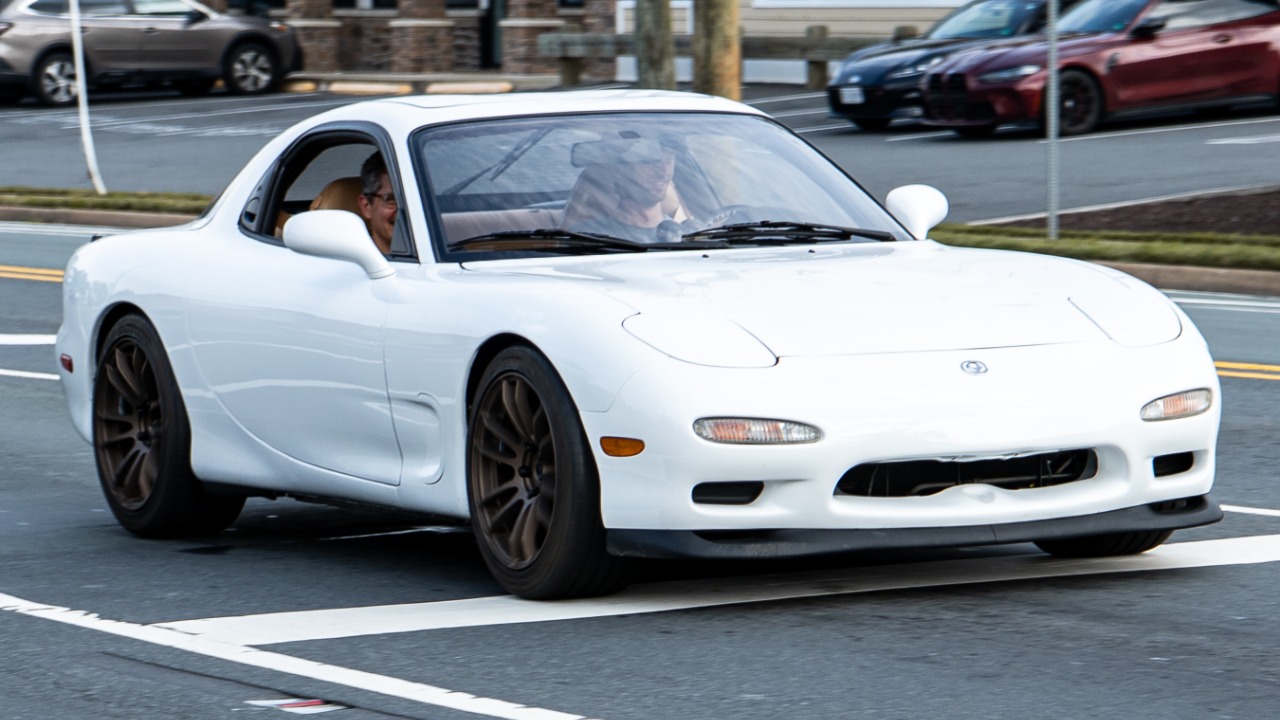
The third-generation RX-7, known internally as the FD, ran a twin-rotor engine instead of a conventional piston layout, giving it a smoothness and low weight that still draws a devoted following decades later. Mazda tuned the chassis for balance rather than raw power, and that setup is documented at length in the model’s own production history.
Mazda discontinued the rotary engine program entirely in the following decade over emissions and fuel-economy hurdles, so reviving the RX-7 as enthusiasts remember it would mean solving problems the company shelved rather than simply restyling an old body.
4. Honda Prelude: The Forgotten Coupe
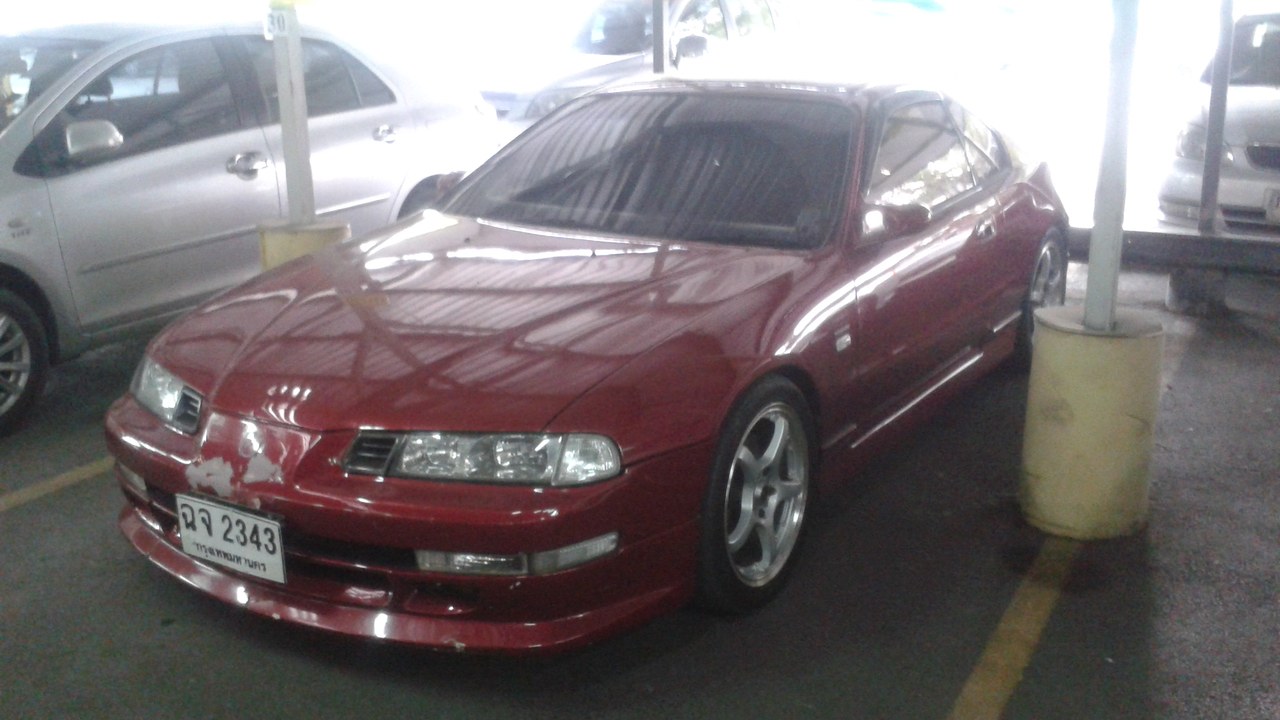
Honda positioned the Prelude as its sportier answer to the Accord, giving the fourth and fifth generations a low hood line, available four-wheel steering, and a chassis tuned for front-drive handling that rivaled some rear-drive competitors. The model’s full specification history, including its steering system, is laid out in its production record.
Honda folded the Prelude’s mission into other models once SUV demand reshaped its lineup, leaving a gap that owners of the coupe say has never been filled by anything the brand currently sells.
5. Nissan 240SX: The Drift Starter Car
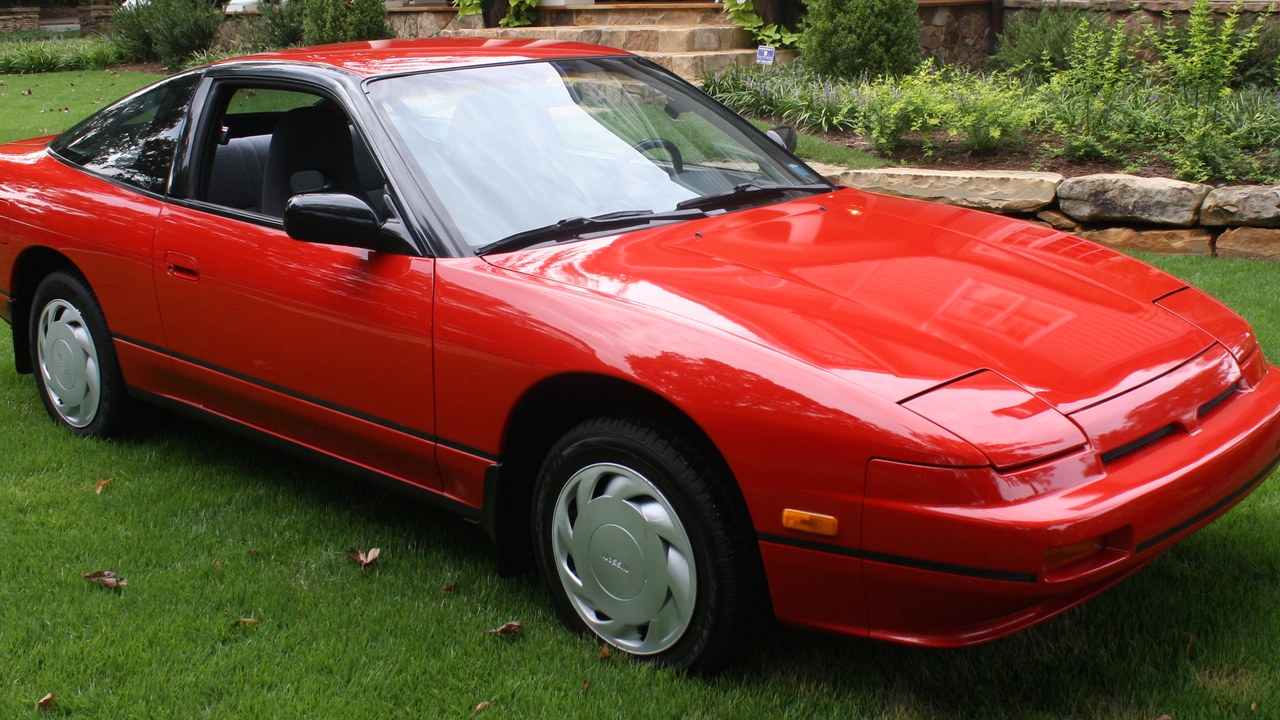
Nissan built the 240SX as an affordable rear-wheel-drive coupe, and that layout, paired with a chassis that responded predictably at the limit, made it the entry point for an entire generation of grassroots drift racers. Its rear-drive configuration and light curb weight are what the car’s own technical history credits for the following it built.
Nissan shifted its compact coupe lineup toward front-wheel-drive platforms after the decade ended, and no direct successor has offered the same cheap, rear-drive starting point since.
6. Mitsubishi 3000GT: The Tech Flagship
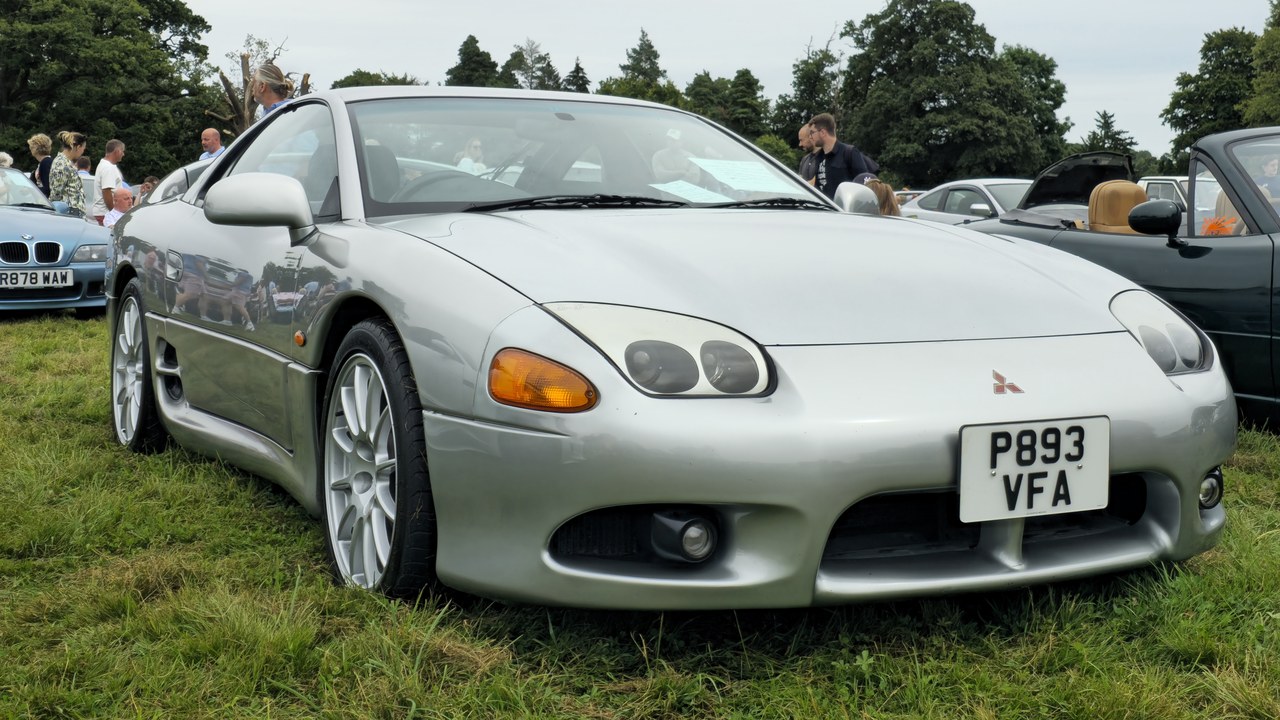
Mitsubishi loaded the 3000GT VR-4 with features that were unusual for its price point, including all-wheel drive, four-wheel steering, and active aerodynamics that adjusted at speed, making it one of the most mechanically complex Japanese coupes of the era. The full equipment list is catalogued in the model’s production entry.
Mitsubishi’s later lineup shifted away from performance flagships entirely as the brand narrowed its focus, so the 3000GT’s mix of gadgetry and grand-touring comfort has no current equivalent in the company’s catalog.
7. Toyota MR2: The Budget Mid-Engine
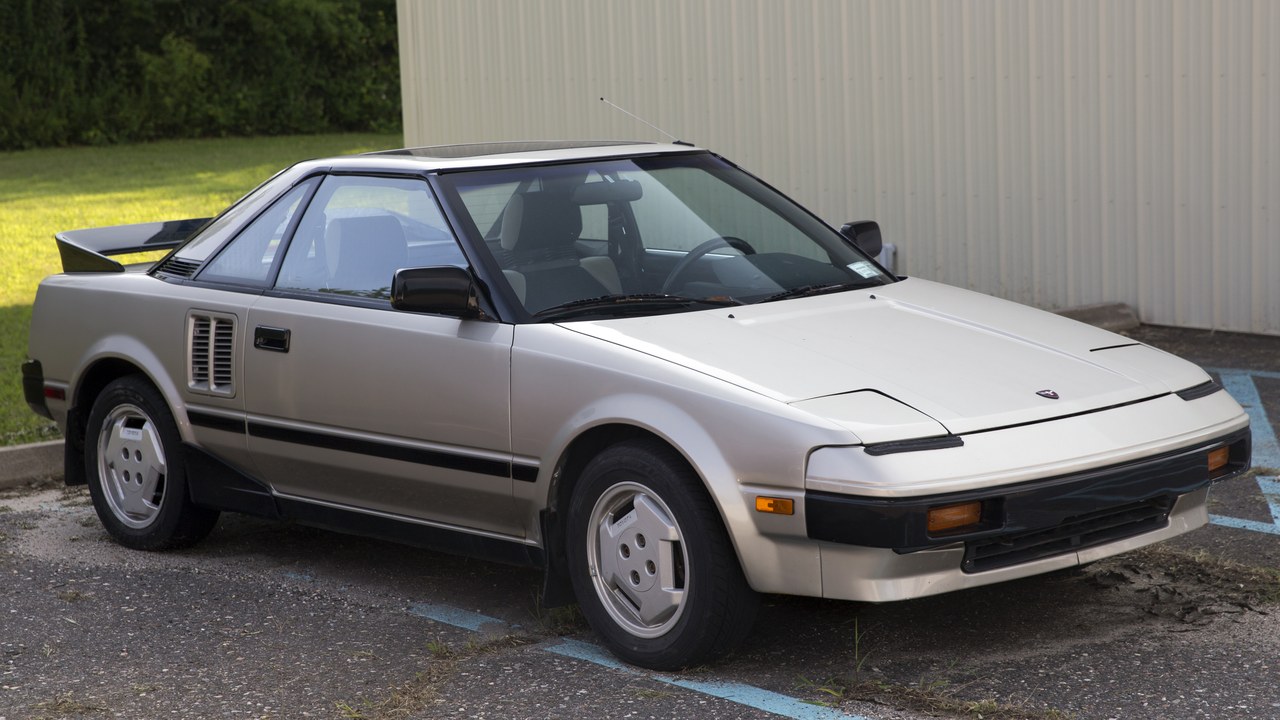
Toyota placed the MR2’s engine behind the driver rather than up front, a layout usually reserved for exotic cars, but sold it at a price ordinary buyers could afford, which is why it still appears on lists of the era’s best-value sports cars. The turbocharged SW20 variant added real performance on top of that unusual chassis balance.
Toyota ended MR2 production in the following decade and has not returned to a mid-engine layout at a comparable price since, leaving that specific combination of affordability and exotic-car geometry unmatched in its current lineup.
8. Honda CR-X: The Lightweight Hatch
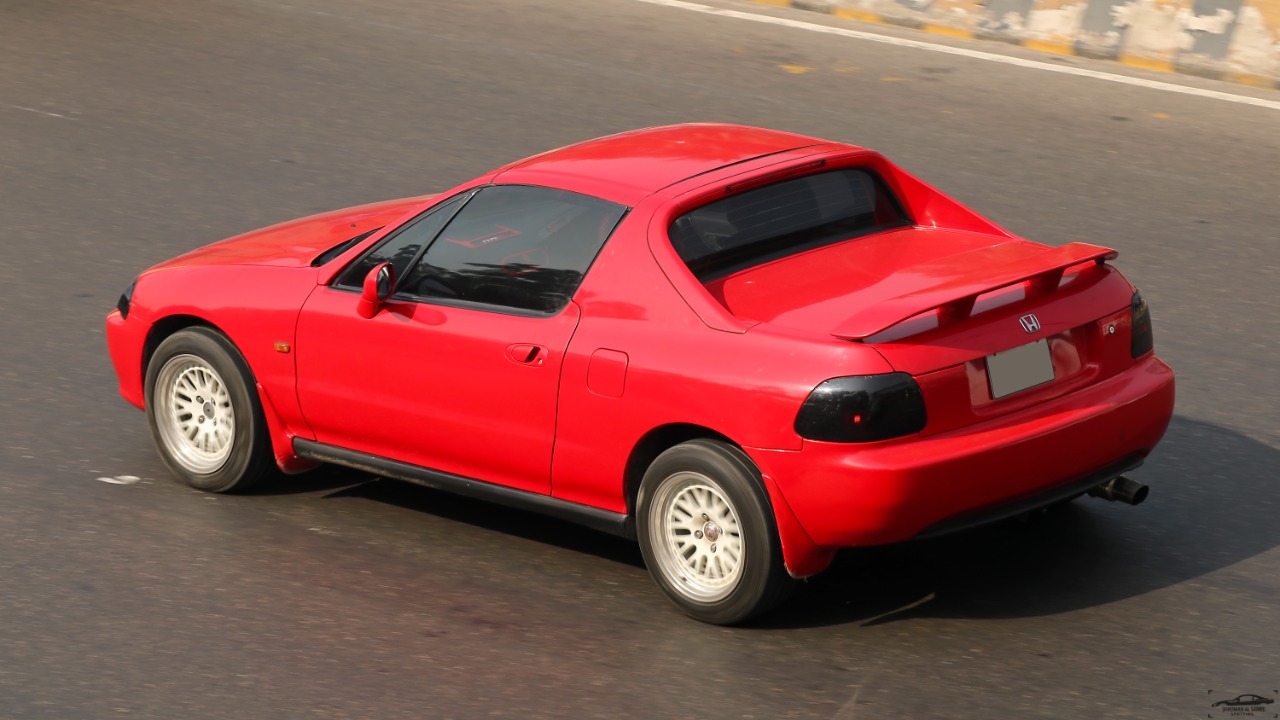
Honda kept the CR-X’s curb weight down by pairing a small two-seat cabin with an efficient four-cylinder engine, a formula that gave the hatchback sharp handling without requiring big horsepower to feel quick. Its dimensions and powertrain lineup are documented in the car’s production overview.
Honda replaced the CR-X with the heavier, more comfort-oriented del Sol as buyer priorities shifted, and no vehicle in the current lineup targets that same low-weight, two-seat formula.
9. Subaru SVX: The Window-in-Window GT
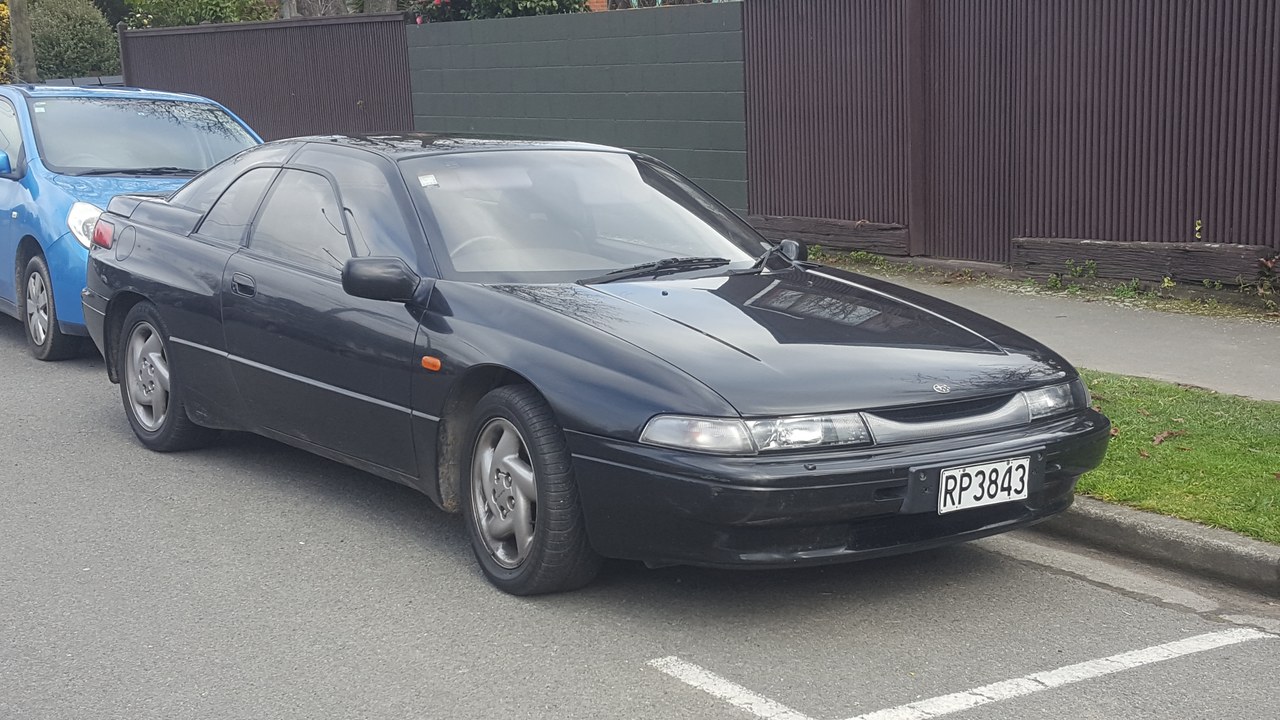
Subaru gave the SVX a distinctive glass canopy with a smaller window set into each door’s main glass, a design choice meant to evoke aircraft cockpits, and it built the grand tourer around a flat-six engine and standard all-wheel drive. The car’s unusual glasswork and drivetrain are detailed in its production history.
Subaru never repeated that glasswork on another model, and the SVX remains the only vehicle in its history styled around the concept, which is part of why collectors treat it as a one-off rather than a discontinued trim level.
10. Dodge Viper: The Raw V10
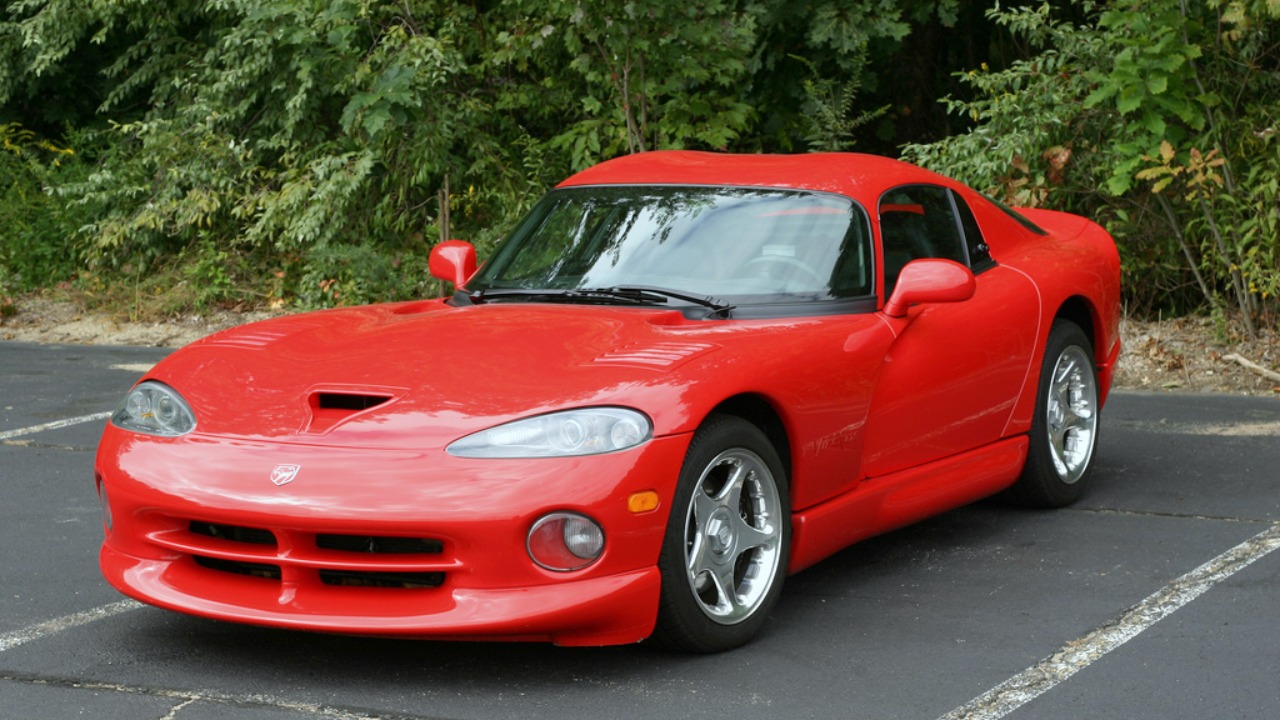
Dodge built the original Viper with a large V10 engine, no roll-up windows, and minimal driver aids, an approach the company treated as a deliberate throwback to unassisted, high-horsepower American sports cars. That stripped-down specification is laid out in the model’s production record.
Chrysler discontinued the Viper entirely in the following decade as safety and emissions rules made that unassisted formula harder to justify, and the brand has not replaced it with anything built on the same principle.
11. Nissan Skyline GT-R: The Forbidden Legend
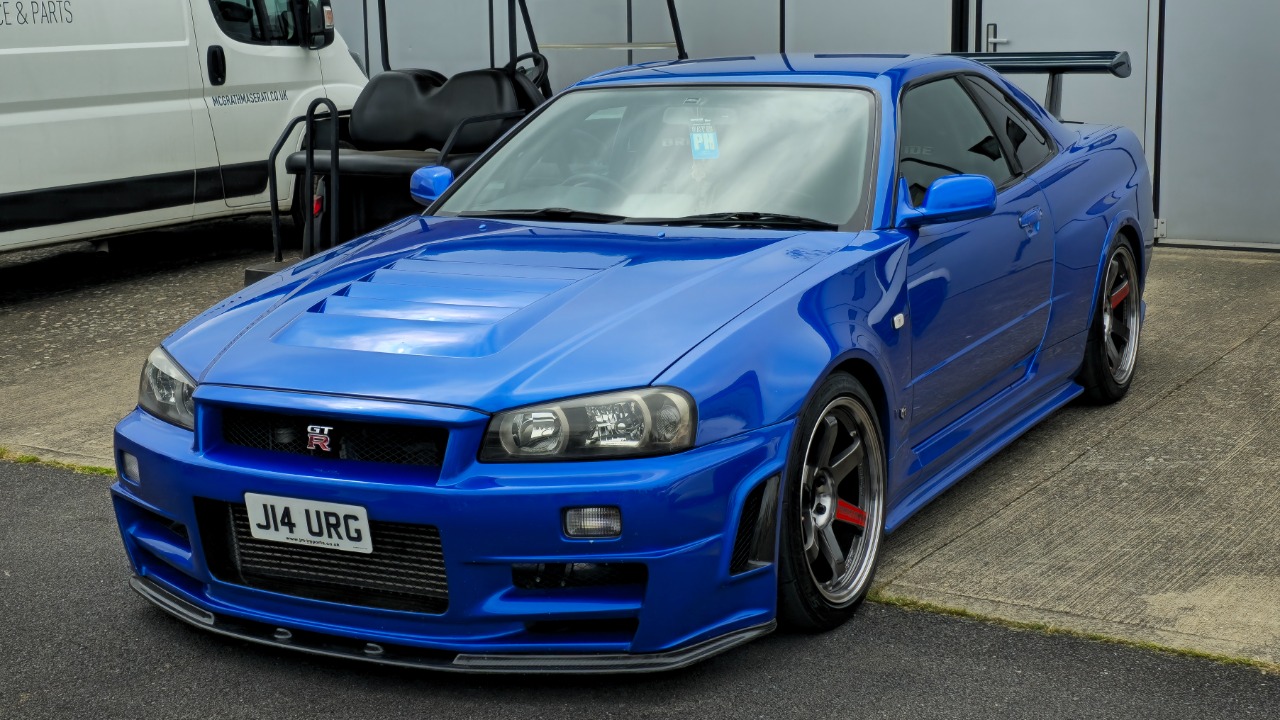
Nissan sold the R32 through R34 Skyline GT-R generations only in Japan and select markets, using a turbocharged inline-six and an advanced all-wheel-drive system, but never officially exported the car to the United States, which built decades of demand around a model most American enthusiasts could only read about. Its market restrictions and drivetrain specs are covered in the car’s production history.
Federal import rules now allow individual R32s to enter the United States as they cross the 25-year age threshold, but Nissan itself has never sold a new version domestically, keeping the ’90s cars themselves as the only original way to own one.
12. Mitsubishi Eclipse: The Affordable Turbo
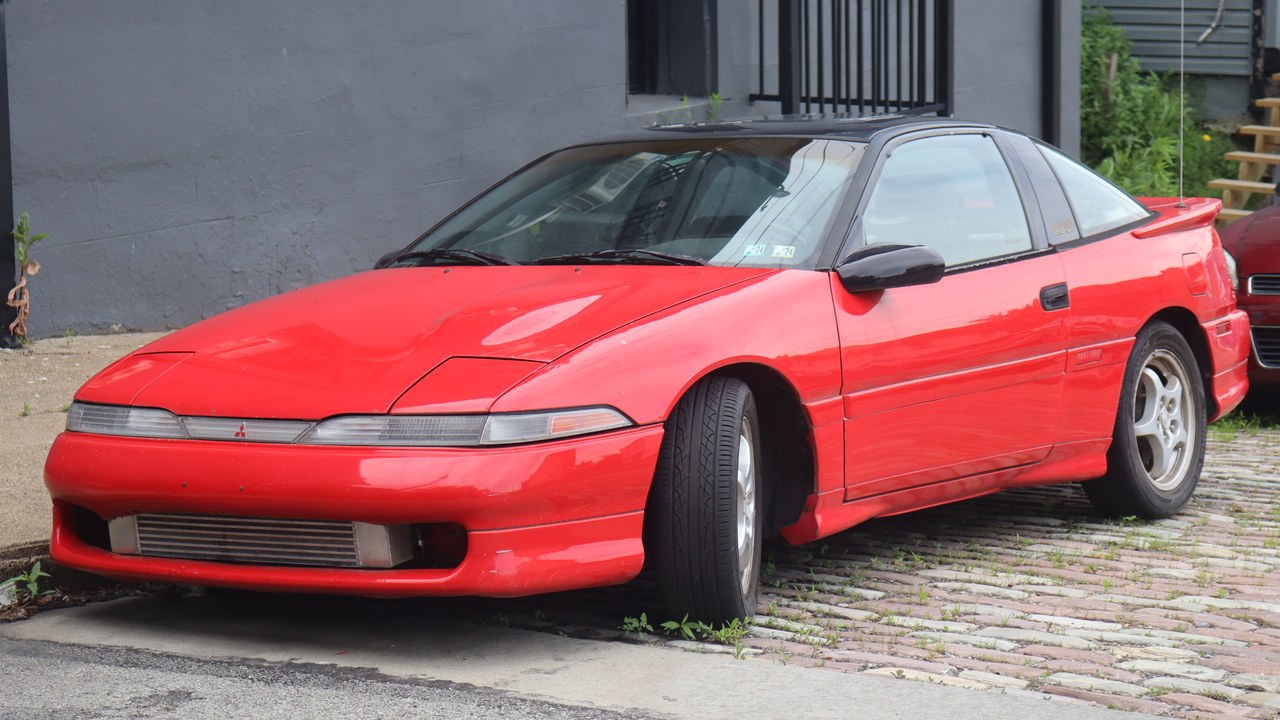
Mitsubishi built the second-generation Eclipse GSX with a turbocharged four-cylinder and all-wheel drive at a price that undercut most other performance coupes of the decade, making it one of the most modified cars of its era once the aftermarket caught on. Its trim lineup and turbo specifications are recorded in the model’s production entry.
Mitsubishi discontinued the Eclipse coupe entirely and later reused the name on an unrelated crossover, a decision that still frustrates owners who say nothing the brand sells now serves the same affordable-turbo-coupe role.
More from Morning Overview
