
Cabin space is rarely distributed evenly, and drivers over six feet tend to discover the shortfall in the first mile. Seat travel, roof height, floor shape and pedal placement matter more than a single total on a spec sheet. Here are twelve vehicles whose packaging leaves genuine room for long legs and tall torsos.
1. Chevrolet Suburban: Three Rows Without Compromise
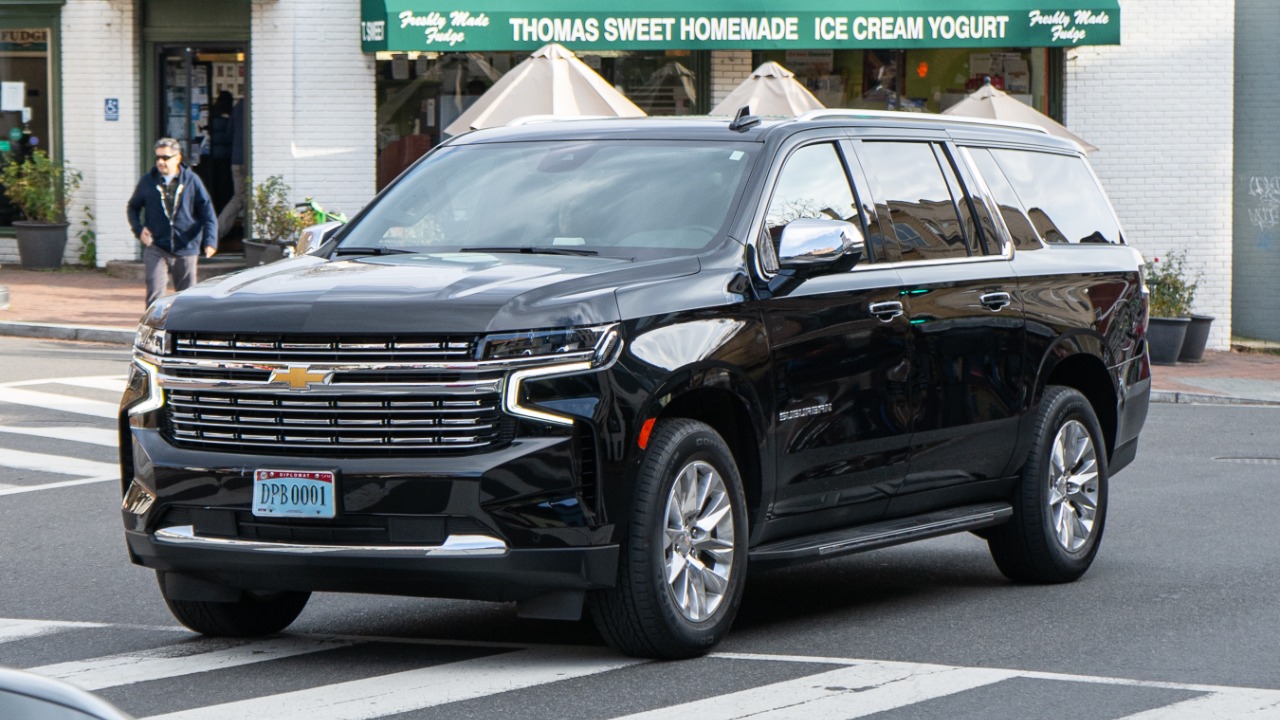
Length is the whole argument. General Motors builds the model on full-size truck architecture, then stretches the wheelbase and the body behind the rear axle, which is why the long-wheelbase Chevrolet wagon seats three rows without pushing the middle bench forward. A tall, upright roofline preserves headroom, and the front seats slide far enough back for a driver well past six feet.
The trade is footprint. Older parking structures and narrow streets punish a vehicle this long. Buyers who regularly carry adults in the last row, not children, get the most from it.
2. Ford Expedition Max: The Extended Wheelbase Version
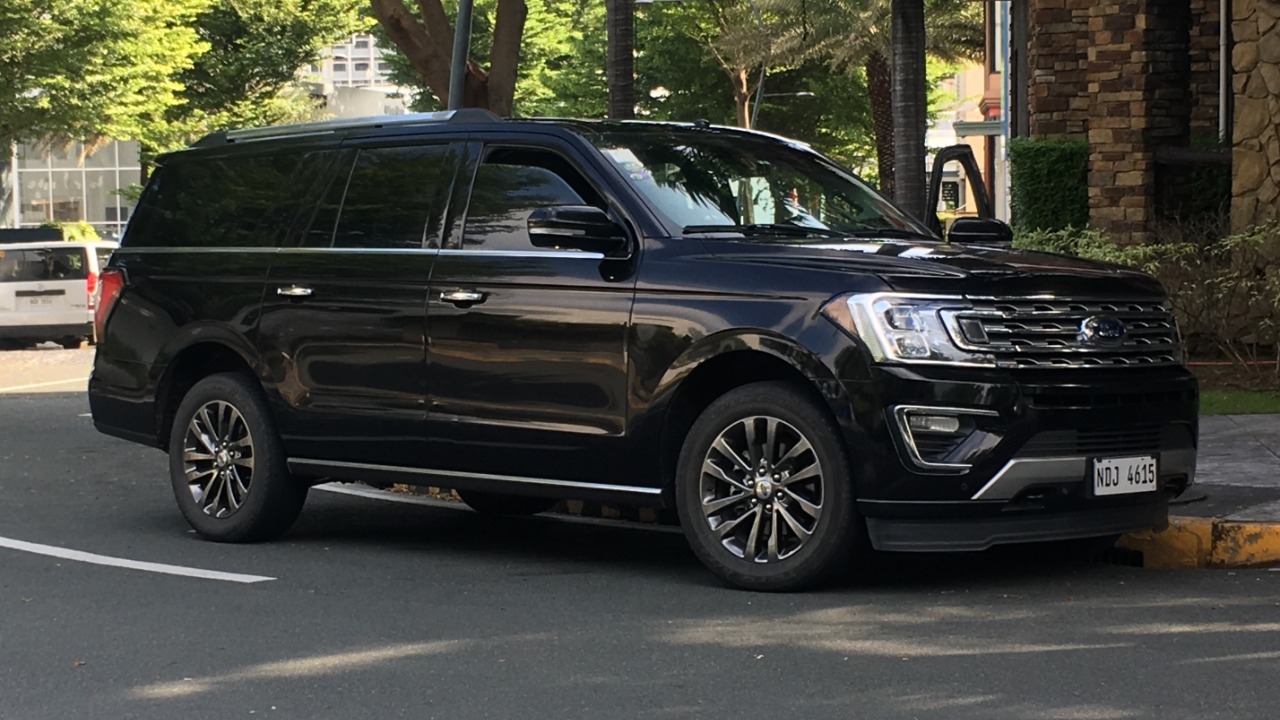
Ford sells this SUV in two lengths, and the longer body is the one that matters to anyone tall. The extended-length Ford SUV adds its extra inches between the rear axle and the tailgate, which lifts third-row legroom and cargo volume, while an independent rear suspension keeps the floor low enough that passengers sit with knees down instead of up.
Front occupants benefit from a high roof and a tall door opening, so seat height can be dialed down without losing sightlines. The penalty arrives in maneuvering, since the longer body turns wide and fills a standard garage bay end to end.
3. Honda Odyssey: Minivan Math, Applied
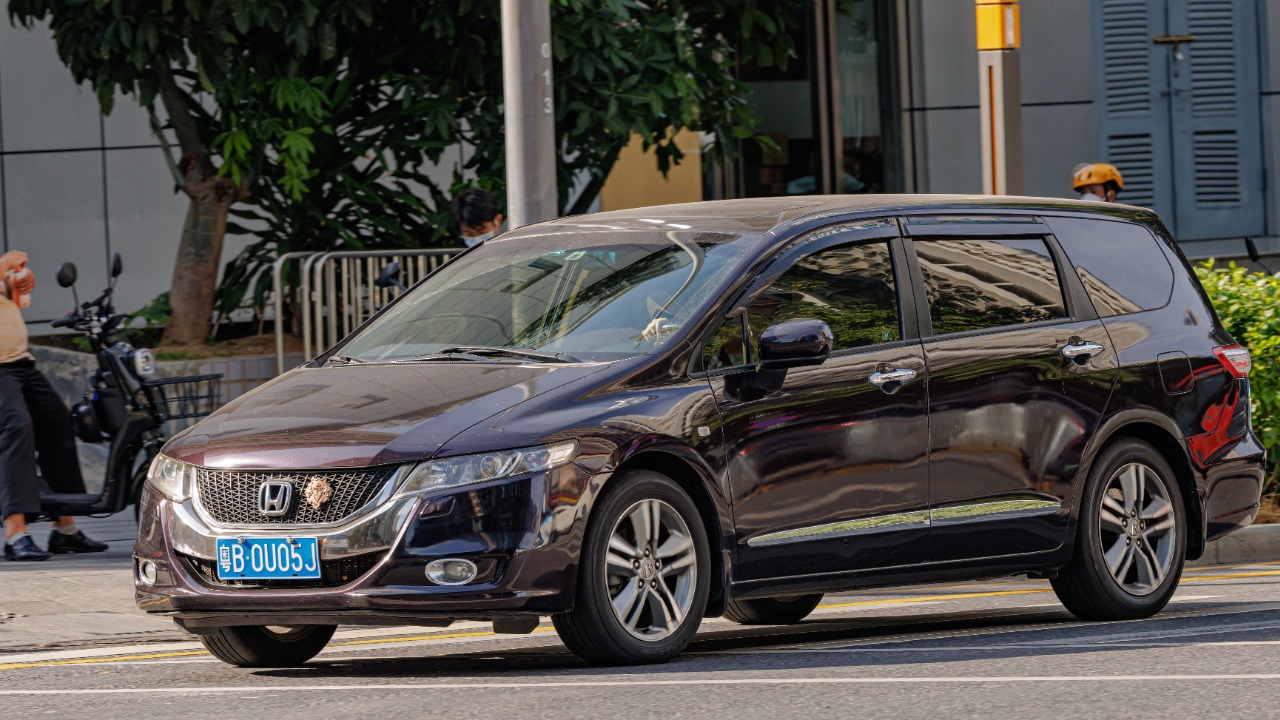
Minivan packaging remains the most efficient way to move tall adults, and the Honda minivan line has leaned on that geometry for decades. Sliding doors allow an upright entry, the roof stays flat from windshield to tailgate, and the seats sit high on a floor that runs level rather than climbing over a driveshaft tunnel. Second-row occupants get stretch-out room that most three-row crossovers cannot match.
Rear seats that fold and slide trade passenger room for cargo depth as needed. The compromise is image rather than function, and shoppers who reject the shape usually accept less space in something taller.
4. Chrysler Pacifica: The Level Floor Advantage
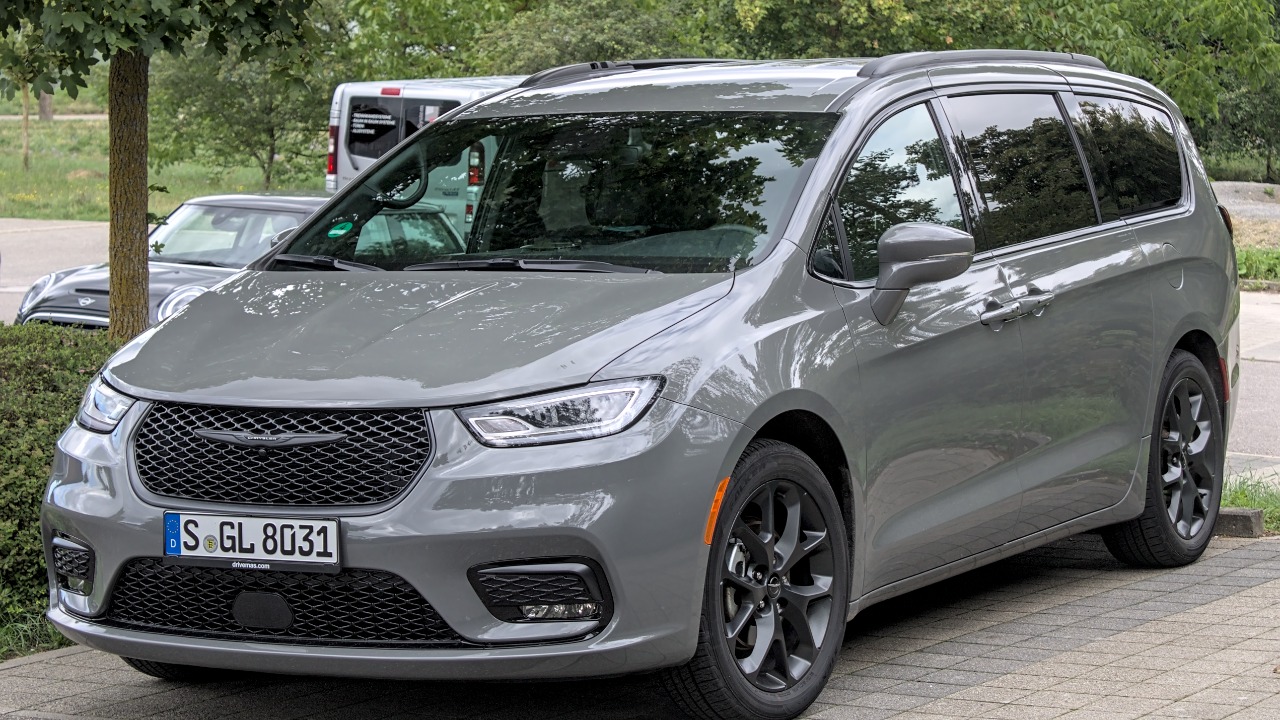
A front-wheel-drive layout lets the Chrysler minivan run a floor with no transmission hump, and the difference is obvious to anyone with long legs riding in the middle. Seats that fold into wells beneath that floor demand a deep, flat pan, and the same engineering leaves generous foot space under the row ahead. Door openings are cut tall, so entry does not require ducking.
Plug-in hybrid versions give up the folding second row because the battery occupies the floor wells, a detail worth checking before signing. Otherwise the cabin remains among the easiest in the segment for a six-foot-plus driver to settle into.
5. Toyota Sienna: Room Built On Height
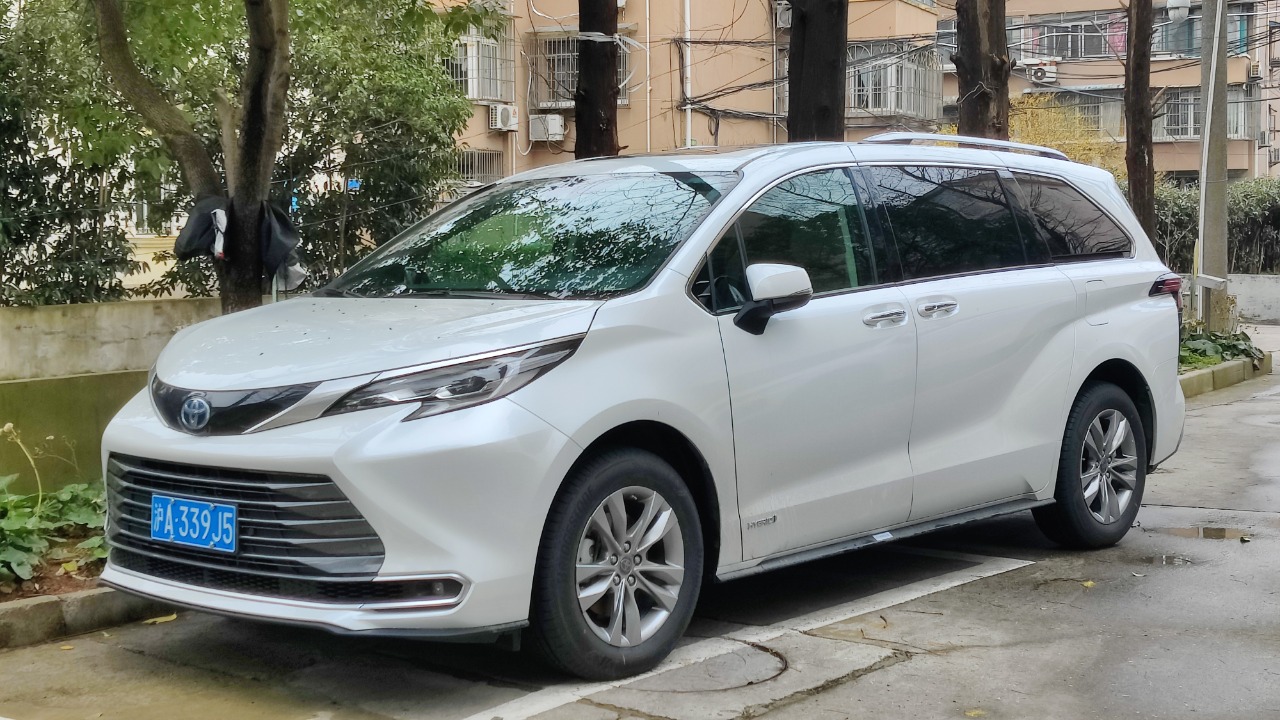
Height does most of the work. The Toyota minivan stands tall enough that headroom is never the constraint, and a long wheelbase separates the axles enough to give all three rows real legroom instead of splitting one row’s worth between two. Middle-row chairs travel a long way back, which matters more than a published figure when adults ride behind adults.
The hybrid powertrain places its battery under the front seats rather than in the passenger footwells, so the space survives. Adding all-wheel drive costs no cabin room either, because the rear motor sits beneath the floor.
6. Chevrolet Traverse: Third Row For Adults
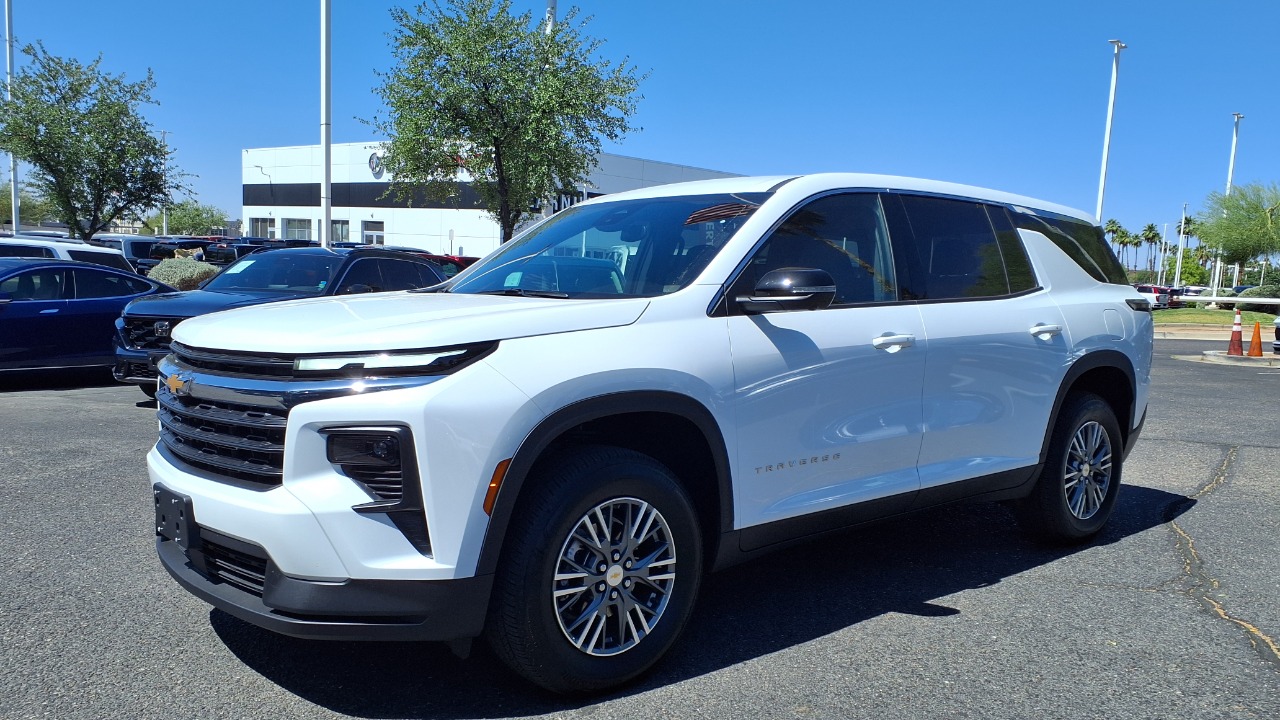
Most midsize crossovers treat the rearmost seat as a penalty box, which is what makes the Chevrolet three-row crossover unusual. It is one of the largest vehicles in its class, and the extra length goes into that third row rather than the cargo hold, giving a full-size adult somewhere to sit on a long drive. The second row slides and tips forward, so getting back there takes no contortion.
The scale makes it feel closer to a full-size truck-based SUV from the driver’s seat without the ride quality a ladder frame brings. Anyone cross-shopping smaller crossovers should sit in the back before writing off the segment.
7. Kia Telluride: Boxy On Purpose
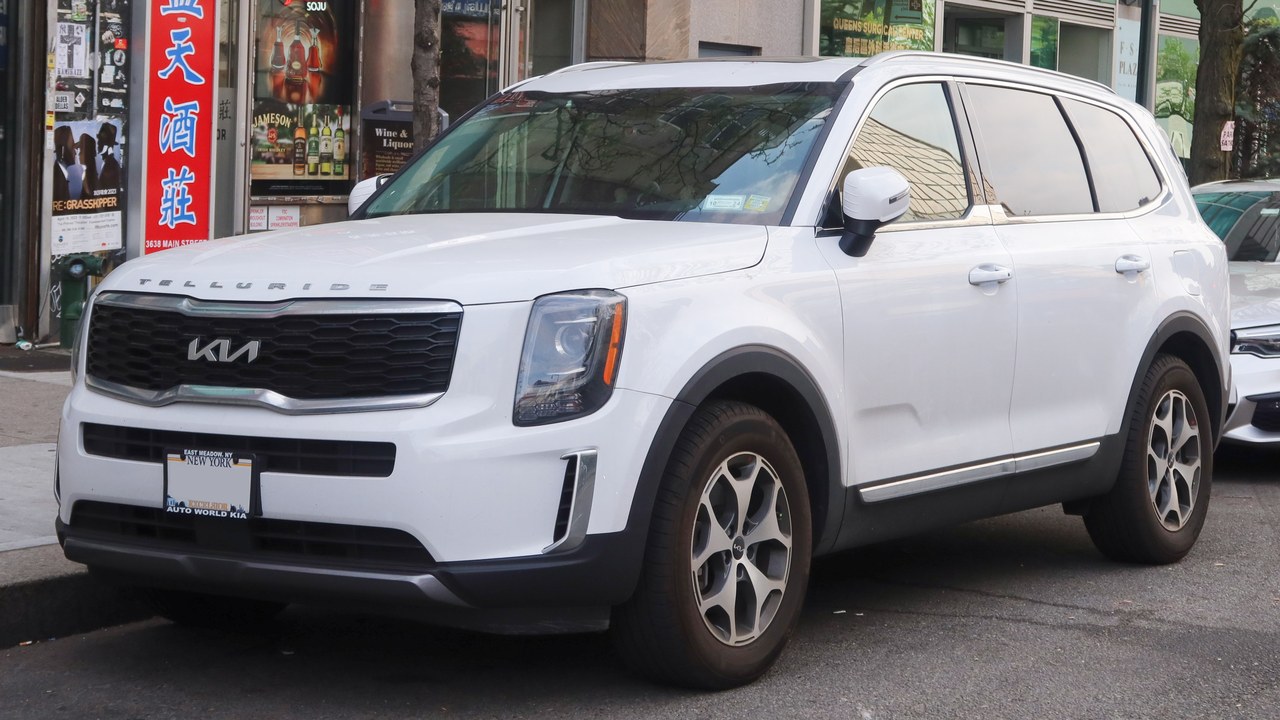
Squared-off styling is not only a look. The upright glasshouse and near-vertical rear pillars on the Kia three-row SUV convert exterior dimensions into usable interior volume, so the cabin feels larger than the footprint suggests. Headroom stays generous through all three rows because the roof never tapers, and the seating positions sit high enough that legs are supported rather than folded.
The formula answered families who wanted genuine adult seating without stepping up to a full-size SUV. A panoramic roof trims a little headroom, so tall drivers should compare trims rather than assume.
8. Volkswagen Atlas: Designed For The Back Seat
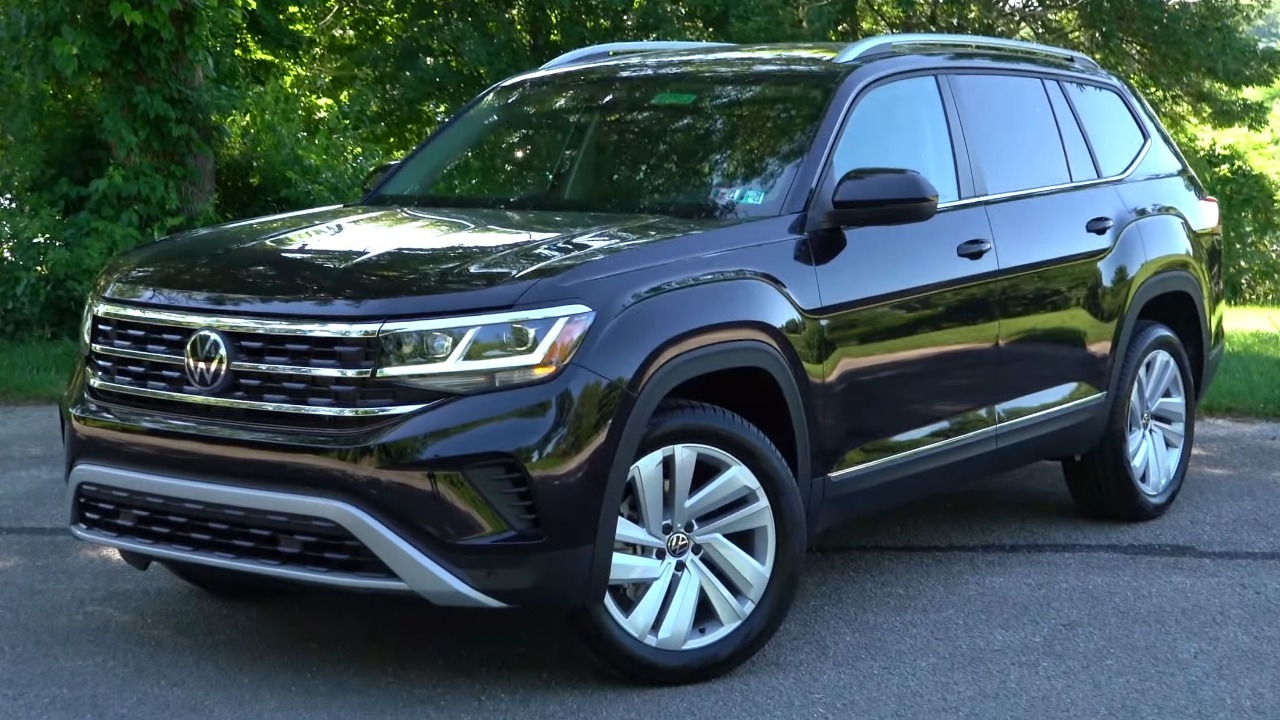
Volkswagen developed the Atlas crossover for American buyers after years of selling smaller vehicles that could not carry three rows of adults. That brief shows up in the packaging: a long wheelbase, a wide body, and a second row that slides and tilts forward even with a child seat installed, which makes the rearmost bench genuinely reachable.
Interior surfaces skew plain next to some rivals, a deliberate trade for space. For a tall driver the payoff is a high seat, a tall door aperture, and a roofline that forces no stoop on the way in.
9. Subaru Ascent: The Boxer Engine Dividend
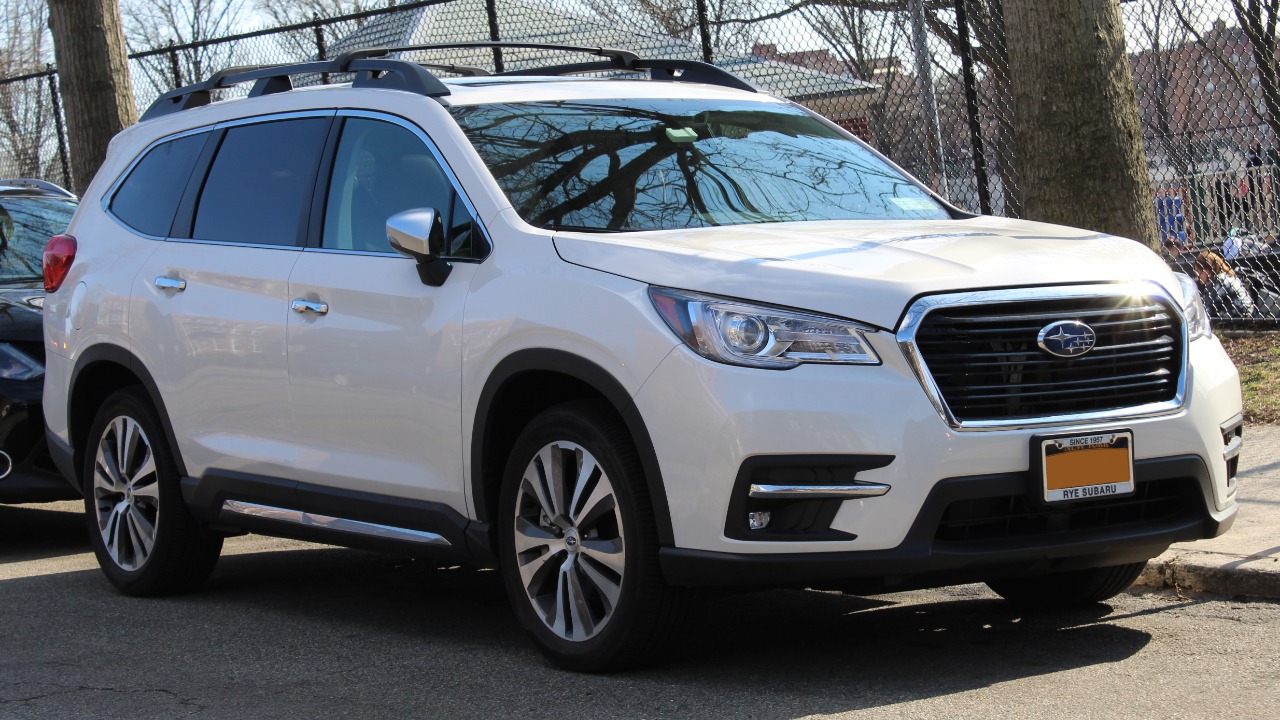
A flat four-cylinder sits lower than an upright one, and the largest Subaru crossover spends that clearance on the cabin rather than on styling. The driver’s seat travels far back on its rails, the roof stays high above it, and the front footwells run deep. Standard all-wheel drive does not intrude, because the drivetrain was designed around a symmetrical layout from the start.
The third row still suits shorter trips for grown passengers, so it works as an occasional-use row. Households that mainly need front and second-row space for tall occupants see the clearest benefit.
10. Jeep Grand Wagoneer: Full-Size, Fully Loaded
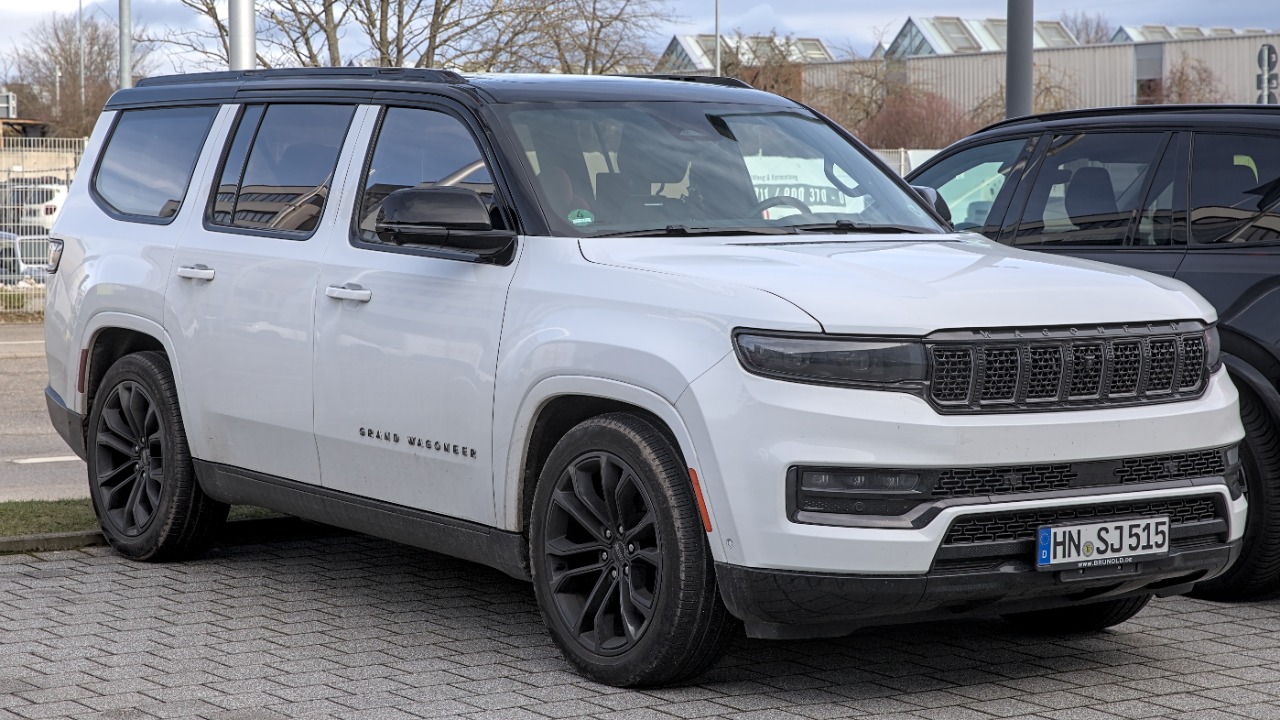
Stellantis revived the Grand Wagoneer nameplate as a full-size, body-on-frame flagship aimed squarely at long-wheelbase domestic rivals, and it is dimensioned accordingly. An upright cabin, a squared roof and a long wheelbase yield head and legroom in every row, and the extended-length version pushes the rear overhang further still.
Prices land in luxury territory and fuel consumption tracks the weight. The appeal is a driving position that suits a tall frame while three rows of passengers ride without negotiating over who moves a seat forward.
11. Honda Ridgeline: The Pickup With A Car Floor
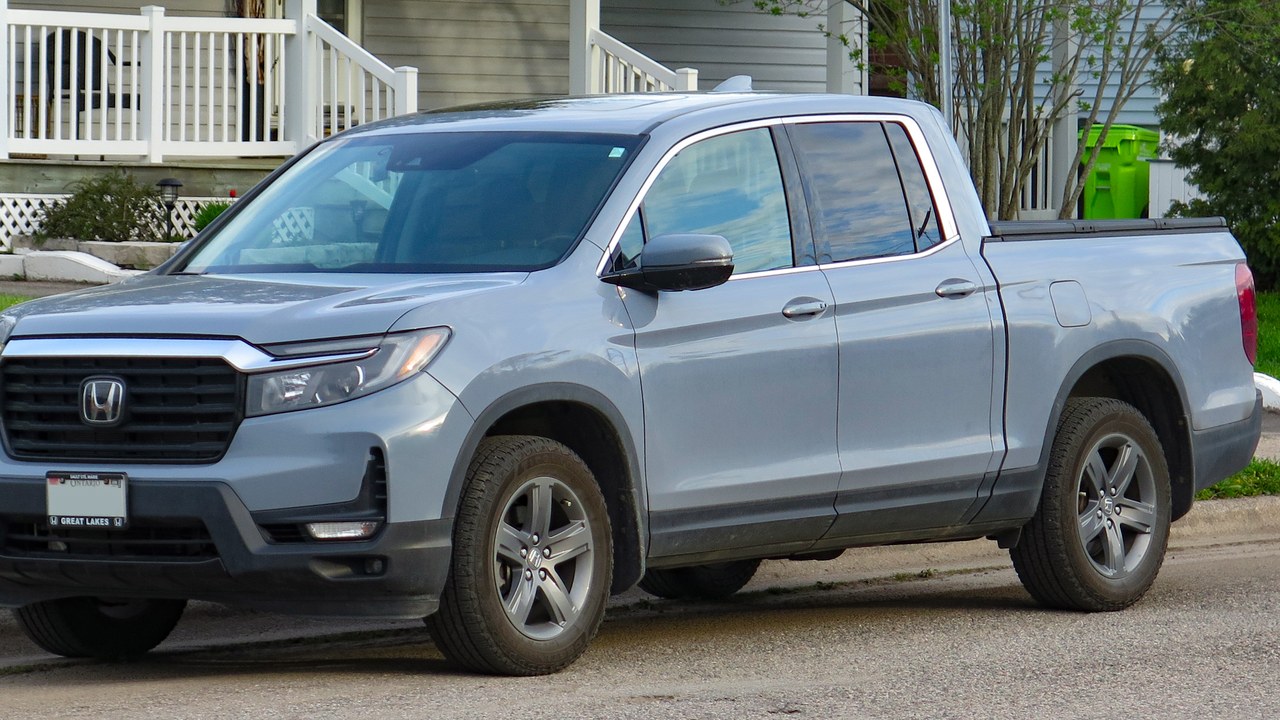
Body-on-frame pickups usually pair a ladder frame with a short, upright rear bench. The unibody Honda pickup instead borrows its structure from a three-row crossover, which brings a flat rear floor and a back seat with a reclined backrest rather than a vertical one. Rear passengers get real thigh support and room to stretch out.
Those rear seat bottoms also flip up to create a tall, dry load area inside the cab. Towing and payload figures trail truck-framed rivals, the price of the architecture that creates the space.
12. Ford Explorer: Front Seats Built For Length
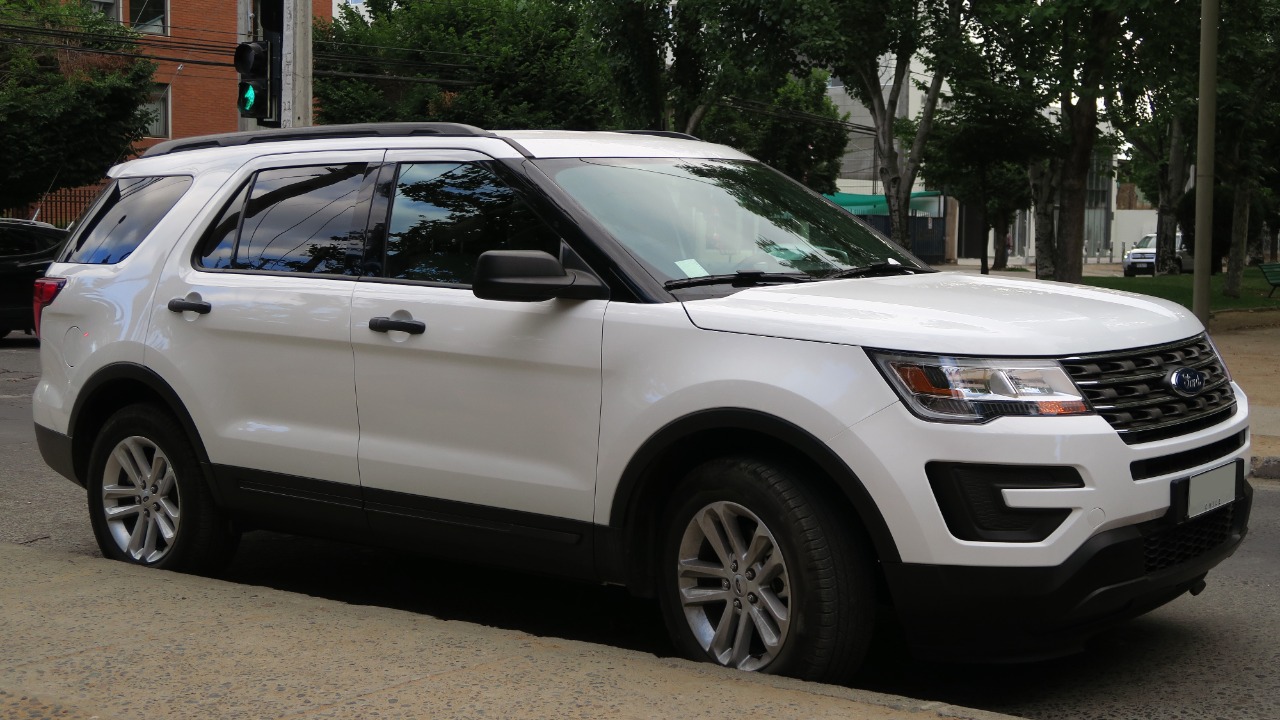
Recent versions of the Ford Explorer moved to a rear-drive-based platform with a long wheelbase, and the first two rows collected most of the benefit. The seat rails run long, the roof sits high above the driver, and the second row offers enough legroom to carry adults through a full day of driving without negotiation.
The third row is a clear step down and works best for shorter trips or younger passengers. As a two-row vehicle carrying tall occupants plus luggage, it makes better use of its size than the exterior suggests.
More from Morning Overview
- Long-term use of common heartburn pills is tied to kidney and dementia risk
- A California supervolcano has bulged upward about two and a half feet since 1978
- The FTC is warning about a scam quietly draining thousands from victims
- The NSA is again telling phone owners to switch off one location setting
