
Oil consumption rarely makes a car look bad on the lot, yet it can quietly wear an engine down between services. This list draws on Consumer Reports surveys, settlements, warranty extensions and mechanic opinions to flag used cars and SUVs with documented oil problems. Here are twelve models that deserve a closer look before any purchase.
Tech news worth reading: Get Techpresso, the daily email with the most interesting tech news and insights, read by 400,000+ professionals from Google, Apple and OpenAI.
We may earn a commission if you sign up.
1. BMW M5 (2012): Worst On The List
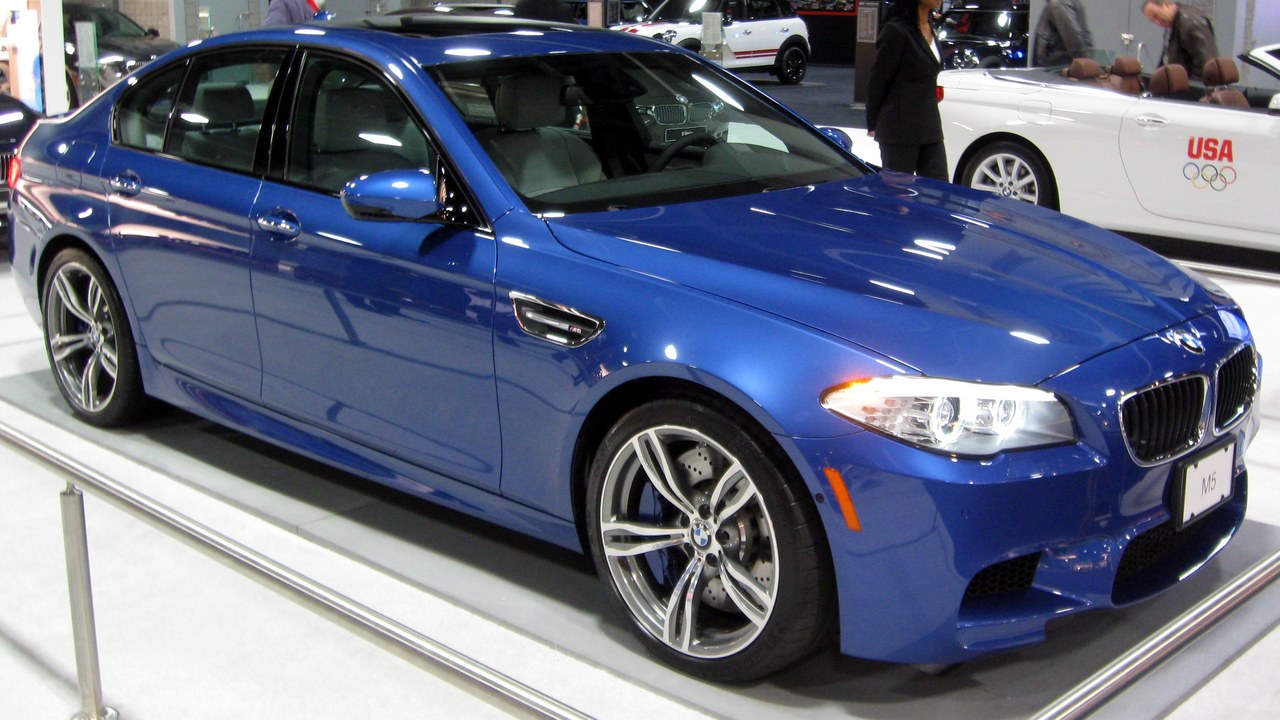
Among Consumer Reports survey respondents, more than half of those with a 2012 M5 reported oil consumption issues, and the magazine called it the worst oil-burner on its list. The figure comes from the CR survey of used cars prone to the problem.
Owners of high-performance sedans often expect to top up fluids between services, yet a majority flagging the problem in a survey is a different matter. Shoppers eyeing a used M5 can reasonably ask for service records first.
2. Acura MDX (2010-13): Every Fifth Owner
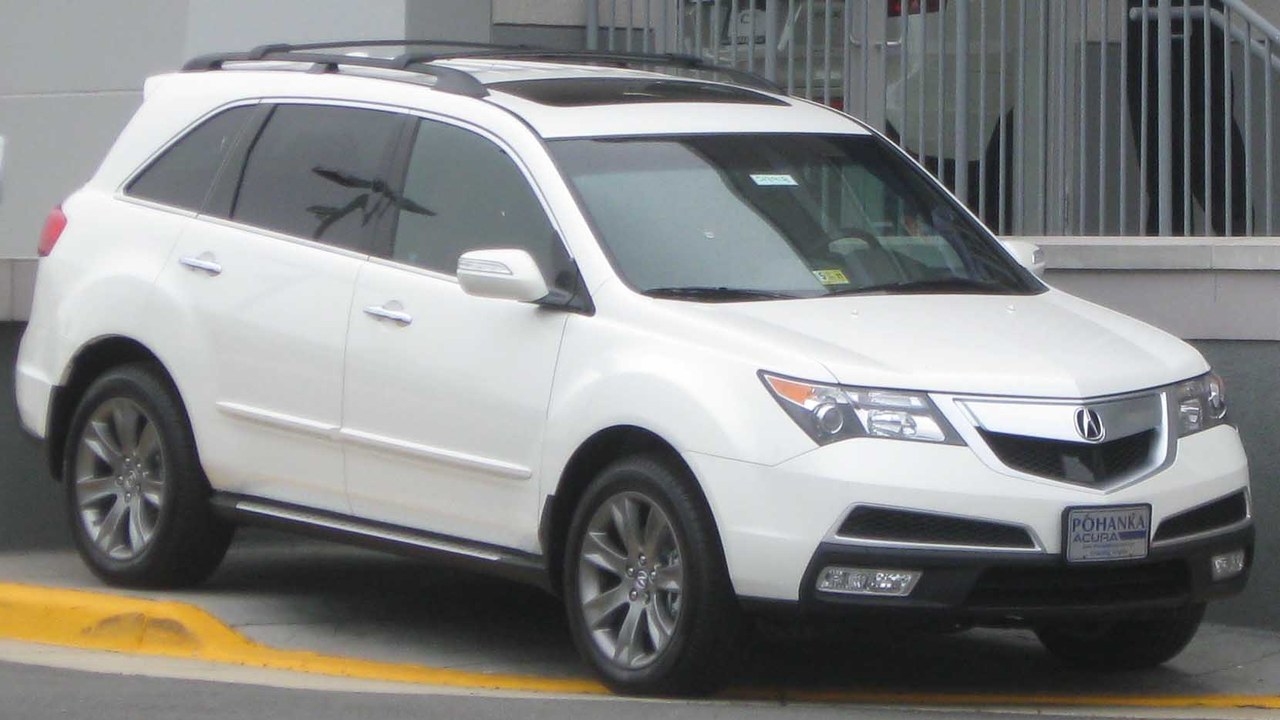
Depending on the model year, anywhere from 10 to just over 20 percent of Acura MDX owners complained about oil consumption for the 2010-13 range, according to Consumer Reports. The CR used-car list places this luxury crossover among used vehicles worth a closer look.
The spread between 10 and 20 percent suggests the problem varied from year to year rather than hitting every vehicle equally. Buyers can narrow the risk by checking the specific model year and the maintenance history.
3. Subaru Tribeca (2010-14): A Quarter Complained
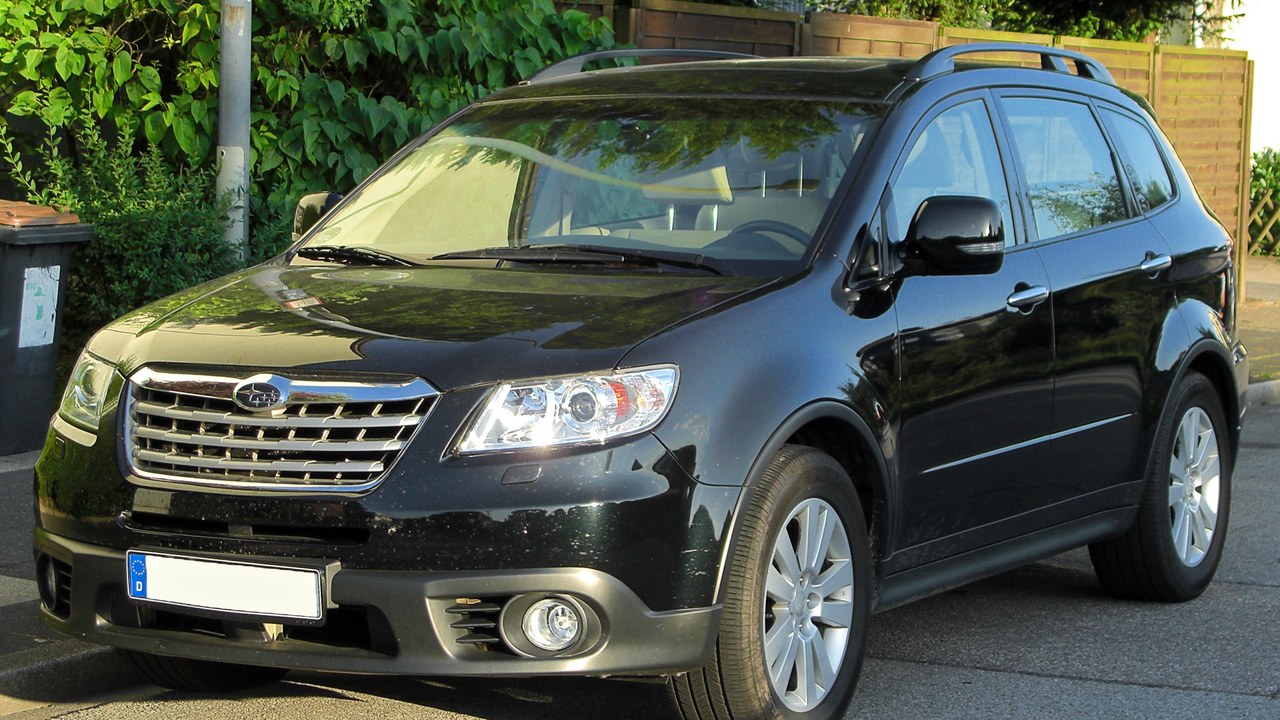
About a quarter of Tribeca owners complained of oil consumption in Consumer Reports’ survey, a high share for a three-row crossover sold by a brand known for durability. The survey results covers the 2010-14 span of this Subaru.
A small sales base cuts both ways. Used examples are uncommon, which can make price comparisons hard, and the survey sample for such a model is naturally narrower than for a best seller. Even so, one owner in four reporting trouble justifies a careful inspection.
4. Chevrolet Equinox (2010-13, 2.4-liter): A Compact Crossover Caution
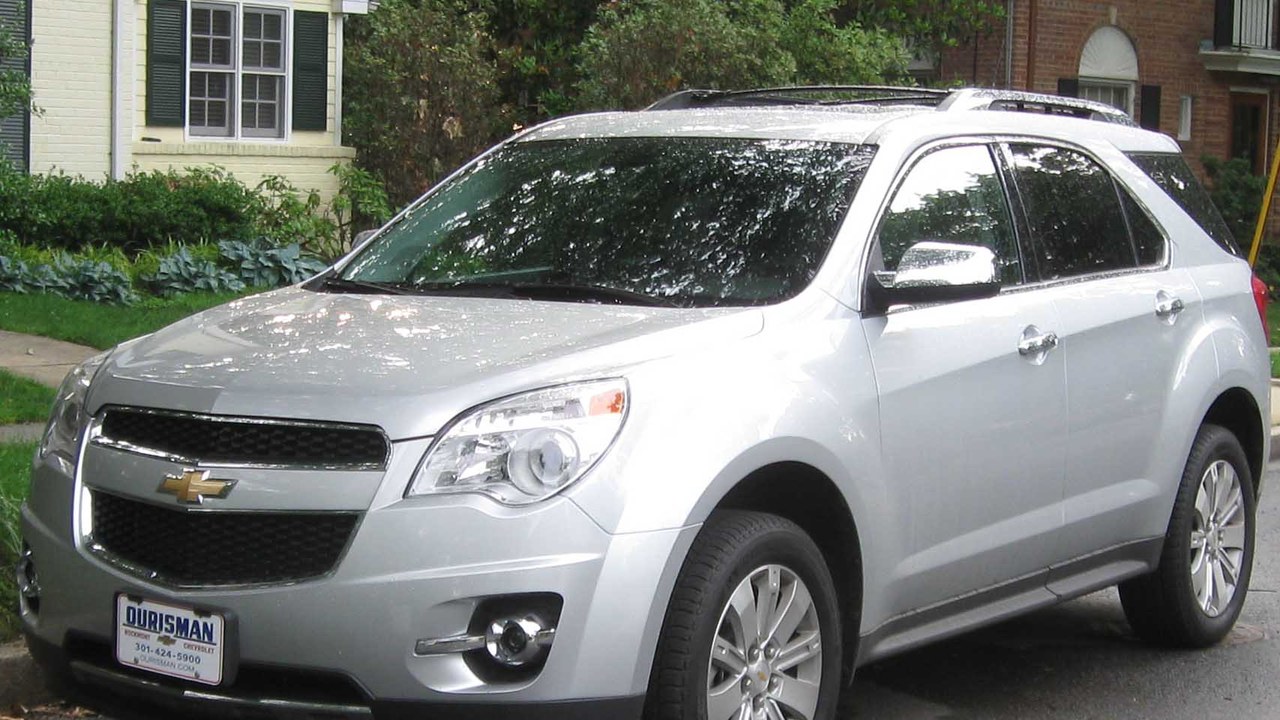
Consumer Reports named the 2010-13 Equinox with the 2.4-liter engine among the used models with a tendency to burn oil, and suggested a RAV4 as the alternative. The CR guidance frames the choice as a swap between two popular compact SUVs.
The warning applies to a particular engine and period rather than to every Equinox ever sold, so the later redesigns fall outside it. Anyone looking at an older four-cylinder example can ask how often oil has been added.
5. BMW 5 Series V8: Twenty-Seven Times Likelier
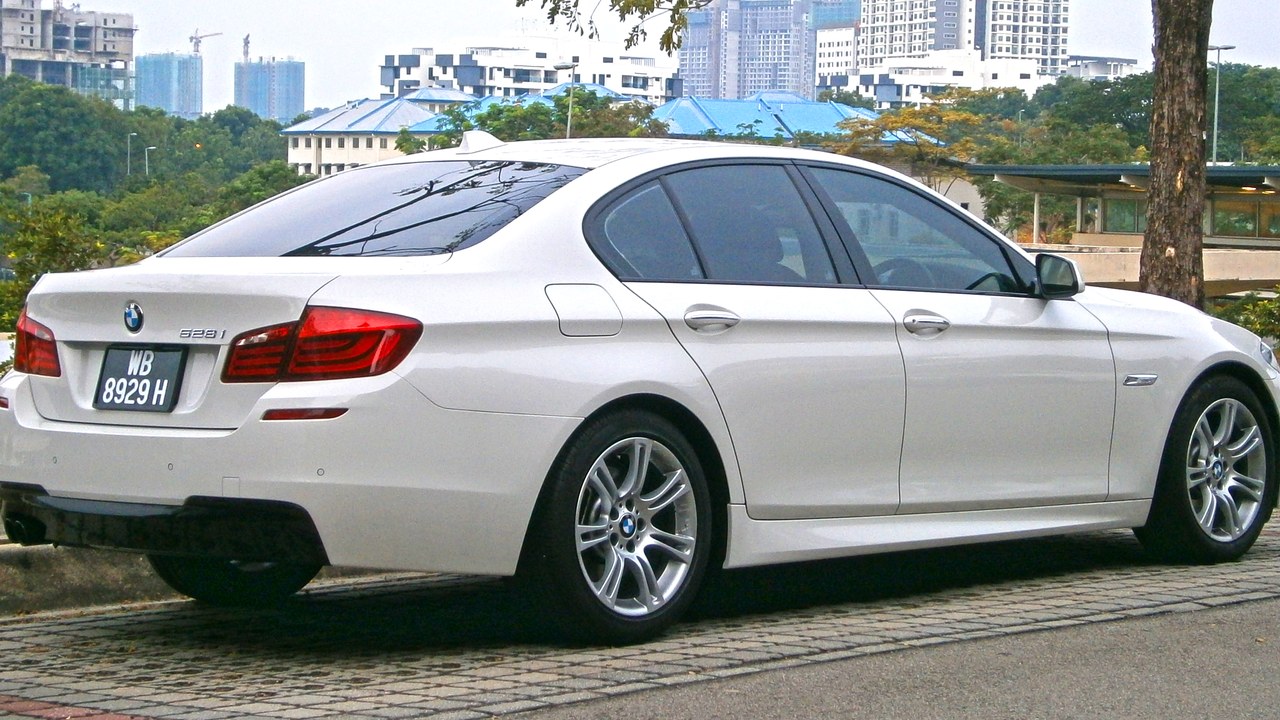
Consumer Reports’ 2014 survey found BMW 5 Series V8 engines 27 times more likely to burn excessive oil than the comparison group. The Torque News report ranks the German automaker at the top of a list of vehicles prone to the problem.
A ratio that large grabs attention, but it describes odds and says nothing about the severity in any one vehicle. The finding relates to the V8 versions in particular, leaving the six-cylinder cars out of that claim. Buyers can use it as a prompt to check the engine and service history.
6. BMW 7 Series (2009-12, N63 V8): A Settlement Paid Per Quart

The 2009-12 7 Series with the N63 V8 was covered by the Bang v. BMW oil-consumption settlement, which reimbursed up to $10 a quart for up to 7 quarts. The class action coverage describes the class action over excessive consumption.
A per-quart payout is modest next to the price of a flagship luxury sedan, yet it documents the problem in a way a survey cannot. Shoppers can ask whether a given car was part of the class and what repairs followed.
7. Toyota Camry (2007-09, 2.4-liter): Warranty Extended Years Later
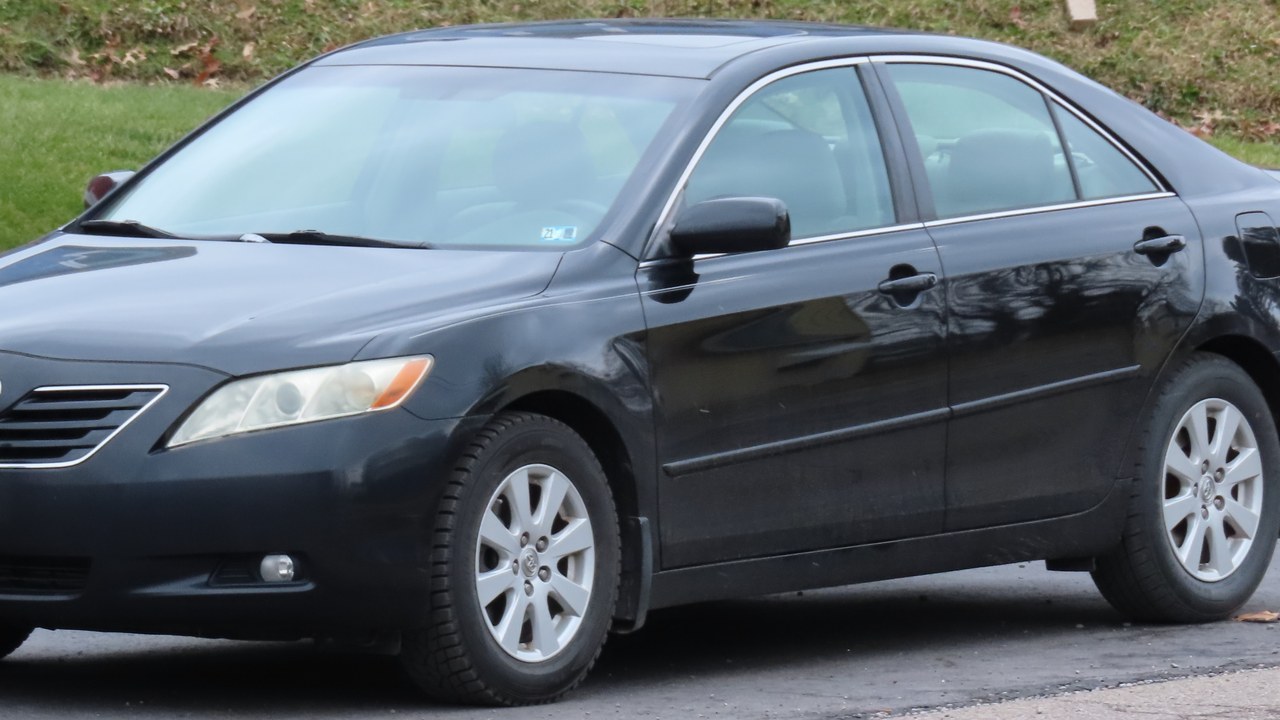
Toyota’s 2AZ-FE four-cylinder drew complaints of burning oil in North America from the 2006 model year onward, and Toyota extended its warranty in January 2015. This Wikipedia engine entry on the engine family explains why the 2007-09 Camry with the 2.4-liter appears here.
A warranty extension signals that the manufacturer recognized a pattern, though the coverage terms matter more than the headline. Used buyers can check whether a particular car received the engine work.
8. Honda Civic (2016-18, 1.5-liter turbo): Oil Meets Gasoline
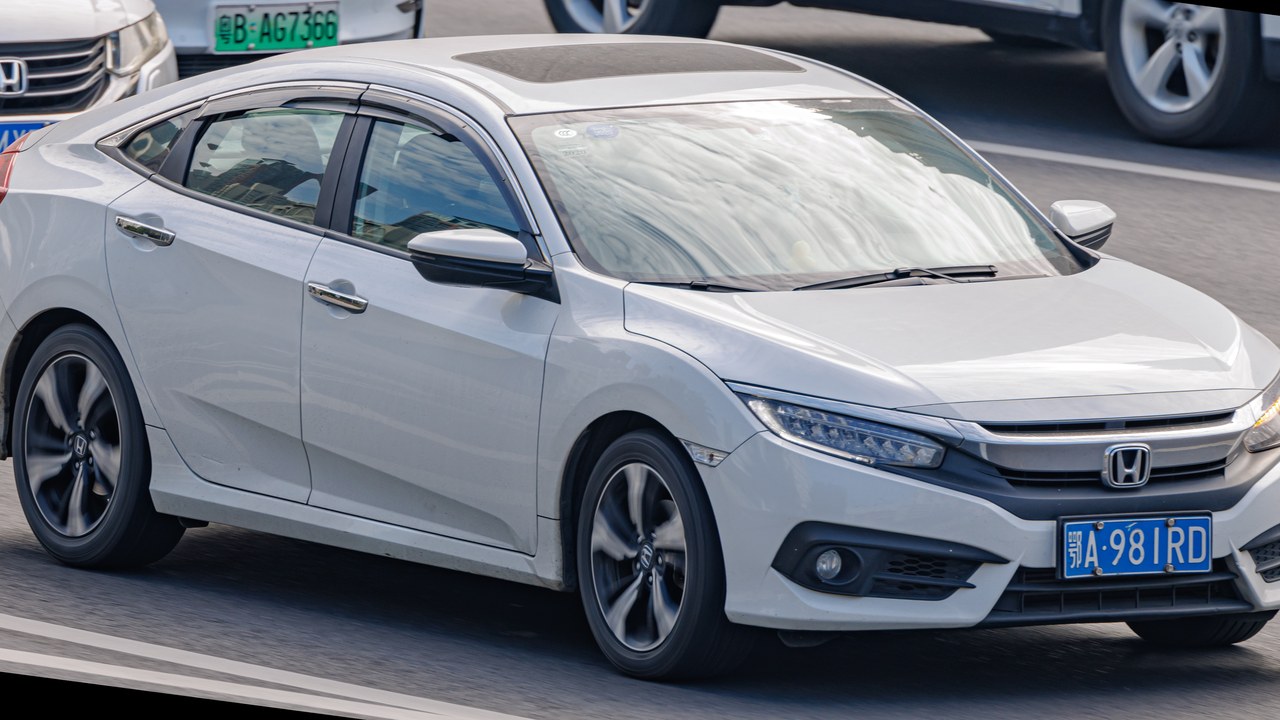
About 1 million 2016-18 Civics and 2017-18 CR-Vs received a Honda warranty extension for an oil issue, lengthening the powertrain coverage from 5 years or 50,000 miles to 6 years with unlimited mileage. The Cars.com coverage covers the 1.5-liter turbo models. The trouble involves oil dilution, a related problem rather than classic oil burning.
That distinction explains why the headline says oil trouble instead of oil consumption. Owners and used shoppers can confirm with a dealer that a specific vehicle is eligible.
9. Volkswagen Tiguan: Costly To Keep
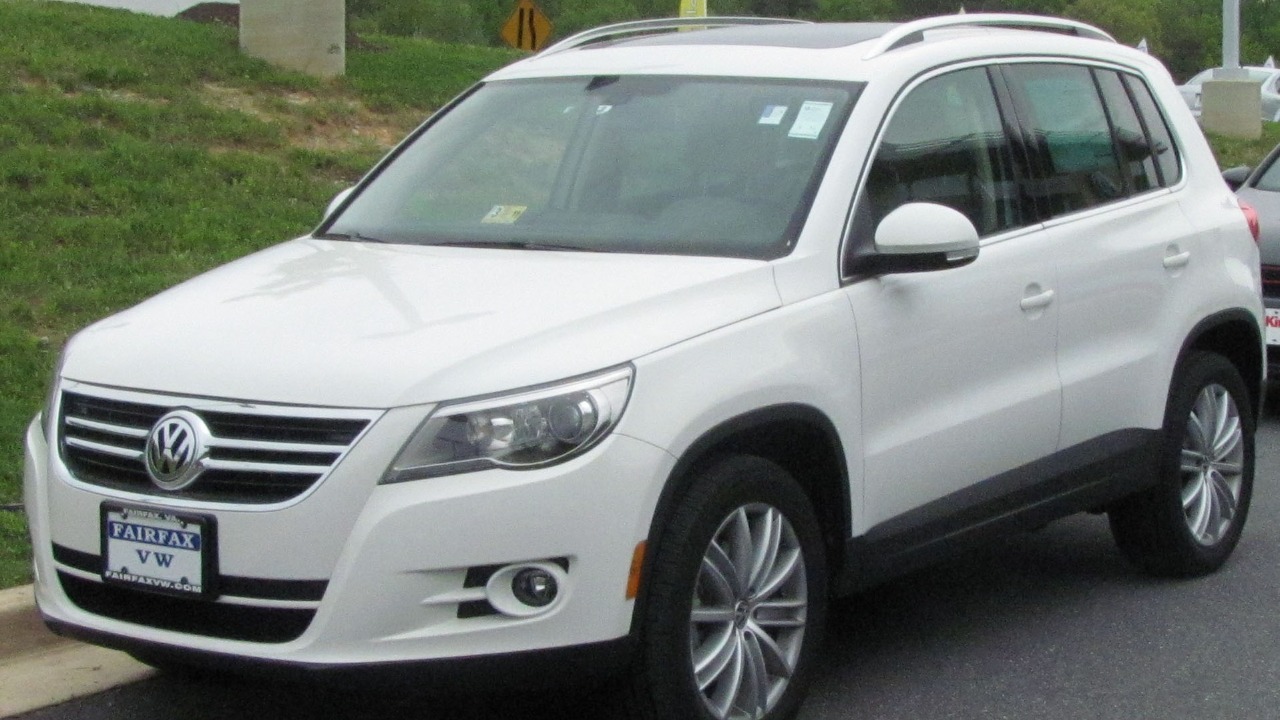
A mechanic’s list of expensive SUVs flags the Volkswagen Tiguan for oil consumption and for infotainment repairs that can cost thousands. The mechanic’s SUV list appears in a roundup aimed at buyers weighing long-term ownership.
The list reflects one mechanic’s experience rather than a measured survey, and it does not put a number on how much oil the Tiguan uses. It works best as a prompt to ask questions, such as requesting the maintenance history.
10. Subaru Outback (2.5-liter, 2010-2018): A Popular Wagon’s Engine
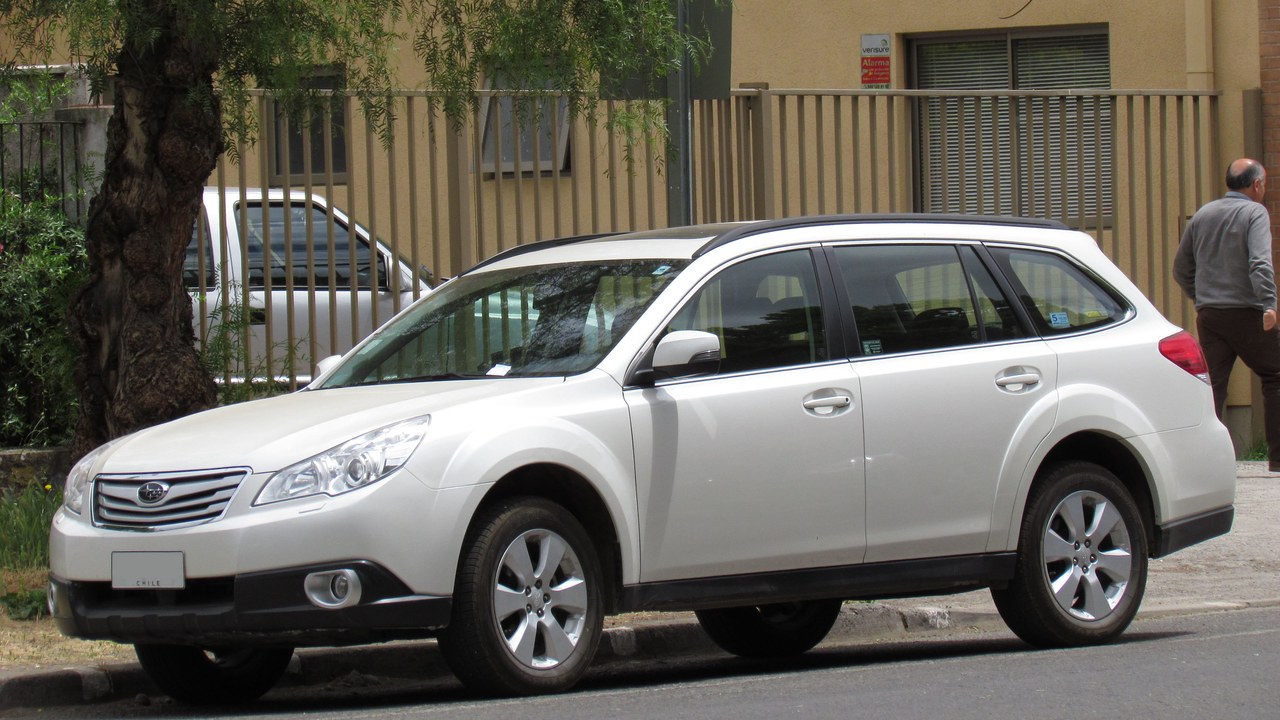
Subaru’s 2.5-liter four-cylinder, built from 2010 to 2018, is on Consumer Reports’ list of 12 engines that can burn enough oil to deplete lubrication between changes. This KBB report ties the issue to the engine that powers the Outback.
The warning concerns the engine rather than a single model, so other vehicles sharing that four-cylinder fall under the same caution. Used shoppers can check the oil level at viewing and ask about top-ups between services.
11. Chevrolet Tahoe (2011-14, 5.3-liter V8): Piston Rings Under Fire
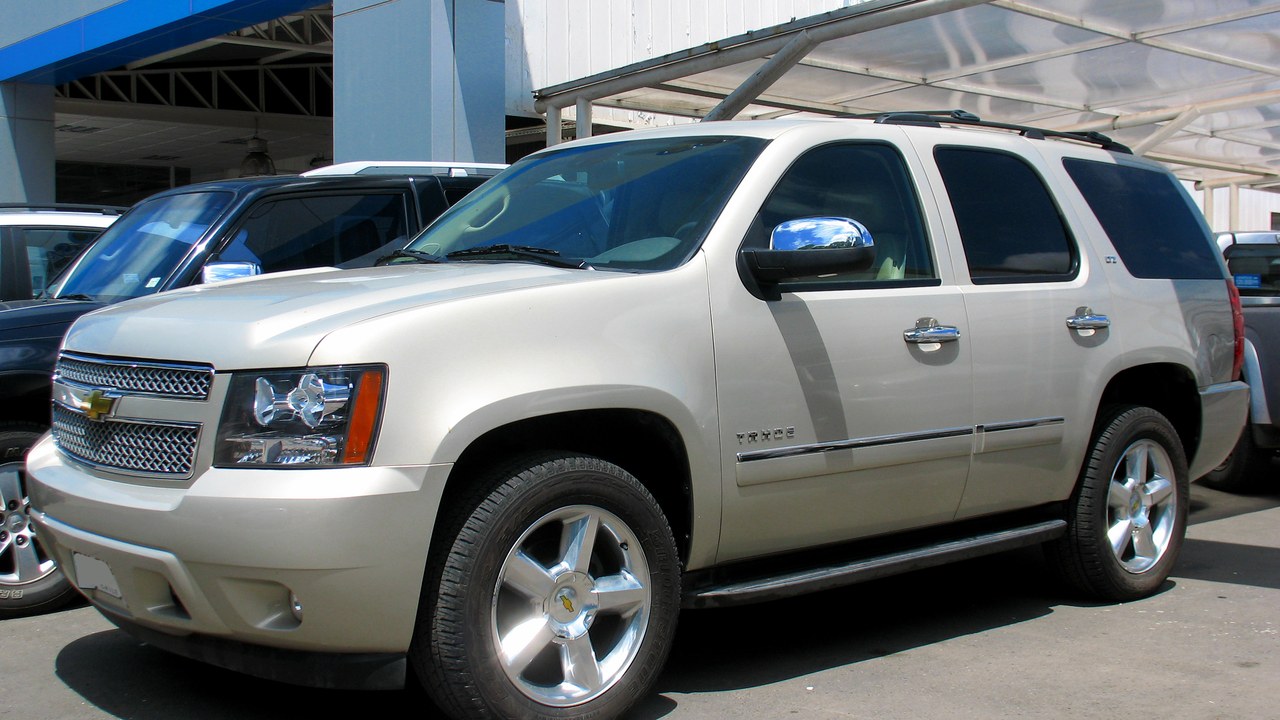
General Motors’ LC9 5.3-liter V8 oil-consumption settlement pays $3,380 per eligible owner in California, Idaho and North Carolina, with $57,000,000 going to class counsel. The carcomplaints settlement report says defective piston rings cause oil consumption and possible engine failure. The 2011-14 Tahoe is among the SUVs carrying that engine.
The payout applies to owners in three states only, so eligibility depends on where a vehicle was registered, not just on what it is. Anyone considering a used Tahoe from this era should review its engine history carefully.
12. Audi A4 (2.0T, 2010-2018): The Engine Behind The Badge
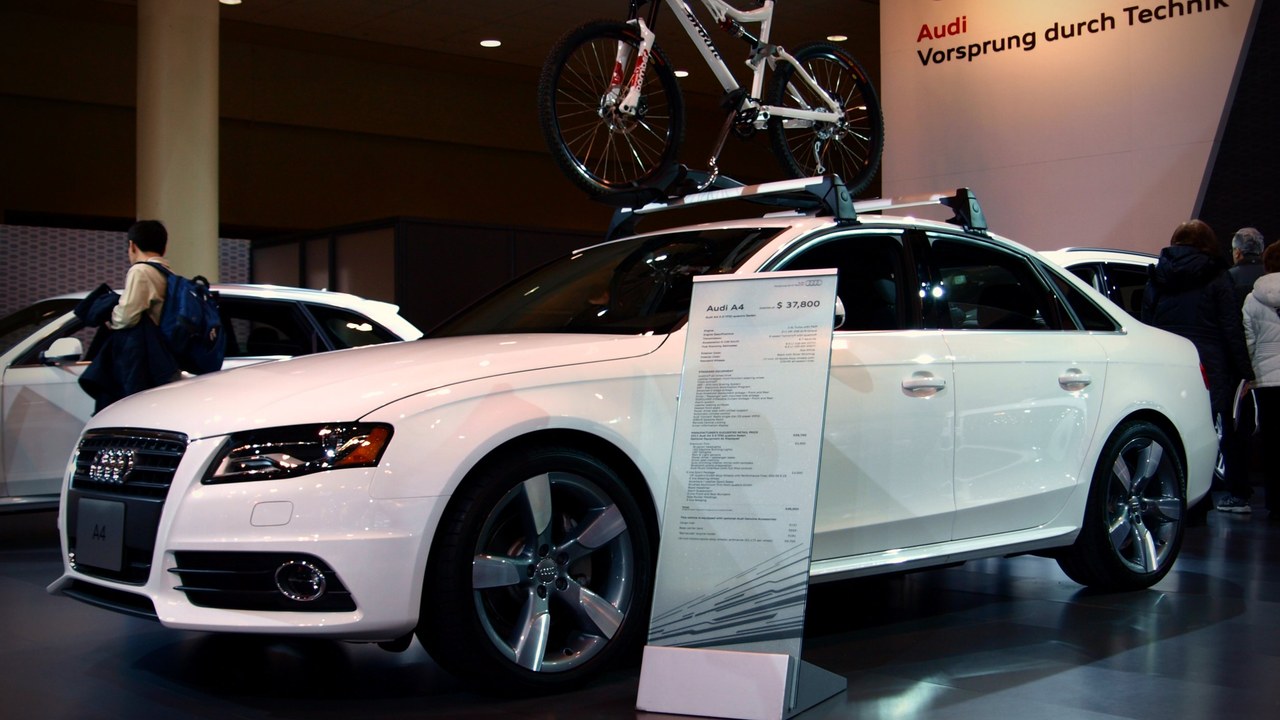
Audi’s turbocharged 2.0-liter four, built from 2010 to 2018 and used in models like the A4, is one of 12 engines Consumer Reports found can burn enough oil to starve themselves between changes. The KBB engine report names the engine rather than a specific model.
Because the report points to an engine, the claim is narrower than a verdict on every A4. Other Audi models using the same turbocharged four share the concern. A careful buyer can verify the engine fitted and ask for records of top-ups and repairs.
Tech news worth reading: Get Techpresso →
We may earn a commission if you sign up.
More from Morning Overview
- Doctors warn a silent liver disease now affects one in three American adults
- The FBI told the rest of ShinyHunters to surrender after a 24-year-old was arrested
- Two passengers died at an Ohio toll plaza, and the NTSB now wants the cash lanes shut
- Long use of a common prostate pill is tied to a higher chance of glaucoma
