Most creatures measure their lives in decades, but a handful of ocean dwellers quietly outpace every human generation. Some are famous giants like whales and tortoises; others are unassuming clams and fish that few people ever notice underwater. Here are twelve animals that can live well beyond a century.
1. Greenland Shark: The Longest-Lived Vertebrate
Image Credit: K/Pexels
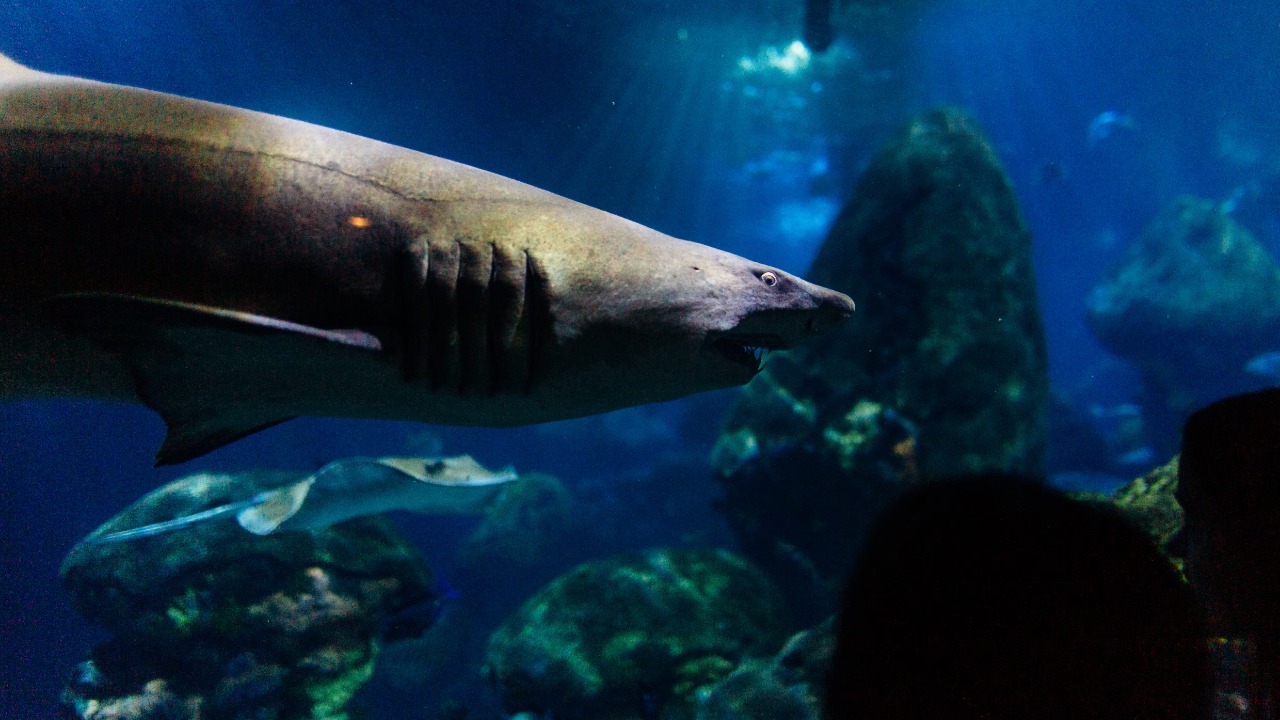
Drifting through frigid, ink-dark water off Greenland and Iceland, this shark grows barely a centimeter a year, moving so slowly that older individuals appear to hang suspended rather than swim. A profile from the Aquarium of the Pacific puts its estimated lifespan at 270 years, with some individuals possibly passing 500.
Researchers only pieced that timeline together by studying proteins in the lens of the shark’s eye, since no biologist could simply watch one long enough to count the years directly, which makes it the longest-lived vertebrate ever confirmed by science.
2. Bowhead Whale: Whales Older Than Anyone Alive
Image Credit: Bering Land Bridge National Preserve – CC BY-SA 2.0/Wiki Commons
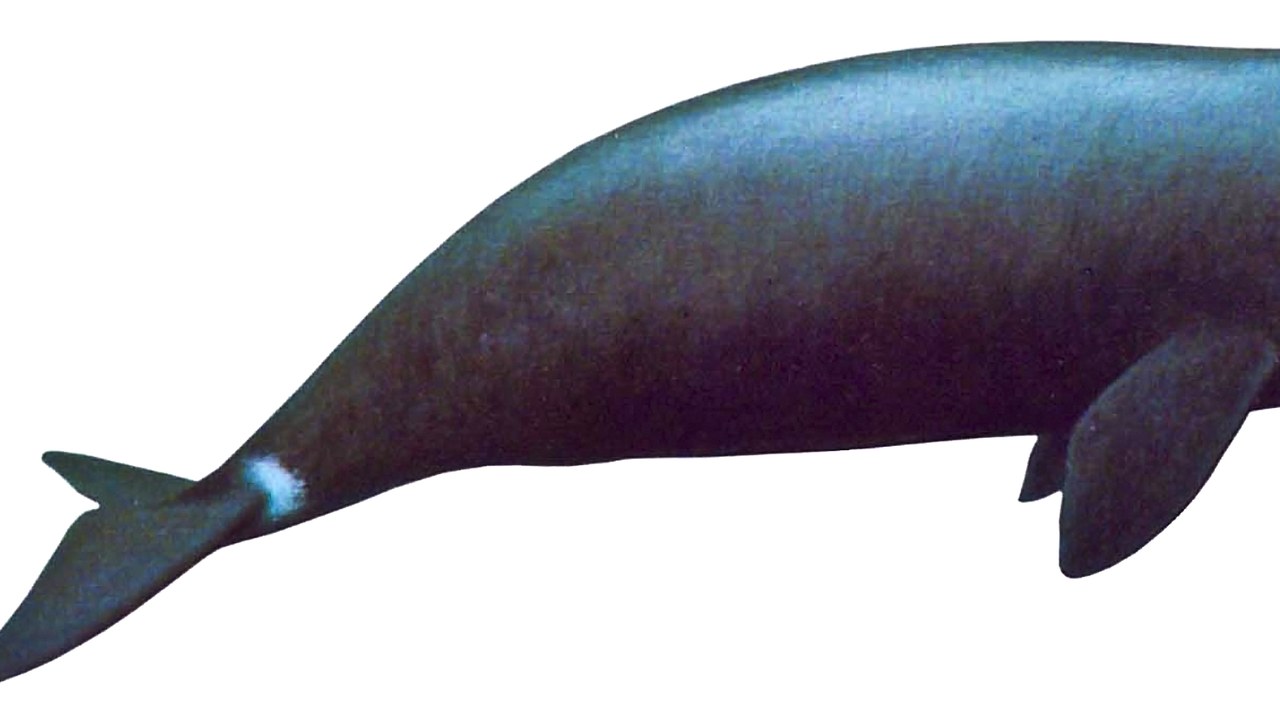
Stone and ivory harpoon tips recovered from the blubber of hunted specimens, along with separate age-estimation work summarized by NOAA Fisheries, suggest bowheads may live well over 200 years, making this the longest-lived mammal known to exist anywhere on Earth today.
A calf born beneath Arctic pack ice could, in theory, still be swimming decades after the grandchildren of the whalers who once hunted its ancestors have grown old and died themselves.
3. Ocean Quahog: A Plain Clam With A Deep Past
Image Credit: S. Rae from Scotland, UK – CC BY 2.0/Wiki Commons
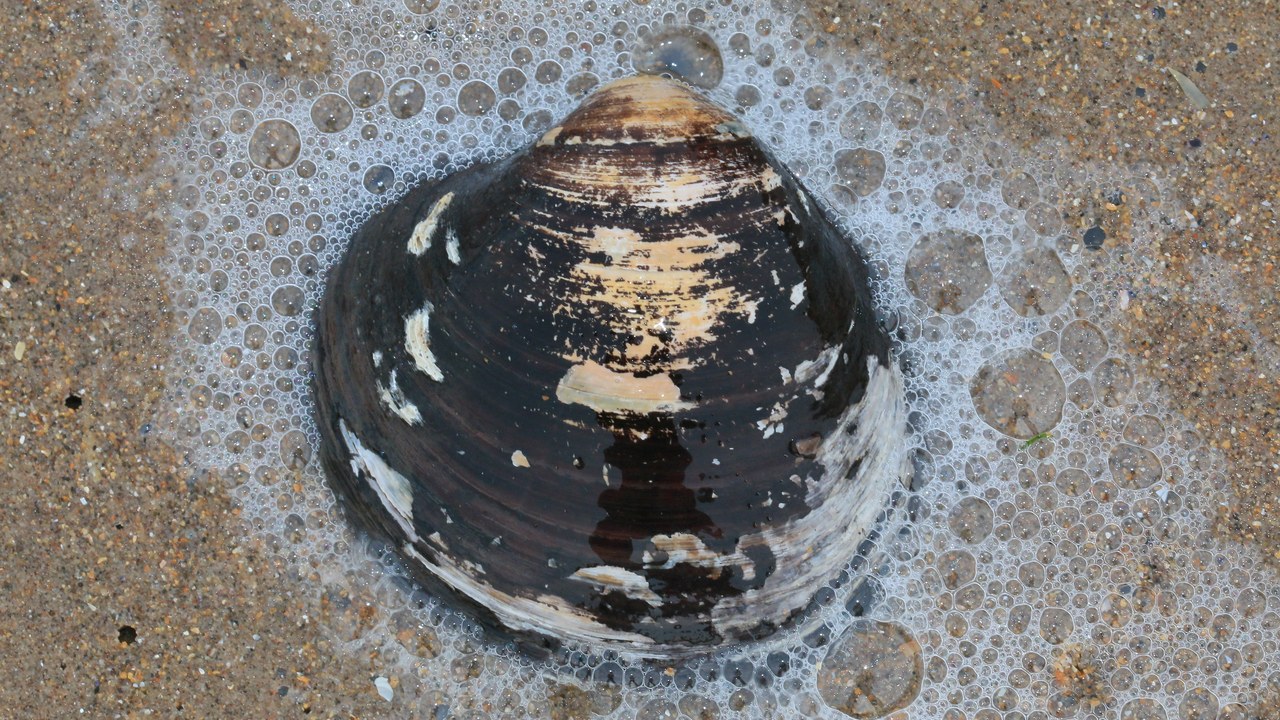
Buried in cold sediment on the seafloor, this unremarkable-looking clam can persist for at least 200 years, according to NOAA Fisheries, its growth rings quietly recording each passing year the way rings inside a tree trunk do.
Fishermen dredging for quahogs off the Atlantic coast can pull up individuals that settled onto the ocean floor long before the United States was even founded, still filtering water undisturbed the whole time.
4. Yelloweye Rockfish: A Reef Fish From Another Century
Image Credit: Bloopityboop – CC BY-SA 4.0/Wiki Commons
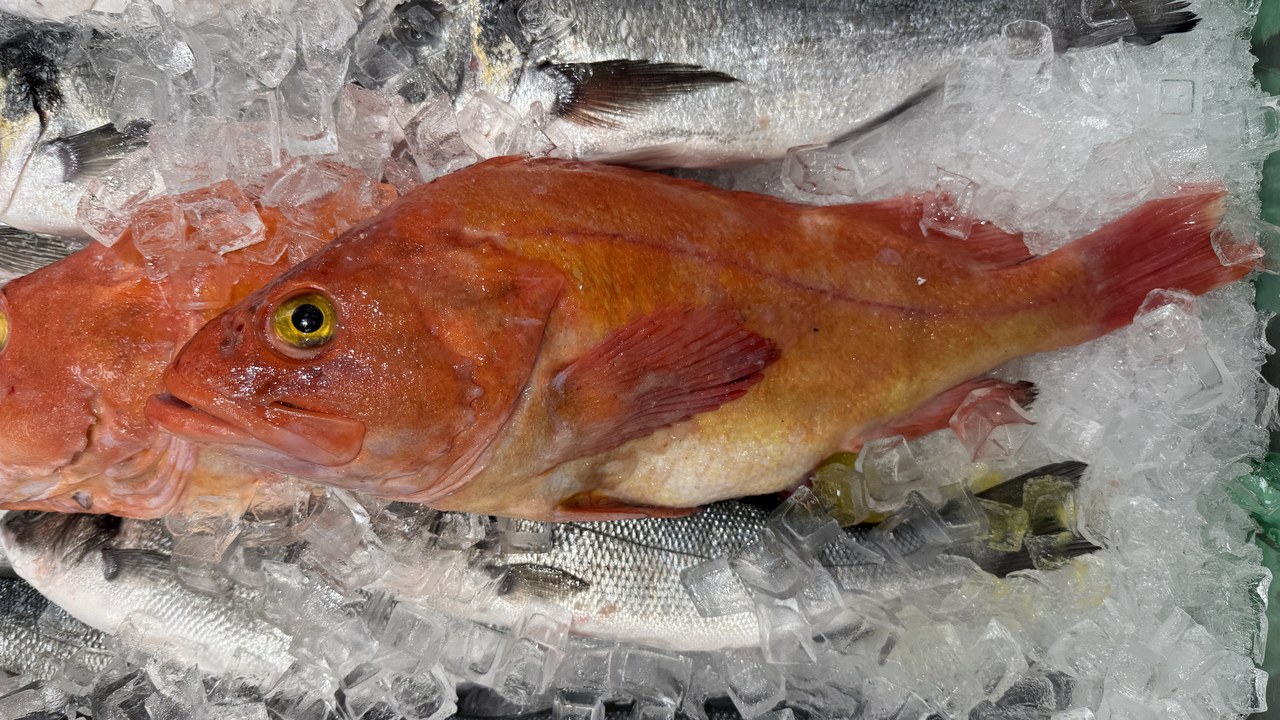
Hovering near rocky Pacific reefs with its distinctive orange-red body and bright eyes, this fish ranks among the longest-lived of all rockfishes; federal fisheries data reports a maximum documented age of 150 years for individuals caught by researchers studying the species off the West Coast.
Because it grows and reproduces so slowly, a single yelloweye pulled from the water today may have hatched before radio, television, or modern sonar equipment even existed, let alone the fishing boat that eventually caught it.
5. Aldabra Giant Tortoise: A Reptile That Outlives Its Keepers
Image Credit: Yotcmdr – Public domain/Wiki Commons
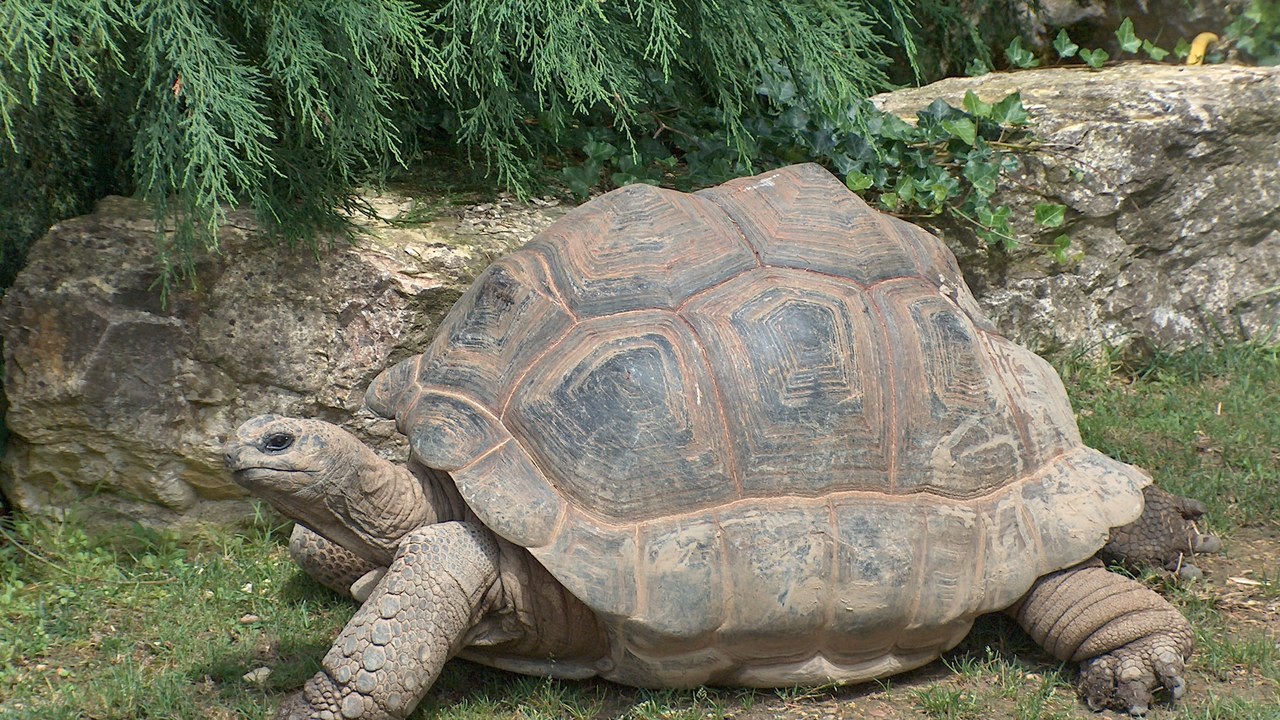
Native to a remote atoll in the Indian Ocean, this tortoise can reach ages of up to 150 years, per the Smithsonian’s National Zoo, plodding along at a pace that outlasts most of the people who ever care for it.
Zookeepers hired to raise a hatchling may retire, and even their successors may retire in turn, long before that same tortoise ever begins to show real signs of old age.
6. Lake Sturgeon: An Armored Survivor Of North American Rivers
Image Credit: USFWS Mountain-Prairie – Public domain/Wiki Commons
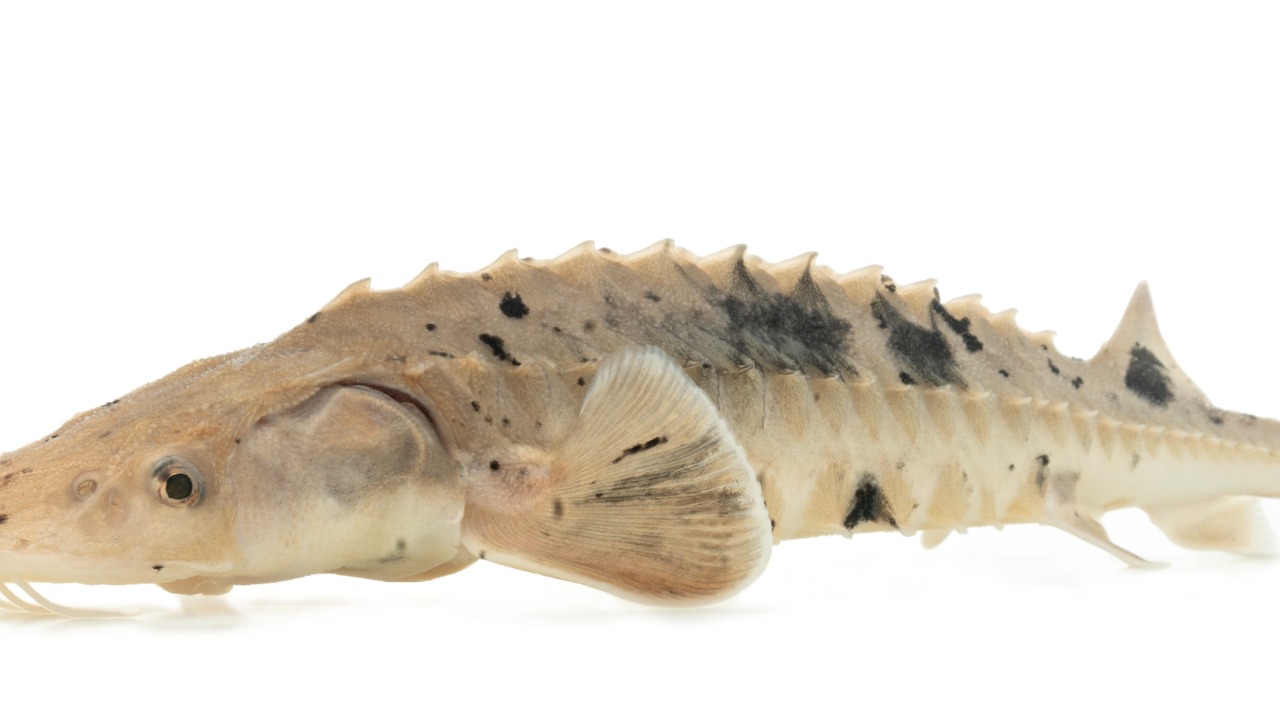
Covered in rows of bony plates instead of ordinary scales, this freshwater giant has been recorded living as long as 152 years, according to the Animal Diversity Web database at the University of Michigan Museum of Zoology.
Sturgeon this old have swum the same lakes and river systems since long before dams, hydroelectric plants, or modern commercial fishing fleets ever arrived, largely unchanged while everything around them was steadily transformed.
7. Pacific Geoduck: A Century And A Half In One Hole
Image Credit: Gunnhilduur – CC BY-SA 4.0/Wiki Commons
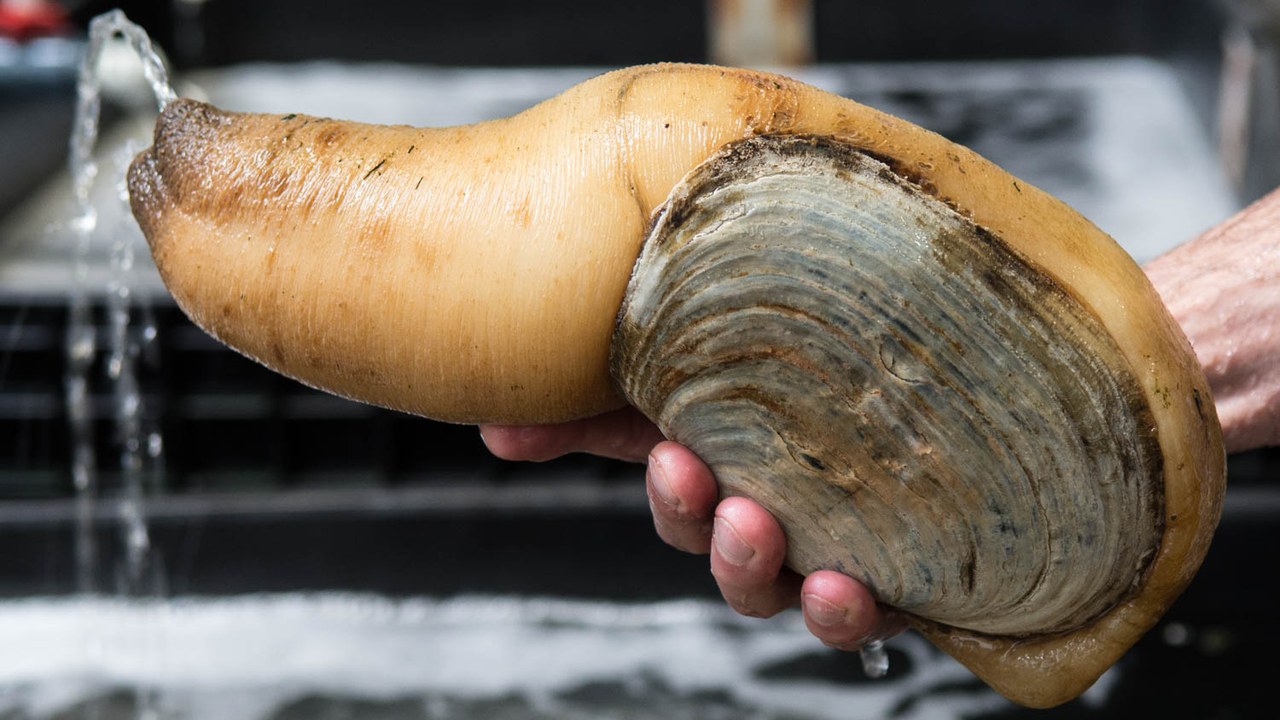
Buried up to three feet down in Pacific Northwest sand, the geoduck spends more than a century in a single hole. Animal Diversity Web’s species account records a maximum wild lifespan of 146 years, with typical adults ranging from three to 96 years old.
Depth explains the longevity. An individual buried at least 60 centimetres beneath the seabed sits beyond the reach of natural predators, so a clam that survives its risky larval stage can keep growing slowly for decade after decade, largely undisturbed.
8. Freshwater Pearl Mussel: A Riverbed Resident Older Than Nations
Image Credit: Xepheid – CC BY-SA 4.0/Wiki Commons
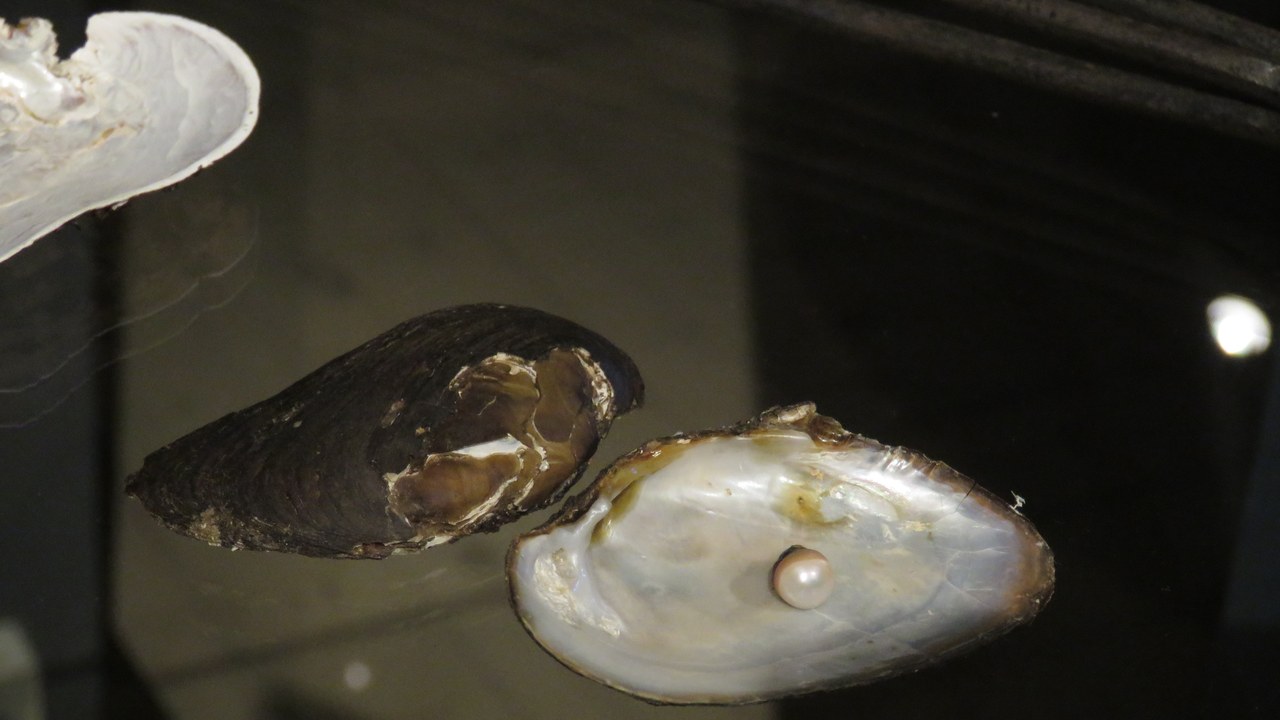
Wedged tightly among gravel in clear, cold-running rivers, this mussel typically lives 86 to 102 years, but researchers cited by the Animal Diversity Web once documented a single specimen that had reached an astonishing 280 years old.
A mussel bed that looks unchanged from one riverside visit to the next may in fact quietly contain individuals older than nearly every standing building for miles in any direction along that same river.
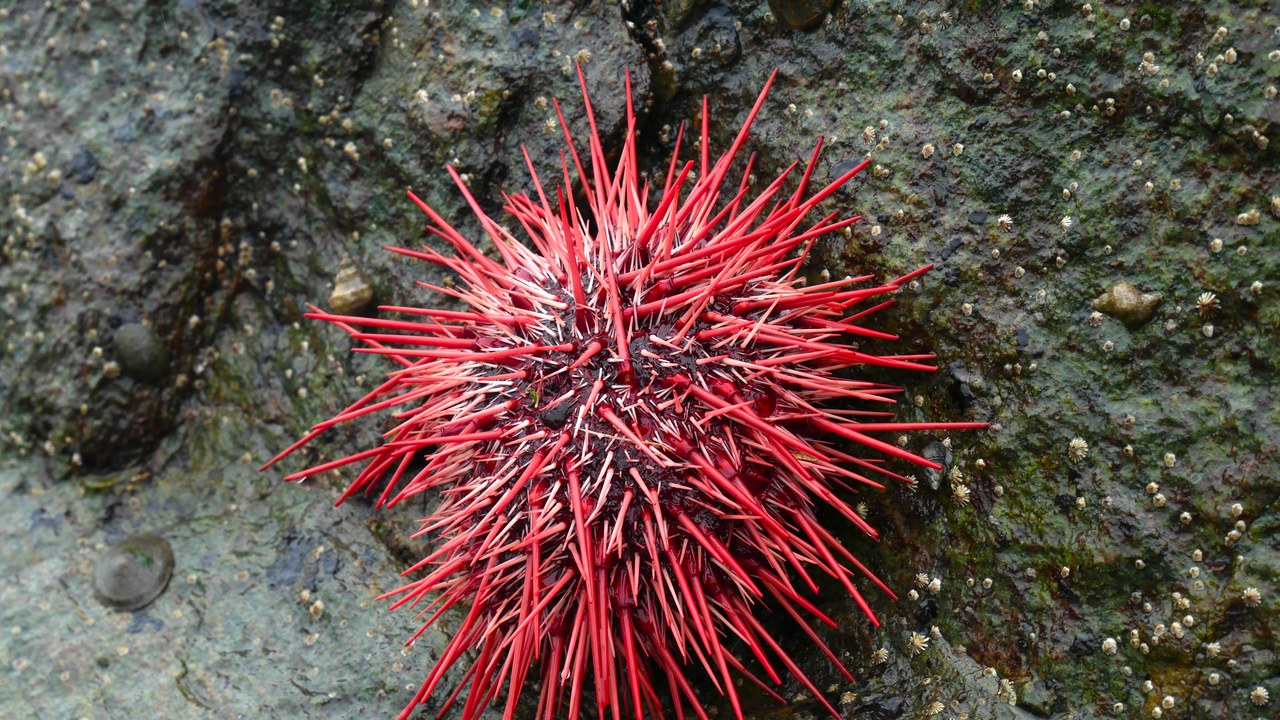
9. Red Sea Urchin: A Spiny Survivor Of The Reef
Image Credit: Extemporalist – CC0/Wiki Commons
Clinging to rocky reefs along the Pacific coast with its long spines, this invertebrate has had its age tested with carbon-14 dating; the Animal Diversity Web reports individuals passing 100 years, with a documented high near 200.
Divers harvesting urchins for roe rarely stop to consider that the animal settled quietly in their basket may be far older than the boat, the dock, or the coastal town supplying it to market.
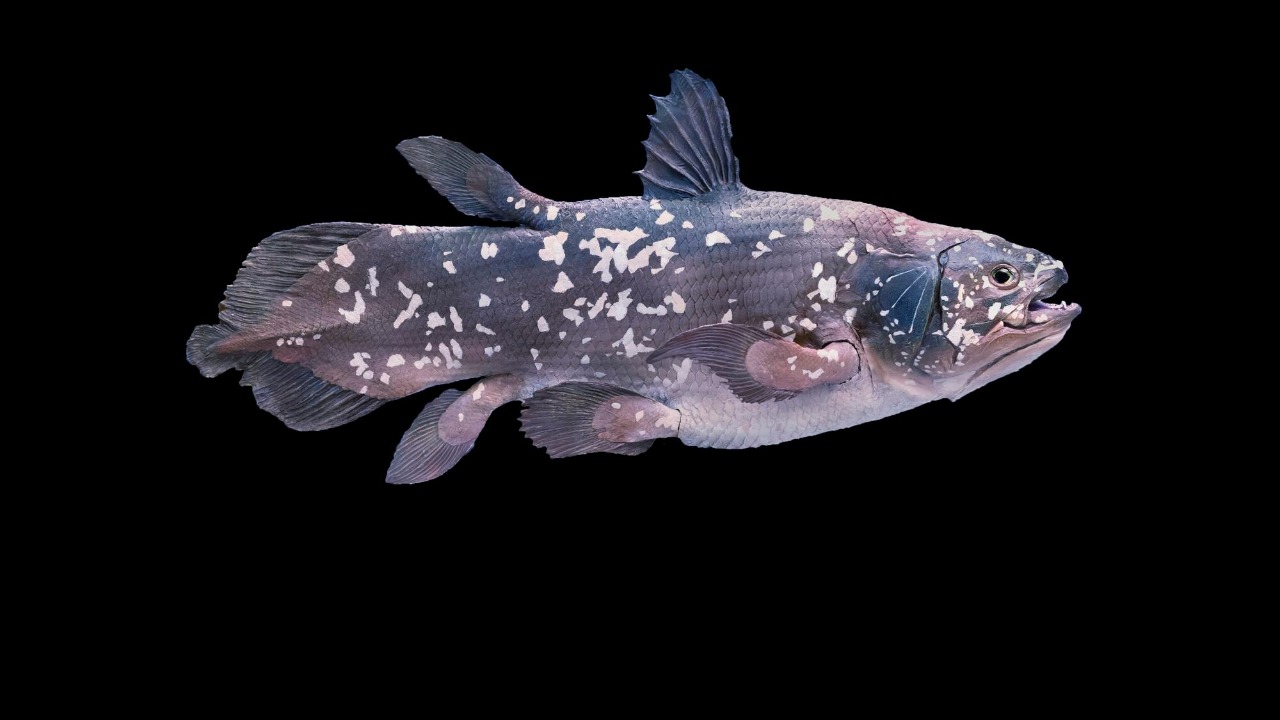
10. African Coelacanth: A Living Fossil Still Swimming
Image Credit: Image by Freepik
Once believed extinct alongside the dinosaurs, this deep-dwelling, blue-scaled fish with fleshy lobed fins was famously rediscovered off the African coast decades ago, and federal marine biologists now estimate its lifespan at roughly 100 years per individual.
Its slow, deliberate biology mirrors its strange evolutionary history: a species that changed remarkably little across millions of years while entire eras of the planet’s history quietly came and went all around it, largely unnoticed.
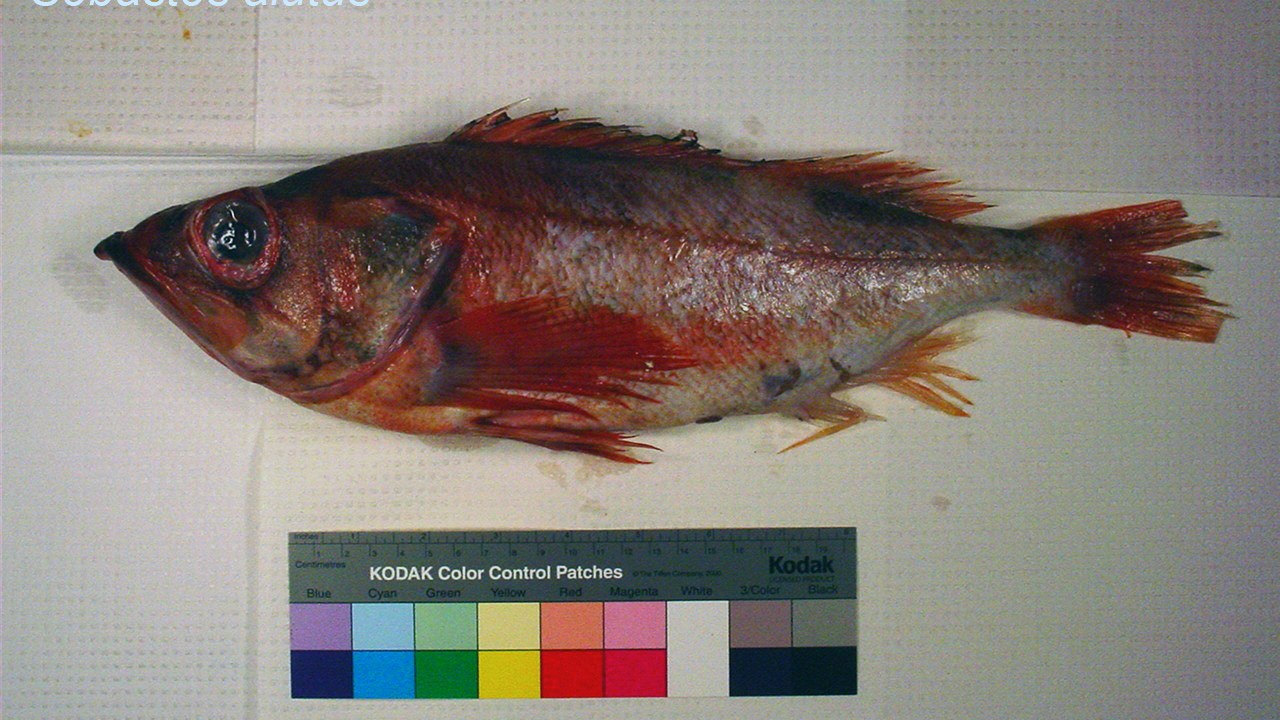
11. Pacific Ocean Perch: A Slow Grower With A Long Run
Image Credit: The U.S. Food and Drug Administration – Public domain/Wiki Commons
Schooling above deep, rocky continental-shelf slopes in cold Pacific water, this fish grows so slowly that NOAA Fisheries scientists say it may live to be 98 years old before it is ever pulled up in a net.
Commercial fleets that harvest this species by the ton are, more often than not, quietly hauling in fish nearly a full century old, with no obvious outward sign of their true age at all.
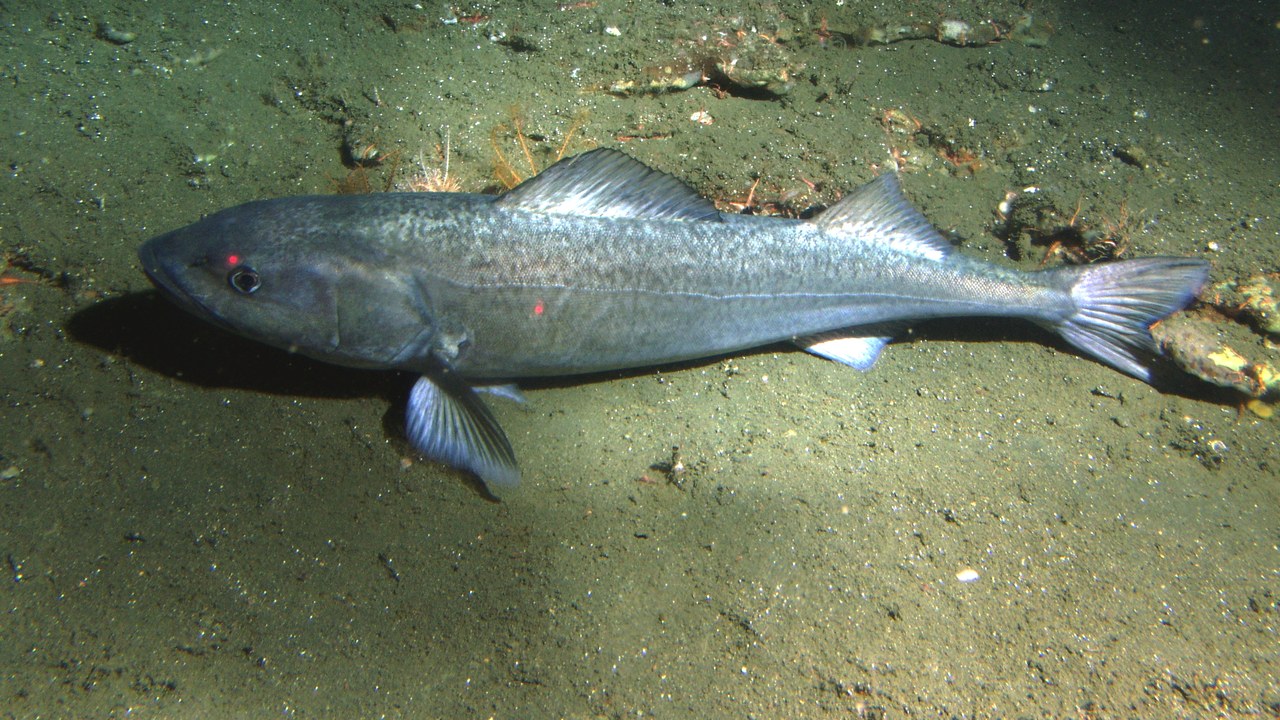
12. Sablefish: A Common Catch With An Uncommon Age
Image Credit: Rick Starr, NOAA/CBNMS – Public domain/Wiki Commons
Sold in seafood markets and on restaurant menus under names like black cod, this deepwater fish can live more than 90 years, per Quick Facts published by NOAA Fisheries, far longer than most diners ordering it would ever guess.
A single fillet on a dinner plate may have come from a fish that hatched decades before the restaurant serving it, or even the street it quietly sits on today, was ever built at all.
Morning Overview is reader-supported. Some links in our articles are affiliate links, and we may earn a commission at no extra cost to you. As an Amazon Associate I earn from qualifying purchases. Full disclosure.