
Some trucks and SUVs post a regular-gas sticker price and then bill their owners in premium anyway. Automakers can build an engine that runs on 87 octane or one that simply refuses anything below 91, and the difference rarely shows up until the first fill-up. Here are eleven vehicles whose owner’s manuals and EPA fuel-economy listings quietly demand premium gas.
1. Chevrolet Silverado 1500: The Half-Ton That Bills Like a Sports Car
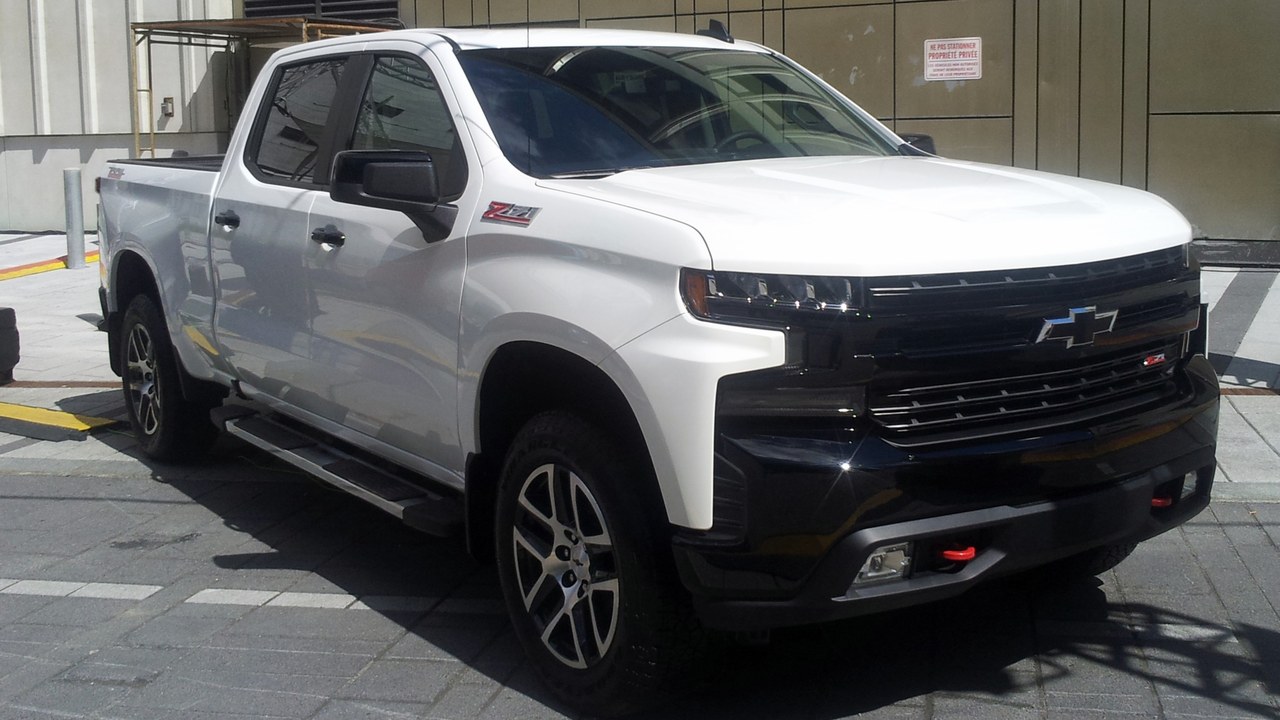
Silverado 1500 buyers who step up to the 6.2-litre V8 trim inherit a fuel requirement, not a suggestion: the engine is built around 91 octane, and anything lower falls outside GM’s own specification. Forbes calculated the resulting annual fuel bill at roughly $5,400 for that configuration.
Most Silverado trims run comfortably on regular gasoline, so the premium mandate is easy to miss on a test drive that skips the 6.2-litre option. Shoppers comparing trims should treat the extra octane cost as a recurring expense, not a one-time surprise at the pump.
2. GMC Sierra 1500: GM’s Other Premium-Only Half-Ton
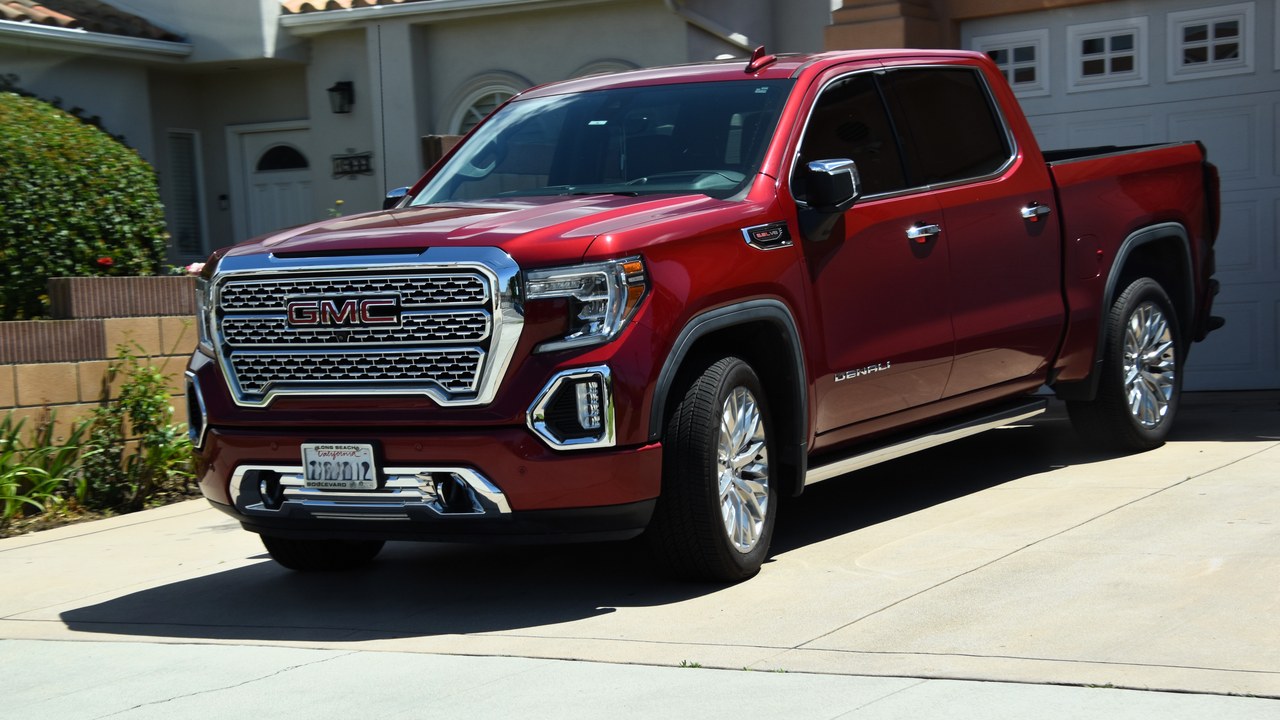
The Sierra 1500 shares its Silverado sibling’s mechanical bones, and that includes the fuel rules attached to its 6.2-litre V8. Forbes lists it among the costliest trucks to run, pegging the premium-fuel bill at roughly $5,400 a year, an outright requirement rather than a recommendation.
A Sierra buyer who orders the smaller V6 or the standard V8 never sees this cost, which is exactly why the 6.2-litre badge is worth checking before signing paperwork. The requirement sits in the owner’s manual, not on the window sticker most shoppers actually read.
3. Chevrolet Tahoe: A Family Hauler With a Premium Habit
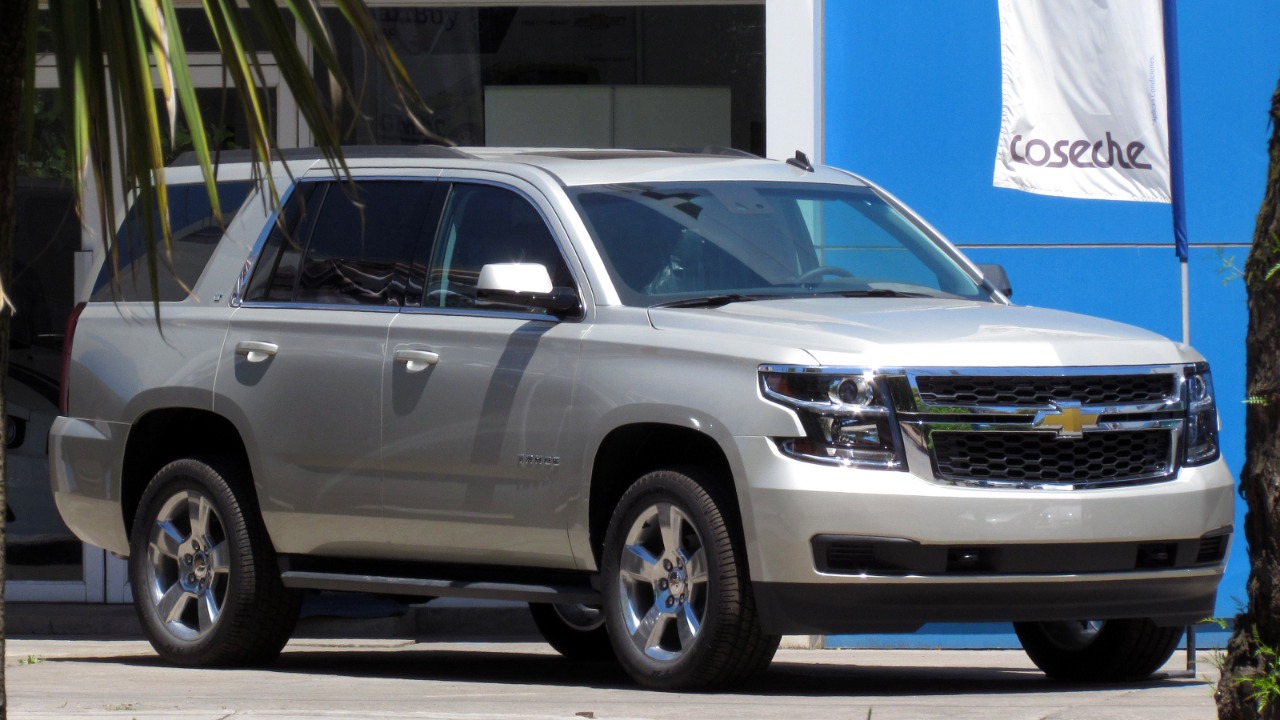
Full-size family SUVs rarely top premium-fuel lists, but the Tahoe’s optional 6.2-litre V8 requires it outright. Forbes puts the resulting yearly fuel cost near $5,100, a figure that surprises buyers expecting Tahoe economics to match the smaller V8 trims.
The requirement only applies to the top engine choice, so a Tahoe shopping around town on the base V8 pays regular-gas prices instead. Anyone drawn to the extra horsepower of the 6.2-litre option should budget for premium as part of that upgrade.
4. GMC Yukon XL: The Long-Wheelbase Yukon’s Hidden Line Item
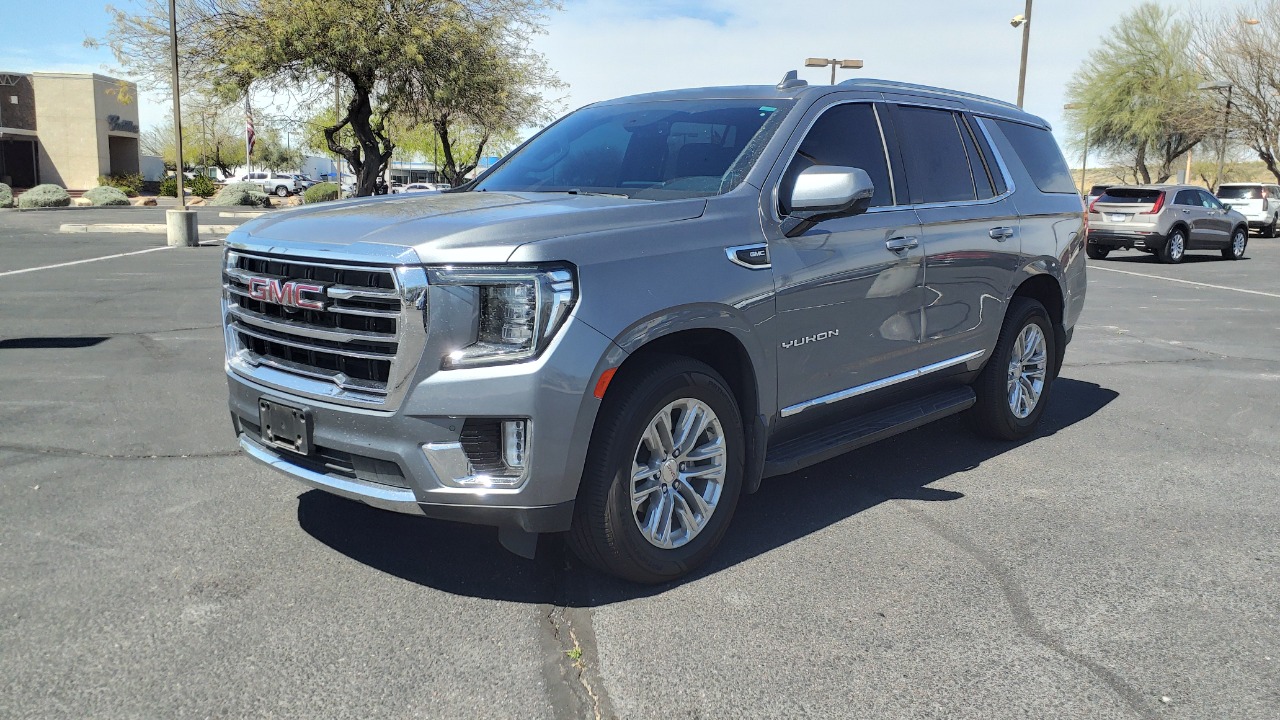
Stretched to XL length for extra cargo room, the Yukon XL’s 6.2-litre V8 version carries the same premium-fuel mandate as its GM stablemates. Forbes places its annual gas cost at roughly $5,100, requiring premium-grade fuel rather than merely suggesting it.
Families choosing the XL for third-row space often focus on cargo dimensions and towing figures, leaving the fuel-grade requirement as an afterthought. It belongs in the same conversation as those numbers, since it adds a real recurring cost over ownership.
5. BMW X6 M Competition: A Five-Year Premium Tax on Performance
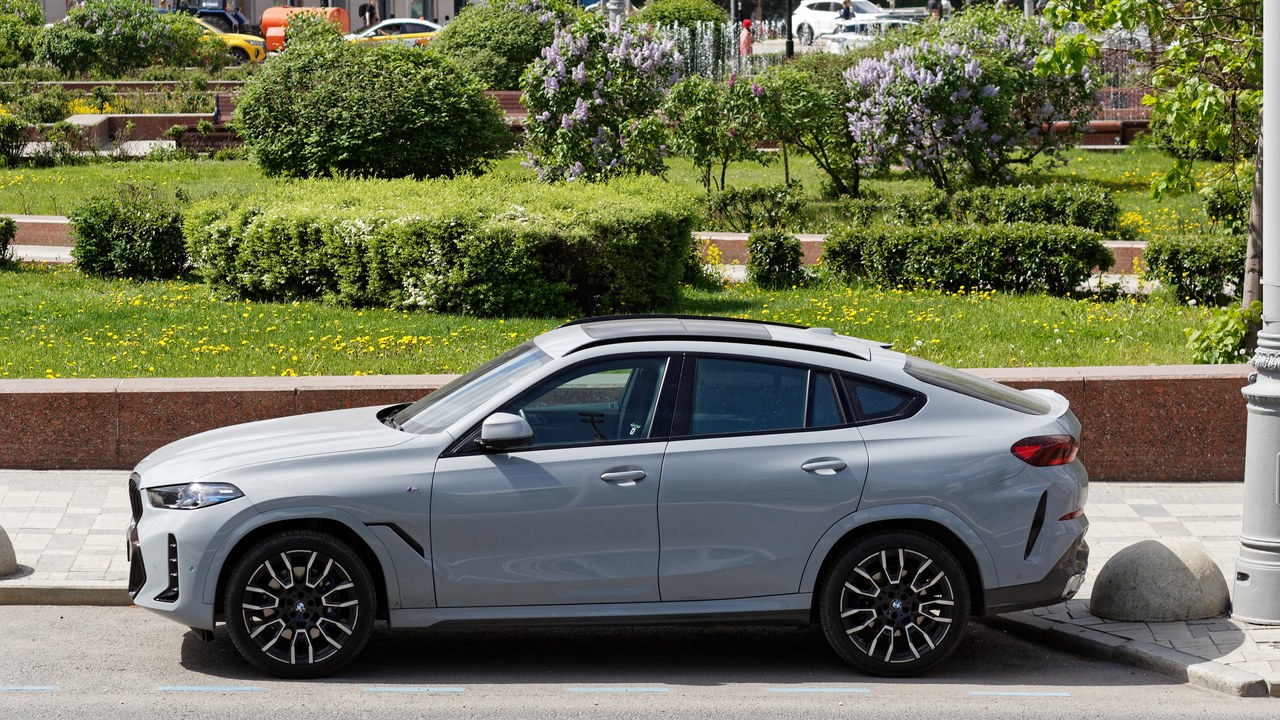
BMW’s X6 M Competition trades SUV practicality for coupe styling and a performance engine that will not run on anything but premium. That choice adds roughly $11,500 in extra fuel spending over five years compared with a regular-gas SUV of similar size.
That figure reflects both the premium-octane requirement and the vehicle’s thirsty real-world consumption under hard acceleration. Owners drawn to the M Competition’s performance credentials are effectively paying for it twice, once at purchase and again every time the tank runs low.
6. Jeep Grand Cherokee: The Turbo Six That Breaks the SUV Norm
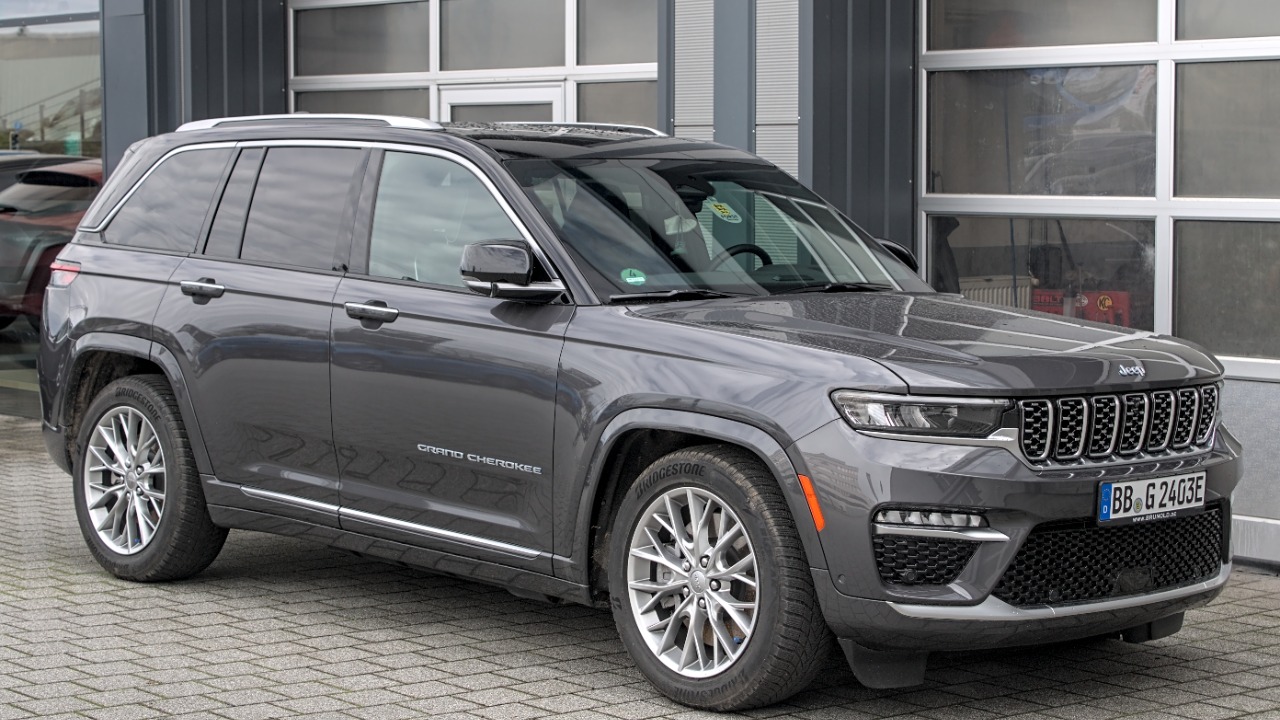
Most V6 SUVs are engineered around regular gasoline, which makes the Grand Cherokee’s 3.0-litre turbocharged V6 an exception. It appears on the EPA-sourced premium list, which specifies 91 octane as a requirement rather than a suggestion for this engine.
Grand Cherokee shoppers comparing the turbo six against the standard V6 or the Hemi V8 often assume the smaller engine is the cheaper one to feed. The octane requirement flips that assumption, and it is worth checking before choosing an engine on fuel economy alone.
7. Nissan Pathfinder: A Mainstream V6 With Premium Fine Print
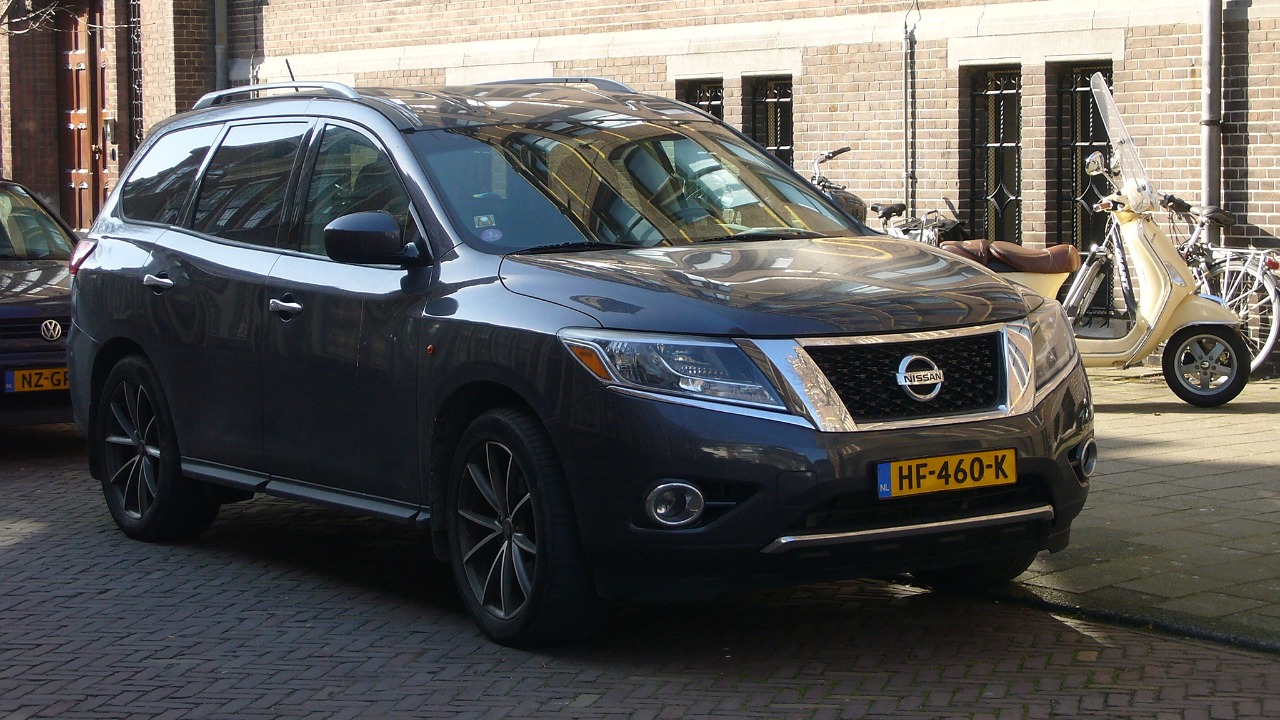
The Pathfinder wears a mainstream badge, but its 3.5-litre V6 shows up on the same EPA-sourced premium-fuel list as far pricier performance vehicles, a detail that separates it from most other three-row family SUVs in its class.
Family buyers cross-shopping the Pathfinder against rivals that run on regular gasoline should factor the octane difference into any side-by-side cost comparison. The gap is easy to overlook because nothing about the Pathfinder’s styling or marketing signals a premium requirement.
8. Mazda CX-90: The Inline-Six That Wants the Good Stuff
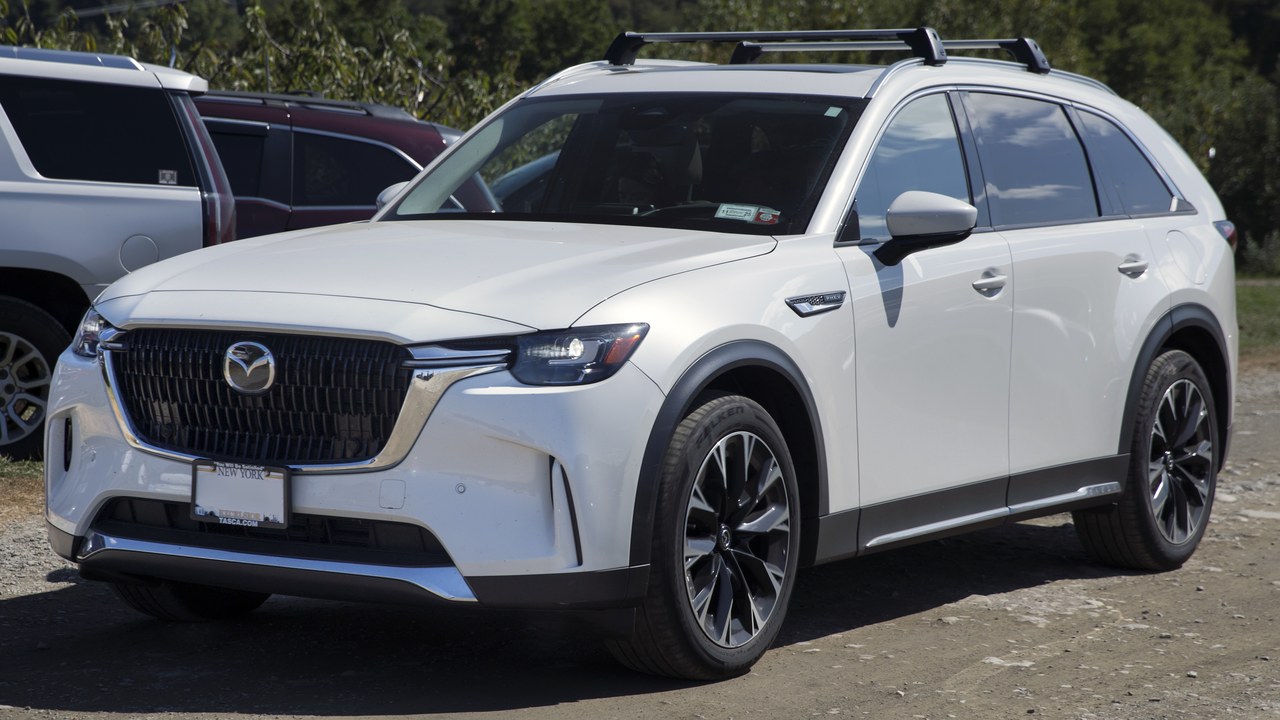
Mazda’s largest SUV pairs a 3.3-litre turbocharged inline-six with a fuel requirement that many shoppers do not expect from the brand. The engine requires 91 octane per the EPA-derived premium list, not merely a recommendation for better performance.
Mazda has built its reputation on efficient four-cylinder engines, which makes the CX-90’s premium mandate an easy detail to overlook while shopping. Buyers focused only on the model’s strong towing and horsepower figures should add the fuel-grade requirement to that calculation.
9. Volkswagen Arteon: VW’s One Premium-Only Exception
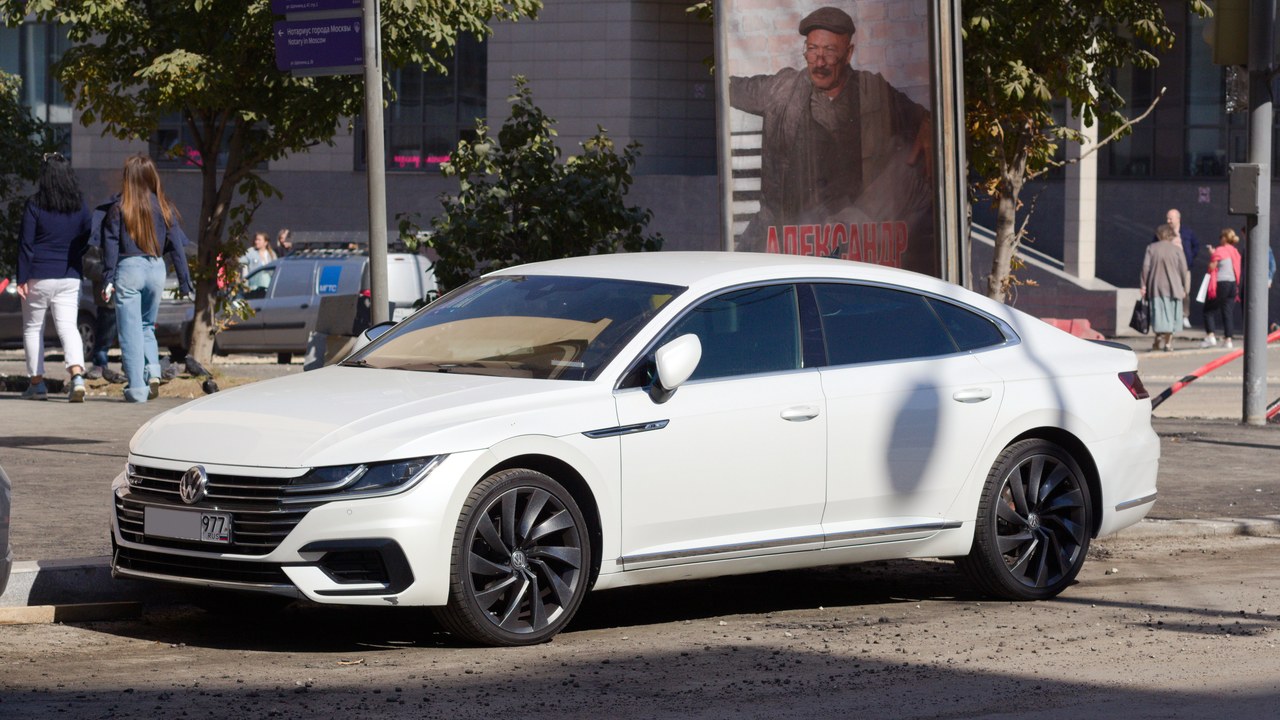
Volkswagen’s lineup mostly runs on regular gasoline, which is what makes the Arteon’s 2.0-litre turbocharged four stand out on the premium-fuel exception list. It is one of the few Volkswagen models where the requirement applies at all.
Buyers moving from a Jetta or Tiguan onto an Arteon should not assume the fuel habits carry over, since the sedan’s tuning targets premium octane specifically. That single detail can shift the real cost of ownership relative to the rest of the VW range.
10. Lexus RX 350: The Gas RX Versus Its Own Hybrid
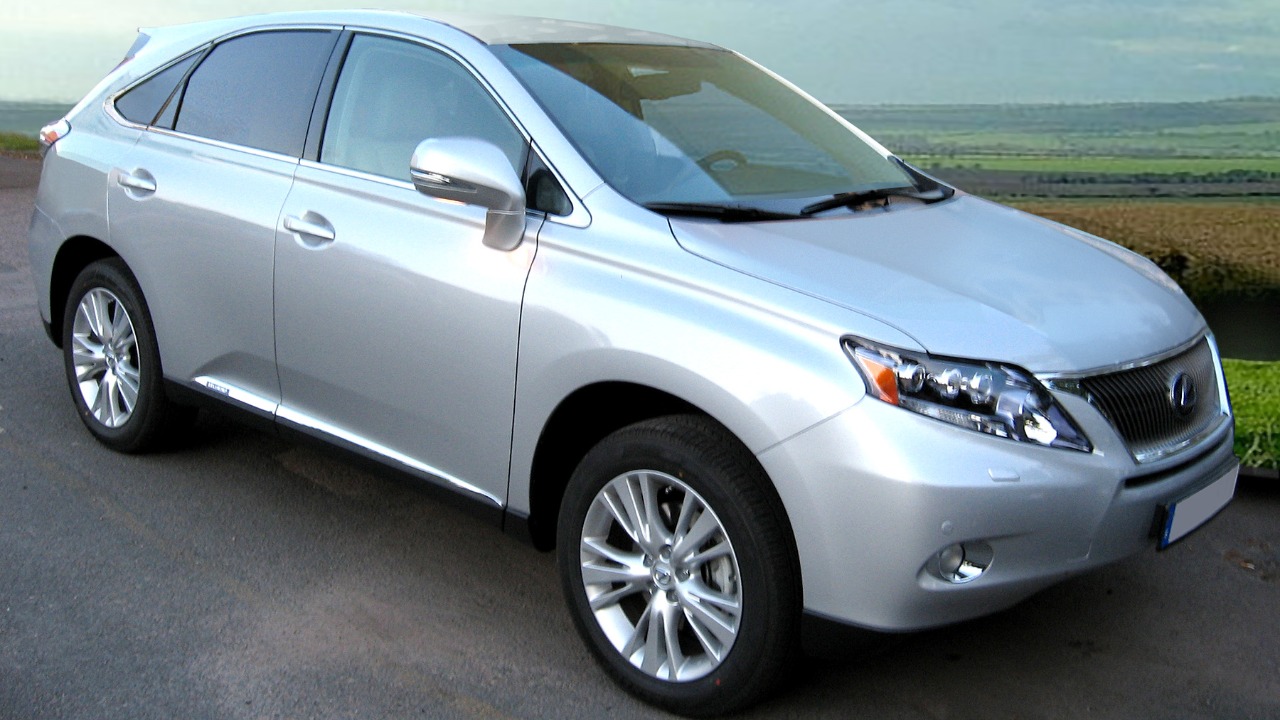
Lexus draws a sharp line inside its own RX lineup: the published fuel guide is explicit that the gas-only RX 350 requires 91 octane or higher, while the RX 350h hybrid only recommends it.
That distinction means two RX models sitting side by side on a dealer lot carry different real fuel-grade obligations, not just different fuel-economy numbers. A buyer choosing between the two should read the requirement, not just the recommendation, before deciding which one to drive home.
11. Lexus GX 550: Off-Road Capability, On-Road Premium Bills
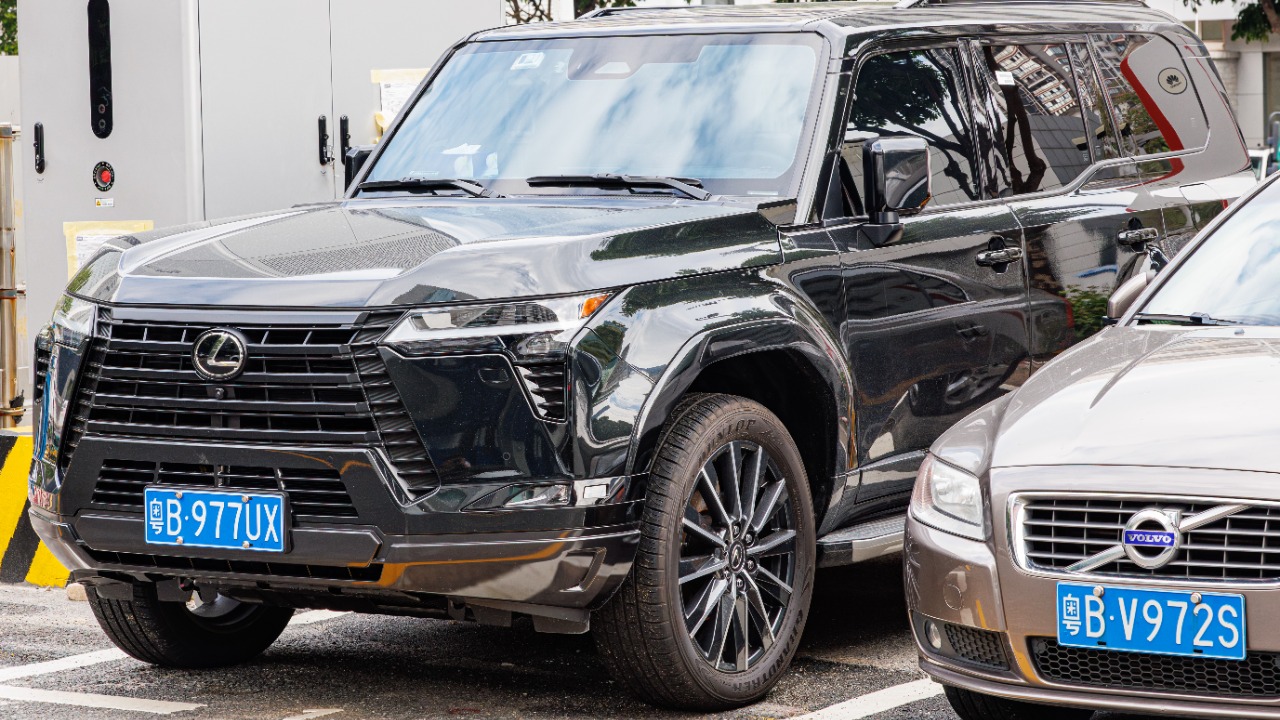
The body-on-frame GX 550 runs a twin-turbo V6 built for off-road capability, and that engine requires 91 octane or higher across every trim, a firm requirement rather than a suggestion for better output.
Buyers drawn to the GX 550 for its rugged styling and trail credentials should plan around the added fuel cost the same way they would plan around tire wear from off-road use. The requirement applies regardless of how much of that capability actually gets used.
More from Morning Overview
- Consumer Reports names the 2026 models it expects to break down the most
- Supplements now rank as the fifth-leading cause of death from liver disease.
- The NSA is again telling phone owners to switch off one location setting
- Four U.S. startups fired up their first small nuclear reactors, aiming to power AI data centers on-site
