
SUVs get most of the attention on today’s roads, but plenty of sedans quietly rack up higher mileage with fewer repairs along the way. Longevity studies, owner surveys, and warranty data all point to a handful of models that keep running long after flashier crossovers have been traded in. Here are eleven sedans built to outlast the SUVs parked next to them.
1. Toyota Camry: Longevity Study Standout
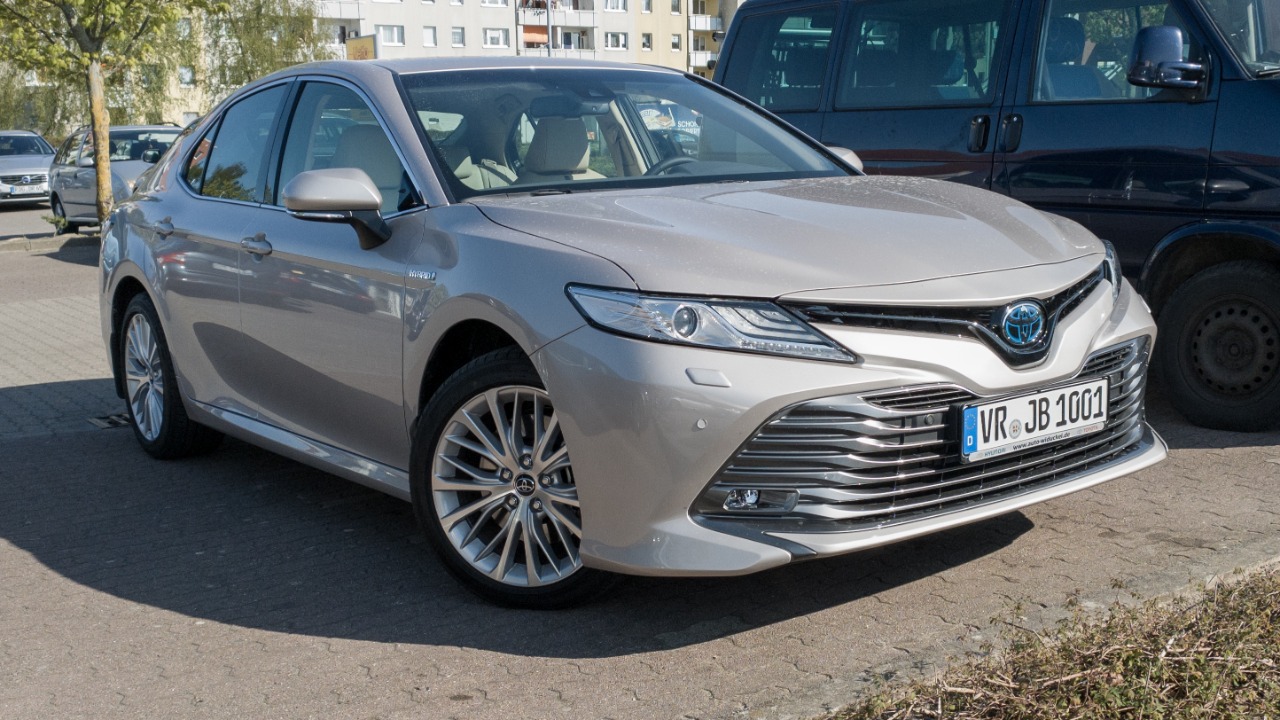
The Toyota Camry appears repeatedly near the top of iSeeCars’ longest-lasting cars study, which tracks which vehicles are most likely to reach 200,000 miles.
Owners often credit a proven four-cylinder drivetrain and a maintenance schedule that rewards routine oil changes and timing-belt service rather than exotic repairs. Resale values tend to hold up accordingly, since buyers shopping for a used sedan already expect a Camry to keep running for well over a decade with only ordinary upkeep along the way.
2. Honda Accord: 300,000-Mile Engines
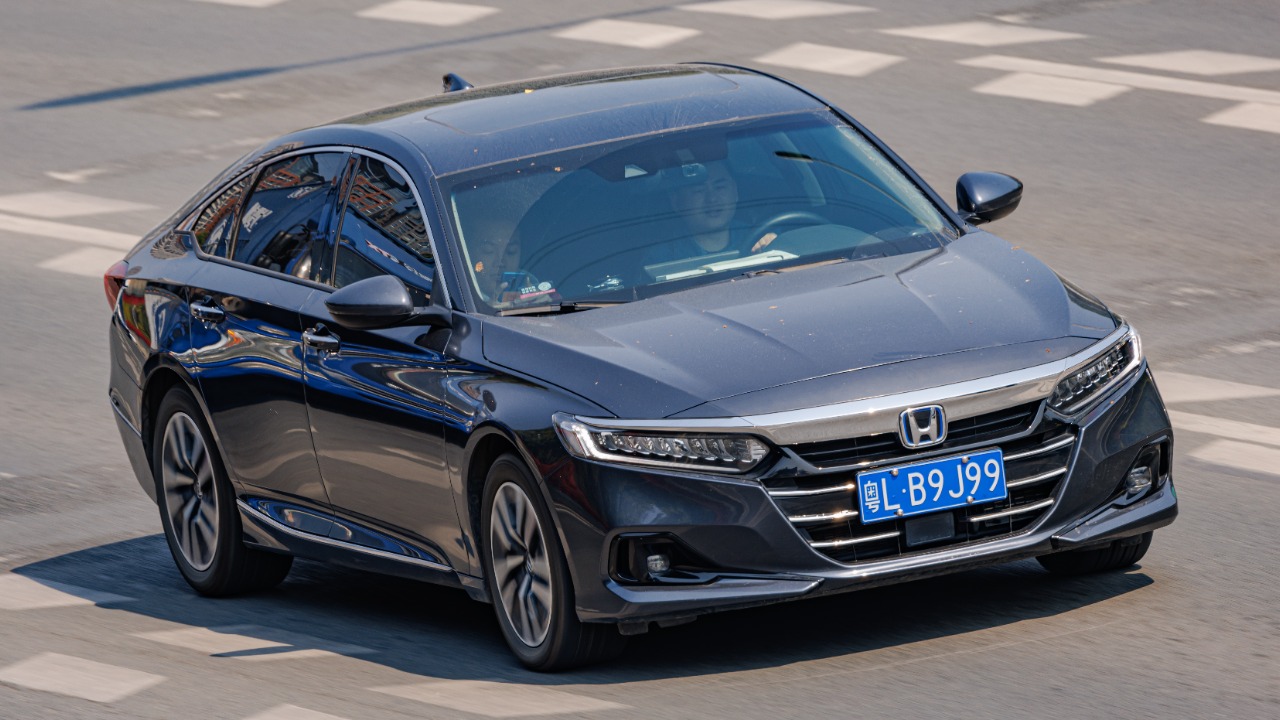
The Honda Accord has built its reputation on engines that reach 300,000 miles with unremarkable upkeep, a claim documented across decades of consumer surveys and owner forums.
Its four-cylinder and V6 variants both earn praise for smooth long-term operation, and independent mechanics frequently cite the Accord alongside the Camry as a low-drama used purchase. That reputation keeps demand, and prices, higher than rivals with similar mileage, especially on manual-transmission examples enthusiasts seek out specifically for their durability.
3. Toyota Corolla: Best-Seller Built To Last
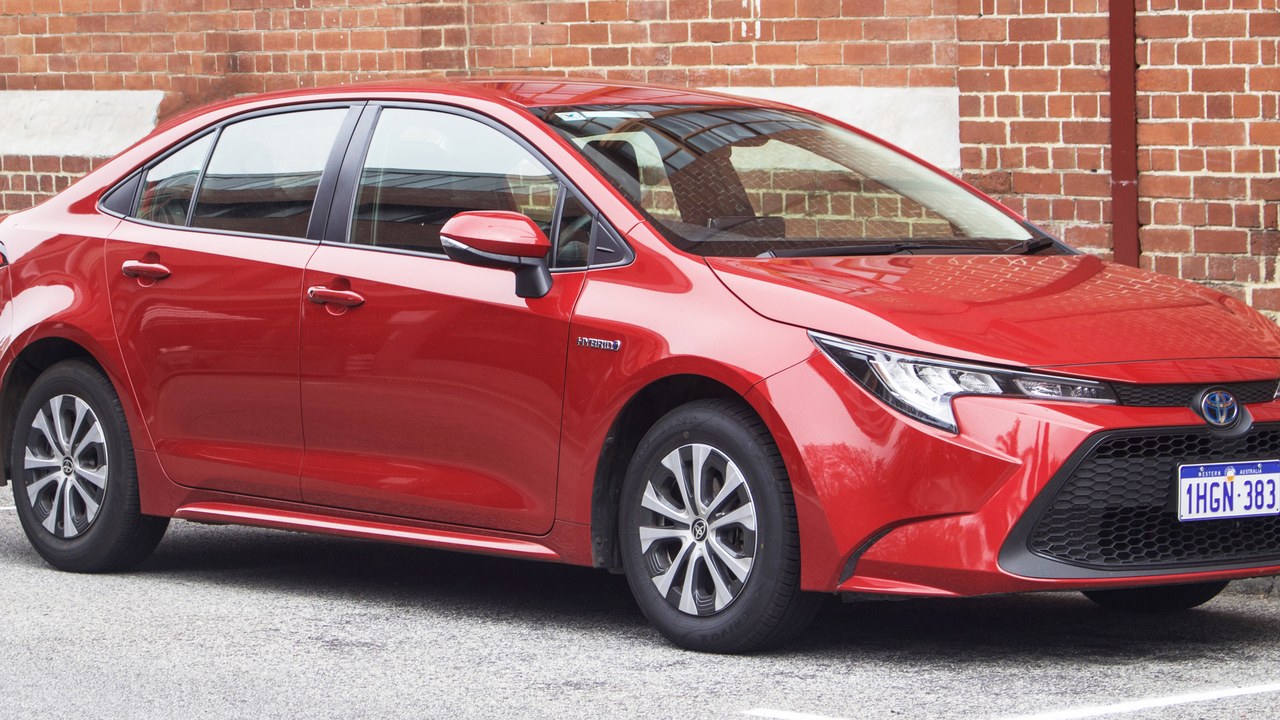
As the world’s best-selling car, the Toyota Corolla has accumulated an enormous real-world sample size of high-mileage examples across nearly every climate and driving style.
That scale, combined with a simple, well-tested drivetrain, gives the Corolla a track record few compact cars can match. Fleet operators and rental companies favor it for the same reason private owners do: it rarely strands anyone, and replacement parts remain cheap and widely stocked well into a Corolla’s second decade on the road.
4. Lexus ES: Camry Roots, Elite Scores
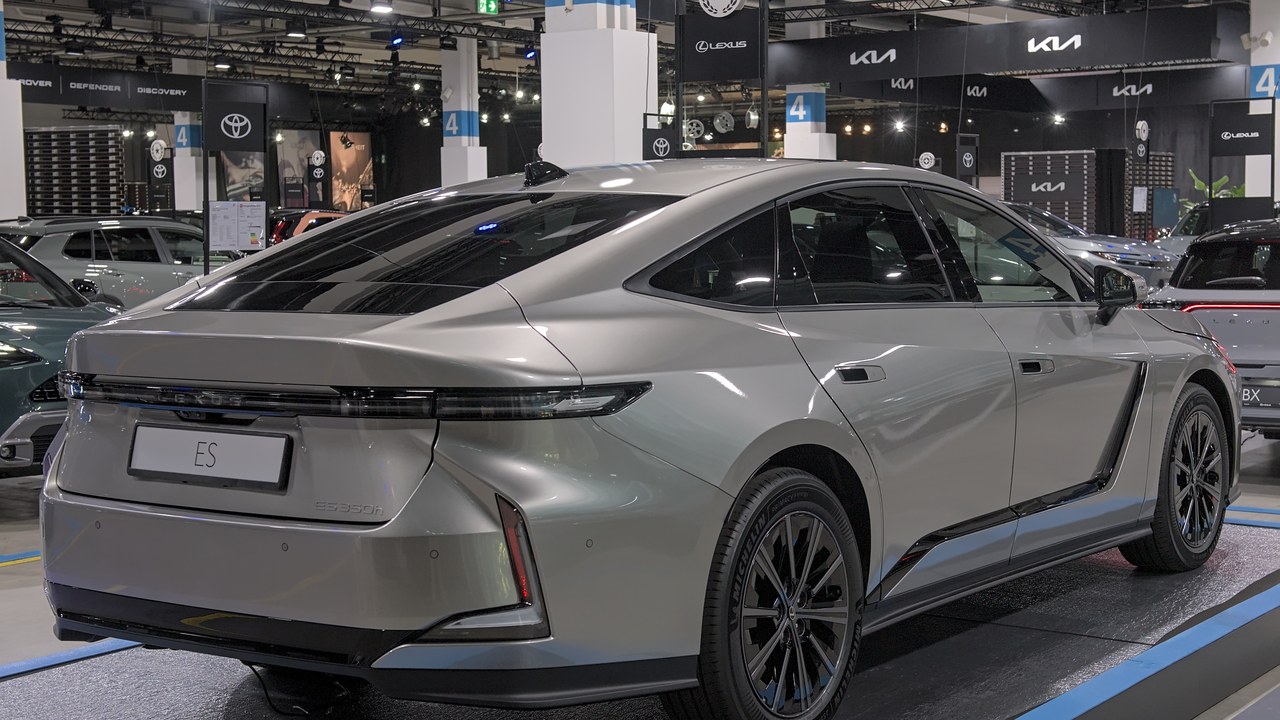
The Lexus ES shares its platform with the Camry but adds elite reliability scores on top of Toyota’s proven mechanical base.
Buyers get a quieter cabin and more sound insulation without sacrificing the underlying durability that makes the Camry a longevity leader. Maintenance costs run higher than a Toyota-badged model, but the failure rate stays comparably low, which keeps long-term owners loyal and helps the ES hold its resale value better than most luxury competitors.
5. Toyota Avalon: Full-Size, Long Haul
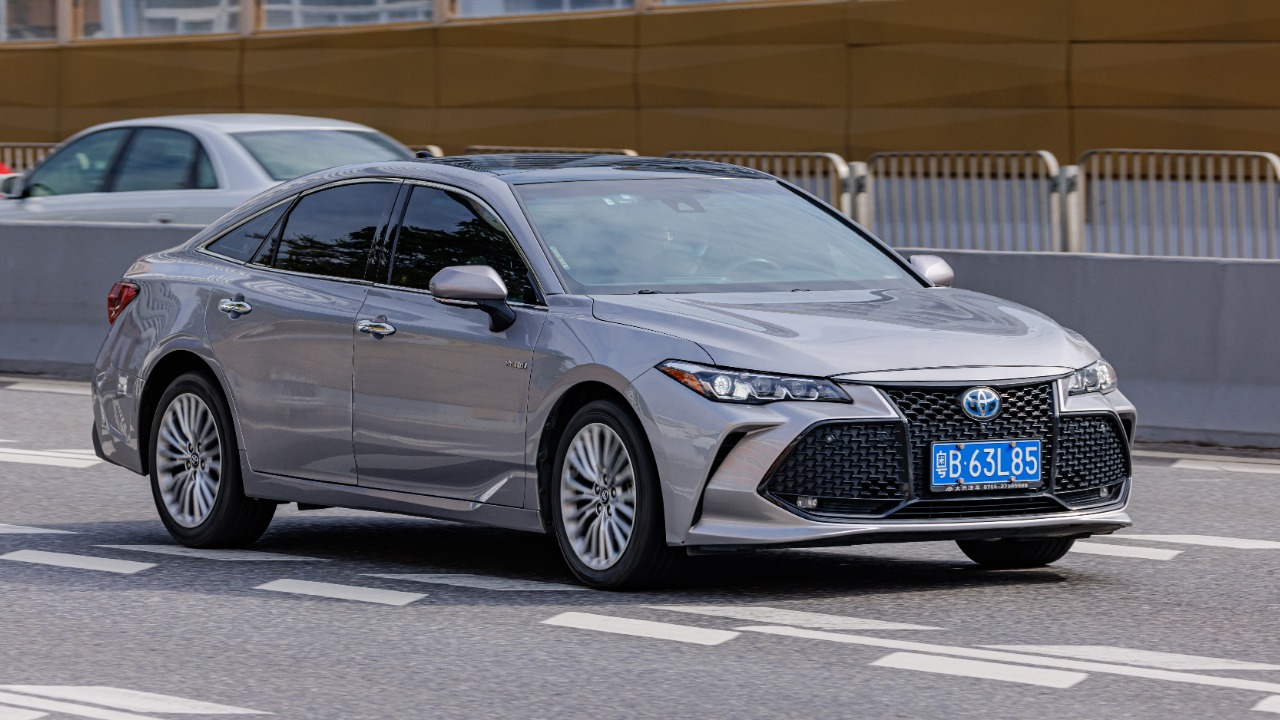
The Toyota Avalon was Toyota’s full-size sedan, and owners keep it for the long run, often passing it between family members well past the 150,000-mile mark.
Its larger dimensions and Camry-derived powertrain gave it a comfortable ride without introducing the mechanical complexity that shortens the life of many bigger sedans. Toyota discontinued the Avalon after the 2022 model year, which has made well-kept examples increasingly sought after on the used market.
6. Honda Civic: Compact With Staying Power
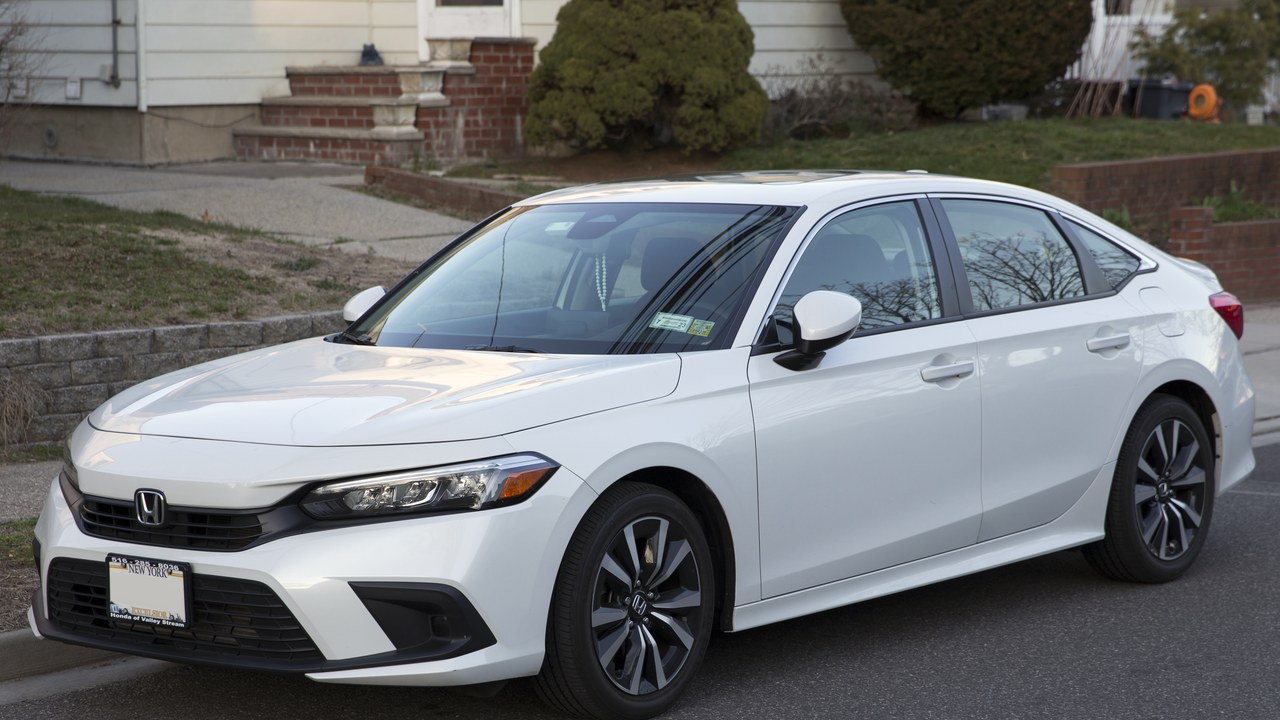
Consumer Reports’ reliability surveys repeatedly rank the Honda Civic as a compact stalwart with a reputation for high mileage, based on owner-reported data collected across model years.
The Civic’s smaller engines are less strained than larger sedans’ powerplants, which contributes to fewer major repairs over time. Its popularity also means parts and independent-mechanic expertise are easy to find, keeping repair costs manageable for owners who hold onto one for a decade or more.
7. Mazda6: Overlooked Build Quality
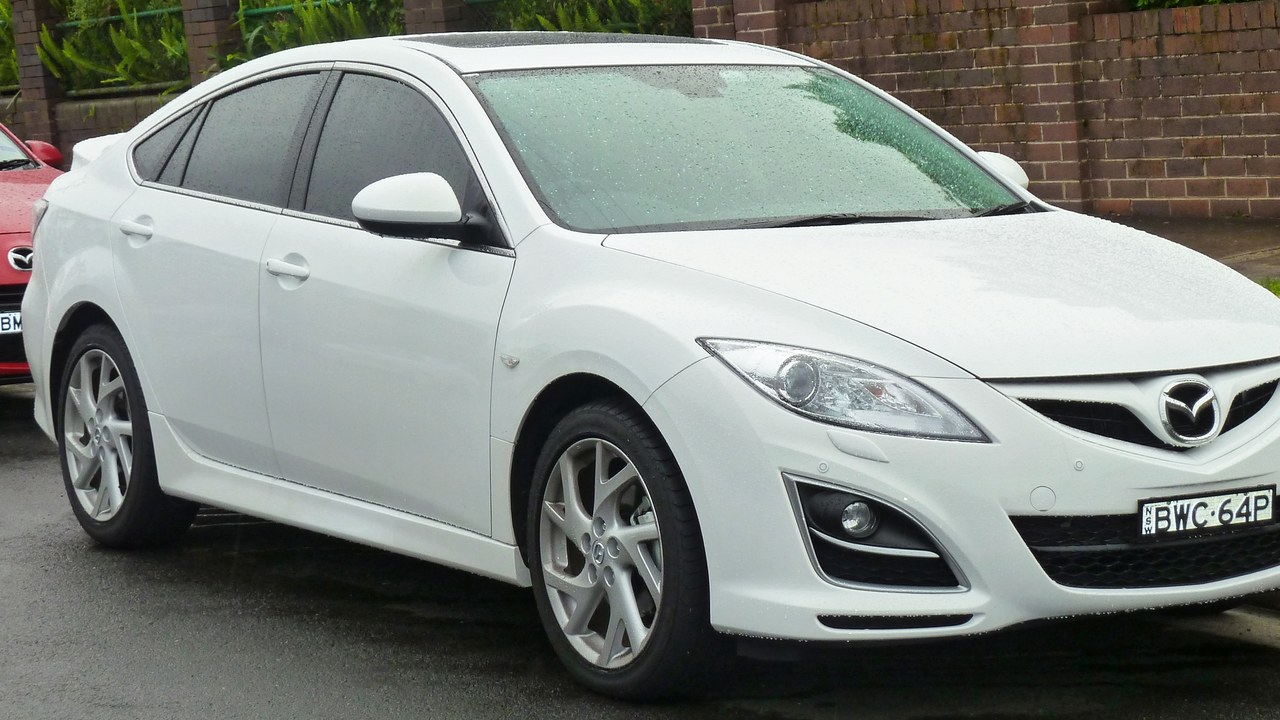
The Mazda6 is praised for build quality and drivetrain durability despite selling in far smaller numbers than its Toyota and Honda rivals.
Mazda’s SKYACTIV engineering emphasizes lighter components and efficient combustion, which owners say translates into fewer drivetrain failures over high-mileage use. The tradeoff is a shorter production run, since Mazda ended the sedan for the U.S. market, so used examples with documented maintenance histories are getting harder to find and command a premium.
8. Lexus LS: Flagship Past 200,000 Miles
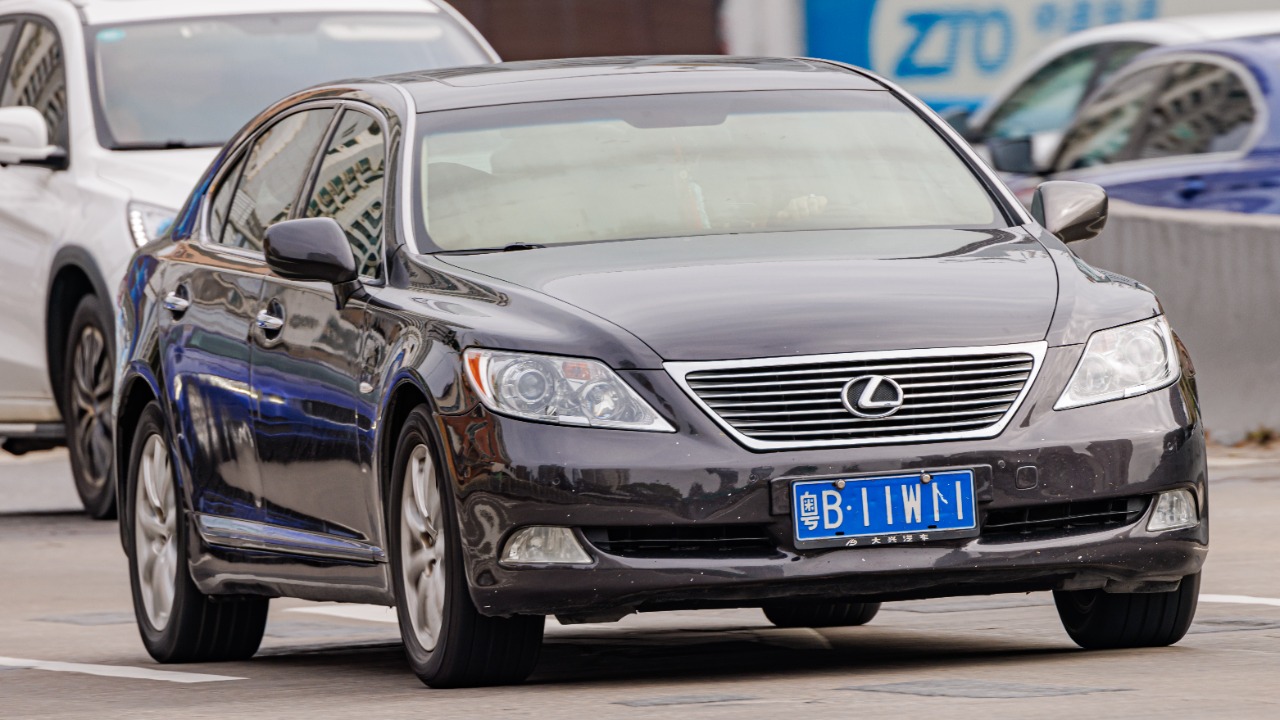
Lexus built the LS to be a flagship sedan engineered to run smoothly past 200,000 miles, a standard the brand set when it launched to challenge German luxury sedans.
The LS pairs a smooth V8 or V6 with meticulous assembly tolerances, and long-term owners frequently report minimal drivetrain issues even as the odometer climbs. That reliability record has made older LS generations a favorite among used-luxury shoppers wary of costly European repair bills.
9. Hyundai Sonata: Warranty-Backed Confidence
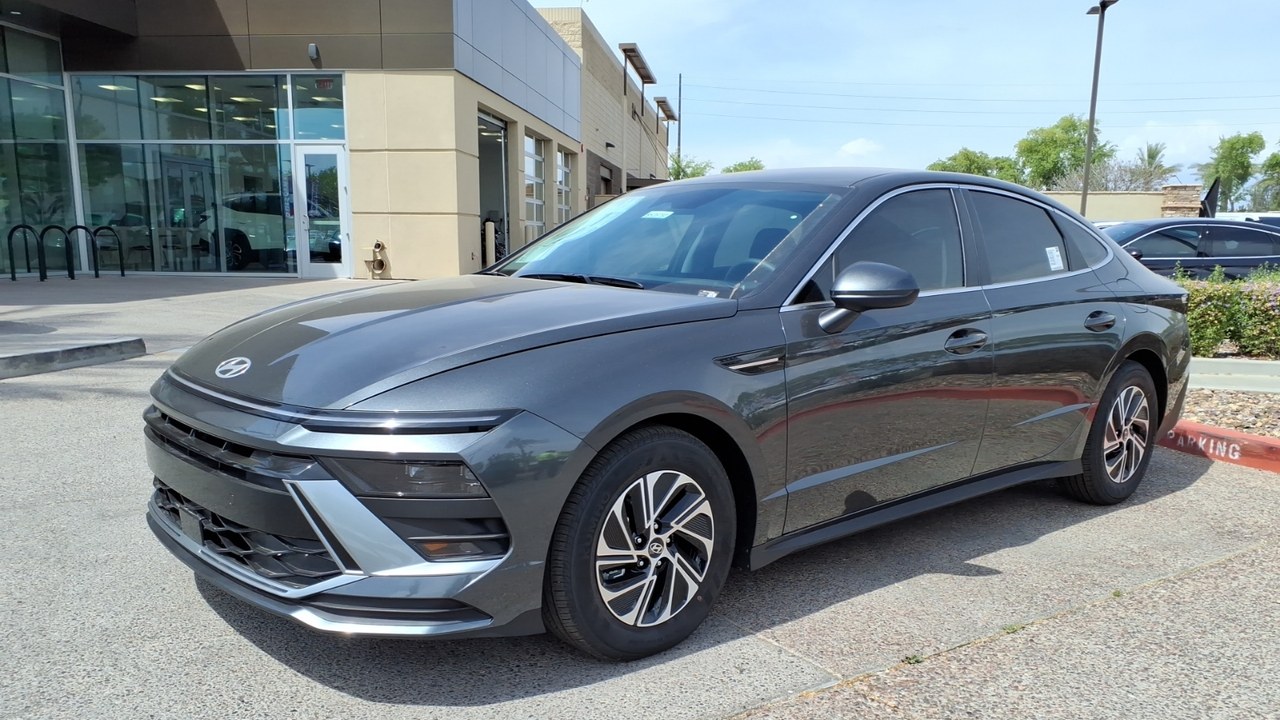
Hyundai backs the Sonata with a 10-year/100,000-mile powertrain warranty, one of the longest offered by any mainstream automaker.
That coverage reflects the automaker’s own confidence in the engine and transmission’s long-term durability, and it transfers partial coverage to second owners in many cases. Combined with steadily improving quality-survey results over the past decade, the warranty has helped the Sonata shed its once-shaky reputation and compete directly with Japanese rivals on resale confidence.
10. Nissan Maxima: V6 Sports Sedan Endurance
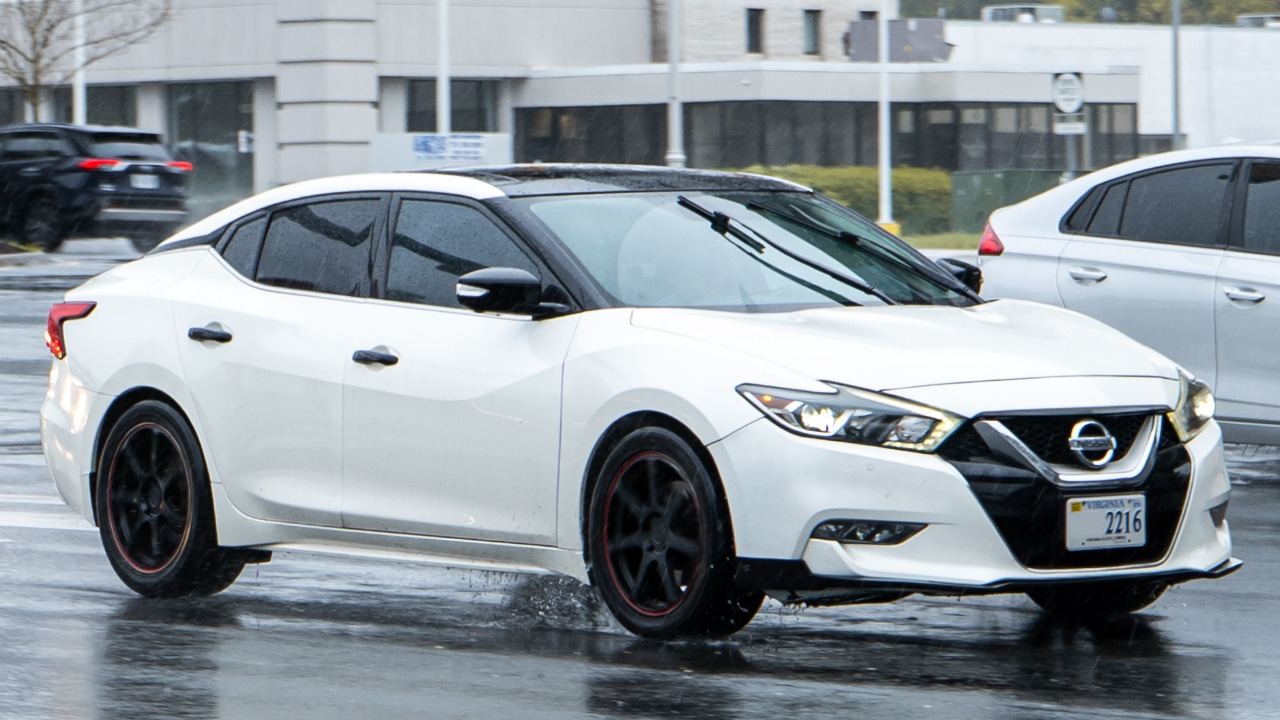
Nissan long marketed the Maxima as the V6 four-door sports car with staying power, a nod to a naturally aspirated engine that avoids the turbocharger wear some rivals face.
That simpler, higher-displacement approach has historically meant fewer catastrophic engine failures over high-mileage use compared with smaller turbocharged competitors. Nissan discontinued the Maxima after the 2023 model year, leaving existing examples as the last of a nameplate built around durable performance.
11. Subaru Legacy: Standard AWD, Harsh Climates
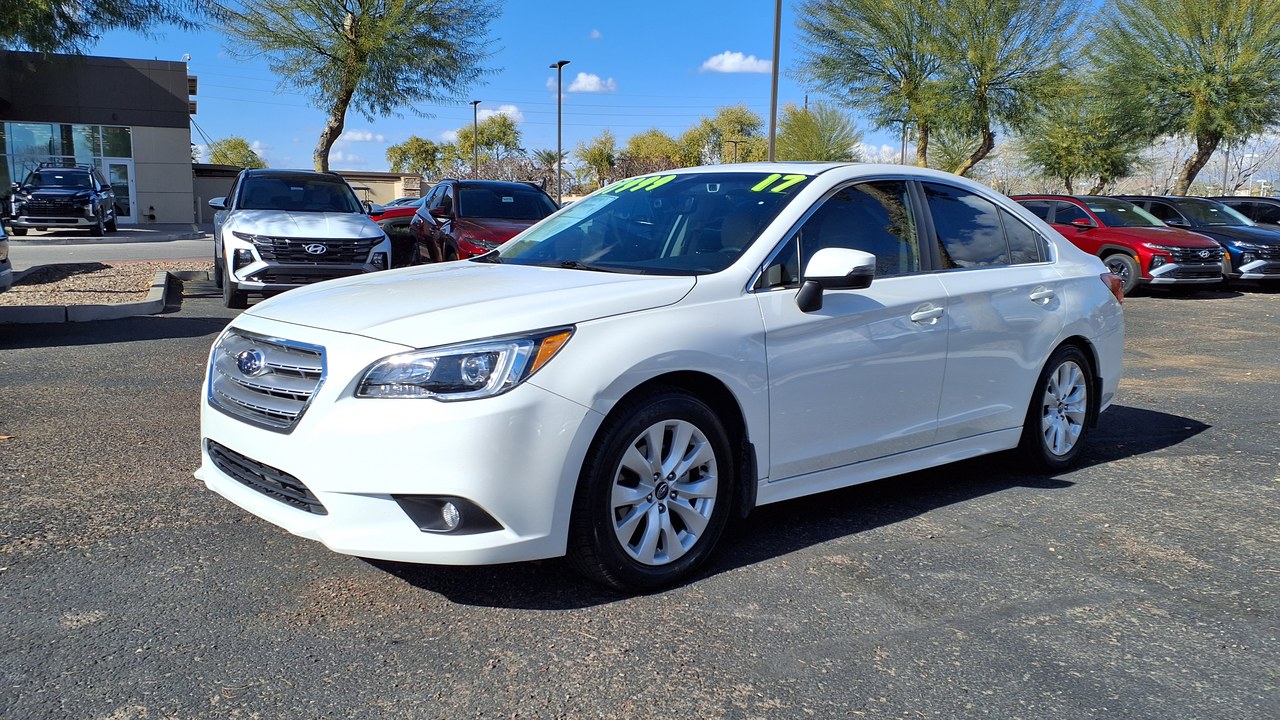
The Subaru Legacy comes with standard all-wheel drive that owners trust in harsh climates, from icy Midwest winters to wet Pacific Northwest roads.
That drivetrain adds mechanical complexity compared with front-wheel-drive sedans, but Subaru’s decades of refining the symmetrical AWD system have kept failure rates manageable for owners who stay current on fluid changes. The tradeoff of slightly higher maintenance costs is one many buyers accept for the traction and confidence it provides.
More from Morning Overview
