
Long before shared global platforms, a handful of Italian studios and freelance stylists quietly shaped how much of the world’s cars looked, from budget hatchbacks to million-dollar supercars. Bertone, Pininfarina, Zagato and independent pens like Giorgetto Giugiaro moved between Detroit, Stuttgart and Turin on the same contracts, often reusing a signature line across totally different brands. The gallery below gathers eleven production cars carrying that Italian hand.
1. Lamborghini Miura: A Twenty-Something’s First Sketch
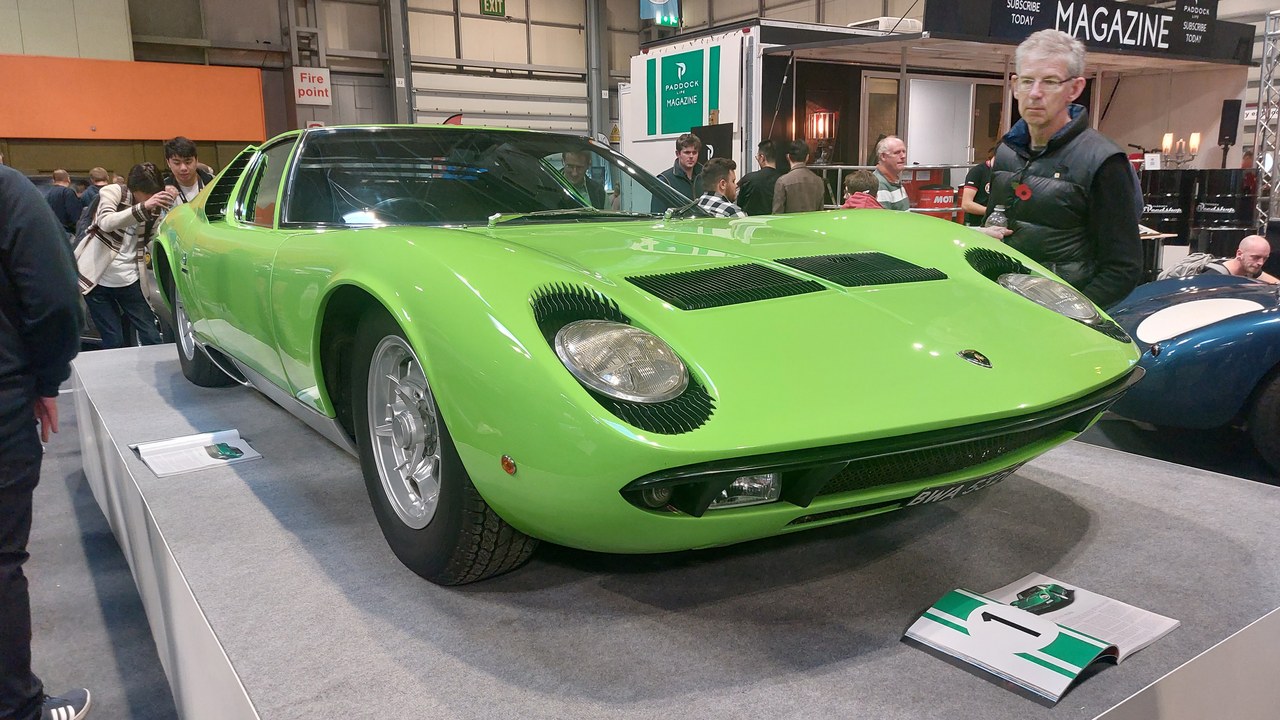
Marcello Gandini was still in his twenties when he drew the Miura for Bertone, and Hagerty’s profile of the designer credits that low, curving body with setting the template every mid-engine supercar since has chased.
Lamborghini had built only front-engine grand tourers before the Miura, so handing its future to an unproven young stylist was as much a gamble as the mid-engine layout itself, and both paid off. Ferruccio Lamborghini let Gandini keep going after the Miura landed, which is how one Bertone hire ended up shaping Lamborghini’s entire lineup for the next decade.
2. Lancia Stratos: Bertone’s Rally-Winning Wedge

Gandini’s wedge for Bertone stands just 33.3 inches tall, and Hagerty’s history of the Stratos ties that low, helmet-hugging cockpit directly to three World Rally Championship titles.
Nothing about the Stratos looked like a normal Lancia, which was the point: Bertone built it to win rally stages, not to share showroom space with a family sedan. Lancia sold just enough road-going copies to satisfy homologation rules, which is why an original example now commands supercar money at auction.
3. Volkswagen Golf Mk1: The Hatchback That Buried The Beetle
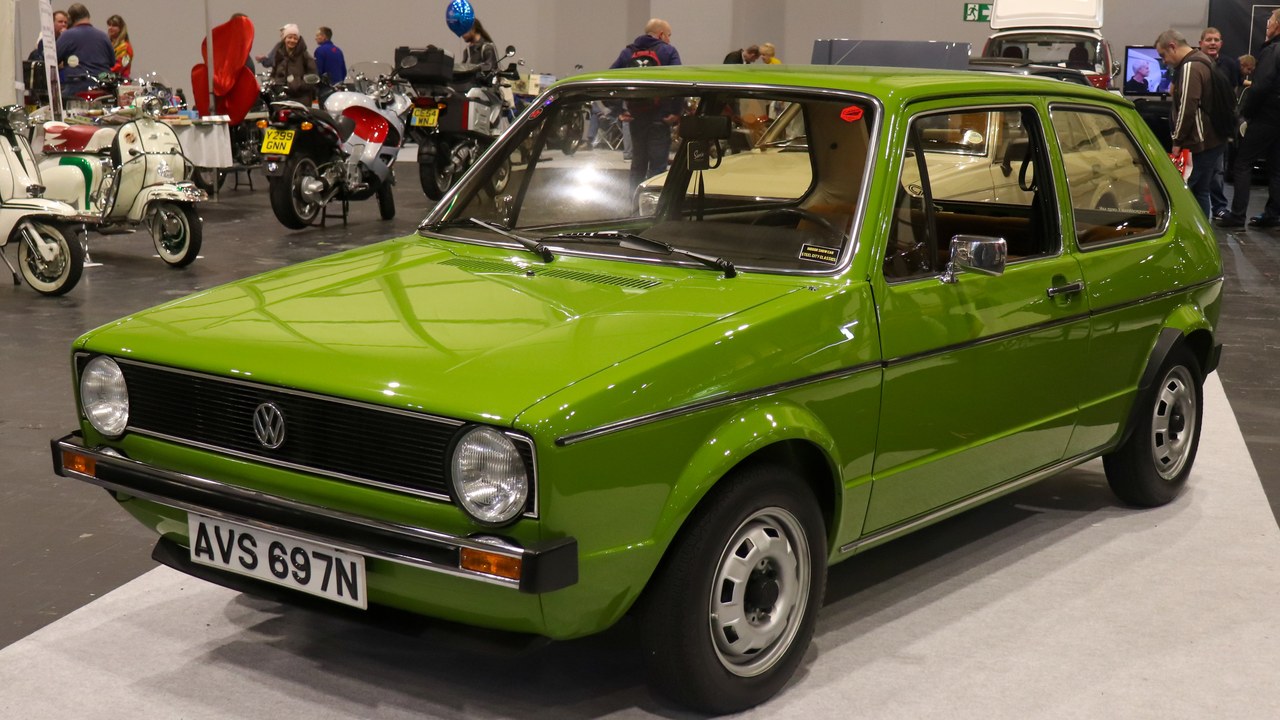
Giorgetto Giugiaro’s folded-paper Golf arrived in 1974 and, per Hagerty’s profile of the designer, gave Volkswagen the modern hatchback it needed to finally move past the aging Beetle.
The crisp, uncomplicated shape became a template of its own, copied by compact hatchbacks across Europe for the rest of the decade. Volkswagen leaned so heavily on the formula that later Golf generations still echo the same origami-flat panels Giugiaro drew in the early 1970s.
4. DeLorean DMC-12: Gullwings And Bare Steel
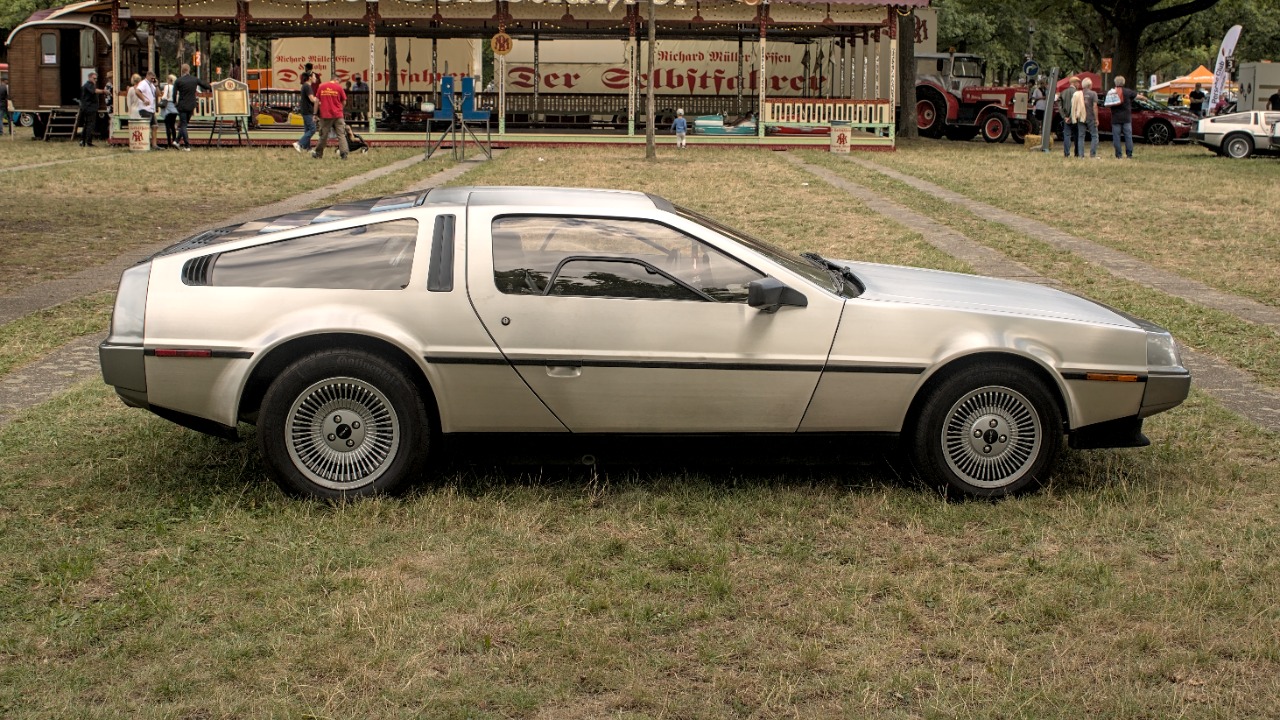
Giugiaro gave the DMC-12 gullwing doors and unpainted stainless-steel panels, a look the same Hagerty designer profile notes he carried over from his earlier concept-car work.
The finish was meant to make paint optional forever; instead it made the car instantly identifiable decades after DeLorean itself went under. Owners today still wet-sand and polish the raw panels rather than paint them, keeping Giugiaro’s original pitch intact almost fifty years on.
5. BMW M1: Italian Lines, German Engine
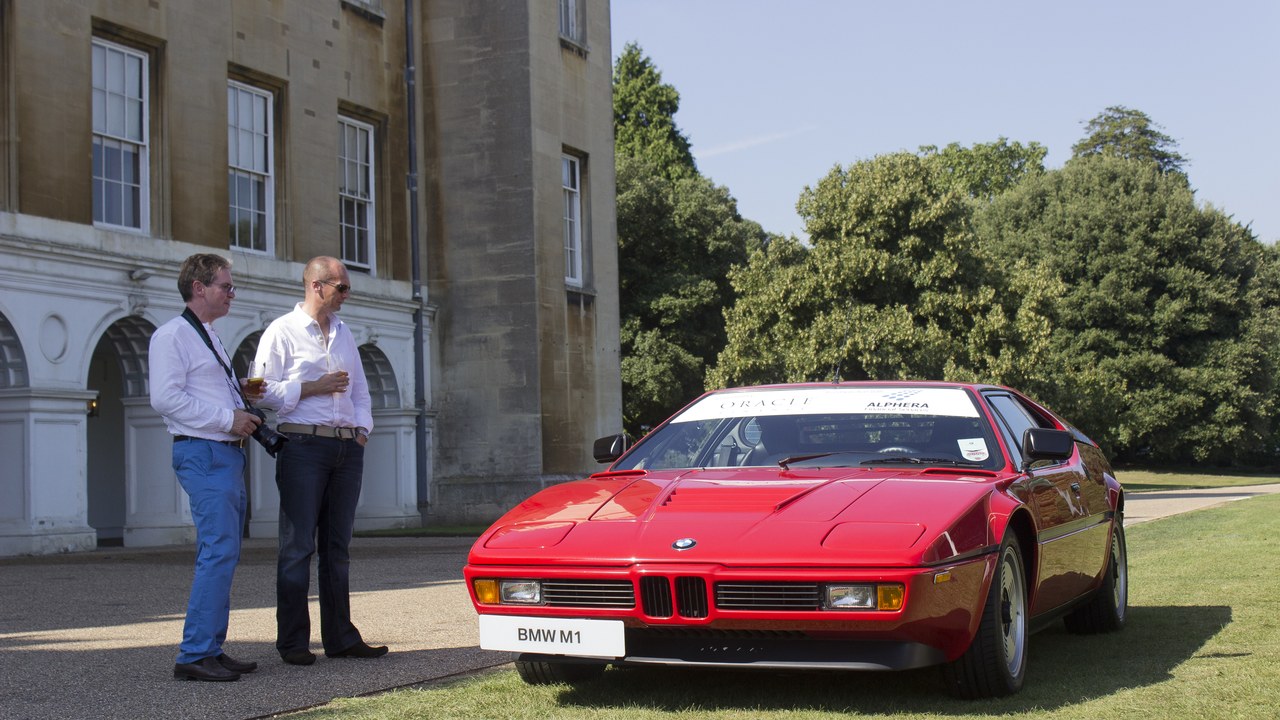
Giugiaro styled the M1 and Italdesign assembled its body units in Italy before shipping them to Germany, a split BMW Group’s own anniversary release still walks through step by step.
BMW needed the car homologated for racing, so an Italian design house building German bodies was less a stylistic choice than a logistics one. The arrangement fell apart before BMW’s own factory could take over final assembly, forcing yet another Italian contractor, Baur, to finish the job instead.
6. Cadillac Allanté: Flown In From Turin
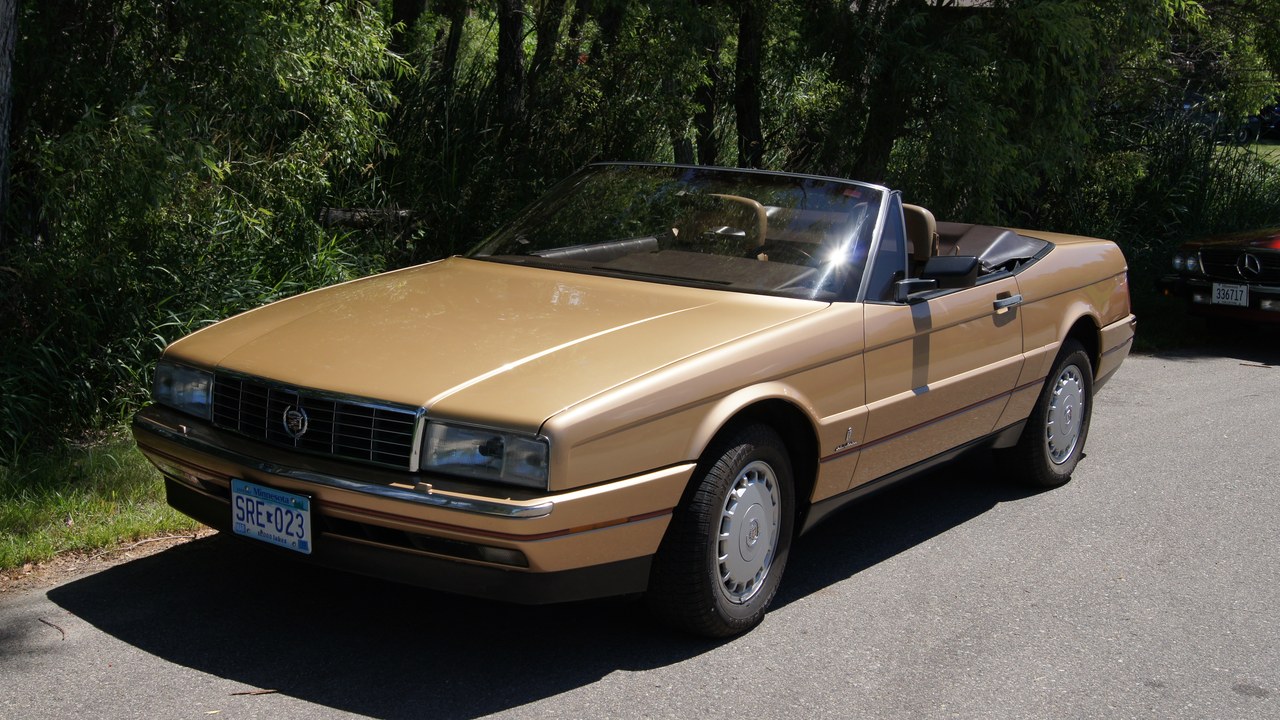
Pininfarina built the Allanté’s body near Turin and, as Hagerty’s account of the program details, flew finished shells to Detroit aboard converted Boeing 747s.
Cadillac’s air bridge kept the Italian coachwork legitimate for a genuinely American car, even if the freight bill alone made the Allanté one of the most expensive small cars GM ever built. Two stripped-down 747s spent years doing nothing but shuttling Allanté bodies across the Atlantic on a fixed weekly schedule.
7. Aston Martin DB4 GT Zagato: Nineteen Cars, One Coachbuilder
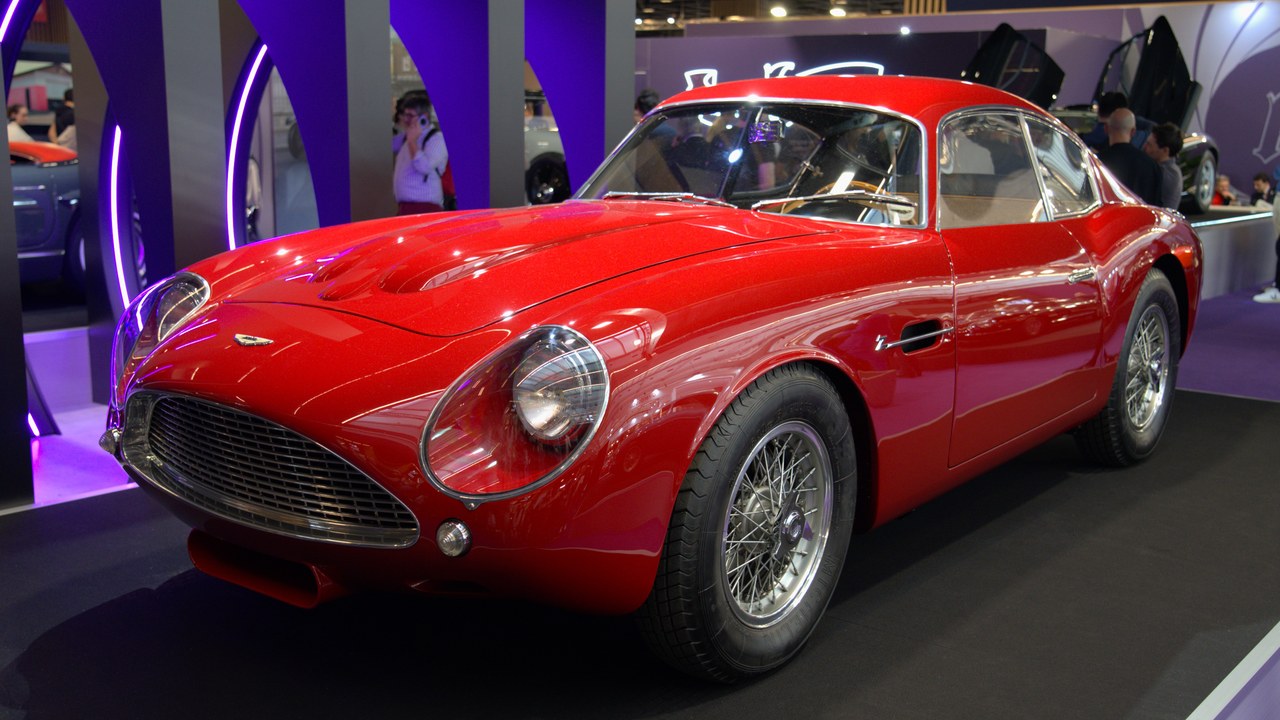
Only nineteen DB4 GT chassis went to Milan for Zagato’s aluminum bodywork, a scarcity Hagerty’s report on a surviving pair says still drives auction results decades later.
Shedding weight over the standard DB4 was the entire point of sending the cars to Zagato, and the lighter body is exactly why racers wanted one. Aston Martin never built enough of them to satisfy demand even in period, which is part of why so few survive unmodified today.
8. Ferrari Testarossa: The Strakes Everyone Copied
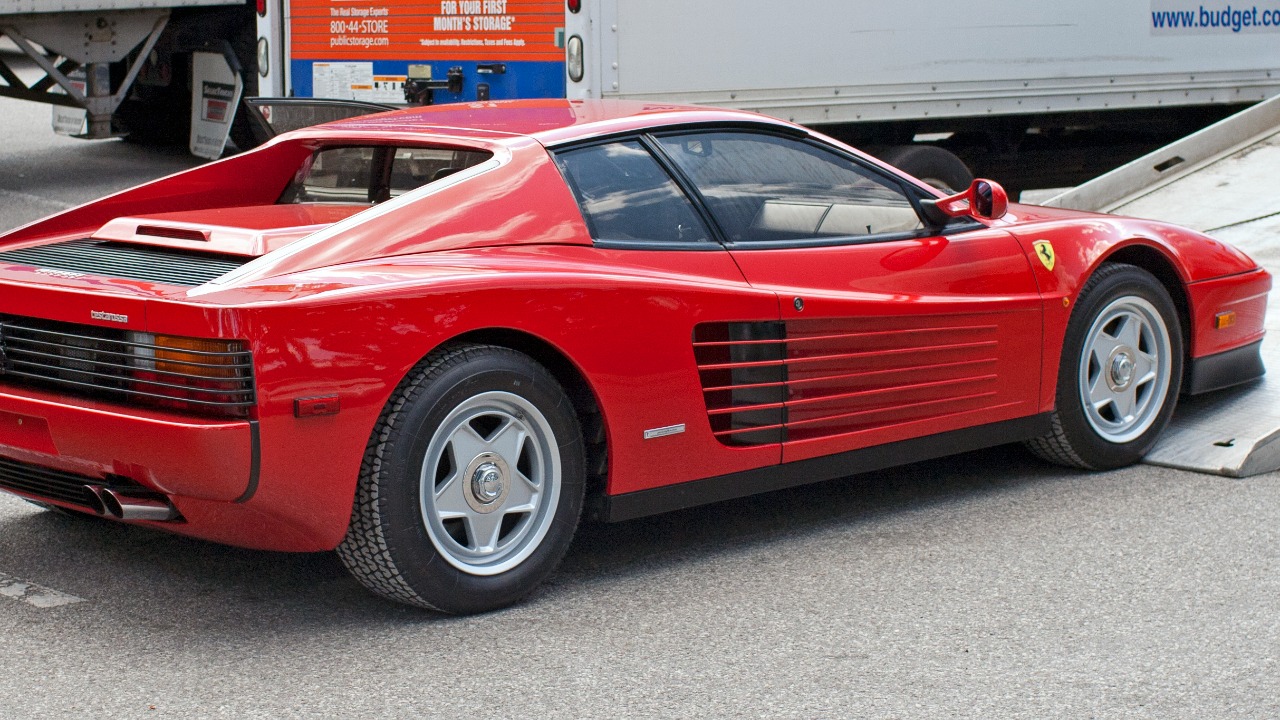
Pininfarina’s side strakes on the Testarossa, detailed on its Wikipedia entry, fed the side-mounted radiators and turned into the single most imitated design cue of 1980s car culture.
Posters of the wide, straked flanks outlived the car’s production run, making the Testarossa a design landmark even for people who never saw one in person. Ferrari widened the whole rear end just to fit those radiators, and the strakes were Pininfarina’s way of making the extra width look intentional.
9. Alfa Romeo Montreal: Slatted Eyes, Bertone Hands
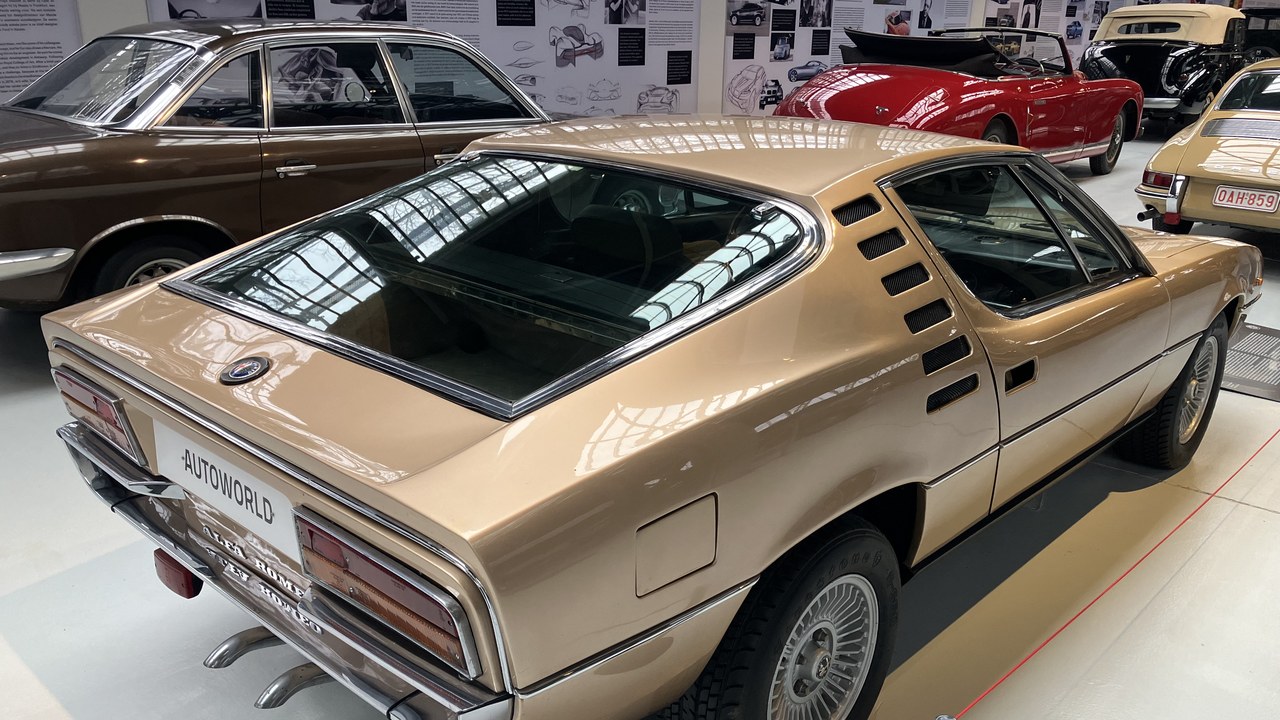
Bertone gave the Montreal slatted headlight covers and a NACA hood duct, details its Wikipedia page attributes to the same Gandini pen behind the Miura and the Stratos.
The covers flip up only when the lights switch on, a small piece of theater that turned a routine coupe into one of Alfa’s most collectible cars. Alfa Romeo built the Montreal in far smaller numbers than its showroom siblings, so an unmodified example rarely turns up outside a concours field.
10. Volkswagen Karmann Ghia: A Beetle In A Suit
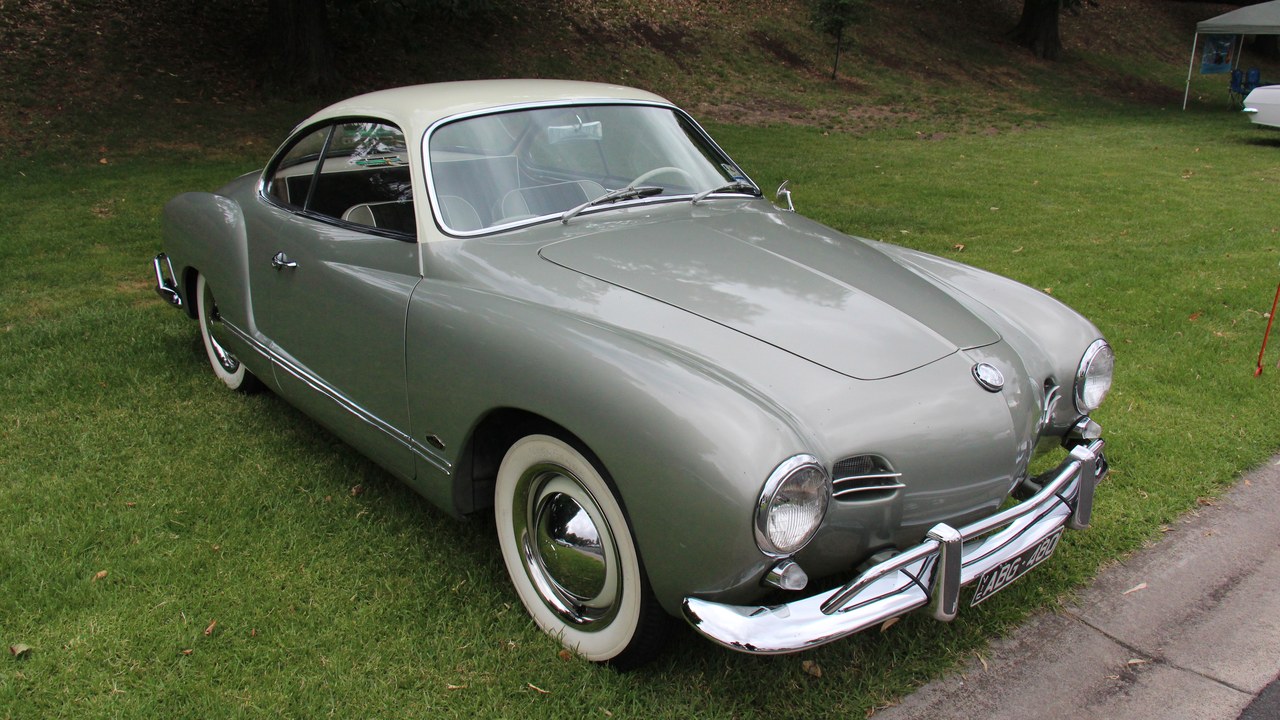
Ghia’s Turin studio styled the body, and its Wikipedia history confirms Karmann then hand-built each shell over ordinary Beetle mechanicals back in Germany.
Buyers paid extra for the Italian silhouette without giving up a single Beetle part underneath, which is exactly why it stayed in production for nearly two decades. Volkswagen never advertised it as a sports car, just a better-dressed way to own the same reliable mechanicals underneath a Beetle.
11. Peugeot 406 Coupé: Pininfarina’s Own Assembly Line
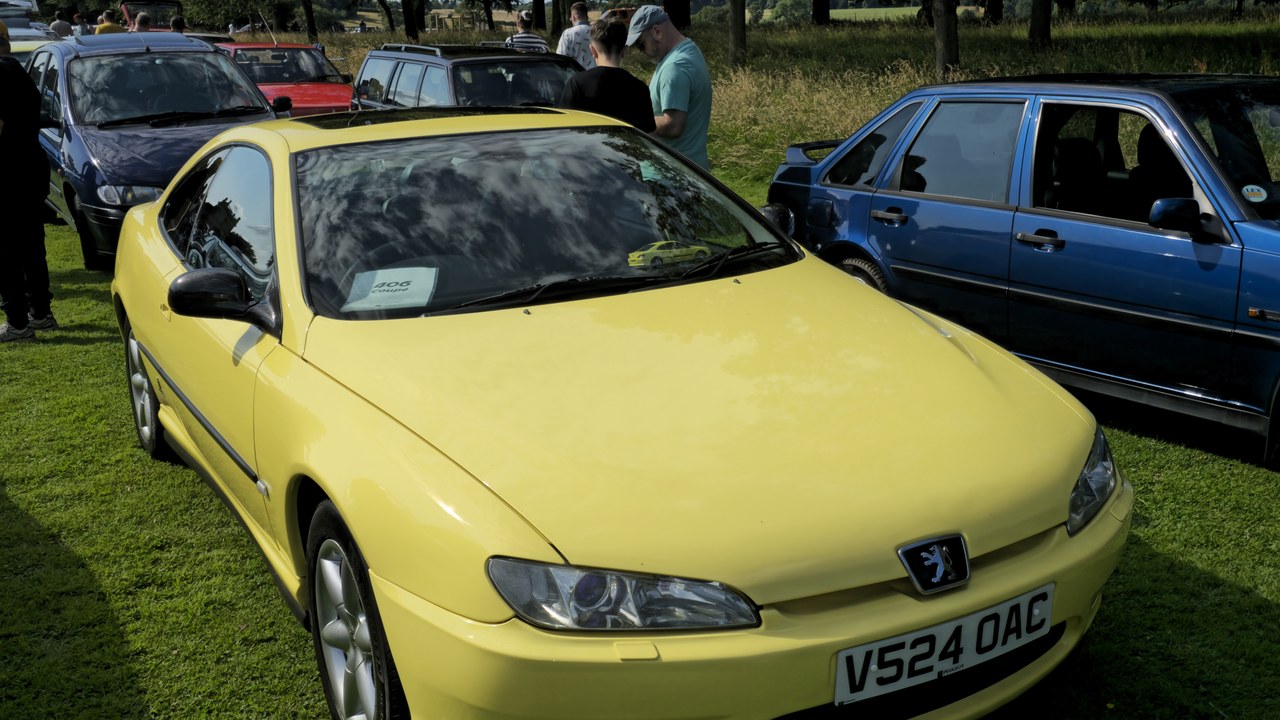
Pininfarina didn’t just style the 406 Coupé, it built the body at its own Italian plant, a detail the car’s Wikipedia entry lays out alongside the sedan it was based on.
Handing an entire production line to a coachbuilder was unusual for a mainstream French sedan, and it gave the coupe proportions the standard 406 never had. Peugeot’s own factories never touched the coupe body at all, leaving Pininfarina responsible for the car from stamped panel to finished paint.
More from Morning Overview
