
Depreciation quietly decides what a car really costs, and some models give up their value far faster than the average. Studies of five-year-old used cars and published projections for newer models point to a mix of electric vehicles, luxury SUVs and sedans, and a few mainstream names. Here are twenty vehicles that shed their value fastest.
Read next on Morning Overview: A dangerous unpatched Windows exploit is now public and can hand attackers full control
1. Nissan Leaf: The Percentage Leader
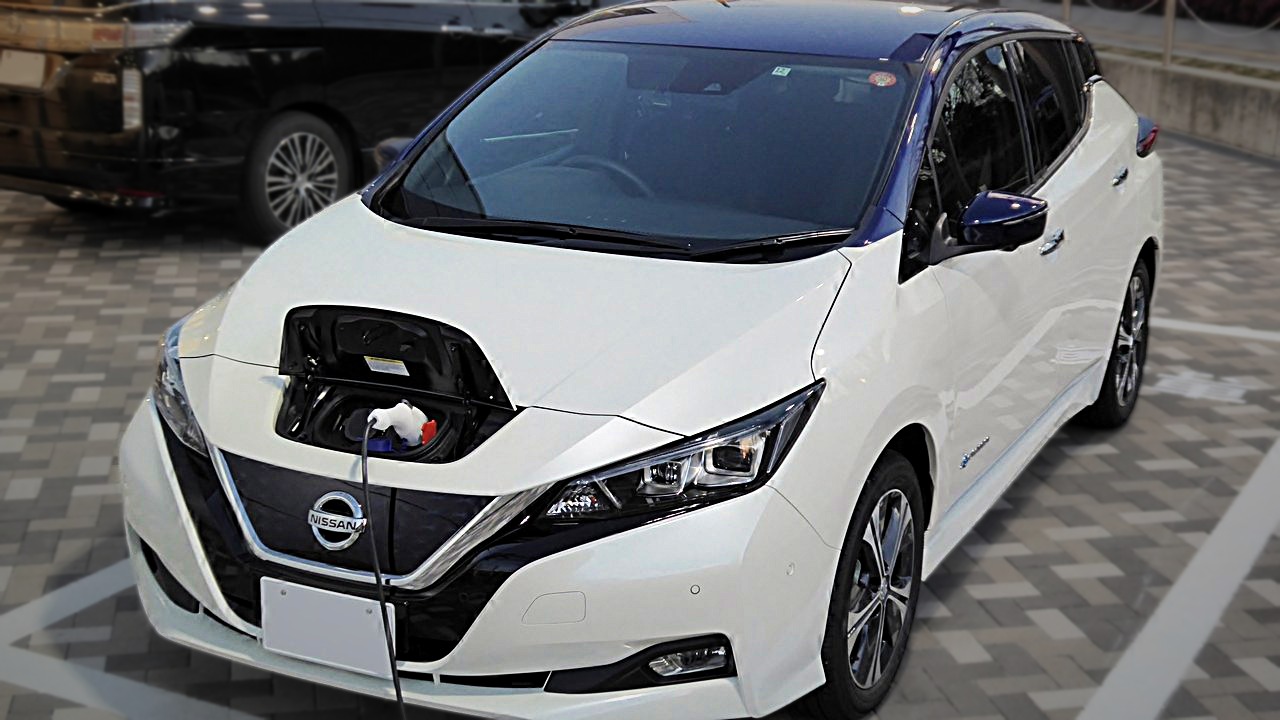
The Leaf sits at the top of the five-year depreciation ranking, losing an average of 63.1% of its value. In Cheapism’s recap of the iSeeCars study, the electric hatchback is listed with a $17,743 gap from its original sticker price, a modest dollar figure because the car started out relatively cheap.
That dollar figure shows why percentage and price tell different stories. The study analyzed more than 950,000 five-year-old used cars sold between March 2025 and February 2026, and the Leaf’s rate sits well above the 41.8% average for all vehicles.
2. Infiniti QX80: Luxury Size, Steep Drop
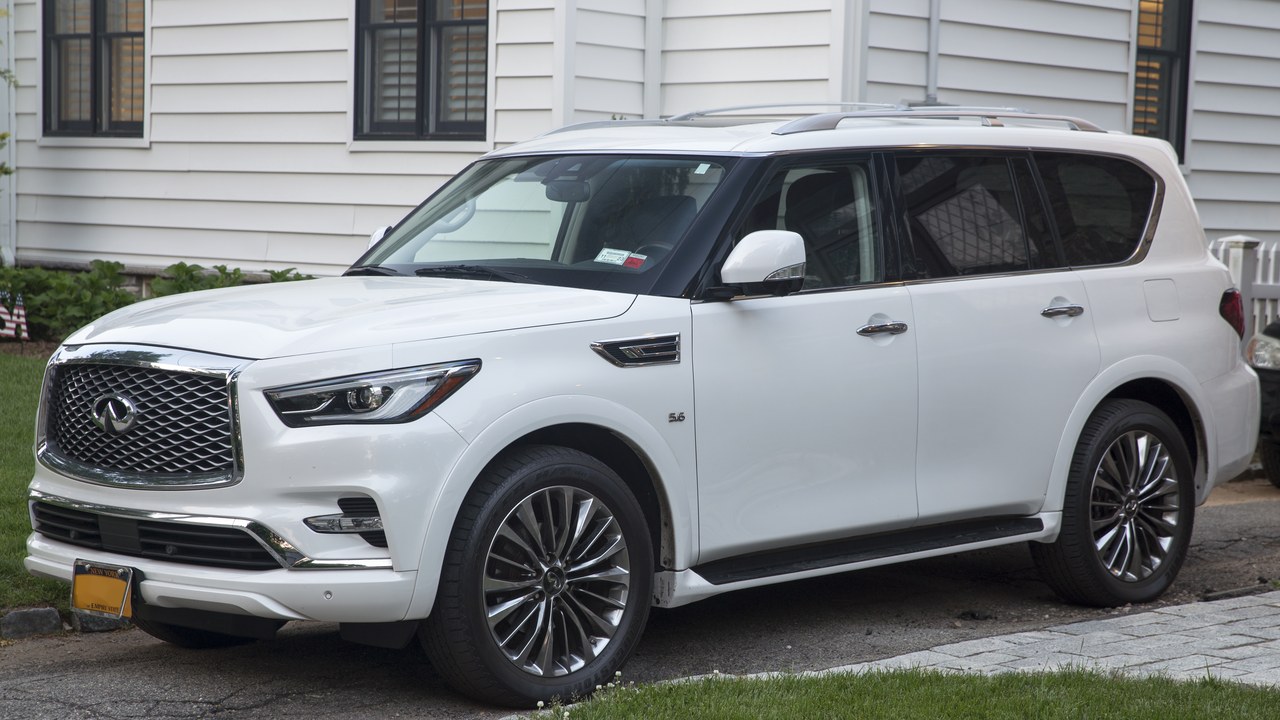
Infiniti’s full-size SUV ranks second in the study, giving up 62.8% of its value over five years. According to Cheapism’s list of top offenders, that works out to about $52,631 below the original sticker price, one of the larger dollar losses among the ten vehicles the article covers.
The QX80 reflects a pattern the study spells out: luxury vehicles almost always lose more value than mainstream models. Eighteen luxury models appear among the 25 worst performers, and big, expensive SUVs in this class tend to fall hardest in dollar terms.
3. Volkswagen ID.4: An Electric SUV Slides
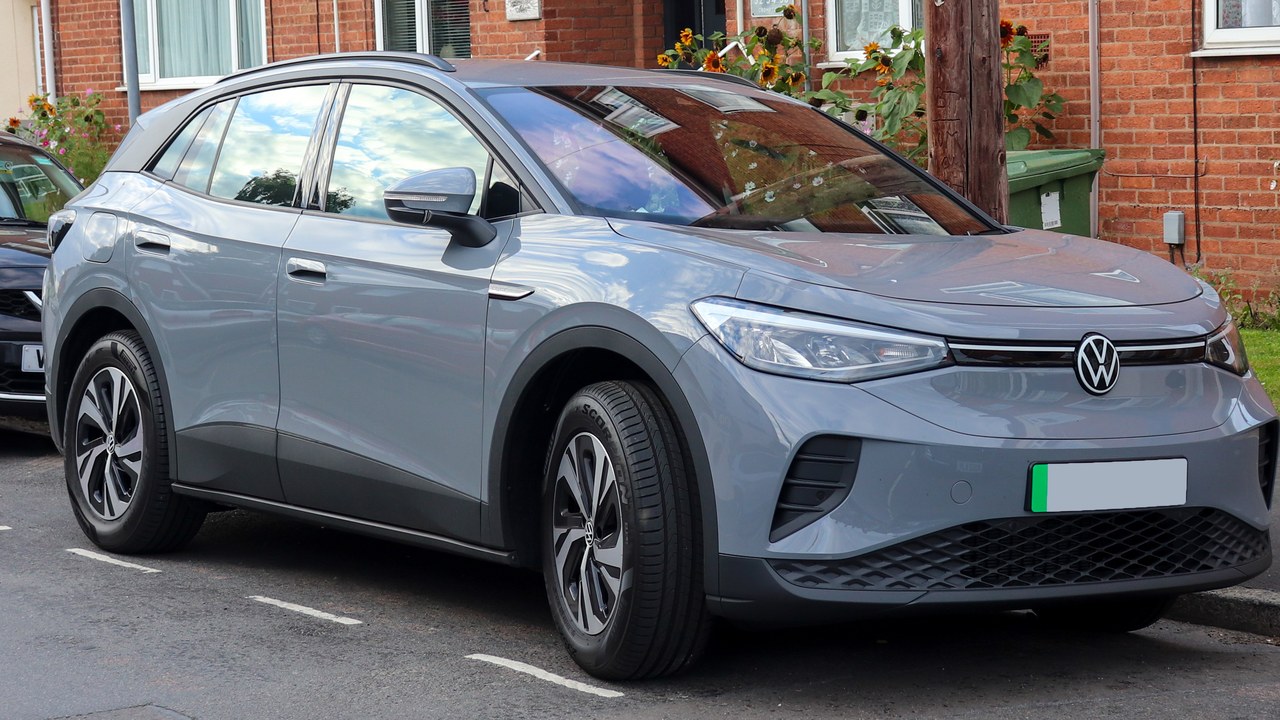
Volkswagen’s electric crossover loses an average of 62.1% of its value in five years, according to a Cheapism summary of the findings. The drop amounts to $28,010 from the original price, placing the ID.4 third on the list of the fastest-depreciating vehicles in the study.
Electric vehicles dominate the worst end of the ranking, with five of them in the top ten. The ID.4 loses more than the 57.2% average for the electric segment, which iSeeCars attributes to buyers on the used market being unwilling to pay the premium that electric models carry when new.
4. Tesla Model S: The Flagship Falls
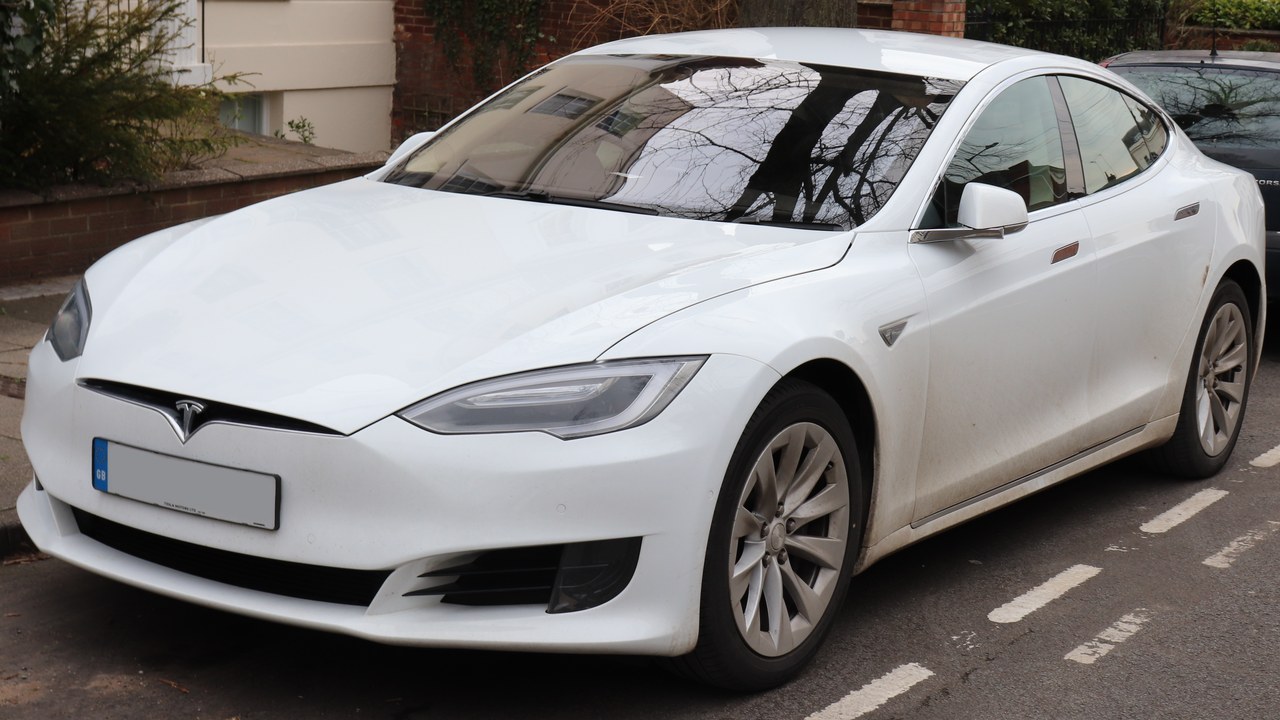
Tesla’s flagship sedan loses 62.0% of its value over five years on average, a gap of $58,907 from its original price. That figure comes from the iSeeCars analysis as reported in a Cheapism roundup, and it ranks the Model S fourth among all vehicles studied.
The result is notable because Tesla’s lineup does not depreciate evenly. The study found the Model 3 loses 54.6% over five years, below the electric average of 57.2%, while the Model S, Model X and Model Y all lose more than that average.
5. Range Rover: The Biggest Dollar Loss
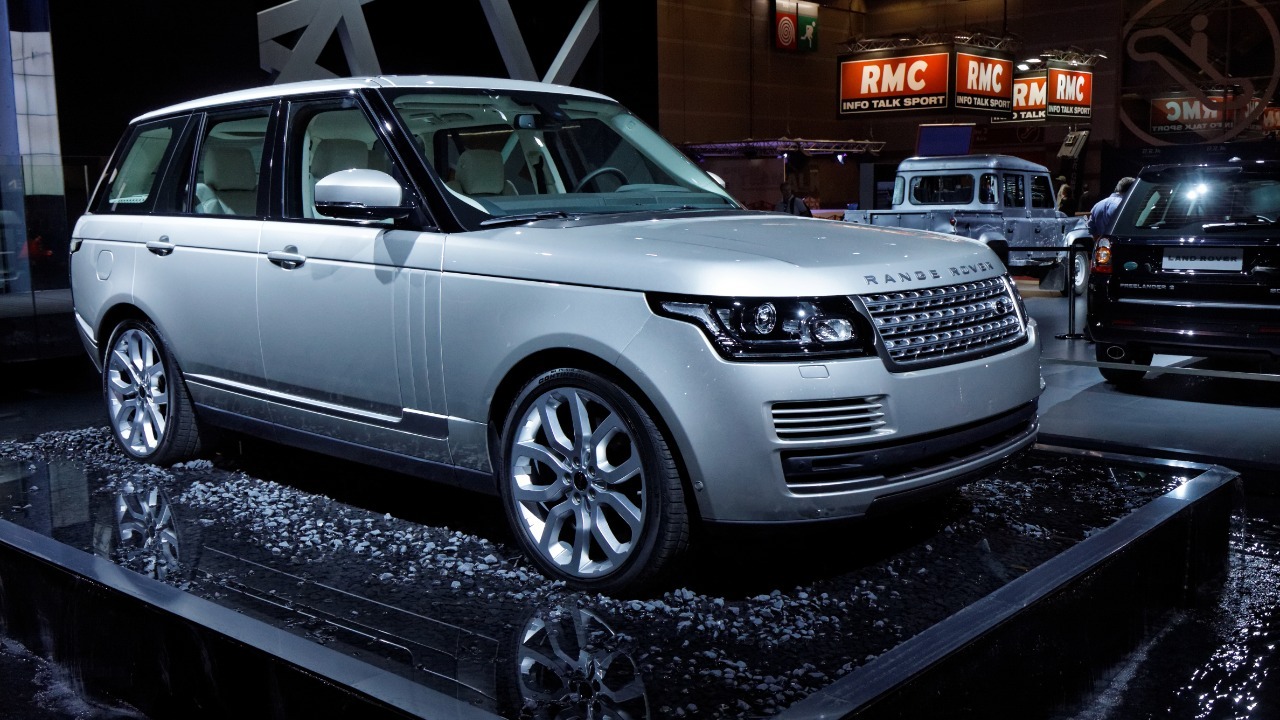
The Range Rover loses 61.7% of its value after five years, which the study puts at $69,856 below the original price. In the Cheapism write-up, that is the largest dollar figure among the ten vehicles shown, even though the Leaf ranks higher by percentage.
iSeeCars used this contrast to make a point about expensive models. A high percentage loss on a low-priced car can cost less than a modest percentage on a luxury one, so buyers considering a Range Rover new face a far bigger dollar hit than the ranking position alone suggests.
6. BMW 7 Series: A Flagship Sedan’s Slide
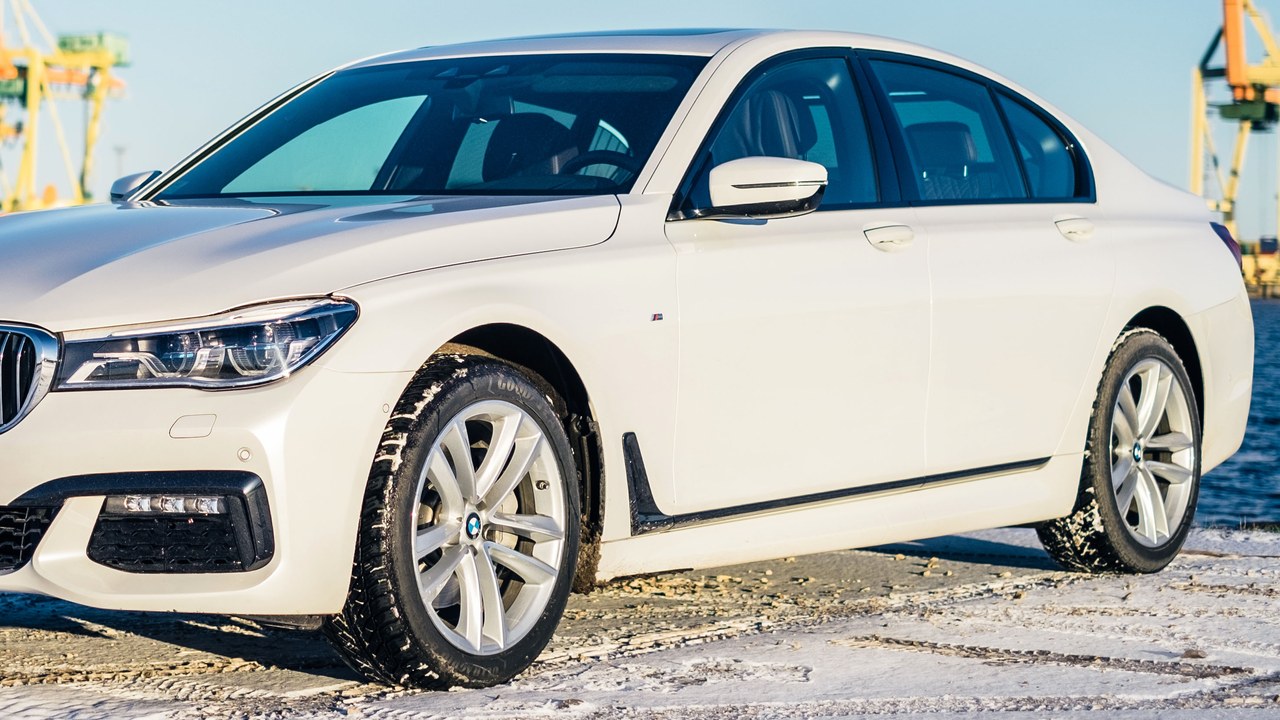
BMW’s flagship sedan loses 61.6% of its value over five years, a drop of about $61,141 from the original price. The figure appears in Cheapism’s ranking of the vehicles with the highest depreciation, where the 7 Series is the only entry classed as a sedan among the first seven.
The study offers a general explanation for results like this: the used car market does not place the same value on upscale styling, premium materials and the latest technology that new buyers pay for. Its analyst advises anyone seeking maximum value retention to avoid most luxury models.
7. Tesla Model X: Falcon Doors, Falling Value
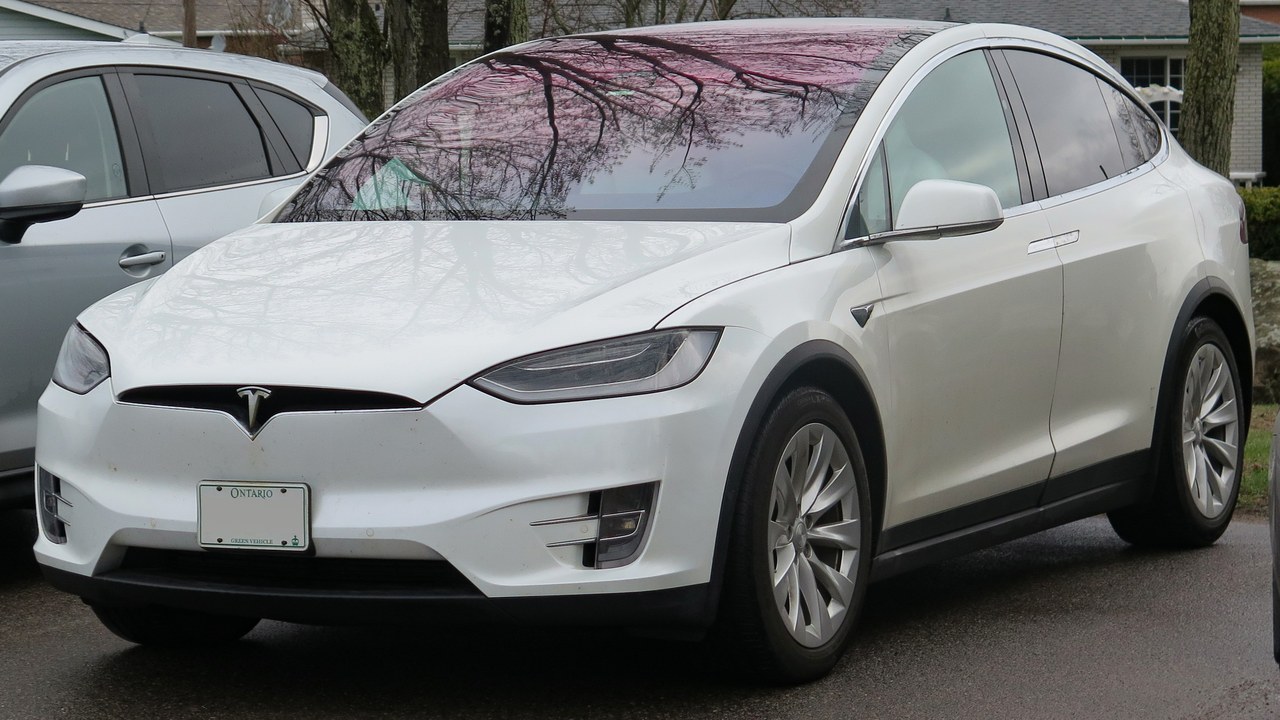
Tesla’s falcon-wing SUV loses an average of 61.2% of its value in five years, which iSeeCars puts at $61,216 below the original price. The number is reported in Cheapism’s depreciation list, and it places the Model X seventh among all vehicles analyzed in the study.
Among electric vehicles, the Model X ranks as the fourth-worst performer, behind only the Model S, ID.4 and Leaf. All of those lose more than the 57.2% segment average, which sits more than 15 percentage points above the average for the whole market.
8. Ford Mustang Mach-E: The Electric Pony Loses Ground
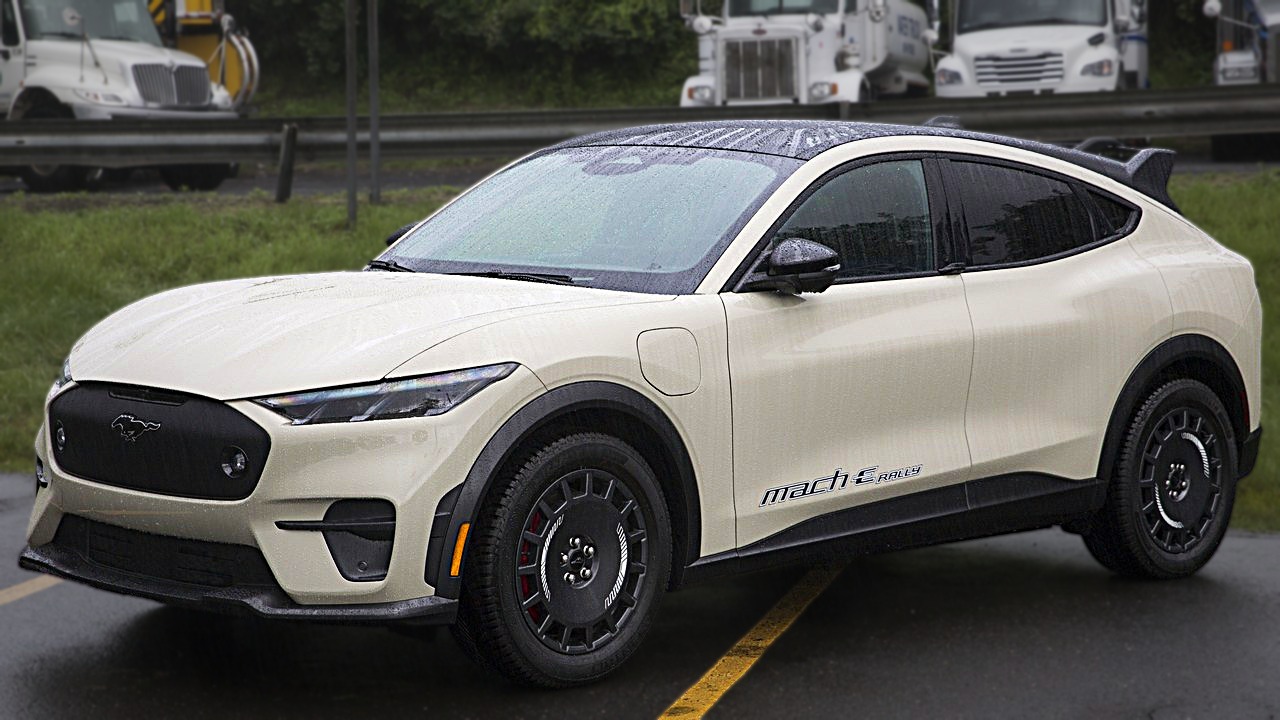
Ford’s electric crossover loses an average of 60.8% of its value in five years, a gap of $22,976 from the original price. The figure comes from the iSeeCars study, which analyzed more than 950,000 five-year-old used cars and ranks the Mach-E eighth on its list of the highest-depreciating vehicles.
Within the electric segment the Mach-E sits sixth of ten, losing more than the Tesla Model Y and Kia Niro EV but less than the Model X, Model S, ID.4 and Leaf. The study says EV depreciation has barely improved this year, even as every other segment retained more value.
9. Infiniti QX60: A Three-Row Luxury Crossover
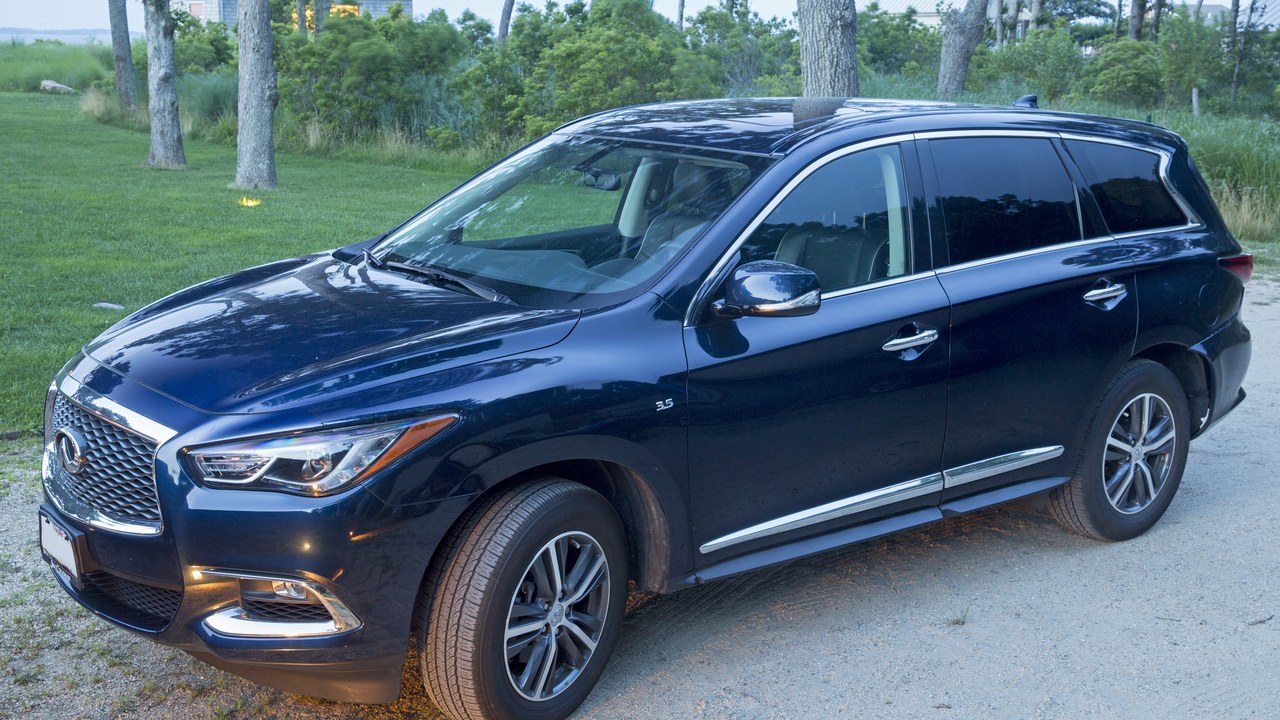
Infiniti’s three-row crossover loses 58.3% of its value after five years, or about $30,099 from the original price, according to the iSeeCars rankings. That puts it tenth on the list of the 25 vehicles that depreciate the most, in a tie on percentage with the Land Rover Range Rover Sport.
Two Infiniti SUVs, the QX80 and the QX60, both appear in the top ten. The study notes that luxury models make up 18 of the 25 highest-depreciating vehicles, a trend it ties to the used market’s reluctance to pay extra for premium features.
10. Tesla Model Y: The Best Seller Still Slips
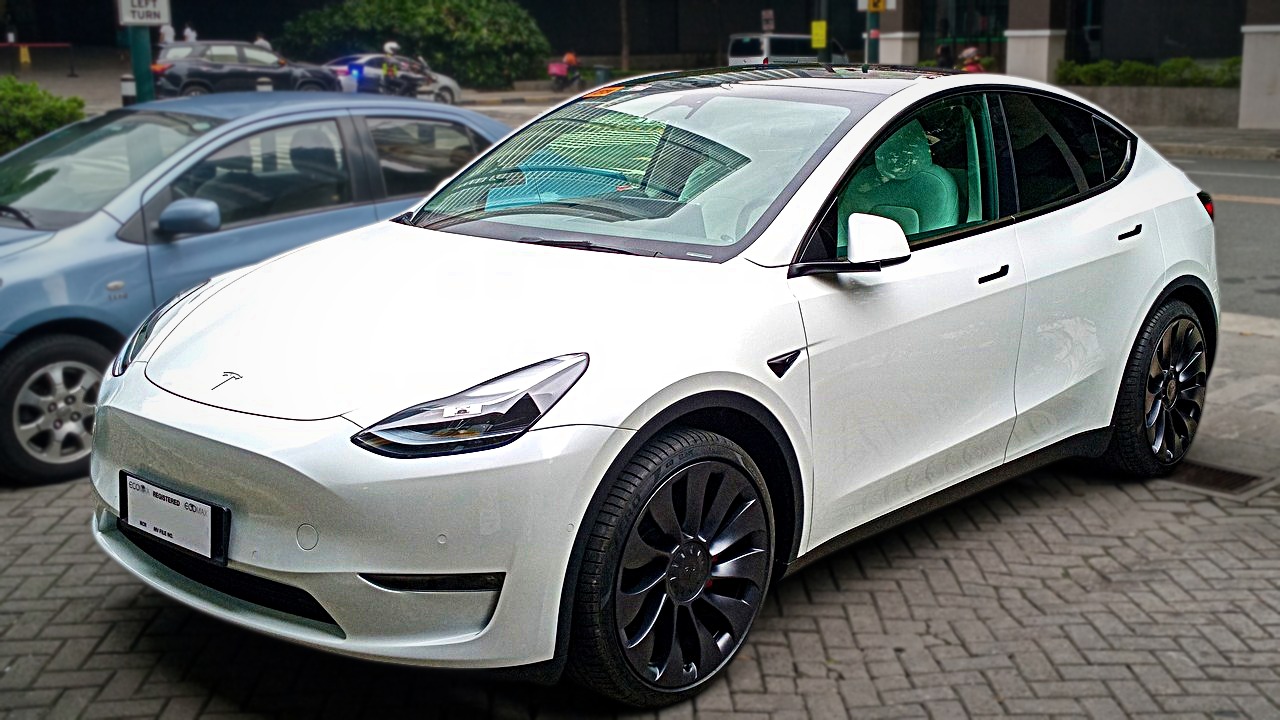
The Model Y loses an average of 57.8% of its value over five years, about $26,020 from the original price. That ranks it 14th among the 25 worst performers in the iSeeCars analysis, the furthest down the table of the three Teslas that make the list.
Among electric vehicles the Model Y ranks fifth-best of ten, with the Model 3, Taycan, Kona Electric and Niro EV all depreciating less. The study says the Model Y, Model X and Model S all lose more than the 57.2% electric average, while the Model 3 and Porsche Taycan fall below it.
11. Kia Niro EV: Barely Above the Average
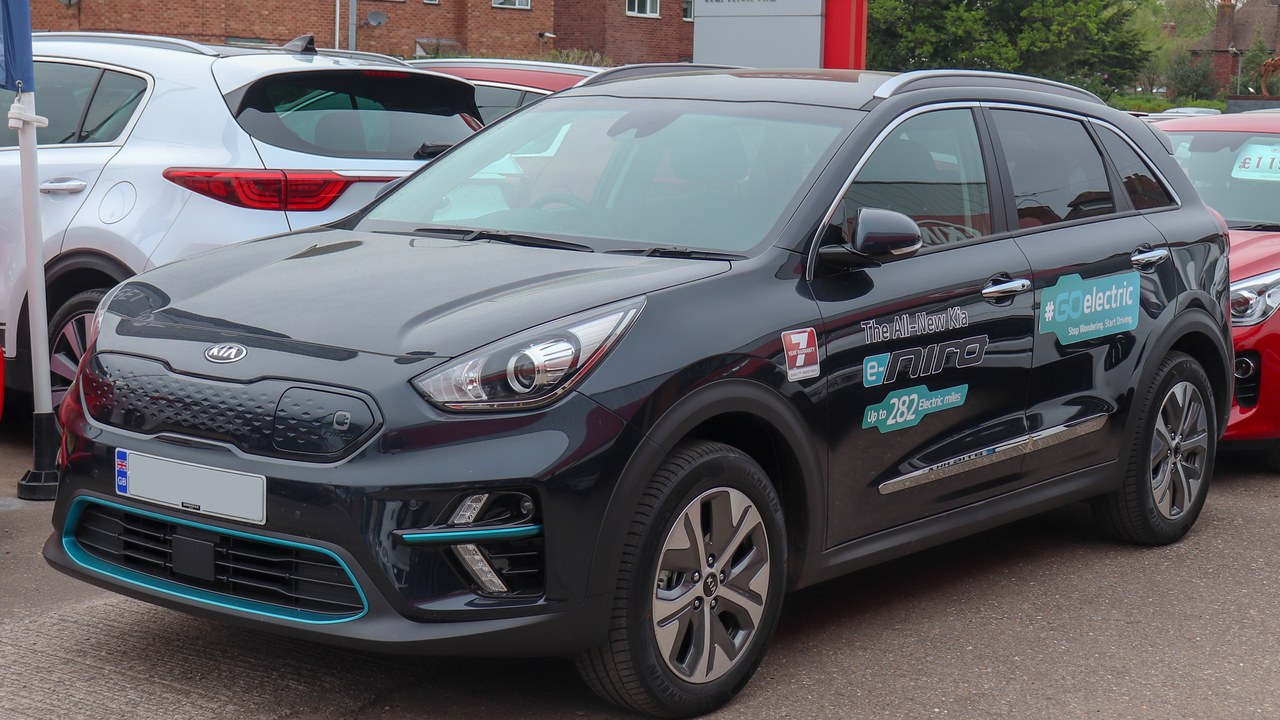
Kia’s electric Niro loses an average of 57.3% of its value in five years, a gap of $22,742 from the original price. The figure appears in the iSeeCars study and places the Niro EV 16th among the 25 vehicles with the highest depreciation.
The Niro EV lands just above the electric-segment average of 57.2%, making it the closest of the named electric models to that mark. Three electric vehicles, the Model 3, Taycan and Kona Electric, fare better, while the study says the used market will not pay the EV premium.
12. Nissan Armada: A Full-Size SUV Sheds Value
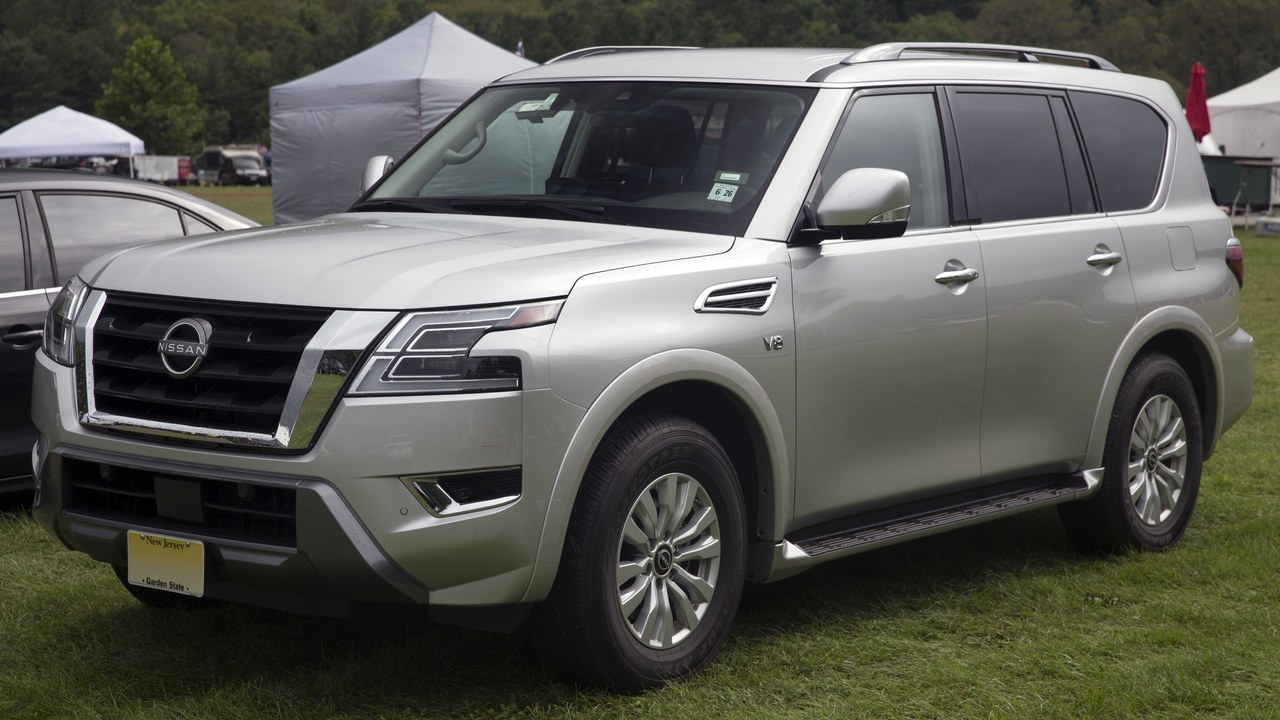
Nissan’s full-size SUV loses an average of 57.0% of its value over five years, which iSeeCars puts at $33,531 below the original price. In the study’s highest-depreciation table, the Armada ranks 19th, sharing its percentage with the Cadillac Escalade ESV.
iSeeCars says electric and luxury models dominate the list, which makes the Armada, a mainstream-brand SUV, one of its less expected entries. The Ford Expedition MAX, at number 24, is another.
13. Cadillac Escalade: A Luxury Giant’s Price Tag
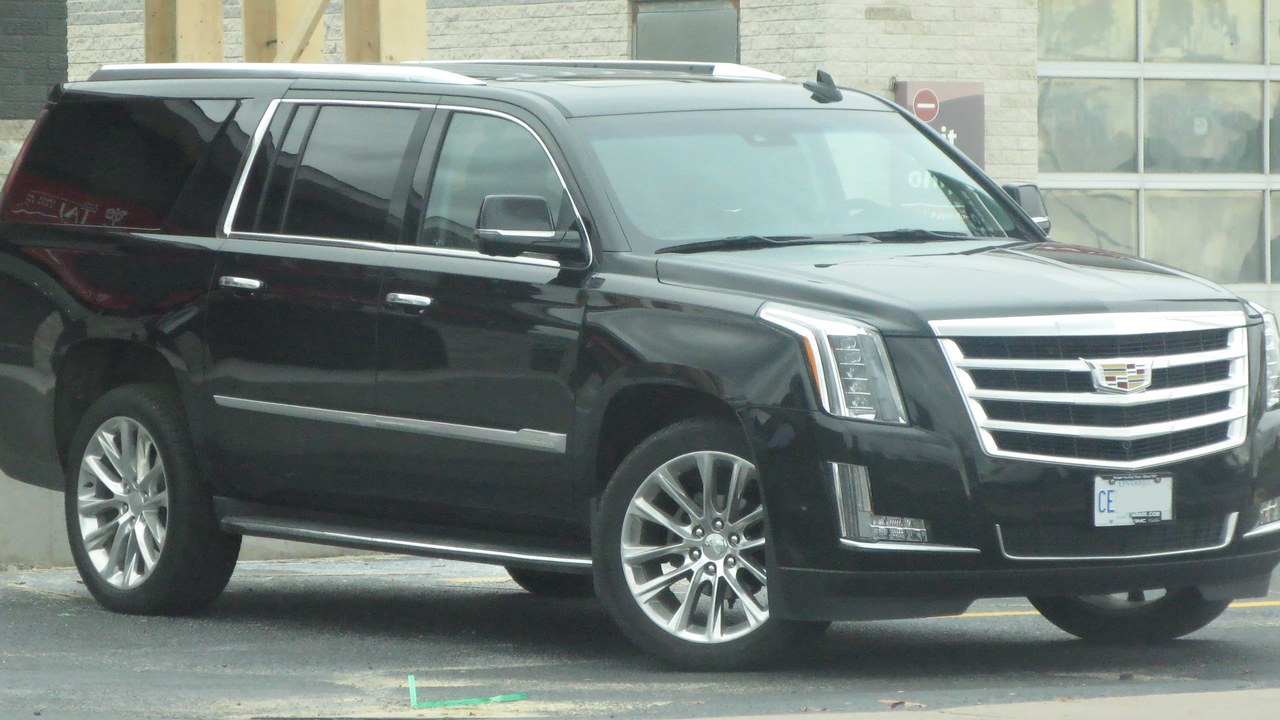
The Escalade ESV loses an average of 57.0% of its value in five years, a gap of about $53,605 from the original price. It appears at number 20 in the iSeeCars ranking of the vehicles with the highest depreciation, tied on percentage with the Nissan Armada.
The dollar figure is one of the larger ones on the list, exceeded among the 25 vehicles only by the Range Rover, Tesla Model X, BMW 7 Series, Tesla Model S and Audi A8 L. A higher sticker price means the same percentage loss costs far more.
14. Lincoln Navigator: The List’s Last Entry
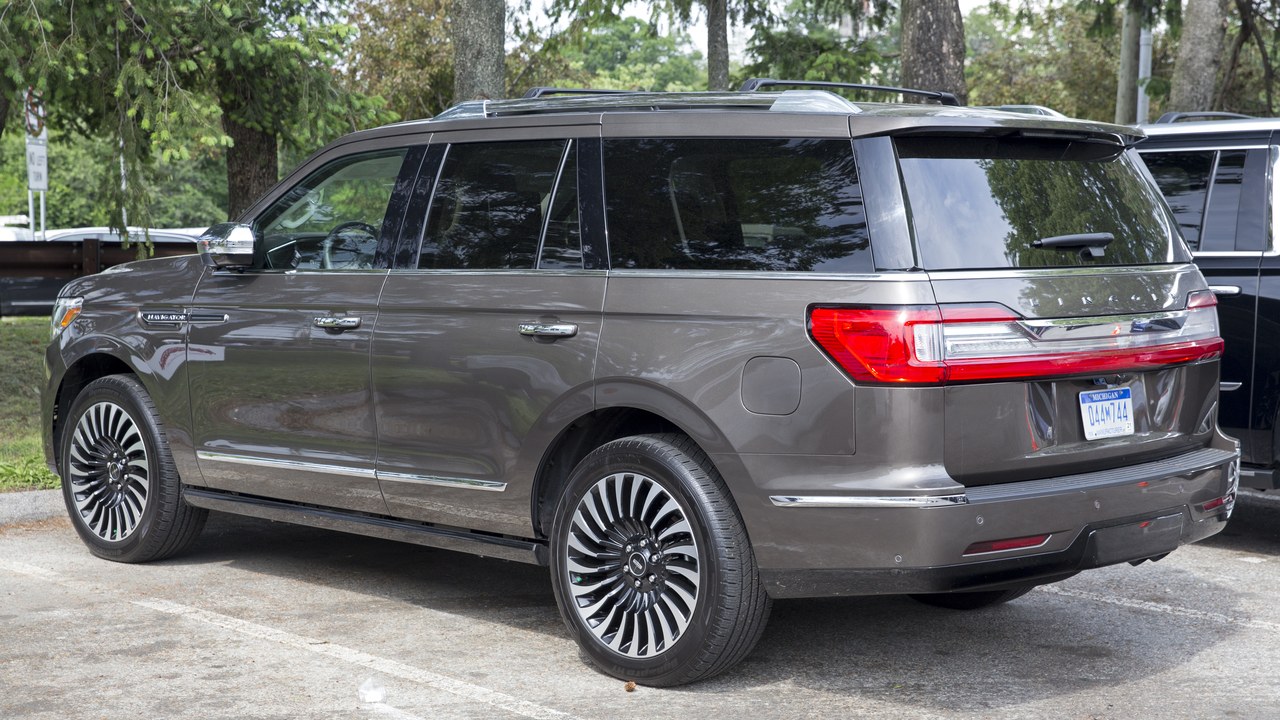
The Lincoln Navigator and the longer Navigator L together lose an average of 56.3% of their value in five years, about $41,264 from the original price. Listed in the iSeeCars study as the 25th and final vehicle in the highest-depreciation table, the Navigator closes out a ranking filled with luxury models.
It shares its percentage with the Ford Expedition MAX, which sits just above it at number 24. Both are large SUVs, and both fall well past the 41.8% average the study found for all vehicles after five years of ownership.
15. Toyota Mirai: A Hydrogen Sedan’s Steep Drop
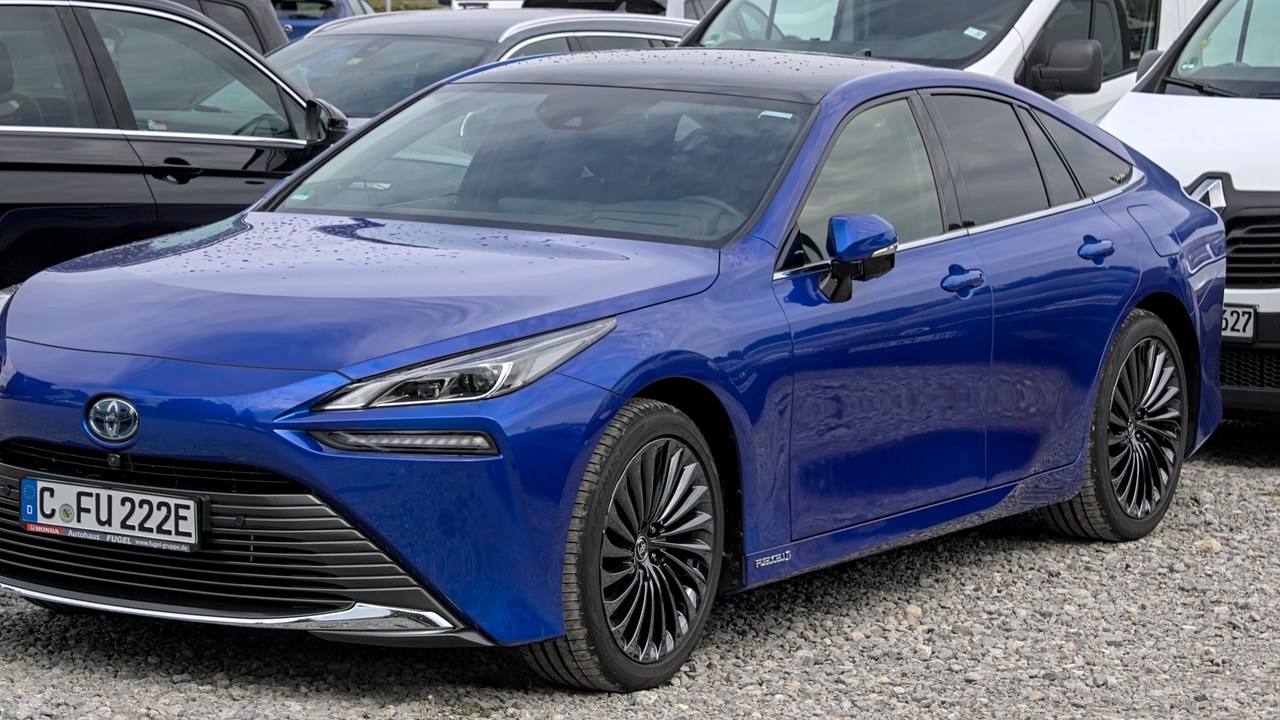
CarEdge expects the 2023 Toyota Mirai, which carried a $49,500 sticker price, to depreciate by 78% after four years. That projection is cited in an October 2026 AOL finance article, which points to the small number of hydrogen fueling stations and says new Mirai sales are limited to California and Hawaii.
The car has strengths. It has an EPA-estimated range of up to 402 miles and a quiet cabin, and new buyers received up to $15,000 in free hydrogen fuel. Edmunds testers, however, never topped 300 miles on a tank, and the 9.6-cubic-foot trunk is small.
16. Dodge Durango: Bulky and Thirsty
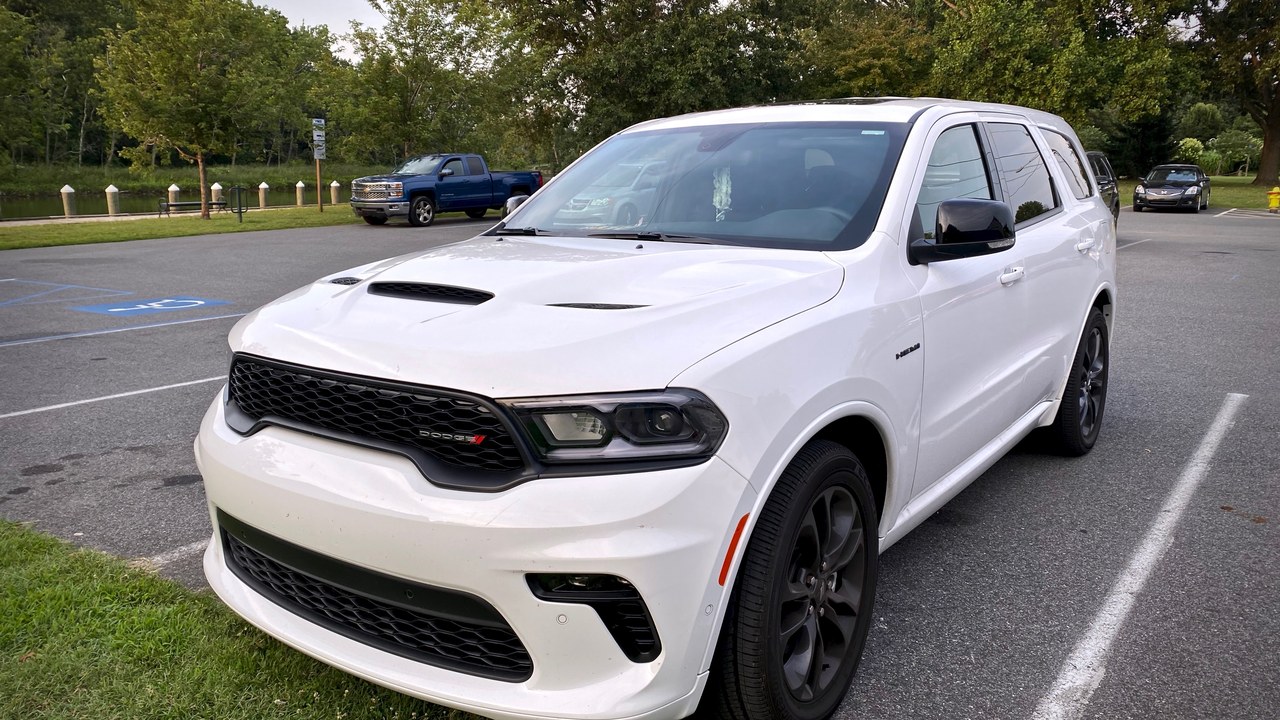
The 2024 Dodge Durango, priced from $39,670, is expected to lose 59% of its value over three years, according to CarEdge data cited by AOL. The article calls that a steeper drop than most SUVs and says reviewers disliked its fuel economy, bulk and lack of advanced standard safety features.
The base 3.6-liter V-6 makes up to 295 horsepower and earns about 22 mpg combined with rear-wheel drive. V-8 versions, including the 710-horsepower SRT Hellcat, drop as low as 14 mpg, and most three-row models offer just 17.2 cubic feet of cargo space behind the third row.
17. Jeep Wagoneer L: Too Big for Resale
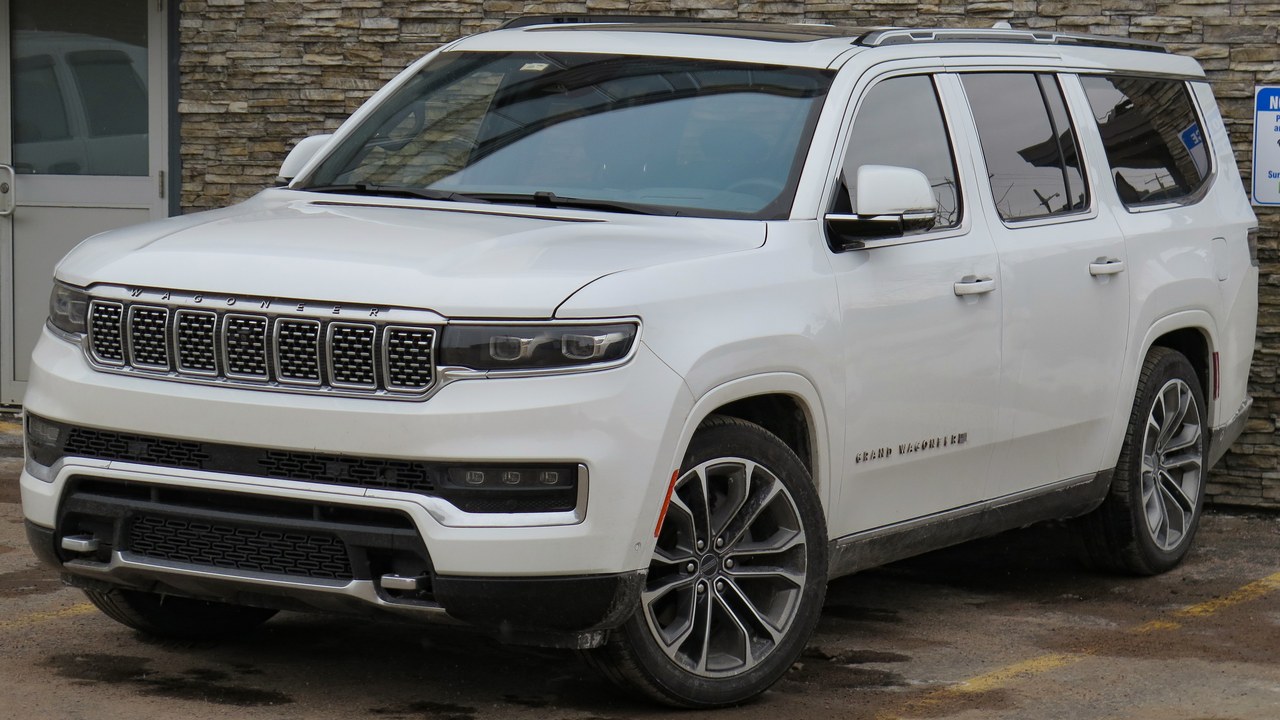
The 2025 Jeep Wagoneer L, listed at $64,945, is expected to retain only 51% of its original value after two years, CarEdge reports in the AOL projection. Reviewers noted it may be too big for regular families and that smaller, more affordable options exist.
The size is considerable at 226.7 inches long. A turbocharged 3.0-liter inline-six makes 420 horsepower, towing is rated up to 10,000 pounds, and cargo space behind the third row is 42.1 cubic feet. Kelley Blue Book says resale value is below average for the segment.
18. Honda Prologue: An EV That Blends In
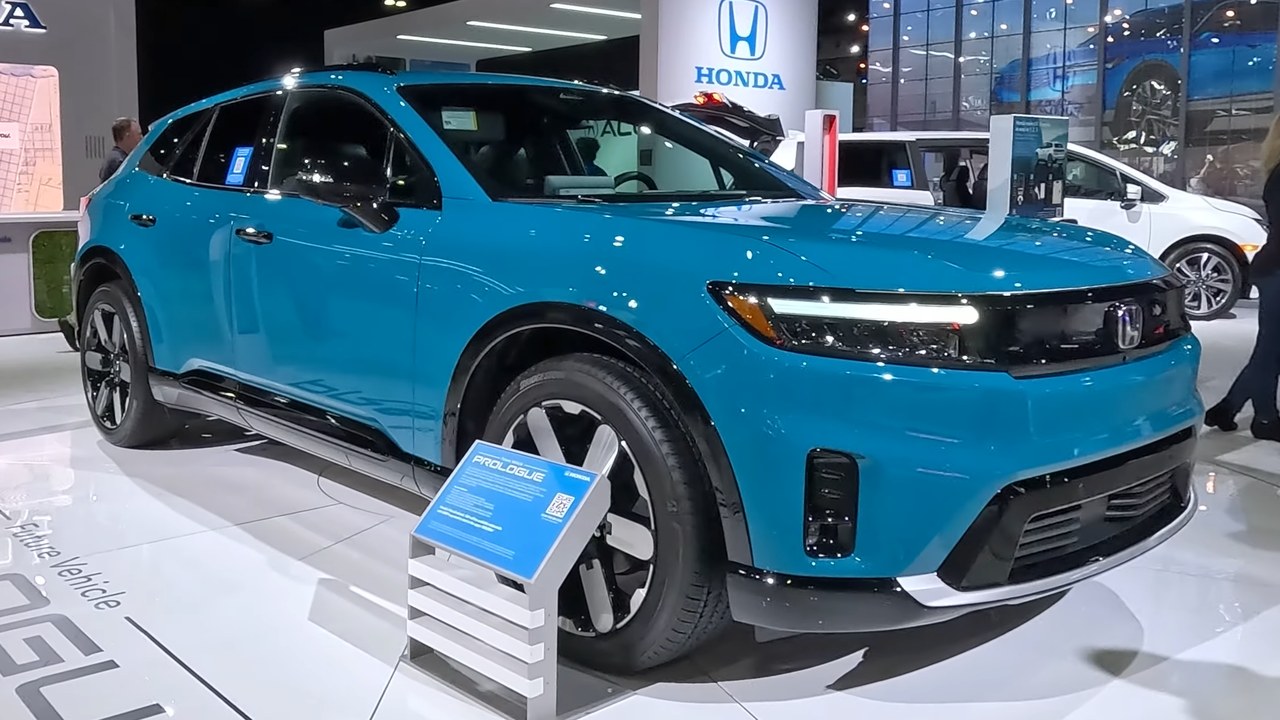
The 2024 Honda Prologue, priced at $47,400, will retain only 42% of its original value after three years, according to CarEdge figures in an AOL finance article. Reviewers said the electric SUV does not stand out from other EVs and offers a lackluster driving experience.
The Prologue is closely related to the Chevrolet Blazer EV. Single-motor models make 212 horsepower and offer up to 296 miles of EPA-estimated range, while dual-motor versions make 288 horsepower with up to 281 miles. The article suggests buyers who plan a short ownership consider a lease.
19. Nissan Pathfinder: Steeper Than Midsize Rivals
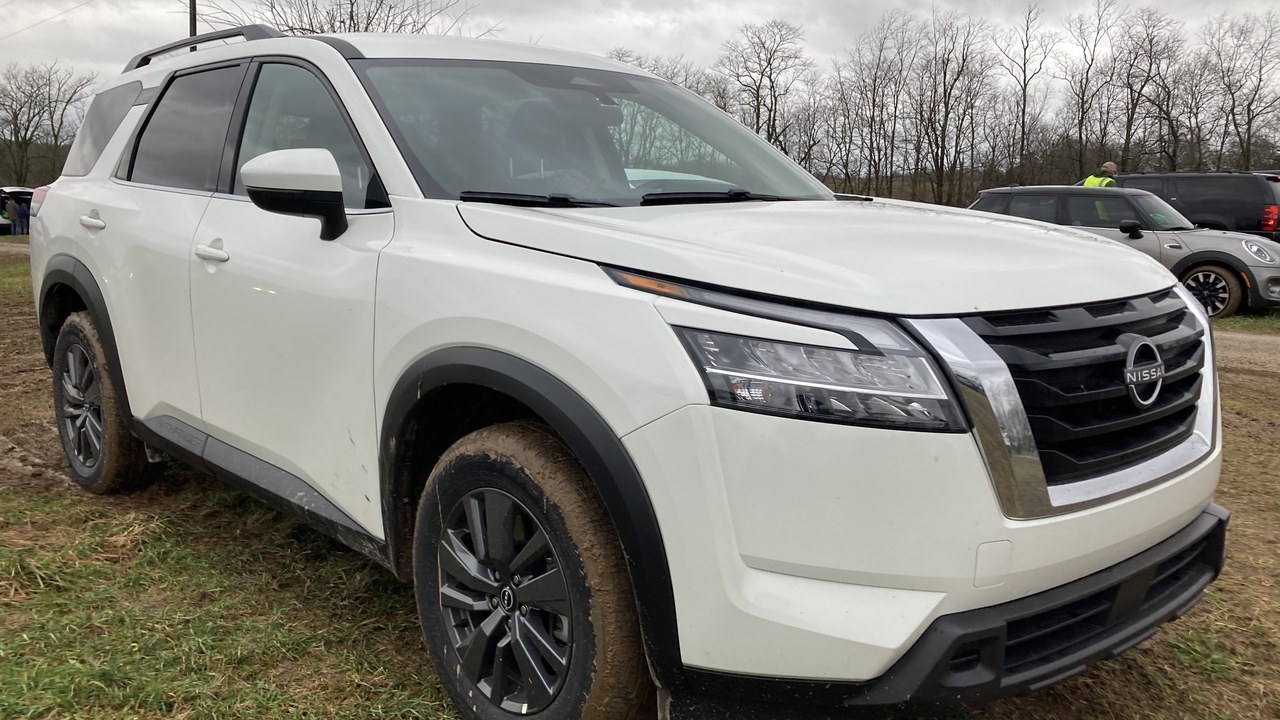
The 2024 Nissan Pathfinder, priced at $36,650, is expected to depreciate by 42% after three years, which the AOL article calls steeper than average for midsize SUVs. Critics cited less cargo space than rivals, a lackluster engine and uncomfortable front seats.
Its 3.5-liter V-6 makes 284 horsepower and is rated at up to 21 mpg city and 27 mpg highway. The ride is comfortable and quiet, seating reaches eight and towing capacity is up to 6,000 pounds when properly equipped. The same article says the average Toyota Highlander retains about 68% over that period.
20. Nissan Titan: A Discontinued Pickup
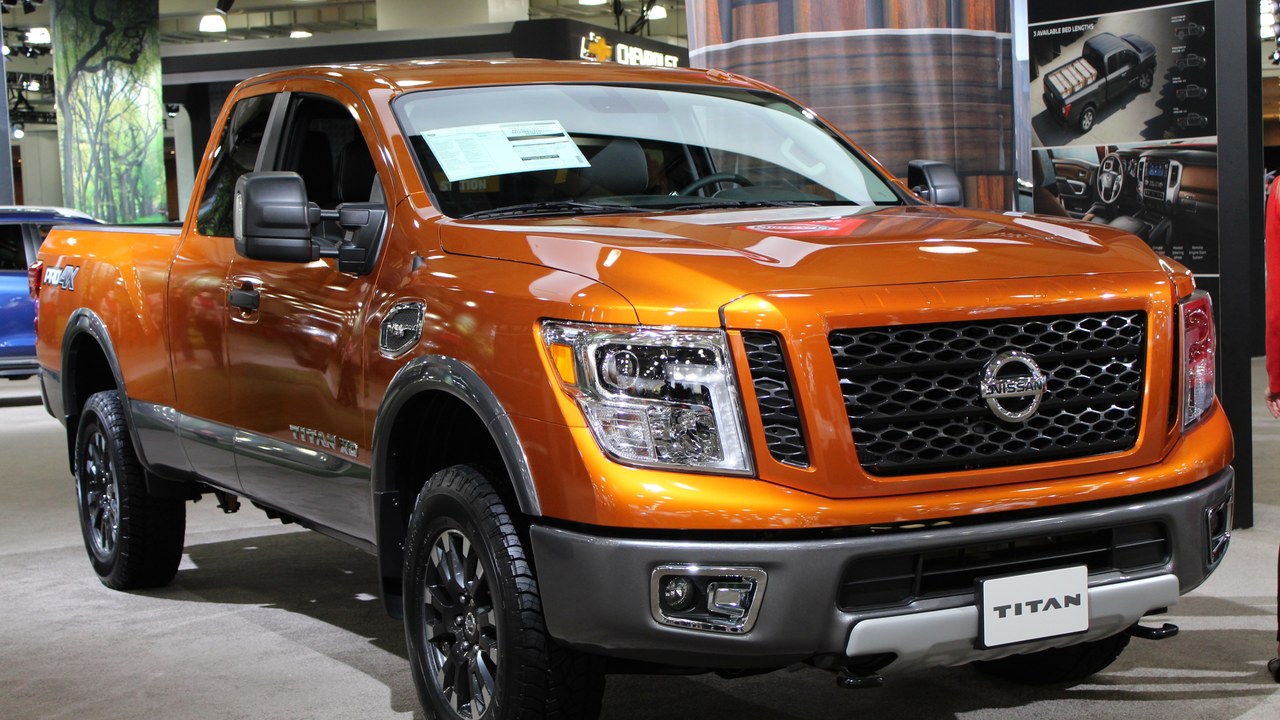
CarEdge data shows the Nissan Titan XD is expected to depreciate by 41% in the next three years, which AOL’s October 2026 list calls somewhat worse than average. The 2024 model carried a $51,930 sticker price, and Nissan discontinued Titan XD production in 2024, which the article says only accelerates its depreciation.
The truck uses a 5.6-liter V-8 making 400 horsepower and 413 pound-feet of torque. Owners get a comfortable ride and roomy cabin, but CarMax lists towing as disappointing, and buyers may wonder how long dealers will stock parts and accessories for an out-of-production model.
More from Morning Overview
- The gas Ford Maverick is quietly proving more reliable than the popular hybrid
- Some new Subaru Crosstreks and Foresters shouldn’t be driven because of a crash risk
- Student pilots are stuck with nearly 60-year-old T-38 jets that work only half the time
- A winter storm warning brings more snow to Northern California’s mountain passes
