
Pickup trucks range from compact hybrids to heavy-duty haulers, and long-term ownership costs vary widely across that spread. Reliability rankings from independent surveys and owner-reported data help separate the trucks built to outlast a loan from those that lean on frequent repairs. Here are eleven pickup trucks ranked by long-term reliability.
1. Toyota Tacoma: Midsize Reliability Standard
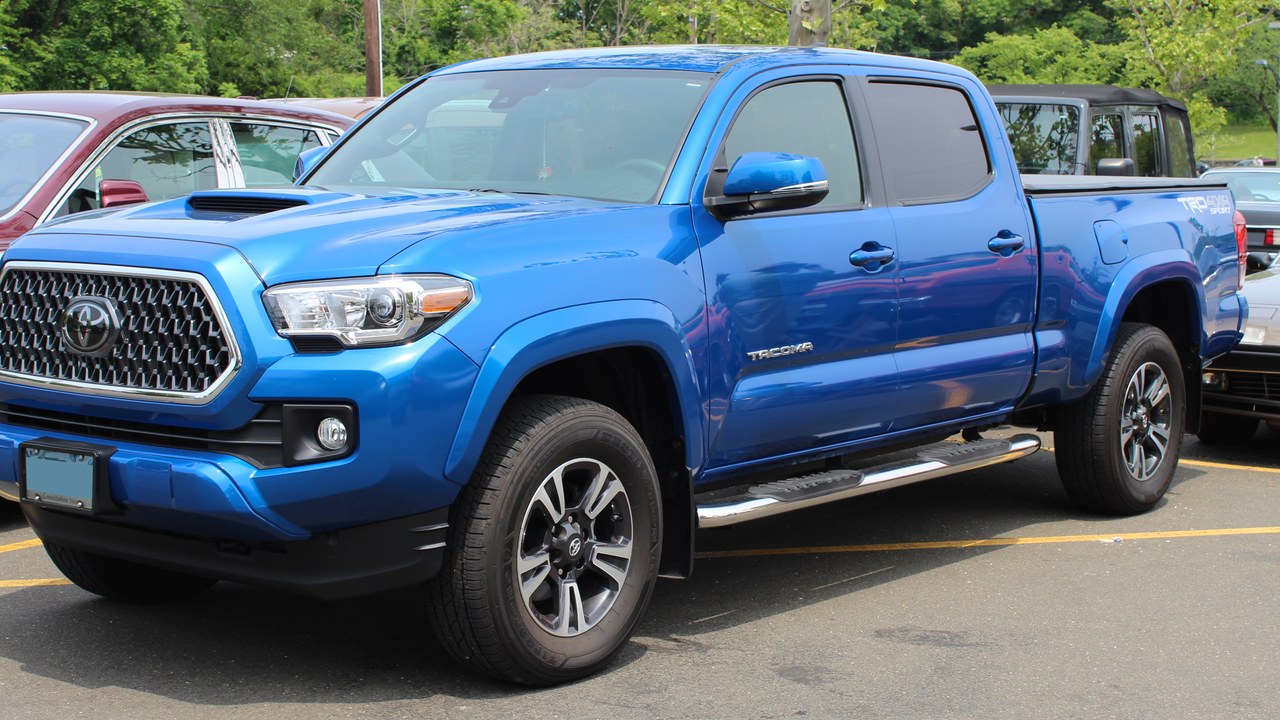
Midsize pickup dependability surveys tend to place the Toyota Tacoma at or near the top, a position reflected in independent reliability rankings for the segment. Its body-on-frame construction and long production run have given owners a wide pool of proven parts and mechanics familiar with its quirks.
For buyers cross-shopping midsize trucks, that track record is the reason the Tacoma commands strong resale value even as competitors add more features. The tradeoff is a ride that stays firmer and less car-like than some newer rivals.
2. Toyota Tundra: Full-Size Toyota Dependability
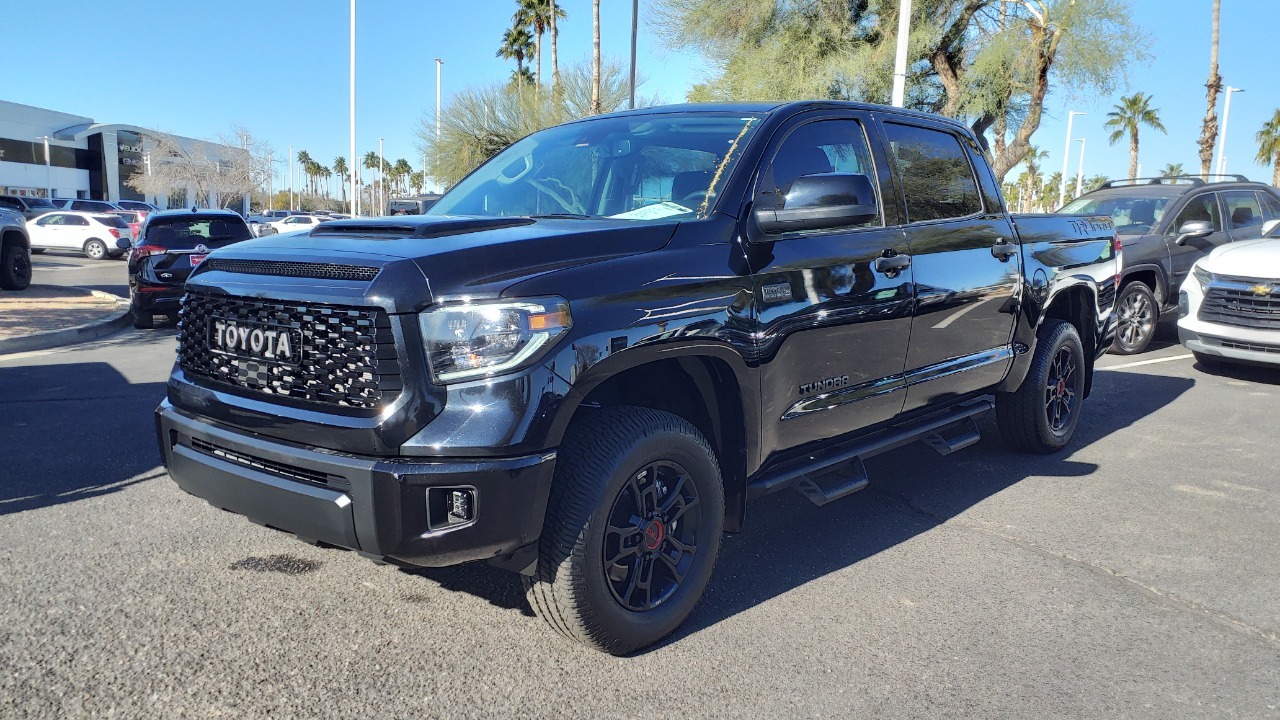
A similar full-size dependability profile carries over to the Toyota Tundra, which regularly places among the higher-scoring trucks on longevity-focused truck rankings. The current generation added a twin-turbocharged V6, including a hybrid i-FORCE MAX variant, replacing the previous naturally aspirated V8.
That engine switch initially worried longtime Tundra owners used to Toyota’s slow-changing formula, but the truck has settled into the same reputation for durability that built the nameplate’s following. Full-size buyers looking for Toyota reliability without stepping down to a midsize truck often choose the Tundra over rivals with newer, less proven drivetrains.
3. Honda Ridgeline: Unibody Reliability Outlier
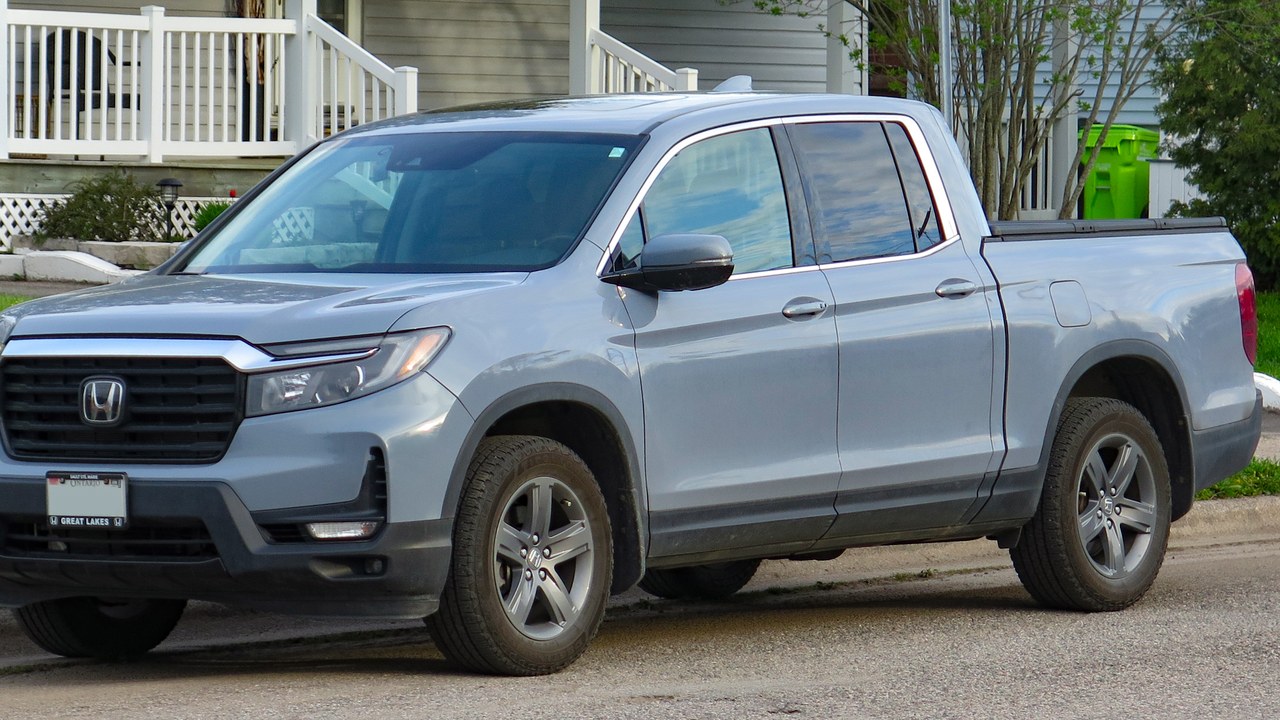
Built on a car-based unibody platform shared with the Honda Pilot rather than a traditional ladder frame, the Honda Ridgeline takes a different engineering approach than other pickups. That design has not hurt its standing on class-leading reliability scores, where it consistently ranks among the most dependable trucks sold.
The tradeoff for that smoother, car-like ride is a lower payload and towing capacity than body-on-frame rivals, along with an integrated trunk instead of a traditional open bed accessory ecosystem. Buyers who rarely haul heavy loads get Honda’s mechanical simplicity without sacrificing daily comfort.
4. Ford Maverick: Compact Hybrid Newcomer
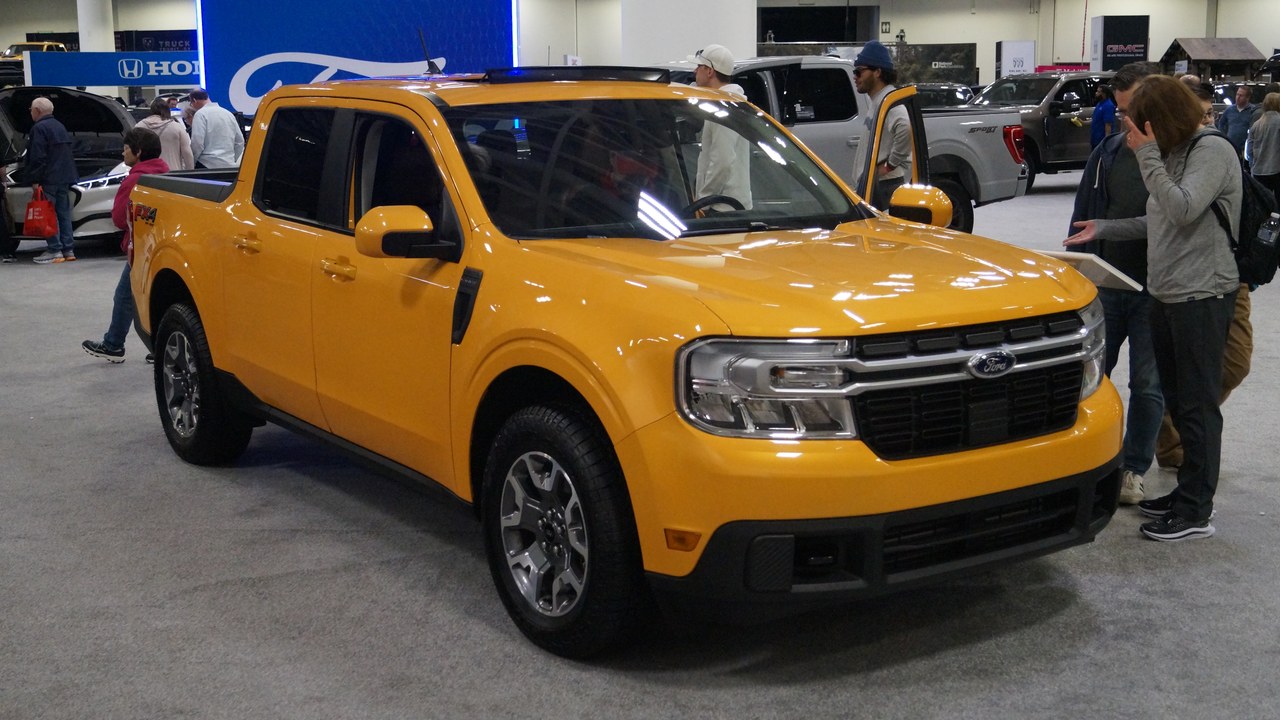
The compact Ford Maverick entered the market on a unibody platform shared with the Escape and Bronco Sport, and its standard hybrid powertrain has proven simpler and more durable than early skeptics expected. It shows up favorably on early ownership reliability data despite its short time on the market.
Because the Maverick is still a relatively new nameplate, its long-term reputation is less proven than trucks with decades of ownership history behind them. Early results suggest the hybrid powertrain is holding up well in daily use, but the full verdict will take more years on the road to confirm.
5. Chevrolet Colorado: Midsize Chevy Contender
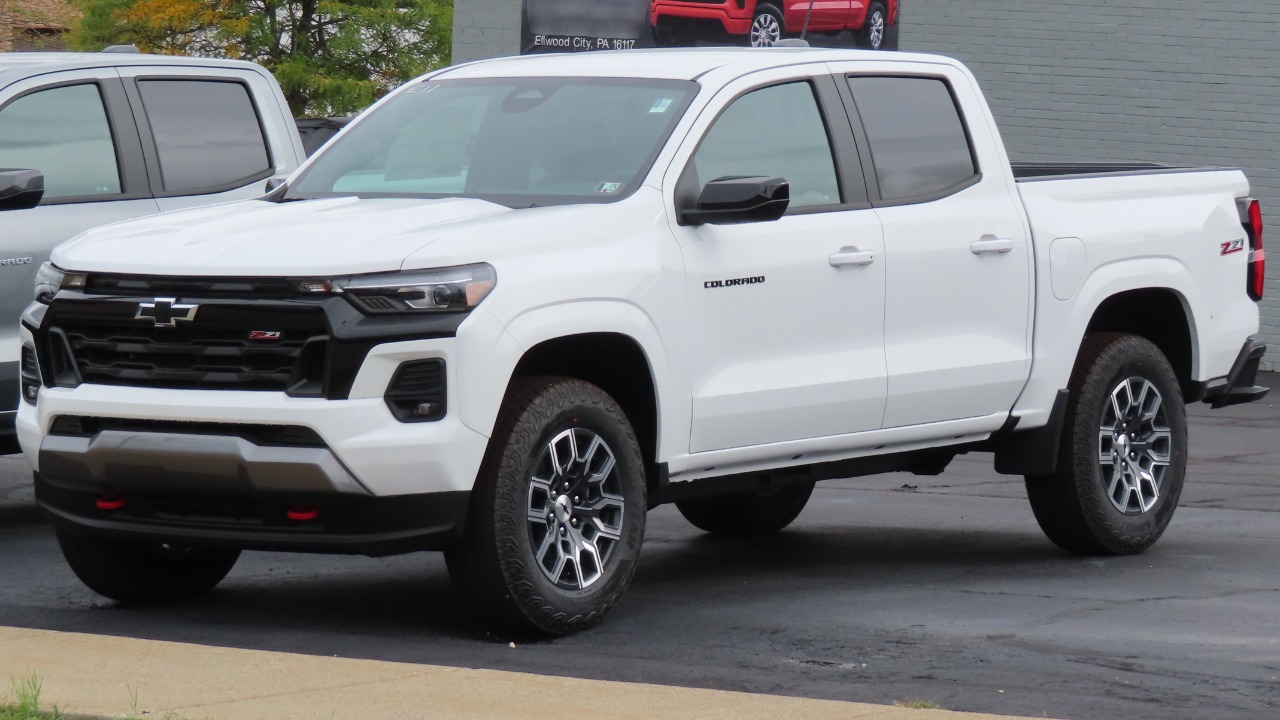
Turning around a reputation earned by earlier generations that struggled with engine and transmission complaints, the Chevrolet Colorado has earned a spot among recent owner-satisfaction surveys covering dependable vehicles. The current generation ditched the old diesel and V6 lineup for a turbocharged four-cylinder shared with its GMC Canyon twin.
That simplified engine lineup appears to be paying off in fewer reported repairs during the truck’s early ownership years. Buyers considering a midsize Chevy now have a more credible reliability case to point to than they did a decade ago.
6. Ford F-150: America’s Best-Seller
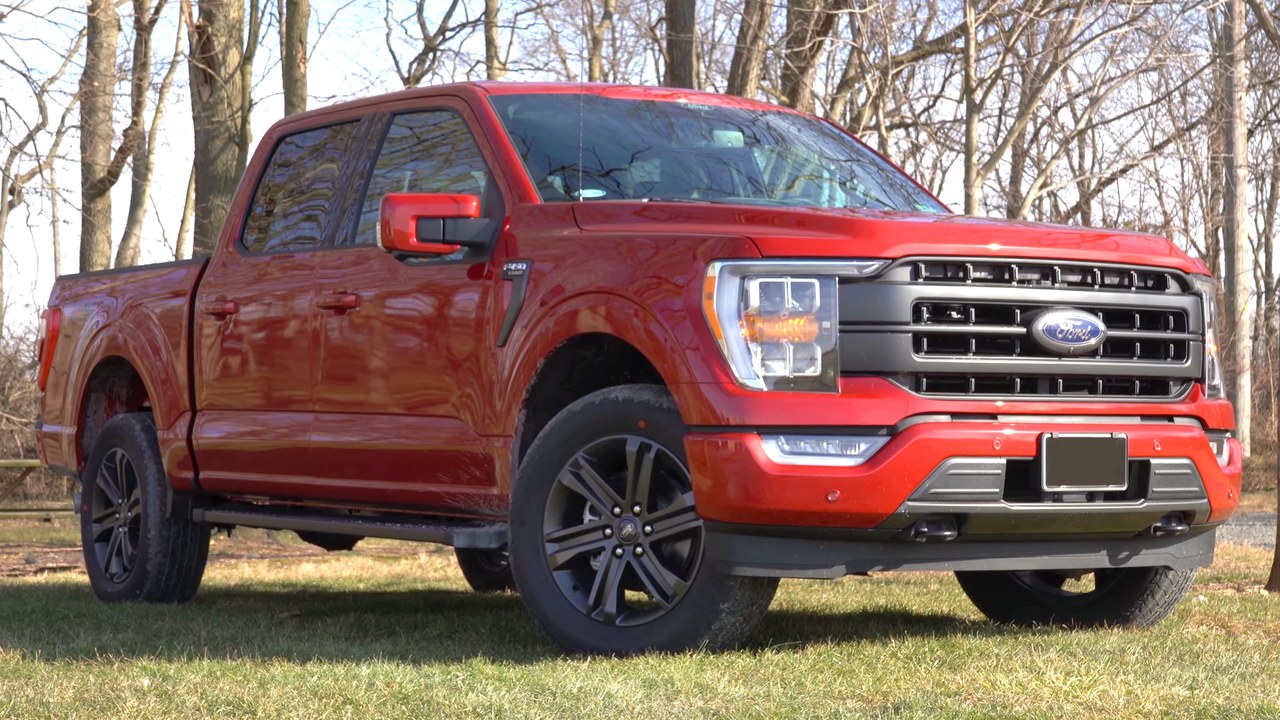
With a lineup that spans gas, hybrid, and all-electric versions, the Ford F-150 has spent decades as the top-selling vehicle in the United States, a history documented on its own production history page. That scale and variety mean reliability data is described as mixed rather than uniformly strong or weak across the model line.
Newer model years have generally scored better than trucks built during the truck’s most complaint-heavy stretch, reflecting a gradual improvement trend rather than a sudden fix. Because the F-150 sells in such high volume, its overall reliability picture is also simply based on a far larger sample of owners than lower-volume competitors.
7. Ram 1500: Comfort Over Consistency
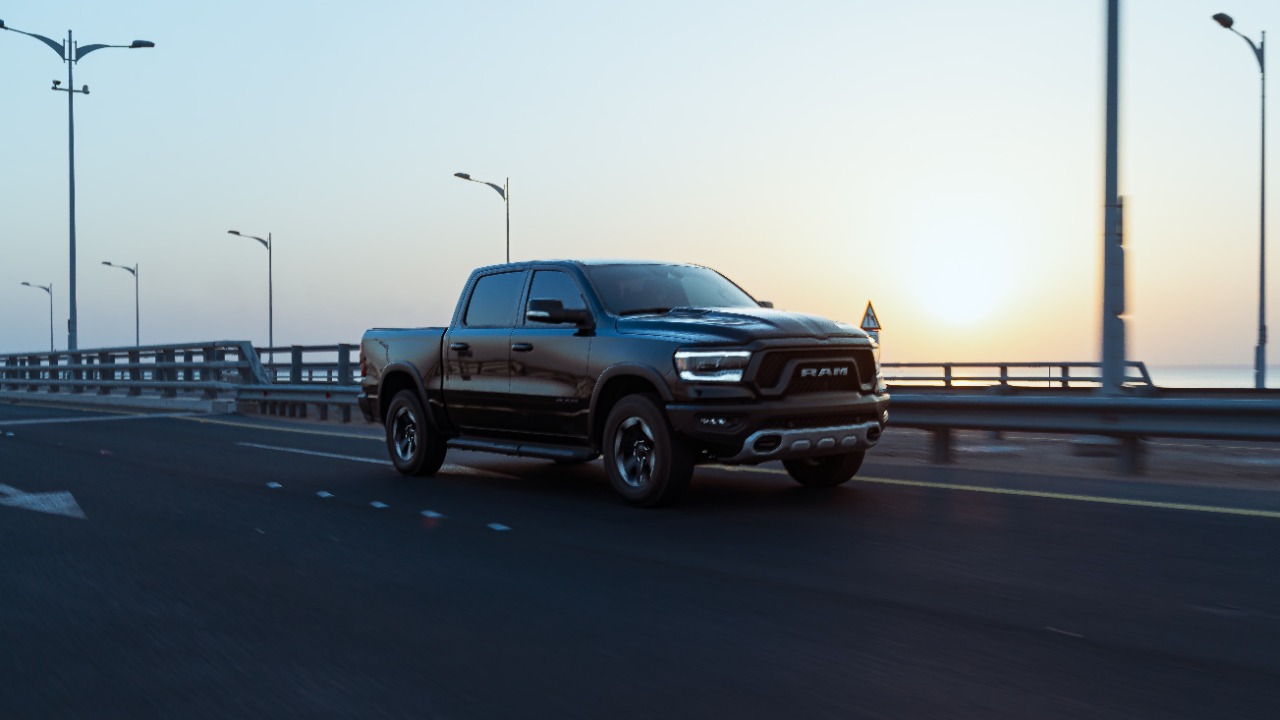
Frequently praised for having the smoothest ride in the full-size class, the Ram 1500 owes that comfort to the coil-spring rear suspension it introduced ahead of its domestic rivals, a shift detailed on its model history overview. That comfort focus, however, has not translated into class-leading dependability scores.
Owner-reported reliability for the Ram 1500 typically lands in the middle of the full-size pack, neither among the most trouble-prone trucks nor among the most dependable. Buyers drawn to its cabin and ride quality generally accept that middling reliability position as the tradeoff for daily comfort.
8. GMC Sierra 1500: Silverado’s Upscale Twin
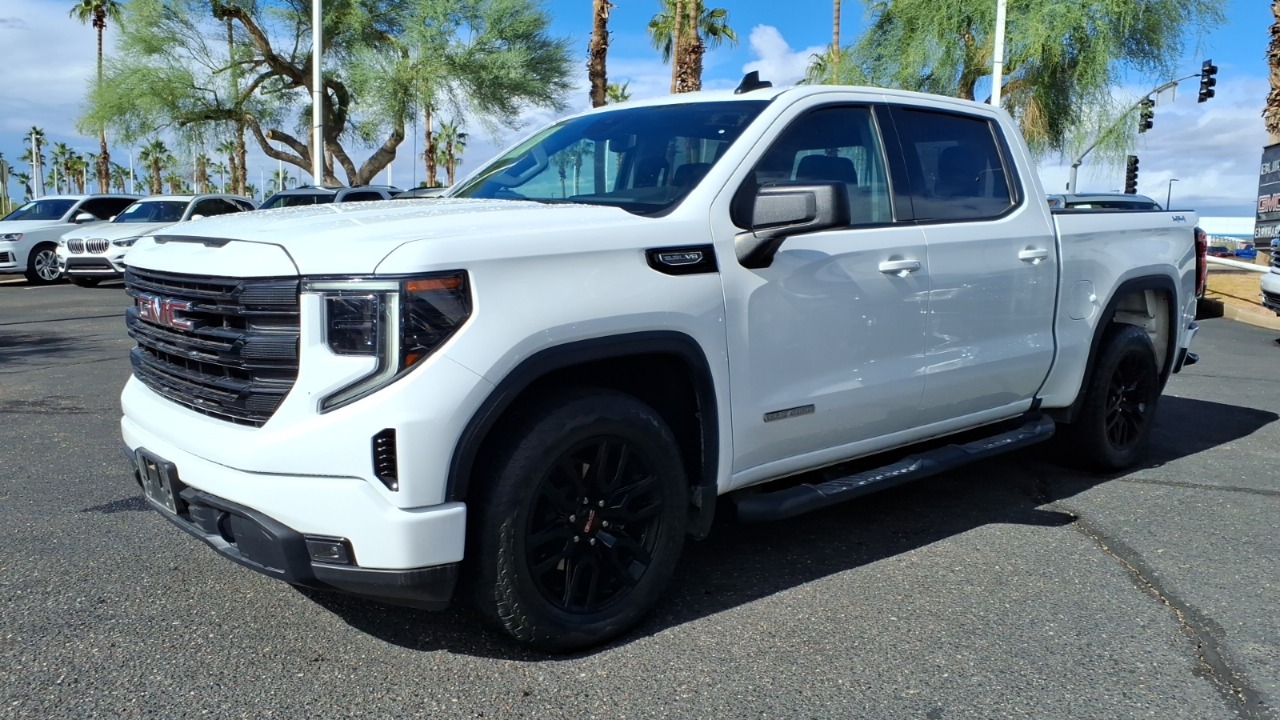
Sharing its platform, engines, and much of its mechanical hardware with the Chevrolet Silverado, the GMC Sierra 1500 posts nearly identical reliability outcomes to its corporate twin, a relationship laid out on its model overview page. Despite different trim strategies and price points, the two trucks land in the same middling reliability territory.
GMC markets the Sierra as the more upscale, feature-forward option of the pair, but that positioning does not extend to a meaningfully different dependability record. Buyers choosing between the two are effectively picking a trim and badge preference rather than a reliability advantage.
9. Nissan Frontier: Old-School Simplicity
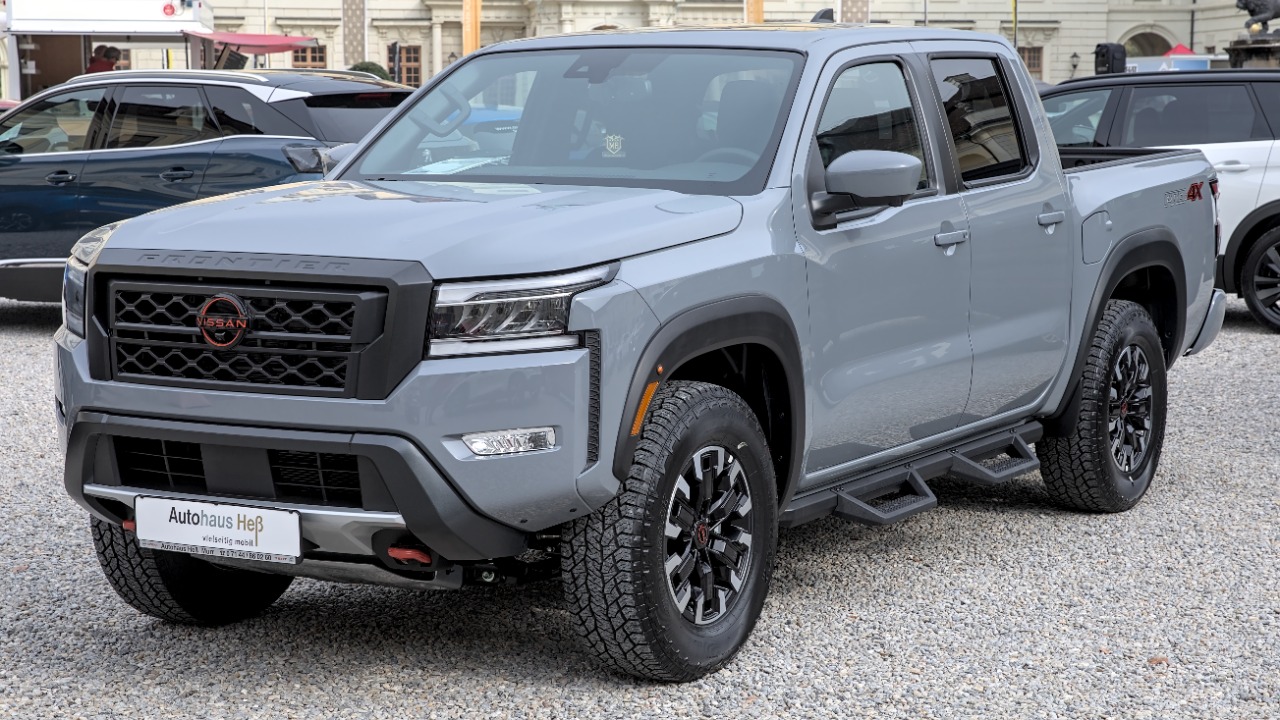
Running the same basic platform and V6 engine for well over a decade before its most recent redesign, the Nissan Frontier built its reputation on a comparatively simple mechanical formula, a history covered on its model background page. That long, unhurried development cycle limited new-technology glitches that trip up more frequently redesigned rivals.
The tradeoff for that longevity-focused approach was a truck that felt dated next to newer competitors by the end of each generation, with fewer modern convenience features and a less refined cabin. Owners who prioritized mechanical simplicity over the latest technology generally came away satisfied.
10. Chevrolet Silverado 1500: High-Volume Average Performer
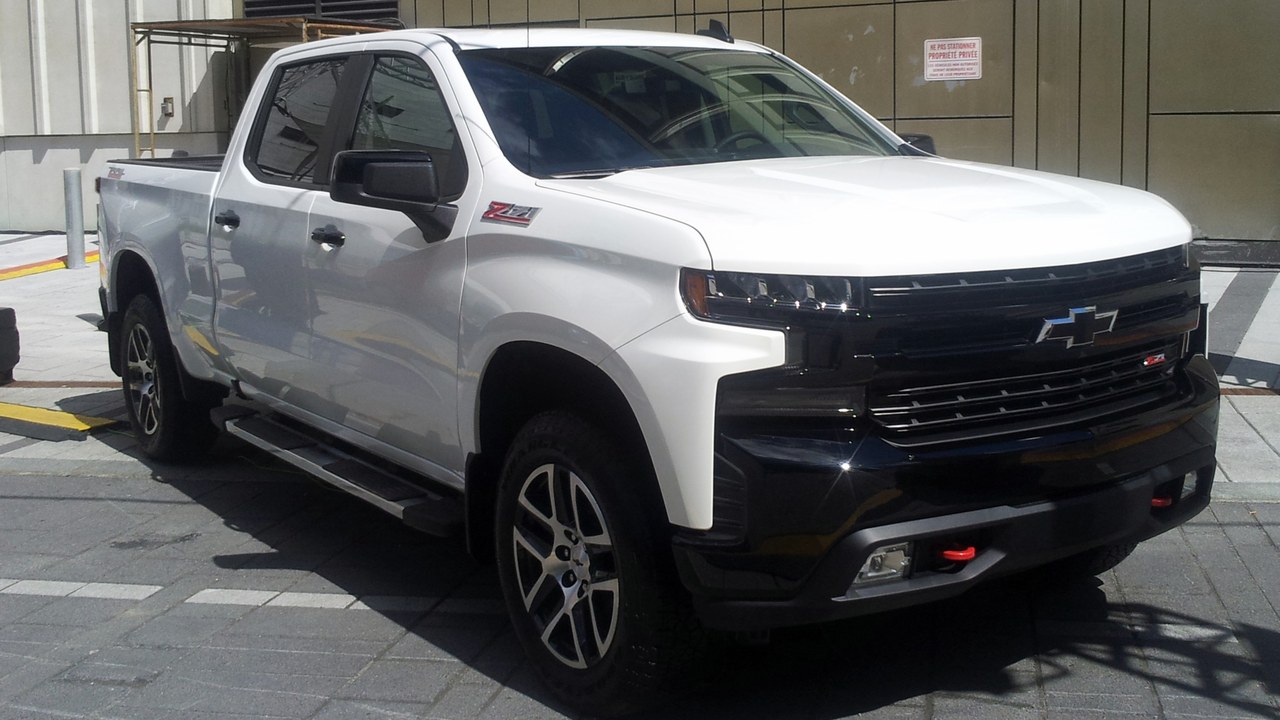
As one of the highest-volume trucks on the road, the Chevrolet Silverado 1500 carries a long model history and engine lineup detailed on its production overview page. Despite that scale, dependability ratings for the Silverado tend to land squarely in the average range rather than at either extreme.
That average standing puts it a step behind rivals like the Toyota twins in dependability surveys, though the gap has narrowed on more recent model years. High sales volume also means Silverado reliability data draws from an especially large and varied ownership pool.
11. Jeep Gladiator: Wrangler-Based Laggard
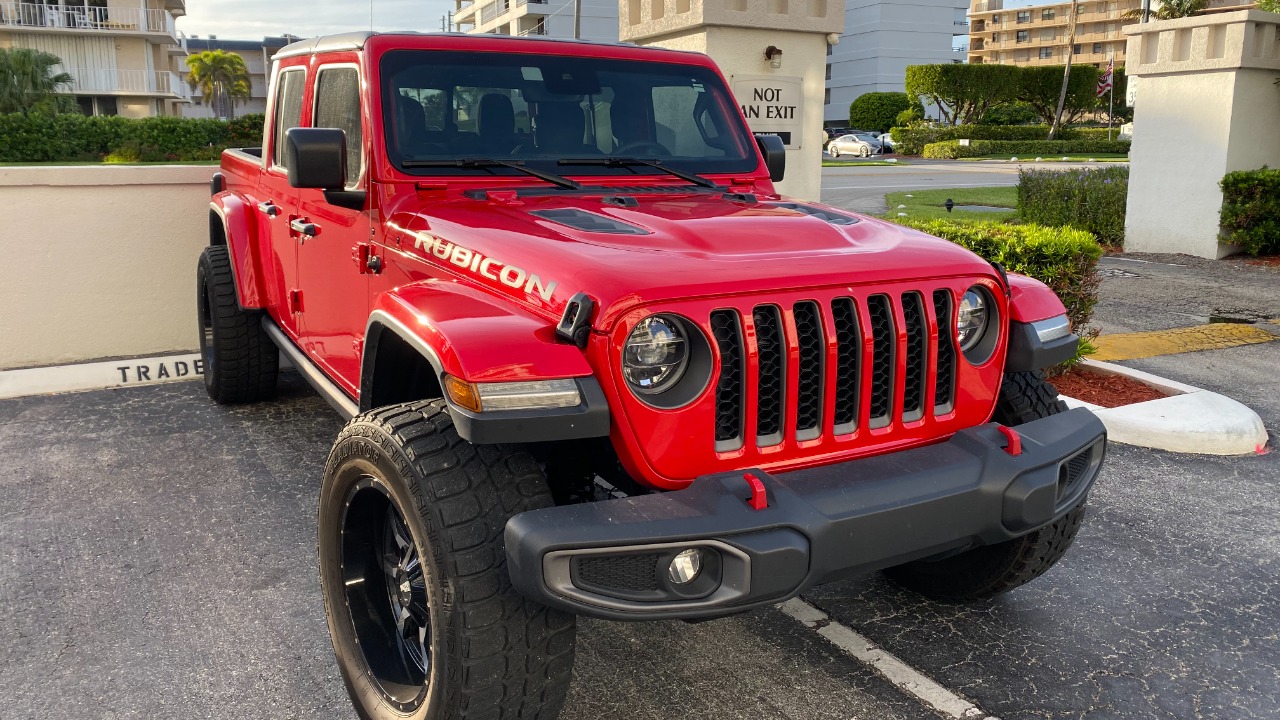
Essentially a Wrangler with a pickup bed grafted on, the Jeep Gladiator shares the SUV’s solid axles, removable doors and roof, and boxy body-on-frame construction, as described on its vehicle profile page. That shared platform also means it inherits many of the Wrangler’s own reliability weak points.
Owner-reported dependability for the Gladiator consistently trails the rest of the pickup field, with more reported issues than the midsize and full-size trucks that compete against it on price. Buyers drawn to its open-air, off-road-focused design tend to accept that lower reliability standing as the cost of a genuinely unique pickup.
More from Morning Overview
