
Long before budget airlines shrank travel to a few cramped hours, railways were built to cross entire continents, and several of those original routes still run today. Some trains cling to century-old carriages while others thread deserts, alpine passes or the Rockies over multiple nights. Here are eleven legendary long-distance trains travelers can still book a berth on right now.
1. The Canadian (VIA Rail): Four Nights Coast To Coast
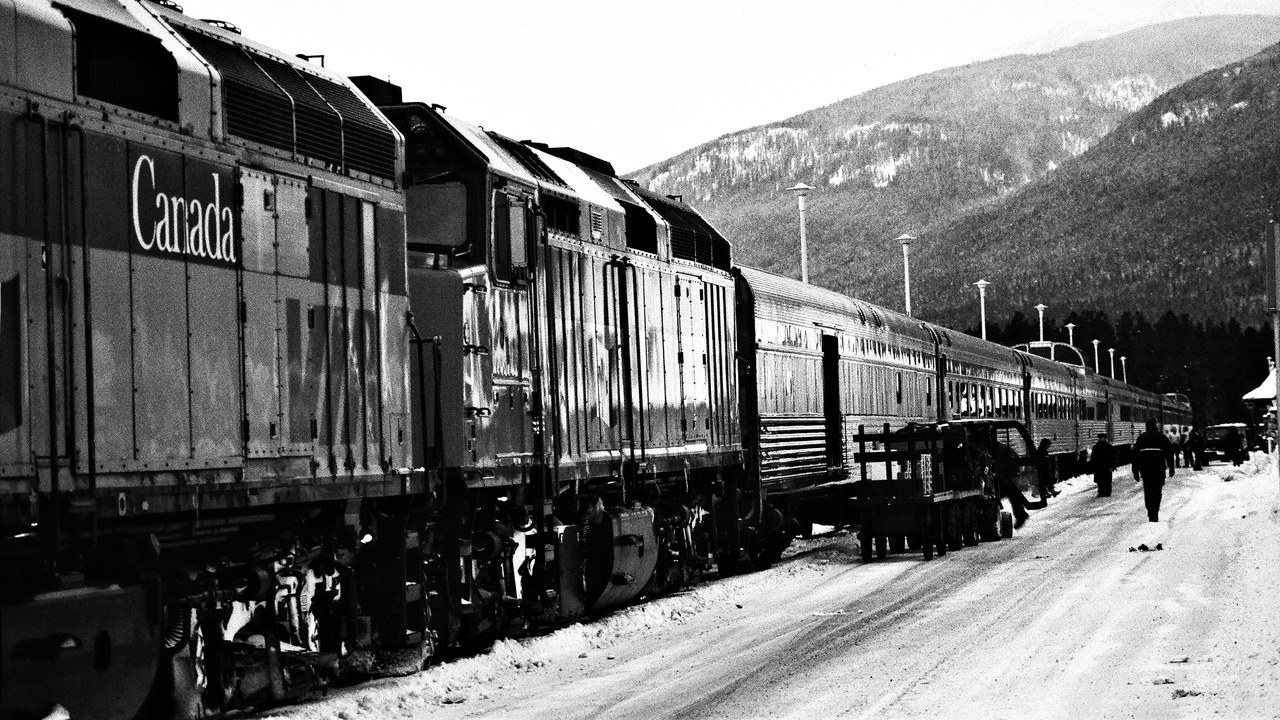
VIA Rail’s Canadian spans a four-day, four-night crossing of 4,466 kilometers between Toronto and Vancouver, one of the longest scheduled passenger rail journeys still running anywhere in North America. The train has operated this same transcontinental route for decades, carrying passengers the full width of the country rather than just a single region.
The route threads Saskatoon, Edmonton and Jasper along the way, a slow look at prairie and mountain scenery that a nonstop flight between the same two cities would erase in a few hours.
2. California Zephyr (Amtrak): Rockies To The Bay
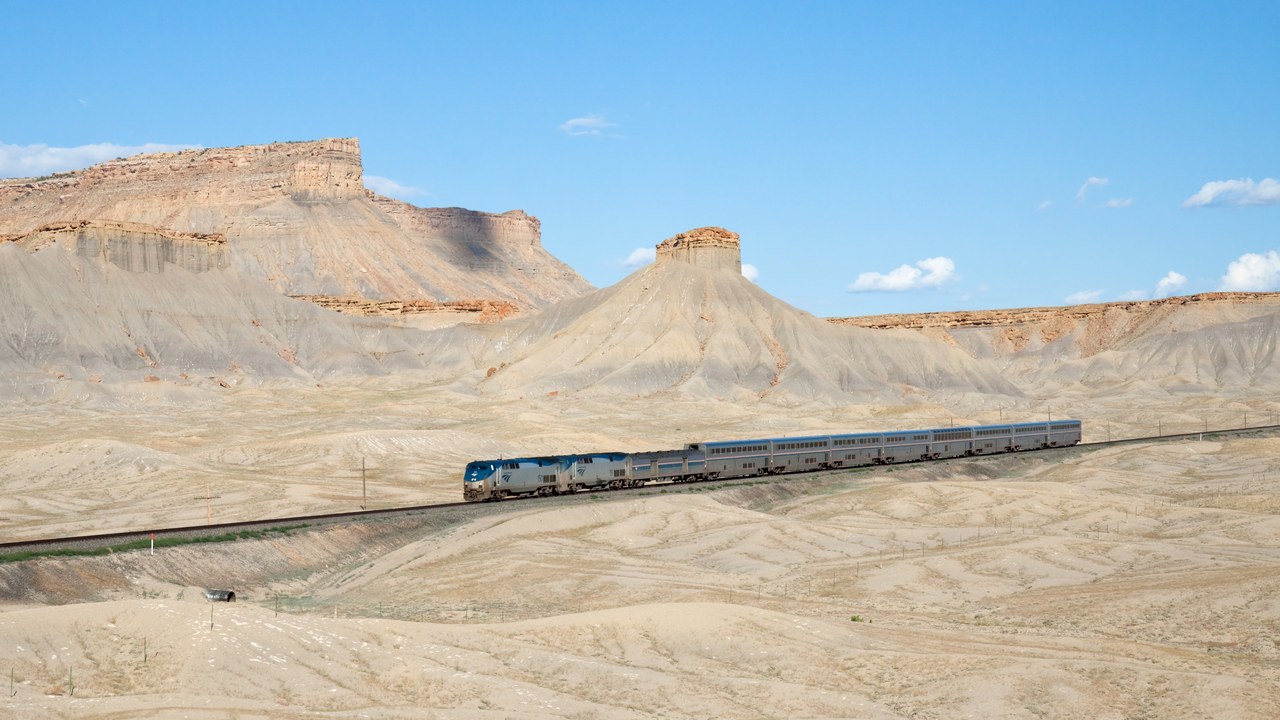
Amtrak’s 51-hour Zephyr run covers Chicago to the San Francisco Bay Area, a scheduled 51 hours and 20 minutes door to door, departing daily throughout the year. It ranks among Amtrak’s longest single routes, connecting the Midwest to the West Coast without a single change of train.
Along the way it climbs the Rockies and drops back down through the Sierra Nevada, two major mountain crossings covered on a single continuous ticket without ever leaving the train.
3. Empire Builder (Amtrak): Past Glacier Park
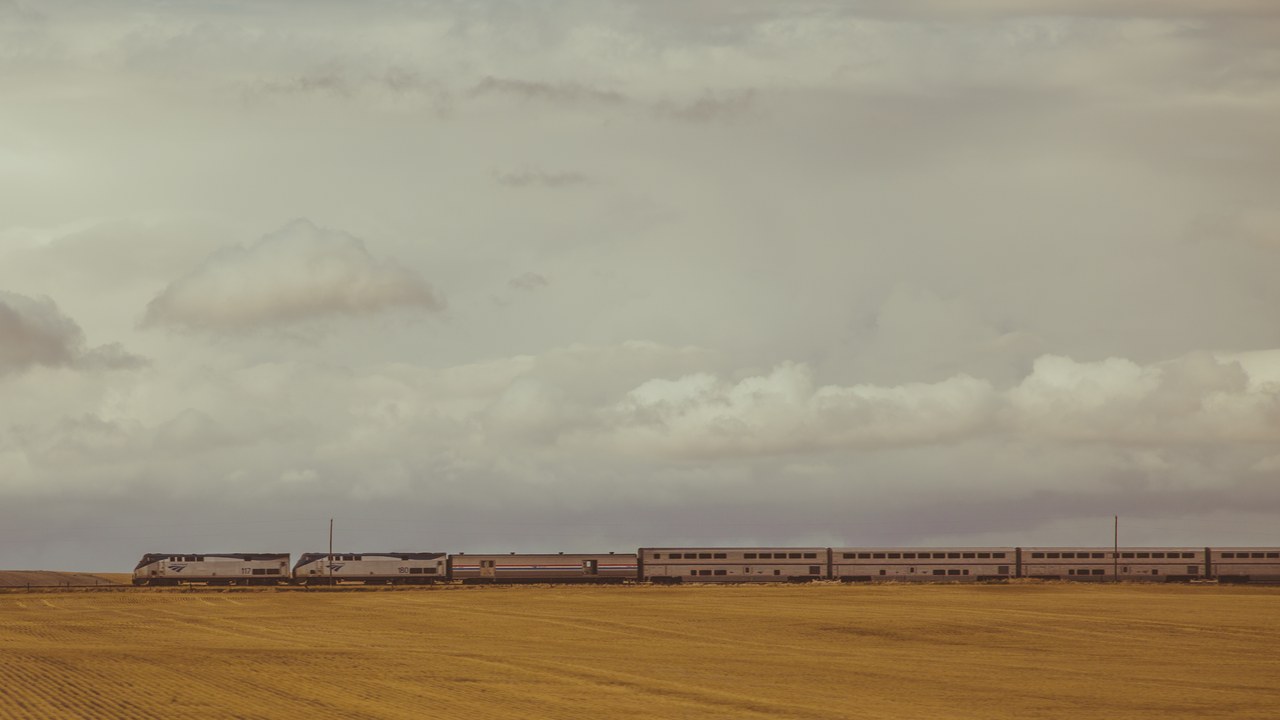
The Empire Builder runs 46 hours from Chicago to Seattle and Portland, tracing much of the historic Lewis and Clark trail across the northern United States. The train splits at Spokane, sending one set of cars onward to Seattle and another south toward Portland.
Its route skirts Glacier National Park in Montana, a stretch scenic enough that some hikers board the train simply to reach trailheads that would otherwise require a long drive.
4. Southwest Chief (Amtrak): Santa Fe Trail Route
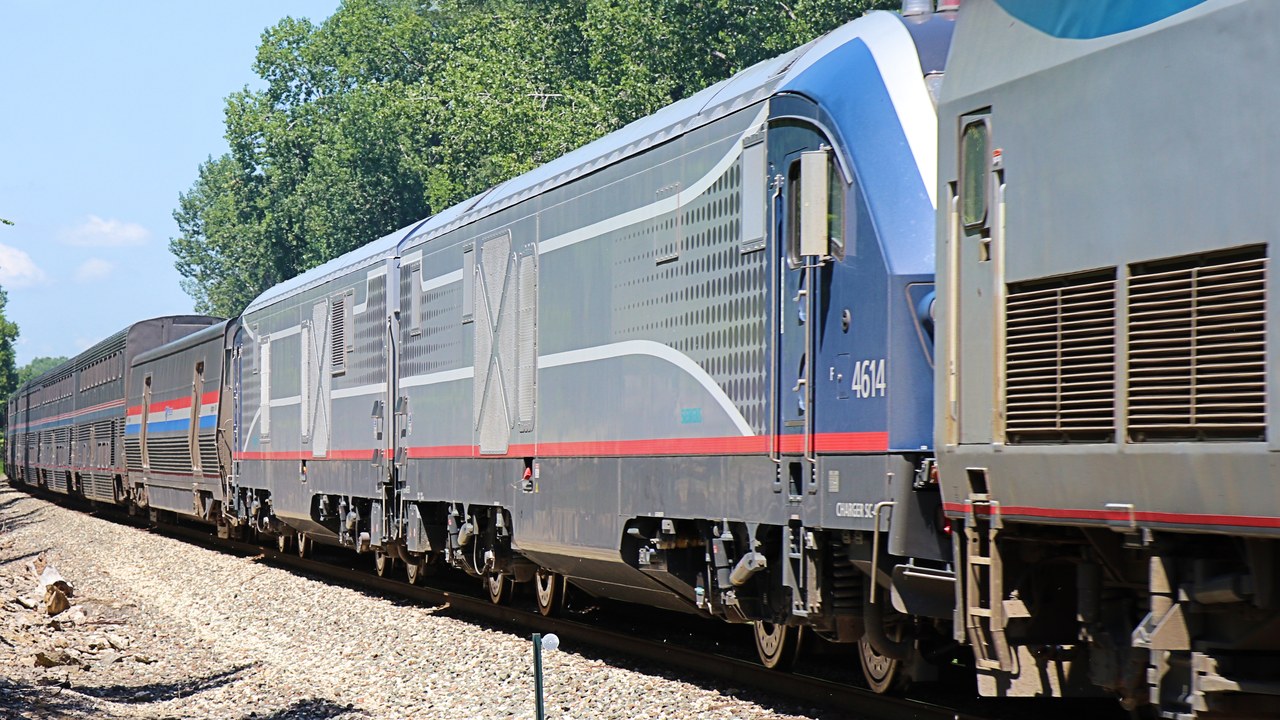
Amtrak’s Southwest Chief covers more than 40 hours from Chicago to Los Angeles across eight states, following the historic Santa Fe Trail route for much of its journey. Its path through the Southwest carries it past red-rock mesas and small towns rarely reached by any other form of long-distance travel.
It passes the Painted Desert along the way, a corridor once crossed by wagon train rather than rail, and still one of the longest single routes Amtrak operates today.
5. Coast Starlight (Amtrak): Pacific Shoreline Run
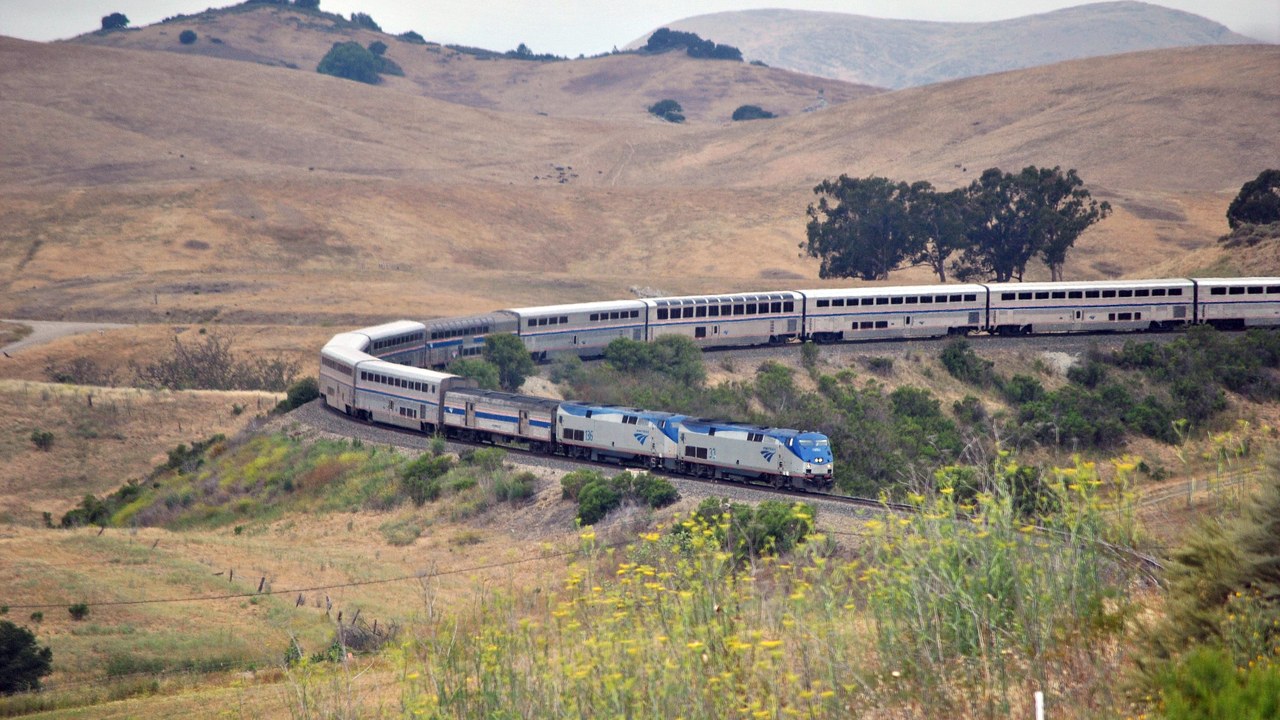
The 35-hour Coast Starlight trip covers the distance between Los Angeles and Seattle, running daily along one of Amtrak’s most scenic West Coast corridors. Unlike many long-distance American trains, it links two major metropolitan regions directly rather than passing mostly through rural country in between.
The trip passes Mount Shasta and the Cascades, with long stretches that run within sight of the Pacific shoreline, a view few other American long-distance trains can match for that long.
6. The Ghan: Through The Red Centre
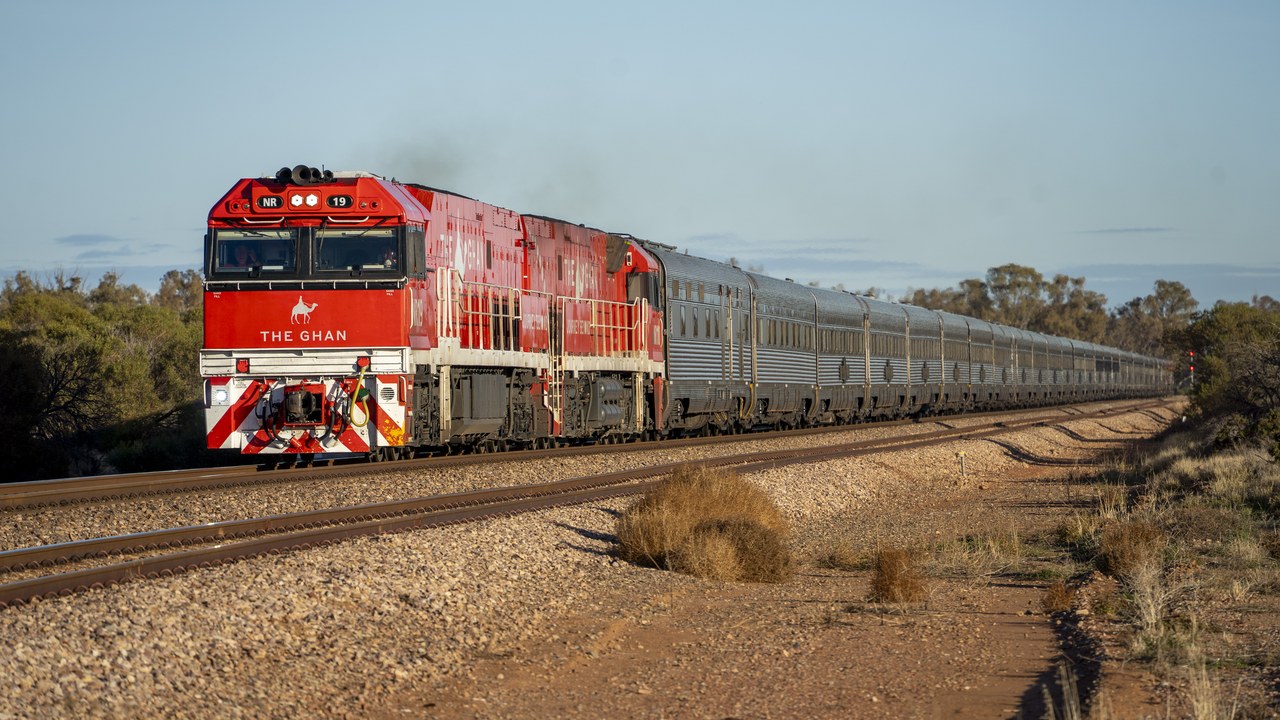
Australia’s Ghan runs up to four days and three nights between Darwin and Adelaide, a Red Centre crossing through some of the country’s most remote interior. Named after Afghan cameleers who once worked the same route, the train has carried passengers across Australia’s interior for decades.
The route cuts straight through the continent’s deep red desert landscape, a stretch of Australia that few other journeys, by road or rail, cross from end to end in one continuous trip.
7. Indian Pacific: Ocean To Ocean
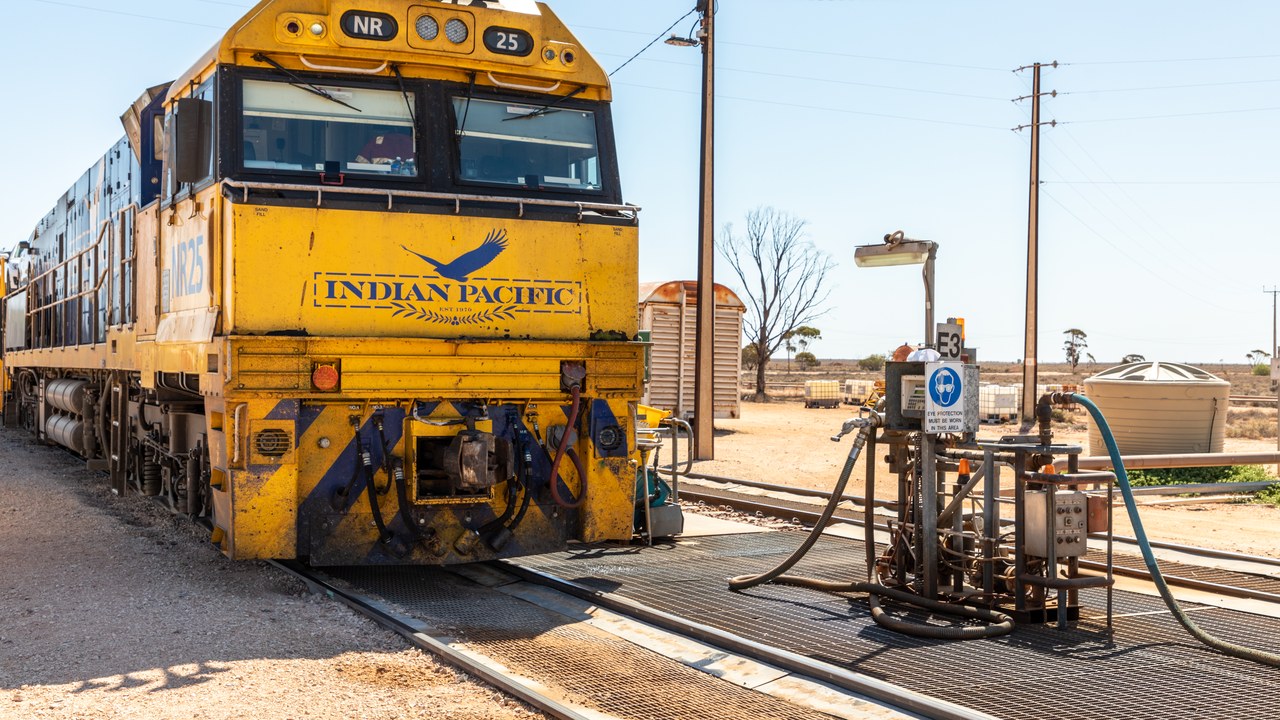
The Indian Pacific links two oceans, taking five days and four nights from Perth to Sydney on a Nullarbor Plain crossing that spans the width of the continent. Few train journeys anywhere connect two coastlines this directly, running coast to coast across an entire country in one continuous trip.
That path includes one of the longest straight stretches of railway found anywhere in the world, a flat, treeless expanse where the horizon barely changes for hour after hour.
8. Glacier Express: Alpine Bridge Marathon
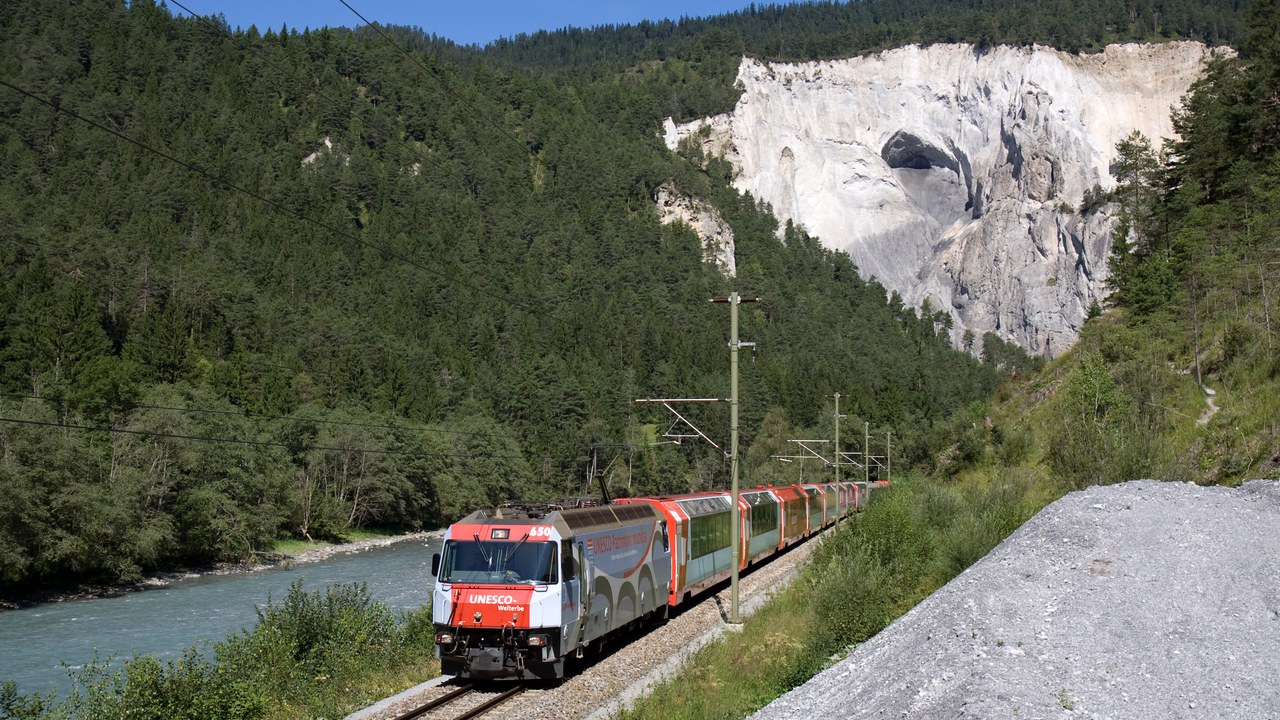
Switzerland’s Glacier Express takes eight hours between Zermatt and St. Moritz, crossing 291 bridges and tunnels, exactly 291 bridges and 91 tunnels, along a single alpine route. Despite its name, the train rarely exceeds walking pace on some stretches, giving passengers a long, unhurried look at the surrounding peaks.
That density of engineering packed into one journey is rare, forced by mountain terrain that leaves little room anywhere for a straight stretch of track between the two resort towns.
9. Venice Simplon-Orient-Express: Century-Old Carriages
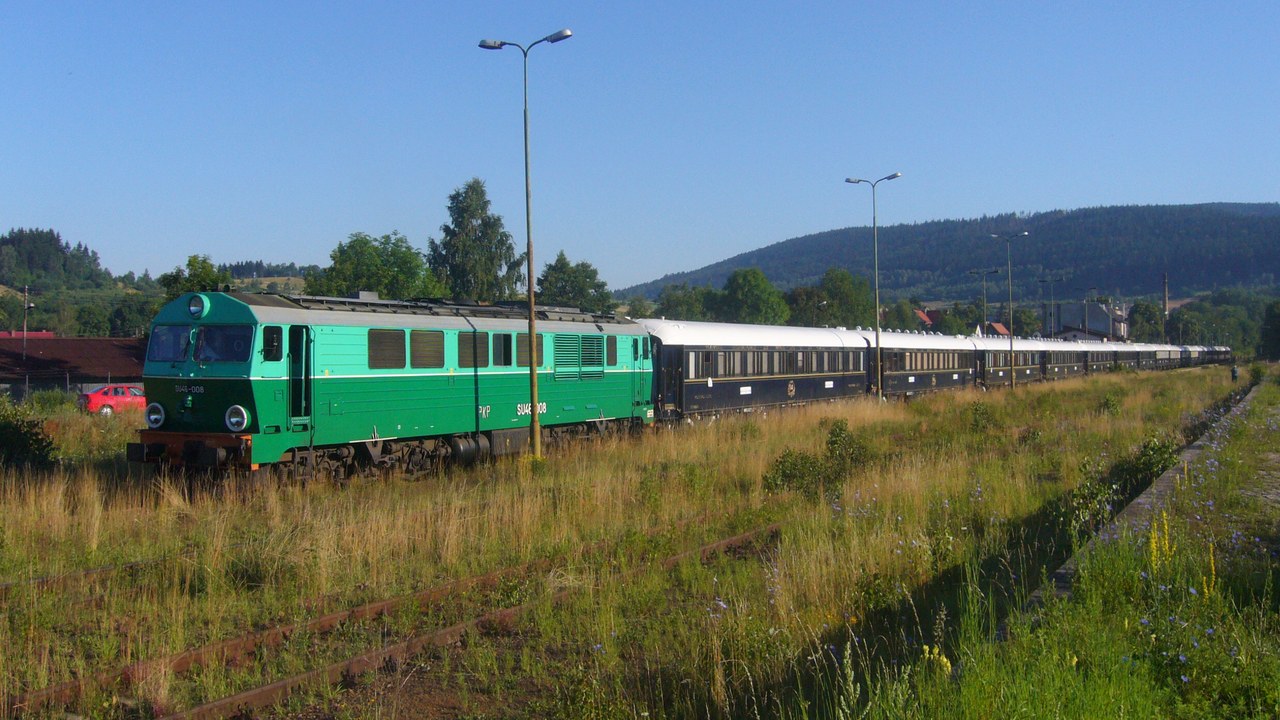
The Venice Simplon-Orient-Express revived service in 1982 using 1926-built carriages, cars actually built between 1926 and 1949 and still in regular use today. The original Orient Express dates back further still, though this modern revival runs its own dedicated fleet of restored vintage carriages.
Riders now travel between Paris and Venice in carriages nearly a century old, restored piece by piece over decades rather than replaced with anything more modern.
10. The Blue Train (South Africa): Pretoria To Cape Town
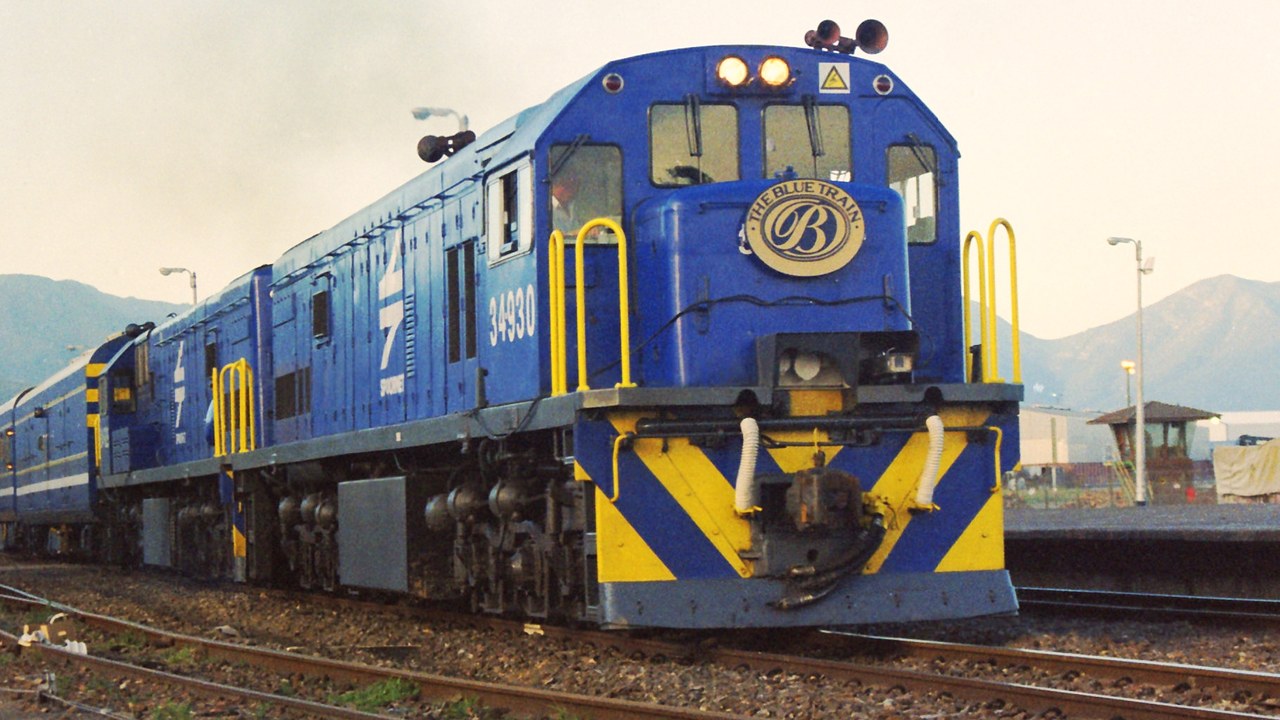
South Africa’s Blue Train covers about 1,600 kilometers between Pretoria and Cape Town on a 27-hour Blue Train journey, one of the continent’s most storied luxury rail routes. The service has run under various names since the 1930s, earning a reputation as one of the great luxury train journeys anywhere in the world.
The trip amounts to a full day and night spent crossing the country by rail, a pace of travel that few other routes on the continent still offer to ordinary travelers.
11. Rocky Mountaineer (First Passage to the West): Overnight In Kamloops
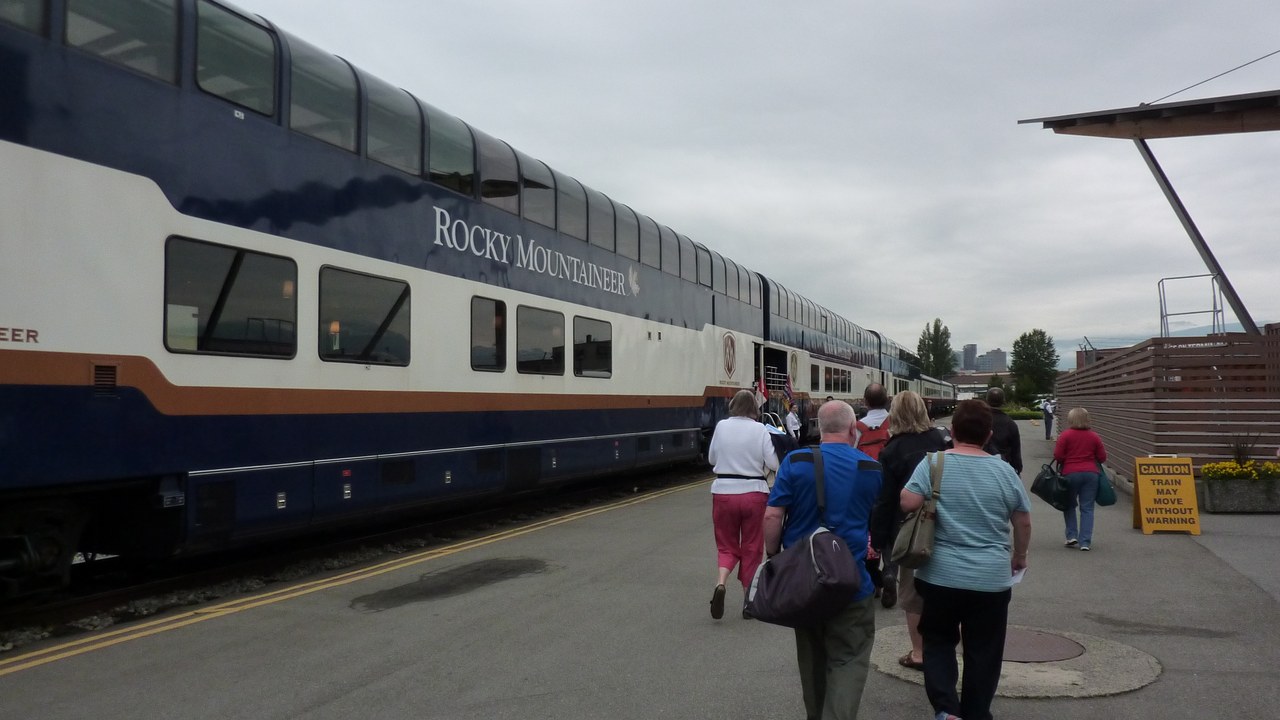
The Rocky Mountaineer runs two days between Vancouver and Banff or Lake Louise, broken up by a Kamloops overnight stop partway through the journey. The route counts among several Rocky Mountaineer itineraries through western Canada, this one specifically tracing the original transcontinental railway’s path through the Rockies.
Passengers spend that night in a hotel rather than aboard the train, since the route only operates during daylight hours so riders can actually see the mountain scenery outside.
More from Morning Overview
- Herbal supplements are landing Americans in the hospital with liver damage, doctors warn
- General Motors is switching on cameras that record inside your vehicle by update
- A geomagnetic storm is forecast to hit Earth today, pushing the northern lights unusually far south
- A recalled pill hid a stimulant dose linked to heart attacks and death
