
Harley-Davidson built its reputation one engine and frame at a time, from pushrod V-twins to chrome-heavy cruisers and a battery-powered newcomer. Some models changed how the bikes were built, while others changed how they were bought and ridden. Here are eleven that shaped the brand, starting with the 1936 Knucklehead.
The day in tech, in one email: TLDR is the daily newsletter with links and TLDRs of the most interesting stories in startups, tech and programming.
We may earn a commission if you sign up.
1. Knucklehead (1936-47): Overhead Valves Arrive
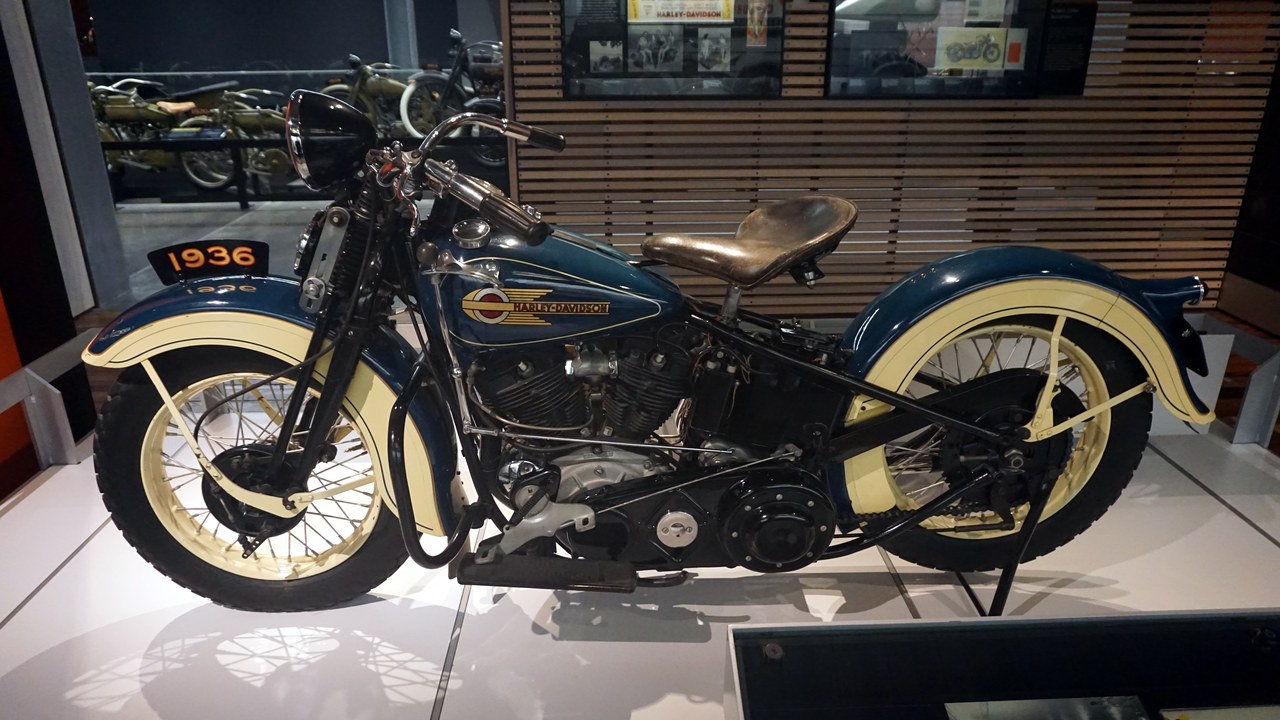
The Knucklehead brought a pushrod-actuated overhead-valve V-twin to the Harley lineup in 1936, replacing the flathead VL as the top-of-the-line engine. The pushrod overhead-valve V-twin lists two valves per cylinder, a layout that set the company’s engineering direction for years afterward.
That is the reason this list opens here. Earlier Harley twins relied on side-valve designs, and the newer top-end arrangement gave the brand a flagship powerplant that later engines refined rather than abandoned. Bikes from this period remain prized by collectors and museums.
2. Panhead (1948-65): Easy Rider Icon
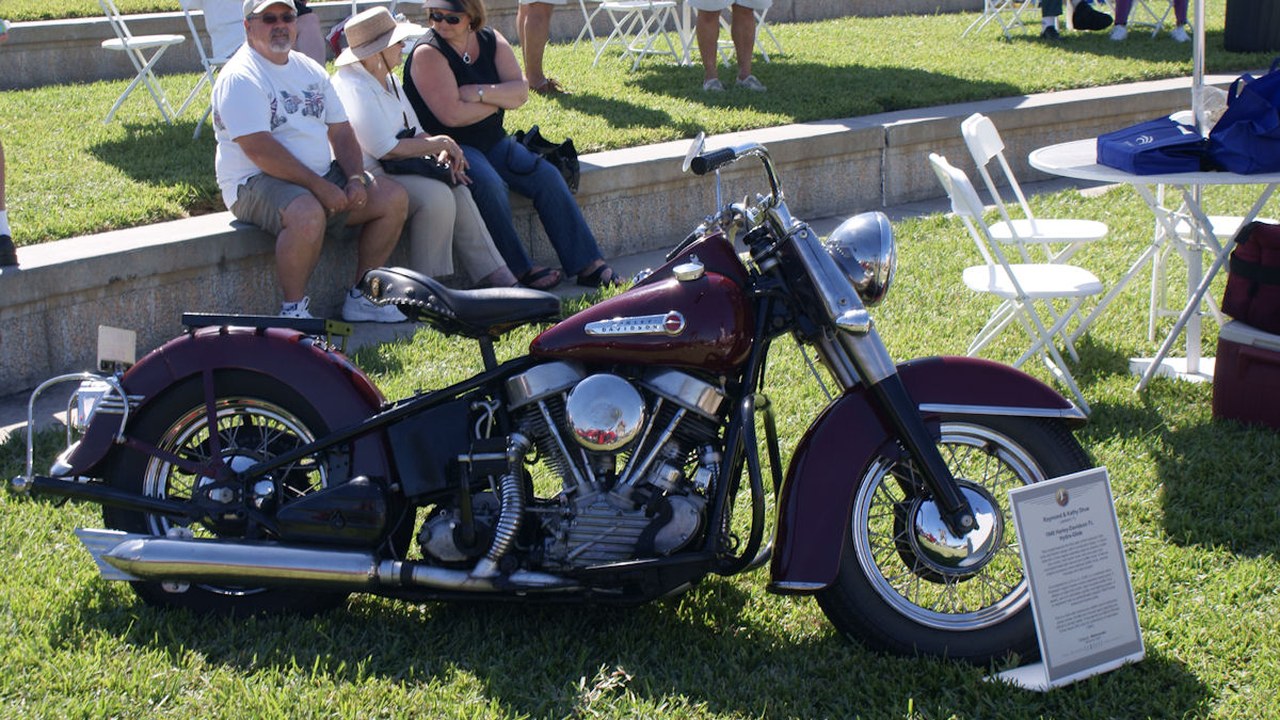
The Panhead succeeded the Knucklehead and was built in two displacements, 61 cubic inches and 74 cubic inches, according to the Panhead engine history. The larger version carried the FL and FLH designations, while the smaller one kept the EL name.
Pop culture gave the engine a second life. Peter Fonda’s Captain America chopper in Easy Rider was built around a Panhead, which tied the motor to the counterculture image of the open road. Production ended in 1965, when the Shovelhead took over.
3. Electra Glide: Push-Button Touring
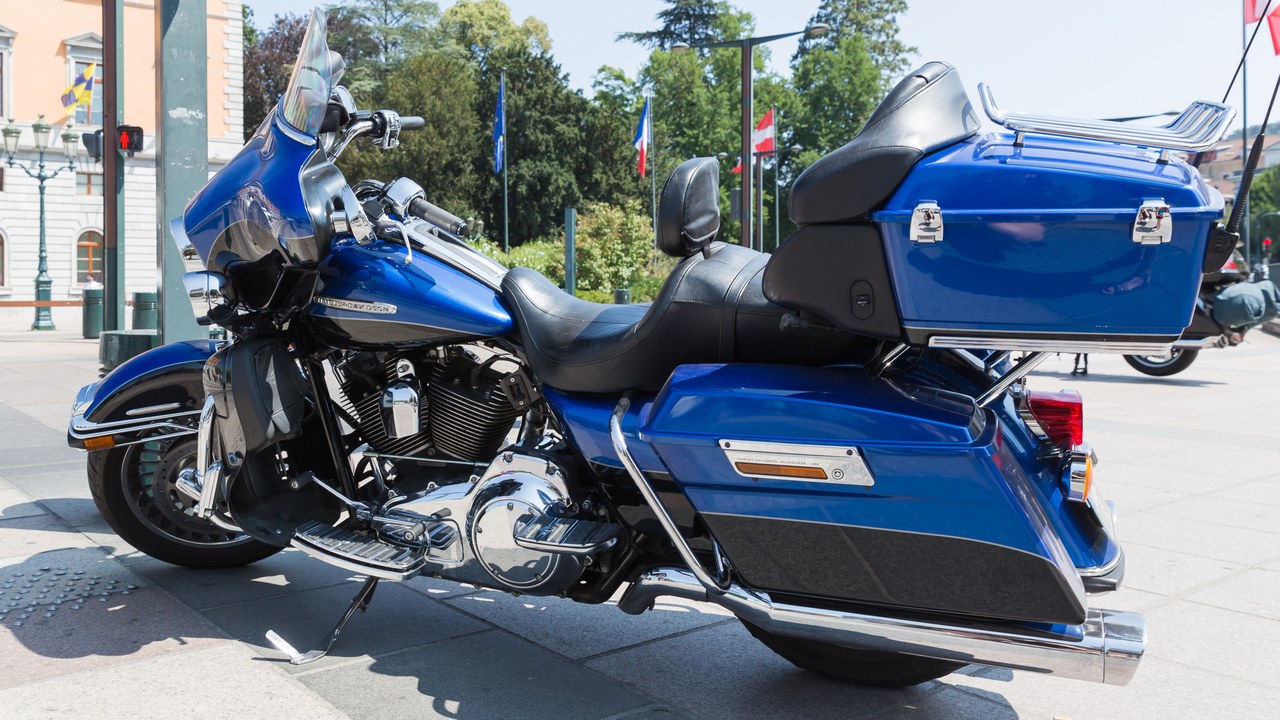
The 1965 Electra Glide added electric start to Harley’s big touring bike, taking away some of the kicks that riders had long accepted. Harley’s own Electra Glide history page traces a family line from that machine to today’s Road King, Street Glide and Ultra Limited.
Touring has since become a central part of the company’s identity, and the Electra Glide name still sits at the root of that family. Fitted with saddlebags, a fairing and a large rear trunk, the type serves as the template for the long-distance American cruiser.
4. Sportster: Longest-Running Lightweight
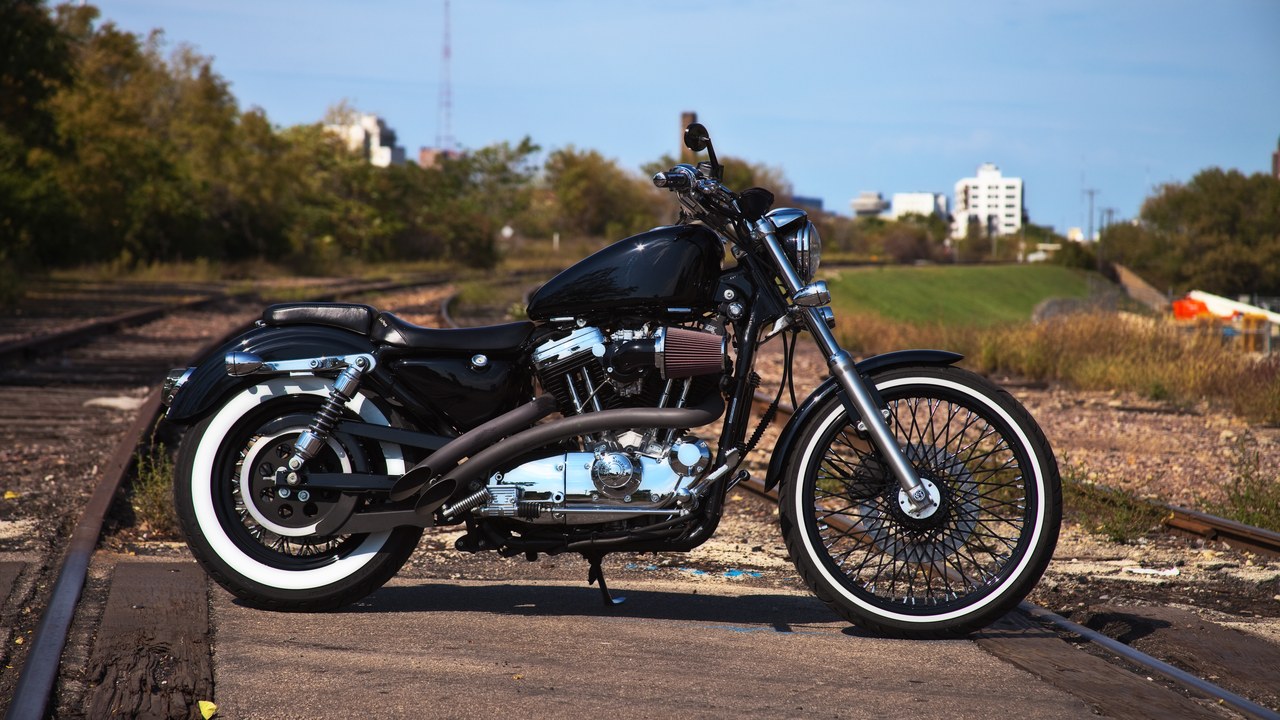
Few Harley nameplates last as long as the Sportster, which has been in production from 1957 to the present, as the Sportster production history records. The smaller-engined line has long served as an entry point into the brand for newer riders.
Staying on sale across such a stretch of decades means the model has been reworked many times, and recent versions look very different from the originals. The durability of the name explains why it belongs among the machines that built the company’s reputation.
5. Low Rider (1977): Factory Custom Pioneer
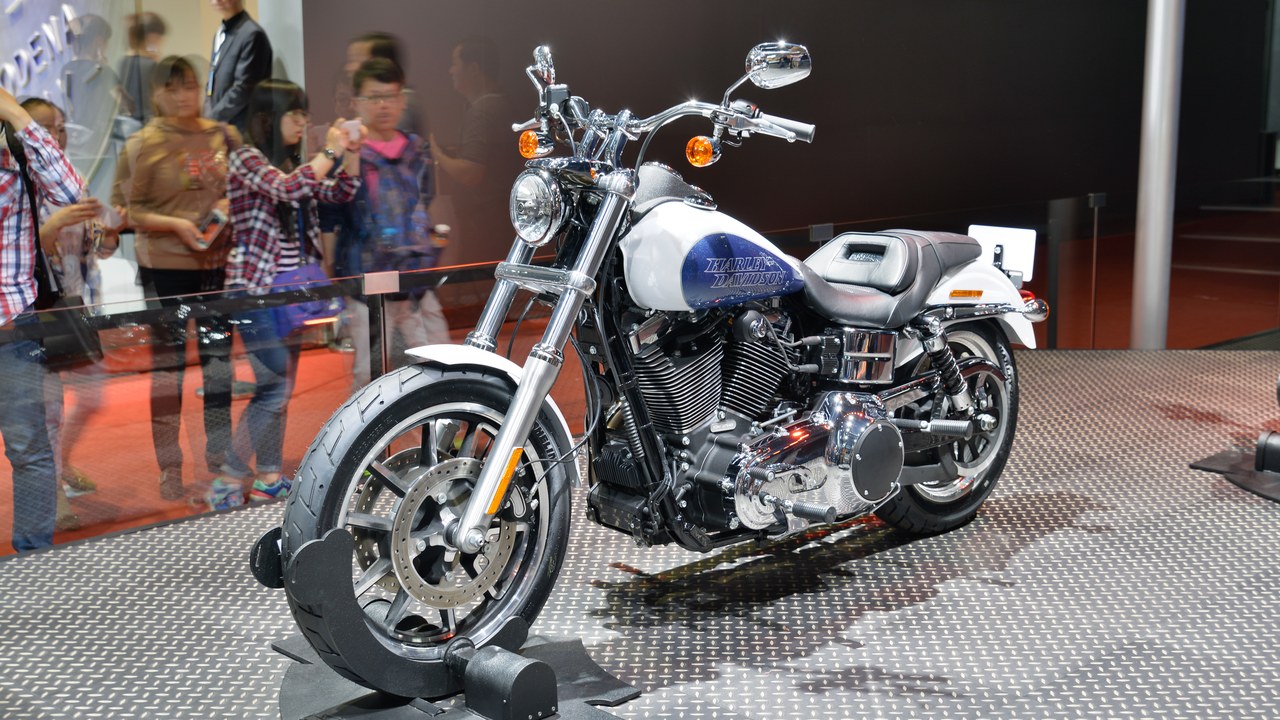
The 1977 Low Rider set its seat height under 26 inches and was a “smash hit” that started the factory-custom Low Rider line, according to a Harley insurance history feature on bikes that changed Harley.
Riders had been lowering and customizing Harleys on their own for years, and the company responded by building the look at the factory. The approach opened a path to later custom-styled models and showed that dealer-floor bikes could carry attitude straight from the showroom.
6. Softail (1984): The Frame That Rescued
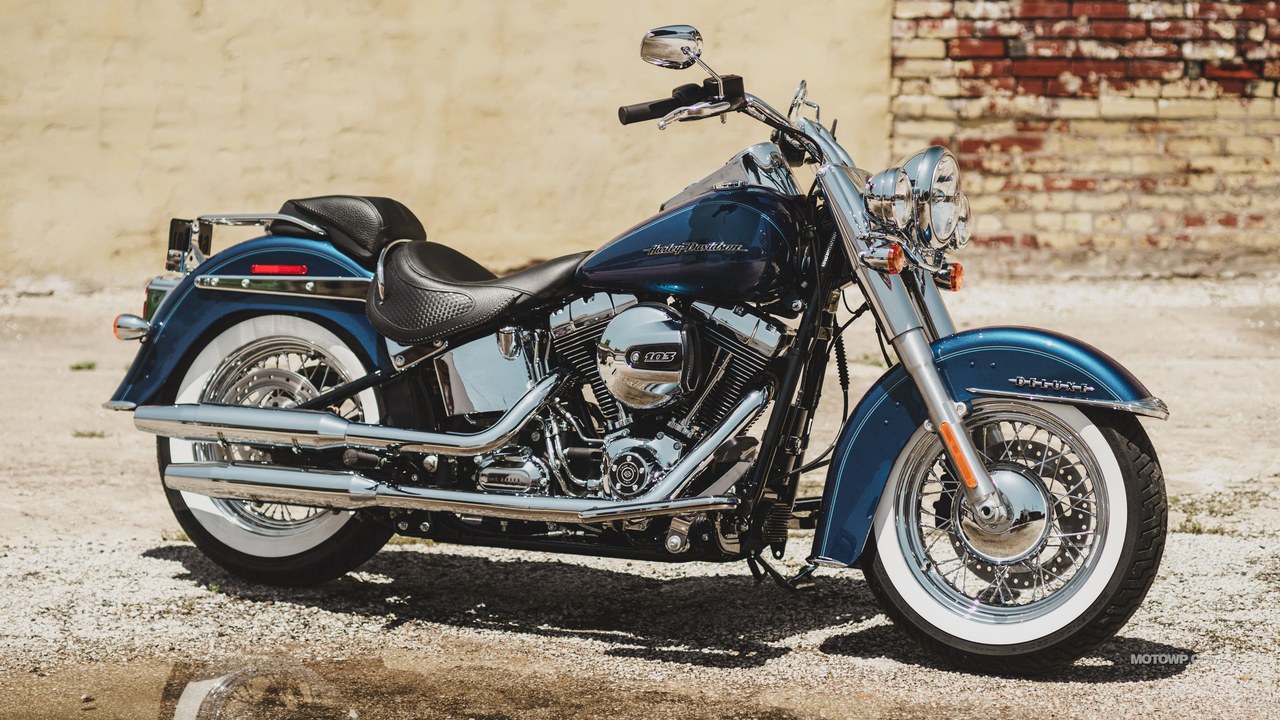
The Softail of 1984 is credited with saving the company, a claim made in a Harley model history article on the bikes that changed Harley-Davidson.
Its frame hid the rear suspension to give a classic rigid-tailed look, a widely known feature of the design. The Softail family grew into a core part of the lineup, with several later entries on this list built on the same idea. The source offers the headline claim without a detailed breakdown.
7. Fat Boy: Chrome And Solid Discs
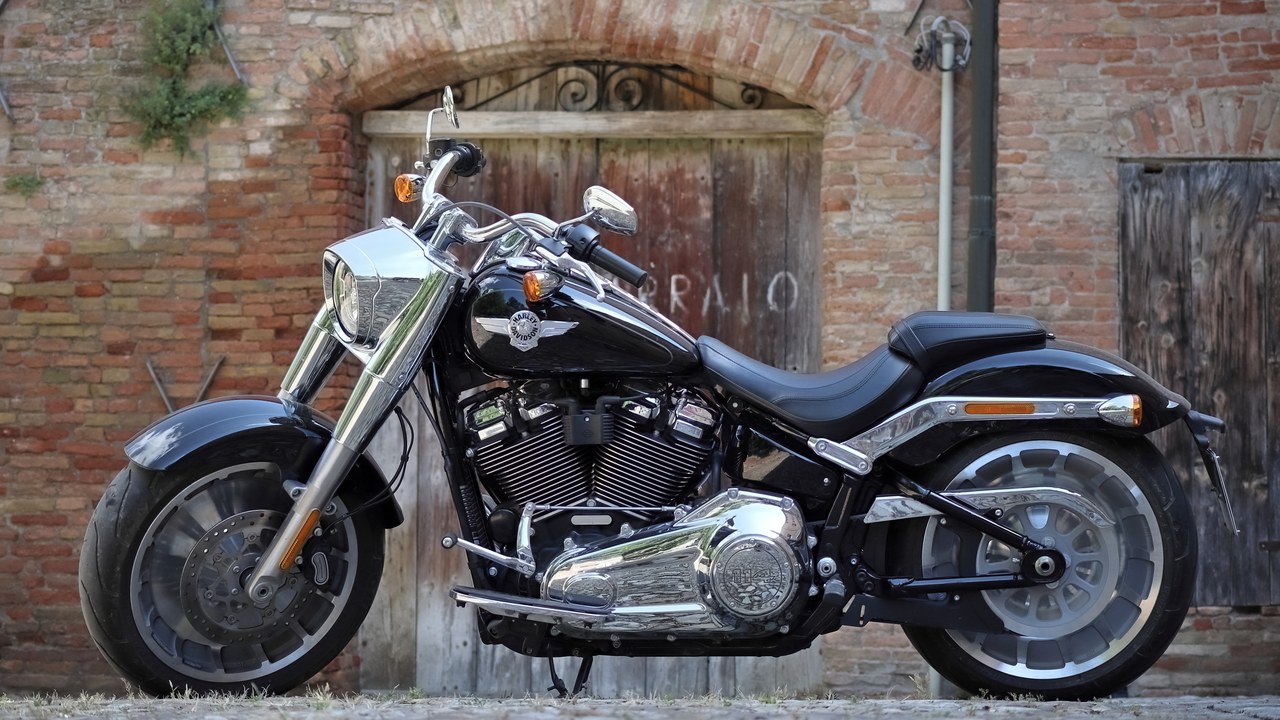
In production since 1990, the Fat Boy became a household name partly through Terminator 2: Judgment Day, as the Fat Boy encyclopedia entry notes. Its solid-cast disc wheels give it a look unlike most motorcycles on the road.
Film exposure helped turn a heavy cruiser into a pop-culture fixture, and the bike’s visual signature has stayed recognizable for decades. A model that keeps its profile through a long production run earns its spot among the brand’s defining machines.
8. Road King: Retro Touring Stance
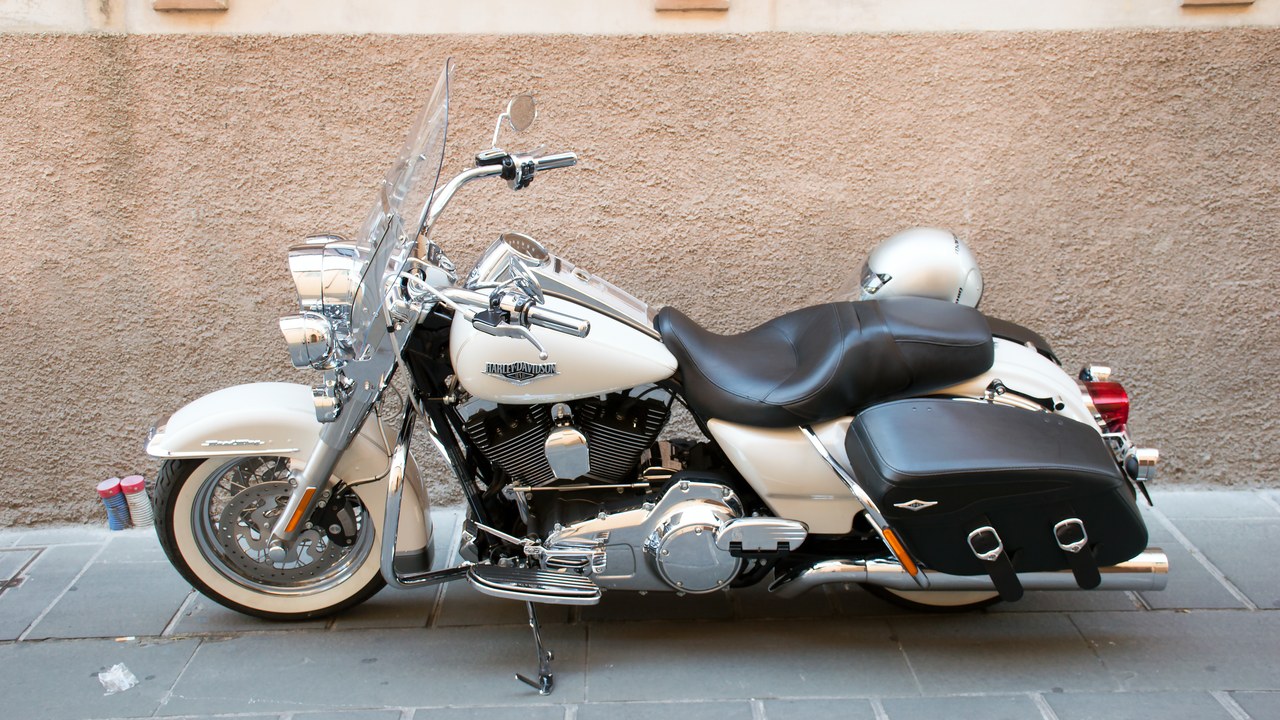
Harley lists the Road King Special with a Milwaukee-Eight 114 V-twin making 122 ft-lb of torque, peaking at 2,750 rpm, on its Road King Special page. The starting price is $24,999.
The Road King is the touring-family member that trades a big fairing for a windshield and a lean, classic look, and Harley names it among the Electra Glide descendants. The current spec shows how far the big twin has moved from its pushrod ancestors.
9. Street Glide: Bagger From The Factory
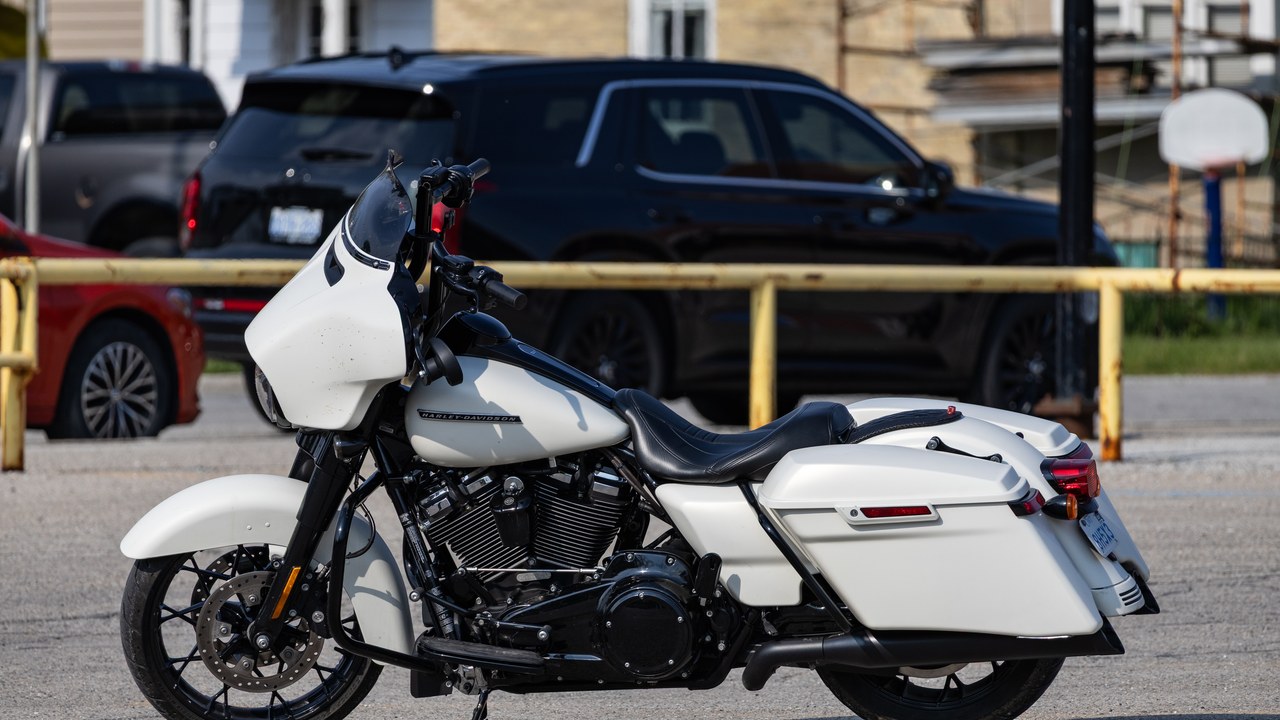
Harley’s touring lineup page shows the Street Glide starting at $24,999 and the CVO Street Glide at $49,999 or more, on the touring lineup page. That gap illustrates how the nameplate stretches from standard to premium.
The Street Glide belongs to the Electra Glide family tree and carries the company’s modern bagger look, with a frame-mounted fairing and hard saddlebags. Its place on the list reflects how central touring models have become to the product range.
10. V-Rod: Porsche-Assisted Departure
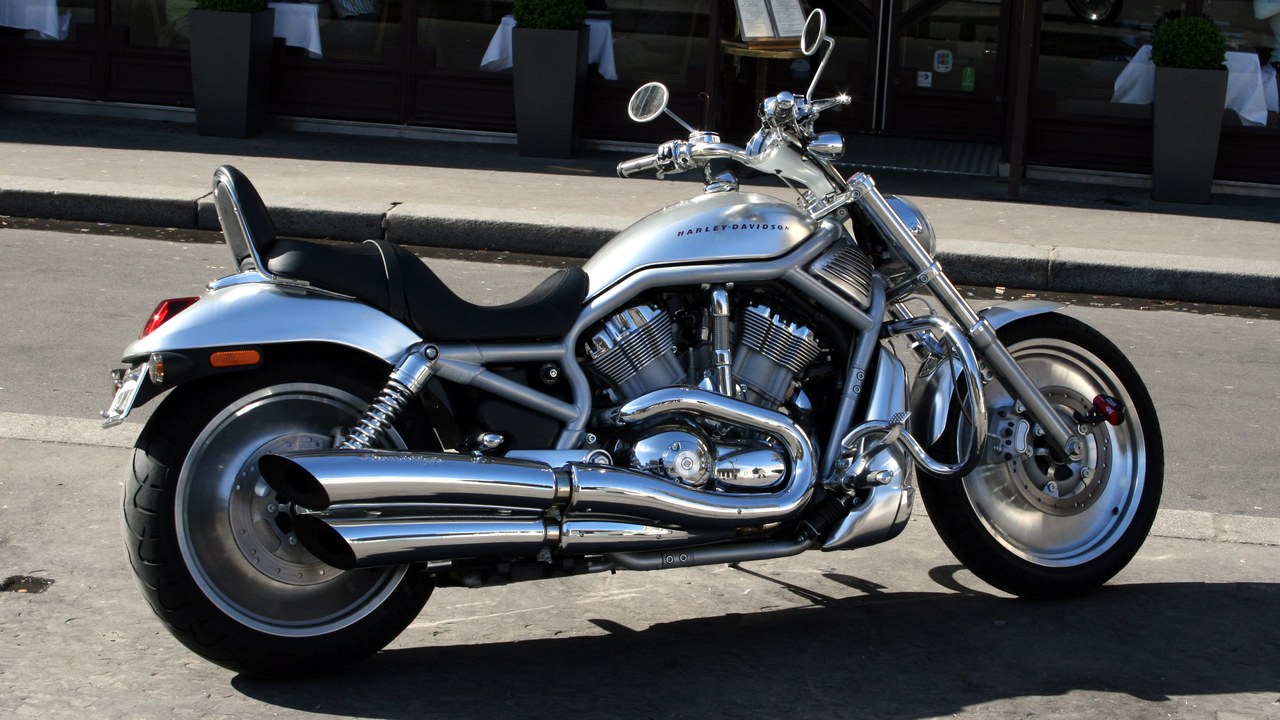
Introduced in 2001, the V-Rod used a Porsche-assisted Revolution engine, and the VRSC encyclopedia entry describes it as the first Harley street motorcycle with overhead camshafts and liquid cooling.
That was a sharp break from air-cooled pushrod tradition, and the long, low drag-style profile looked unlike anything else in the showroom. Whatever buyers thought of the departure, the model proved the company could experiment with a radically different engine. Few other Harleys of the era combined water cooling with a high-revving character.
11. LiveWire (2020): First Electric Harley
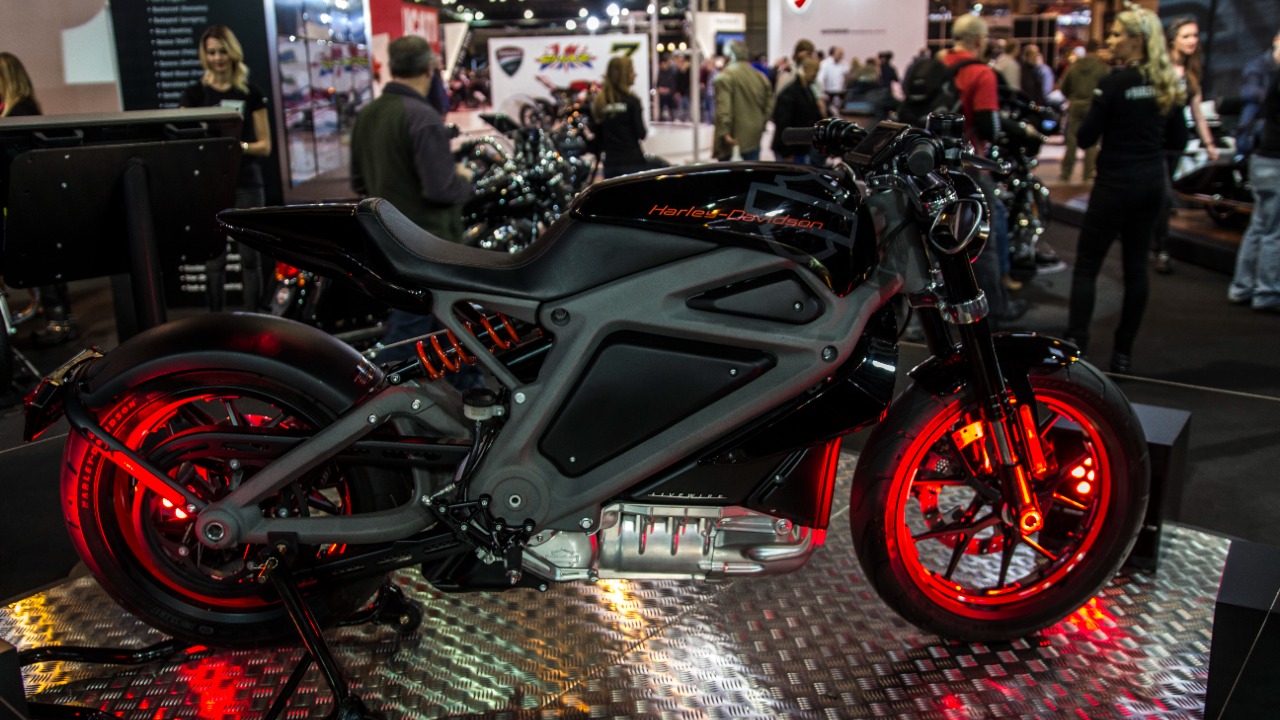
Harley’s first electric motorcycle carried a claimed 105 hp, according to the LiveWire article. It was released in 2019 at a price above $29,000.
Shifting from a V-twin rumble to a silent electric drivetrain marked the biggest change of direction on the list. The model signaled that the brand was willing to test new power sources, even if the high price kept it a niche proposition. Charging, range and quiet operation replaced the old exhaust note as the talking points for the bike’s riders.
The day in tech, in one email: Get TLDR →
We may earn a commission if you sign up.
More from Morning Overview
- The NSA says three phone features should be off whenever you aren’t using them
- Hurricane Hunter radar shows four warning signs that a tropical cyclone is about to strengthen, a University of Miami study found
- Tropical Storm Rachel is dumping up to 12 inches on four Mexican states on its way to major hurricane strength
- The FTC says Lens.com doubled the price shoppers saw in Google ads
