
The Corvette has changed shape, engine position and purpose several times since 1953. Each generation from the C1 to the C8 left behind at least one car that marks a turning point. Here are twelve of them, from a hand-built start to a hybrid flagship.
The tech news worth your time: 400,000+ professionals from Google, Apple and OpenAI read Techpresso, a daily email with the most interesting tech news and insights.
We may earn a commission if you sign up.
1. 1953 Corvette (C1): Where It All Began
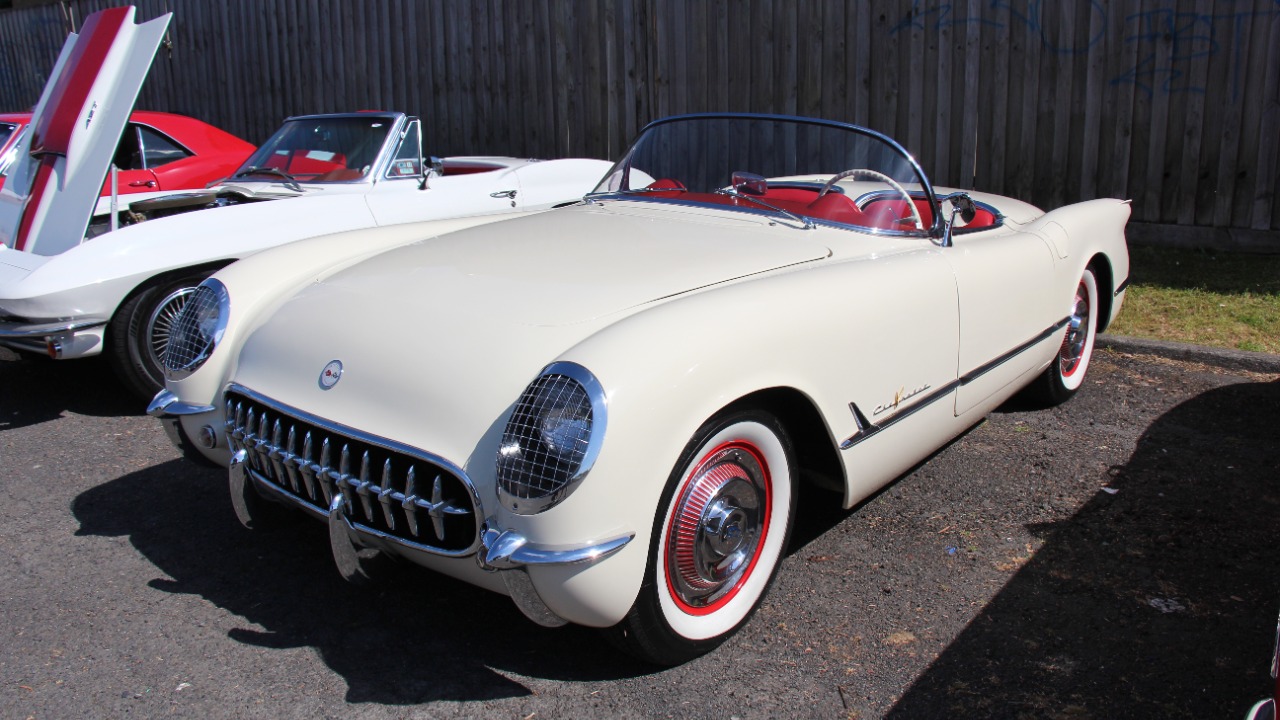
Production was tiny: General Motors produced just 300 Corvettes in 1953, the National Corvette Museum says they were all hand-assembled in a delivery garage in Flint, Michigan.
That figure makes the first Corvette a pilot run more than a product launch. Every car in the C1 generation that followed traces back to this small batch of roadsters, built by hand before the model had proven it could survive in the showroom.
2. 1963-67 Sting Ray (C2): Disc Brakes Arrive
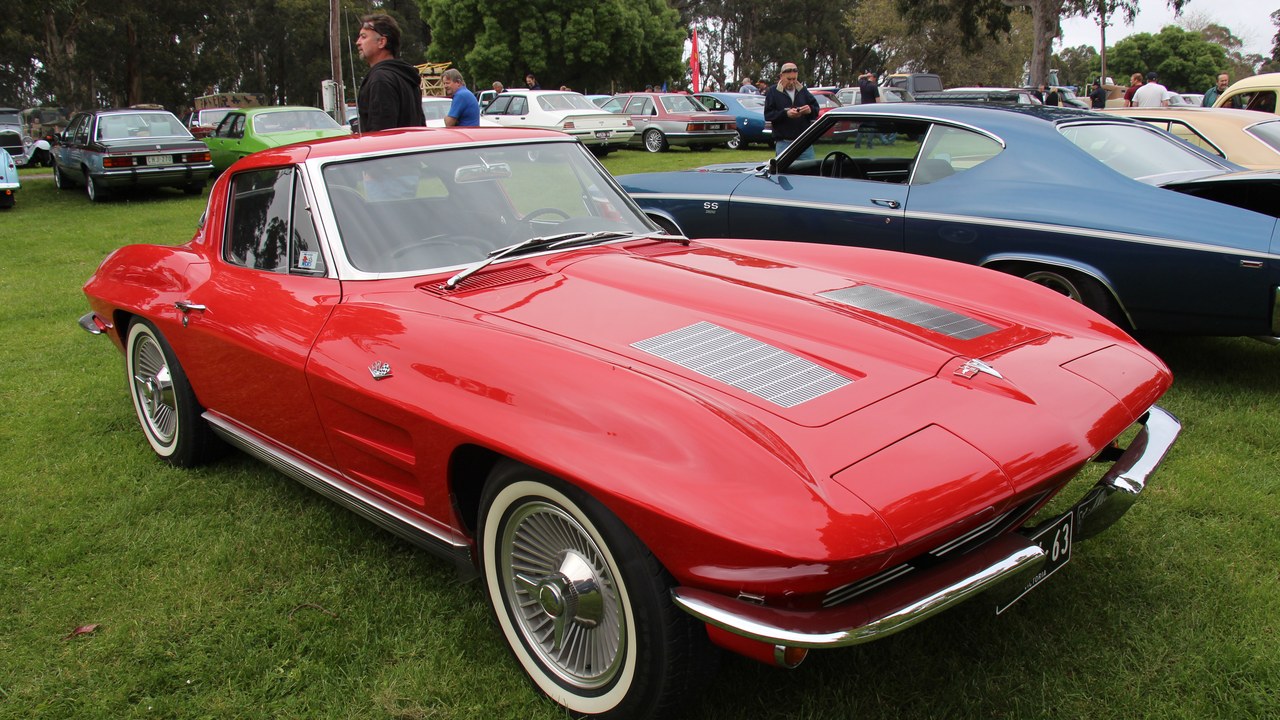
The second generation brought a major hardware upgrade, because the C2 article notes that four-wheel disc brakes were introduced in 1965.
Stopping power had lagged behind the Corvette’s growing performance, so the change mattered as much as any styling update. The Sting Ray name covers the 1963 to 1967 cars, a run that combined sharper looks with a more serious chassis for the era. Many enthusiasts also regard the period as the point where the Corvette became a genuine sports car for the road.
3. 1969 Corvette ZL1: Two Aluminum Giants
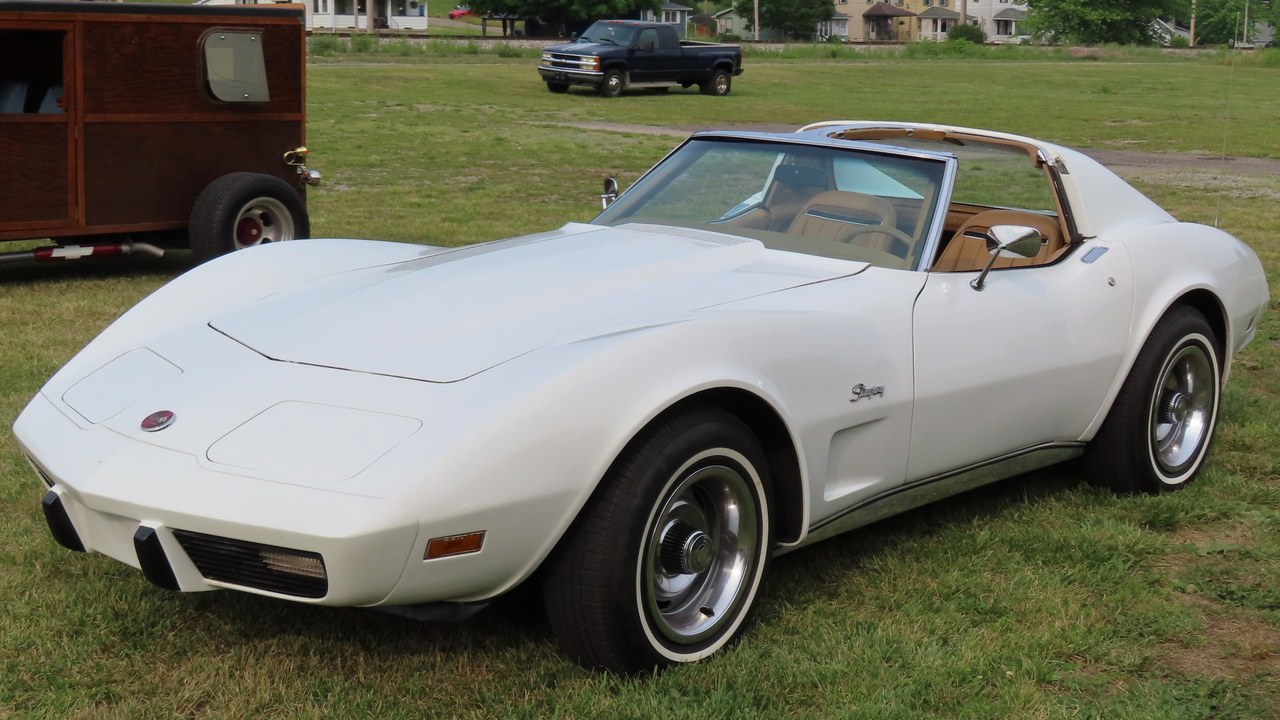
Rarity defines this one, since Chevy built two, one yellow and one white, with the all-aluminum ZL1 427 big-block, as Hagerty’s Corvette facts list recounts, with a rating of 430 hp.
Only a pair of cars ever carried that engine in Corvette form. Sitting inside the third generation, the ZL1 stands as the extreme end of the C3 story, a factory experiment far removed from the cars most buyers could actually order.
4. 1978 Indy 500 Pace Car Edition: Pacing the Brickyard
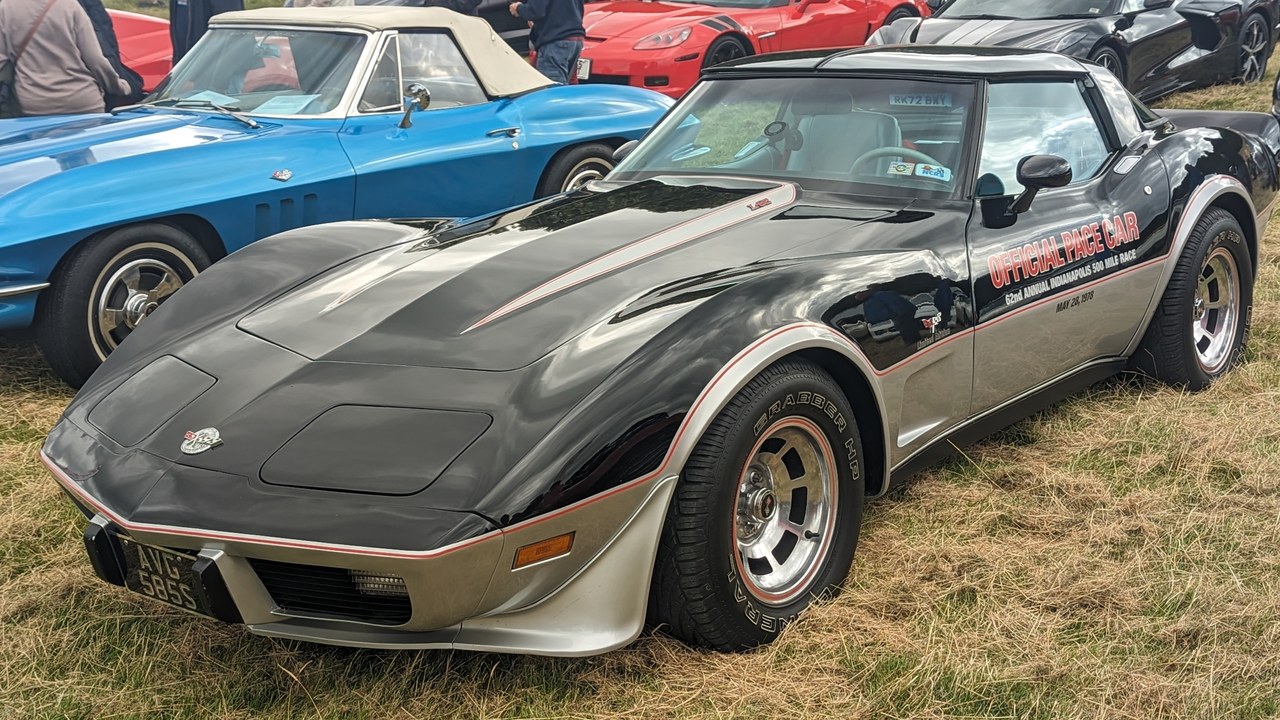
Chevy sold 6,502 Pace Car Editions that year, according to Hagerty’s list of facts, and the Corvette has paced the Indianapolis 500 14 times, more than any other car.
The special edition tied a late C3 Corvette to the most famous race in American motorsport. Its two-tone paint and race-event identity made it a collectible, and the pacing record shows how long the nameplate has been linked with Indy. Surviving examples remain easy to recognize from the special livery.
5. 1983 Corvette: The Model Year That Never Was
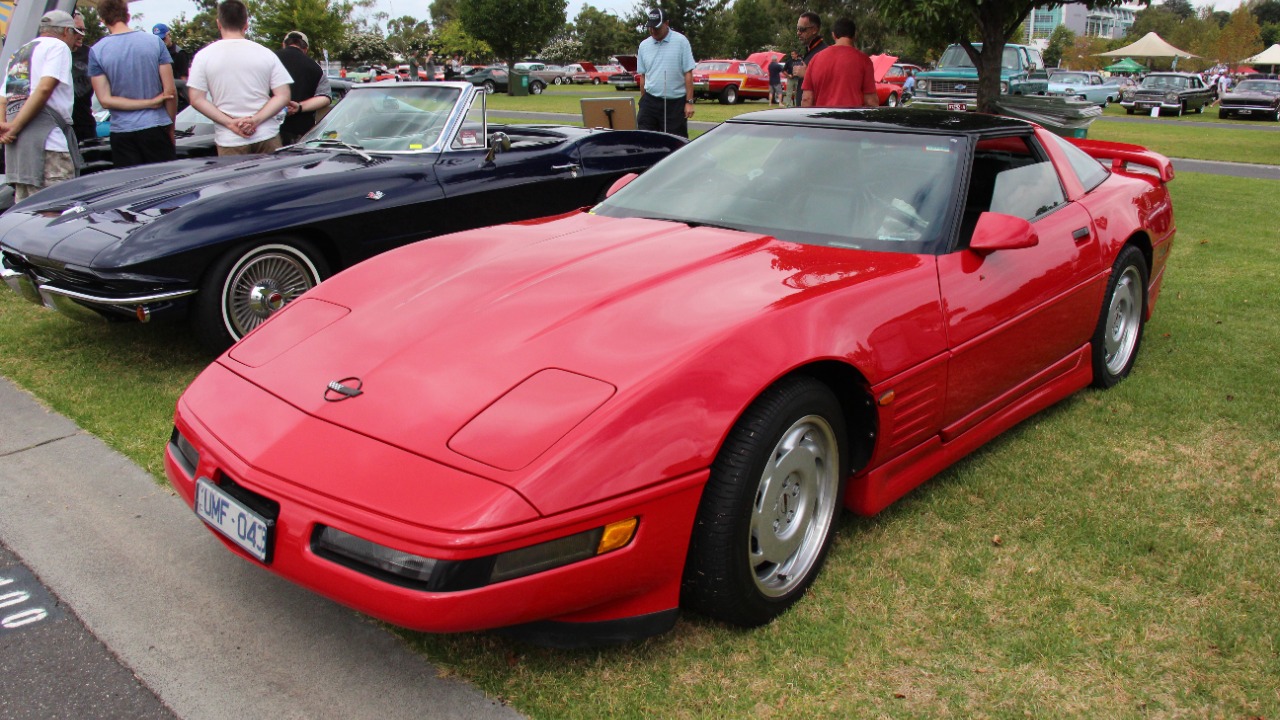
No 1983 model reached retail, since the museum’s account states there would be no retail production for that model year, and only one survived, now held at the National Corvette Museum.
The gap came as the fourth generation arrived, so the 1983 car stands as a missing link between eras. Its lone survivor turns a skipped year into a museum exhibit and a reminder that the schedule of a new Corvette can slip.
6. 1990 Corvette ZR-1 (C4): Lotus Muscle
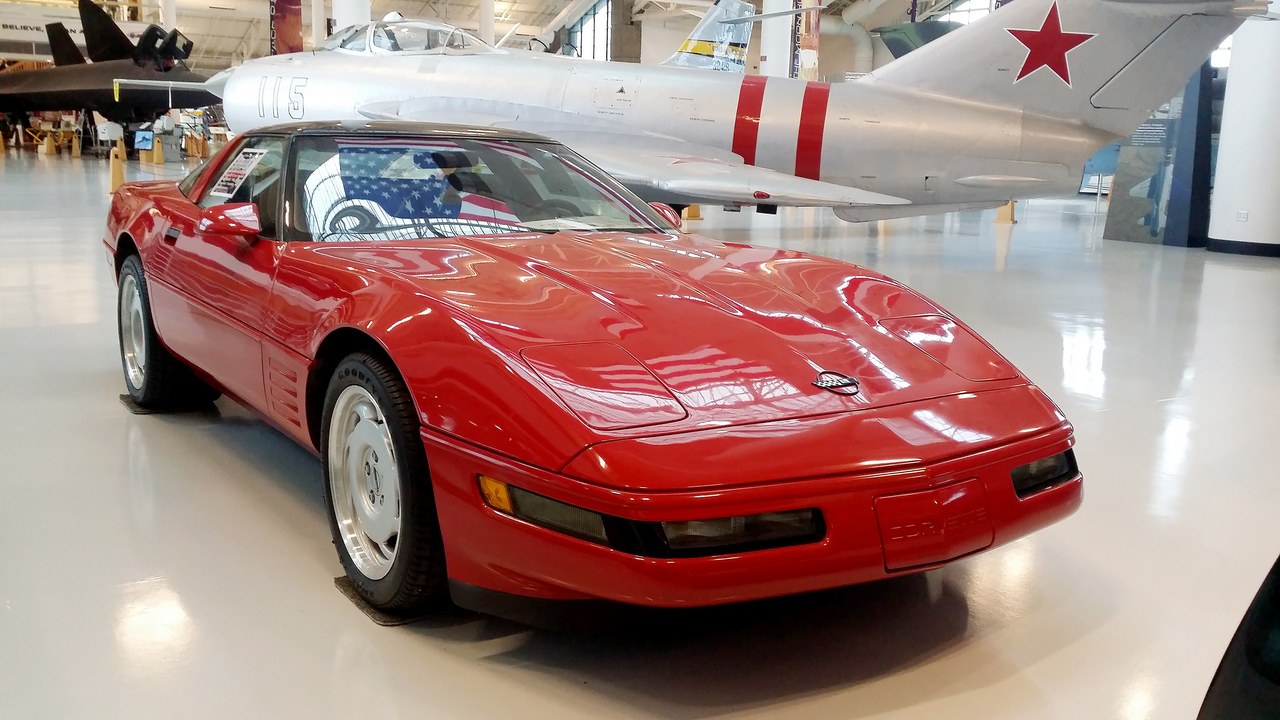
Engine tech set this car apart: the Lotus-designed LT5 V8 made 375 hp, and the C4 overview describes it as having four overhead camshafts and 32 valves.
The ZR-1 gave the C4 generation a serious halo model, pairing a high-revving, multi-valve engine with the familiar Corvette body. A British engineering partner behind an American sports car was an unusual arrangement for the time. It remains a favorite among collectors who prize the engine as much as the badge on the fender.
7. 1997-2004 Corvette (C5): The LS1 Era Begins
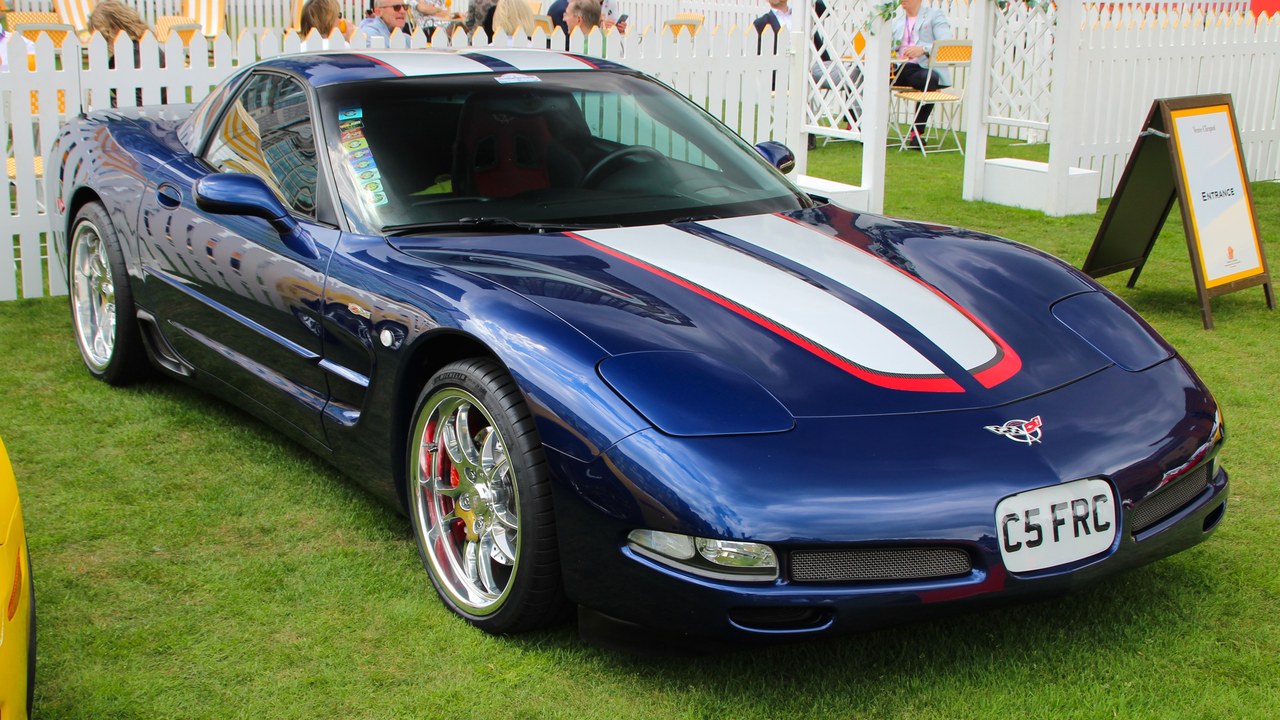
Under the hood of the fifth generation sat a V8 that the C5 article reports initially produced 345 hp, the LS1 engine.
The C5 ran from 1997 to 2004 and set the template for the lightweight, small-block performance that followed. The LS1 name later spread well beyond Corvettes, but its first appearance in the car remains a defining moment of the generation. The car kept the front-engine, rear-drive recipe while modernizing what sat under the long hood.
8. 2009 Corvette ZR1 (C6): Past 600 Horsepower
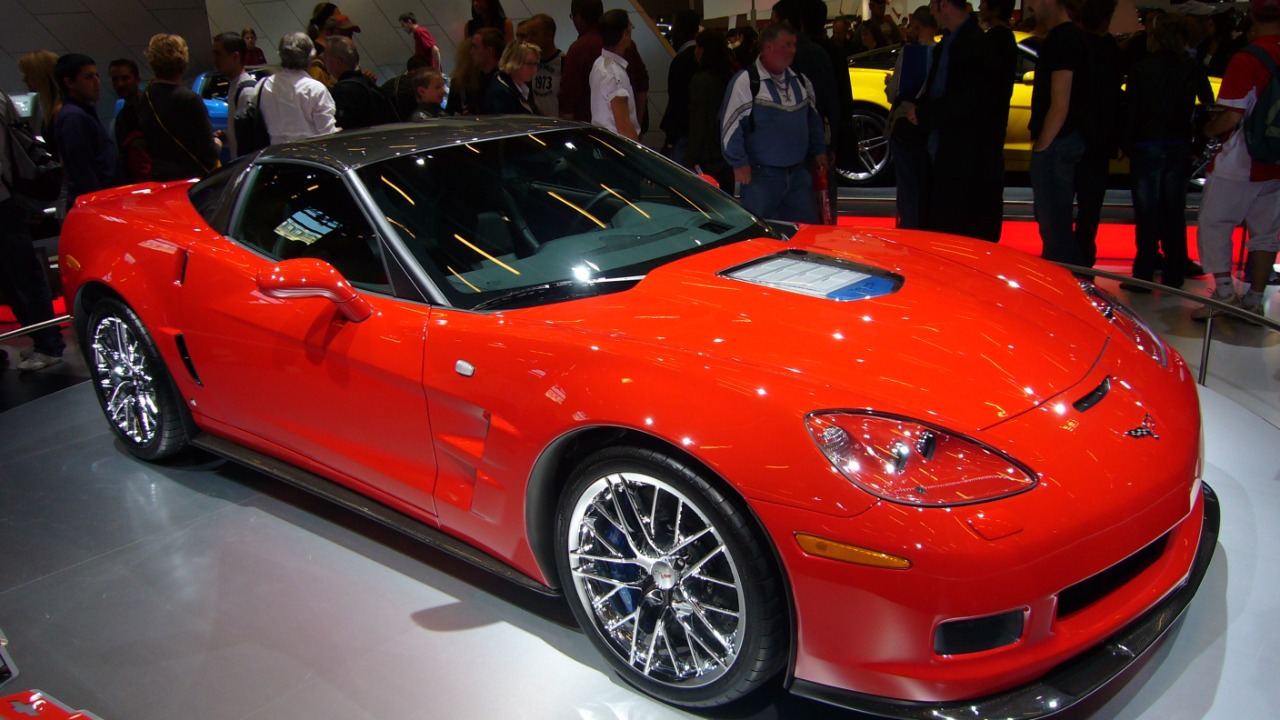
Power crossed a milestone here, as the LS9 6.2-liter V-8 made 638 hp, which Hagerty’s Corvette facts identifies as the first Corvette over 600 hp.
The sixth-generation ZR1 turned the Corvette into a supercar rival with a supercharged V8 and a headline number that older models never approached. It also pointed ahead to the even larger output figures that later Corvettes would chase. Collectors still treat it as a landmark among front-engine Corvettes, valued for its engine and its limited-run character.
9. 2014-19 Corvette Stingray (C7): The Last Front-Engine Stingray
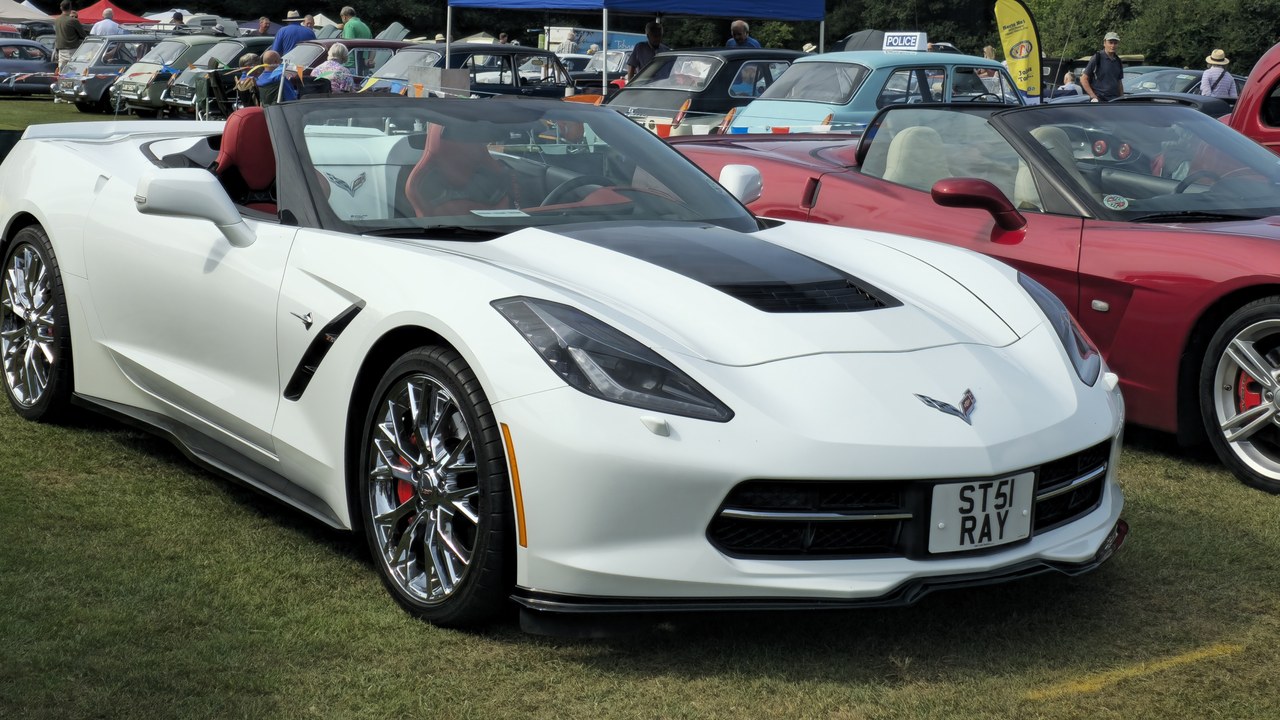
The seventh generation closed a long chapter, because the C7 article calls it the last front-engine Corvette.
That detail gives the 2014 to 2019 Stingray historical weight beyond its performance. Every Corvette in the lineage up to this point put the engine ahead of the driver, a layout the next generation abandoned completely. Enthusiasts often treat the car as a bridge, combining modern technology with the traditional long-hood proportions that defined the model for decades.
10. 2019 Corvette ZR1 (C7): Top of the C7 Range
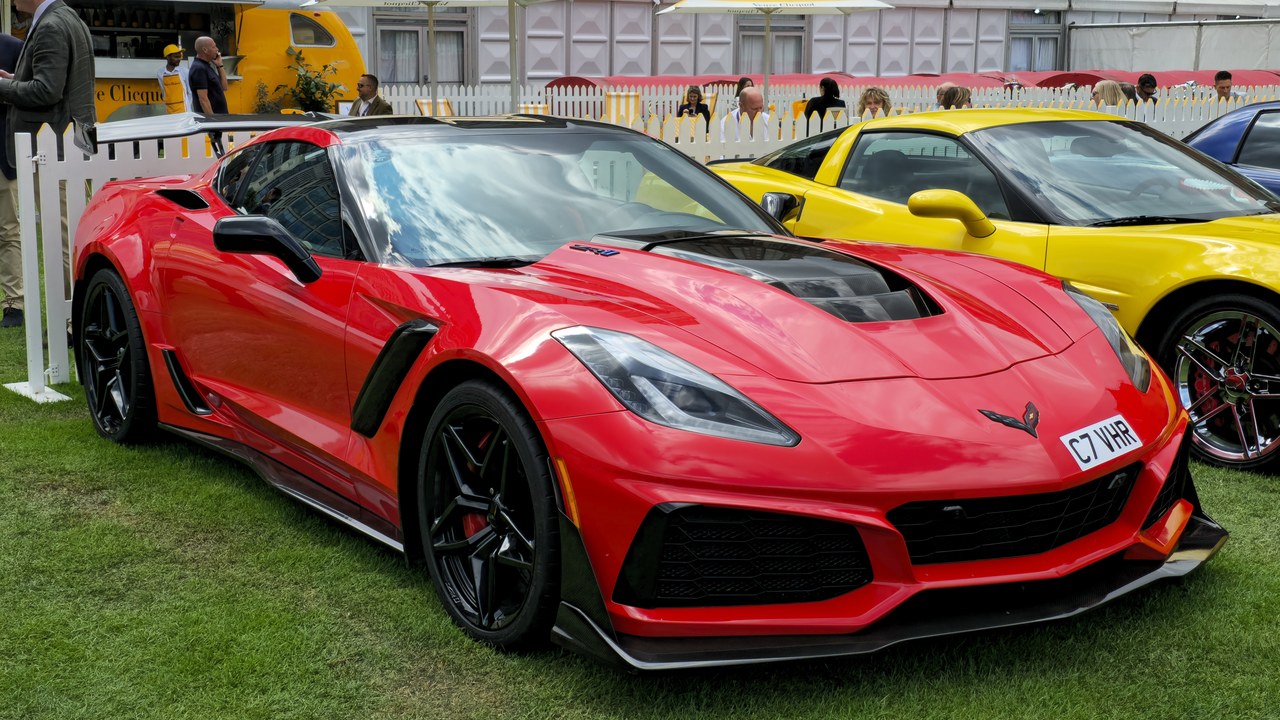
Output reached a new high for the nameplate, with Hagerty’s rating note listing the 2019 ZR1 at 755 hp, the most powerful Corvette of its time.
The car served as the crowning model of the seventh generation, arriving just before that front-engine layout was retired. Its figure shows how far the supercharged ZR1 line had moved since the 1990 original. Together with the Stingray, it frames the generation as both an everyday sports car and a track-focused halo.
11. 2020 Corvette Stingray (C8): Engine in the Middle
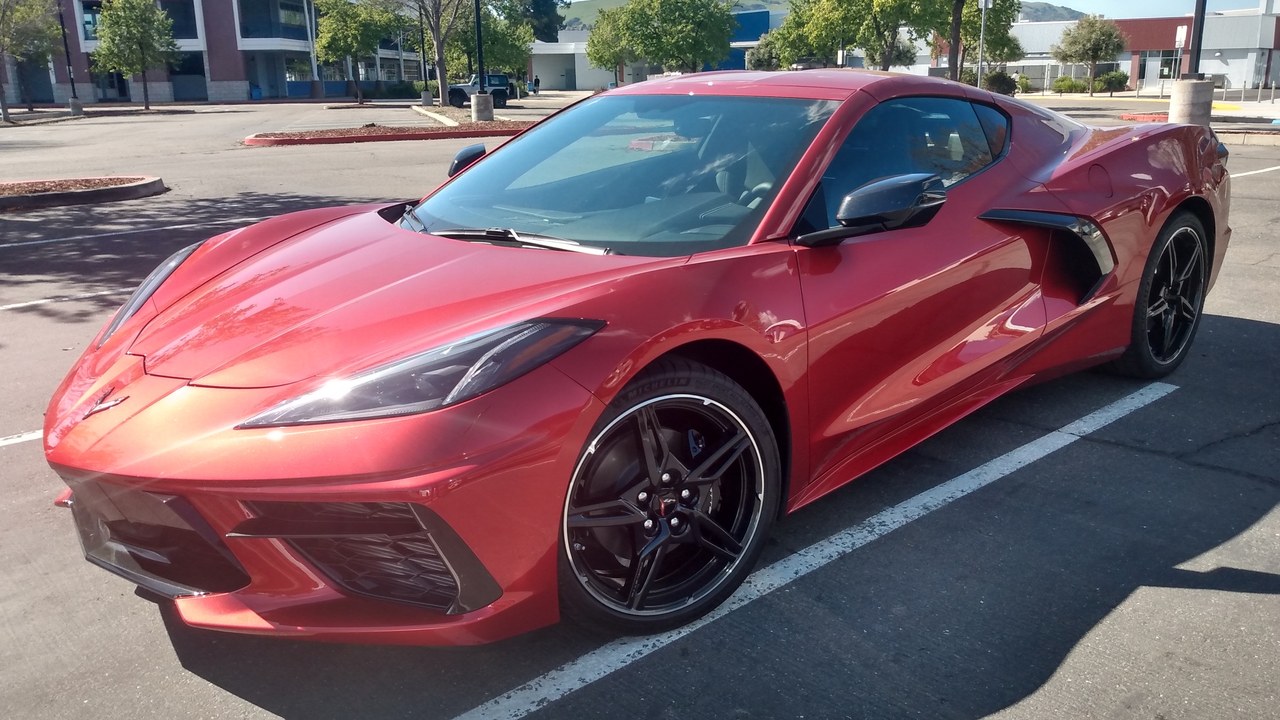
The eighth-generation Stingray moved the engine from the front of the car to the middle, and Digital Trends review reports it makes 495 horsepower with the performance exhaust and does 0-60 mph in 2.9 seconds, according to Chevy.
That relocation was the biggest layout change in Corvette history and gave the car its mid-engine proportions. The acceleration claim comes from the manufacturer, so it reflects Chevy’s own figure and not an independent test.
12. 2026 Corvette ZR1X: Electrified Flagship
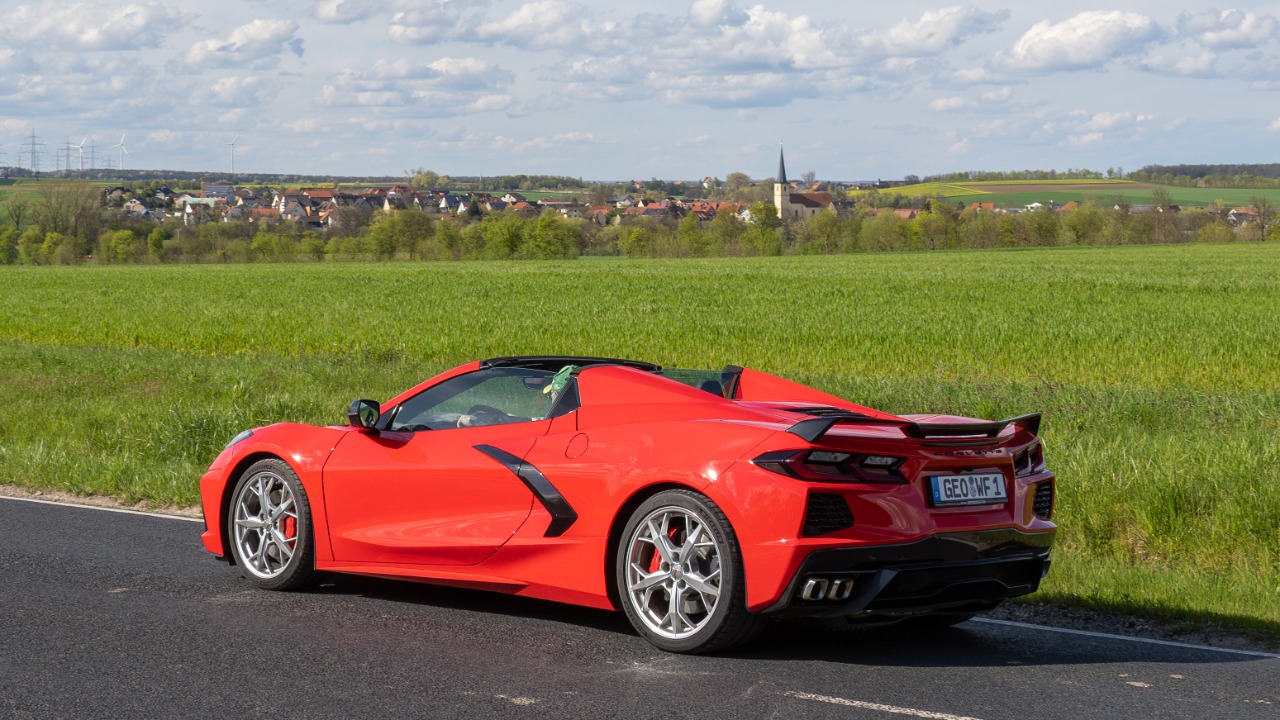
Combining a V8 with a front electric motor, the 2026 ZR1X reaches 1,250 hp combined, a figure GM’s ZR1X facts lists among its headline facts.
The hybrid layout adds electric all-wheel drive to the mid-engine format and sits at the top of the Corvette range. It brings the story from a 300-car hand-built start in 1953 to a car with a radically different powertrain. The pairing also shows the Corvette adapting to a changing industry without abandoning the V8 at its core.
The tech news worth your time: Subscribe to Techpresso →
We may earn a commission if you sign up.
More from Morning Overview
- Ford is recalling 223,472 F-150 pickups because the fuel tank can leak or detach
- Hybrids have 15% fewer problems than gas cars, while EVs and plug-in hybrids have about 80% more, Consumer Reports finds
- Regulators cleared the first U.S. small modular reactor, 4 months early
- Lake Powell sank to a record 3,517 feet, nearing the level that stops Glen Canyon Dam’s turbines
