
Electric vehicles are not immune to the safety notices that have long followed conventional cars, and 2026 has produced a steady stream of them. The defects range from software faults to battery cell flaws, loose wheel hardware and seats that misjudge a passenger. Here are eleven electric models drawn from NHTSA campaigns and press coverage, each with the exact scope the record gives.
1. 2017-2023 Tesla Model 3: Headlights Too Bright
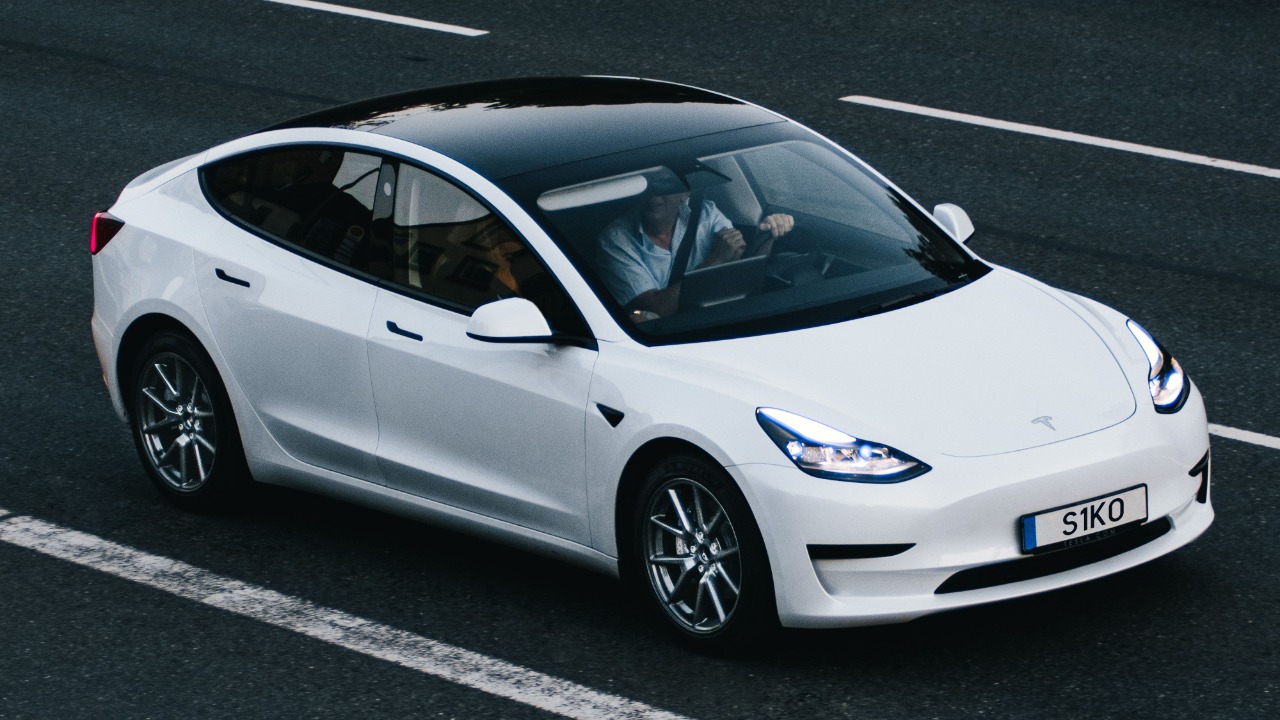
NHTSA campaign 26V507 record says the low beams may be too bright, exceeding the maximum light output that FMVSS 108 allows. The population is 20,349 potential Model 3 and Model Y units, and the record says the remedy is still in development.
Owners face a wait, since no repair had been finalized. Households with either Tesla in the driveway can check a VIN against NHTSA’s lookup instead of assuming coverage from the model name alone, because the same campaign spans both nameplates.
2. 2020-2023 Tesla Model Y: Same Recall, Same Lights
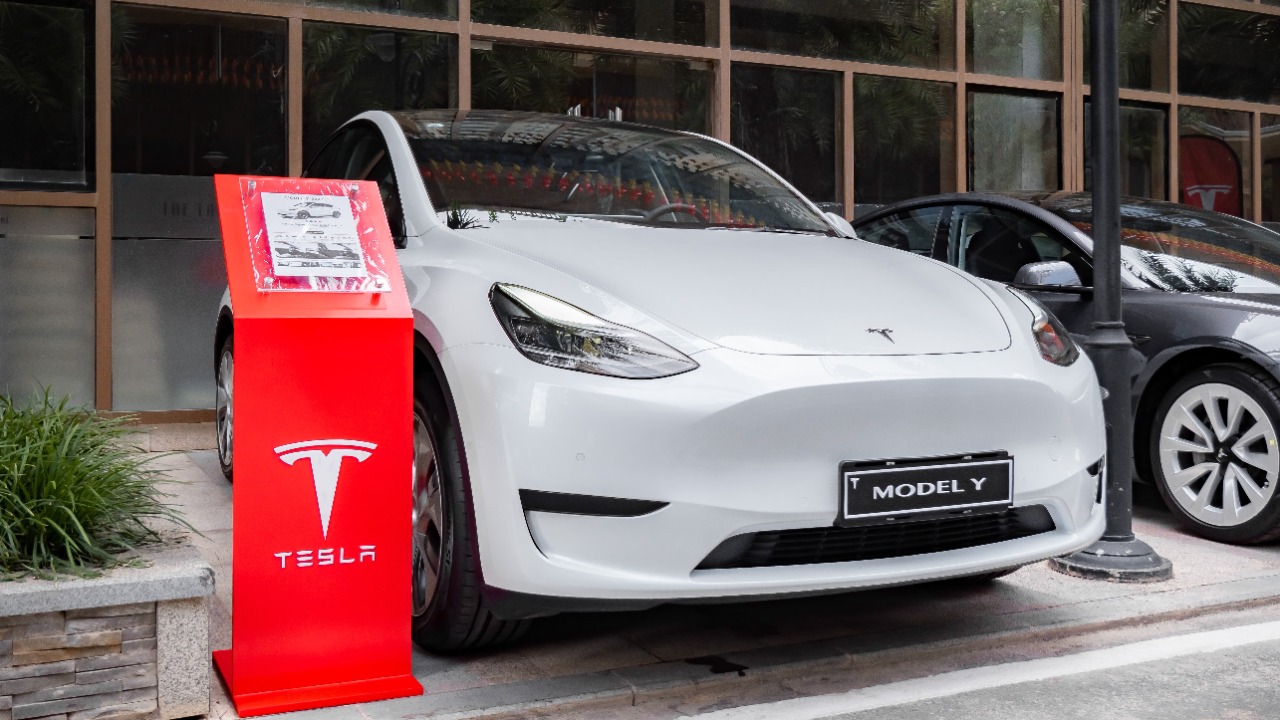
Swept into the same 26V507 action as the Model 3, the Model Y carries low beams that may exceed FMVSS 108’s maximum light output. The NHTSA campaign record listed owner letters as anticipated for 2026-10-03, a date that arrived before any fix existed.
Until a remedy is published, nothing about the headlights can be corrected at a service center. Buyers eyeing a used 2020-2023 Model Y can ask whether the VIN falls inside the campaign and whether the repair has since been released.
3. 2024-2026 Tesla Cybertruck: Wheel Studs Can Separate
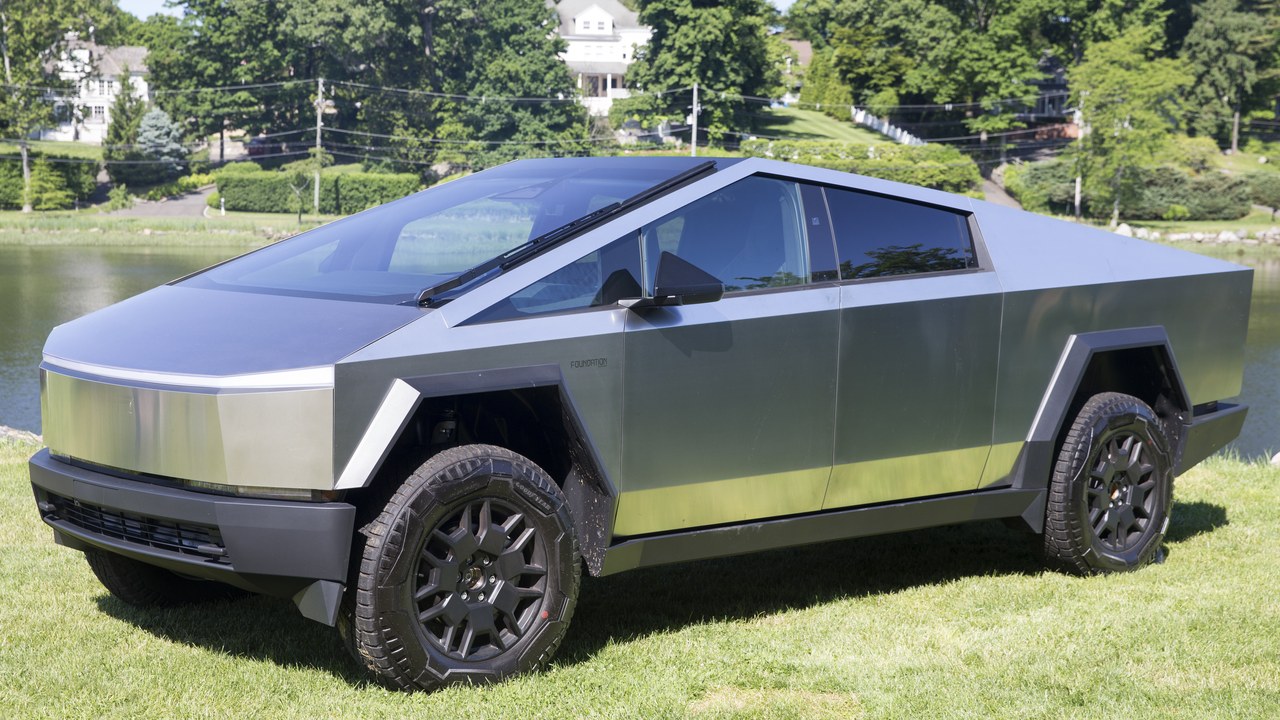
Filed April 22, 2026 as 26V255, the Cybertruck recall listing covers Cybertrucks on 18-inch steel wheels. Wheel stud separation can cause loss of vehicle control, which is why the recall touches the hardware at every corner.
Tesla replaces the front and rear brake rotors, hubs and lug nuts free of charge, so the repair is broader than a simple nut retorque. Owners of the steel-wheel configuration should schedule that work, since the failure mode described is stud separation leading to loss of vehicle control.
4. 2023-2025 Ford Mustang Mach-E: Charging Cycles and Fire Risk
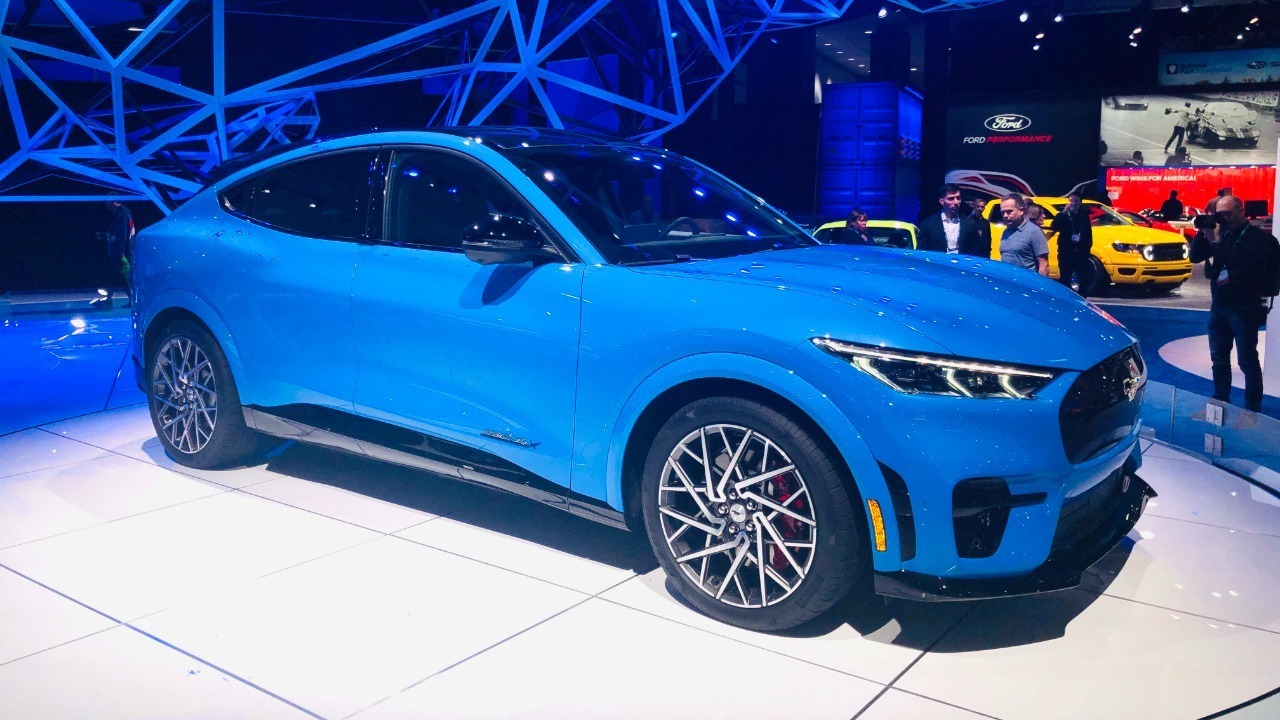
Recall 26V582 concerns battery-control software that may display the wrong state of charge or raise the risk of a high-voltage battery fire after repeated DC fast-charging cycles. The Mach-E recall report counts 86 vehicles per model year across 2023-2025.
A free software update to the battery energy control module is the fix. Because the scope is limited to cars with a replacement module, owners can confirm by VIN whether theirs is among the small group affected.
5. Mercedes-Benz EQB: Battery Failure, No Remedy Yet
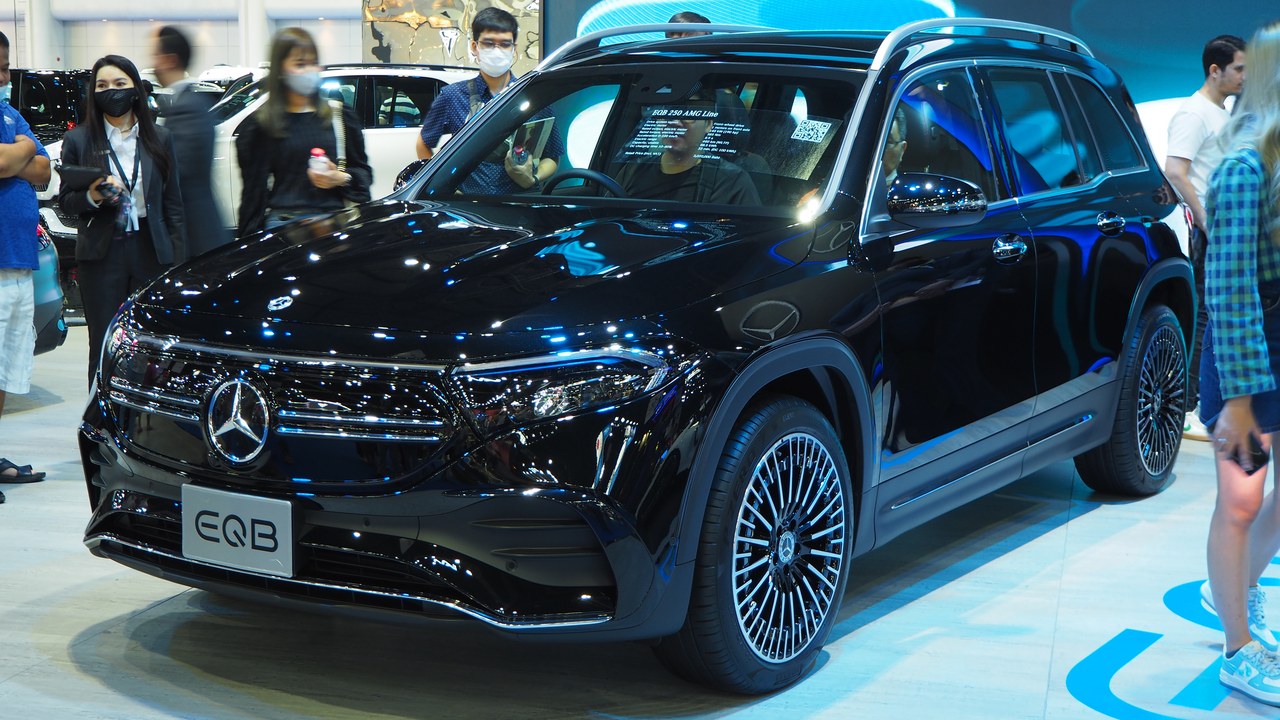
Campaign 26V073 describes an internal failure in the high-voltage battery of the EQB, with a fire risk attached. NHTSA’s live recall lookup showed no remedy available at the time it was checked.
Owners are left without a scheduled repair, so the practical step is to keep the dealer’s contact details current and wait for the remedy notice. Shoppers considering a used EQB can confirm the VIN’s recall status before signing, because an open fire-risk campaign with no fix is a real negotiating point.
6. 2026 Nissan Leaf: A New Car Already Recalled
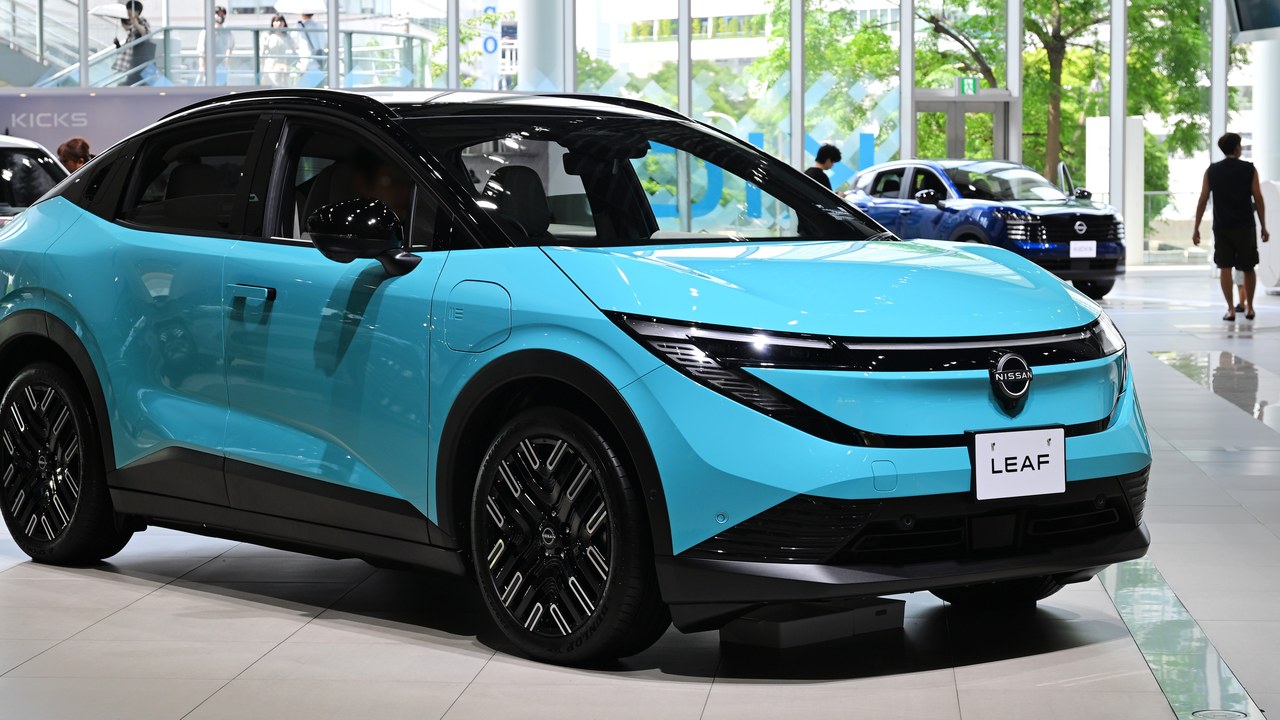
A first-year redesign rarely expects a recall notice, yet the Leaf drew 26V188 over damaged battery cell cathodes. The NHTSA recall report covers just 51 cars.
That small count keeps the exposure narrow, but the cause sits inside the battery cells, the component that defines an electric car. Anyone who bought one of the earliest 2026 Leafs can check the VIN to see whether it is among the 51, and ask the dealer what the repair involves.
7. Rivian R1S: Alert Covers the Camera
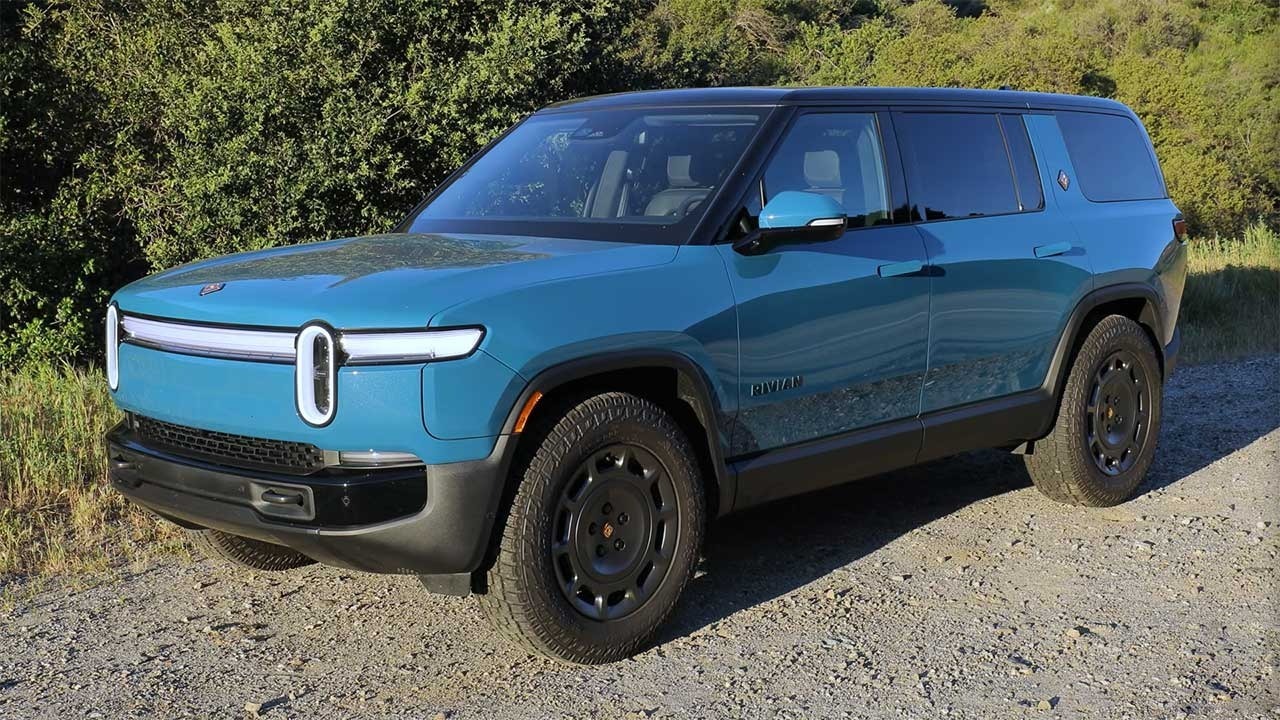
Rivian’s recall spans 98,828 vehicles, and 62,259 of them are R1S SUVs. Autoevolution’s recall coverage traces the issue to a stability-control notification that can cover the backup camera image.
An over-the-air update began rolling out September 16, 2026, so many owners may need no shop visit at all. Until the software lands, a notification can still sit over the rear-view image while reversing, which makes checking the vehicle’s update status a worthwhile habit.
8. Kia EV6: Misaligned Electrodes Inside
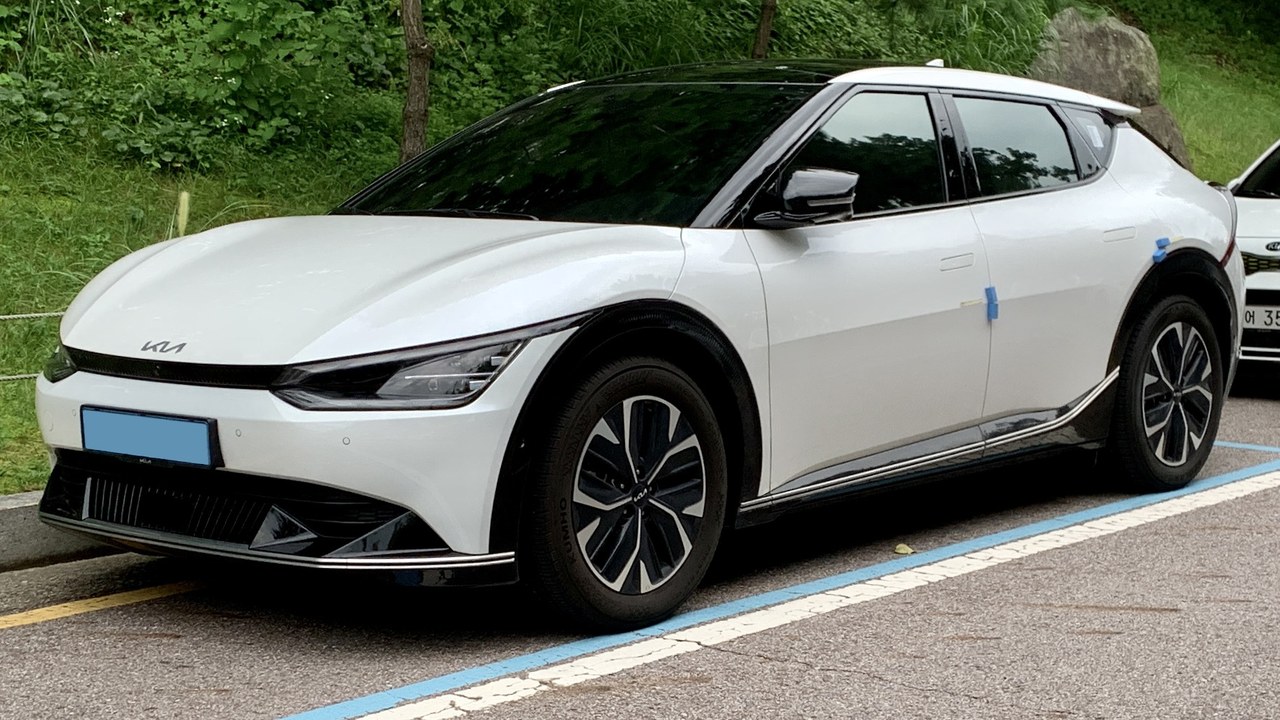
NHTSA campaign 26V431, dated July 2026, targets misaligned battery cell electrodes in the EV6. The vehicle recall listing says the defect ‘can lead to a fire while parked or driving.’
A defect that can lead to a fire while the car is parked raises the stakes for garage and driveway charging habits. Owners can run the VIN through NHTSA’s lookup to see whether a given EV6 is covered, then follow the dealer’s guidance on scheduling the repair.
9. Hyundai Ioniq 5: Bus Bar Short Circuit
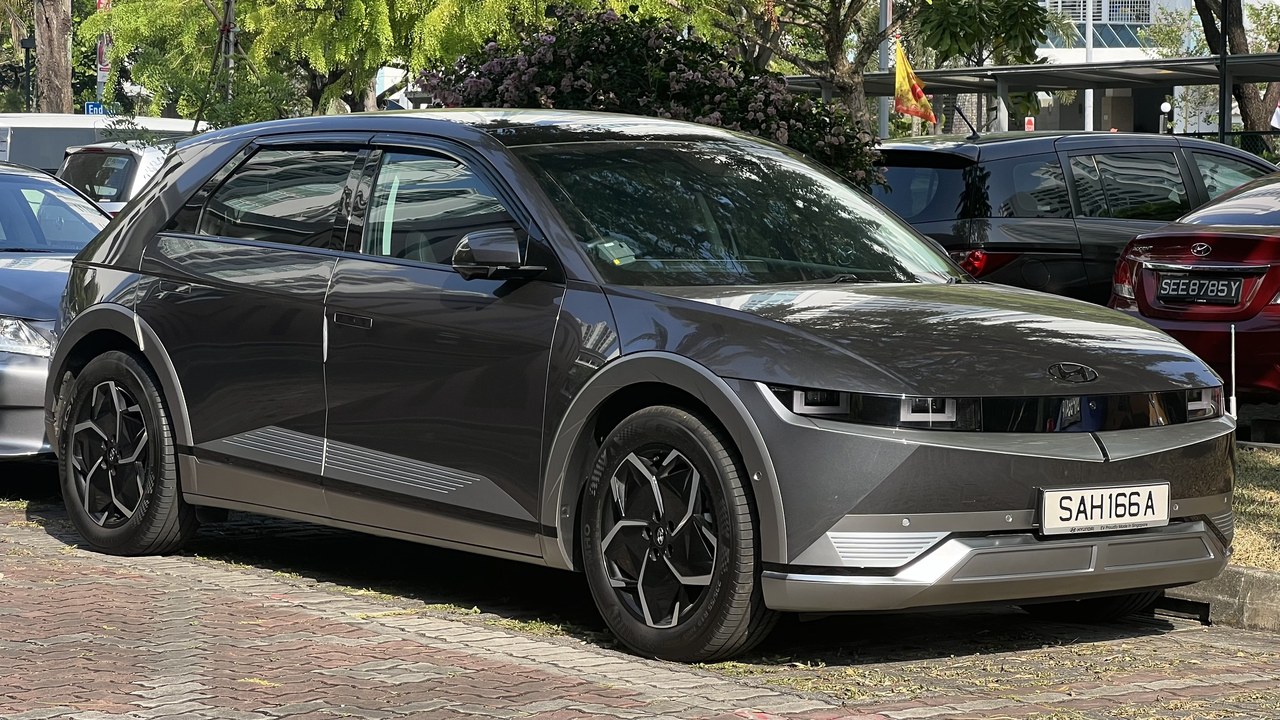
February 2026 brought campaign 26V068, which expanded Hyundai’s bus-bar recall to the Ioniq 5. An improperly tightened bus bar can cause a short circuit, according to the Ioniq 5 recall listing.
The remedy includes bolt tightening and potential battery assembly replacement, so repair time may differ from car to car. Owners of Ioniq 5s covered by earlier bus-bar actions can verify by VIN whether the February expansion now reaches theirs, rather than assuming the older notice settled it.
10. 2026 Hyundai Ioniq 9: Seats That Miss a Passenger
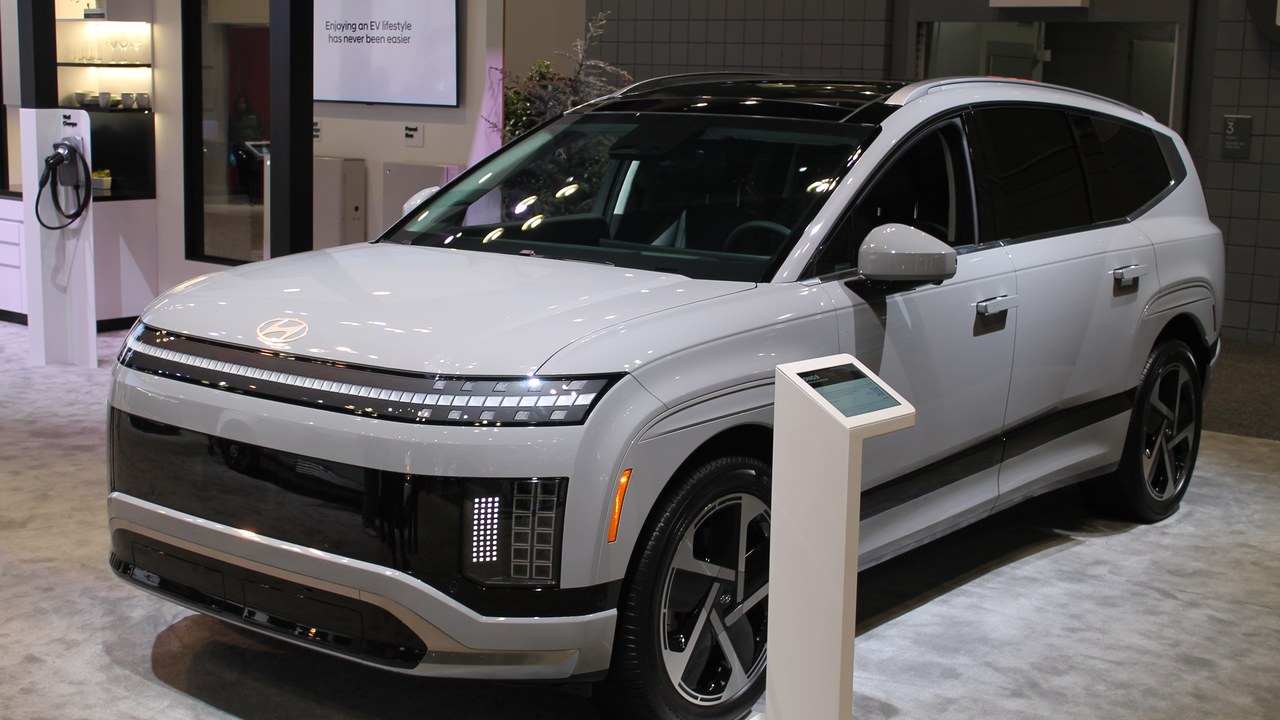
Recall 26V588 covers 5,360 Ioniq 9 SUVs whose second-row power seats ‘may fail to detect a person.’ The NHTSA campaign notice tells owners to avoid the power seat functions until the repair is done.
Families who carry children in the second row are the obvious concern, since a moving seat that misses a passenger can cause injury. Until the repair is done, avoiding the power seat functions is the interim step owners are told to take, and the seats can simply stay put.
11. Chevrolet Equinox EV: A Manual That Never Downloaded
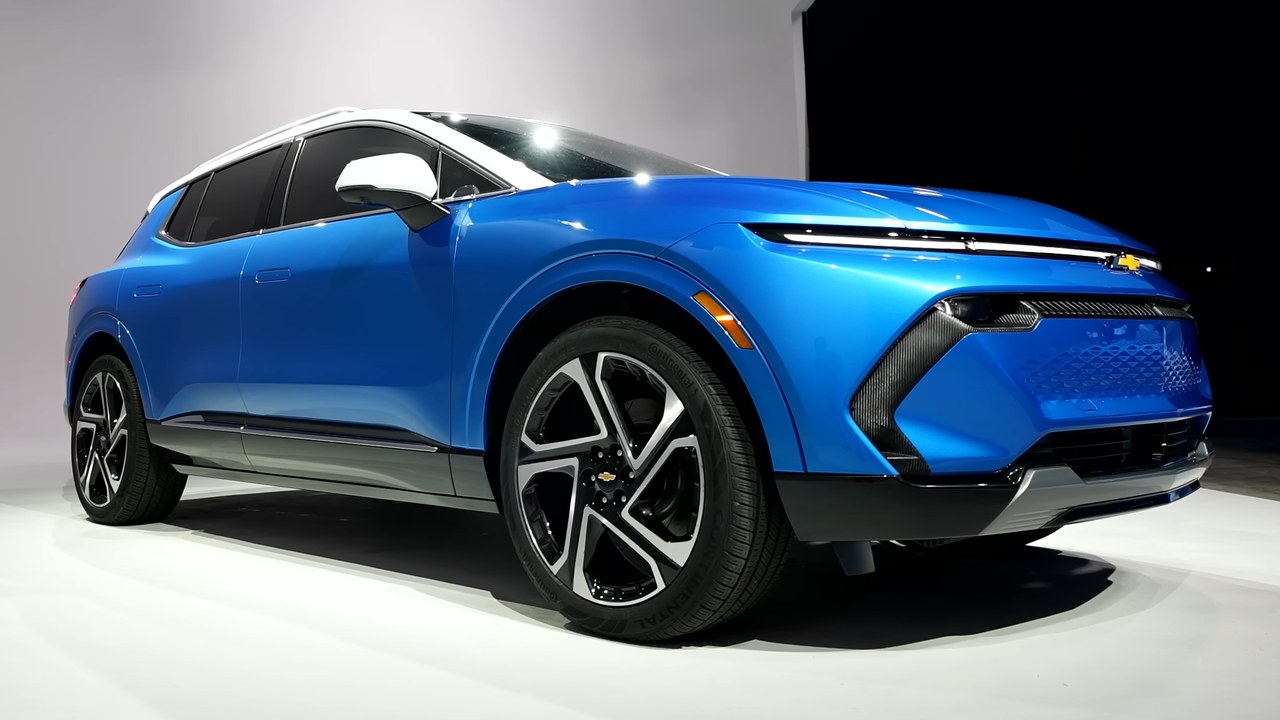
Filed February 26, 2026 as 26V114, the Equinox EV recall entry concerns production: the radio may not have been set to download the electronic owner’s manual. That omission is a violation of FMVSS 208.
No battery or braking fault is involved, so the exposure here is regulatory more than mechanical. Owners mainly need a dealer to confirm the radio configuration, so the digital manual is available in the vehicle as required, and the recall can be closed out in one visit.
More from Morning Overview
- Invisible volcanic gas at a California ski resort has killed three ski patrollers
- Verizon just moved to cut landline phone service in 9 states within weeks
- Tropical Storm Rachel is dumping up to 12 inches on four Mexican states on its way to major hurricane strength
- The NSA is again telling phone owners to switch off one location setting
