
Cargo volume is where electric SUVs quietly differ the most, and the gap between first and last place is wider than the badges suggest. The figures below measure the space behind the rear seats, which is the number that decides whether a bike, a stroller or a week of luggage fits. Here are eleven electric SUVs, ranked from most gear room to least.
1. Cadillac Escalade IQL: Room for a Moving Day
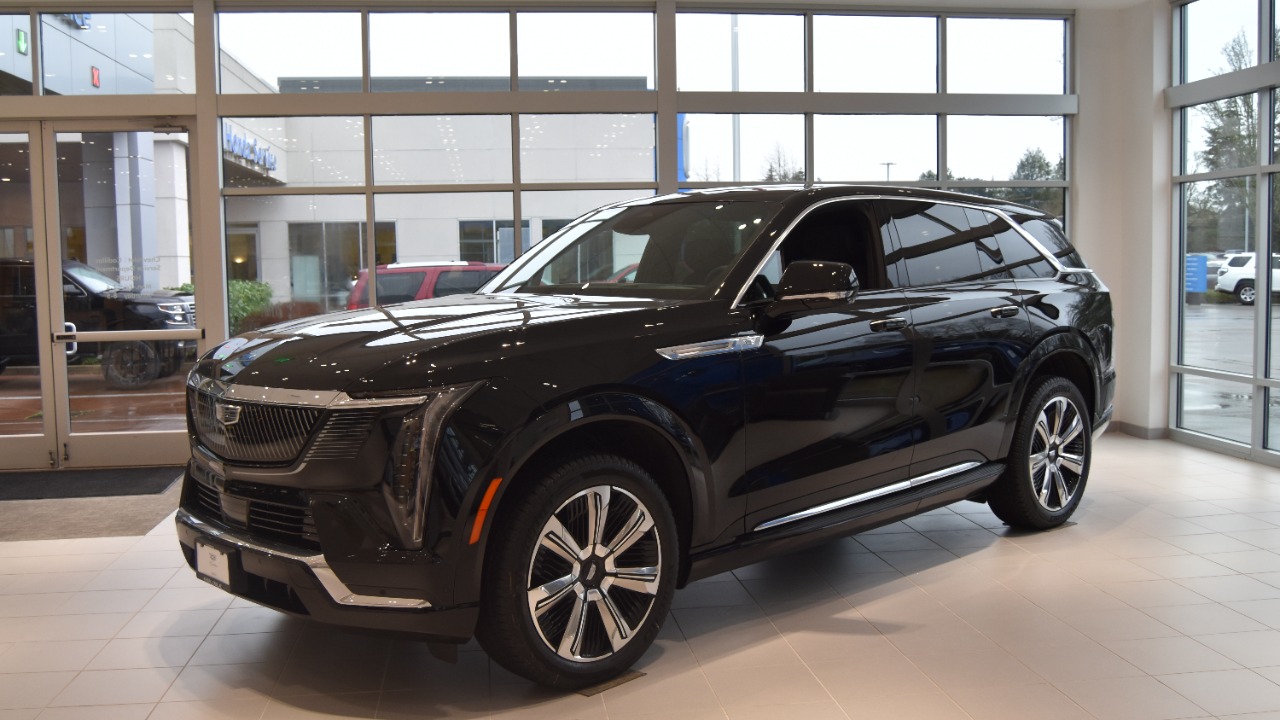
Topping the ranking, the Escalade IQL offers 125.2 cubic feet, the most of any electric SUV measured. That is a bigger figure than any rival in this group manages, and the lead over second place is a wide one.
For a household that hauls sports gear, camping kit or furniture, this is the clear pick for sheer volume. The caveat is that a full-size body comes with it, so tight parking spots and city garages become the trade. Cargo volume is only one part of the picture, but it is the part that shows up every time the hatch opens.
2. Lucid Gravity: The Newcomer Takes Silver
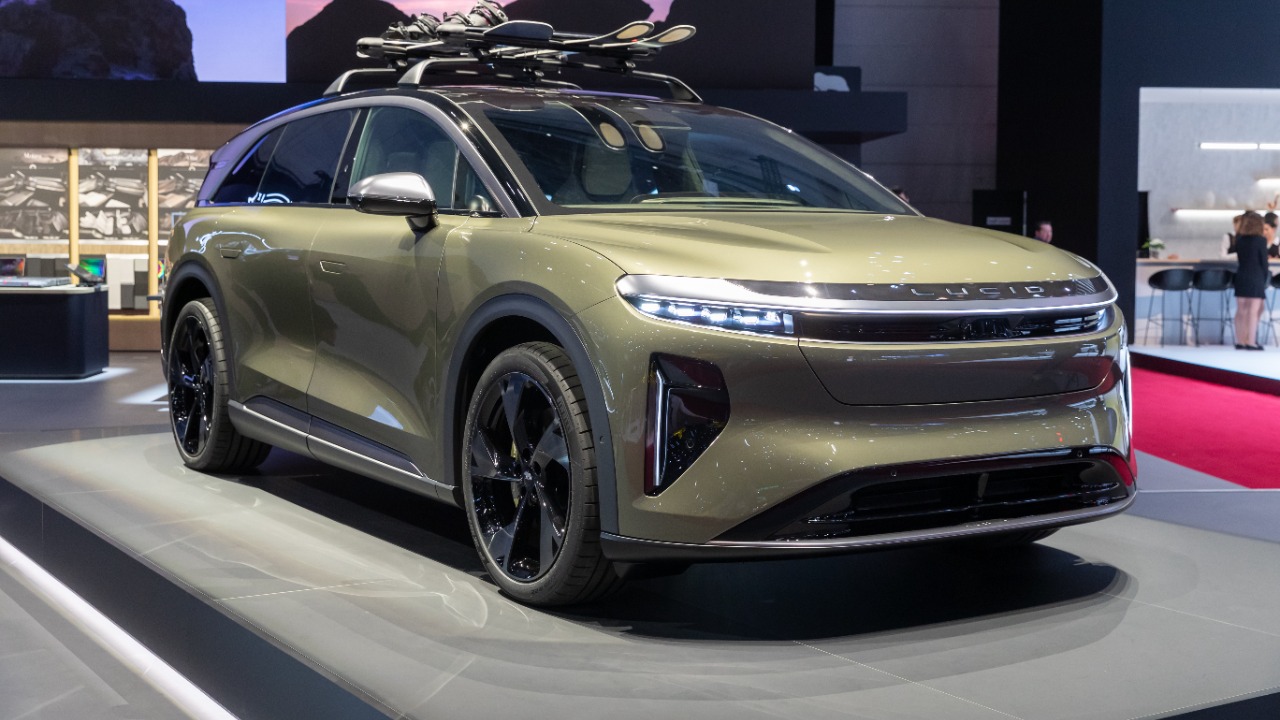
Lucid Gravity posts 111.9 cubic feet in Lucid’s first SUV, which lands it second overall. For a brand new to the segment, that is an impressive opening result against established names.
Families weighing a luxury electric SUV should note how much usable volume the Gravity offers. The number is a measured maximum, so everyday loading with passengers aboard will leave less open floor than the headline figure implies. Luxury buyers often assume capacity follows price, and this result shows that a newer brand can compete with the biggest names.
3. Tesla Model X: Seats Down, Gear In
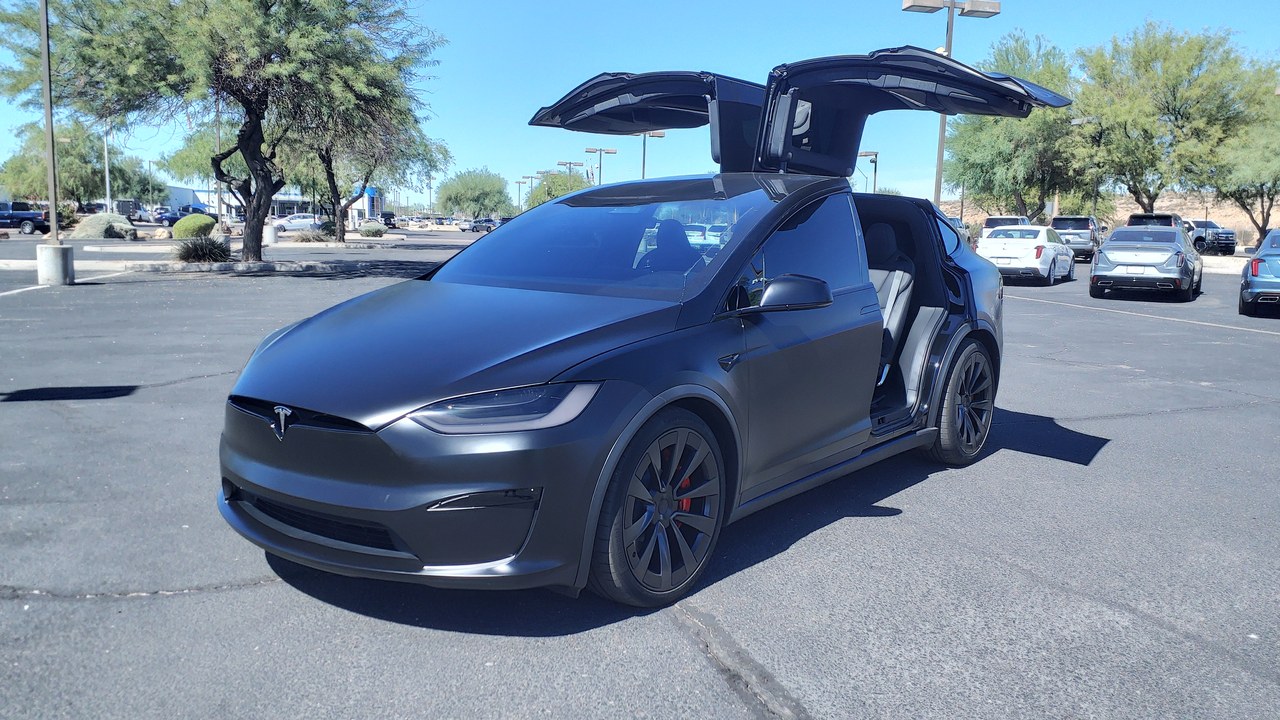
The Model X reaches 94.5 cubic feet folded, good for third place. That qualifier matters, because the figure describes the folded layout rather than the space behind upright seats.
Buyers who rarely carry passengers in the rear rows will get the most from that volume. Anyone who needs every seat filled should expect noticeably less room than the headline total suggests. A figure like this is worth testing against real luggage, since odd shapes rarely fill a cargo area as neatly as a measurement does.
4. Rivian R1S: A Trail Rig With Space
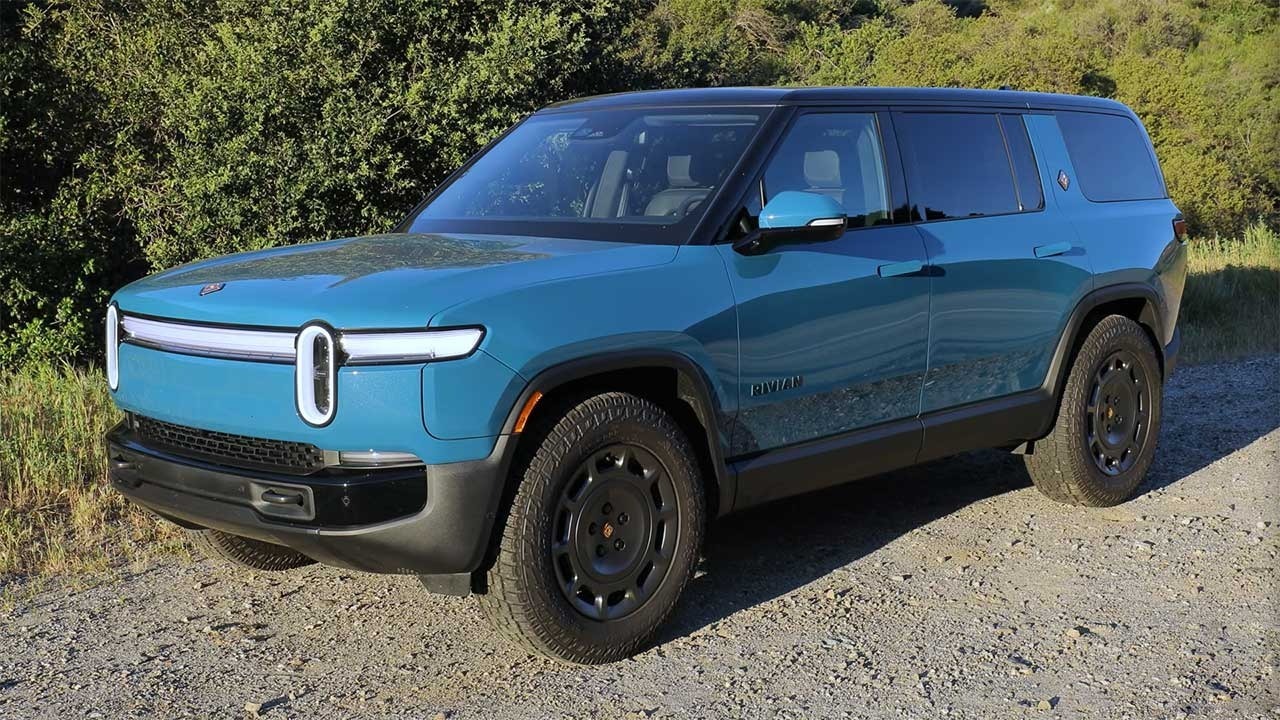
Rivian’s R1S provides 90.7 cubic feet, placing it fourth in the ranking. It sits just below the Model X, so the two trade places depending on how the seats are arranged.
That is ample room for a family adventure vehicle that also needs to swallow camping equipment. Shoppers cross-shopping the two should compare the folded layouts in person before treating a few cubic feet as decisive. Comparing it with the Model X on a showroom floor is the quickest way to see whether the difference matters in practice.
5. Hyundai Ioniq 9: Three Rows, Big Hold
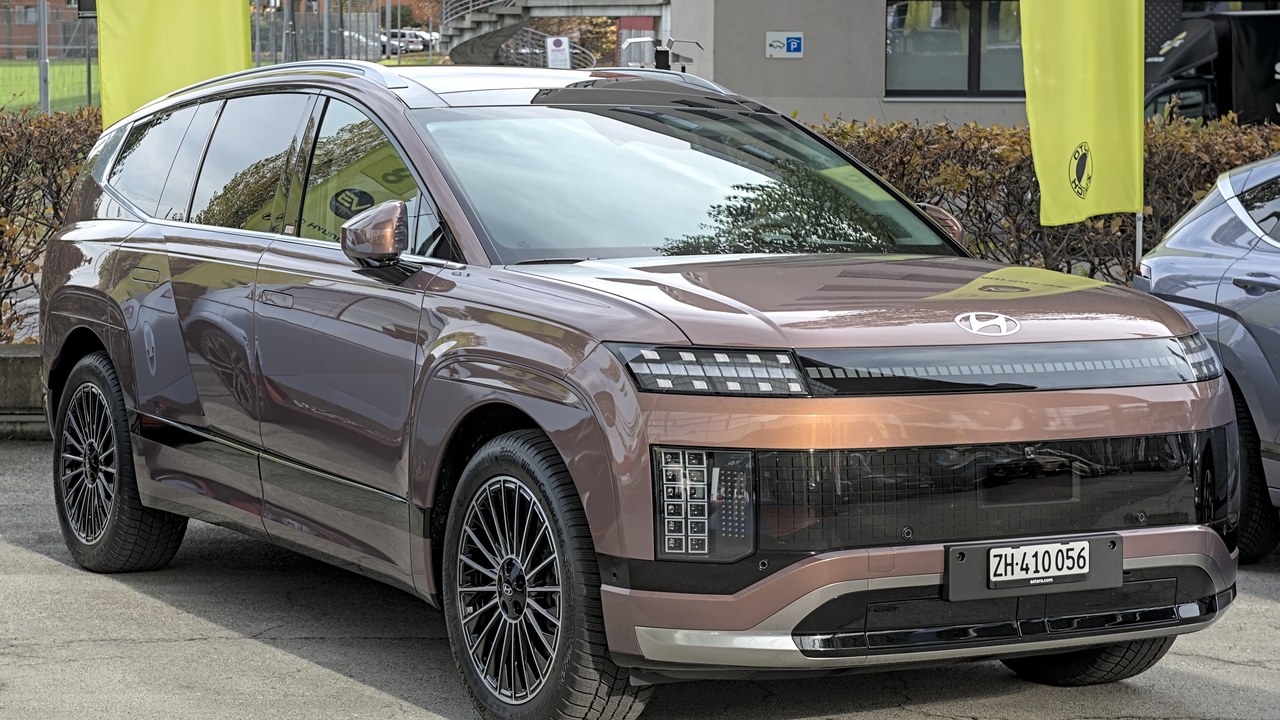
Hyundai’s three-row EV, the Ioniq 9, measures 86.9 cubic feet in the ranking. That puts it fifth, comfortably ahead of the Hummer and the EV9.
Large households that want seating for several people and still need real luggage space will find this appealing. As with any maximum figure, the capacity depends on folding the rear rows flat. Fifth place still means a large cargo area by any standard, and the margin over the next vehicles down is easy to see.
6. GMC Hummer EV: Big Truck, Modest Hold
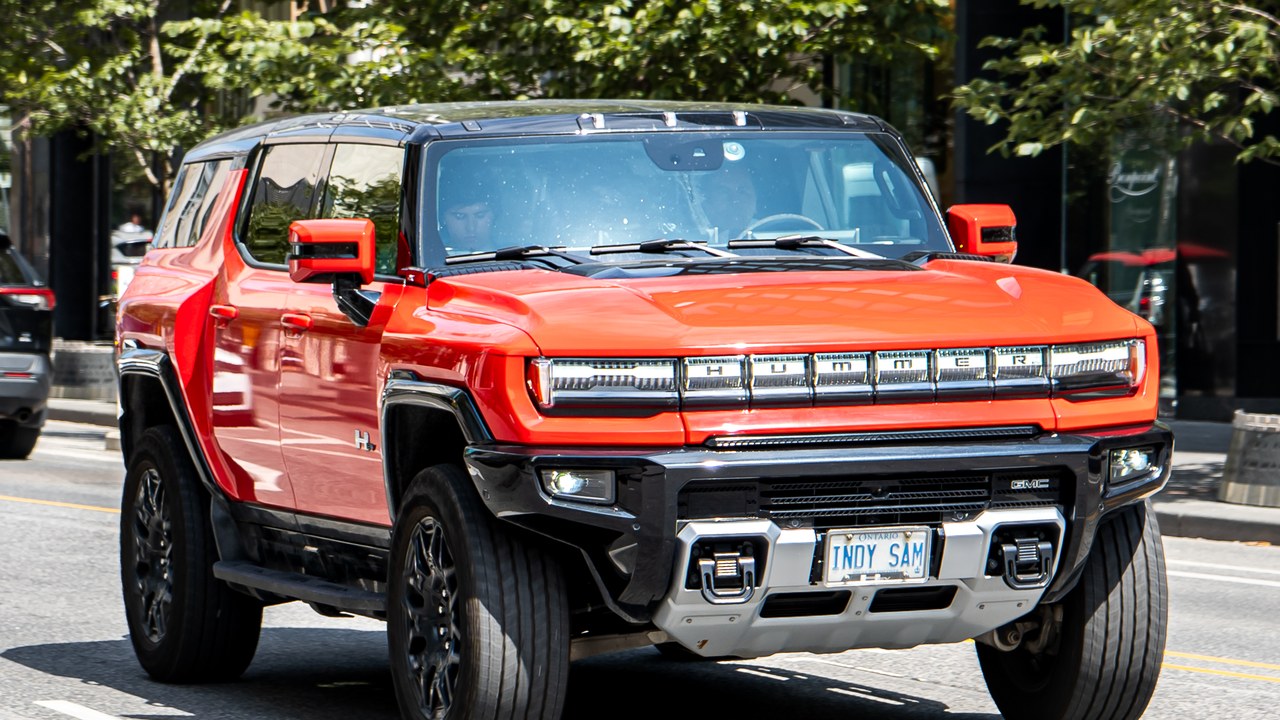
The Hummer EV offers 81.8 cubic feet, enough for sixth place. Given the vehicle’s enormous footprint, that figure is more modest than its size might lead anyone to expect.
Owners should treat the Hummer as a capable machine first and a cargo hauler second. Several less imposing rivals on this list match or beat its volume, which makes it an odd choice for gear alone. In practical terms, the placement shows that size alone does not guarantee the most usable room for gear.
7. Kia EV9: A Near Tie With the Hummer
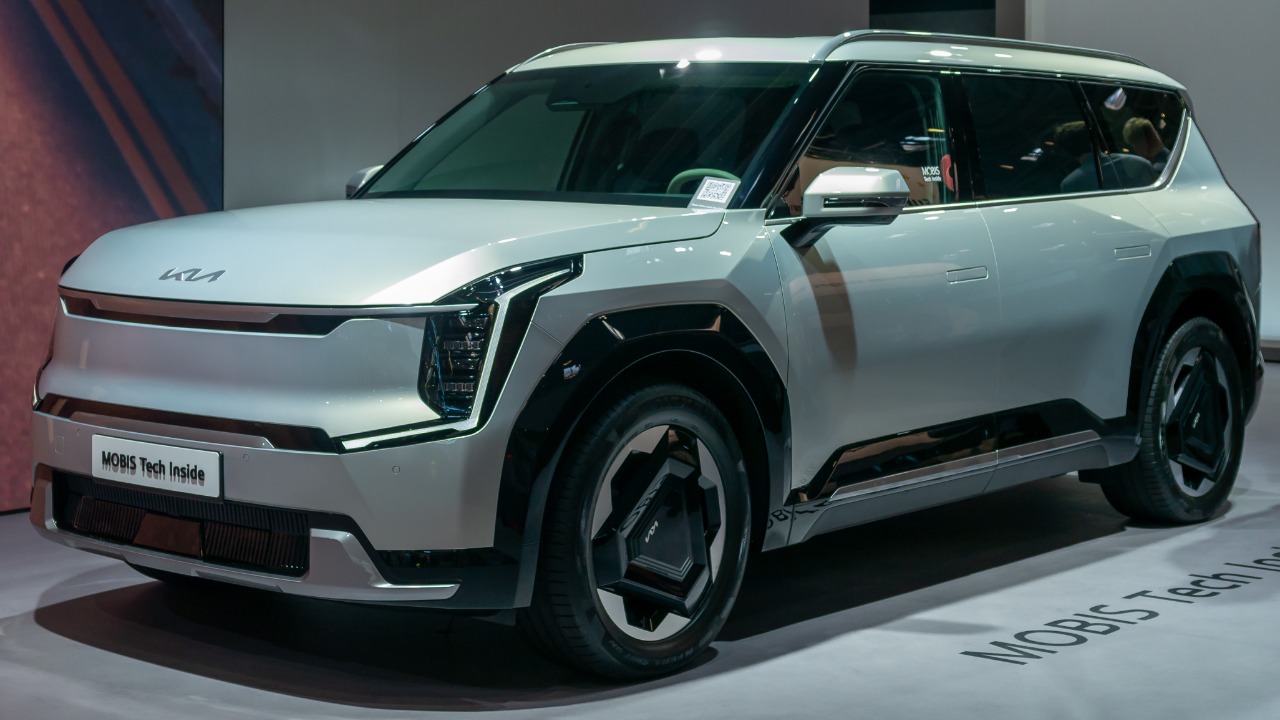
Kia’s EV9 comes in at 81.7 cubic feet of storage, within a cubic foot of the Hummer. Two vehicles with very different personalities end up virtually level on this measure.
The EV9 delivers that capacity in a far more conventional family package. Shoppers who value space over spectacle can treat the near tie as a reason to look at the Kia first. That makes it a useful reference point for anyone comparing three-row electric models, since the two sit so close together.
8. Cadillac Vistiq: Midsize and Practical
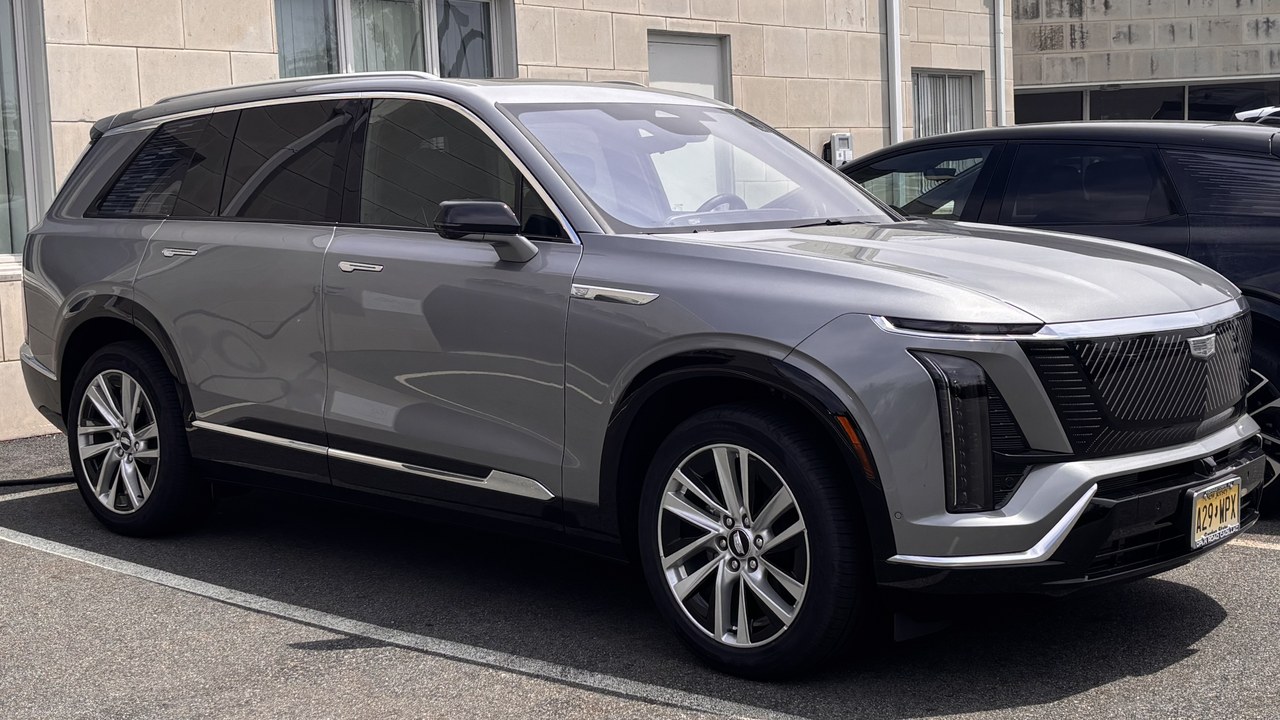
Cadillac’s midsize Vistiq measures 80.2 cubic feet, a strong result for its size class. It finishes just behind the EV9 and the Hummer.
For buyers who find the Escalade IQL too large, the Vistiq is a smaller route to the same brand. Its figure is respectable rather than class-leading, so it suits weekend loads better than a full house move. It remains a competitive figure in the midsize class, and the Cadillac name adds a premium option to the shopping list.
9. BMW iX: Luxury With a Fair Load
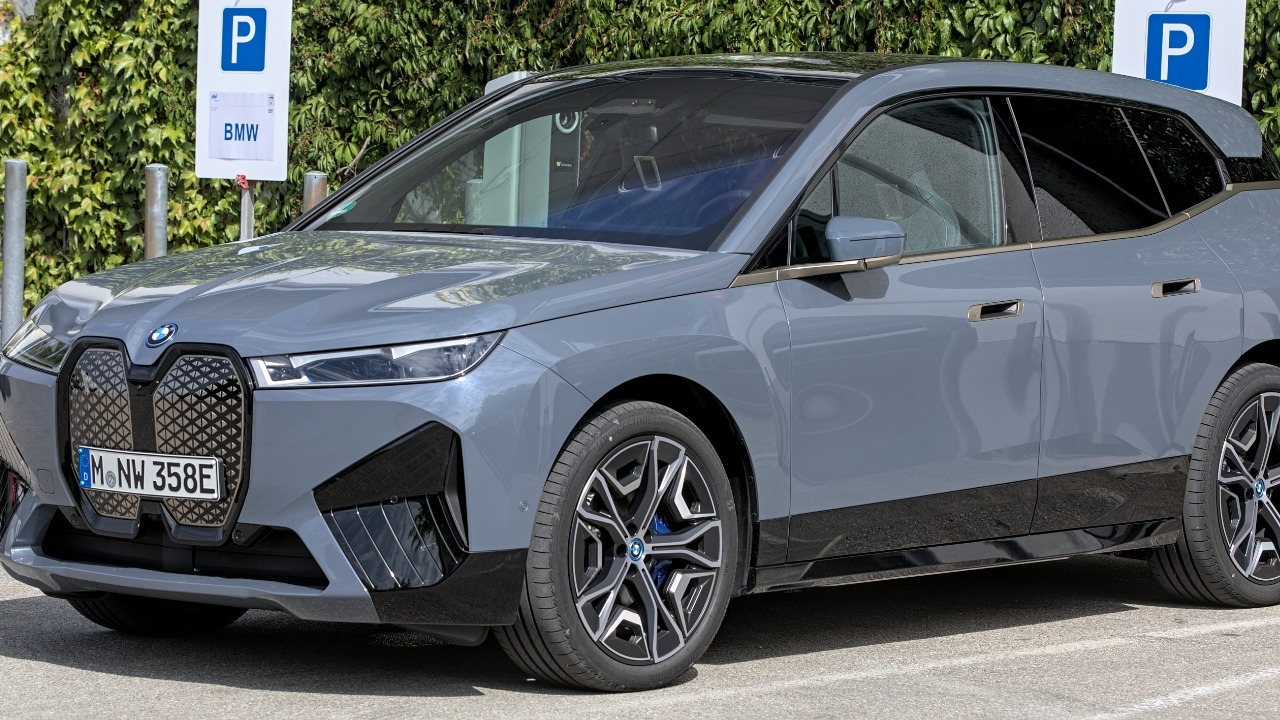
The iX registers 77.9 cubic feet of space, ranking ninth among these SUVs. It trails the Cadillac and Kia options but still offers a useful amount of room for an upscale electric model.
Anyone choosing the BMW is likely prioritizing comfort and technology over raw volume. The space is plenty for typical trips, though bulkier gear may push shoppers toward the larger names ranked above. Folding down the rear seats is the step that unlocks the full number, so day-to-day loads with passengers will be smaller.
10. Tesla Model Y: America’s Best Seller Fits Plenty
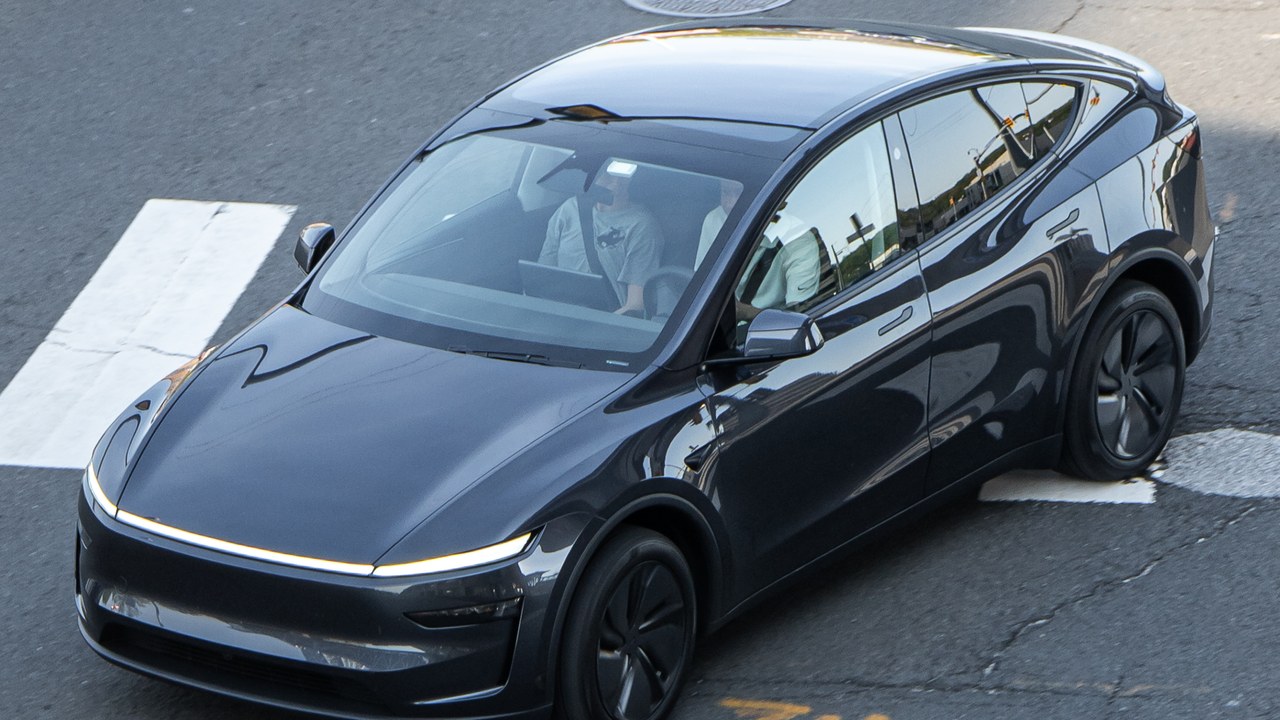
Tesla’s Model Y, the best-selling EV in America, holds 75.5 cubic feet. That sits near the bottom of this ranking, but the list covers some of the largest electric SUVs available.
Given its smaller footprint and wide appeal, the Model Y remains a sensible choice for most households. Those who regularly haul oversized loads will find the larger vehicles above easier to live with. Rankings like this one reward raw volume, which is only one way to judge a family vehicle, and the Model Y excels in other areas.
11. Volvo EX90: A Whisker Behind the Model Y
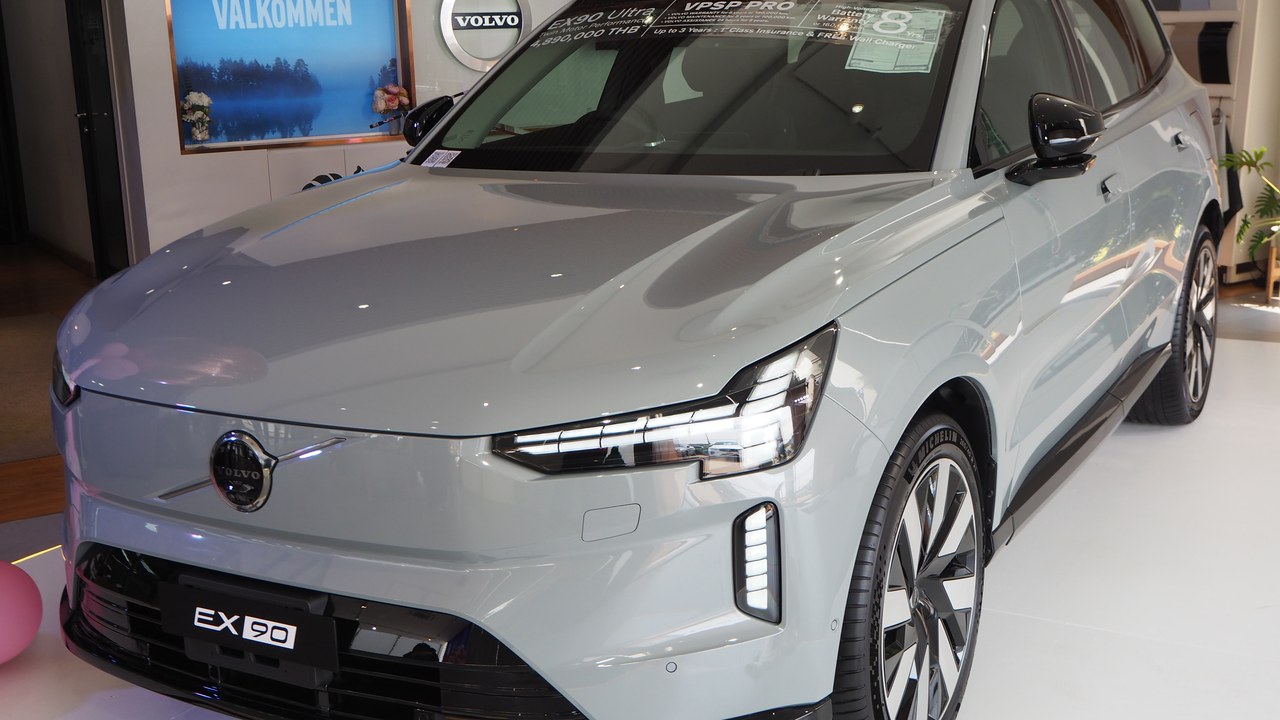
Volvo’s EX90 finishes the ranking with 75.4 cubic feet of storage, just behind the Model Y. A tenth of a cubic foot separates the two, which is not a difference anyone would notice.
Shoppers drawn to the EX90 for its safety reputation and seven-seat layout need not worry about cargo. It simply closes out a list whose lower ranks are packed tightly together. It is a small reminder that space ranks are decided by fine margins, so test-loading the vehicle matters more than the decimal.
More from Morning Overview
- Amazon’s Prime refunds are rising to $200 as millions more customers become eligible
- A handful of car engines are so tough mechanics say they almost never wear out
- The NSA is again telling phone owners to switch off one location setting
- Supplements now rank as the fifth-leading cause of death from liver disease.
