
Automakers rarely hold a funeral when a nameplate dies, and many of these models simply vanished from order guides. Sedans, hatchbacks, trucks and sports cars all appear among the casualties, with reasons ranging from weak margins to a shift in strategy. Here are eleven vehicles that automakers quietly stopped building.
1. Chevrolet Malibu: Last Call for the Family Sedan
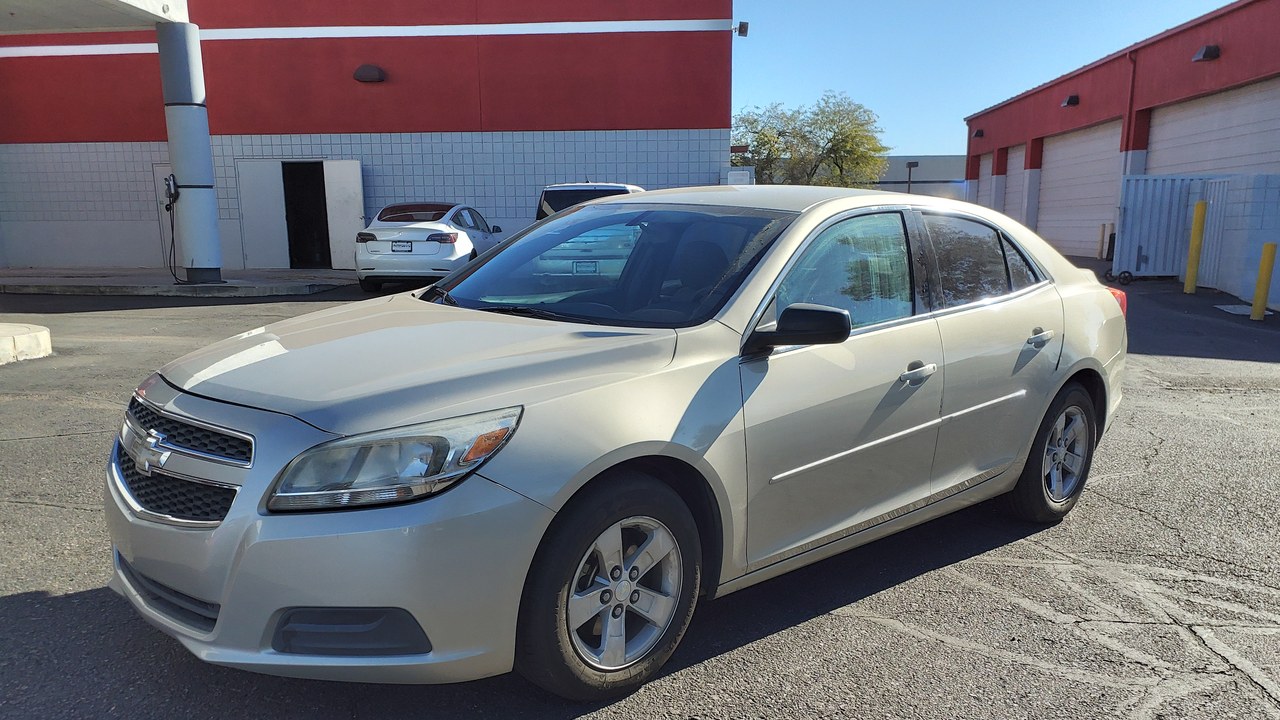
Cars.com lists the Malibu among discontinued nameplates, stating that model-year 2025 is the last for the Chevrolet Malibu. That closes out its run as a mainstream family sedan, a role the nameplate filled for decades in showrooms across the country.
Shoppers wanting a new one should check remaining dealer inventory soon, since supply will only shrink from here. Used examples will keep the name alive on the road, and prospective owners can expect a wide selection of them for years.
2. Kia Soul: Seventeen Years of Boxy Charm
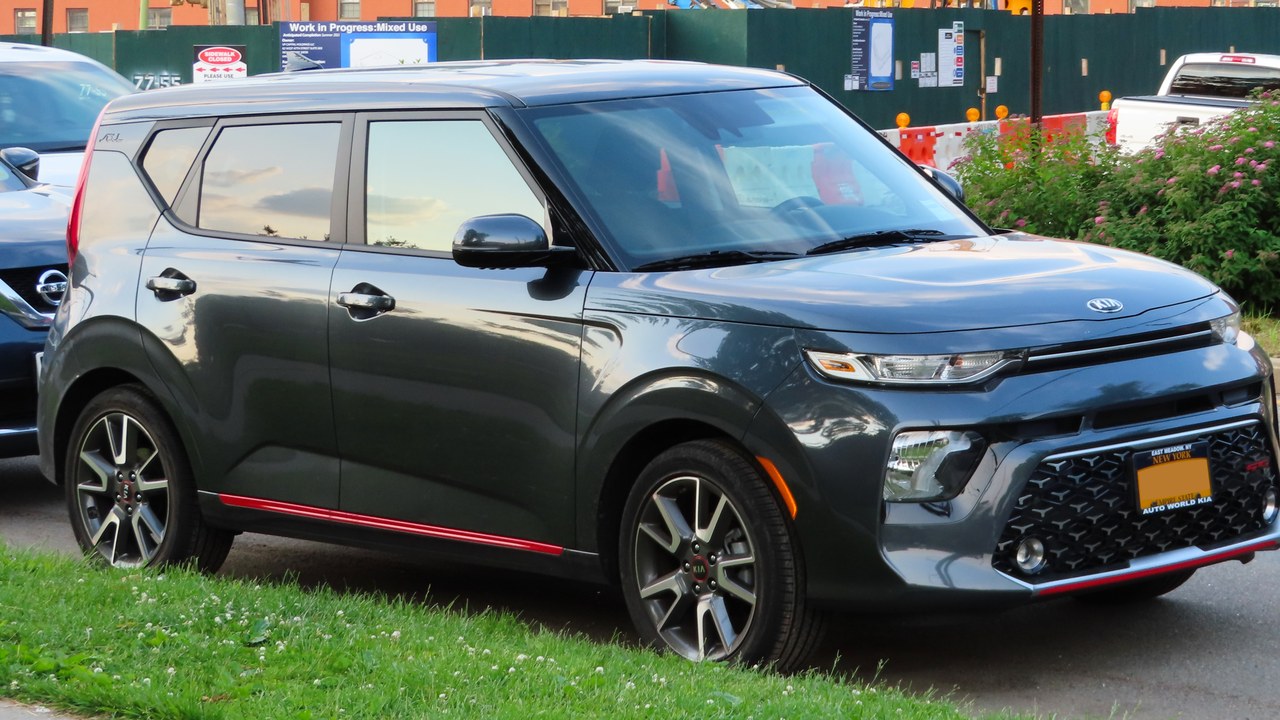
Production of the Kia Soul wraps by the end of October, and Cars.com counts the Soul among retired models after 17 years on sale. The boxy hatchback built a loyal following by looking different from every other small car, so its retirement removes a distinctive voice from the segment.
Buyers hunting for a new one face a closing window as remaining stock sells through. Anyone considering the used market gains a long production history to browse, which makes finding a well-kept example far easier than with newer models.
3. Tesla Model S: Ending the First Mainstream EV
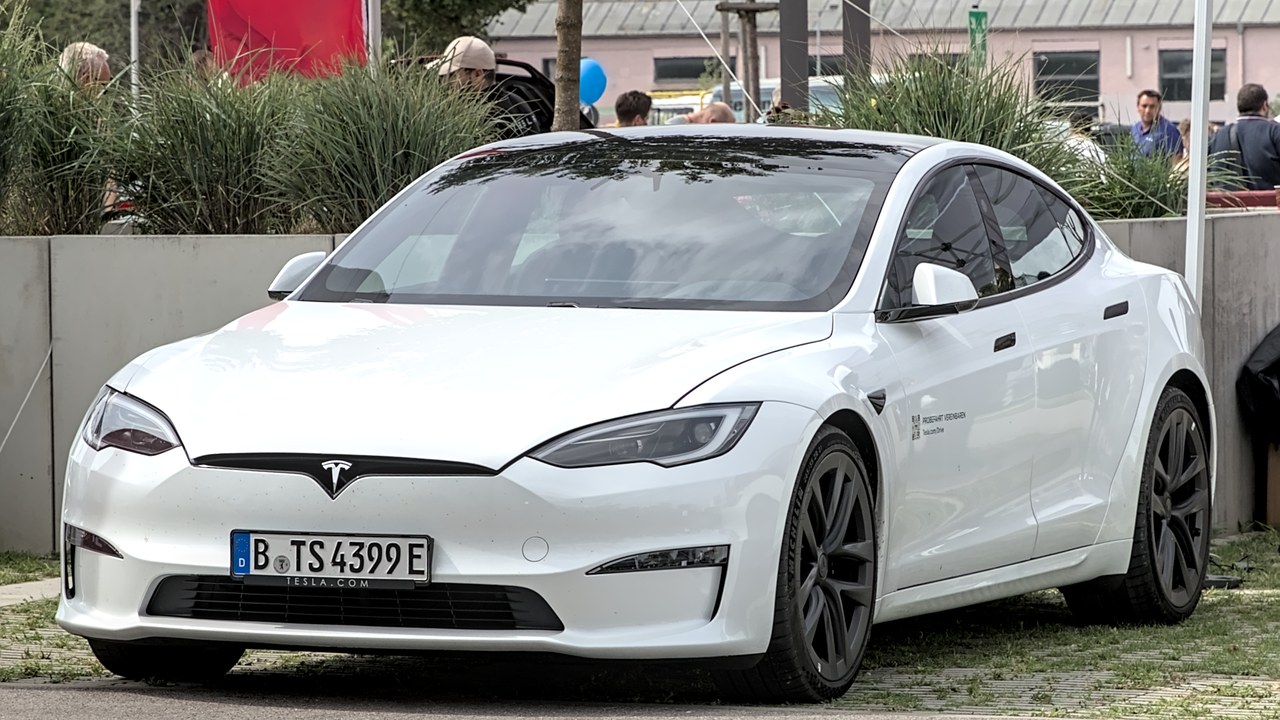
Tesla announced it is ending production of the Model S, its first mainstream EV, and Cars.com reports Tesla’s production decision. The sedan helped prove that an electric car could be desirable rather than merely worthy, which gives its exit symbolic weight beyond sales figures.
Current owners are not stranded, since cars already built continue to need service and support. Prospective buyers face a shrinking supply of new examples, and the used market now becomes the main route into Tesla’s original sedan.
4. Ford F-150 Lightning: Electric Pickup Pulled
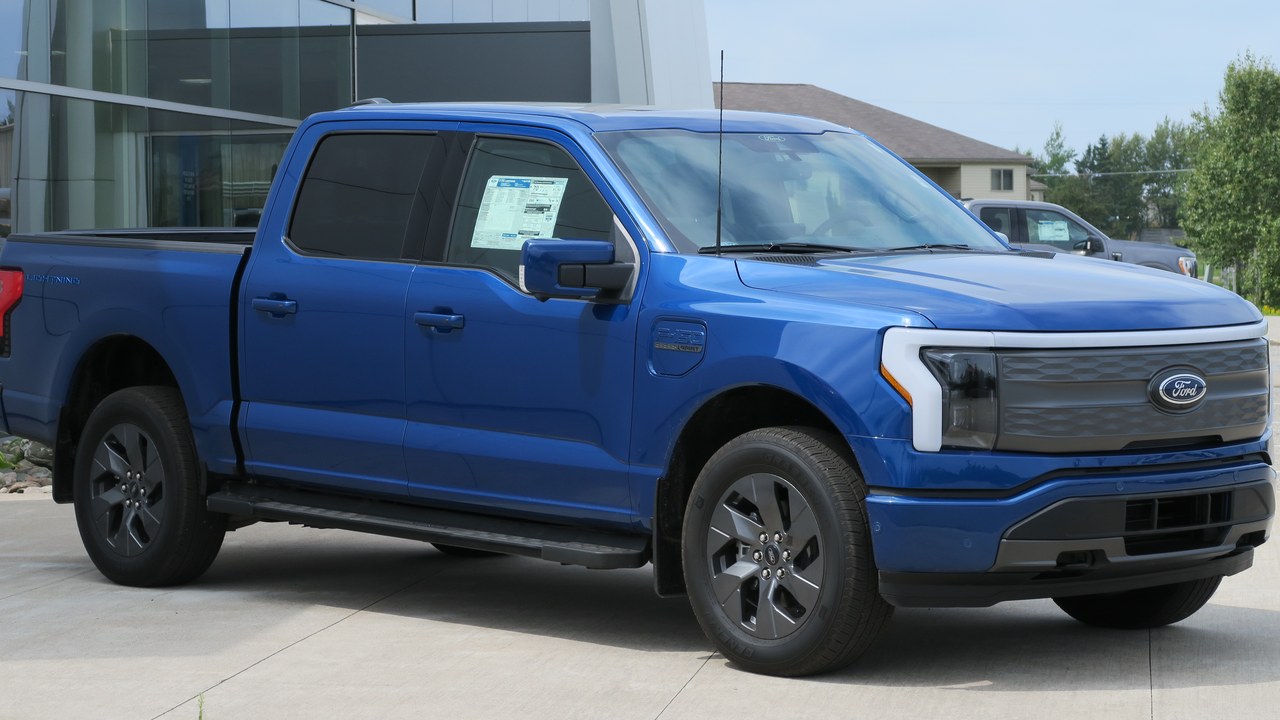
Ford announced it is discontinuing the F-150 Lightning, its all-electric pickup, and Cars.com covers Ford’s pickup announcement. The truck brought battery power to the best-selling nameplate in the pickup market, so its cancellation signals a retreat from a high-profile experiment.
Existing owners keep their trucks, but shoppers interested in an electric F-150 must now look to leftover stock or used listings. Anyone planning a purchase should weigh that limited availability against the appeal of an electric workhorse.
5. Nissan Altima: Restructuring Claims a Sedan
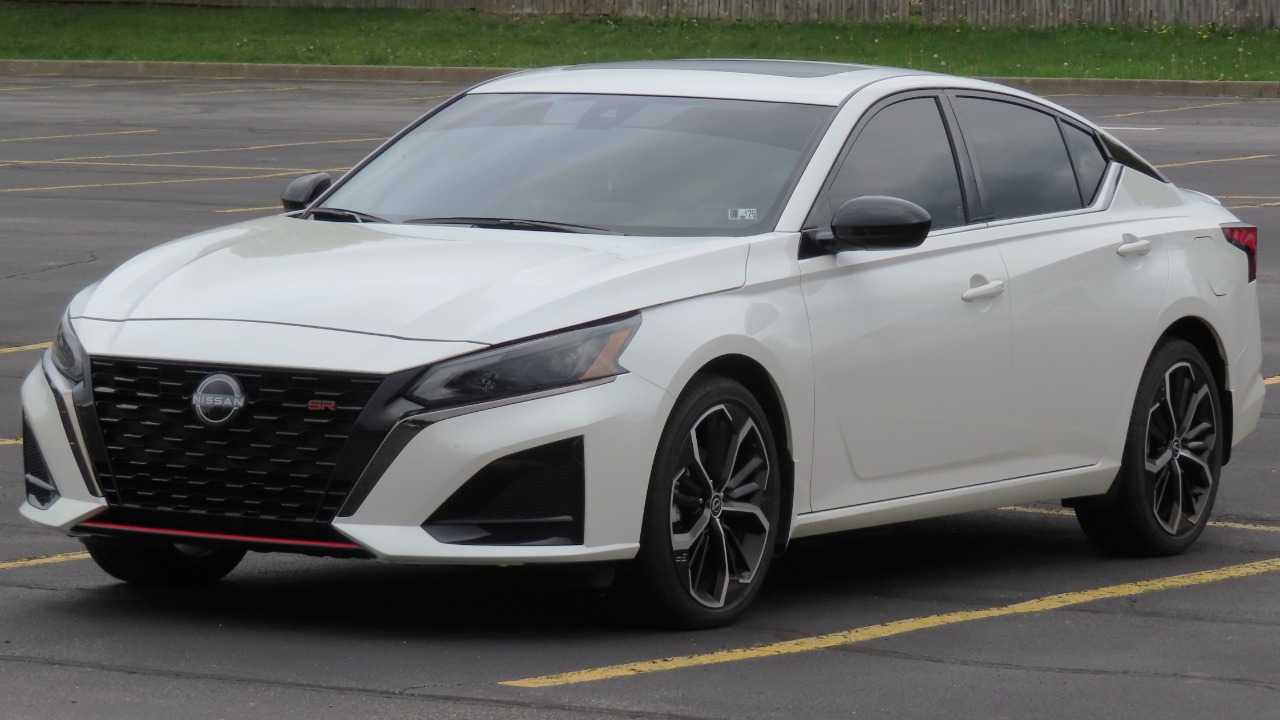
Nissan is restructuring its lineup, and Motor1 reports on the Altima’s fate: the Altima is now the model to be cut. The midsize sedan has long been a pillar of the brand, so its removal shows how far the company is willing to go in reshaping what it sells.
Remaining new inventory deserves a close look for shoppers who want a sedan from the brand at a possible discount. The decision also hints at how many other long-running nameplates could face scrutiny as automakers streamline.
6. Jeep Wagoneer: A Short Run Ends
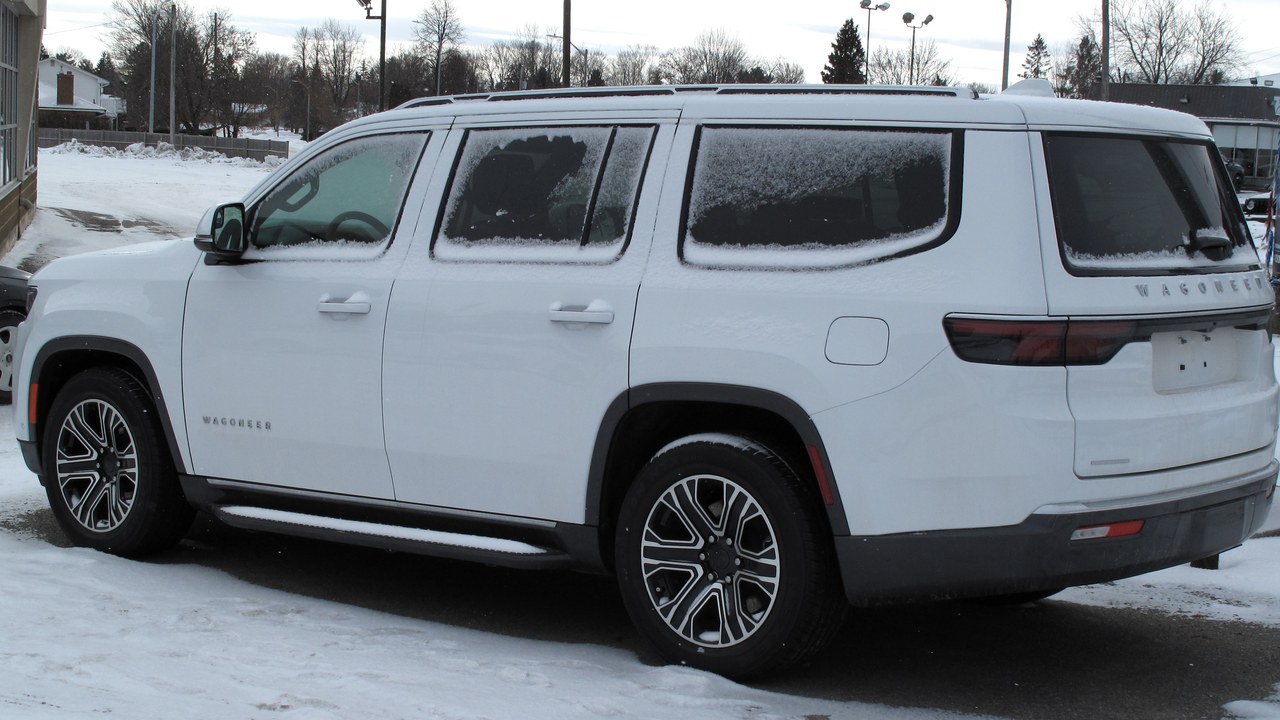
Motor1 notes the Wagoneer’s short tenure, reporting that the Jeep Wagoneer nameplate was dropped after just four model years. That is an unusually brief stay for a name with such heritage, and the quick exit suggests the revived full-size SUV never settled into the lineup.
Anyone considering a Wagoneer should focus on remaining inventory and the used market rather than waiting for a refresh. Because the nameplate had so few model years, the number of available examples is naturally smaller than for older rivals.
7. Acura TLX: A Decade-Long Run Closes
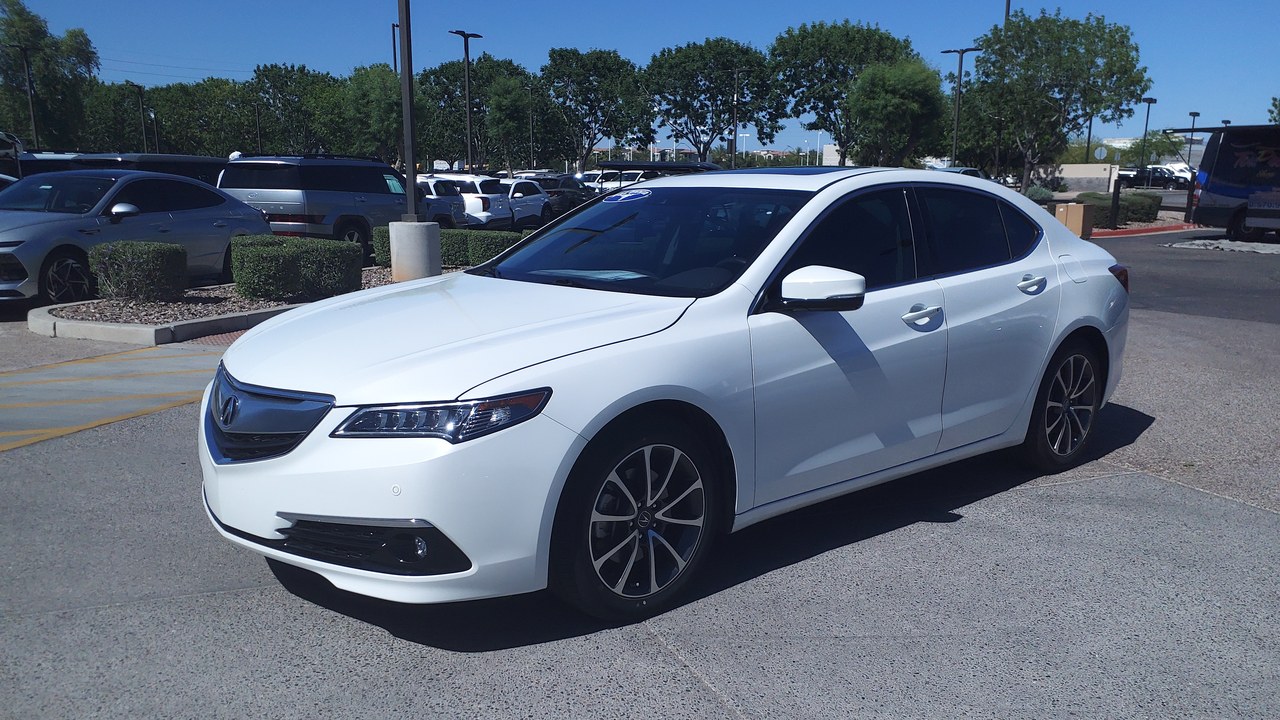
The Acura TLX was discontinued in July after ten years on the market, and Motor1 covers the Acura sedan’s exit as sedan demand faded. The sport sedan carried the brand’s entry-level performance image for a decade, leaving a visible hole beneath its larger models.
Buyers still interested in the TLX will find the best options among leftover new stock and used cars. Its departure also shows that even well-regarded sedans struggle once shoppers shift their attention toward other body styles.
8. Subaru Legacy: The Final Car Rolls Off
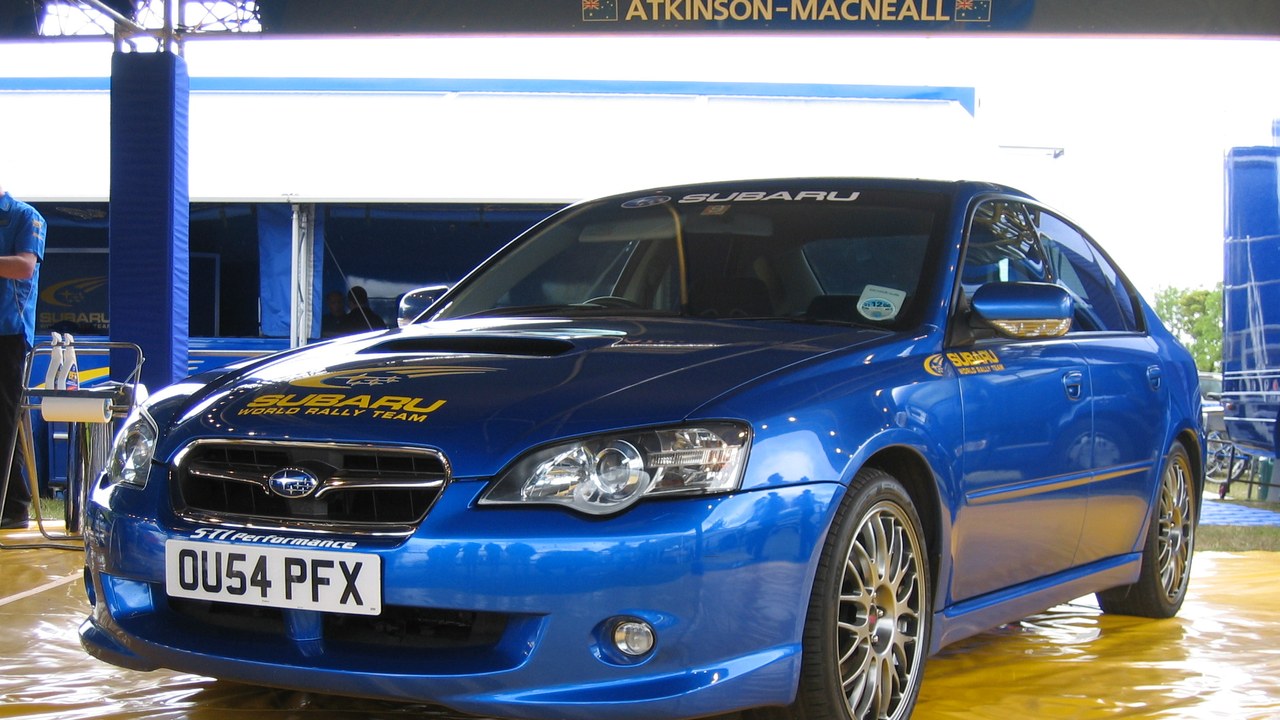
The final Subaru Legacy was built on September 12, 2025, and CarEdge documents the final Legacy build, adding that there is no 2026 model. The midsize sedan ends a long run for a car that blended all-wheel drive with everyday practicality in an increasingly crossover-minded market.
Those seeking a brand-new Legacy have no 2026 model to wait for, so used cars and leftover inventory are the only routes. Owners of existing cars can continue driving them, though the nameplate itself has reached its end.
9. Nissan Versa: Budget Sedan Bows Out
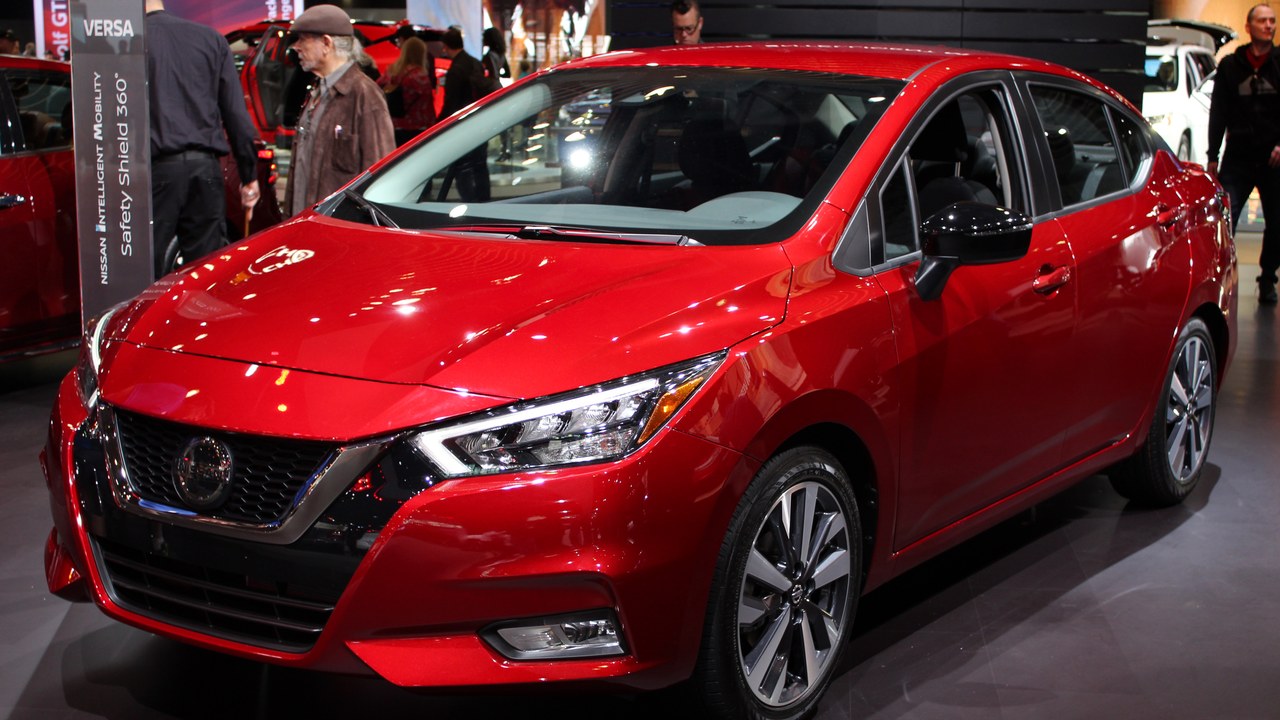
The Nissan Versa was dropped on low profit margins and dwindling demand for budget sedans, and CarEdge explains the Versa’s dismissal. Affordable small cars have become hard to build profitably, so the departure reflects broader economics rather than any single flaw in the car itself.
Shoppers who relied on the Versa for a low sticker price will need to look to used cars or other small models. The exit also shows that the cheapest cars are often the first to disappear when profit pressure mounts.
10. Toyota GR Supra: A Gap in the Nameplate
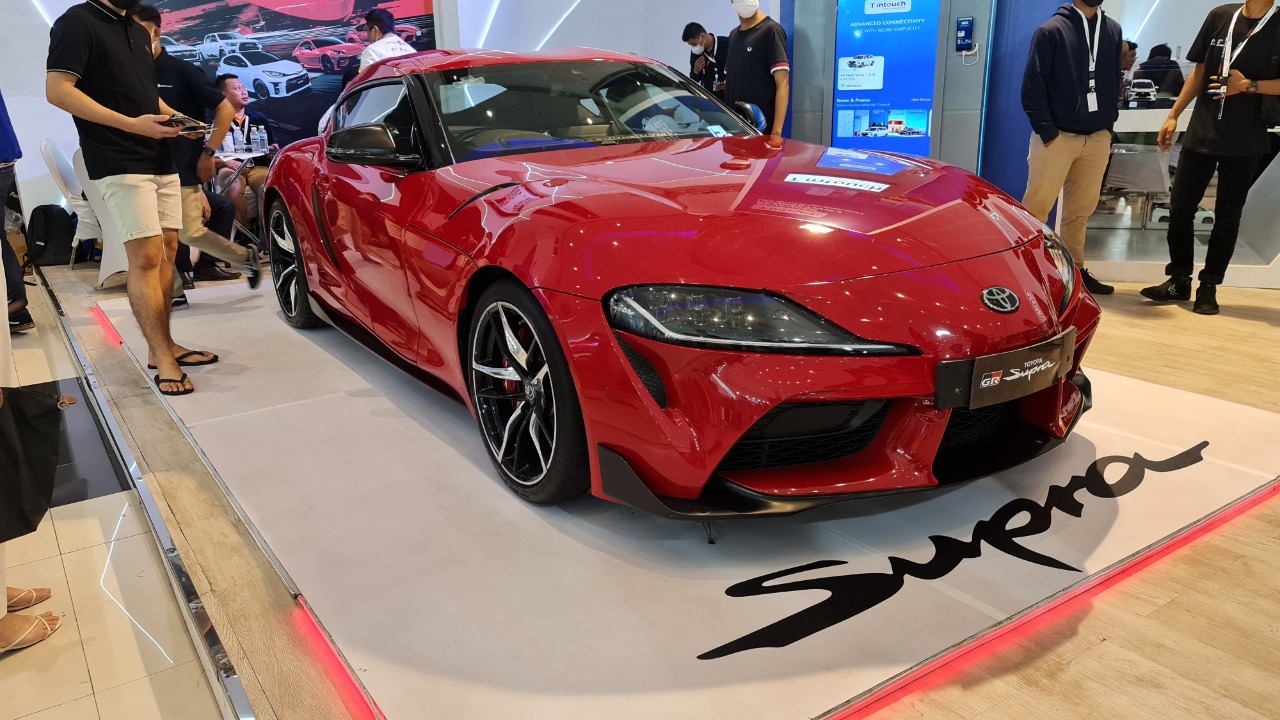
The current-generation Toyota GR Supra ends production in 2026, and CarEdge tracks the Supra’s production end, leaving a gap in the nameplate. The sports coupe revived a famous badge for a new era, so its pause leaves enthusiasts waiting to learn what comes next.
The decision means anyone wanting this Supra should act before remaining production runs out. Owners hold a car that becomes more of a conversation piece once new ones stop arriving, though nothing in the report dictates its future value.
11. Porsche 718 Boxster: Roadster Makes Room
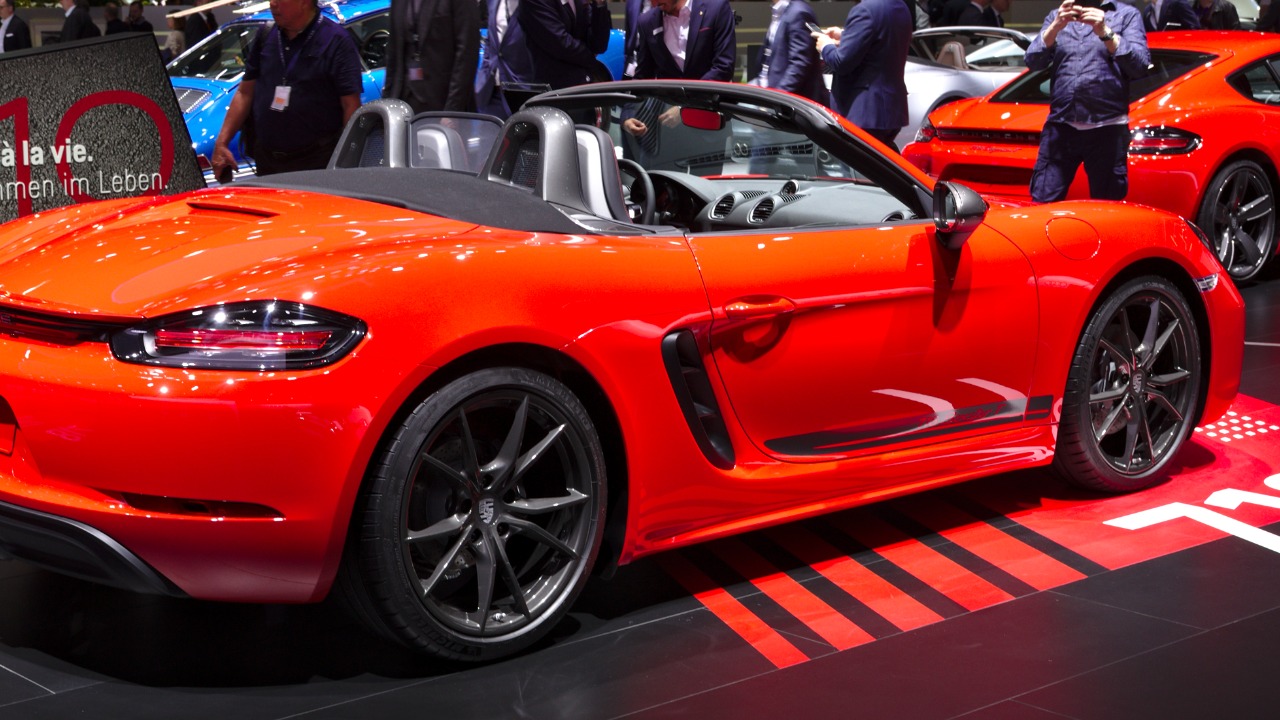
The Porsche 718 Boxster was phased out after 2025 to make room for an all-electric successor, and CarEdge details the Boxster phase-out. The mid-engine roadster has been a gateway to the brand, so the changeover marks a notable shift from combustion to battery power.
Prospective buyers who prefer a gasoline roadster should act while cars remain available. The move also forecasts how other combustion models may disappear, and Porsche shoppers now face an electric future for this particular nameplate.
More from Morning Overview
- Amazon’s Prime refunds are rising to $200 as millions more customers become eligible
- A handful of car engines are so tough mechanics say they almost never wear out
- The NSA is again telling phone owners to switch off one location setting
- Supplements now rank as the fifth-leading cause of death from liver disease.
