
Luggage room is one of the least glamorous numbers on a spec sheet, yet it decides whether an upscale SUV actually works for a family trip. The spread in this group runs from a cavernous full-size Cadillac to a cramped compact Infiniti. Here are ten upscale SUVs, ordered from the most cargo volume to the least.
1. Cadillac Escalade: Room to Spare
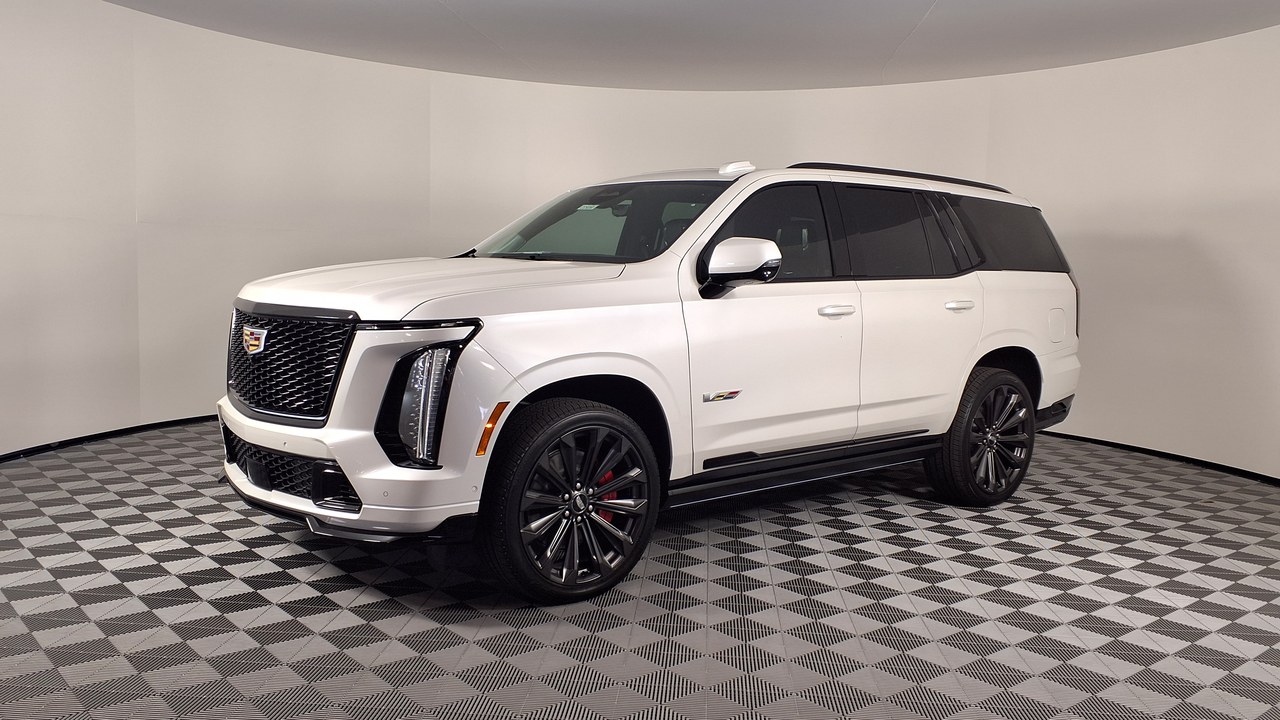
The Cadillac Escalade tops this group with 120.5 cubic feet of cargo room once every seat is folded flat. No other SUV here reaches 120 cubic feet, and the runner-up trails by 2.5, so the Escalade leads a field that otherwise looks quite tightly bunched at the top.
That measurement applies only with every seat folded, so passengers in the third row will have far less room behind them in daily use. For buyers who haul furniture or gear, though, nothing else in this group offers a bigger box.
2. Land Rover Range Rover Sport: Midsize Champion

The Range Rover Sport offers 118 cubic feet, the most of any luxury midsize SUV, and it falls only 2.5 cubic feet short of the full-size Escalade. It also sits a long way ahead of the 97.5 cubic feet that comes next in the ranking.
That result is a strong argument for the Land Rover among midsize rivals, since it gives up very little to a much larger vehicle. Buyers who want a smaller footprint without sacrificing cargo capacity should find it a compelling choice.
3. Buick Enclave: Three Rows, Plenty of Boot
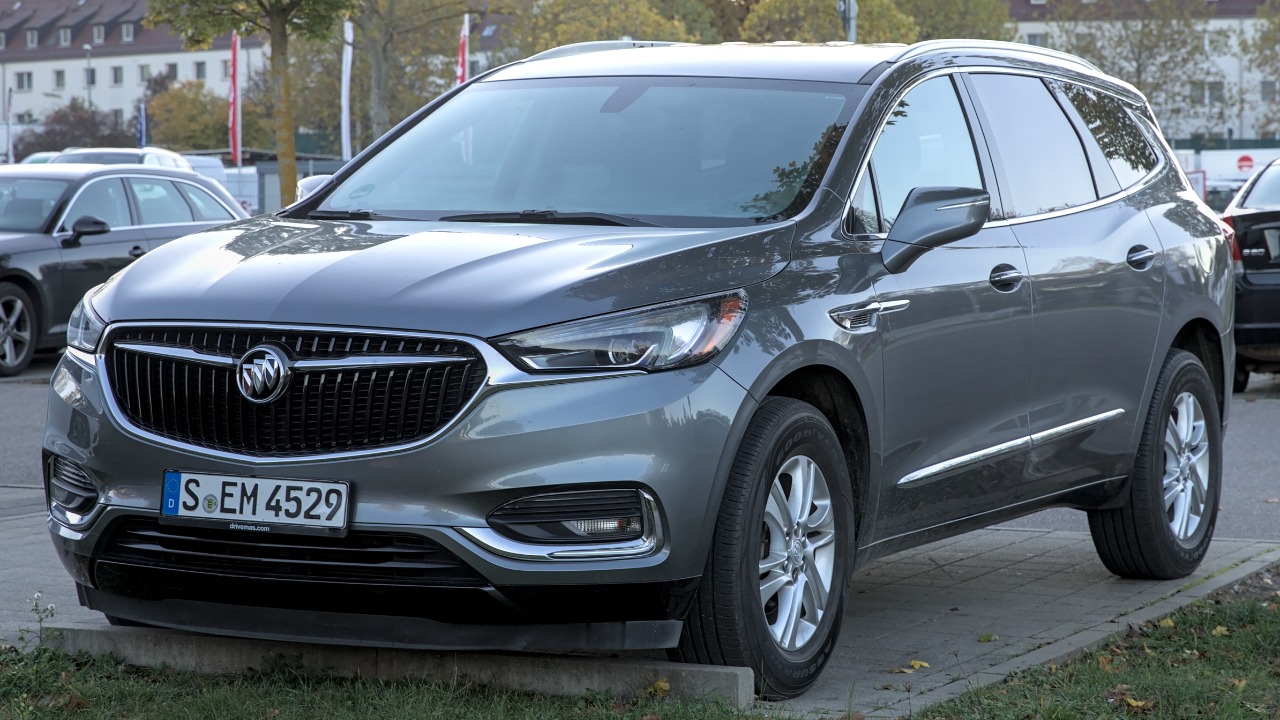
Buick’s three-row crossover, the Enclave, provides 97.5 cubic feet of cargo capacity. That places it third in this gallery, a substantial 20.5 cubic feet behind the Range Rover Sport, though it is still among the roomiest vehicles on the list and well clear of everything beyond the top four.
The Enclave is the practical pick for families that need three rows and plenty of luggage space. Its figure comes within half a cubic foot of the Lexus TX 350 right behind it, so the two are close rivals on this measure.
4. Lexus TX 350: Half a Foot Behind
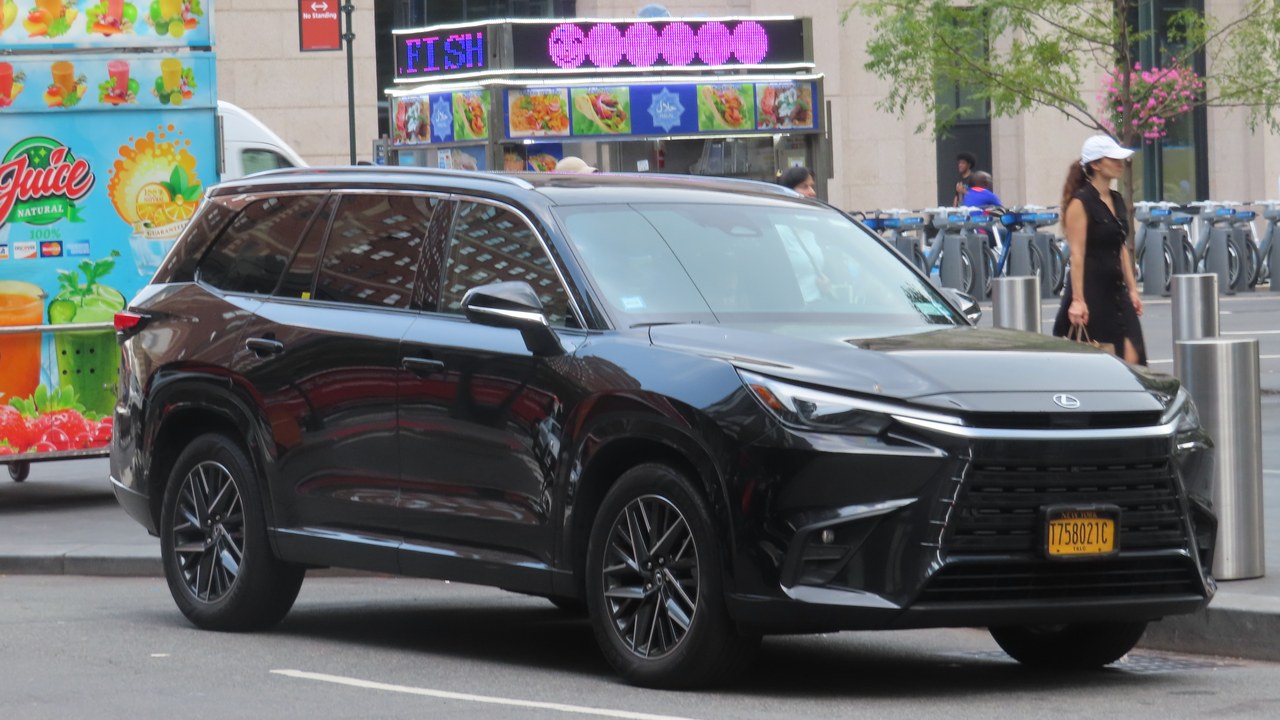
Lexus lists the TX 350 at 97 cubic feet of cargo room, placing it fourth in the gallery and just half a cubic foot short of the Buick Enclave. It also sits comfortably above the 90.5 cubic feet of the Lexus GX 550 below it.
Such a narrow gap means the two three-row models are effectively equals when it comes to luggage. Shoppers choosing between them can safely decide on ride, features and price rather than on cargo volume, since the difference is negligible.
5. Lexus GX 550: Rugged With Room
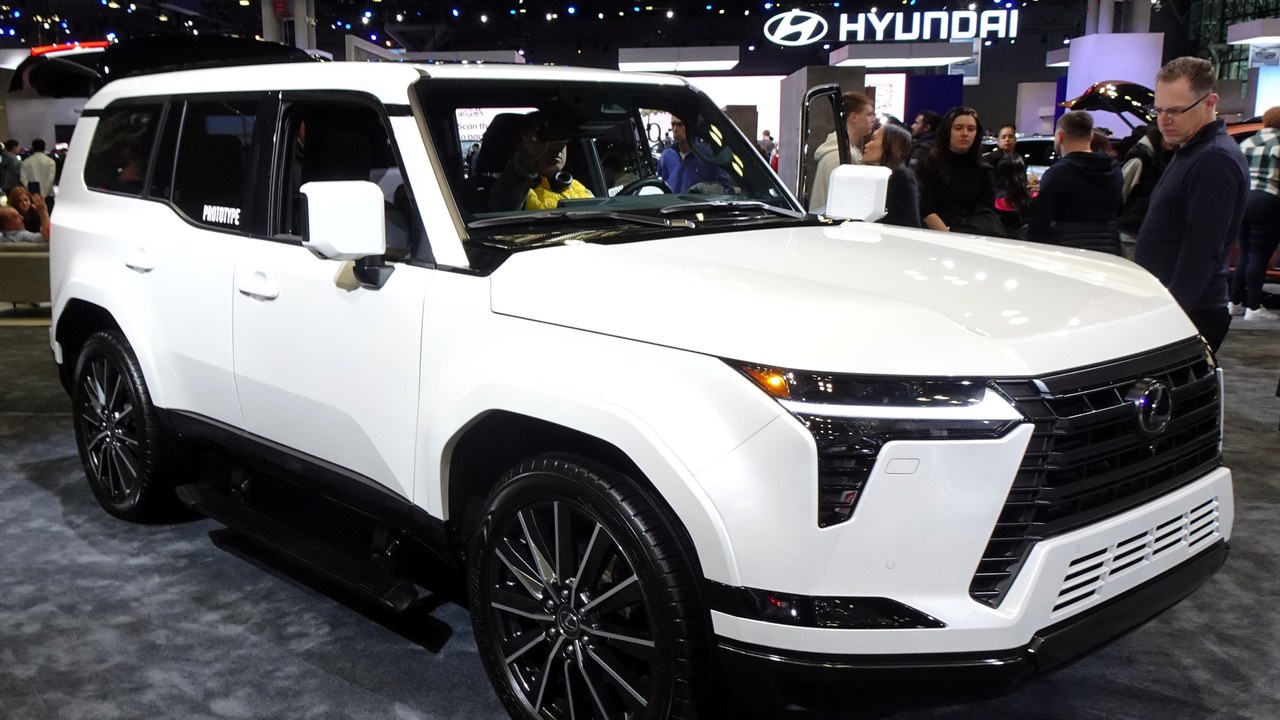
The Lexus GX 550 delivers 90.5 cubic feet behind the tailgate, which lands it fifth in the gallery. That is 6.5 cubic feet less than the TX 350 from the same brand, a drop that is noticeable but not dramatic.
The GX 550 suits owners who want a boxy, capable vehicle and are happy to give up some volume compared with its sibling. It still holds far more than the compact SUVs near the bottom of this list, which all fall below 71 cubic feet.
6. Volvo XC90: Swedish Space
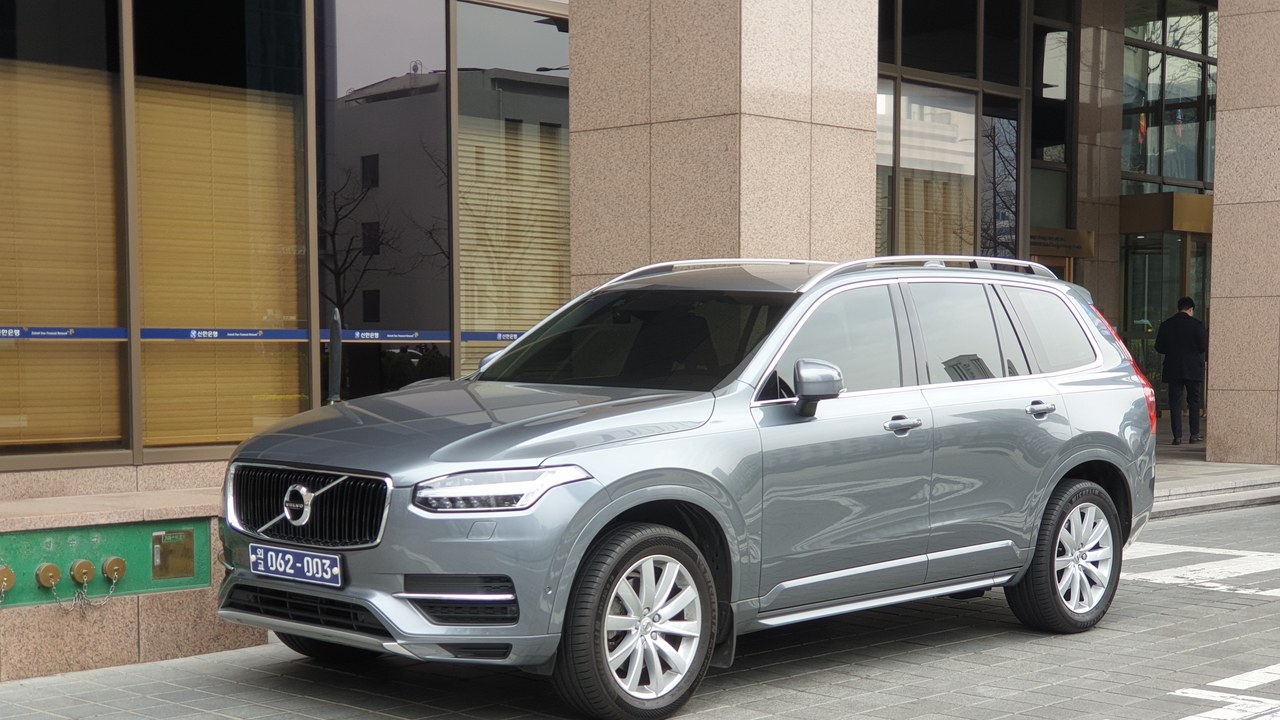
Volvo’s XC90 offers 85.7 cubic feet, putting it sixth overall and about 4.8 cubic feet behind the Lexus GX 550. That is a modest step down, and it leaves the Volvo well above the compact models further along the ranking.
The Volvo gives families a respectable load area without reaching the dimensions of the Cadillac. Buyers who prize understated design over sheer volume will probably accept the trade, since the figure is still generous for an upscale SUV and leaves ample room for luggage.
7. Mercedes-Benz GLS: Biggest Mercedes
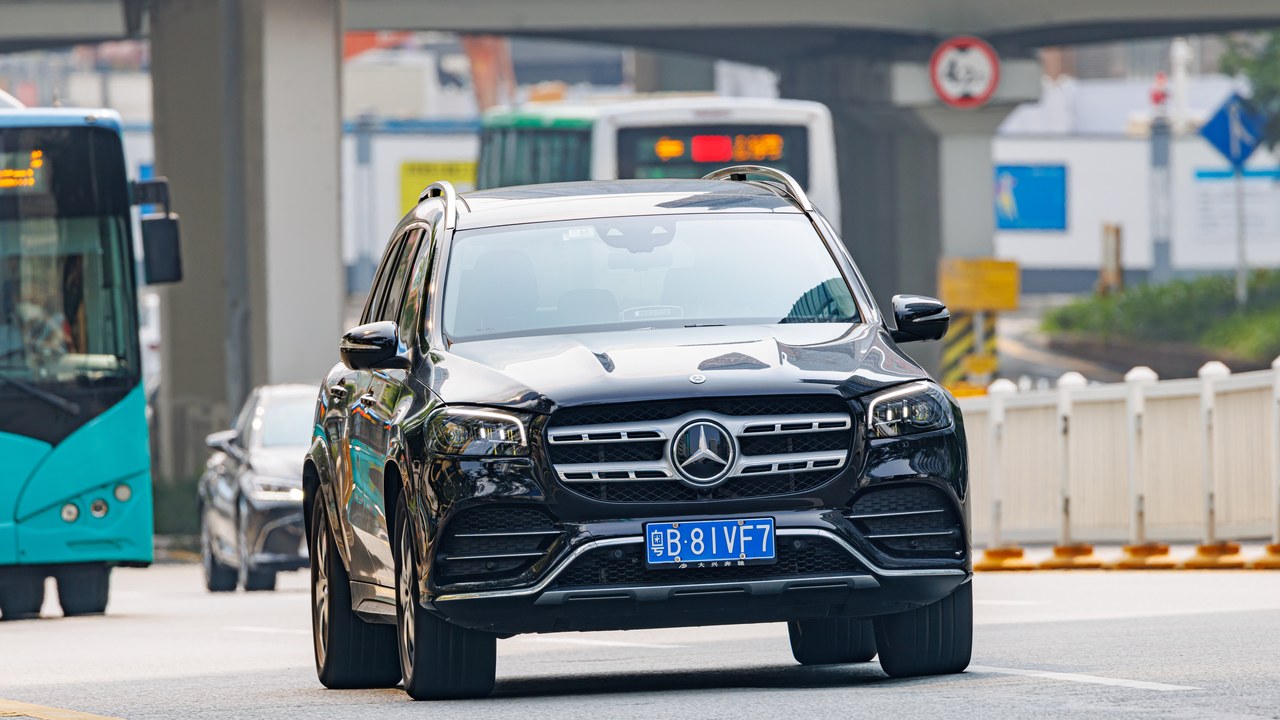
Mercedes-Benz lists its largest SUV, the GLS, with 84.7 cubic feet of cargo room, a result that places it seventh and only one cubic foot short of the Volvo XC90. The pair sit almost level in the middle of the table.
Despite being the biggest Mercedes SUV, the GLS gives up space to the Cadillac and Range Rover Sport by a wide margin. Buyers should treat its flagship status as a statement of luxury rather than of luggage capacity, and those who need volume may prefer others.
8. Jaguar F-Pace: Small-SUV Standout
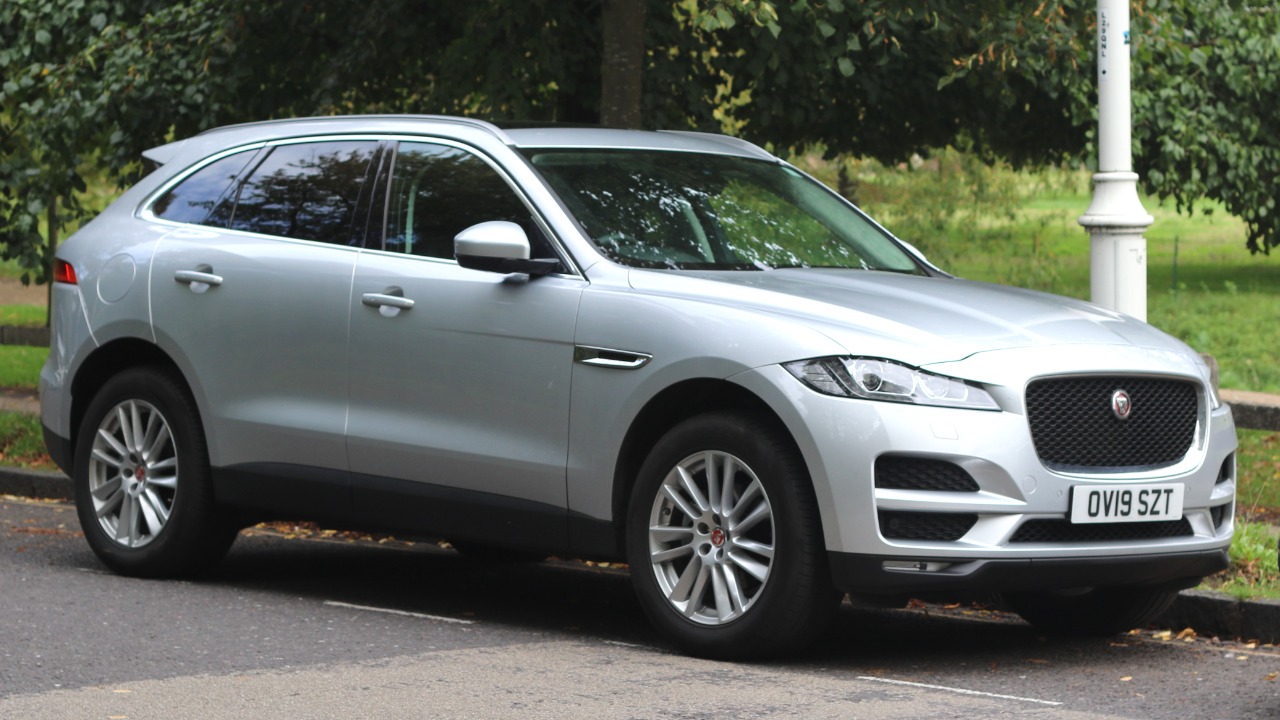
Jaguar’s F-Pace manages 70.4 cubic feet, which makes it the leader for most luxury small-SUV space in this group. It stands well apart from the larger machines above it, with the gap to the GLS exceeding 14 cubic feet.
Among compact luxury rivals, that figure gives it a genuine practical edge. Shoppers who want a smaller, sportier SUV but still plan to carry real cargo will find the F-Pace worth a close look on a showroom visit, especially for couples and small families.
9. BMW X3: Compact Contender
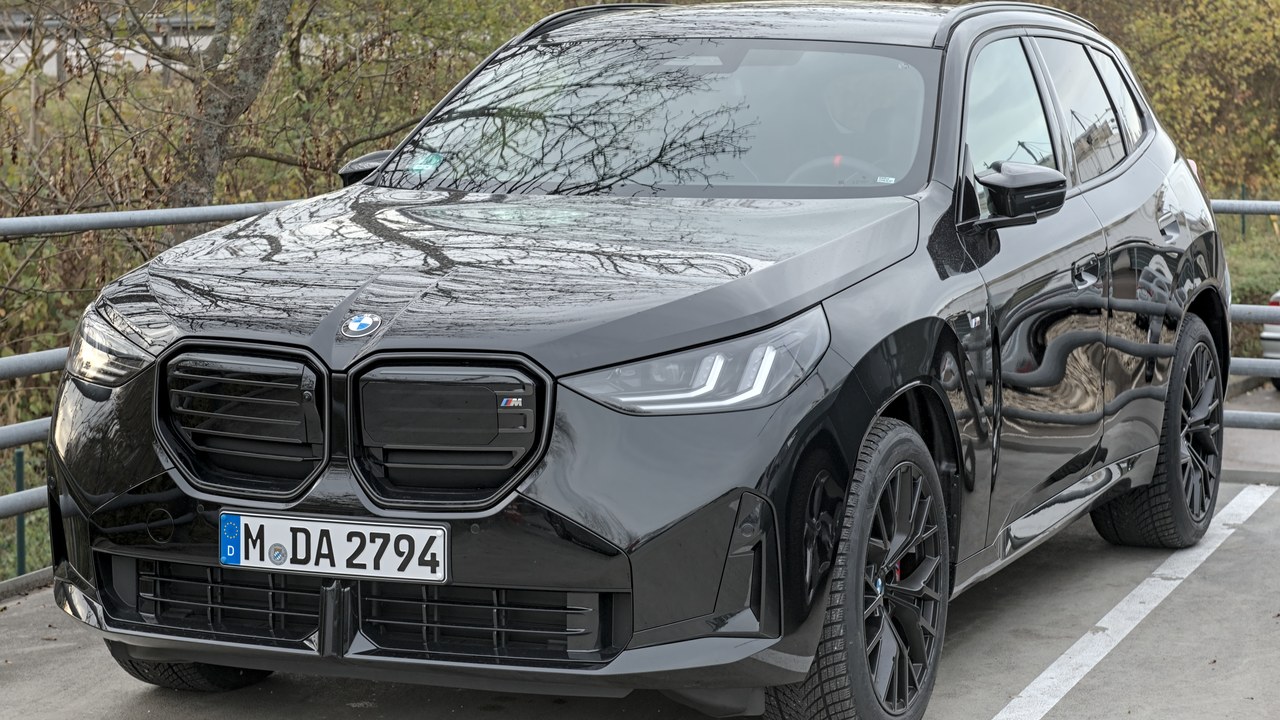
The BMW X3 provides 67.1 cubic feet of cargo space, a figure that places it ninth in the gallery and just 3.3 cubic feet behind the Jaguar F-Pace. Only one SUV here offers less room than it does.
That keeps the X3 competitive with other compact luxury SUVs despite its position near the bottom of the list. Buyers prioritizing driving feel over luggage volume will accept the modest shortfall without much trouble, and daily errands will not expose it, though a long family vacation might.
10. Infiniti QX50: Tightest of the Group
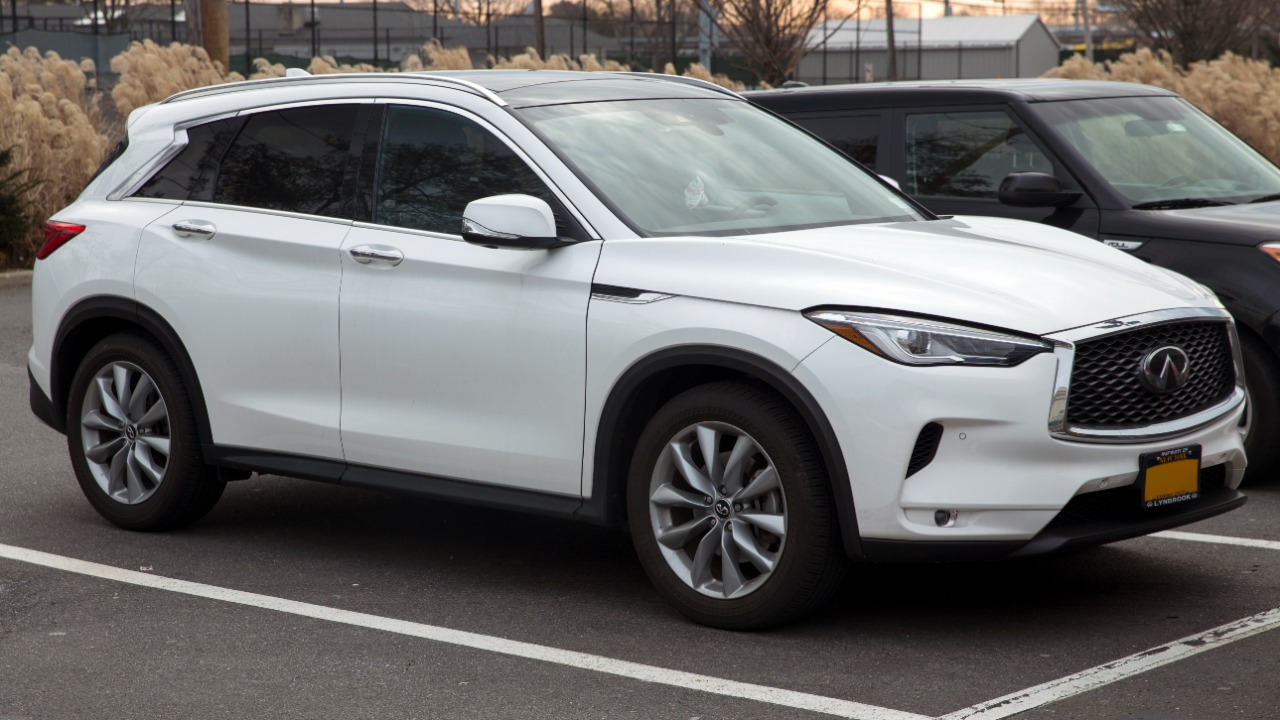
The Infiniti QX50 closes the ranking with 65.1 cubic feet, the least of any SUV in this gallery. It sits two cubic feet below the BMW X3 and well under the Escalade’s total of 120.5, barely more than half of it.
Anyone who regularly hauls bulky items should look elsewhere, since the QX50 is the most cramped option in this group. Its figure is still workable for daily errands, which is what most compact luxury SUVs are asked to do.
More from Morning Overview
- Herbal supplements are landing Americans in the hospital with liver damage, doctors warn
- General Motors is switching on cameras that record inside your vehicle by update
- A geomagnetic storm is forecast to hit Earth today, pushing the northern lights unusually far south
- A recalled pill hid a stimulant dose linked to heart attacks and death
