
Electric SUVs promise space for families, yet several of them hold surprisingly little in the back. Cargo volume varies by body style, seating layout and even price, and the totals below show that luxury badges guarantee nothing. Here are ten battery SUVs that sit at the bottom of the cargo rankings.
1. Toyota bZ: Best Of The Bottom
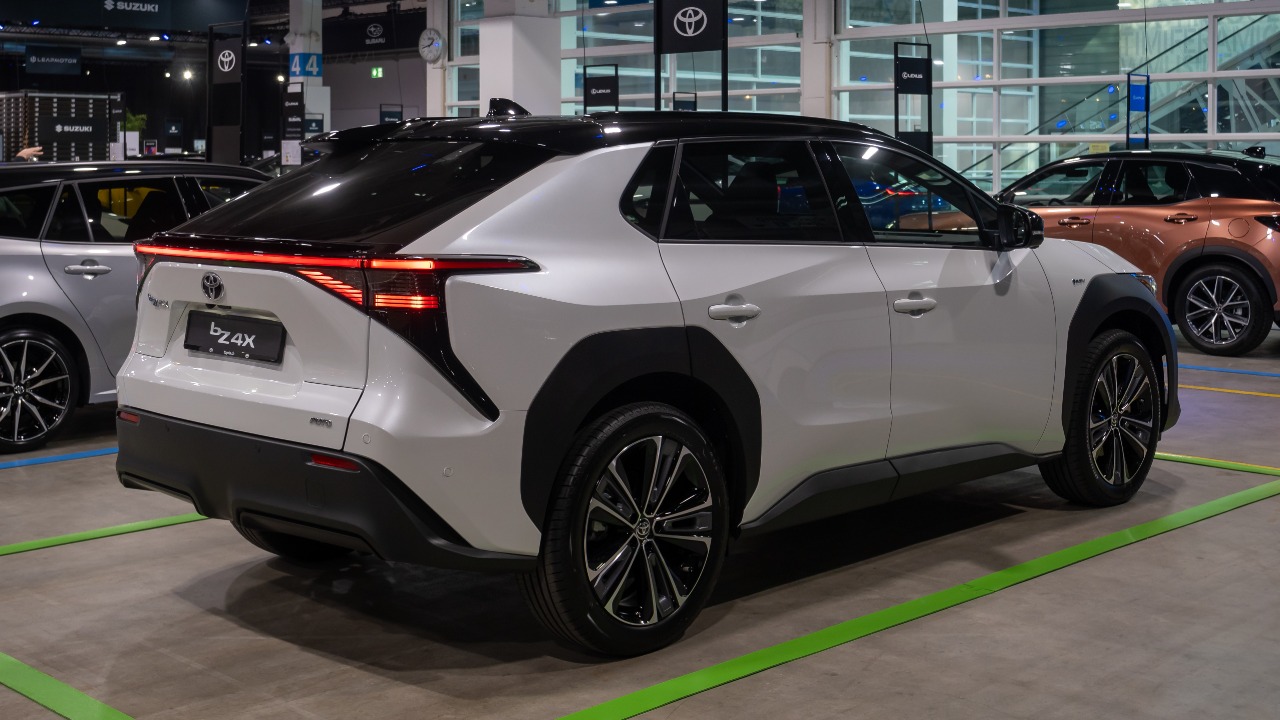
Toyota’s bZ posts 74.3 cubic feet in the cargo-volume ranking, the most of any vehicle in this bottom group. That makes it the roomiest entry here, though only by comparison with the other SUVs on the list, which all land in a fairly narrow band of similar totals.
A shopper who wants an electric Toyota with the least compromise in the back can treat it as the benchmark for the group. Anyone hauling bulky gear should still load a real suitcase or stroller before signing any paperwork at the dealership.
2. Mercedes-Benz EQS SUV: Six Figures Spent
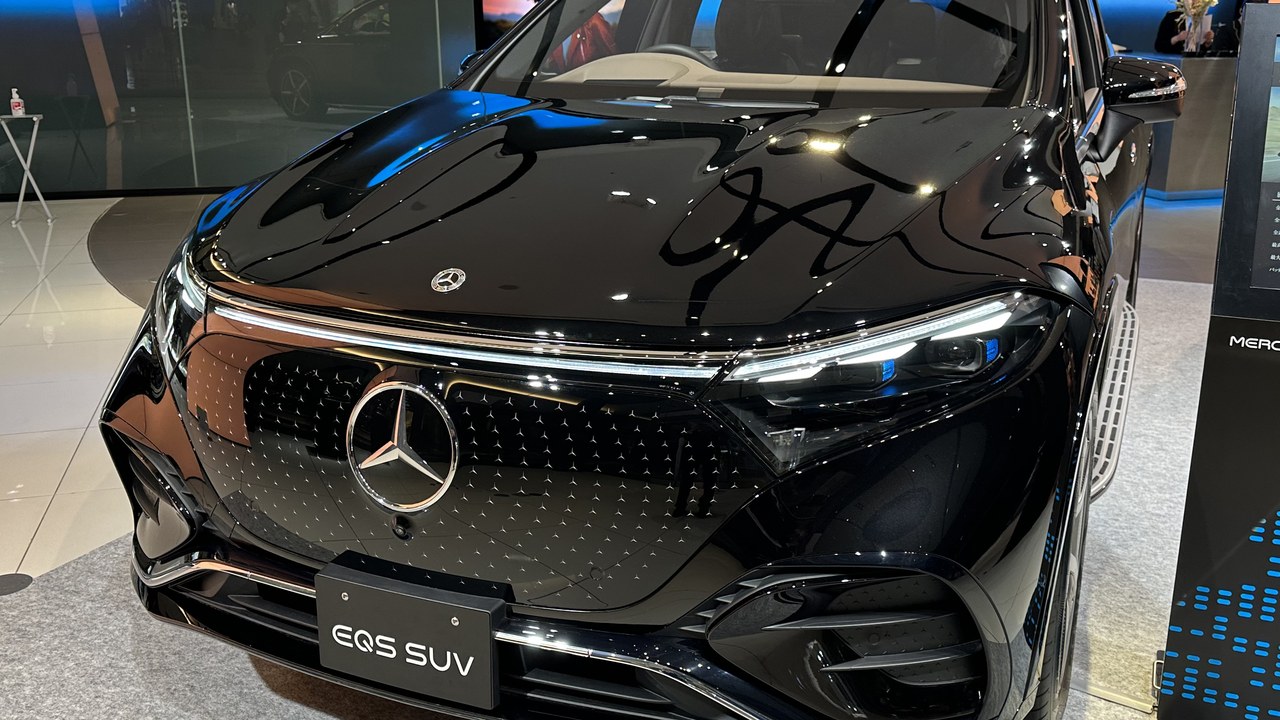
Mercedes-Benz lists the EQS SUV at 74 cubic feet, a modest total for a six-figure electric SUV, and the iSeeCars cargo table puts it barely behind the Toyota. A very high price evidently does not buy a bigger cargo hold, whatever else it buys, and that tradeoff is worth knowing before a test drive.
Buyers paying luxury money are getting refinement, range and technology rather than extra room. Those who need maximum space per dollar will find far cheaper options elsewhere in the segment, and should shop accordingly.
3. Volkswagen ID.4: Folded Seat Math
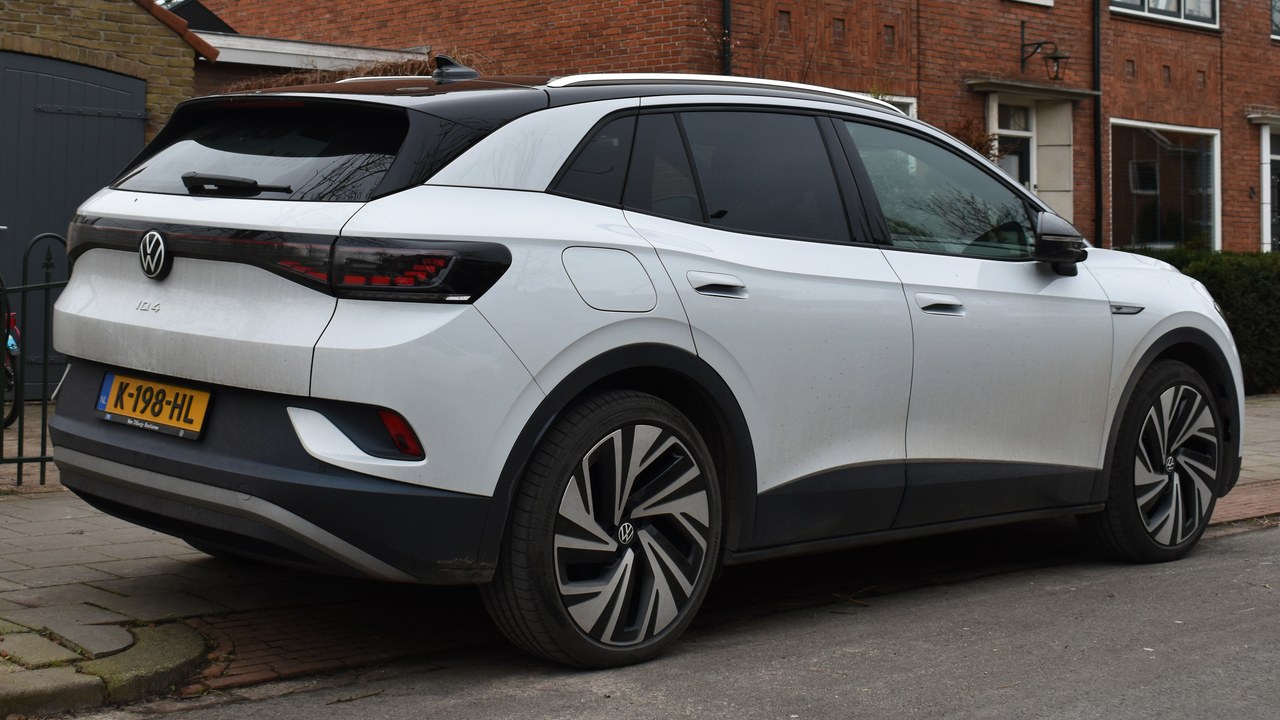
The Volkswagen ID.4 reaches 64.2 cubic feet, and that seats-folded measurement counts the rear seats folded down. The figure drops well below the top two entries, putting this compact family SUV in the middle of the pack rather than near the front.
With the seats up, the usable space day to day will be noticeably smaller than that headline total. Families planning road trips should keep the folded-seat condition in mind when comparing the ID.4 with rivals that quote other numbers.
4. Kia Niro EV: Small Crossover Reality
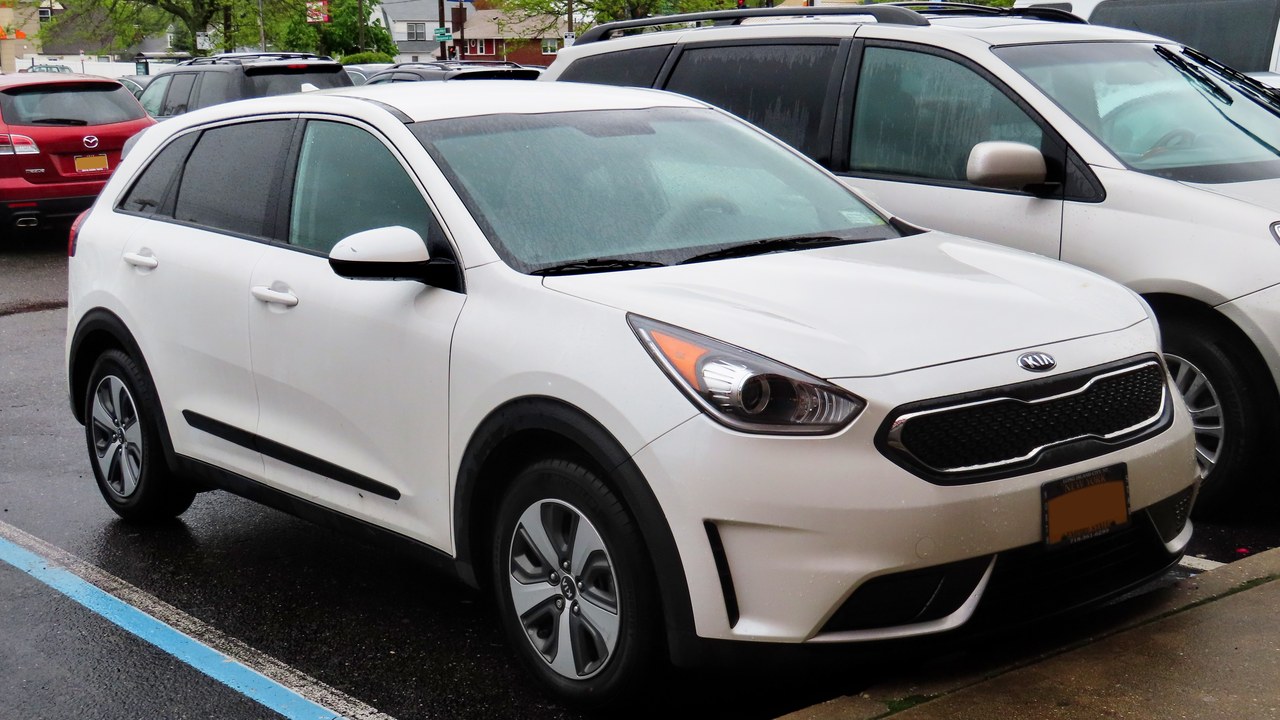
Kia’s Niro EV offers 63.7 cubic feet of cargo room, and the Niro EV cargo figure places it just behind the Volkswagen. It is a small electric crossover built around efficiency, and the number reflects that modest footprint more than any flaw in design.
City drivers and couples will rarely notice the shortfall, since errands and weekend bags fit easily. Larger households may feel the pinch sooner than the brochure suggests, especially once strollers or sports gear join the load.
5. Hyundai Kona Electric: Cousin Of The Niro

The Hyundai Kona Electric matches its relative with 63.7 cubic feet, a result in the Kona Electric cargo volume that mirrors the Niro exactly. The tie is no accident, since the two models share parts and a similar compact approach to packaging.
Shoppers can cross-shop the pair on price, styling and warranty without worrying that one hides more room. For cargo purposes alone, the choice between them comes down to a coin flip, so personal taste, dealer pricing and available incentives should decide the matter.
6. Mercedes-Benz EQB: Three Rows Tight
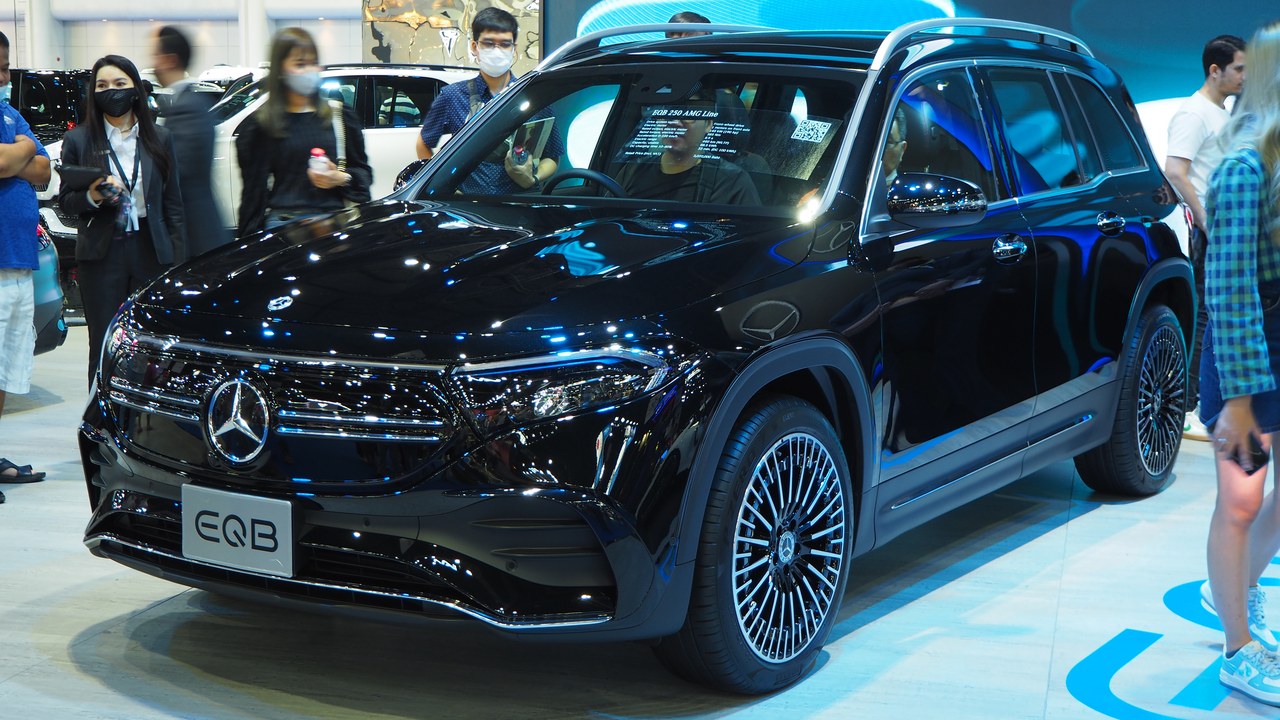
Mercedes-Benz gives the EQB 61.8 cubic feet in a three-row electric Mercedes, and the EQB cargo spec shows how small that looks for its size. A third row is the reason, since seating for more people takes space that bags would otherwise use.
Owners who rely on the extra seats should expect to fold them whenever luggage matters. Those who never carry seven passengers might prefer a two-row rival with a larger hold and a lower price and a more generous load floor.
7. Jeep Wagoneer S: Fastback Tradeoff
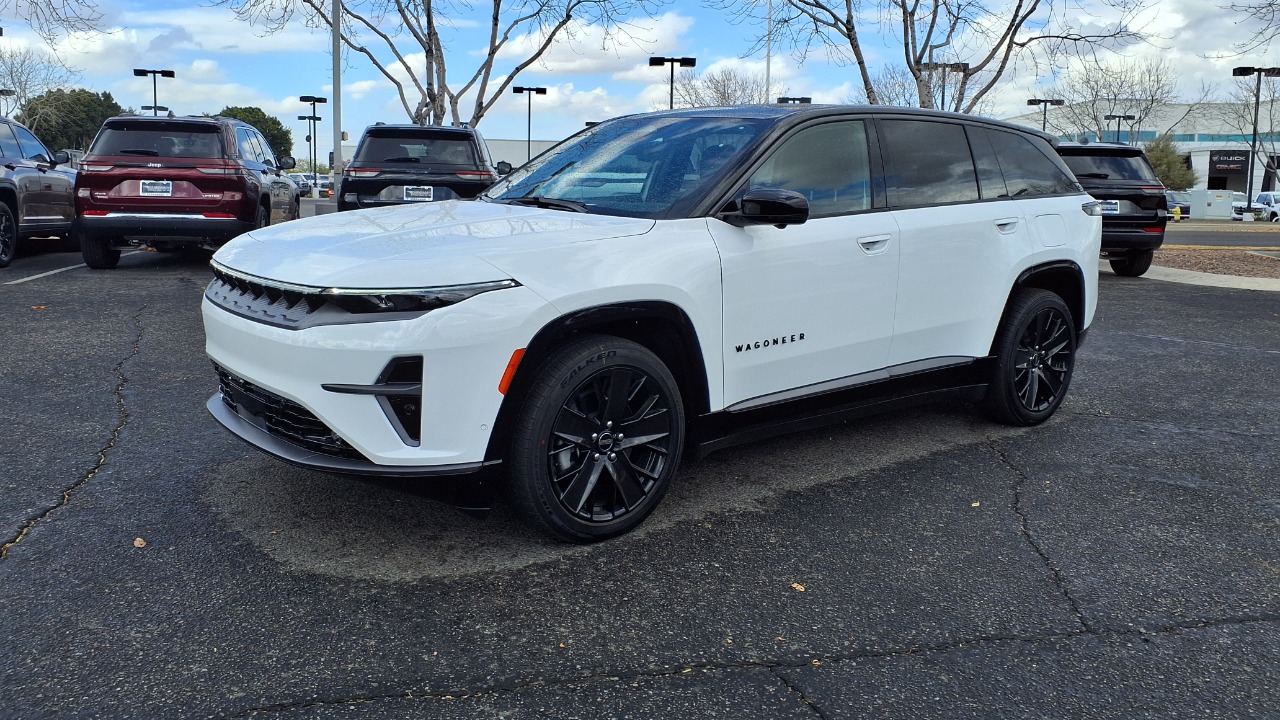
Jeep puts 61 cubic feet behind the Wagoneer S, an electric fastback, in the Wagoneer S cargo data. The sloping roofline that gives the SUV its sporty profile also tends to trim the height of the load area behind the seats.
That shape suits drivers who value looks over carrying tall items. Anyone planning furniture runs or bike trips should measure the opening first, because a fastback rarely welcomes awkward, oversized cargo as readily as a boxy wagon does, even when the total looks respectable on paper.
8. Acura ZDX: Coupe-Like Roof
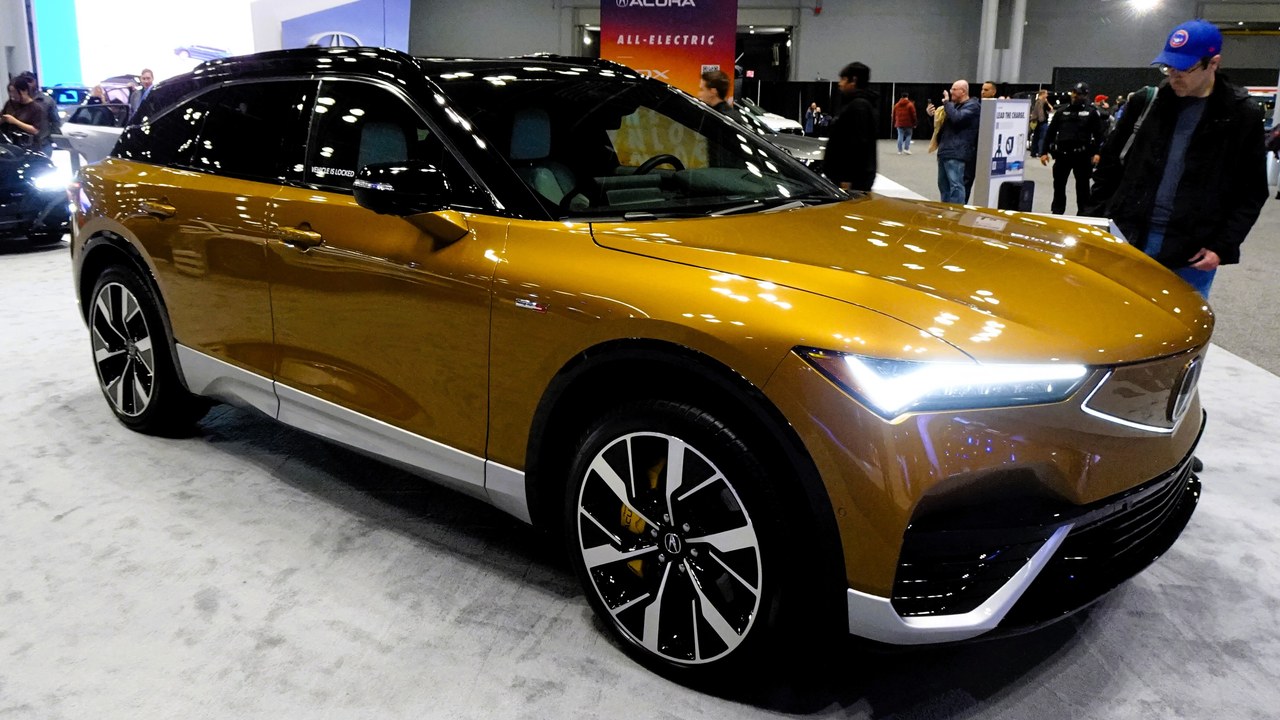
Acura’s ZDX comes in at 60.8 cubic feet of space, a total that the ZDX cargo measurement lists near the very bottom of the group. Its stylish, sloping rear end is a likely reason the number falls so low for such a large vehicle.
Style-focused buyers get a distinctive shape at the cost of practicality. Those who value a deep, tall trunk should compare it side by side with a boxier competitor before deciding, and bring luggage along to the test drive.
9. Cadillac Lyriq: Tied With ZDX
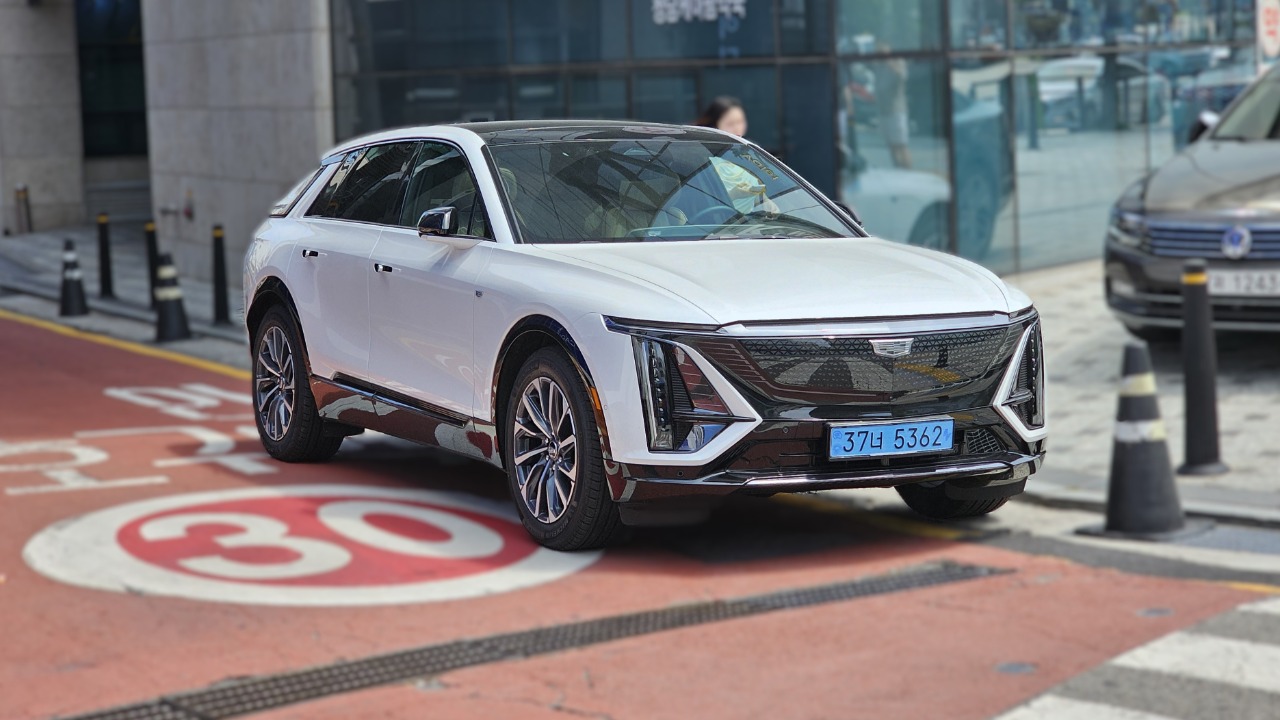
Cadillac’s Lyriq also measures 60.8 cubic feet, and the Lyriq cargo listing shows it tied exactly with the Acura ZDX. Two luxury-brand electric SUVs ending up level suggests that polished design often wins out over cargo capacity.
Prospective owners will find cabin comfort and road presence strong points here, along with a polished interior. Luggage-heavy travelers should plan on packing carefully, or perhaps consider a vehicle where a few extra cubic feet make airport runs, vacations and weekend getaways less of a puzzle.
10. Audi Q6 e-tron: Dead Last Overall
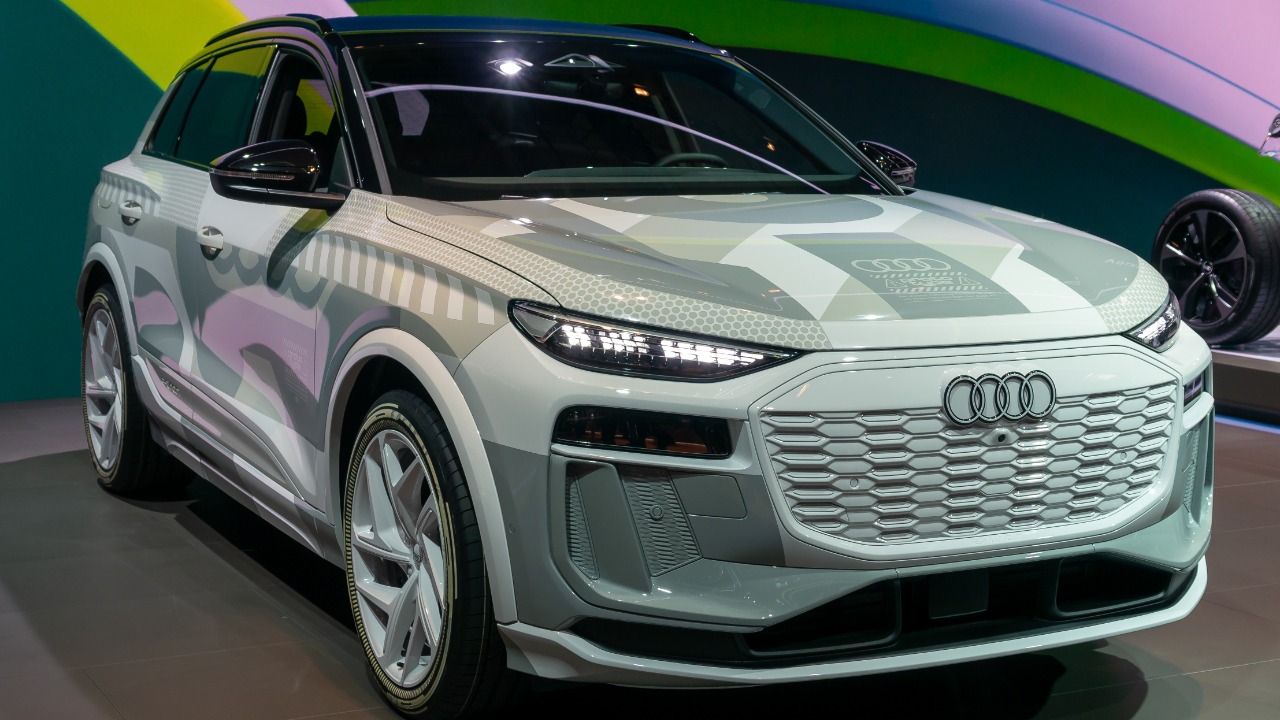
Audi’s Q6 e-tron claims the smallest cargo volume of any electric SUV measured, at 60.4 cubic feet, and the Q6 e-tron cargo number confirms it as the least in this ranking. It sits only a few tenths behind two other models, so the gap is narrow.
Differences this small hardly matter in daily use, so the Audi’s reputation for refinement can still carry its case. Buyers who prize cargo above all else will want to look elsewhere, but most will manage fine.
More from Morning Overview
- Four U.S. startups fired up their first small nuclear reactors, aiming to power AI data centers on-site
- Card skimmers hidden on gas pumps and ATMs are draining accounts, and here’s the tell
- Doctors warn a silent liver disease now affects one in three American adults
- Hackers are hijacking outdated home routers, and the FBI named the models to check
