
Owner complaint records give a rough picture of which American-built cars cost their owners the most to keep running. The entries below span Jeep, Dodge, Chrysler, Chevrolet, Buick and Ford, and stretch from inexpensive hardware failures to repairs costing thousands. Here are eleven Detroit models, each paired with its documented fault and an average repair bill.
1. 2011 Jeep Grand Cherokee: TIPM Trouble
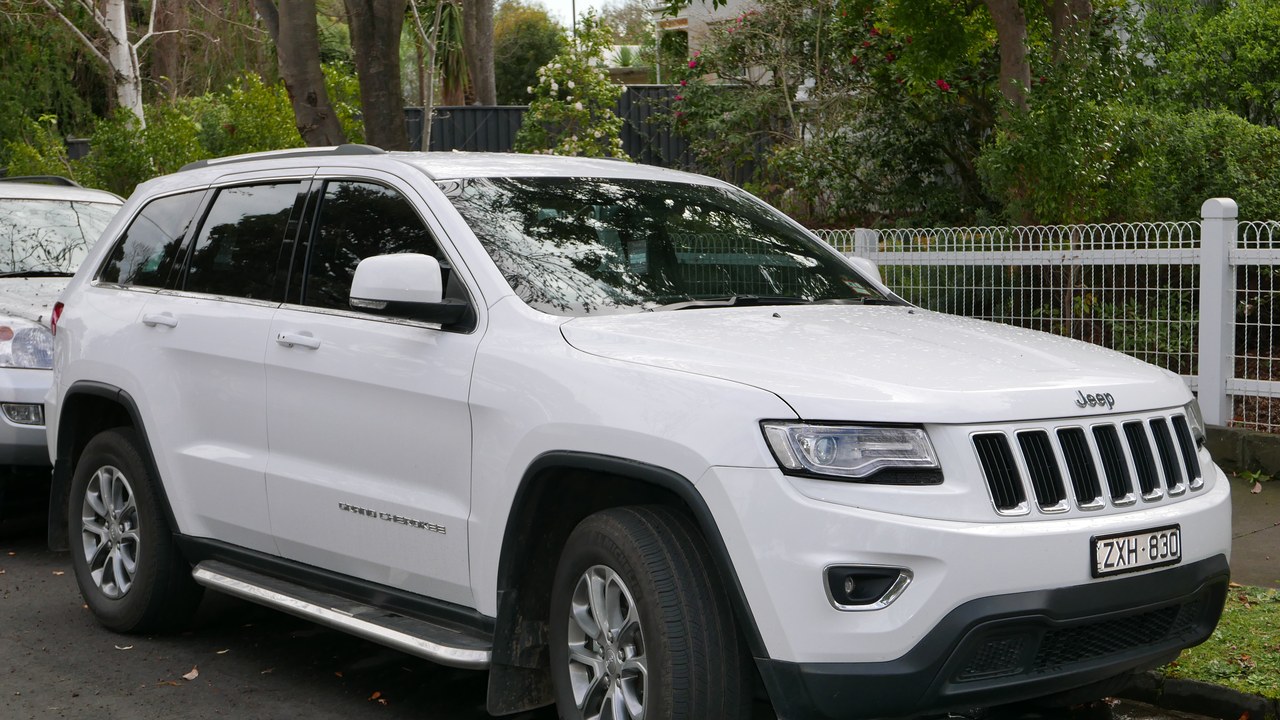
A failing totally integrated power module can leave the engine hard to start or dead outright, according to owner reports compiled by CarComplaints Jeep listings. The average bill reaches $1,100, and the typical failure arrives near 52,000 miles.
That mileage is early for an electrical control unit on a mainstream SUV. Shoppers weighing a used example should ask for any record of a replaced module, since an unexplained no-start history signals the fault may already have surfaced or may soon return.
2. 2006 Jeep Liberty: Window Regulator Woes
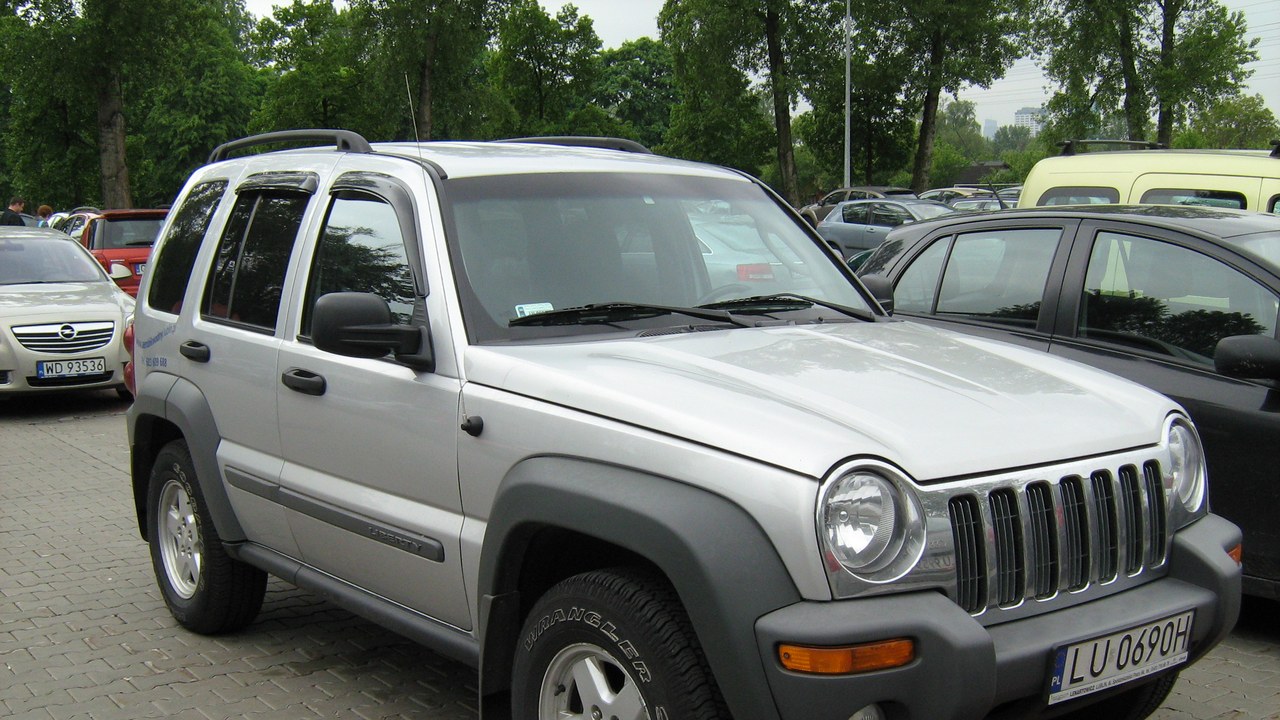
Among the cheaper entries here, the window regulator is the weak point. Owners of this compact SUV report the part breaking at an average of 59,000 miles, as tracked on the CarComplaints Liberty page, with a typical repair cost of about $300.
The failure is more nuisance than disaster, since a stuck-down window rarely strands anyone. Still, a regulator that fails in winter or before a rainstorm becomes urgent, and a repair near $300 is a reasonable line item to budget for when buying an older Liberty.
3. 2000 Dodge Intrepid: Sludge Season
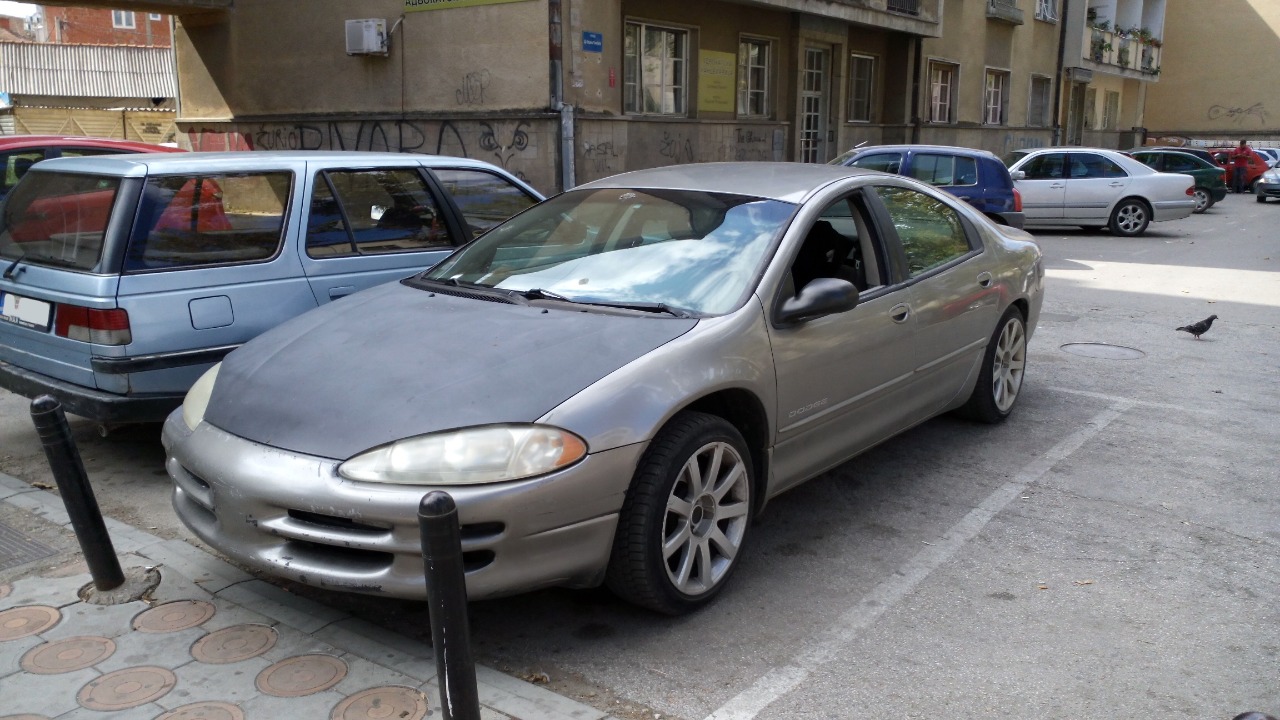
Oil sludge turned into engine failure for owners of this full-size sedan, according to CarComplaints Dodge data. The average repair cost lands at $4,200, and the typical failure shows up around 93,000 miles, a point when many owners still expect years of service ahead.
Sludge generally traces back to deferred oil changes and heat cycling, so maintenance history matters as much as mileage. A used Intrepid with patchy service records carries a repair risk that can exceed the car’s market value.
4. 2010 Dodge Journey: Brakes Wear Fast

Premature wear of brake pads and rotors defines this crossover’s complaint record. Reports collected on the CarComplaints Journey page put the average mileage at just 34,000, with a typical repair cost of $400.
Brakes count as wear items, so replacement alone is no scandal. What stands out is the interval, which is far shorter than many drivers expect from a family vehicle. Buyers of a used Journey should check rotor thickness and pad life before signing, then budget for repeat visits.
5. 2001 Chrysler Sebring: Sludge Again
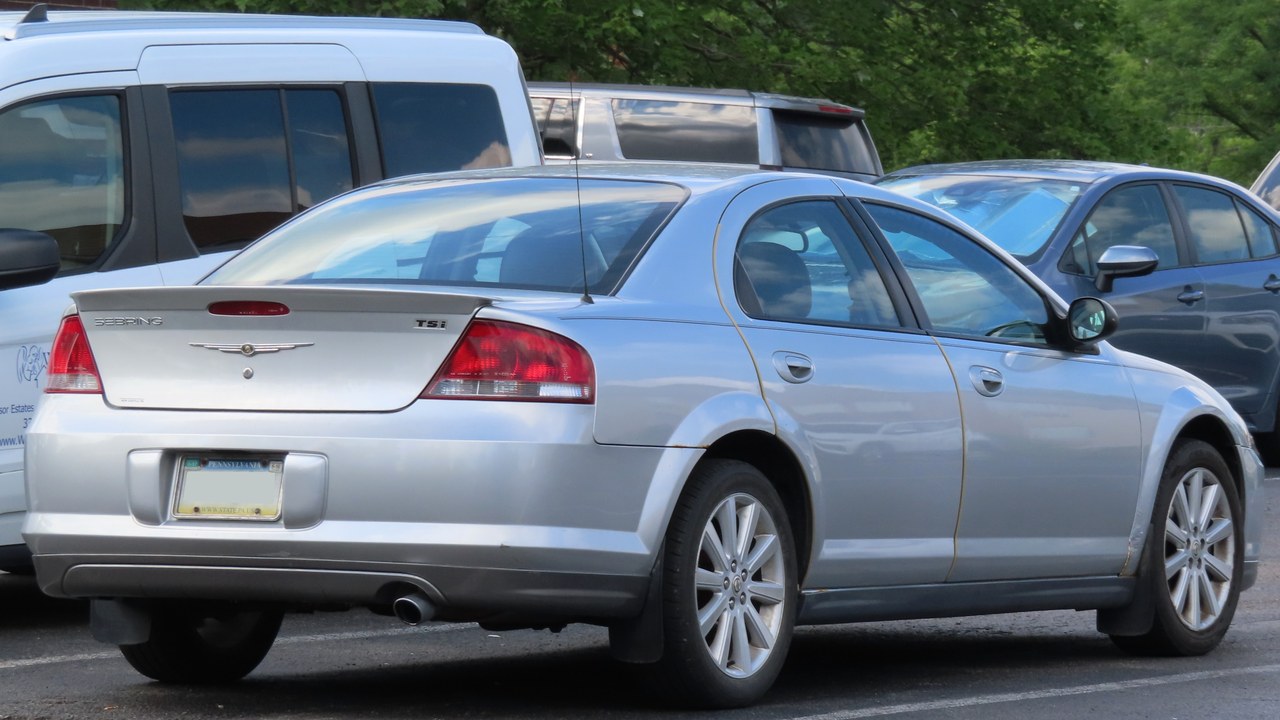
Engine failure from oil sludge appears again on this midsize sedan, where the average repair reaches $4,800 at about 85,000 miles, per CarComplaints Chrysler listings. That figure makes it the costliest of the sludge cases in this lineup.
A bill near $4,800 can dwarf the value of a twenty-year-old sedan, which turns an engine problem into a decision about scrapping the car. Documented oil-change history is the best single defense for anyone shopping a Sebring.
6. 2015 Chrysler 200: Stalling at Speed
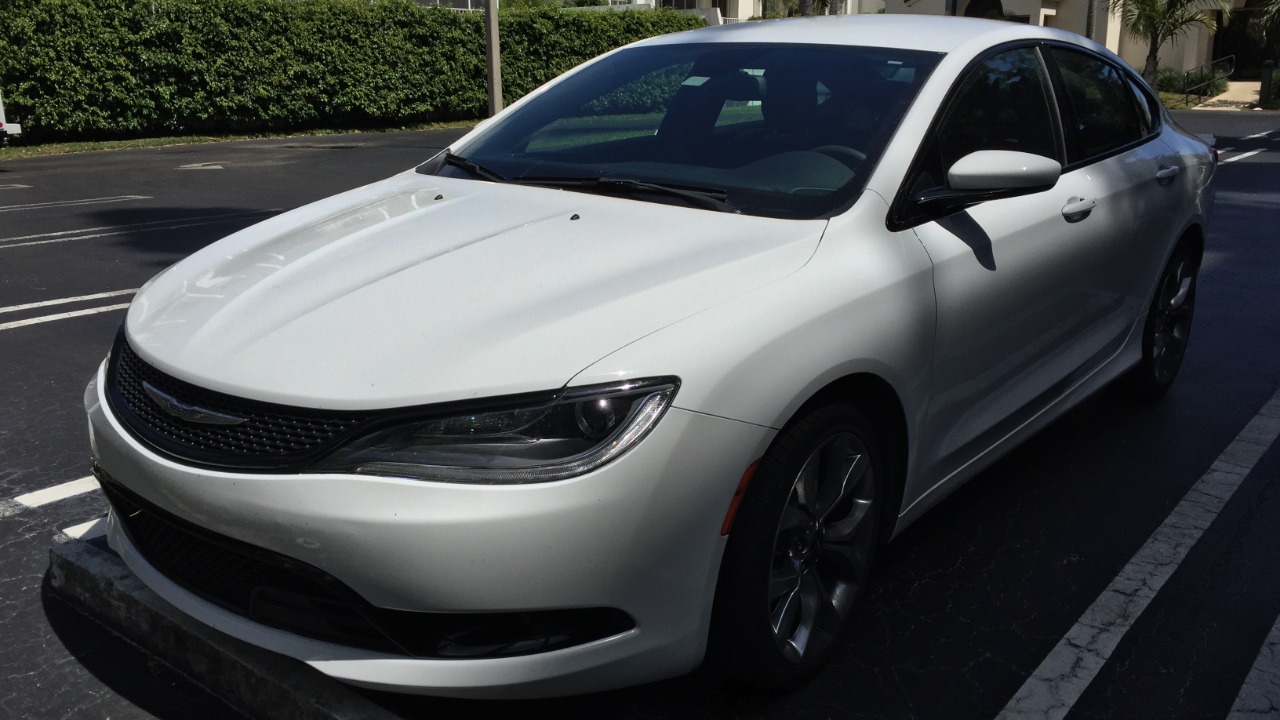
Complaints about this sedan describe the engine stalling or shutting off while the car is moving. The CarComplaints Chrysler page lists an average repair cost of $1,100 at roughly 35,000 miles, an unusually low odometer reading for such a fault.
A stall at highway speed removes power assistance and creates a safety concern well beyond the repair bill. Owners who notice any hesitation or unexpected shutdown should have the car inspected promptly rather than waiting for the next occurrence.
7. 2012 Chevrolet Equinox: Thirsty Engine

Excessive oil consumption is the documented fault on this compact crossover. Owners cited on the CarComplaints Equinox page report an average repair cost of $2,500, with the problem appearing near 85,000 miles.
Engines that burn oil quietly can run low between changes, and running low risks bigger damage. Owners of this generation are best served by checking the dipstick regularly instead of trusting the change interval, and shoppers should ask whether any consumption repair has been done.
8. 2004 Chevrolet Aveo: Belt Breakdown
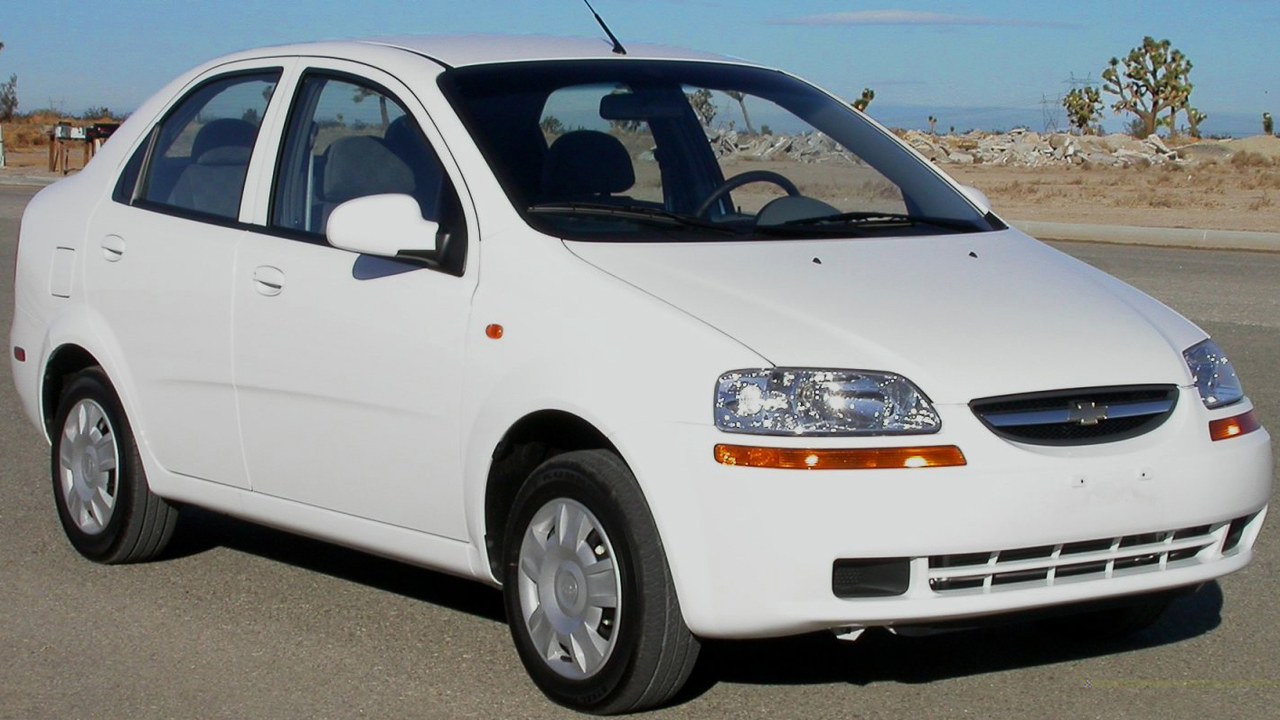
A failed timing belt is the headline problem for this subcompact, averaging $2,200 in repairs at about 73,000 miles according to CarComplaints Chevrolet data.
Timing belts are scheduled replacement items, and on many engines a snapped belt wrecks the valves. A repair bill of that size can exceed what an inexpensive economy car is worth. Anyone considering an Aveo should confirm in writing when the belt was last replaced and treat a missing record as a reason to walk.
9. 2011 Buick LaCrosse: Light That Costs Thousands
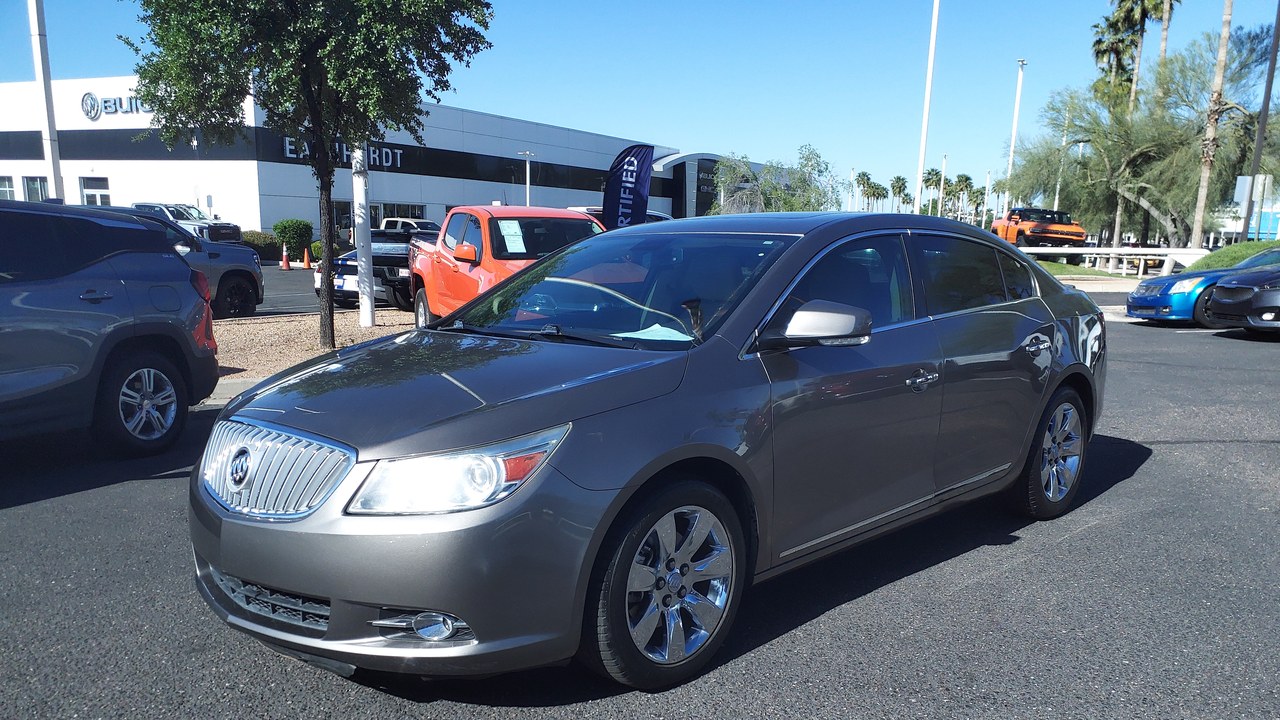
The priciest entry here begins with a dashboard warning. A recurring engine light on this large sedan averages $6,500 to resolve, per CarComplaints Buick listings, and the average mileage at the time is only 26,000.
Such a low mileage means the problem often arrives while a car is still young, and possibly still under some form of coverage. A lit engine light on a LaCrosse deserves a proper diagnosis early, because the underlying cause may be far more expensive than the light implies.
10. 2003 Ford Taurus: Transmission Toll
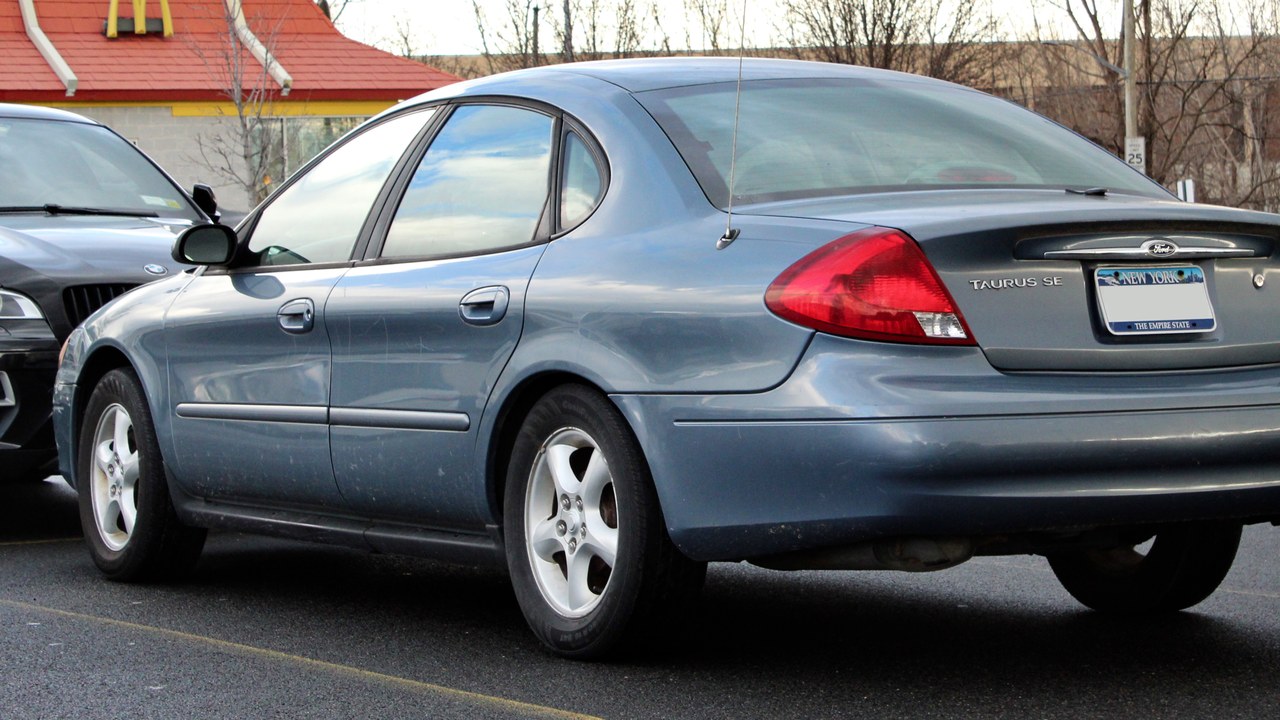
Transmission failure drives the complaint record for this family sedan. The CarComplaints Ford page lists an average repair cost of $1,900, typically when the odometer reaches about 93,000 miles.
That is a common point for a car to be on its second or third owner, which makes service history harder to trace. Buyers considering a late-model Taurus of this era should ask about fluid changes and listen for slipping or delayed engagement on a test drive.
11. 2014 Ford Focus: Hesitation From a Stop
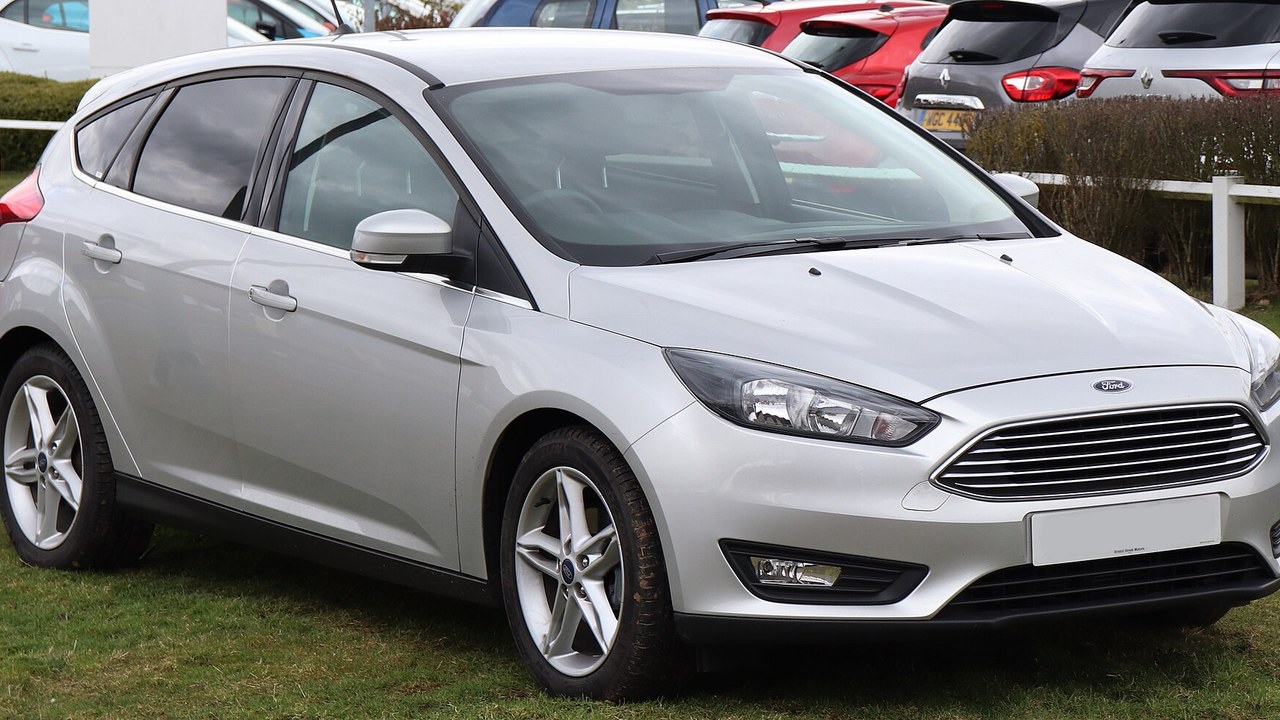
Owners of this compact hatchback describe bad hesitation and jerking when pulling away from a stop. The CarComplaints Focus listing puts the average repair at $1,200, and the typical report comes at only 25,000 miles.
A fault that shows up that early often falls inside warranty coverage, so documented dealer visits can matter. Shoppers should treat any shudder during gentle takeoff on a test drive as a serious warning rather than a quirk.
More from Morning Overview
- The second-largest U.S. reservoir just fell to its lowest level ever recorded
- Security experts still urge phone owners to switch off one location-tracking setting
- The FBI warns a new phishing trick can hijack your account without your password
- The NSA says three phone features should be off whenever you aren’t using them
