
Winter turns packed snow and black ice into a real test, and not every SUV with all-wheel drive on the window sticker passes it. The difference comes down to how the system splits torque, how much ground clearance keeps the underbody clear, and whether the platform was actually built with snow country in mind. Here are eleven all-wheel-drive SUVs built for exactly that job.
1. Subaru Outback: The Standard-AWD Wagon

Every Subaru Outback ships with symmetrical all-wheel drive as standard equipment, not an optional box to check, and Wikipedia’s Subaru Outback entry describes it as a raised wagon built on the Legacy platform with clearance well above a typical sedan.
That extra ride height keeps the underbody clear of the ruts and berms a plow leaves at a driveway’s edge. Winter tires still matter more than any drivetrain choice, since AWD helps traction and acceleration in snow but does nothing to shorten stopping distance on ice.
2. Subaru Forester: Symmetrical AWD, Boxy Visibility
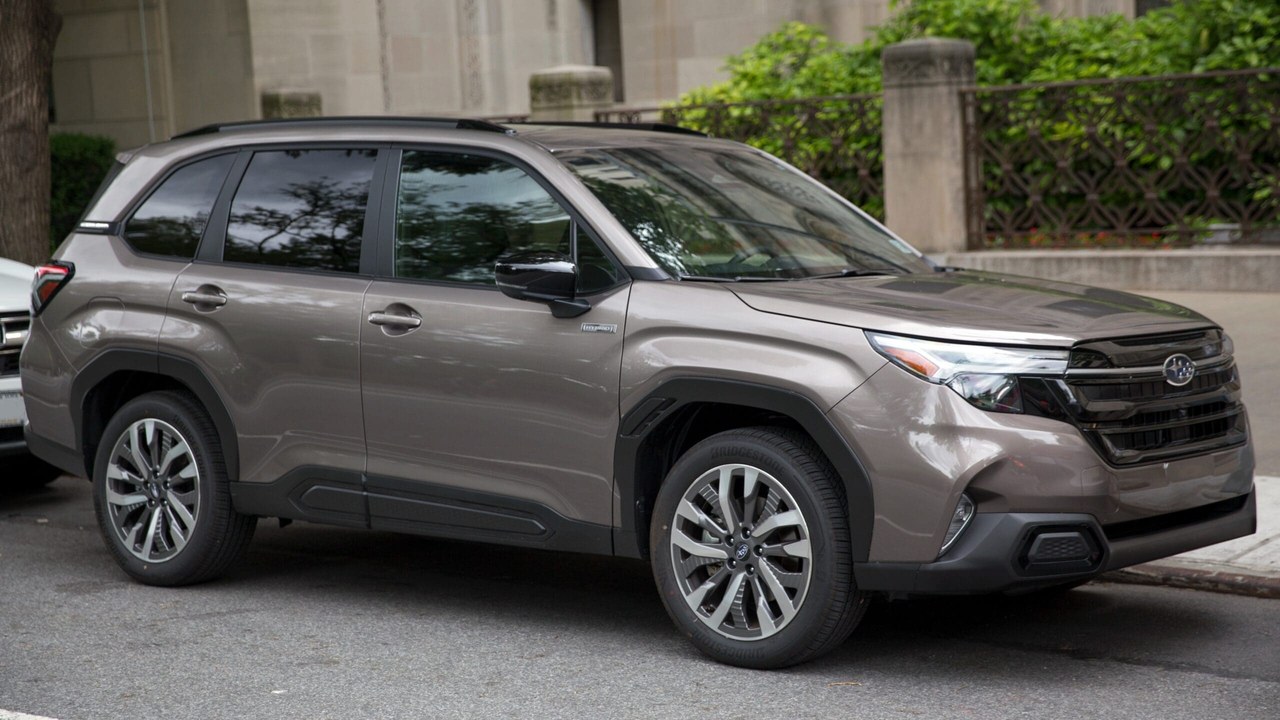
The Forester carries the same symmetrical all-wheel-drive system as its Subaru siblings, paired with the tall, boxy greenhouse the Forester’s Wikipedia page notes has defined the model since its 1997 debut.
That upright glass area pays off in a whiteout, when judging the edges of the road matters as much as grip. As with any AWD vehicle, the system manages power delivery rather than braking, so a slick surface still calls for a slow, deliberate stop.
3. Toyota RAV4: Reliability Meets Available AWD
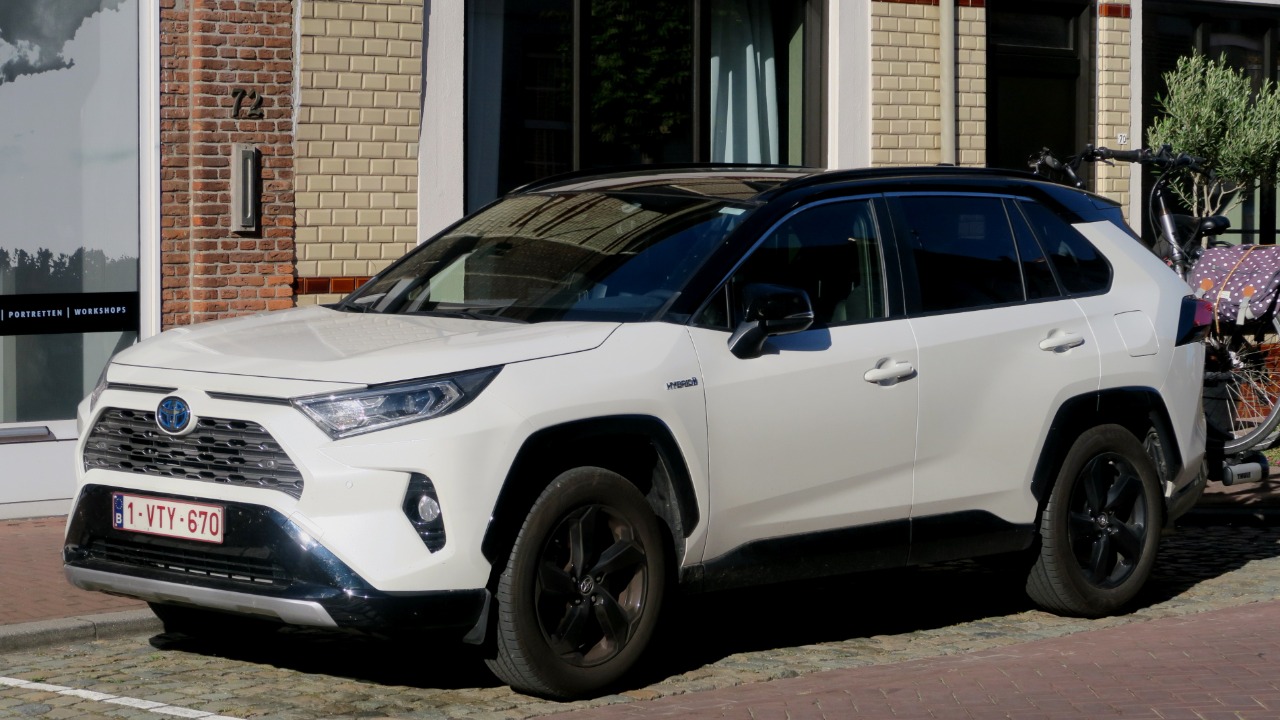
Toyota offers all-wheel drive across most RAV4 trims, and the RAV4’s Wikipedia history traces the nameplate back to 1994 as one of the vehicles that popularized the compact-crossover segment.
Buyers cross-shopping winter vehicles often weigh long-term reliability alongside traction, and the RAV4’s reputation for holding up over high mileage is part of why it shows up on so many cold-climate driveways. AWD only manages power to the wheels; tire choice still decides how the vehicle stops.
4. Honda CR-V: Compact Footprint, Confident Grip
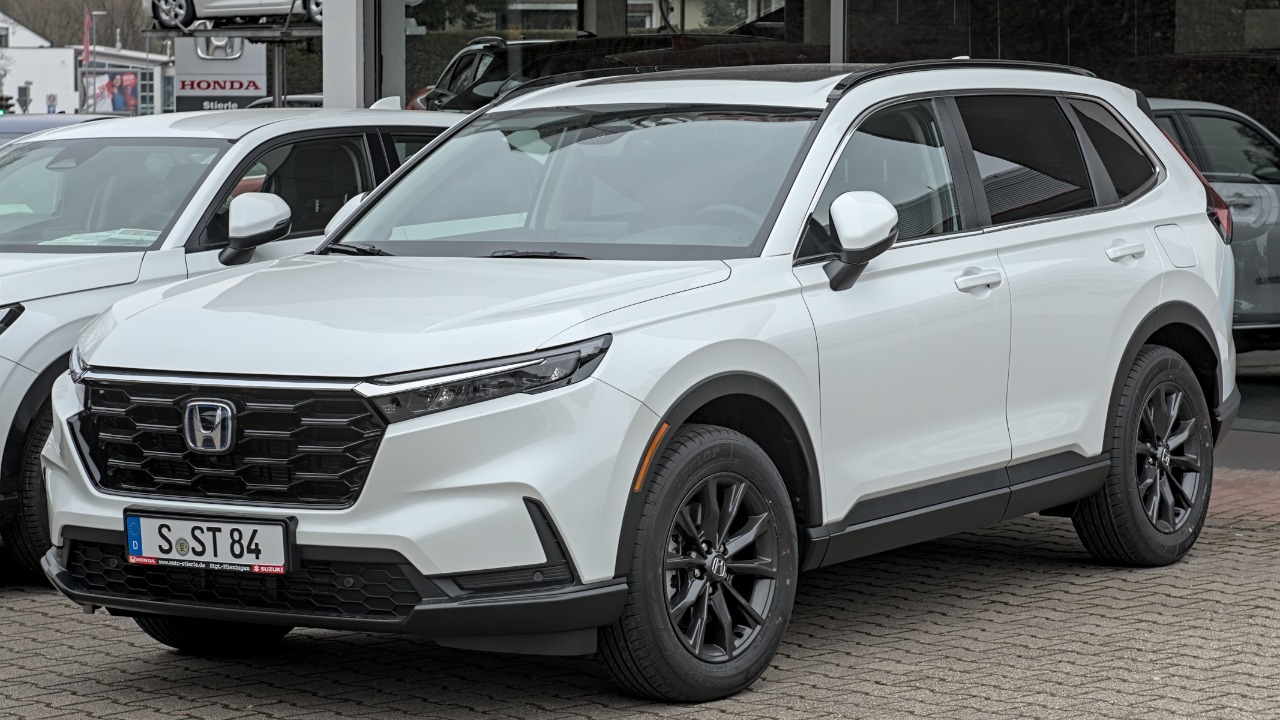
Honda’s CR-V overview on Wikipedia describes a compact SUV that has offered a real-time all-wheel-drive system across generations, sending power to the rear axle when the front wheels start to slip.
That setup keeps the CR-V planted through slush and packed snow without the driver having to do anything. It remains a traction tool rather than a braking one, so drivers still need to leave extra following distance once the roads turn icy.
5. Subaru Ascent: Three-Row Family Traction
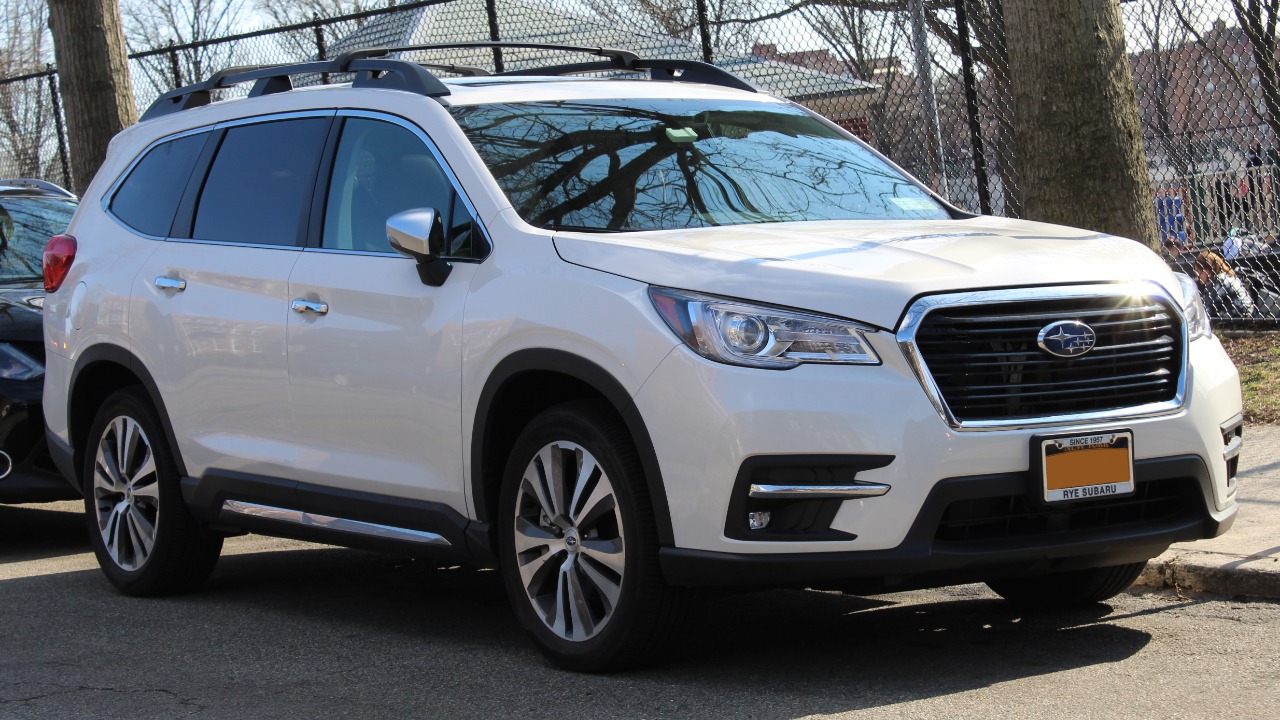
The Ascent is Subaru’s three-row entry, and the Ascent’s Wikipedia page notes it shares the brand’s standard symmetrical all-wheel drive across every trim level, scaled up for a bigger, family-hauling body.
Hauling a full load of passengers and cargo changes how a vehicle behaves on snow, since more weight shifts the balance point in a turn or a sudden stop. AWD helps manage that shift under power, but it does not change how the tires grip once the brakes are applied.
6. Audi Q5: Quattro’s Cold-Weather Reputation
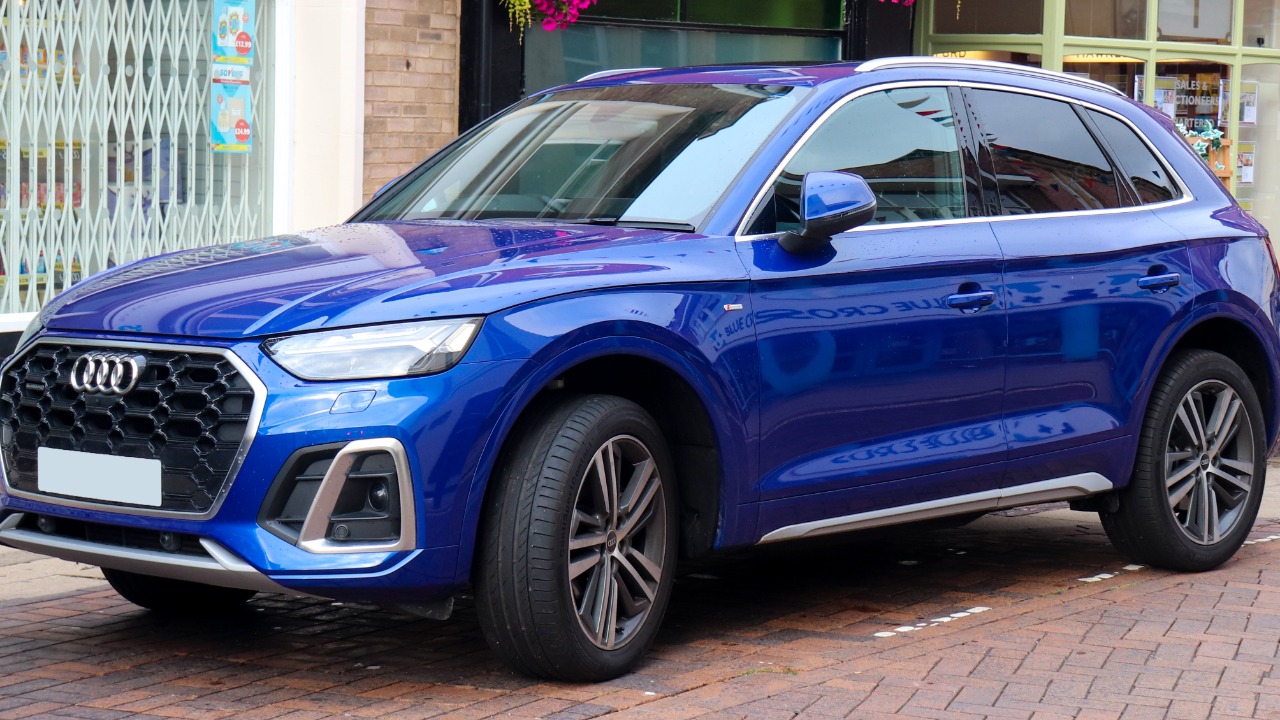
The Q5 carries Audi’s quattro all-wheel-drive system, a name the Q5’s Wikipedia entry ties to Audi’s long-running performance and traction lineage in a compact luxury body.
Quattro’s reputation was built partly on rally and racing history, but on a daily commute its real value is quietly shifting torque before a wheel ever slips. Even a well-regarded system like this still rides on tires, and a worn all-season tire undercuts everything the drivetrain is doing.
7. Toyota 4Runner: Body-on-Frame Winter Muscle
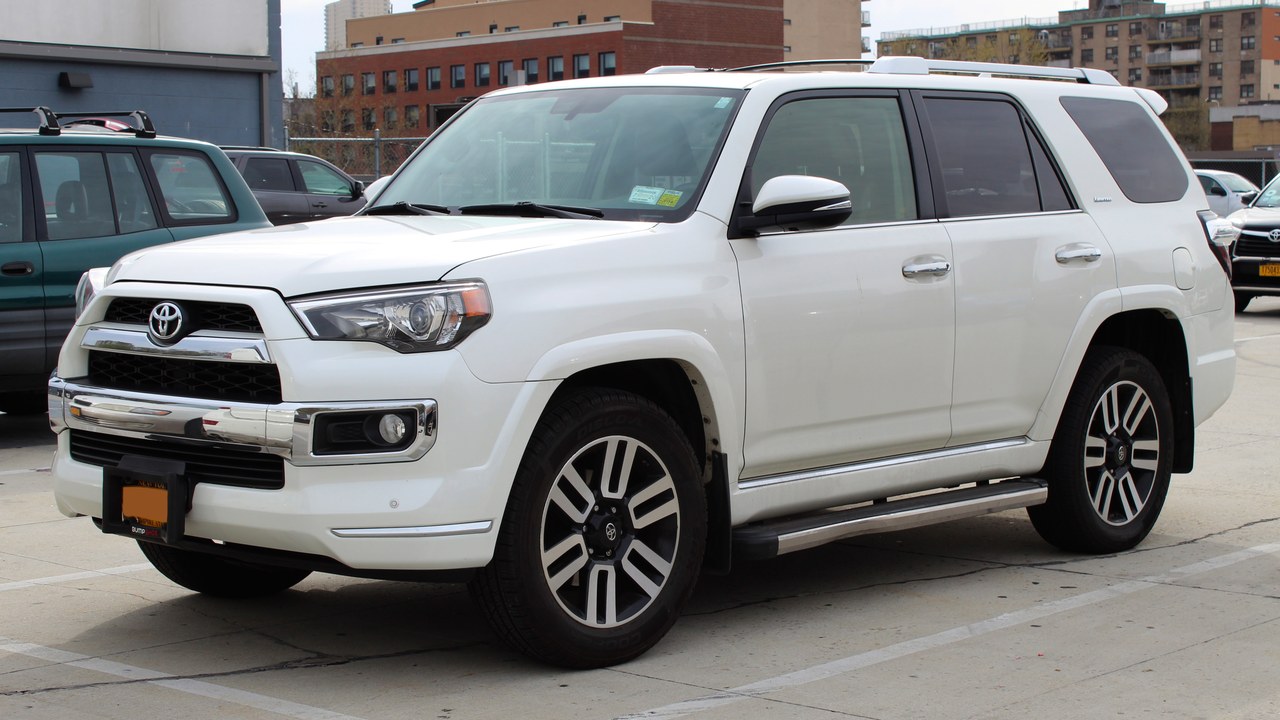
Unlike most crossovers on this list, the 4Runner is a body-on-frame SUV, and the 4Runner’s Wikipedia page notes trims offer selectable four-wheel drive with a low range for serious terrain.
That low-range gearing is built for conditions worse than a plowed highway, like an unmaintained back road after a heavy storm. Four-wheel-drive systems like this still depend entirely on tire contact for stopping, so the added hardware is about getting through snow, not stopping in it.
8. Jeep Grand Cherokee: Serious 4×4 Hardware, Family Trim
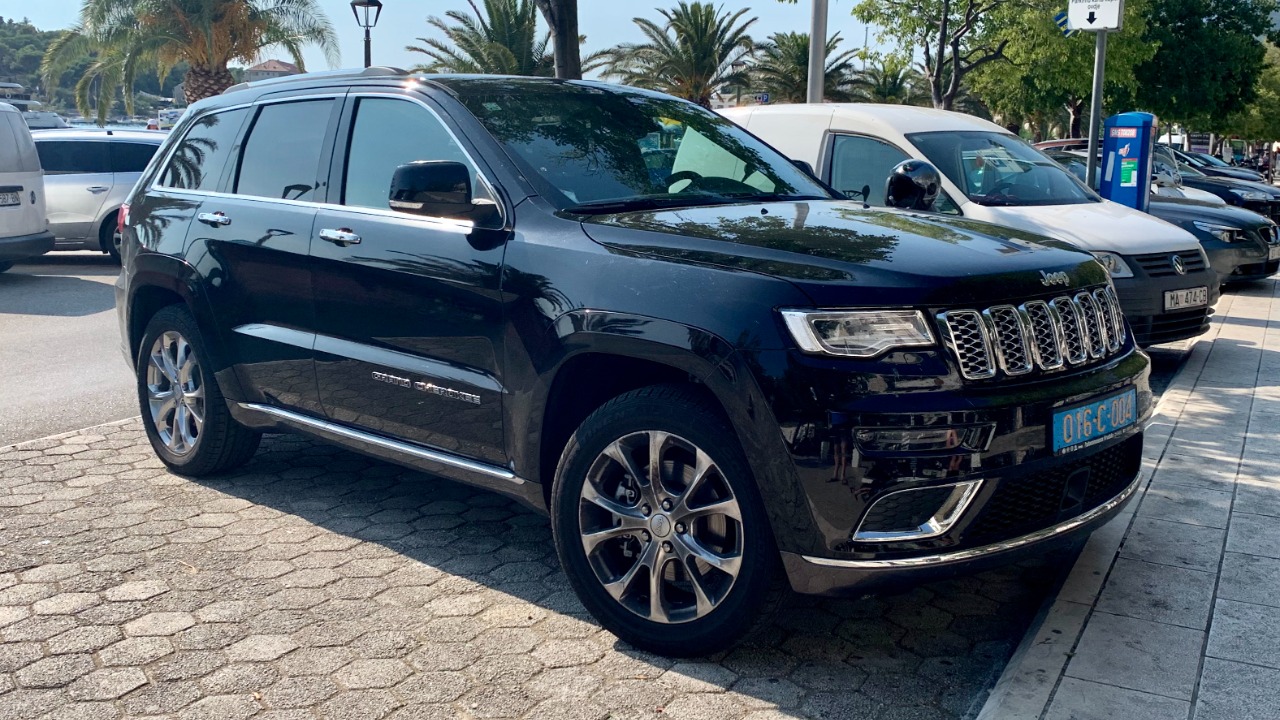
The Grand Cherokee’s Wikipedia history describes a model line that has offered Jeep’s Quadra-Trac and Quadra-Drive four-wheel-drive systems, hardware borrowed from Jeep’s off-road-focused lineup rather than a crossover-grade AWD unit.
That heritage shows up in deep, unplowed snow, where a system built for trail work tends to keep finding traction longer than a lighter crossover setup. The same rule still applies here: none of that hardware shortens a stop on glare ice without the right tires underneath it.
9. Volvo XC90: Safety Engineering Plus AWD

Volvo built its reputation on safety engineering, and the XC90’s Wikipedia entry notes the flagship SUV pairs that focus with all-wheel drive and a driver-assistance suite aimed at reducing accidents in poor conditions.
Stability and traction-control software work alongside the AWD system to catch a slide before it becomes a spin, which matters most on the black ice that forms on shaded, untreated roads. None of that electronics package replaces winter tires; it only manages the traction they provide.
10. Land Rover Defender: Terrain Response For Real Winters

The modern Defender revives a nameplate built for expedition-grade travel, and the Defender’s Wikipedia page describes its Terrain Response system, which adjusts the drivetrain and suspension for specific surfaces including snow and ice.
That adjustability lets a driver tell the vehicle what it is dealing with rather than leaving everything to a generic AWD map. It is engineered for terrain most SUVs on this list would avoid, though the same tire-grip limits apply once the vehicle needs to stop rather than move.
11. Subaru Crosstrek: The Smallest Snow-Ready Subaru
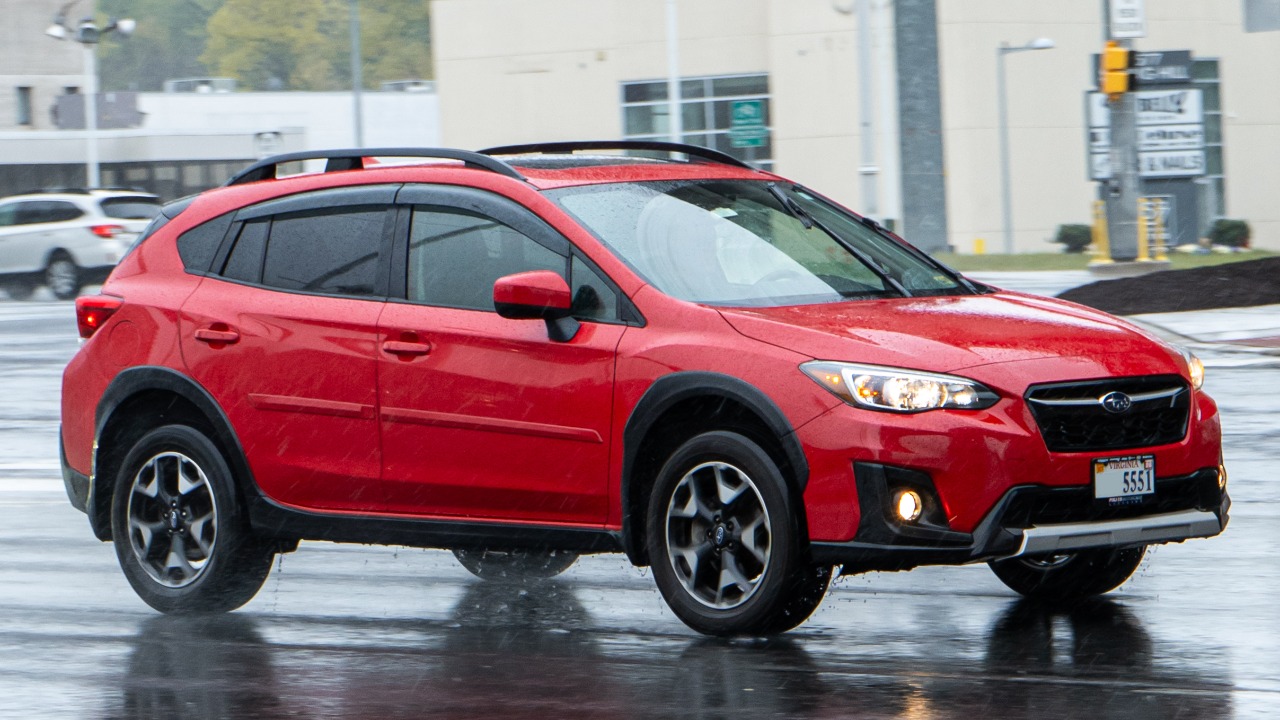
The Crosstrek is Subaru’s smallest crossover, and the Crosstrek’s Wikipedia entry notes it is built on a raised version of the Impreza platform, carrying the brand’s standard symmetrical all-wheel drive into a compact footprint.
That combination of a small, easy-to-park body and taller ground clearance is why it shows up often as a first winter vehicle. As with the rest of this list, the AWD system helps it move through snow confidently, but stopping distance on ice still comes down to the tires.
More from Morning Overview
- Evacuations spread as the Gann Fire chews through 10,000 acres of California’s Gold Country
- Pythons keep spreading across Florida, and one county alone pulled out four tons of them
- 12 most reliable SUVs you can buy for 2026
- Hunters pulled a 19-foot python from the Everglades at 1 a.m., the longest ever recorded in Florida
