
Tailfins swept across American car design in the 1950s, borrowing the look of jet aircraft and rocket ships. Detroit’s rival makers competed to add taller, sharper and more dramatic fins every model year. Here are ten finned cars that show how far the trend went, from Cadillac’s record heights to Edsel’s late-decade oddities.
Read next on Morning Overview: Older Teslas mostly keep their batteries, and here’s what wears out instead
1. 1959 Cadillac Eldorado Biarritz: Peak Tailfin
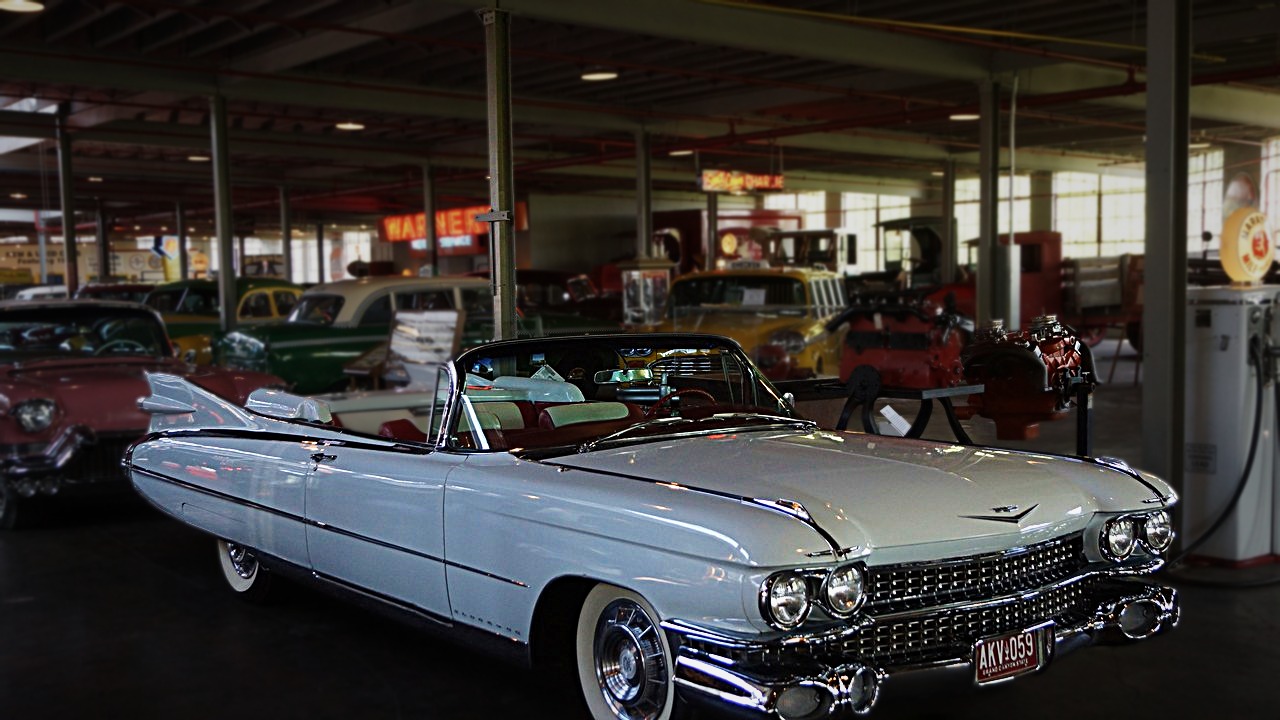
Among the 1959 Cadillacs, the Eldorado Biarritz convertible stands as the high-water mark of the fin race. Its fins are widely regarded as the tallest on any production car, according to SlashGear’s tailfin roundup, and the car stickered at $7,401, ran nearly 19 feet long and made 345 hp.
A well-kept Biarritz is a rolling statement of 1950s excess, and its size and price tag set it apart even within the Cadillac line. Buyers today should expect a very large car that needs generous garage space.
2. 1959 Cadillac Series 62 / Coupe DeVille: Fins Near Roof Height
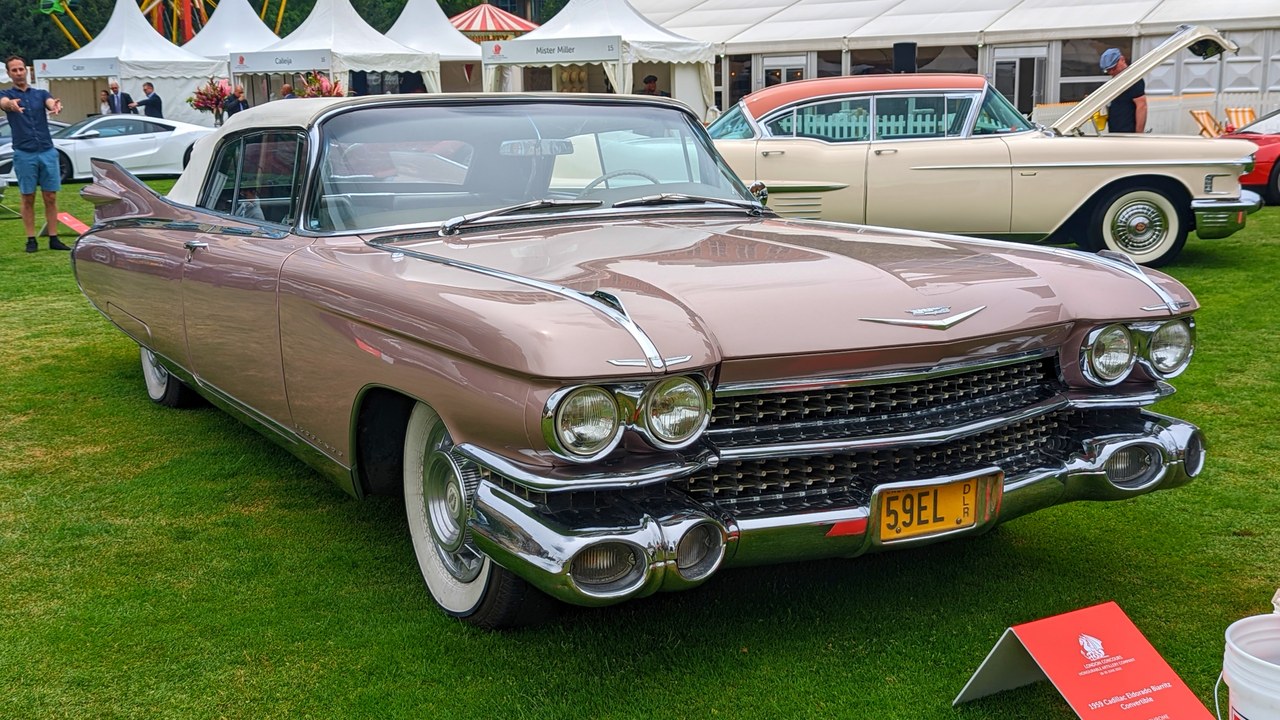
Cadillac’s 1959 Series 62 and Coupe DeVille carried the same towering rear fins that made the model year famous. HISTORY.com in June 2026 put the height of 1959 Cadillac tailfins at as high as 45 inches, and Hagerty describes them soaring almost to roof height with twin rocket-shaped tail lamps. The 1959 model year is the one most often cited when the finned era comes up.
The Coupe DeVille was the more attainable way into the 1959 look than the flagship convertibles. The rocket-style lamps are the detail that gives the era its jet-age reputation. Trim and roofline separate the individual 1959 models.
3. 1955-57 Ford Thunderbird: Outsold the Corvette
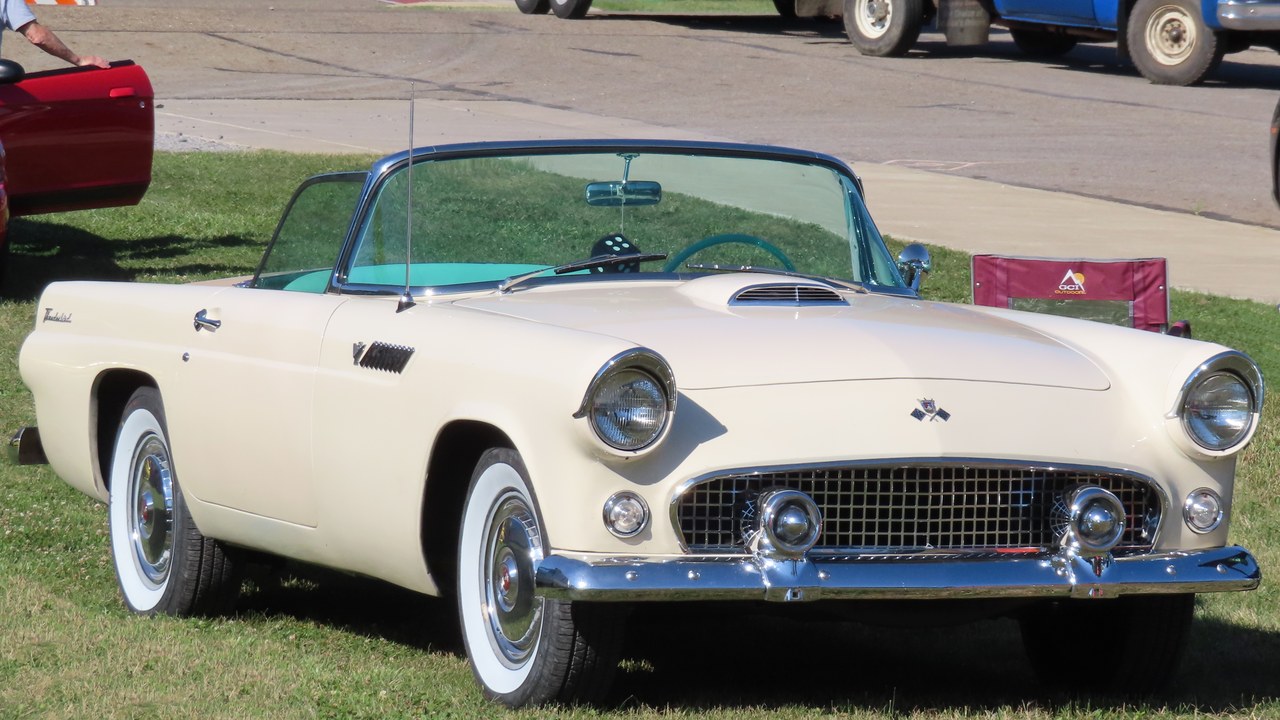
Ford’s two-seat Thunderbird arrived in 1955 as a rival to the Chevrolet Corvette and won the sales race decisively. SlashGear notes that 3,500 buyers drove one home in its first 10 days, and the first-generation T-Bird outsold the Corvette by a factor of four and a half to one.
Its fins were modest next to the Cadillacs, but the styling pointed the way to finned Detroit design. The 1955-57 cars remain among the most recognisable open two-seaters of the decade.
4. 1956-57 Studebaker Golden Hawk: Fiberglass Fins
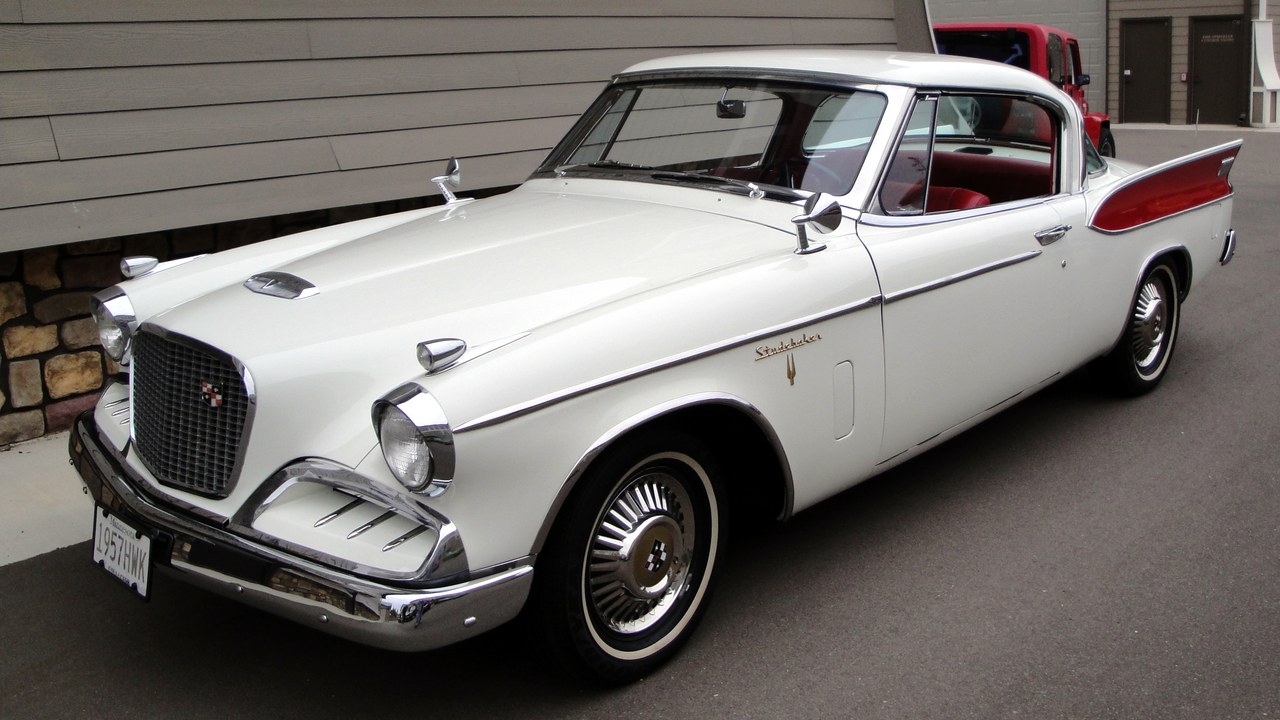
Studebaker’s Golden Hawk was the company’s first finned car, and the early cars were built unusually. According to SlashGear, the 1956 model was the first Studebaker to wear tailfins, made of fiberglass that first year and steel afterwards. It cost just over $3,000, and only about 4,000 were built in 1956.
The small production run makes the Golden Hawk a far rarer sight than the big Detroit finned cars. The first-year fiberglass fins are the detail that separates 1956 from later cars.
5. 1958 Plymouth Fury: Christine’s Crosswind Claim
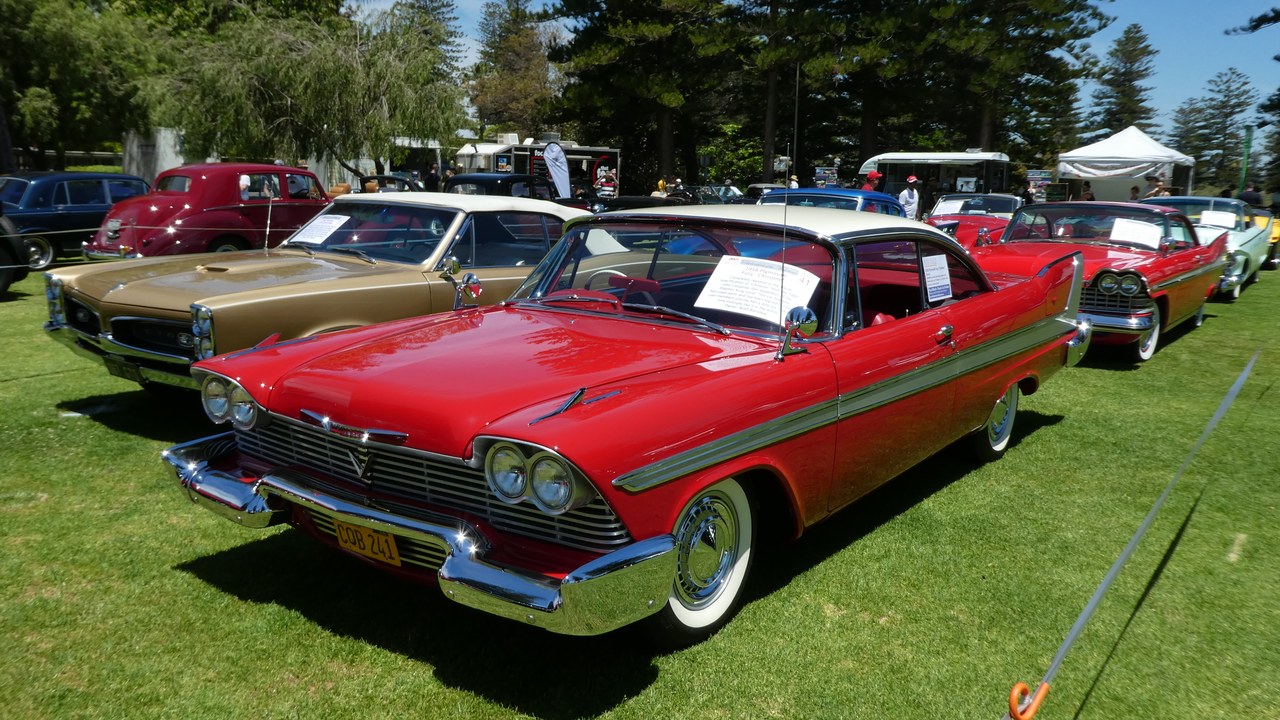
Plymouth’s 1958 Fury leaned on its fins for more than looks, with the maker claiming they helped crosswind stability. The 240-hp Fury also became the killer car in the film Christine, which SlashGear points out starred the 1958 Fury as a murderous self-repairing car in the 1983 horror movie.
The film role gave the Fury a lasting pop-culture profile far beyond its sales figures. Buyers chasing one should be aware that the movie association is a big part of its collector appeal.
6. 1959 Chevrolet Impala: Batwing Fins
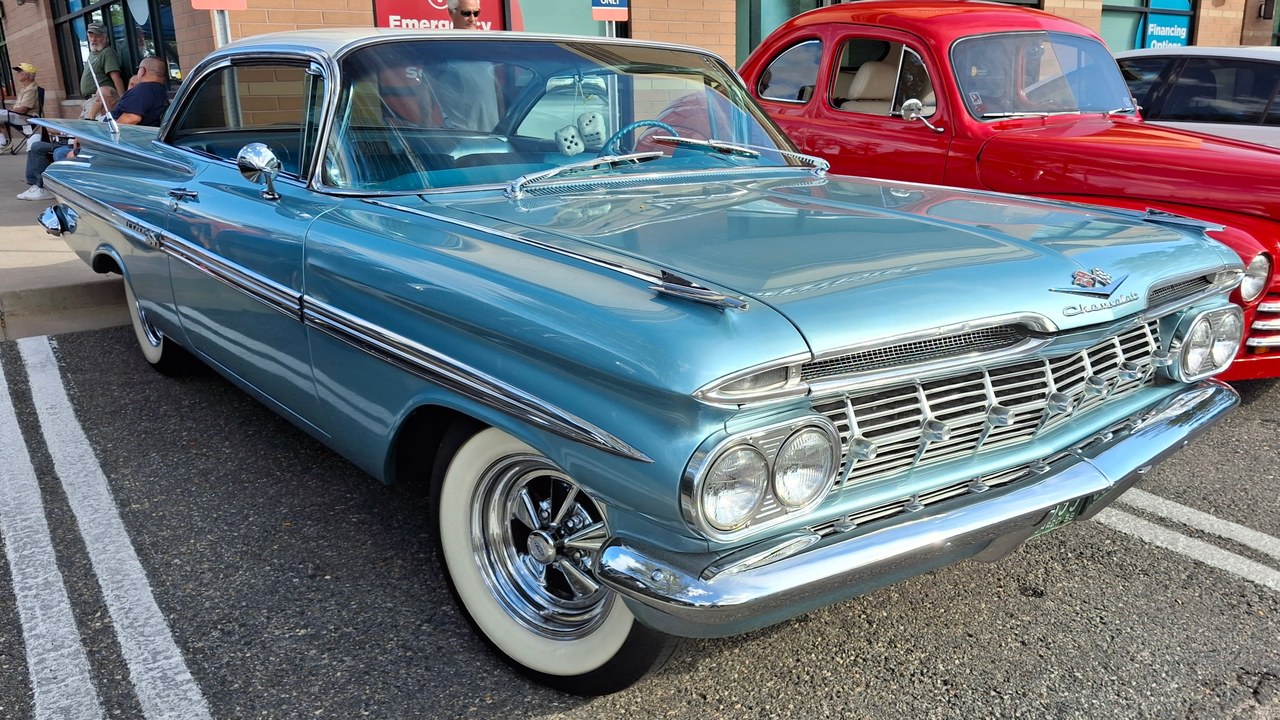
Chevrolet’s 1959 Impala wore outward-sweeping fins that looked like batwings. GM designer Chuck Jordan, quoted by HISTORY.com, said the 1959 was like letting a tiger out of the cage, saying go. Chevrolet positioned the Impala as the top of its passenger-car range in the late 1950s, and the 1959 redesign was a sharp break from the 1958 car.
The horizontal fins and wide taillamps make the 1959 Impala one of the most distinctive models in Chevrolet history. It is a one-year design, so the batwing look is easy to spot at any car show. Owners should expect the wide, flat body to take up plenty of space in a modern garage.
7. 1957 Imperial Crown: Exner’s Forward Look
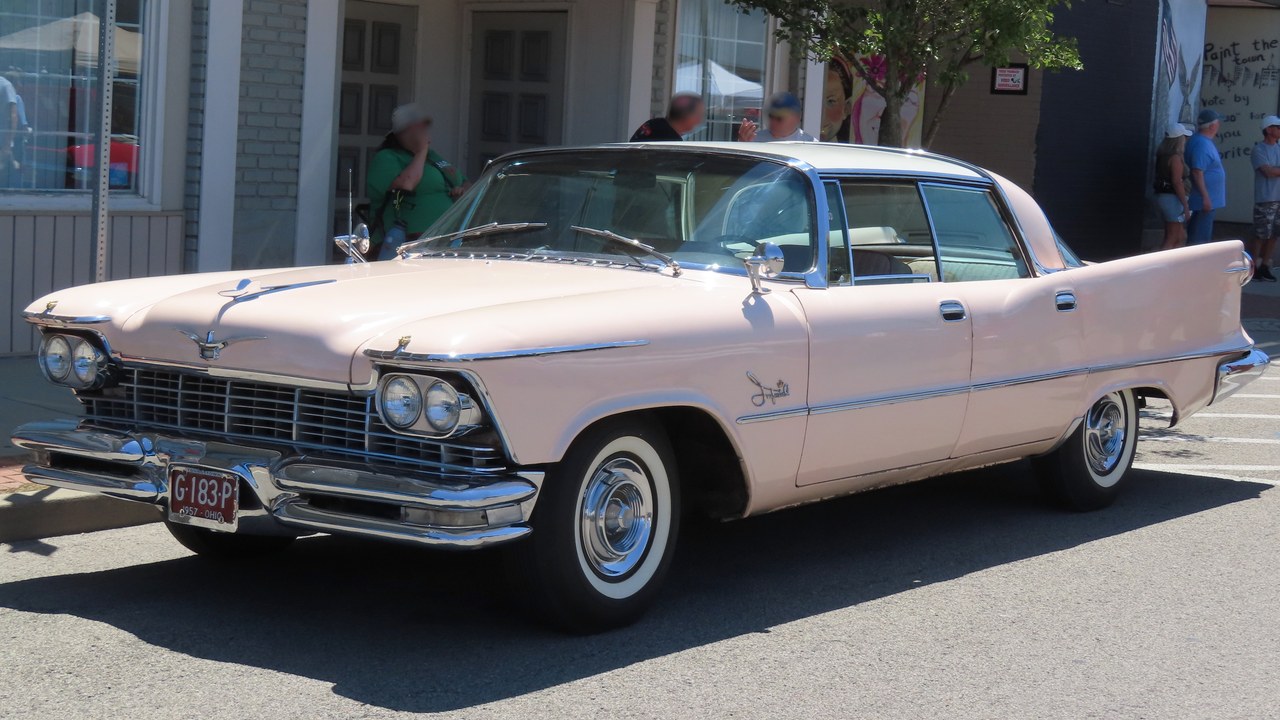
Chrysler’s design chief Virgil Exner pushed the Forward Look, and the finned result was most striking on the Imperial. HISTORY.com reports that Exner added dramatic tailfins to his 1957 models, particularly the Imperial Crown. Imperial was Chrysler’s top-line luxury marque in this period.
The fins on the Imperial were part of a wider shift across Chrysler products in the late 1950s. Shoppers comparing finned luxury cars of the era will find the Crown among the more formal designs of the group.
8. 1957 DeSoto Fireflite / Adventurer: A Tail to Flick
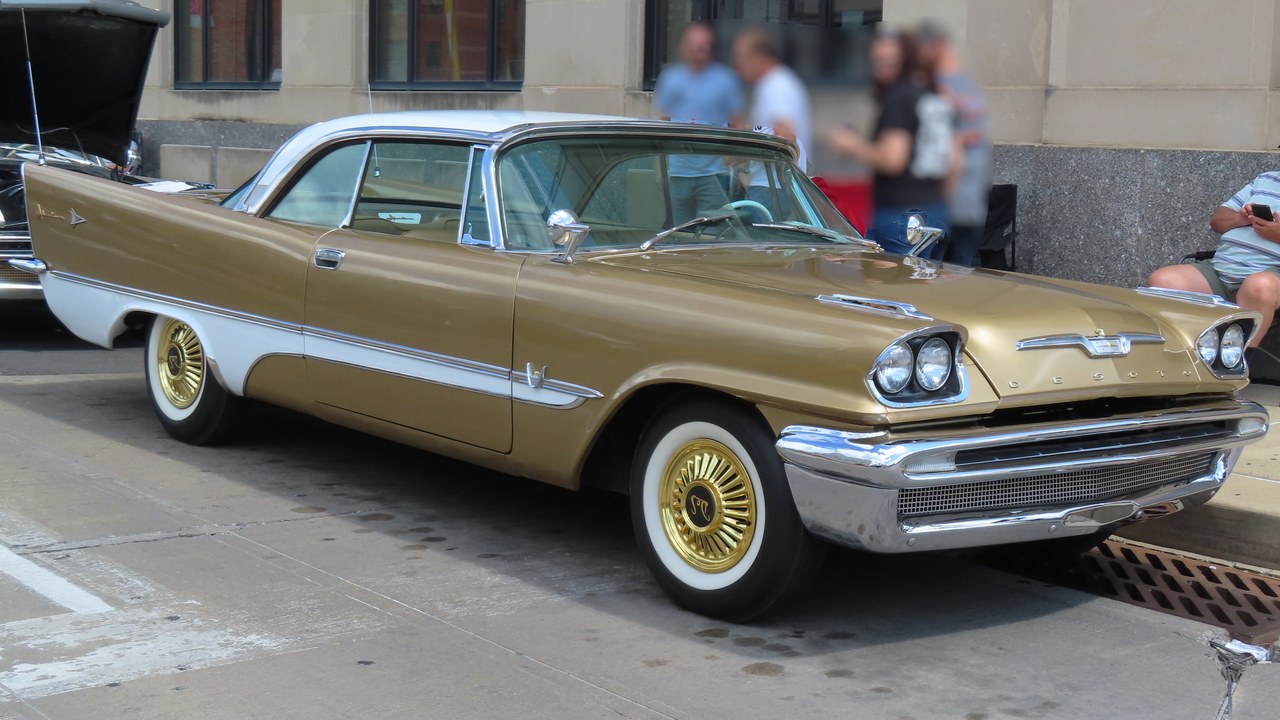
DeSoto sold its 1957 line on the promise of speed and style, and the advertising said so plainly. The 1957 ad, cited by HISTORY.com, read: This baby can flick its tail at anything on the road! The Fireflite and the Adventurer sat near the top of the DeSoto range.
The slogan turned the fins into a selling point rather than a styling flourish. DeSoto ended production in the early 1960s, which adds to the nostalgic pull of the 1957 cars today.
9. 1958 Edsel: Collectors Warm Up
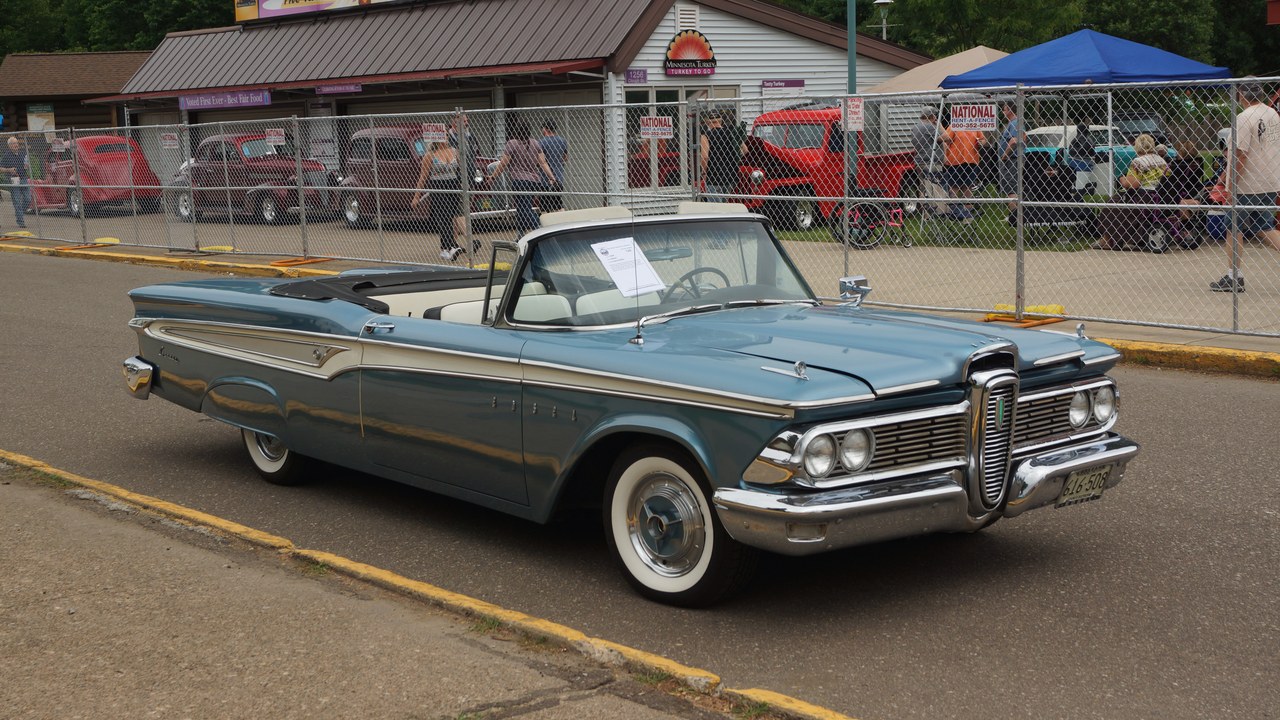
The Edsel is remembered as a sales failure, yet its late-1950s cars now draw collector attention. Hagerty’s Price Guide update showed that 1958-60 Edsel values rose 9% in the three months to January 2025, a decent lift in values. Ford launched the Edsel marque for the 1958 model year, and it was sold only through the 1960 model year.
The figure covers all 1958-60 Edsels, not just the 1958 cars. Its unusual styling is a big part of why the brand’s short run has become a point of interest for enthusiasts. Prices for the cars still vary widely with body style and condition, so a headline percentage says little about any single example.
10. 1957 Cadillac Eldorado Brougham: Fins on the Flagship
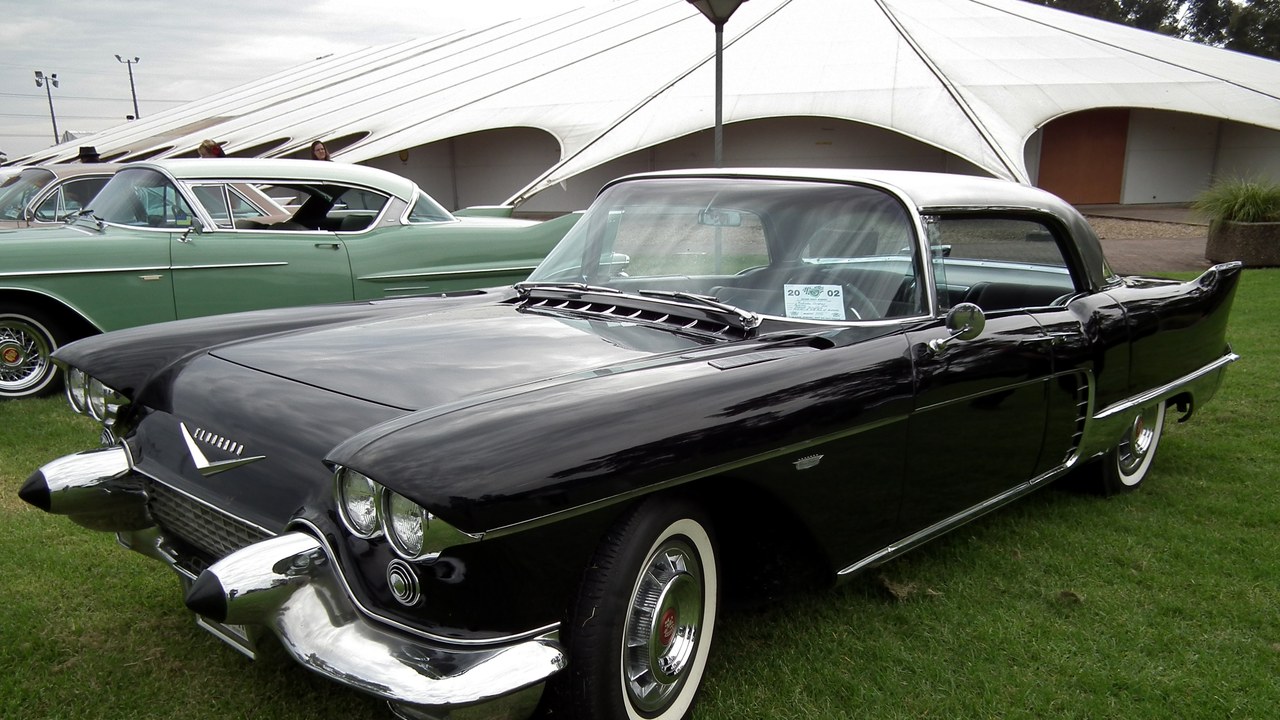
Cadillac’s fin motif did not stay on its mainstream cars for long. Hagerty’s history of Cadillac’s game-changing tailfins says that by 1957 the lean fin motif had spread up to the hand-crafted Eldorado Brougham, and the 1960 version previewed two fins per side. The car was a low-volume model within the Cadillac range.
The Brougham was built as an ultra-luxury flagship, so the fins there signalled that the style had reached the top of the line. The later two-fin design shows how quickly the look kept evolving. Because so few were built, the Brougham is a car most people see only in museums or at major collector events.
More from Morning Overview
- Ocean mud suggests Cascadia and the San Andreas fault have broken within hours of each other
- 11 engines built to run well past 200,000 miles
- A dangerous unpatched Windows exploit is now public and can hand attackers full control
- Microsoft says its November Windows security updates are breaking printing for some users
