
Electrified badges dominate the efficiency conversation, but a well-sorted gasoline crossover can still stretch a tank a long way. Small turbocharged engines, continuously variable transmissions, modest curb weights and slippery bodywork do most of the work that a battery pack gets credit for. Here are ten gas-only crossovers that lean on engineering rather than electrification.
1. Mazda CX-30: The Naturally Aspirated Holdout
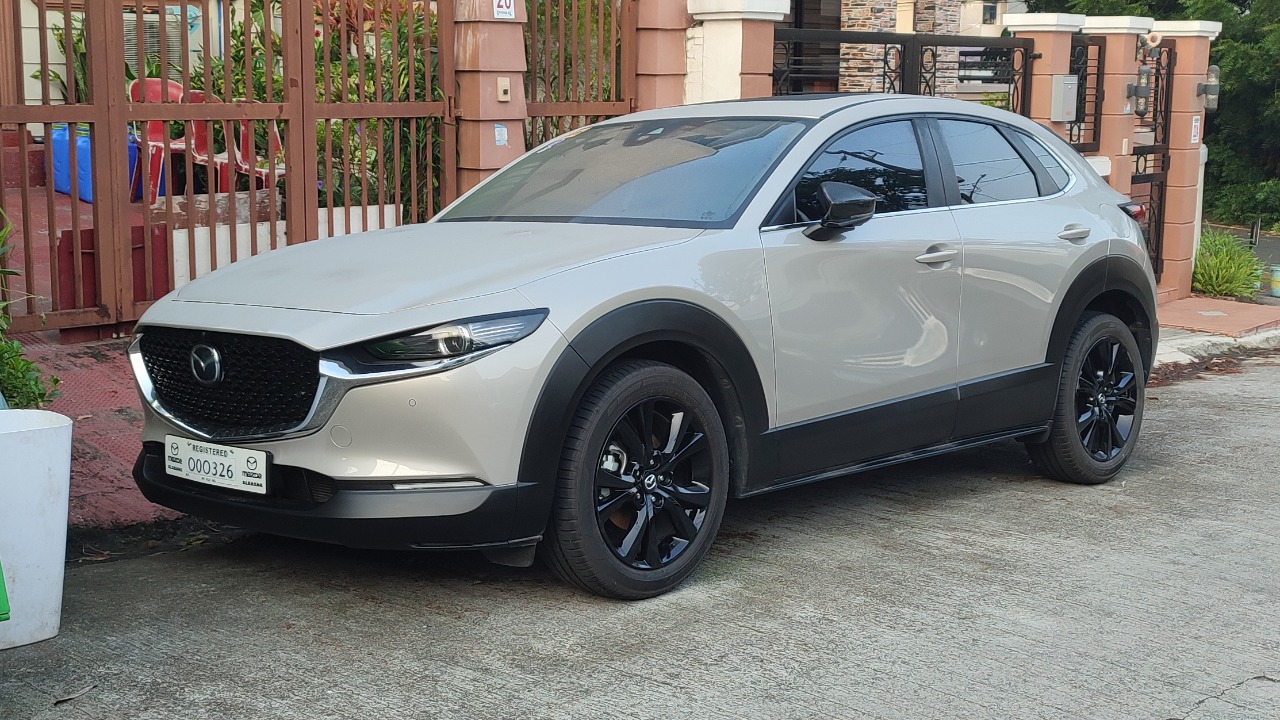
Mazda’s smallest crossover reaches its numbers without any electrified hardware, leaning on a naturally aspirated four bolted to a conventional automatic. The compact Mazda crossover carries a low roofline and a tapered tail that trim aerodynamic drag, and its curb weight stays modest for the class. Front-wheel drive is the baseline layout, which avoids the driveline losses a second driven axle introduces.
Shoppers who tick the all-wheel-drive box hand back part of that advantage, since the extra hardware adds mass and parasitic friction. On the highway the engine settles into a low-rev cruise, where tall top gearing does more for consumption than displacement alone would suggest.
2. Honda HR-V: A CVT Doing The Heavy Lifting

Honda’s subcompact entry pairs a modest four-cylinder with a continuously variable transmission, an arrangement that keeps the engine near its most efficient load instead of stepping through fixed ratios. Sold as a frugal subcompact crossover, it stays light, sits on a small footprint and sends power to the front wheels in its base configuration. None of that requires a battery pack or a hybrid badge.
The trade is character rather than economy: the transmission drones under hard acceleration, which is the cost of holding revs where fuel burn is lowest. All-wheel-drive versions add weight and rolling resistance, and the consumption figures move accordingly.
3. Chevrolet Trax: Three Cylinders, No Battery
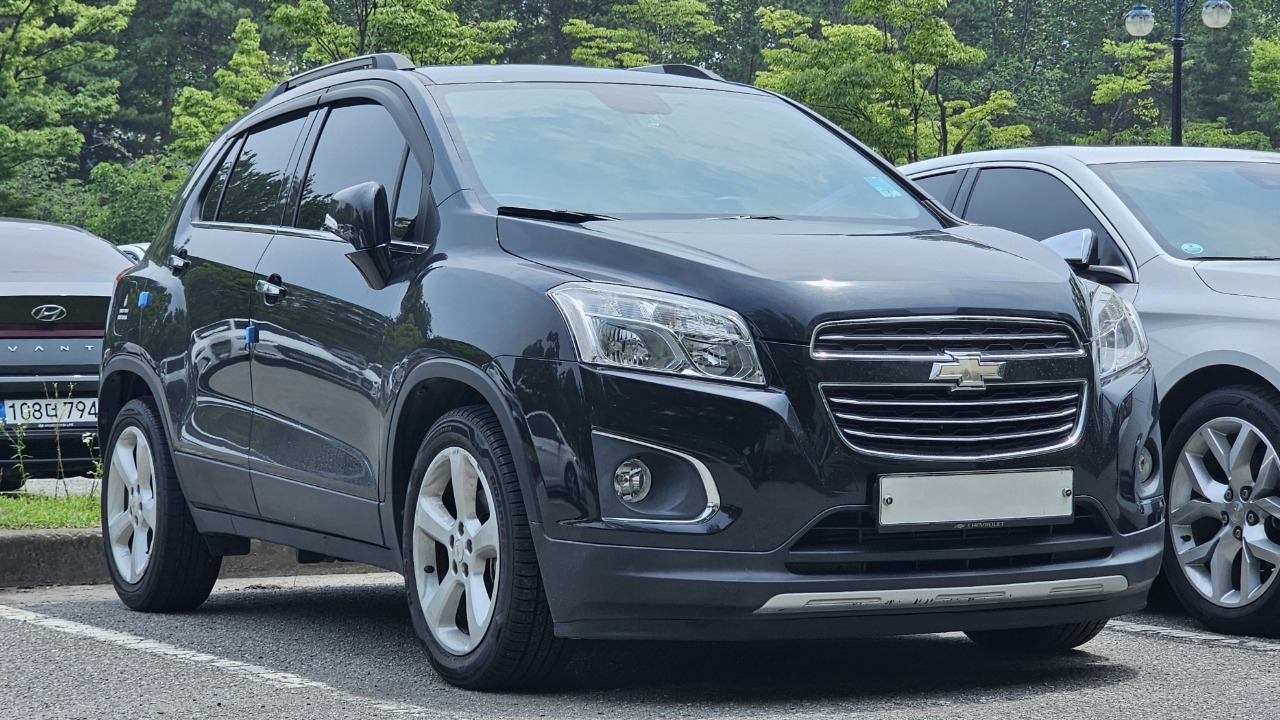
Displacement is the first thing Chevrolet cut here. A turbocharged three-cylinder replaces the larger fours that once powered this class, and the small Chevrolet crossover is offered strictly with front-wheel drive, which removes the weight and drag of a rear driveline entirely. Boost fills in the torque that the missing cylinder would otherwise supply.
Small turbo engines flatter their laboratory results more than their real-world ones, because heavy throttle brings boost and boost brings fuel. Driven gently, though, the engine spends most of its time off boost, which is precisely where a three-cylinder earns its keep.
4. Hyundai Kona: Two Gas Engines, One Small Footprint
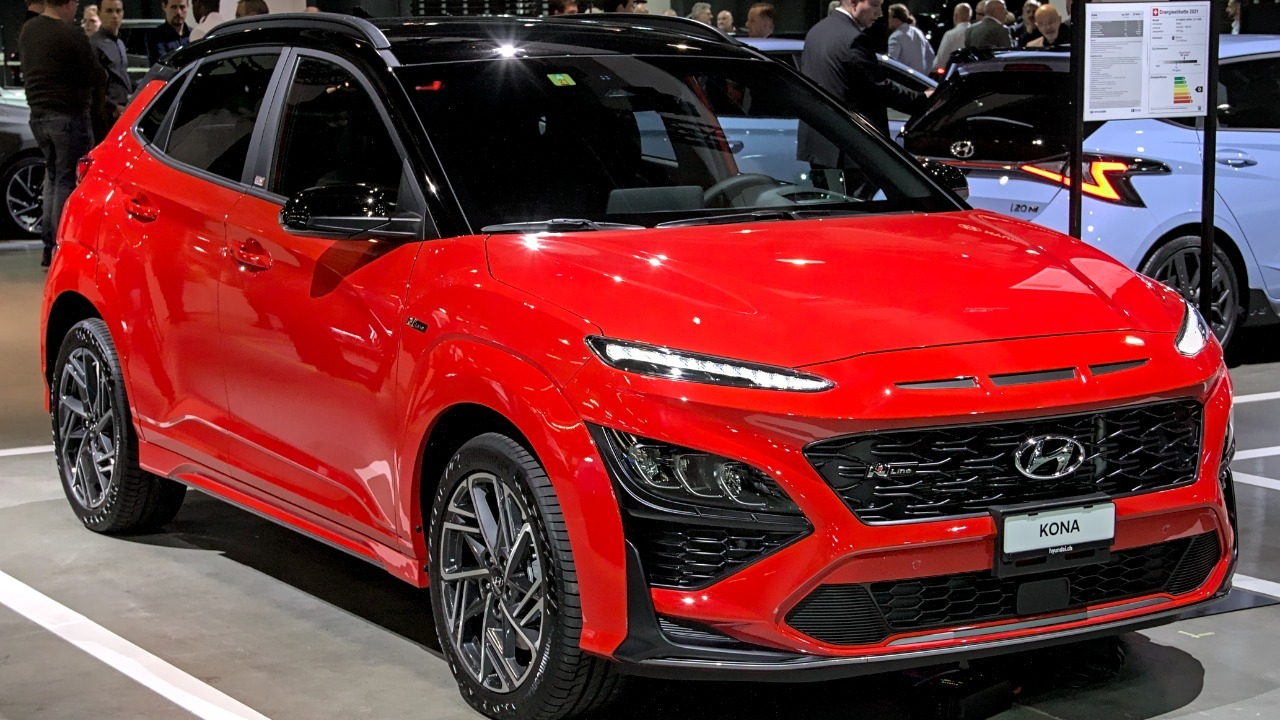
Hyundai gives this crossover more than one route to good economy, offering a naturally aspirated four for buyers who want simplicity and a smaller turbocharged unit for those who want torque. Either way the Hyundai subcompact crossover keeps curb weight down and hides its efficiency work in gearing and aerodynamics rather than in an electric motor.
The turbo option responds better in traffic but rewards a light foot, since boost and economy pull in opposite directions. Adding all-wheel drive costs some of the gain, so the thriftiest configuration remains the front-drive car with the taller final ratio.
5. Kia Seltos: Mileage Without The Badge
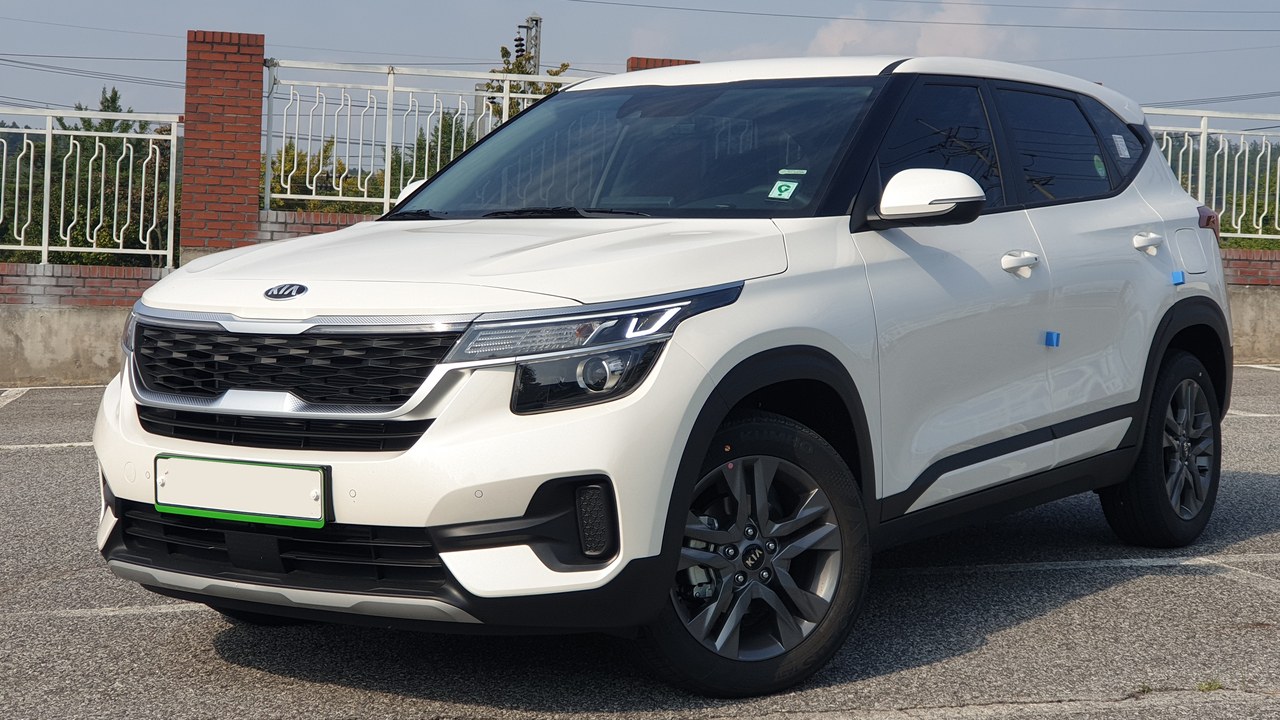
Kia’s compact crossover posts respectable consumption figures using conventional hardware alone. Buyers of the Kia compact crossover get a modestly sized four sending drive through a transmission tuned to keep engine speed low, and the body’s flat sides and squared tail are shaped to manage air more carefully than the boxy silhouette suggests.
Efficiency here is a package rather than a single component: gearing, mass and tyre choice each contribute a slice. The all-wheel-drive version is heavier and geared differently, which is where much of the advantage over a hybrid rival quietly disappears.
6. Nissan Kicks: Low Weight As A Strategy
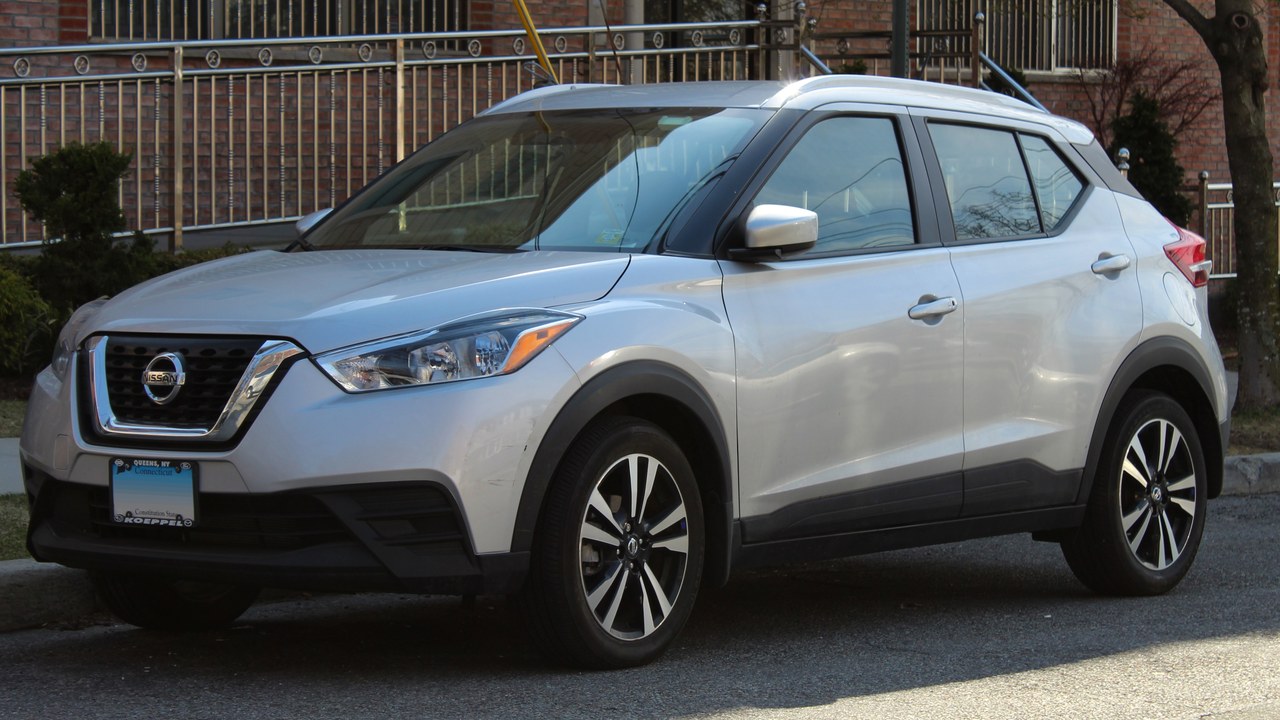
Weight is the lever Nissan pulled. Built as a light front-drive crossover, it stays near the bottom of the segment on the scales, runs on regular fuel and uses a continuously variable transmission to hold the engine at an efficient load rather than chasing performance. There is no hybrid system underneath any of it.
Less mass means less energy spent on every acceleration and every hill, which is why the model competes with heavier electrified rivals on consumption. Drivers looking for strong overtaking response will find the engine modest, and a loaded car climbs grades slowly.
7. Buick Envista: A Fastback Roof With A Small Turbo
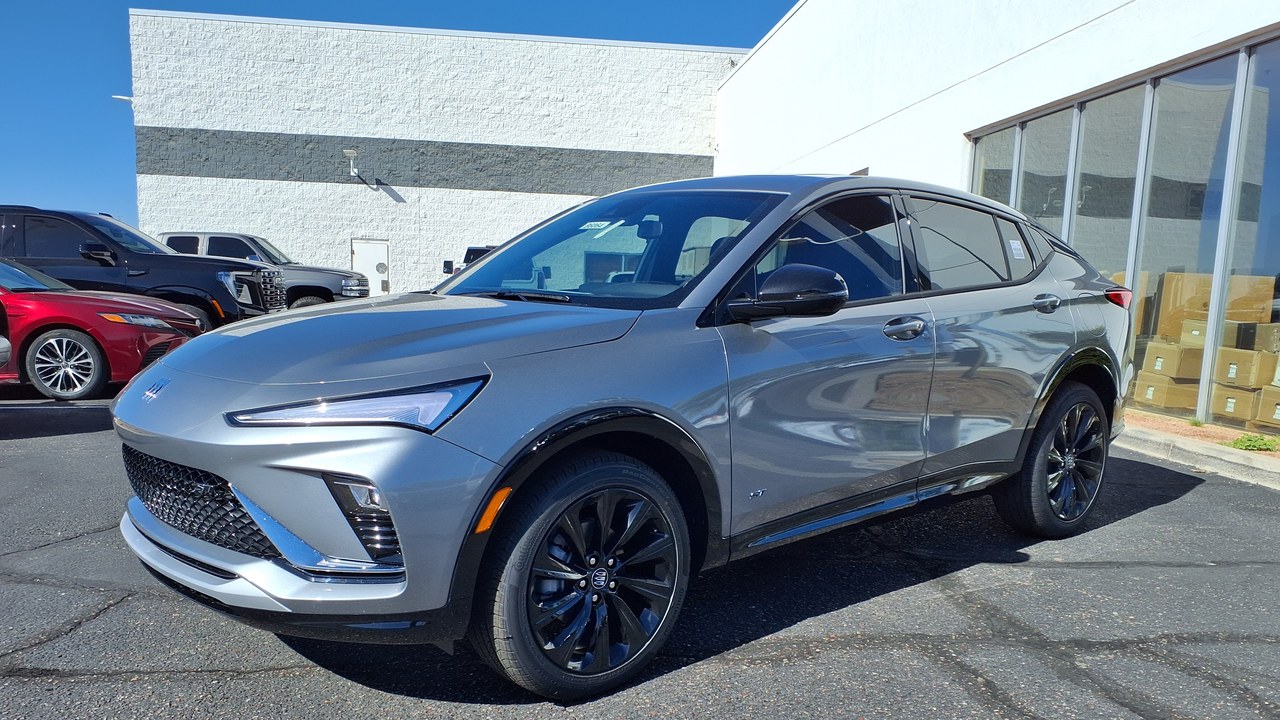
Buick’s smallest crossover follows the same recipe as its General Motors siblings: a turbocharged three-cylinder, front-wheel drive only, and a low, tapering roofline that behaves more like a hatchback than a wagon. The Buick small crossover line has drifted steadily toward smaller displacement, using boost to recover the torque the missing cylinder used to provide.
The absence of an all-wheel-drive option is unusual in this class, and it is one reason the consumption figures hold up. Buyers who want a driven rear axle for winter traction have to shop elsewhere in the showroom, which changes the arithmetic entirely.
8. Volkswagen Taos: Turbocharging In Place Of Displacement
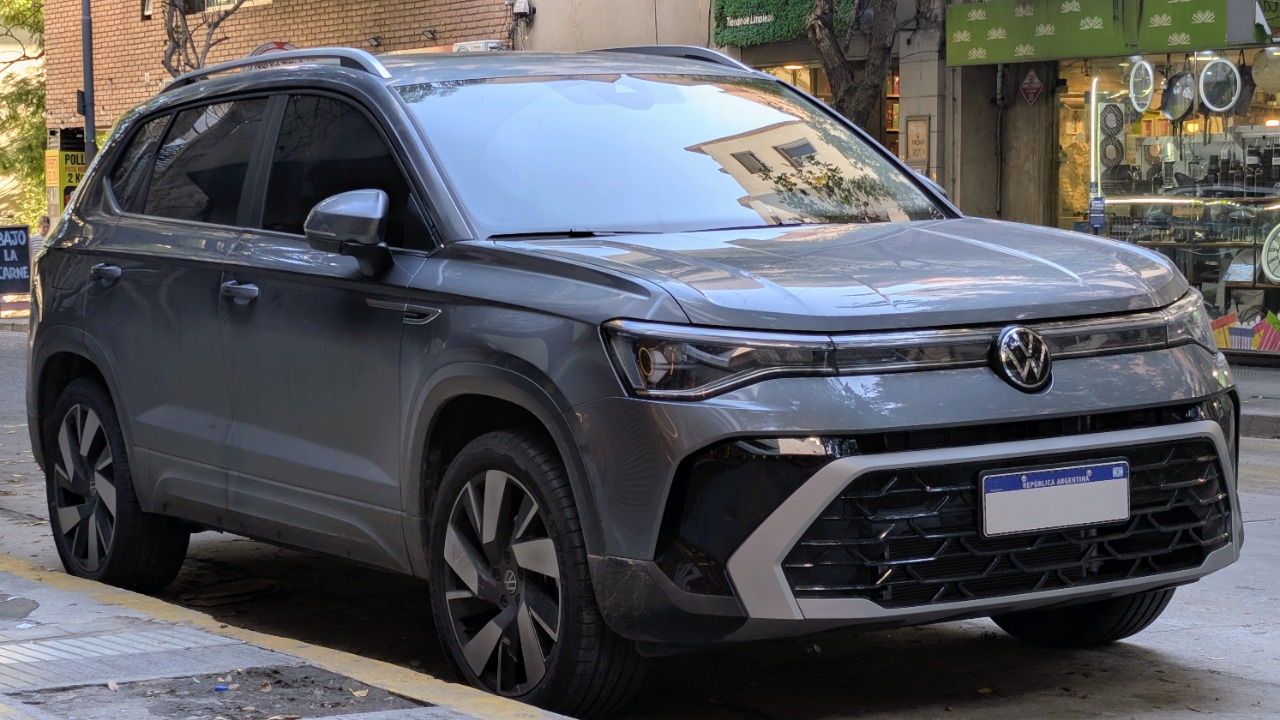
Volkswagen’s approach substitutes boost for cubic capacity, running a turbocharged four instead of a larger naturally aspirated engine. In the Volkswagen compact crossover, front-drive versions use an automatic with enough ratios to keep revs low at a cruise, and the upright body is smoothed at the front and tail to keep drag in check.
Highway consumption is where the setup looks best, because the engine is barely working once the car is up to speed. All-wheel-drive versions swap in different rear hardware and a different transmission, and the economy figures fall back a step as a result.
9. Subaru Crosstrek: The All-Wheel-Drive Exception
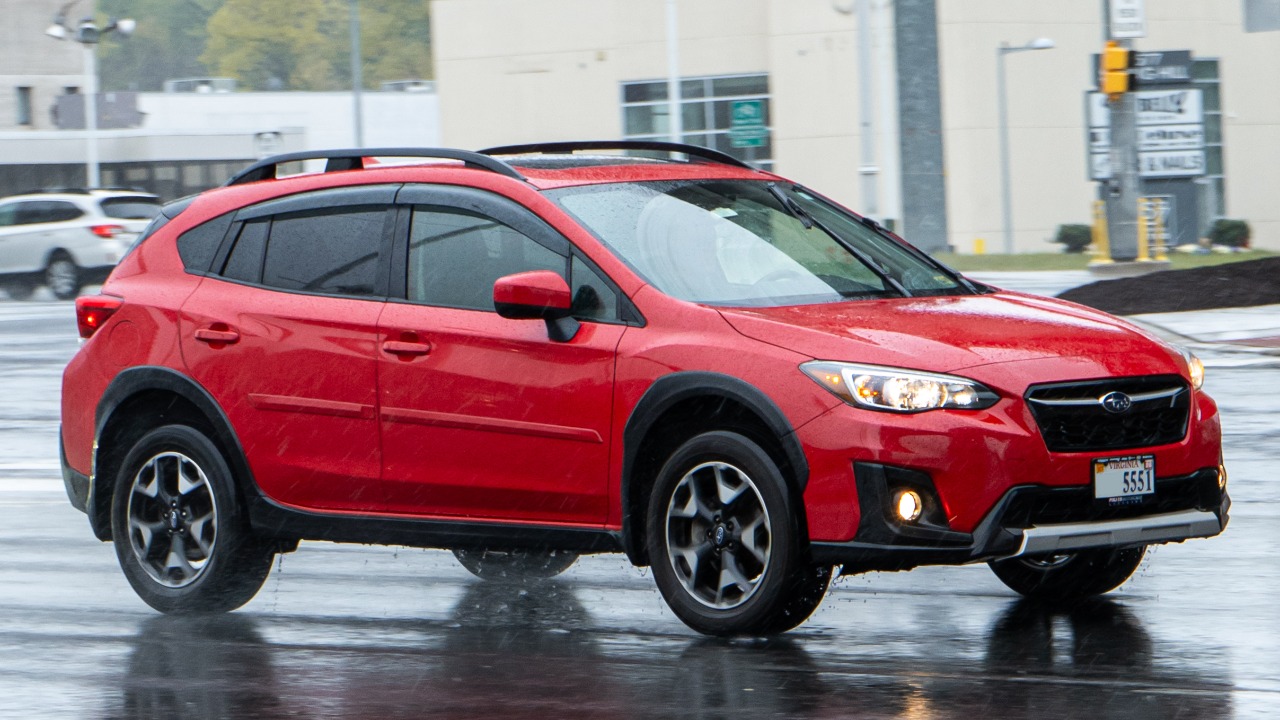
Every other entry pays a penalty for driving all four wheels; this one includes the hardware as standard and still returns competitive numbers. The all-wheel-drive Subaru crossover uses a horizontally opposed four and a continuously variable transmission, a combination that keeps the drivetrain compact and the engine loaded efficiently despite the permanent second axle.
That makes it the most useful comparison in the group, since the figures already include the traction hardware most rivals charge extra for. The flat-four is not a strong performer under load, and steady throttle rather than hard acceleration is what preserves the advantage.
10. Toyota Corolla Cross: Built On A Car’s Bones
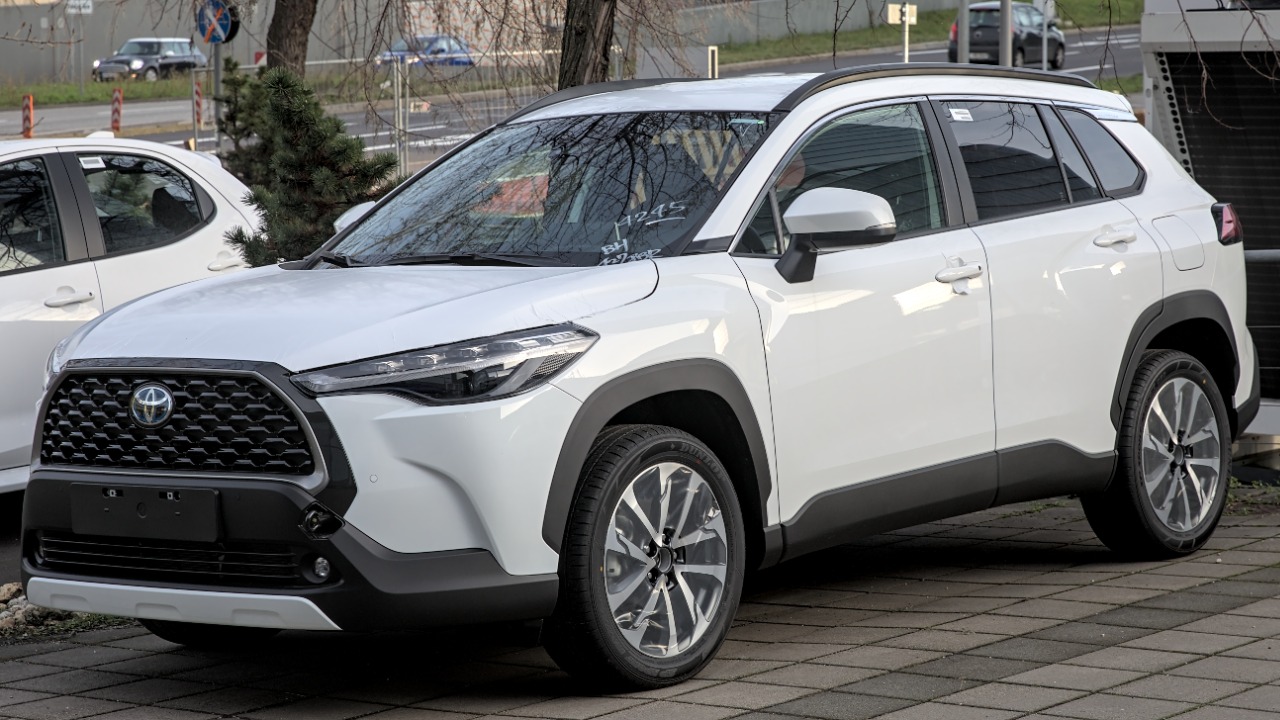
Toyota derived this crossover from a compact car platform, and the inheritance shows in its mass and proportions. The gasoline version of the Toyota compact crossover runs a naturally aspirated four through a continuously variable transmission, with no electric motor involved, and the raised body is still narrow enough to keep its frontal area in check.
Sharing a platform with a sedan also means sharing its gearing philosophy, which favours low cruising revs over acceleration. The all-wheel-drive variant carries additional hardware and returns lower figures, so the front-drive car remains the efficiency choice in the range.
More from Morning Overview
