
Driver-assistance hardware that once cost thousands as an option package now arrives bolted into the base trim of most mainstream crossovers. Automatic emergency braking, lane-keeping help and adaptive cruise control have become badge-level features, marketed under names buyers learn to recognize before they learn the trim ladder. Here are ten sport-utility models whose standard equipment leans hardest on that technology.
1. Subaru Forester: EyeSight On Every Trim
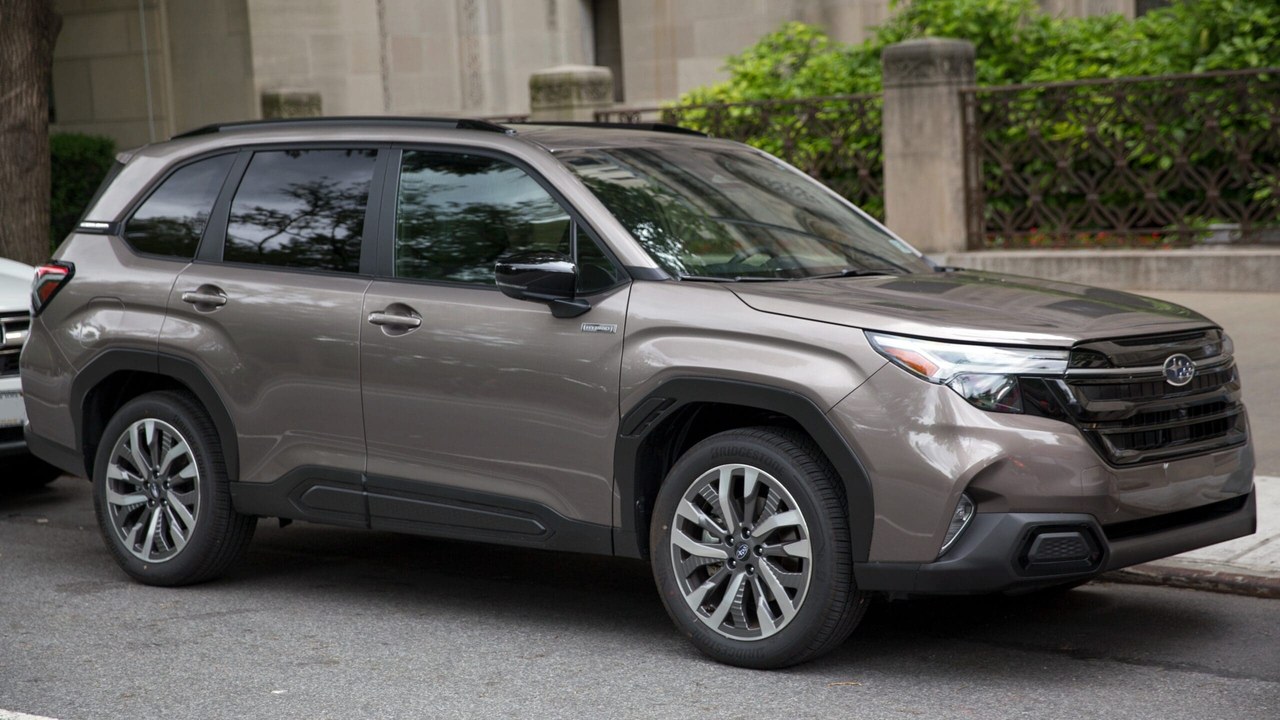
Subaru made its stereo-camera EyeSight system the default rather than the upsell, and the Forester line carries it from the entry trim upward. The setup reads the road through a pair of windshield-mounted cameras instead of a single sensor, feeding adaptive cruise control, pre-collision braking and lane-departure warning from the same image pair. The stereo pair gives the software depth perception, which is how it estimates closing distance without a radar emitter.
That matters most at the bottom of the price sheet, where rival brands have historically reserved collision-avoidance hardware for mid-grade cars. A shopper comparing base models is not trading away the assist package to save money.
2. Honda CR-V: Honda Sensing Without The Upgrade
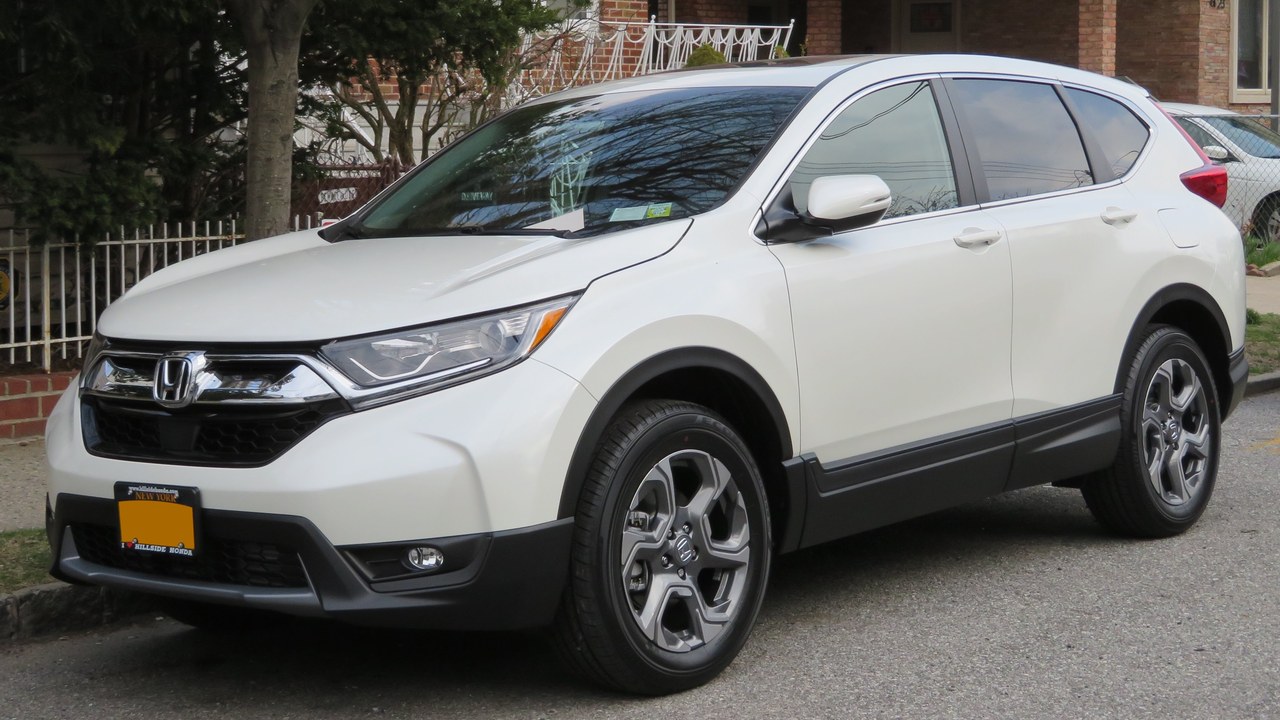
Honda bundles its driver-assist features under the Sensing label, and the CR-V crossover ships with that suite regardless of trim. The package combines collision-mitigation braking, road-departure mitigation, lane-keeping assist and adaptive cruise control, with camera and radar inputs handling detection duties.
Because the content is fixed across the range, the trim decision turns on leather, wheels and infotainment rather than on whether the vehicle will brake for stopped traffic. That simplifies cross-shopping in a segment where option codes usually muddy the comparison. A dealer cannot use the assist package as a lever to push a shopper up two trim levels.
3. Toyota RAV4: Safety Sense As Base Equipment
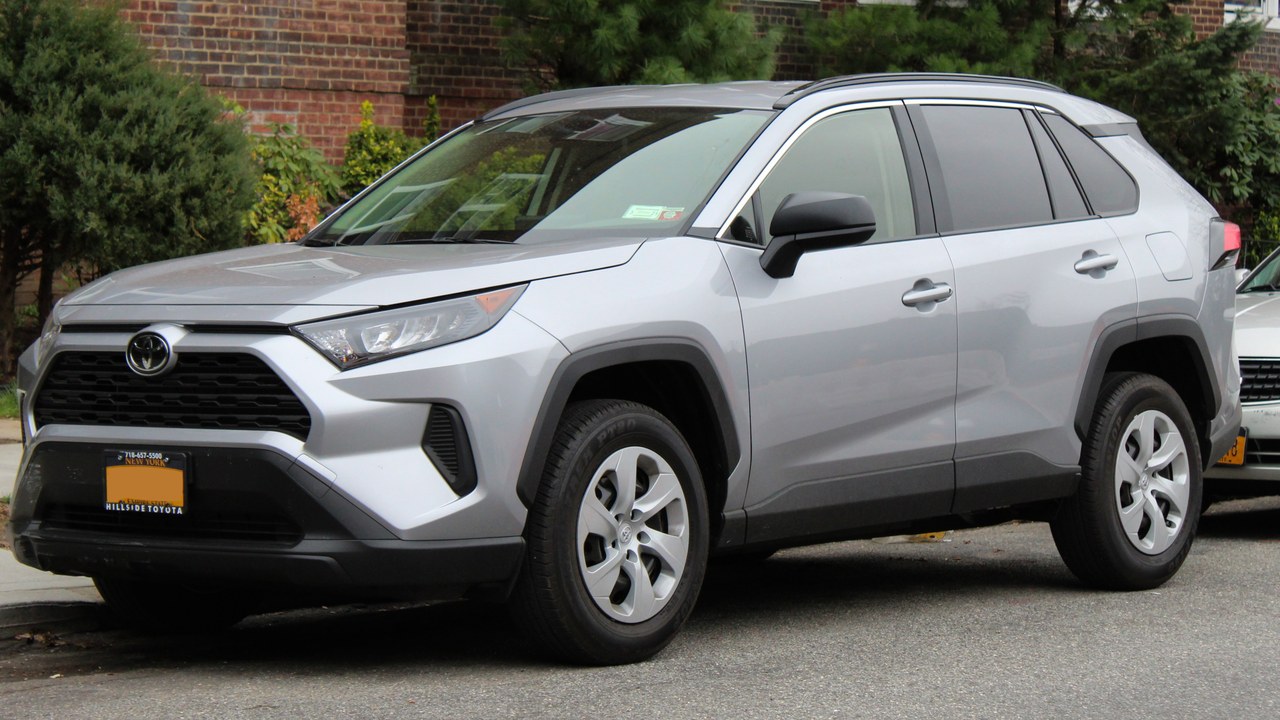
Safety Sense has been fleet-wide content at Toyota for years, and the RAV4 lineup is among the volume models that carry it as standard equipment. The bundle groups a pre-collision system, lane-departure alert with steering assist, automatic high beams and radar-based cruise control that works down to low speeds.
Toyota revises the package periodically, so the exact feature list depends on which generation sits on the lot. Anyone weighing a used example against a new one benefits from confirming which version of the suite that specific car carries. The marketing names carried over between versions even as the sensing hardware changed underneath them.
4. Mazda CX-5: Braking Assistance Built In
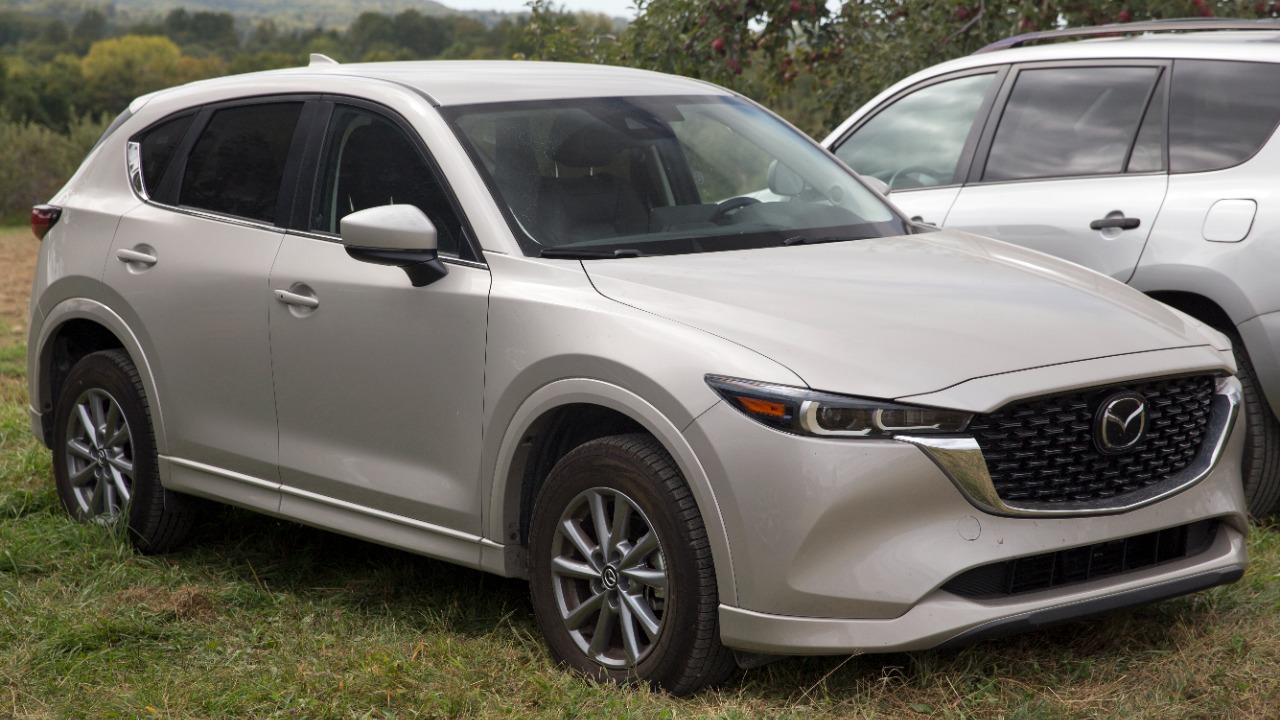
Mazda’s assistance features travel under the i-Activsense banner, and the CX-5 model line lists automatic emergency braking as standard equipment rather than an option. Blind-spot monitoring, rear cross-traffic alert and lane-departure warning also appear low in the range, which keeps the entry trim from feeling stripped.
The brand pairs that content with a chassis and cabin tuned closer to a sport sedan than a utility box. The result is a crossover whose case rests on driving feel and equipment together, not on cargo volume alone. Standard content low in the range also narrows the gap between the advertised price and the vehicle that actually leaves the lot.
5. Hyundai Santa Fe: A Deep Standard Assist Roster
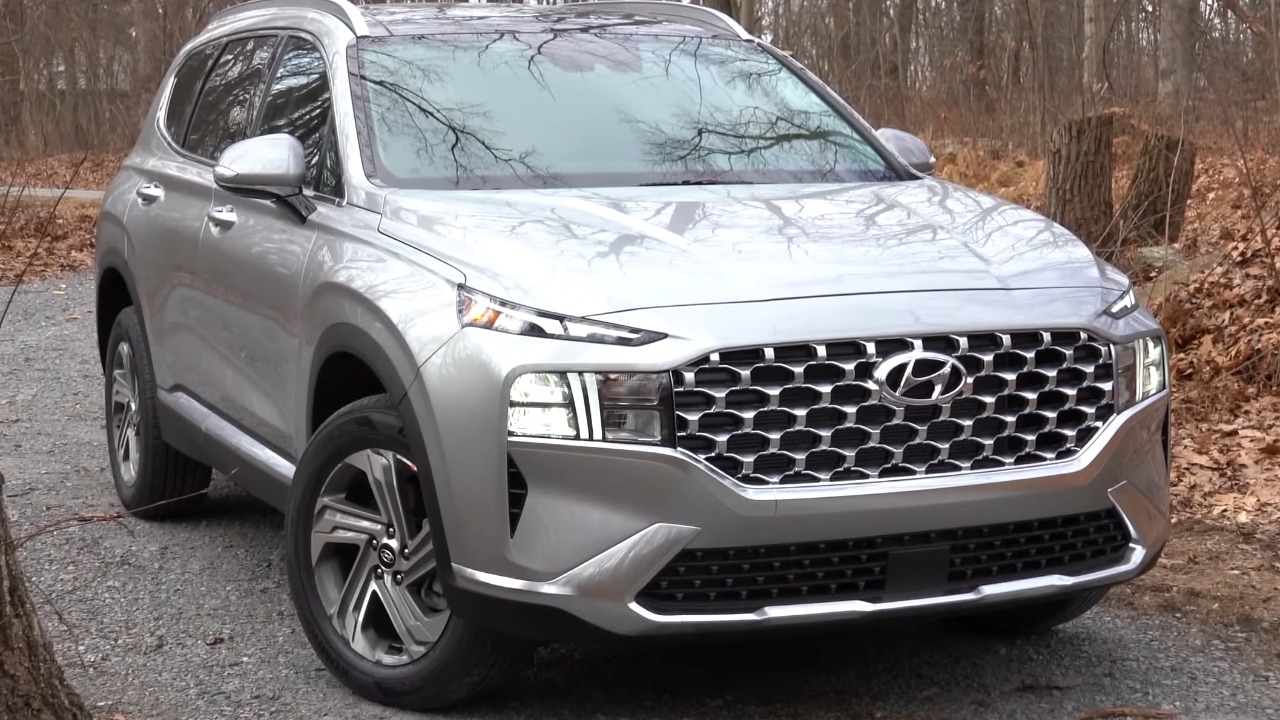
Under the SmartSense banner, Hyundai loads the midsize Santa Fe with an unusually long assistance list before a single option box is checked. Forward collision-avoidance assist, lane-keeping assist and driver-attention warning are the sort of items that competitors have often held back for upper trims.
Content that deep at the base price is part of how the brand closed the gap with long-established Japanese rivals in the family-hauler class. It also raises the floor for what a mainstream shopper can expect without negotiating for it. The long powertrain warranty has been the other half of that same pitch.
6. Kia Telluride: Collision Avoidance In The Base Trim
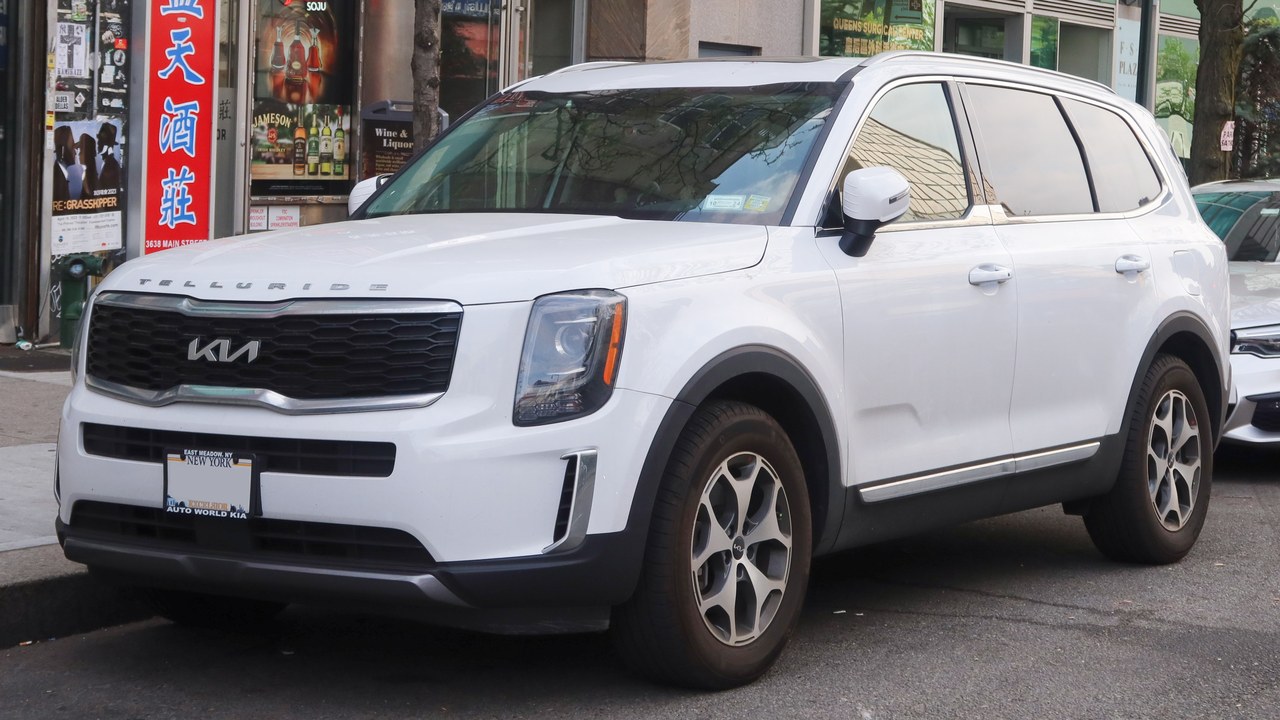
Kia stocks the three-row Telluride with forward collision-avoidance assist and lane-keeping technology from the least expensive trim upward, part of the equipment strategy that turned the model into a showroom success. Blind-spot and rear cross-traffic warnings join the list well before the range tops out.
A large three-row vehicle magnifies the value of that hardware, because blind zones grow with body length and rear passengers rarely see what the driver misses. Standard fitment removes the temptation to delete a safety package to hold down a monthly payment. Rearward visibility in this class is limited enough that camera and sensor coverage does work the mirrors cannot.
7. Subaru Outback: The Wagon That Refuses To Delete It
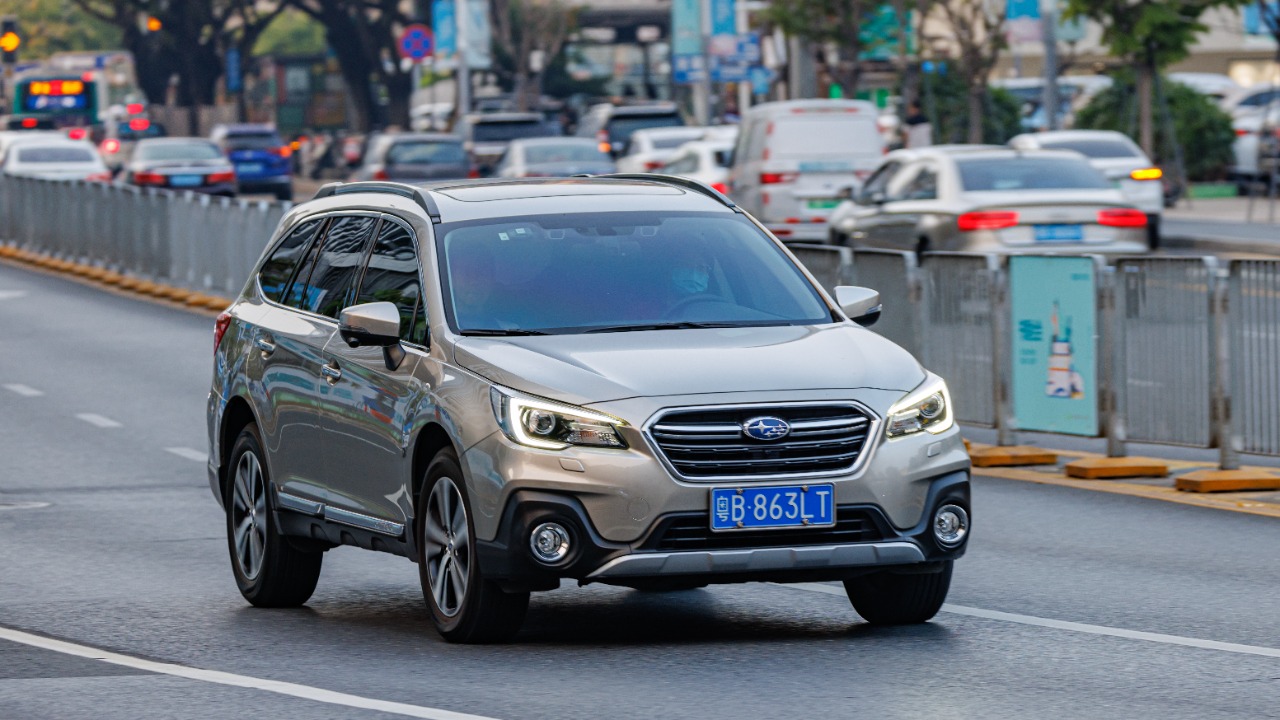
The same stereo-camera system that anchors the brand’s compact crossover comes standard throughout the Outback range, including the versions aimed at rough-road use. Adaptive cruise control, pre-collision braking, lane-centering and sway warning all draw on that windshield camera pair rather than on a separate radar unit.
Camera-based detection can be degraded by a smeared or iced windshield, which turns glass care into a maintenance item rather than a cosmetic one. Replacement glass generally needs recalibration before the system reads the road correctly again. Drivers in snow country tend to notice that first, since the slush line thrown up by a plow sits right where the cameras look.
8. Toyota Highlander: Three Rows, No Optional Sensors
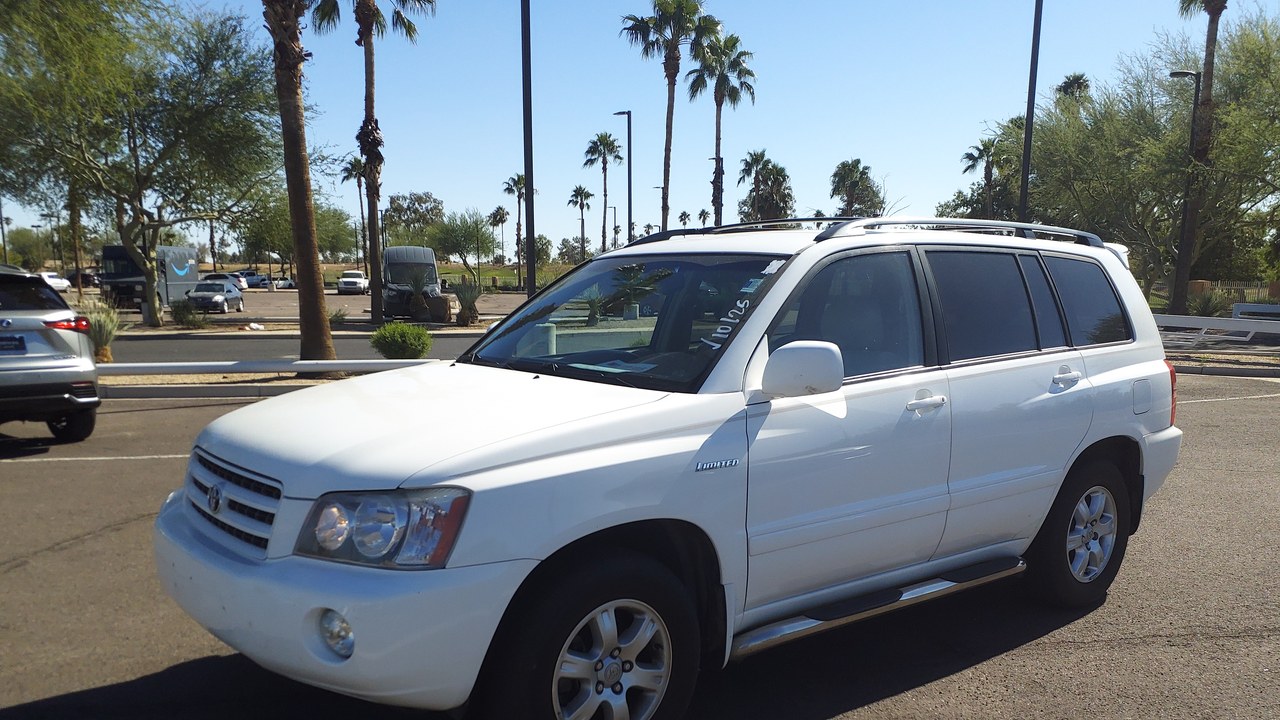
Larger utilities get the same treatment, and the Highlander three-row arrives with pre-collision and lane-tracing functions fitted rather than listed as extras. Those systems work alongside the parking sensors and camera views that make a long body easier to place in traffic and in tight garages. Toyota groups those functions under the same Safety Sense name used on its smaller models.
Households choosing this class are usually carrying children who cannot see or react to a closing vehicle themselves, which shifts the burden onto the sensors. Equipment that ships on every trim keeps that protection from becoming a budget decision.
9. Honda Pilot: The Same Suite, Scaled Up
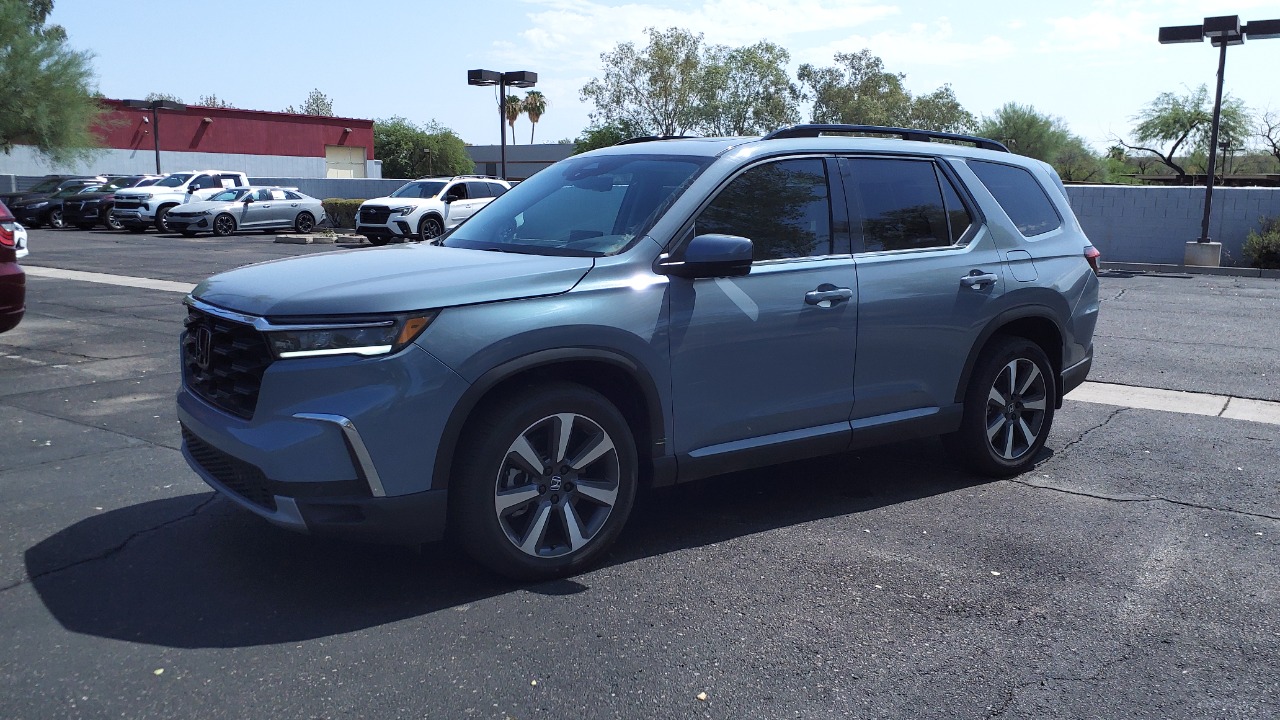
Rather than reserving Sensing for compact models, Honda applies it across the lineup, so the Pilot three-row SUV carries the same core collision-mitigation braking and lane-keeping functions as the smaller crossover. Adaptive cruise control and road-departure mitigation belong to that shared content as well.
Consistency across a brand’s range has a practical benefit that spec sheets rarely capture: a household running two of them gets alerts that behave the same way in both. Predictable warnings are easier to trust and harder to tune out. It also flattens the learning curve when a driver swaps between two vehicles in the same driveway.
10. Volvo XC40: City Safety As A Brand Promise
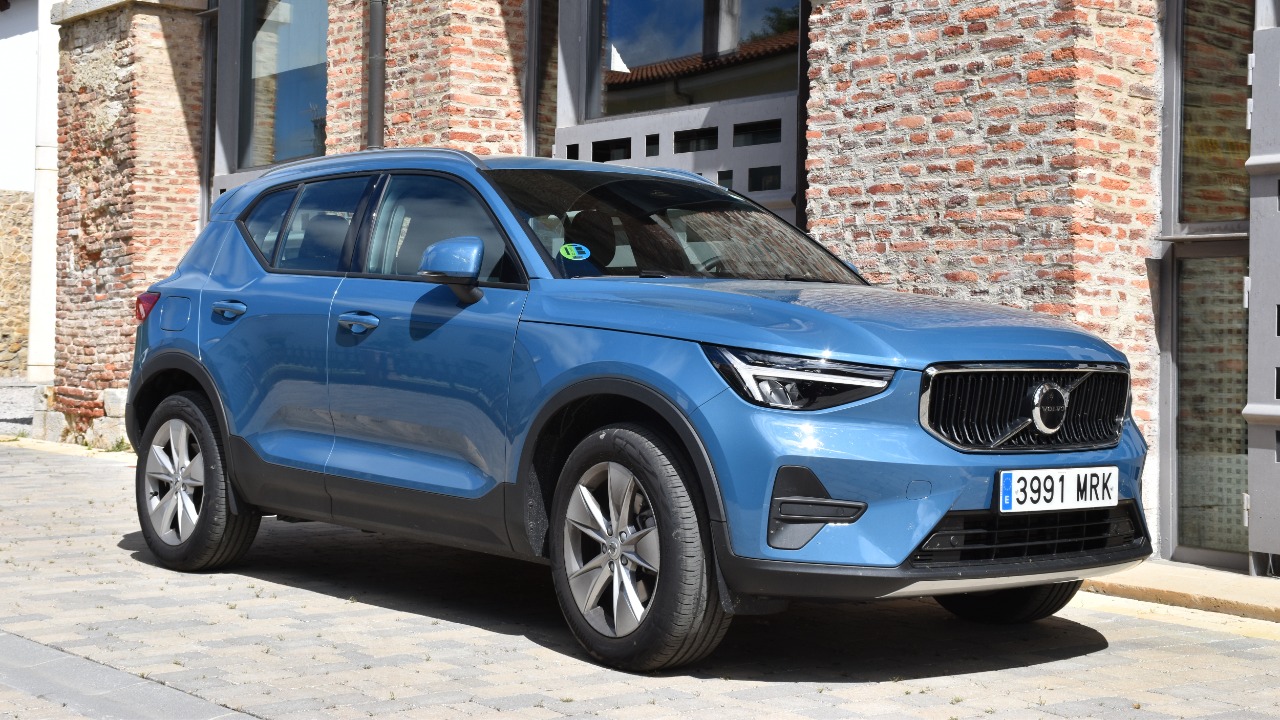
City Safety, the automatic braking function Volvo fits across its range, reaches its smallest utility in the compact XC40. The system watches for vehicles, pedestrians and cyclists at urban speeds and intervenes with the brakes when the driver does not react in time. Volvo introduced the technology on its larger models first and pushed it down the range from there.
The company built its reputation on making protective hardware standard instead of optional, a stance that dates to releasing its three-point belt patent for anyone to use. That logic now shows up at the entry point of the lineup rather than the top.
More from Morning Overview
