
Fuel-tank size, drivetrain efficiency, and gearing all combine to decide how far a pickup can travel before its driver needs to stop for gas or diesel. Full-size and heavy-duty trucks generally carry the biggest tanks, while turbocharged and diesel engines squeeze more miles from every gallon. The list below ranks these ten trucks by how far they can realistically travel on a single fill-up.
1. Ford F-150: Big Tank Big Range

Ford offers the F-150 with fuel tanks as large as 36 gallons on certain trims, and pairing that capacity with the truck’s most efficient V6 or diesel engine choices lets highway range stretch well past 700 miles between fill-ups, per Ford’s official specifications.
That combination appeals to owners who haul trailers or drive long stretches of highway where fuel stops are scarce, because a larger tank offsets the mileage penalty that comes with towing heavy loads and keeps trips moving without frequent detours for gas.
2. Ram 1500: Diesel Powered Distance
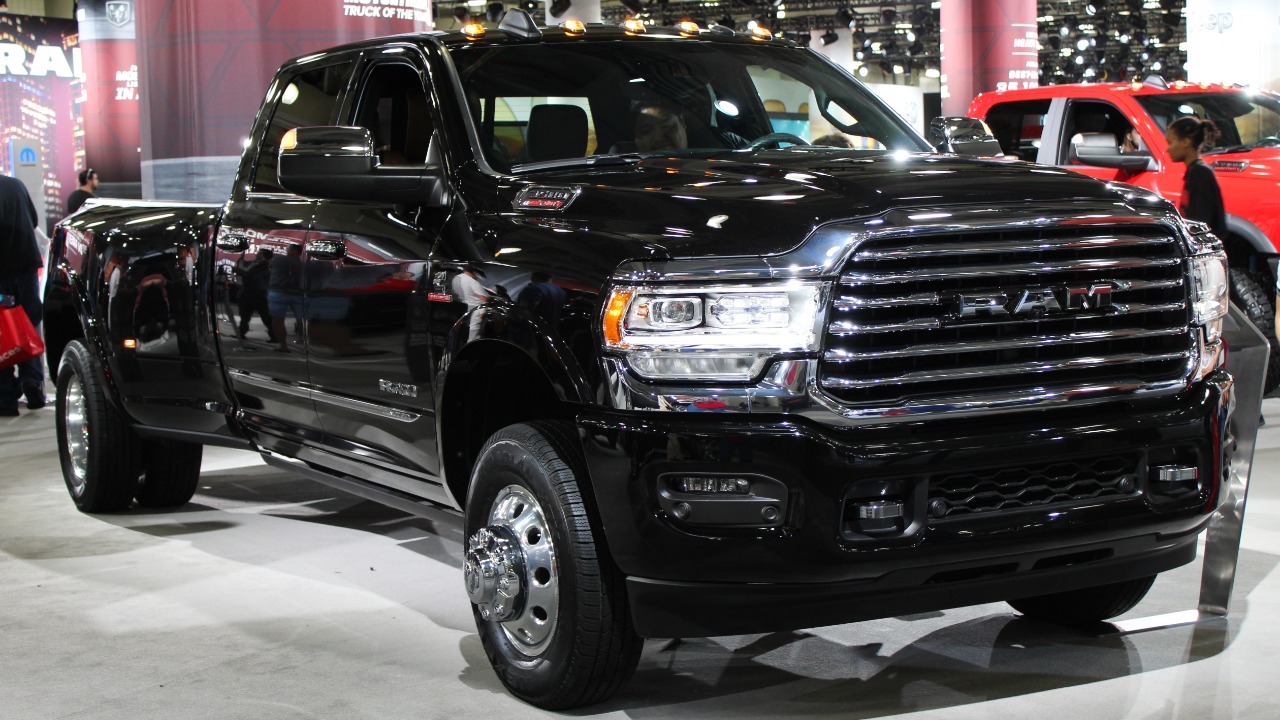
The Ram 1500’s available EcoDiesel V6, combined with a fuel tank that can hold more than 30 gallons, gives it some of the longest highway legs in the full-size segment, according to Ram’s pickup lineup details.
Diesel efficiency lets the truck cover several hundred additional miles compared with a comparable gas V8, which matters most to drivers who regularly cross long, empty stretches of interstate or tow campers where diesel torque and steady fuel economy both come in handy on multi-day trips.
3. Chevrolet Silverado: Duramax Efficiency Wins
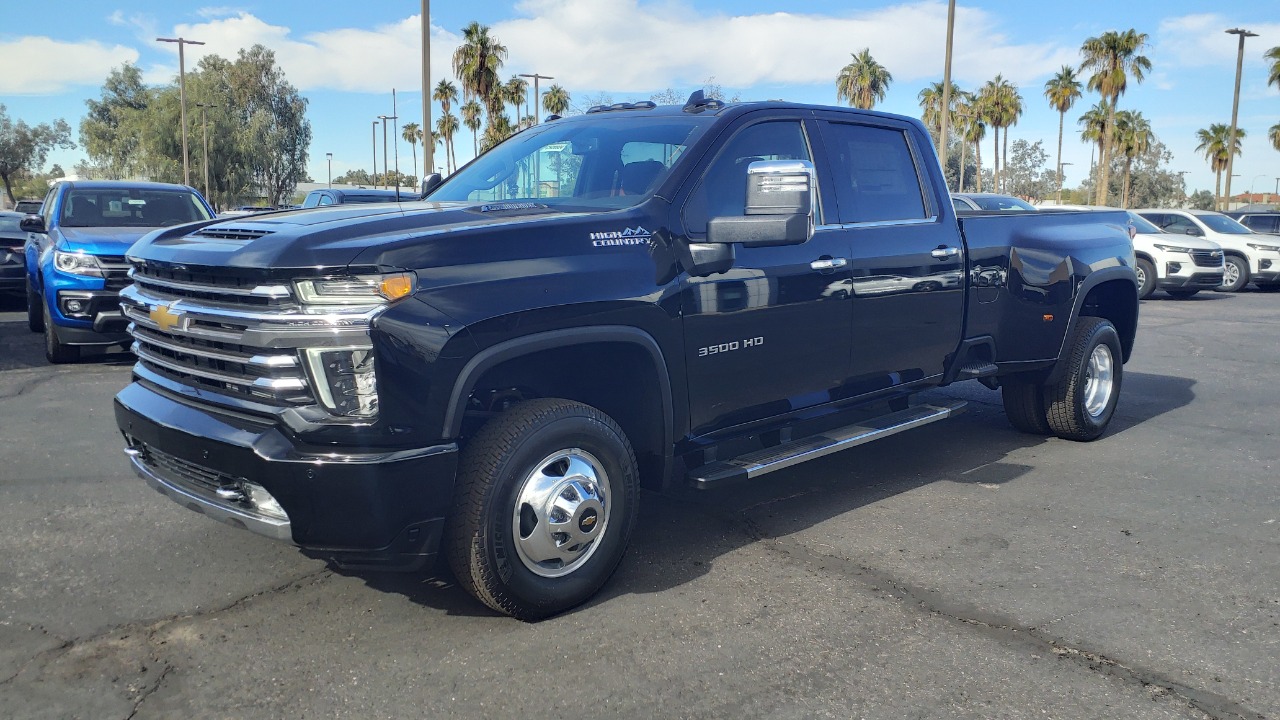
Chevrolet builds the Silverado with an optional Duramax diesel and a max-tow fuel tank package, a pairing that lets highway range climb past 700 miles on some configurations and makes the truck a strong choice for long-distance work, per Chevrolet’s Silverado documentation.
The extra range comes from squeezing more miles out of every gallon rather than simply carrying more fuel, which helps drivers who haul heavy trailers keep their overall trip time down by cutting the number of fuel stops needed on a long haul.
4. GMC Sierra: Silverados Sibling Advantage
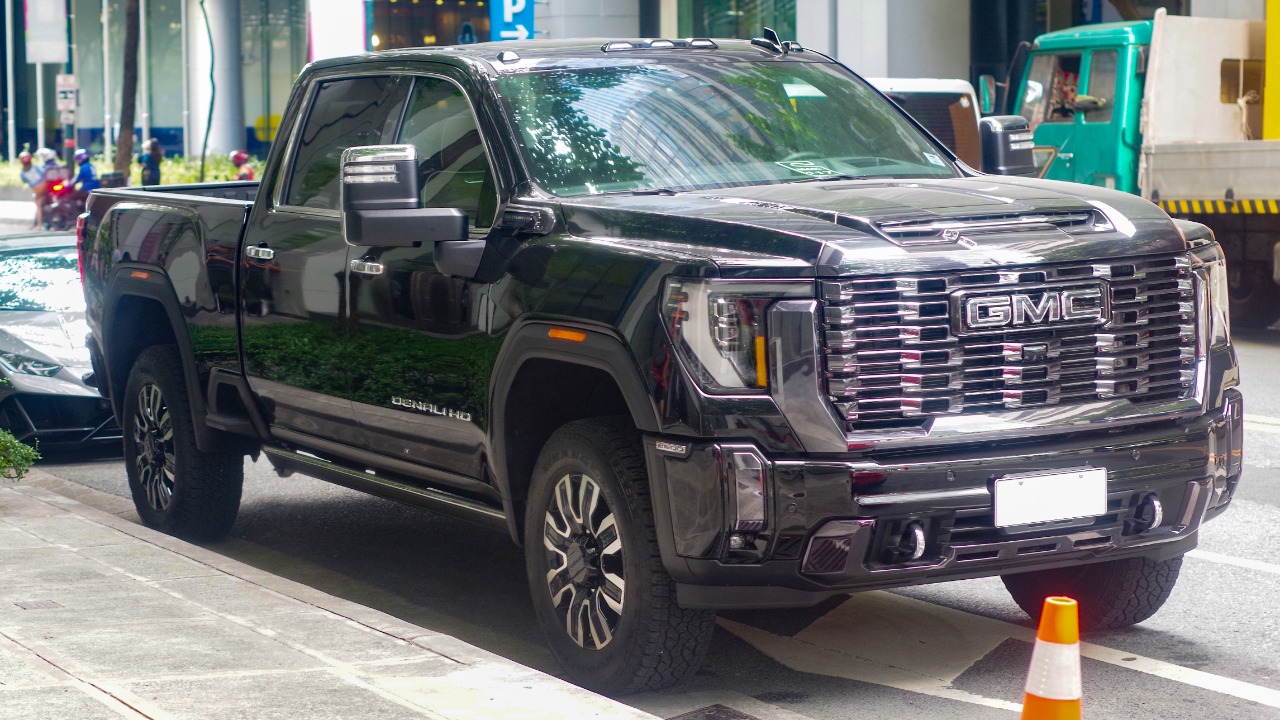
The GMC Sierra shares its platform, diesel engine option, and large fuel tank with the Silverado, so it delivers a similarly long highway range on a single fill-up, particularly on diesel-equipped trims, as detailed in GMC’s Sierra overview.
Because the two trucks are mechanically related, the range advantage carries over even though the Sierra is marketed as the more upscale of the pair, which means buyers do not have to trade long-distance capability for the truck’s nicer interior and trim options.
5. Toyota Tundra: Over Thirty Gallons
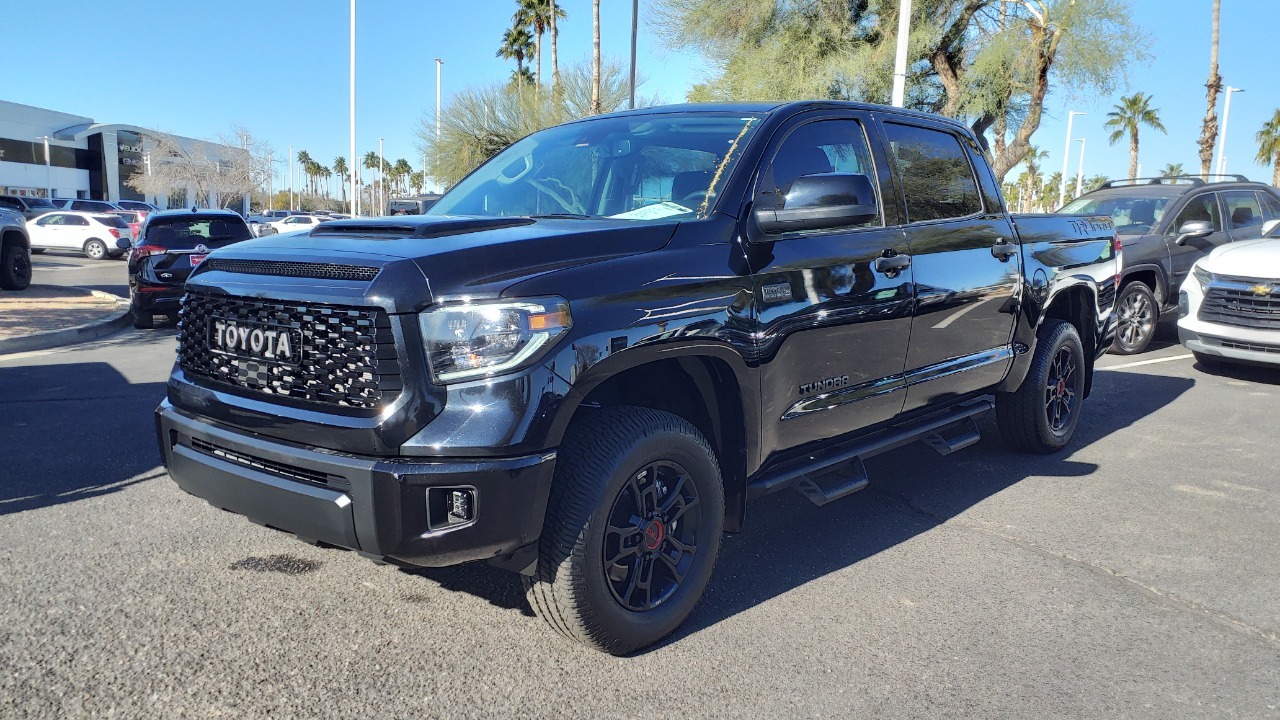
Toyota fits the current Tundra with a fuel tank exceeding 32 gallons, one of the largest in its class, and combined with the truck’s turbocharged V6 engines that capacity supports long stretches of highway driving between stops, according to Toyota’s Tundra specifications.
The larger tank is especially useful in the rural West, where the Tundra sells well and fuel stations can be dozens of miles apart, giving owners more flexibility to plan trips around convenience rather than constantly watching a shrinking fuel gauge.
6. Nissan Titan: Built For The Long Haul
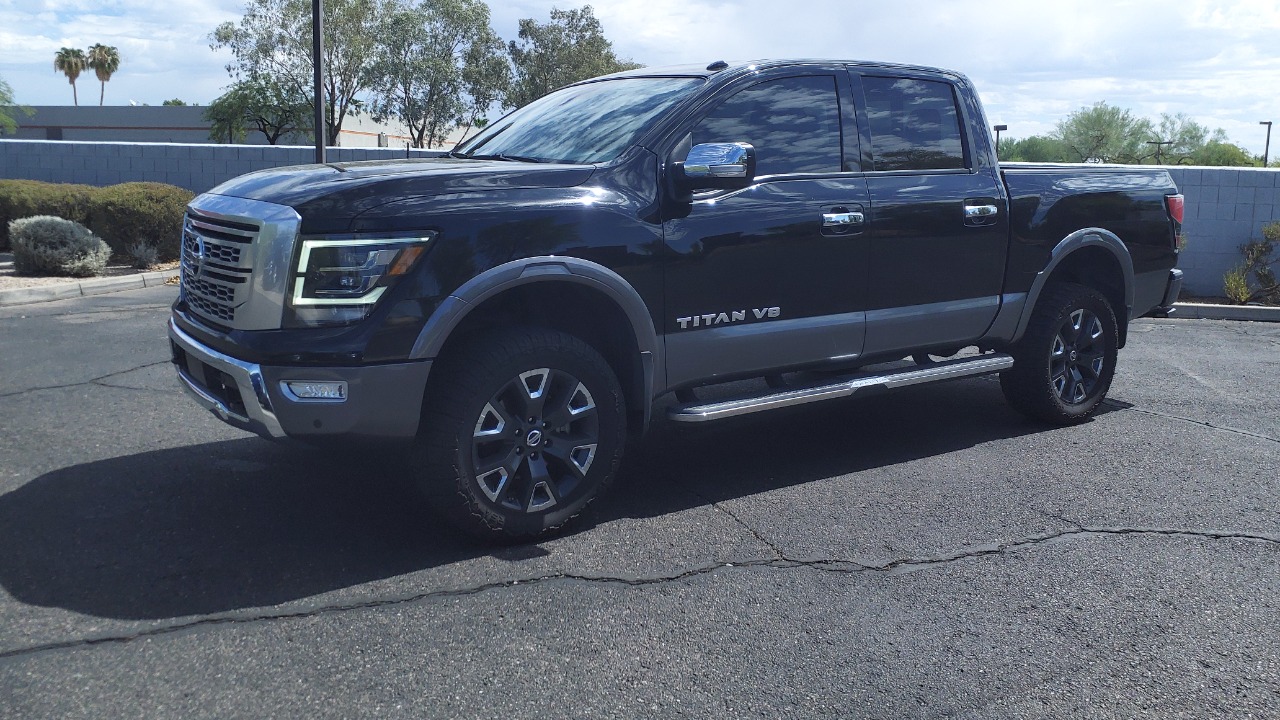
The Nissan Titan carries a fuel tank sized to match its V8 engine’s thirst, and Nissan positions that capacity as one of the truck’s selling points for drivers who tow boats or trailers, per Nissan’s Titan model page.
While the Titan is not the newest or most efficient full-size truck on sale, its generous tank size still lets it hold its own against rivals when the goal is simply covering distance between gas stations rather than squeezing out the best fuel economy.
7. Ford Super Duty: Heavy Duty Long Range
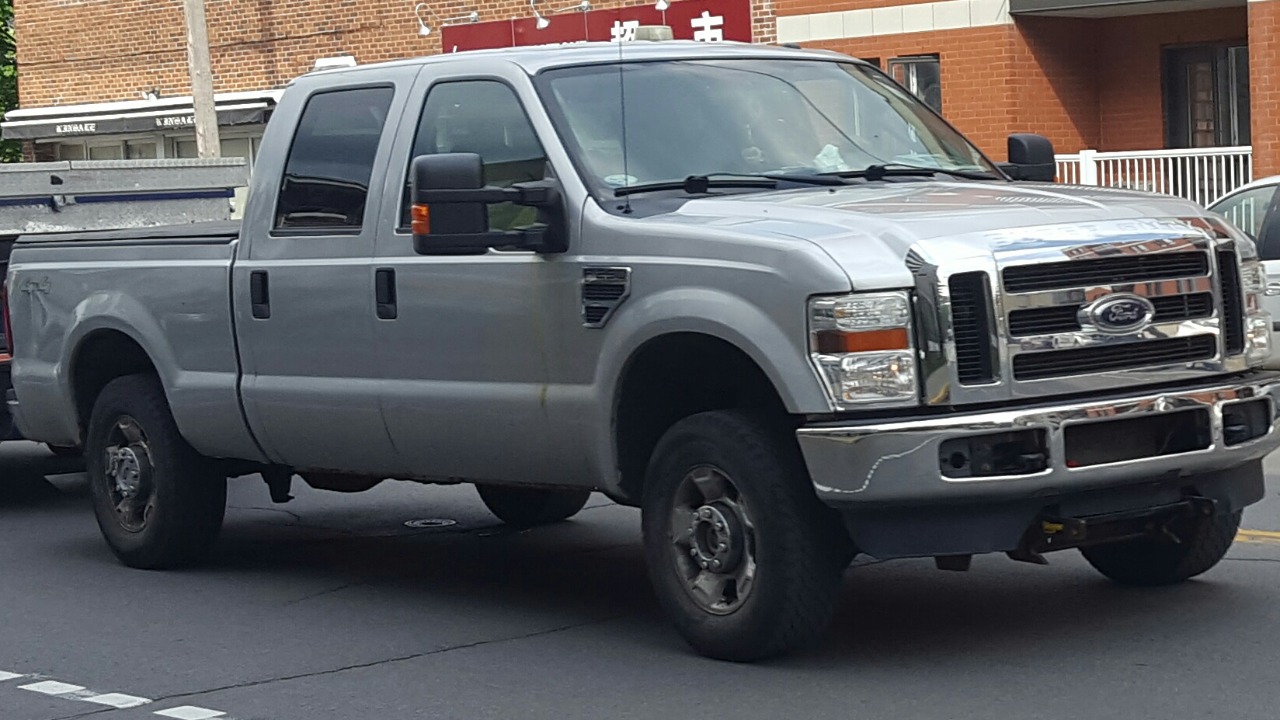
Ford’s Super Duty lineup offers some of the largest fuel tanks in the pickup segment, and paired with the available diesel engine that capacity lets heavy-duty trucks travel well over 500 miles before refueling, according to Ford’s Super Duty specifications.
That range matters to owners who use the truck for towing fifth-wheel trailers or heavy equipment, since a bigger tank offsets the fuel economy that towing heavy loads normally costs and keeps job sites or campgrounds within reach without a mid-trip fuel stop.
8. Ford Ranger: Small Truck Smart Efficiency
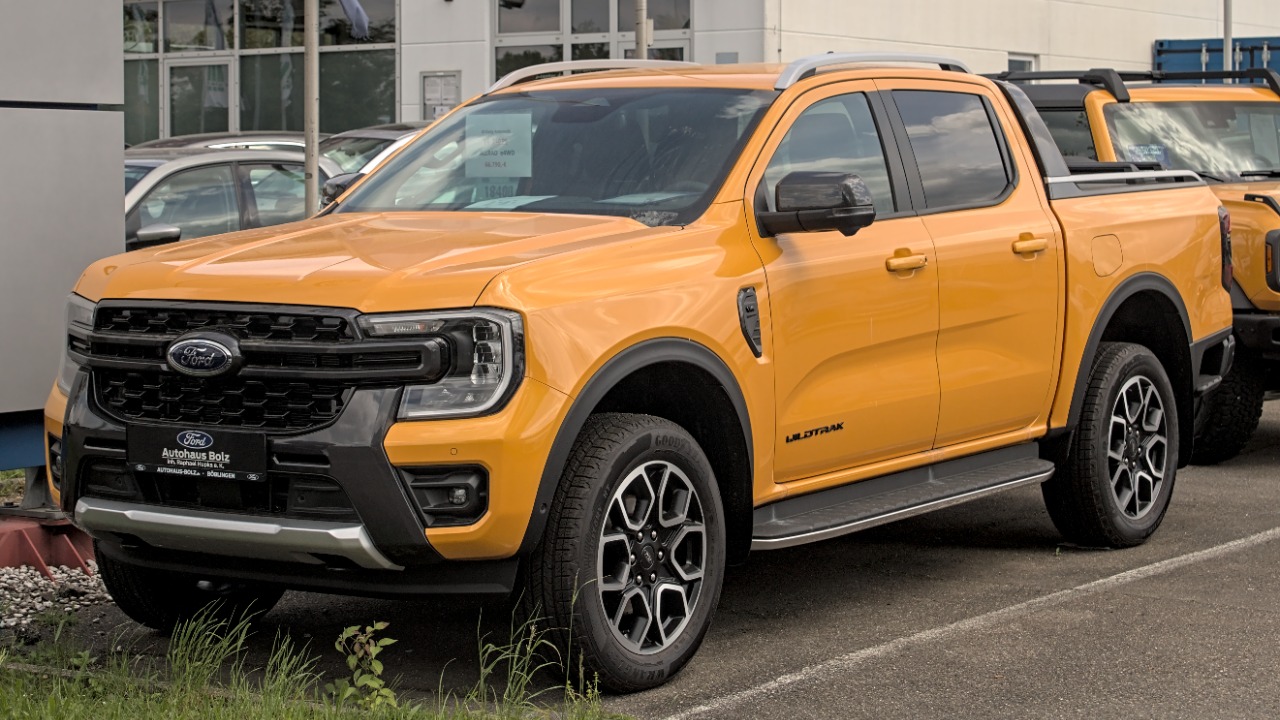
The Ford Ranger’s turbocharged four-cylinder engine is tuned for efficiency, and that efficiency lets its midsize fuel tank stretch further than the raw gallon count would suggest, helping it rival some larger trucks on paper, per Ford’s Ranger specifications.
Because the Ranger is smaller and lighter than a full-size truck, it needs less fuel to cover the same distance, which lets it post a competitive range figure despite carrying a noticeably smaller tank than the full-size trucks higher on this list.
9. Chevrolet Colorado: Midsize Diesel Payoff
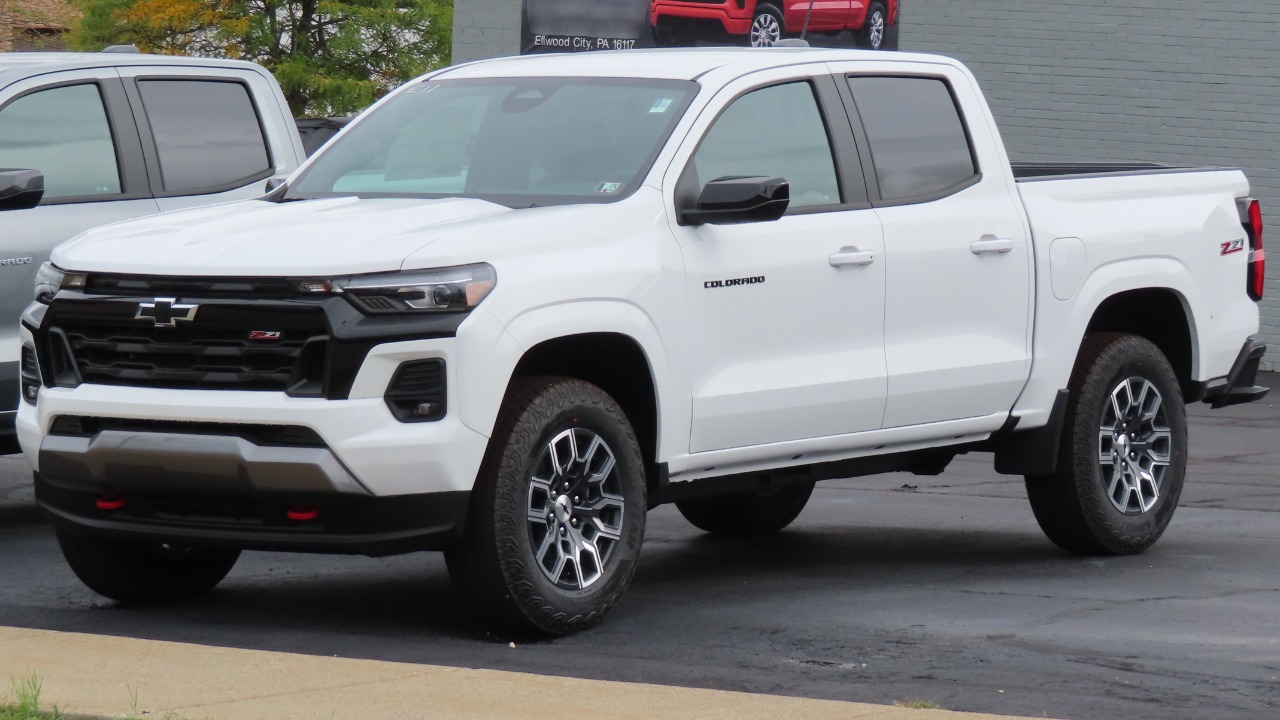
Chevrolet’s midsize Colorado has offered a diesel engine option that squeezes notably more range out of its fuel tank than the standard gas engines, a gap documented in Chevrolet’s Colorado lineup history, even on the current gas-only generation’s larger tank.
That efficiency advantage makes the diesel Colorado appealing to drivers who want midsize-truck maneuverability without giving up the long-distance range typically associated with a bigger, thirstier full-size pickup, especially for commuters who also tow light trailers on weekends and prefer fewer stops at the pump.
10. Toyota Tacoma: Americas Efficient Favorite
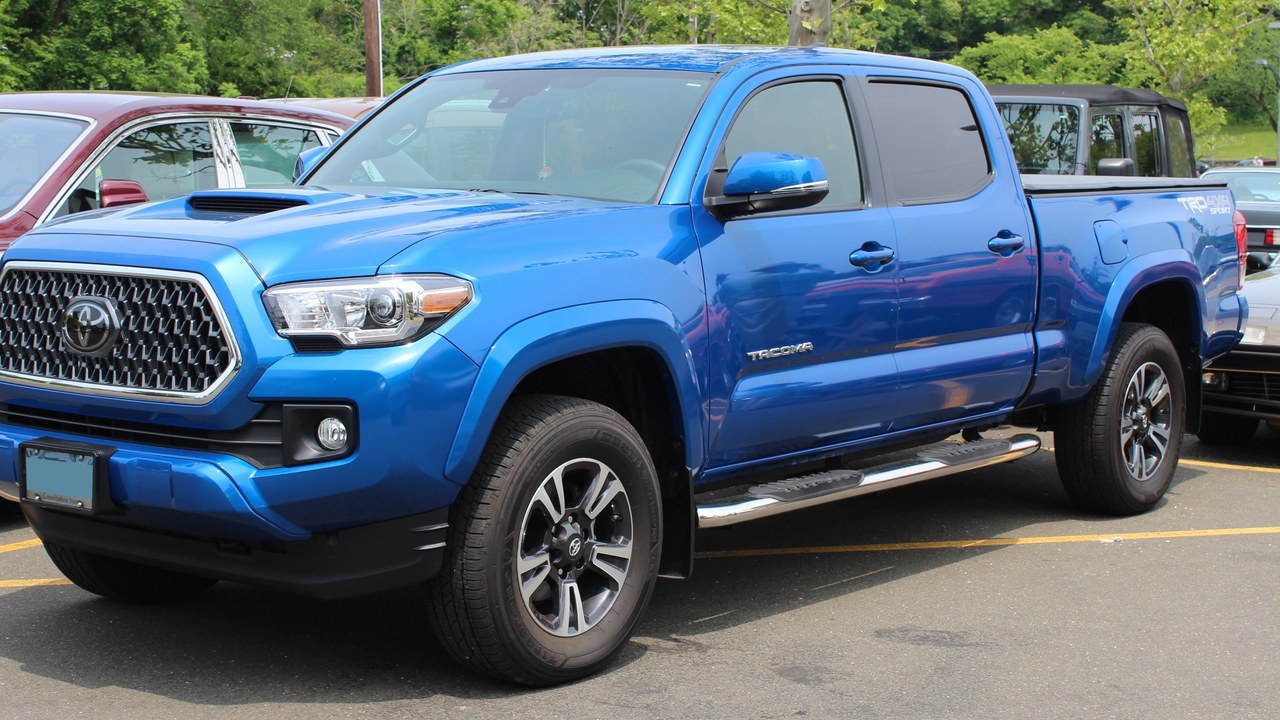
The Toyota Tacoma has built a reputation for stretching its fuel tank further than rivals thanks to efficient four-cylinder and V6 engine options, a trait reflected in Toyota’s Tacoma model history and its long-running reliability record.
As the best-selling midsize truck in the country, the Tacoma’s dependable range is one reason it remains popular with drivers who use it for both daily commuting and weekend trips into rural areas where fuel stations are not always close together or open around the clock.
More from Morning Overview
