
Pickups earned their thirsty reputation over decades of big V8s and heavy frames. Yet a wave of hybrids, turbo-fours, and clever unibody designs has quietly reshaped what a hauler costs at the pump. These ten trucks each stretch a gallon further than their rugged looks suggest.
1. Ford Maverick Hybrid: The Frugal Compact
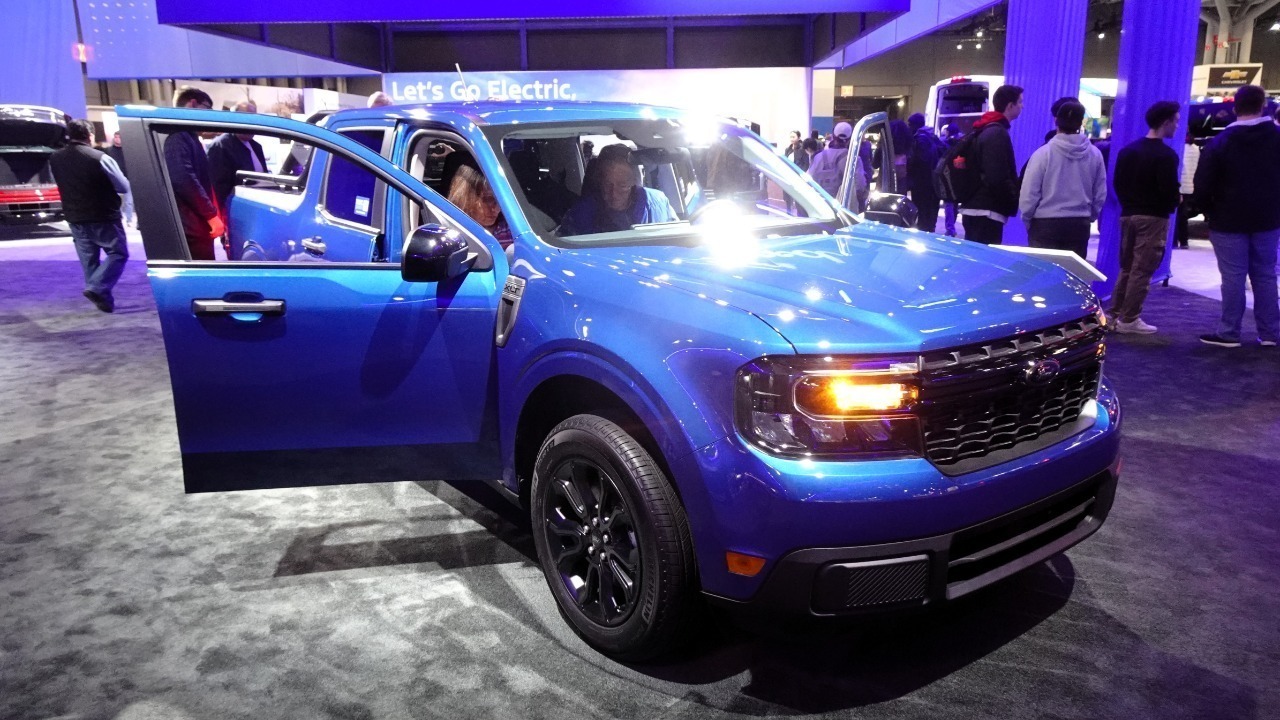
Ford’s smallest pickup pairs a 2.5-liter engine with an electric motor, and the standard hybrid setup delivers an EPA-rated 42 mpg in city driving. The unibody Maverick platform keeps weight low, so the powertrain never strains to move it around town.
For anyone who wants light-duty utility without a fuel penalty, this figure rivals many sedans. The tradeoff is modest towing capacity, so buyers hauling heavy trailers should look further down the list rather than expecting both economy and brawn.
2. Hyundai Santa Cruz: The Car-Based Hauler
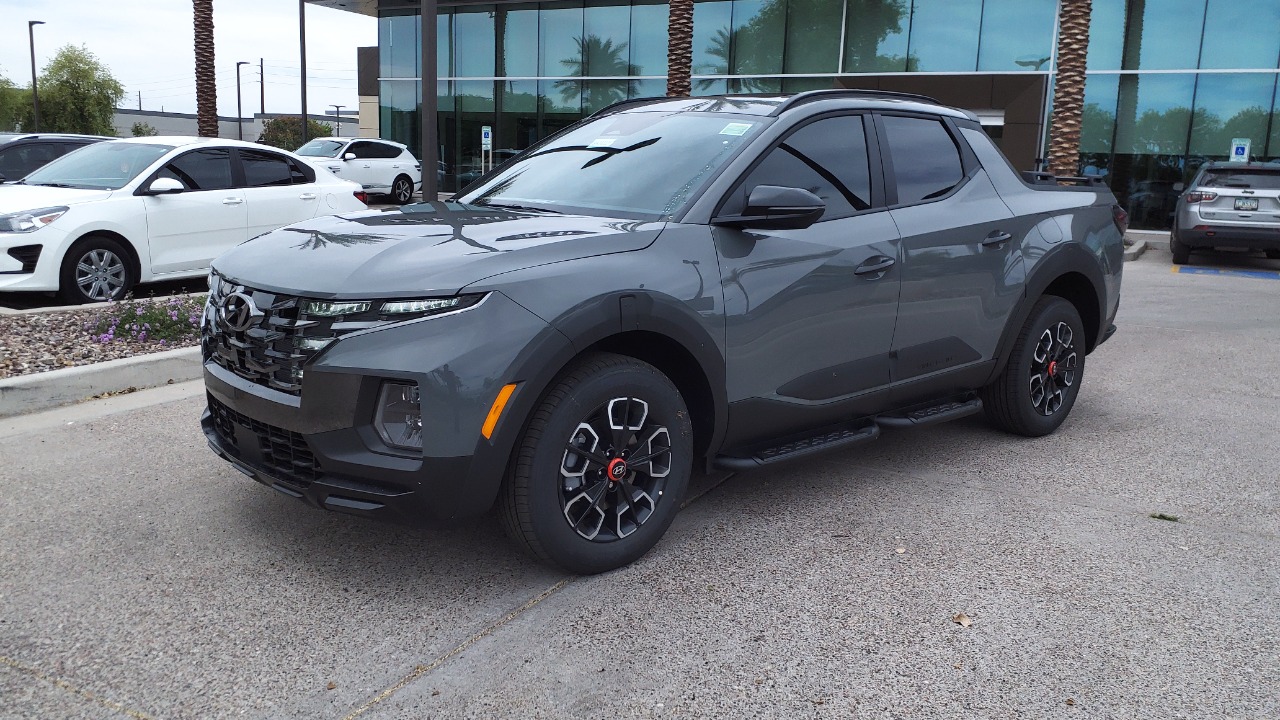
Built on the same underpinnings as a crossover, this pickup uses a turbocharged four-cylinder to reach the high 20s on the highway. The Santa Cruz drivetrain favors smooth power delivery over raw grunt, which pays off at cruising speeds.
Shoppers get a small bed and comfortable cabin without a truck’s typical thirst. Because the platform emphasizes ride quality, it suits urban owners more than jobsite crews, and payload remains limited compared with traditional midsize rivals on this list. Anyone treating a pickup as an everyday vehicle first will find the compromise sensible, since the fuel and comfort gains outweigh the reduced hauling headroom for most casual users.
3. Ford F-150 PowerBoost: The Hybrid Workhorse
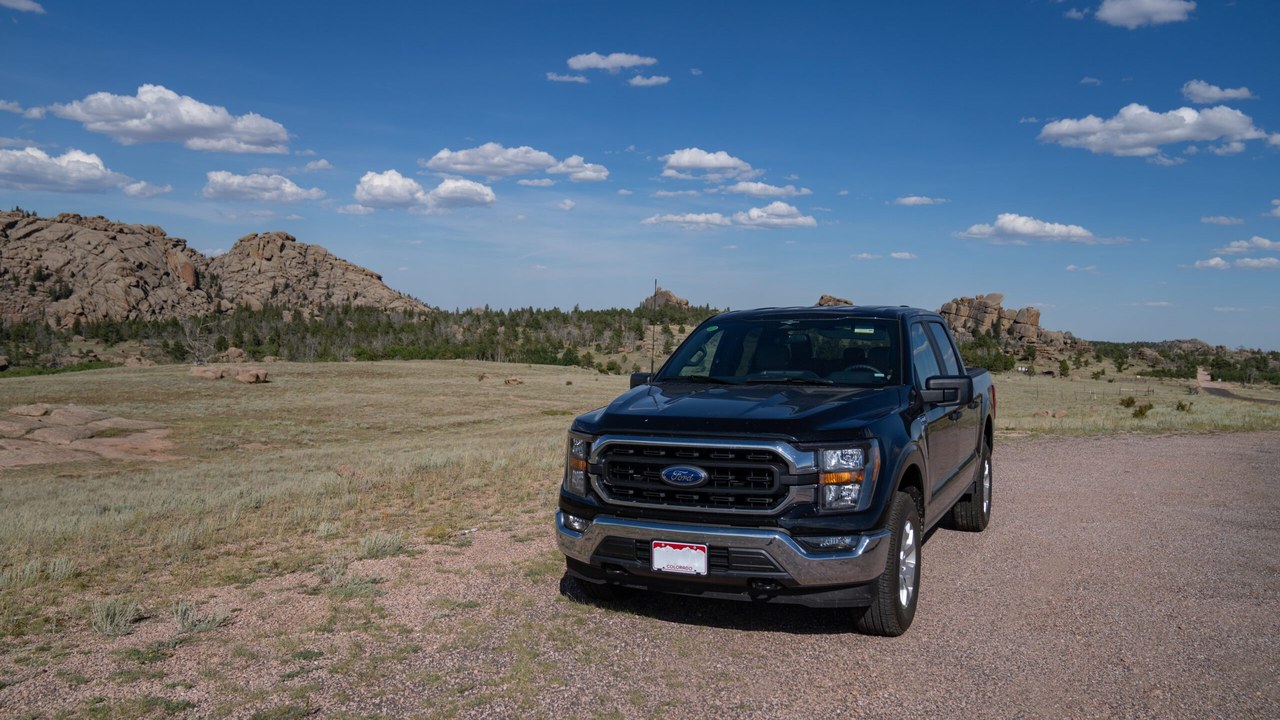
A full-size truck rarely posts strong mileage, yet the hybrid powertrain here blends a twin-turbo V6 with an electric motor to reach roughly 24 mpg combined. The PowerBoost system also feeds an onboard generator for tools and tailgates.
That combination lets owners tow serious loads while spending less at the pump than a comparable V8 would demand. The higher upfront cost takes time to recoup, but frequent haulers and jobsite users often justify it through steady fuel savings and the built-in worksite power that no ordinary truck offers on the same trip.
4. Toyota Tacoma: The Reworked Midsize
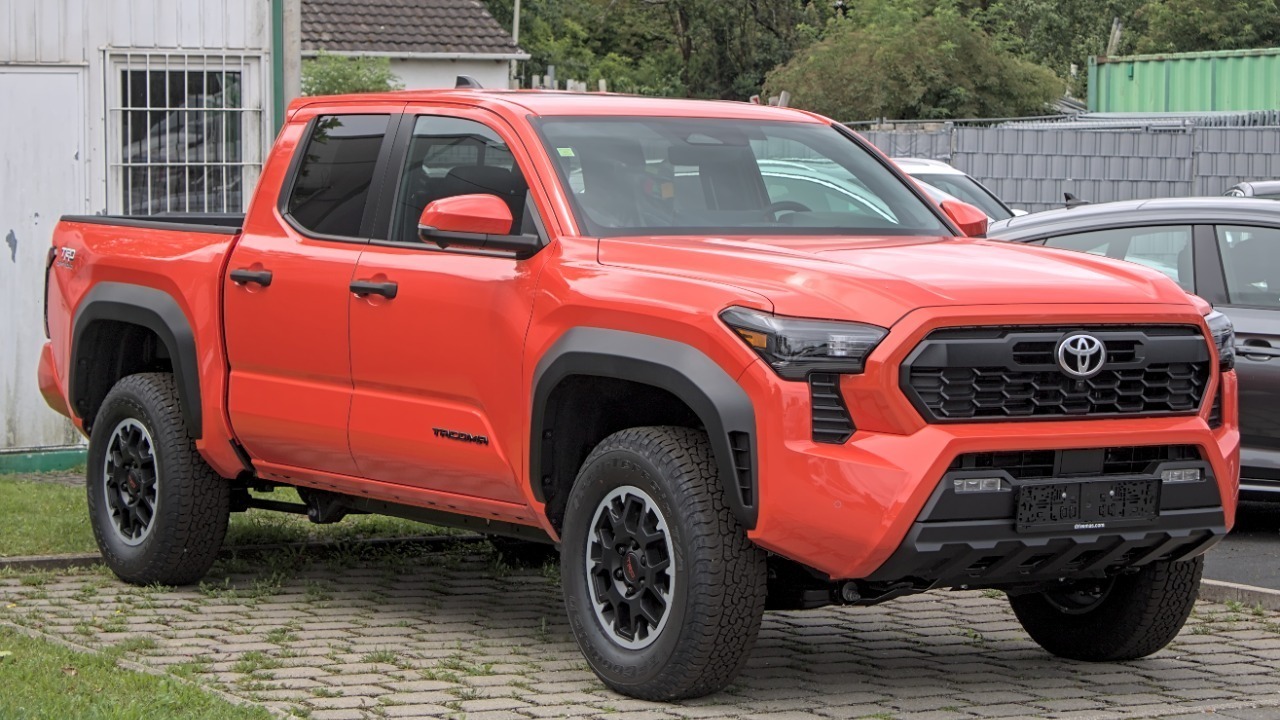
The latest generation swapped its aging V6 for a turbocharged four, and new hybrid i-FORCE MAX trims push combined economy into the low-to-mid 20s. The redesigned Tacoma powertrain lineup finally addresses a long-standing weak spot.
Longtime fans gain efficiency without losing the off-road hardware that built the nameplate’s reputation over decades. Resale value remains famously strong, so the fuel improvement only sweetens an ownership case that already favored keeping the truck for many years. Buyers who once tolerated poor mileage as the price of durability no longer have to make that concession.
5. Chevrolet Colorado: The Turbo Midsizer

A single 2.7-liter turbocharged four now powers the whole lineup, returning around 20 mpg combined depending on drive configuration. The Colorado engine bay drops the old V6 entirely, trading cylinders for boosted low-end torque.
The result is respectable economy paired with strong pulling power for a truck this size and price. Highway figures trail the hybrids above, so buyers who prioritize efficiency over towing might weigh a car-based option instead, while trail-focused shoppers will appreciate the extra low-end grunt that boosted torque delivers on steep climbs.
6. GMC Canyon: The Refined Sibling
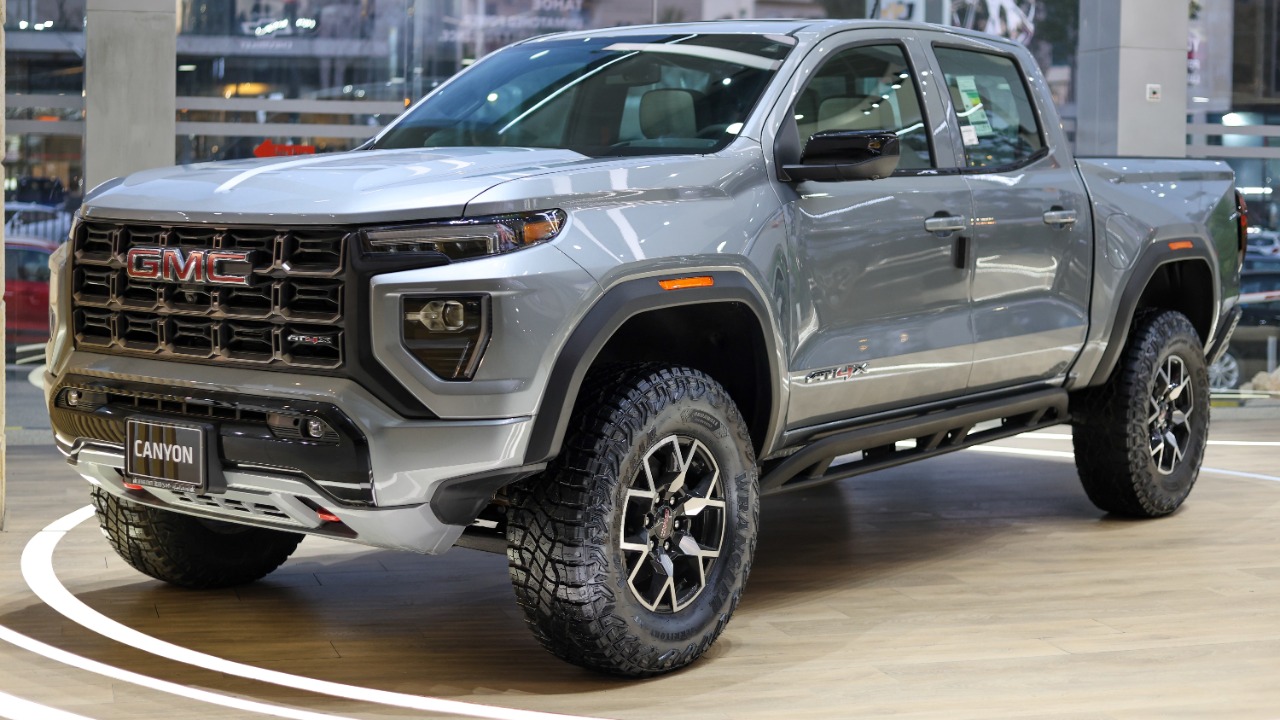
Sharing its architecture and 2.7-liter turbo engine with the Colorado, this truck posts similar combined figures near 20 mpg. The Canyon cabin layers on plusher materials while keeping the frugal mechanical package intact.
Buyers essentially pay for upgraded trim and quieter road manners without sacrificing the underlying economy at all. Because the two trucks perform so alike at the pump, the choice comes down to badge preference and how much interior polish justifies a higher sticker. Value hunters may lean toward the Chevrolet, while comfort-seekers accept the premium here.
7. Honda Ridgeline: The Crossover At Heart
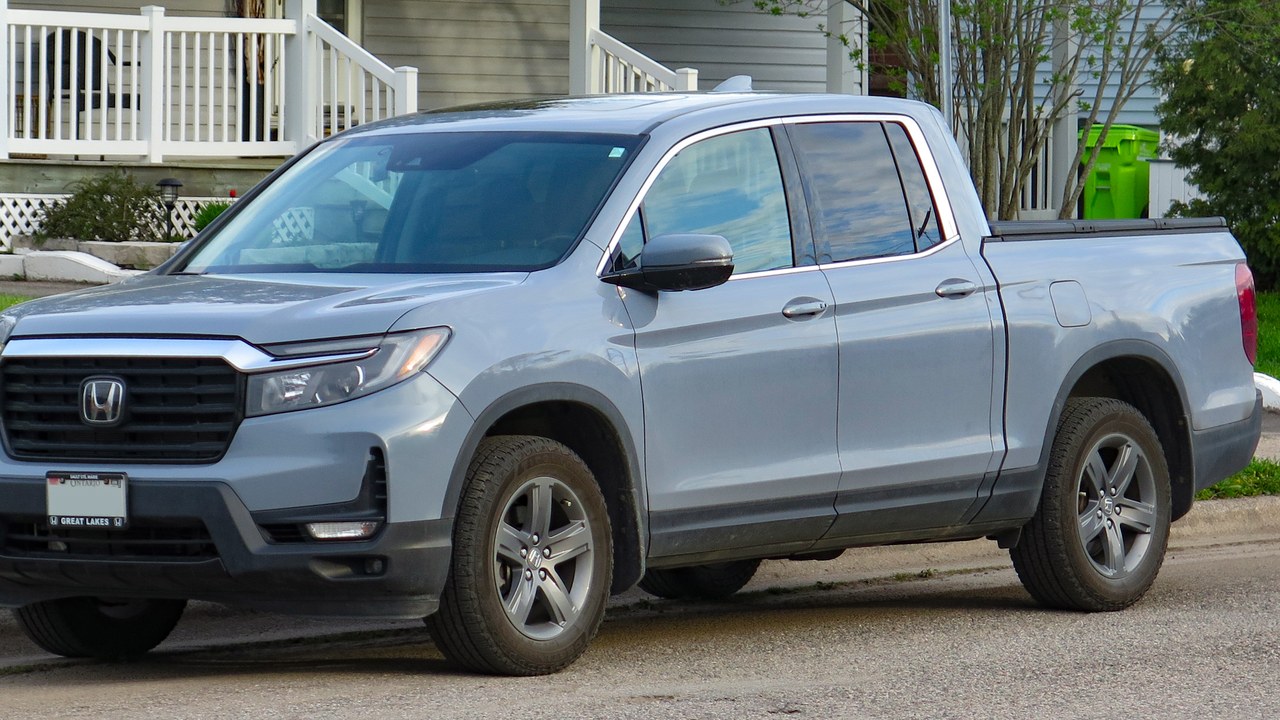
Its unibody construction and 3.5-liter V6 return around 21 mpg combined, closer to a large SUV than a traditional pickup. The Ridgeline chassis smooths the ride and helps the engine work less over broken pavement.
Families gain a car-like driving feel plus a genuinely useful bed and a clever lockable in-bed trunk. The design gives up low-range gearing and heavy towing, so serious off-roaders look elsewhere, but daily drivers rarely miss capability they never actually use. For suburban duty and weekend projects, the efficiency and comfort make a persuasive everyday argument.
8. Nissan Frontier: The Honest Midsize
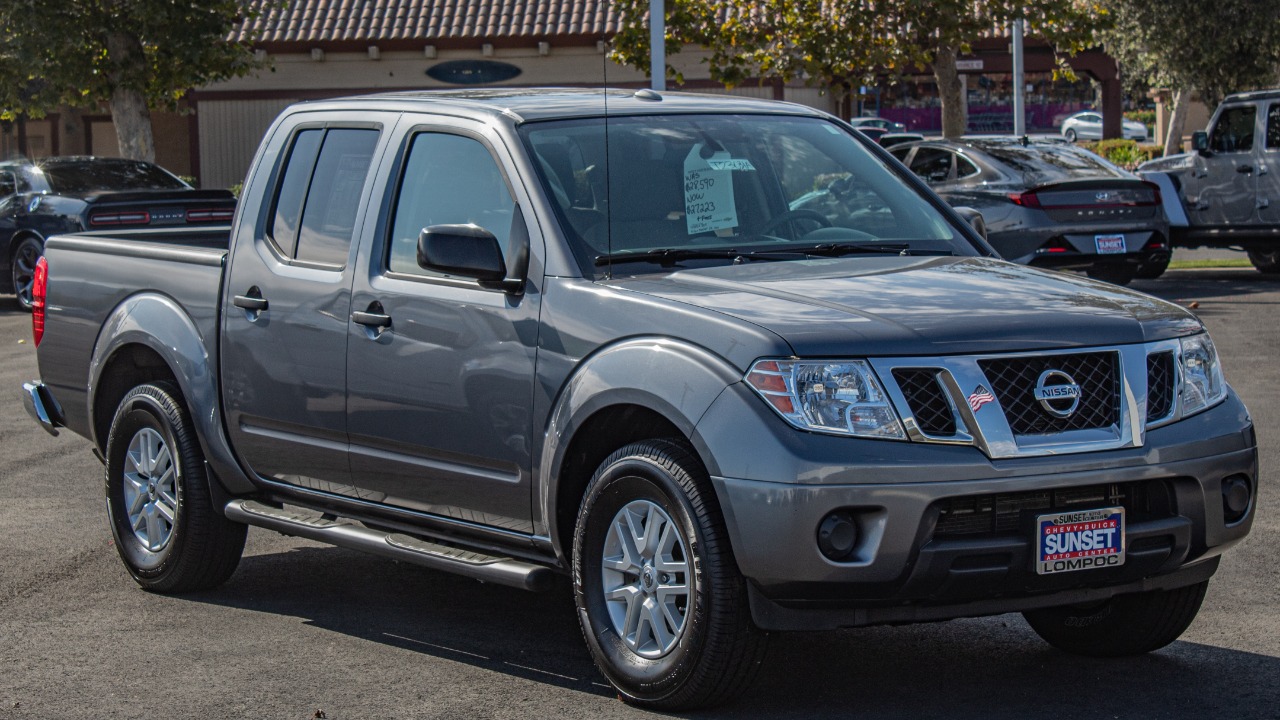
This body-on-frame truck runs a 3.8-liter V6 and manages roughly 20 mpg combined, solid for a rugged midsize hauler. The Frontier drivetrain favors durability and simplicity over the latest turbo or hybrid complexity.
Shoppers who distrust newer technology get predictable economy from a proven, uncomplicated layout. The figures won’t top the hybrids here, but lower purchase prices and straightforward maintenance appeal to budget-minded buyers who plan to keep a truck working hard for years. Simplicity becomes its own kind of value when repair bills and reliability enter the calculation.
9. Jeep Gladiator: The Diesel Distance
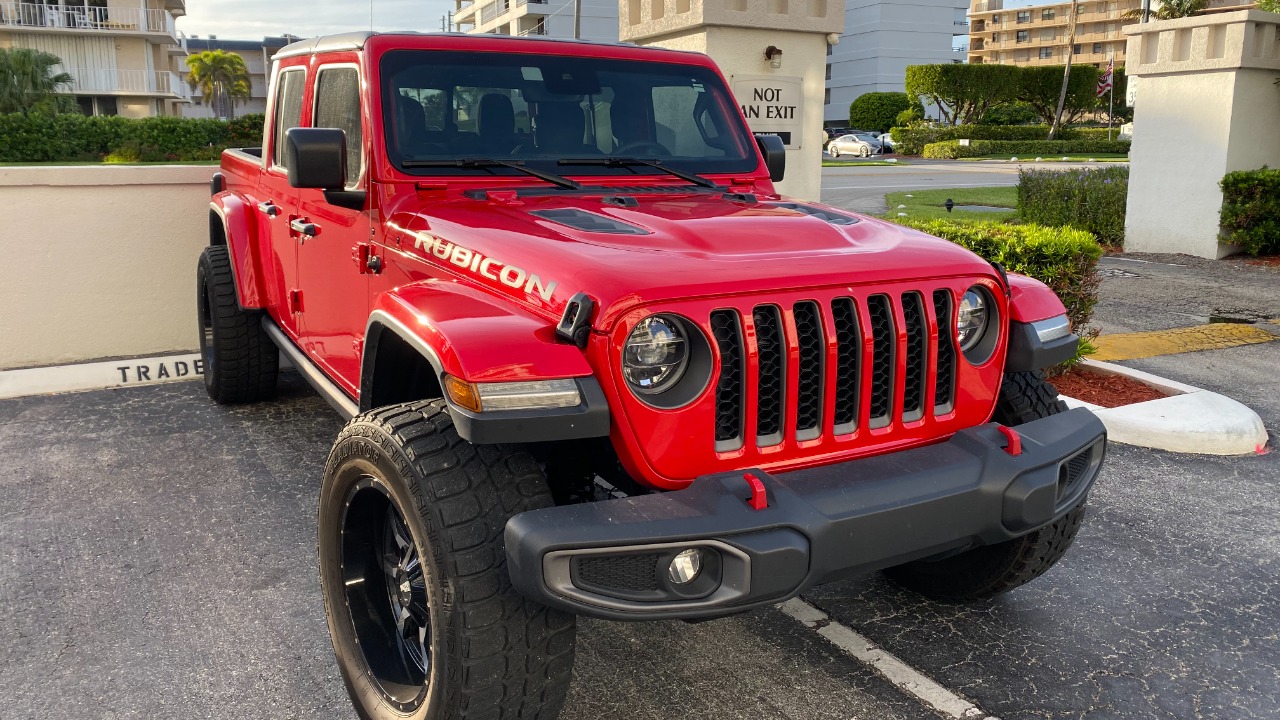
When equipped with the available 3.0-liter EcoDiesel V6, this off-roader stretched to about 24 mpg combined, an unusual figure for such a boxy, trail-ready shape. The Gladiator diesel option traded acceleration for long-haul range.
Owners who venture far from fuel stations valued the extended distance between fill-ups on long trips. The diesel commanded a price premium and has seen limited availability, so interested buyers should confirm current engine choices before assuming the frugal option remains on the order sheet. Used examples may offer the only reliable path to that particular efficiency now.
10. Ram 1500: The Mild-Hybrid Full-Size
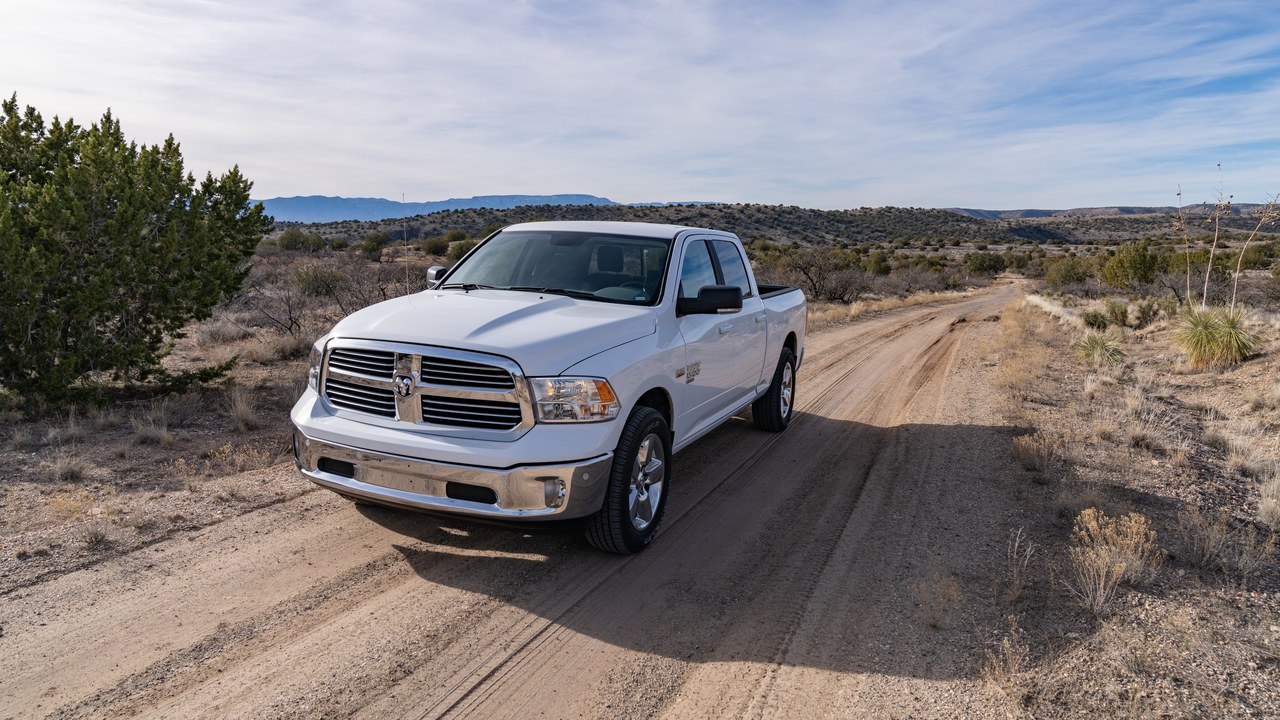
A 48-volt eTorque system pairs with the V6 and V8 engines to smooth stop-start driving and nudge combined economy into the low 20s. The Ram eTorque setup recovers braking energy to assist the engine off the line.
Full-size buyers gain a modest efficiency bump without giving up towing muscle or spacious cabin room. The savings are incremental rather than dramatic, yet across many thousands of miles they help offset the running costs that come with a large, capable pickup. Drivers unwilling to downsize will welcome any improvement that arrives without a real capability tradeoff.
More from Morning Overview
