
Most SUVs and trucks use an open differential that sends power to whichever wheel has the least grip, often exactly the wrong wheel on loose terrain. A locking differential forces both wheels on an axle to spin together, and a handful of vehicles lock both axles straight from the factory. Here are ten trucks and SUVs built that way.
1. Jeep Wrangler Rubicon: Two Lockers, One Switch
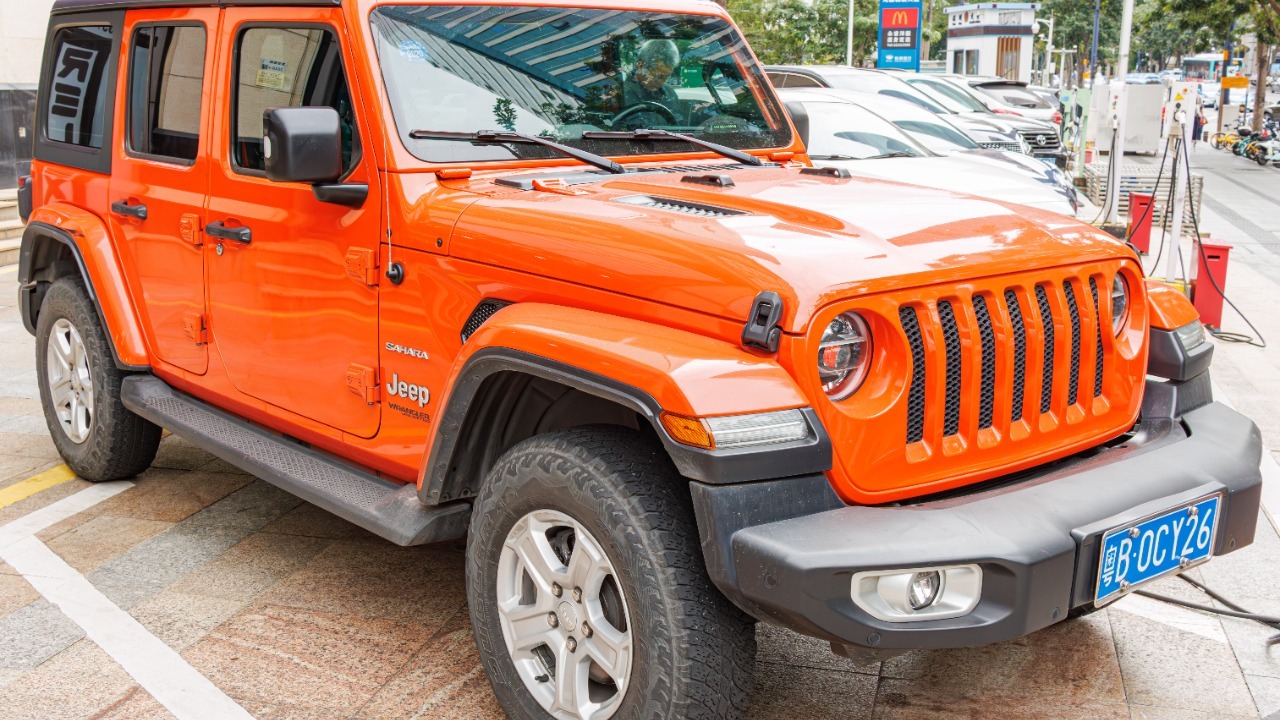
The Rubicon trim pairs Dana 44 front and rear axles with electronic locking differentials at both ends, engaged from a dash-mounted switch bank once the transfer case is shifted into four-wheel low. The same trim also disconnects the front sway bar electronically, letting the front axle articulate independently over broken terrain.
That combination lets a buyer lock both ends without aftermarket parts, a feature Jeep has kept as a Rubicon-only distinction since the badge first appeared, and one reason the trim commands a premium over lesser Wrangler configurations aimed at pavement driving rather than trail work and weekend recovery duty.
2. Ford Bronco: Sasquatch Goes Both Ways
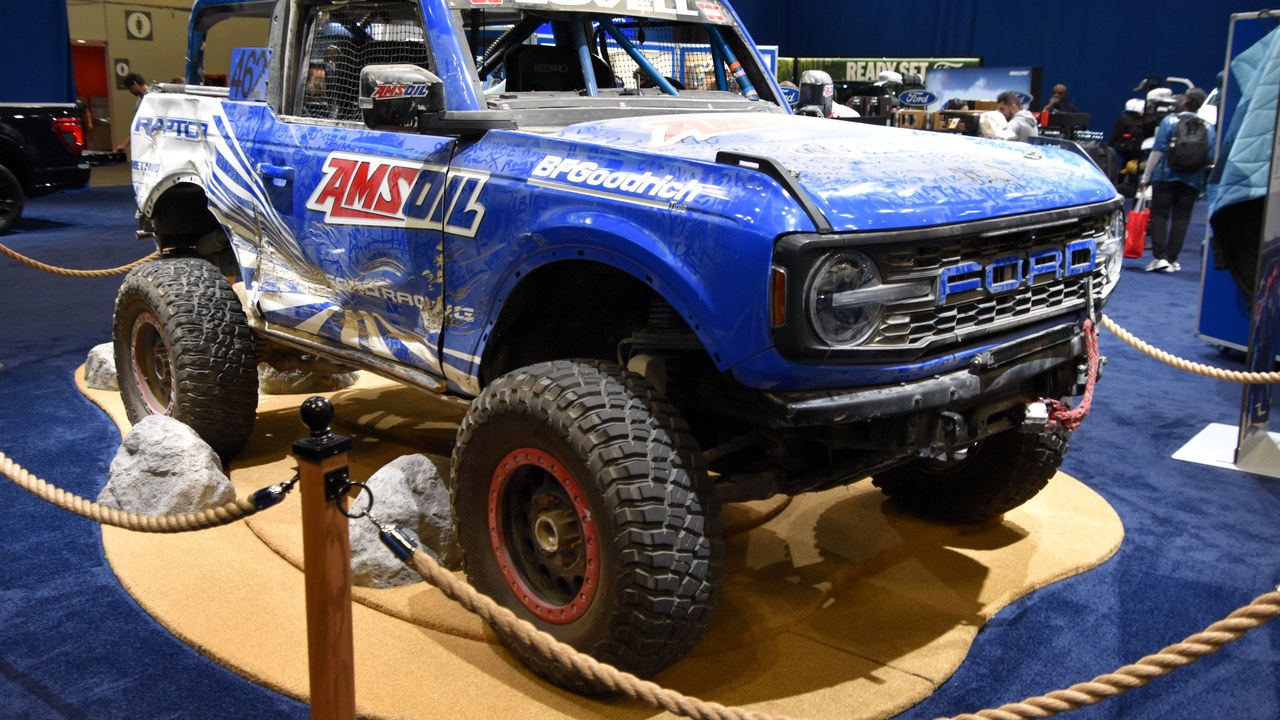
The Sasquatch package bundles 35-inch tires and 17-inch wheels with available front and rear locking differentials, all managed through the G.O.A.T. drive-mode dial instead of a separate switch panel mounted on the dashboard the way older off-roaders handled it.
Buyers can order the lockers on certain trims without the rest of the Sasquatch hardware, giving the revived Bronco a middle ground between the Wrangler’s stripped-down layout and the heavier, more luxury-oriented off-roaders elsewhere on this list, including the G-Class and Defender, at a lower starting price than either.
3. Toyota Land Cruiser: Triple-Locking Legacy
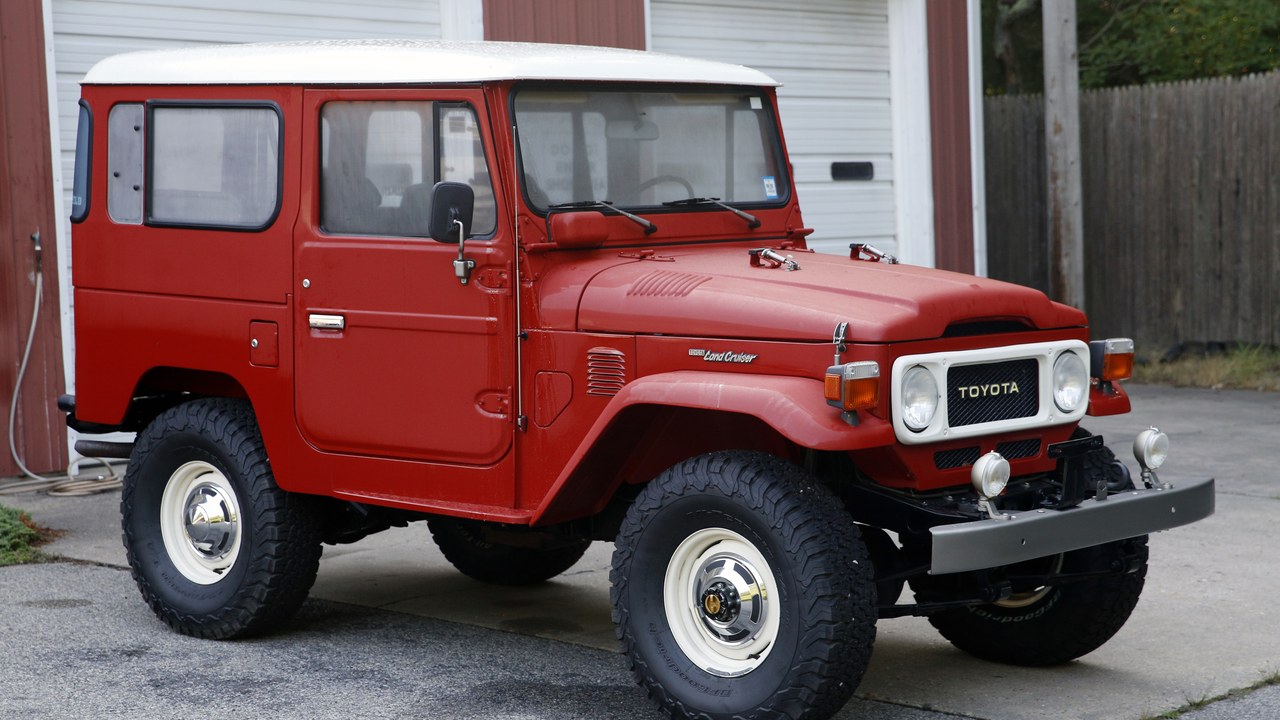
Older Land Cruiser generations offered triple locking differentials across the front, rear, and center axles, a setup Toyota reserved for its most capability-focused trims and rarely matched by mainstream rivals sold in the same era of production.
Locking every axle at once eliminates wheel slip everywhere in the drivetrain simultaneously, a brute-force answer to broken terrain that trades low-speed comfort for traction few factory trucks could match, and a reason surviving examples still draw premium resale prices decades after they left the factory floor.
4. Mercedes-Benz G-Class: Three Switches, Three Locks
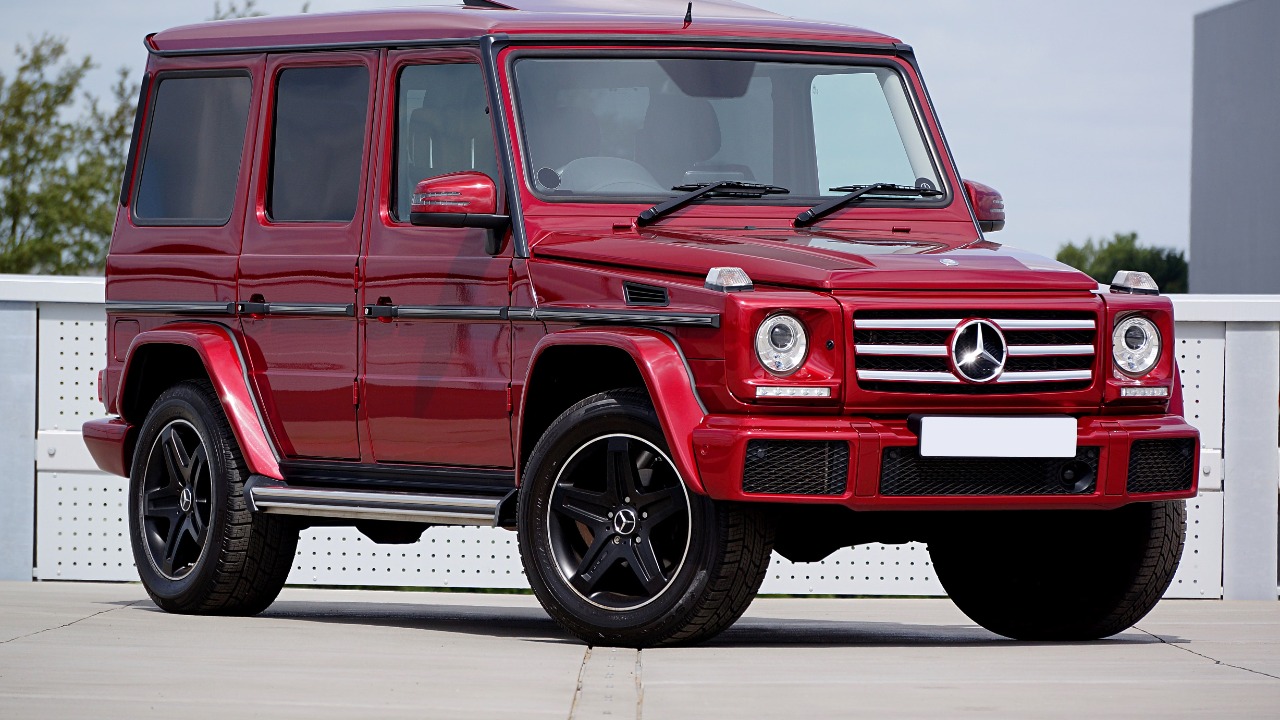
The G-Class ships with three dashboard switches, one each for the front, rear, and center differential, letting a driver lock every axle in the vehicle from a full stop before easing onto difficult ground at low speed and full articulation.
Mercedes has kept that three-lock layout largely unchanged across decades of updates, a mechanical holdover from the G-Wagen’s military origins that survived its transformation into a six-figure luxury SUV favored well beyond its original utilitarian buyers and markets. The system lets a driver choose exactly how much lock to apply before committing to a steep grade.
5. Ram 2500 Power Wagon: Built To Pull Itself Out
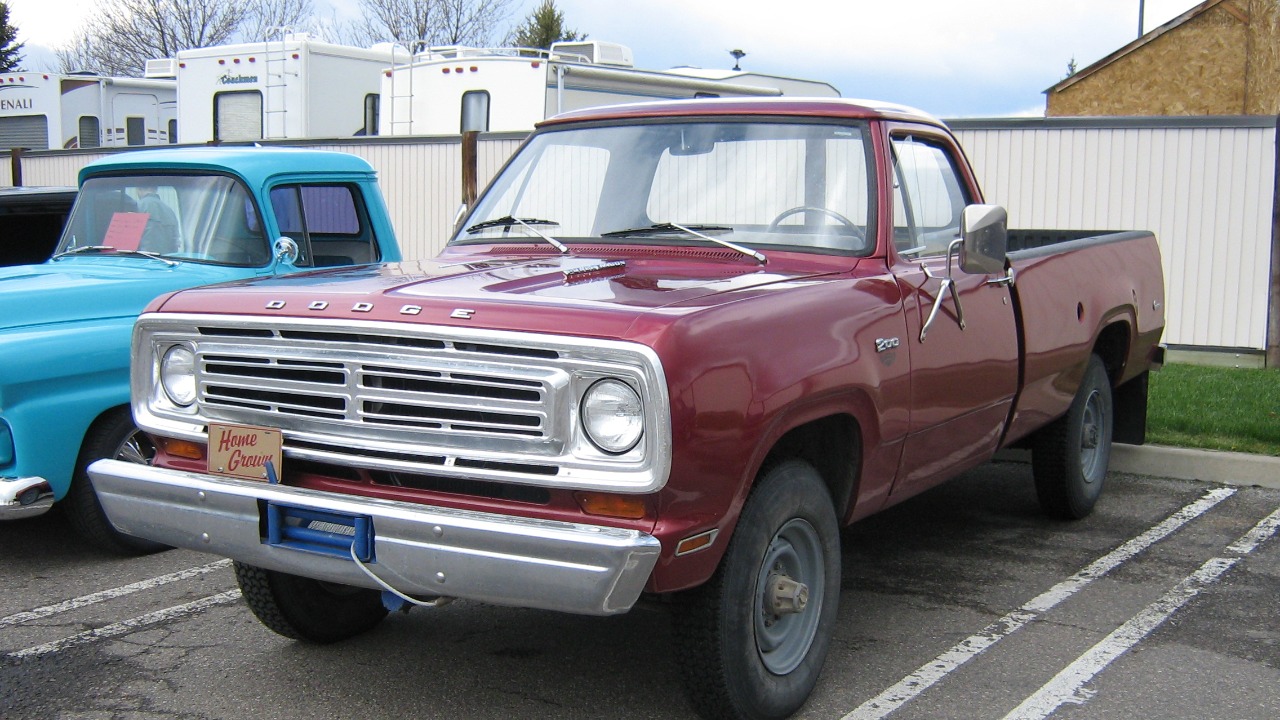
The Power Wagon pairs a factory-locking rear differential with a front-mounted winch rated to pull the truck’s own weight, a combination built for recovery situations off pavement rather than everyday towing duty around town or on the highway.
The Power Wagon nameplate traces back to trucks built for utility and military use, and the modern Ram version keeps that recovery-first identity instead of chasing the on-road refinement most heavy-duty pickup buyers now expect from a daily driver. Ram also fits the Power Wagon with front and rear tow hooks rated for the same recovery scenarios the winch is meant to handle.
6. Ford F-150 Raptor: Locked For Speed, Not Rocks
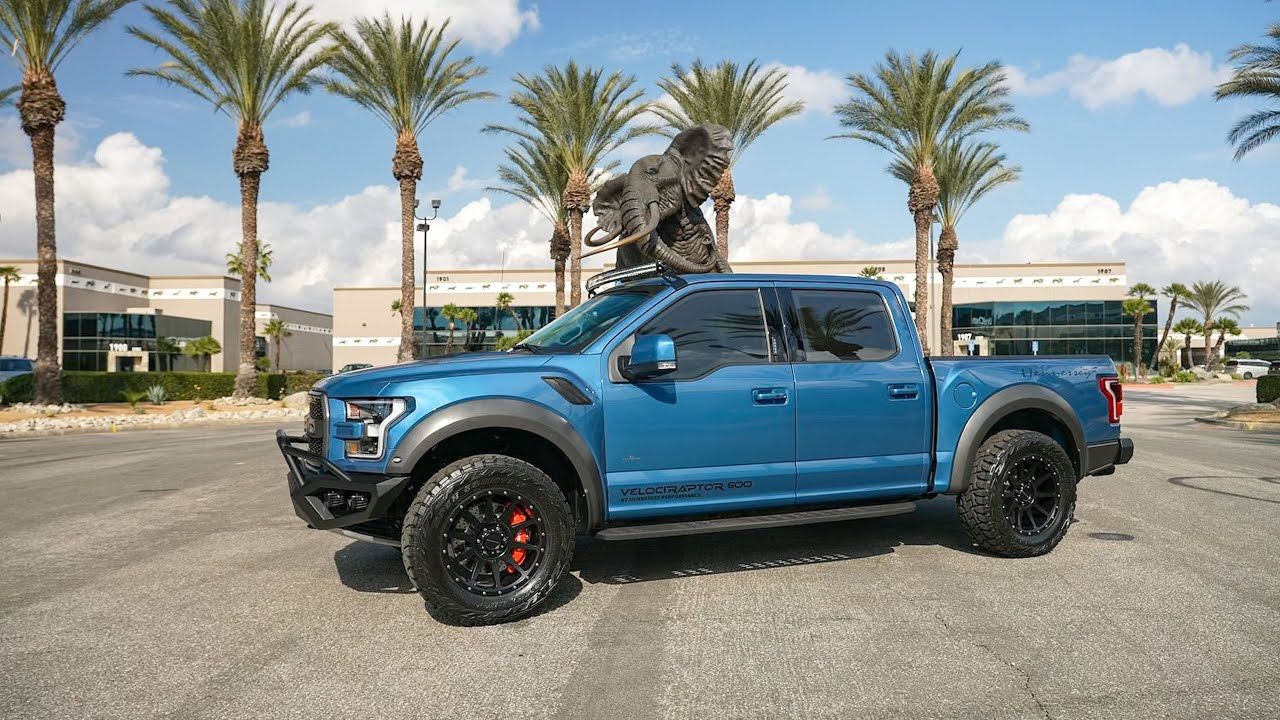
The Raptor carries a rear locking differential tuned for high-speed desert running rather than rock crawling, backed by long-travel suspension built to soak up repeated hard impacts at speed across open, uneven terrain.
That focus separates it from crawling-oriented trucks like the Power Wagon: the Raptor’s locker keeps power going to both rear wheels through whoops and berms, not inching over boulders at walking pace on a narrow, rocky trail somewhere in the backcountry. Ford tunes the Raptor’s springs and dampers around that use case rather than around low-speed articulation over rocks.
7. Toyota 4Runner TRD Pro: Crawl Control Meets Locker
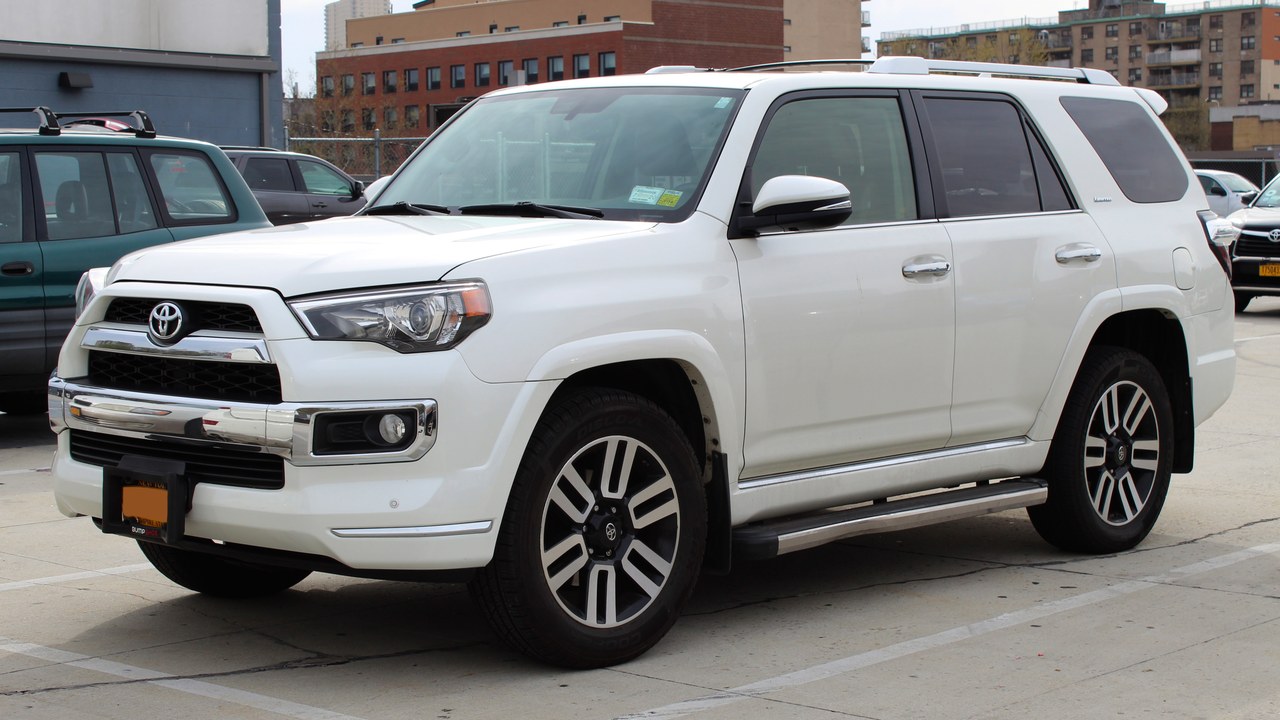
The TRD Pro trim adds a rear locking differential to Toyota’s crawl control system, which modulates brake pressure at each individual wheel automatically once the driver engages the locker on loose or uneven ground at a crawl.
The 4Runner has kept a body-on-frame layout long after many midsize SUVs switched to unibody construction, a choice that keeps the locker’s mechanical simplicity intact rather than folding it into a more complex all-wheel-drive system shared with a car platform. That layout also simplifies repairs in the field, since the locker itself has fewer software dependencies than newer systems.
8. Chevrolet Colorado ZR2: Off-Road Truck, Dual Locks

The ZR2 trim adds front and rear electronic locking differentials to the Colorado lineup, switched on independently through dash-mounted controls once the truck is shifted into four-wheel drive on the trail or in deep mud.
Chevrolet built the ZR2 around Multimatic spool-valve dampers as much as the lockers themselves, pairing traction at both axles with suspension tuned specifically for repeated off-road impacts, a pairing few midsize trucks in its class offer straight from the factory floor. That factory pairing has made the ZR2 a benchmark other midsize off-road trucks are frequently compared against by reviewers.
9. Land Rover Defender: Software-Managed Traction
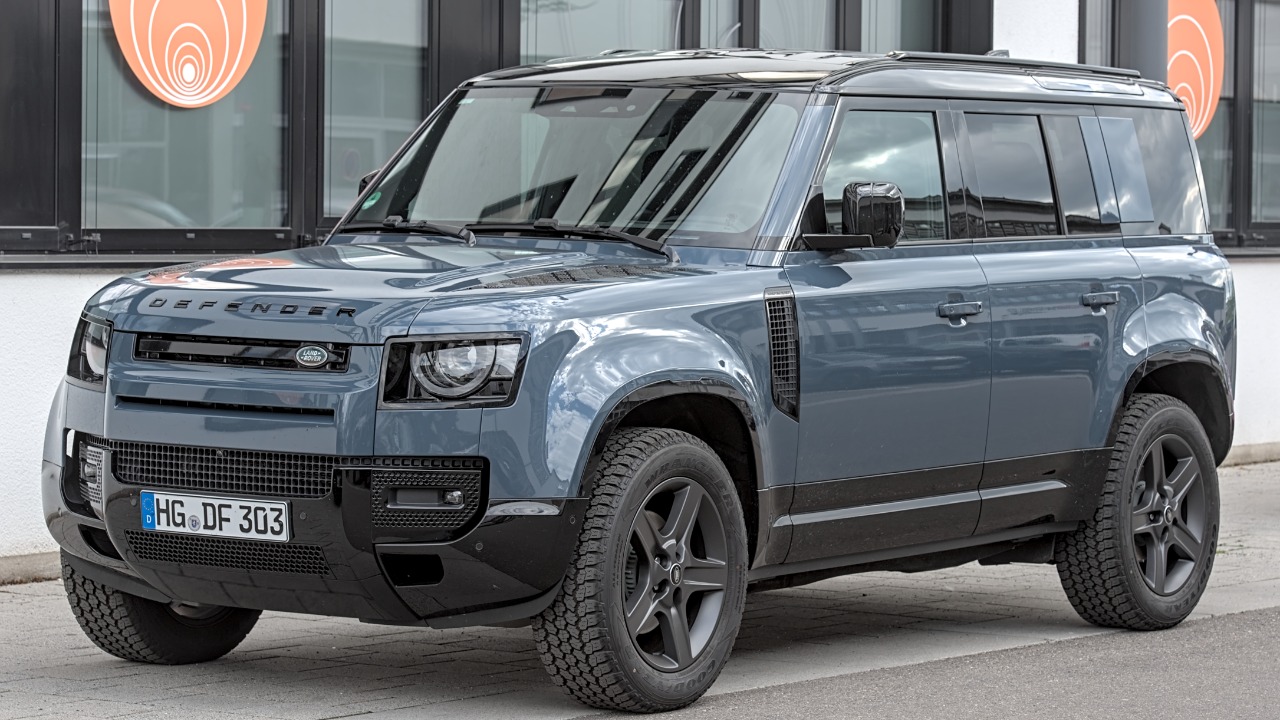
The current Defender uses an electronic center differential lock paired with a rear locking differential, both managed through the Terrain Response system rather than standalone dashboard switches like its boxy predecessors used decades earlier.
That software-driven approach adjusts locking behavior automatically by terrain setting, a departure from the manual switches used on older Land Rover models and a sign of how electronics have absorbed controls that were once purely mechanical and driver-operated on every trim. Land Rover still allows manual override of the locking behavior when a driver wants more control than the automated system provides.
10. Lexus GX: Luxury With A Locking Diff
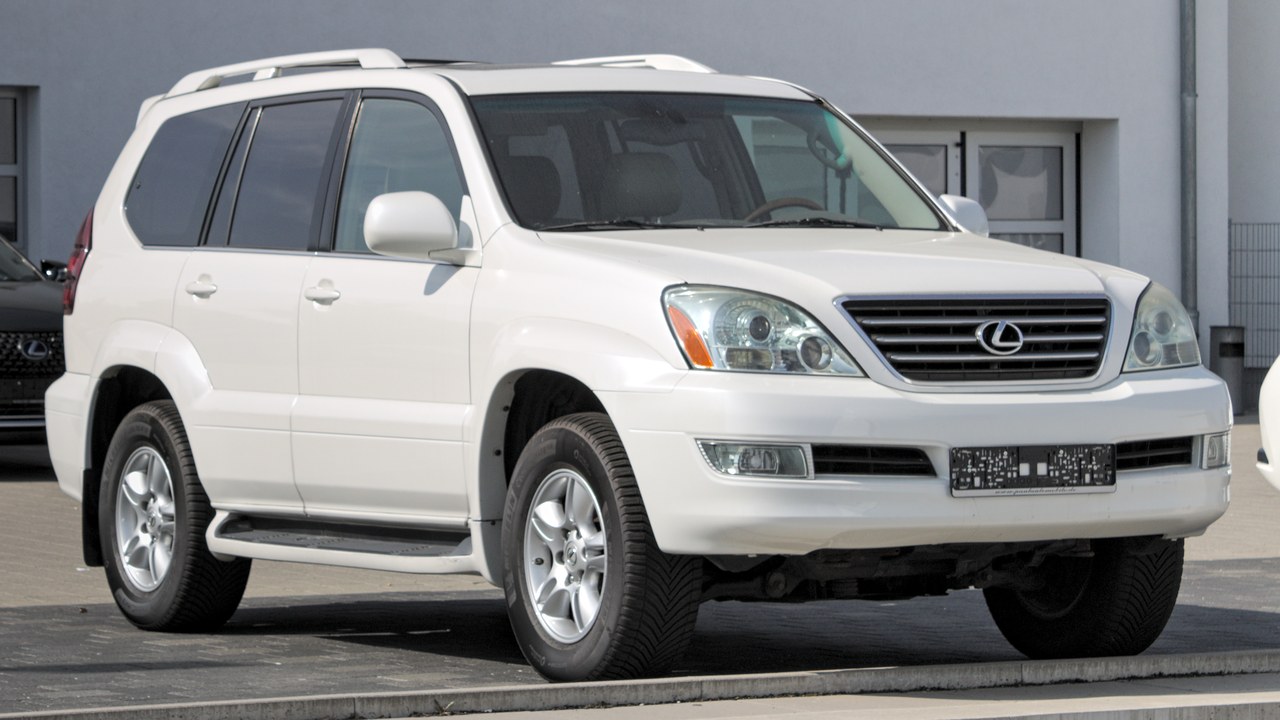
The GX carries a locking center differential as part of its body-on-frame off-road hardware, a feature unusual among luxury SUVs that otherwise rely on purely electronic traction control to manage slippery or uneven surfaces on the road.
The GX shares its underpinnings with the Land Cruiser platform, which explains why a luxury-badged SUV still offers hardware more commonly found on dedicated off-roaders than on comparably priced crossovers built for city driving. That shared hardware also means GX buyers inherit decades of the Land Cruiser’s reputation for mechanical durability off pavement.
More from Morning Overview
- A granite sarcophagus surfaced in Egypt with its original lid still sealed
- The FBI tells phone owners to delete these toll-payment texts draining accounts nationwide
- A second Maya city, hidden 2,500 years, has surfaced from Campeche’s forest on LiDAR maps
- Doctors are rethinking who actually benefits from a daily low-dose aspirin
