
America safeguards more than 60 protected wildlands where geology, wildlife, and raw scenery collide on a scale that routinely stops first-time travelers cold in their tracks. Each destination gathered below rewards the long drive out with something no single photograph ever manages to fully capture. Here are ten that consistently leave visitors utterly speechless.
1. Yosemite National Park: Granite Giants And Falling Water
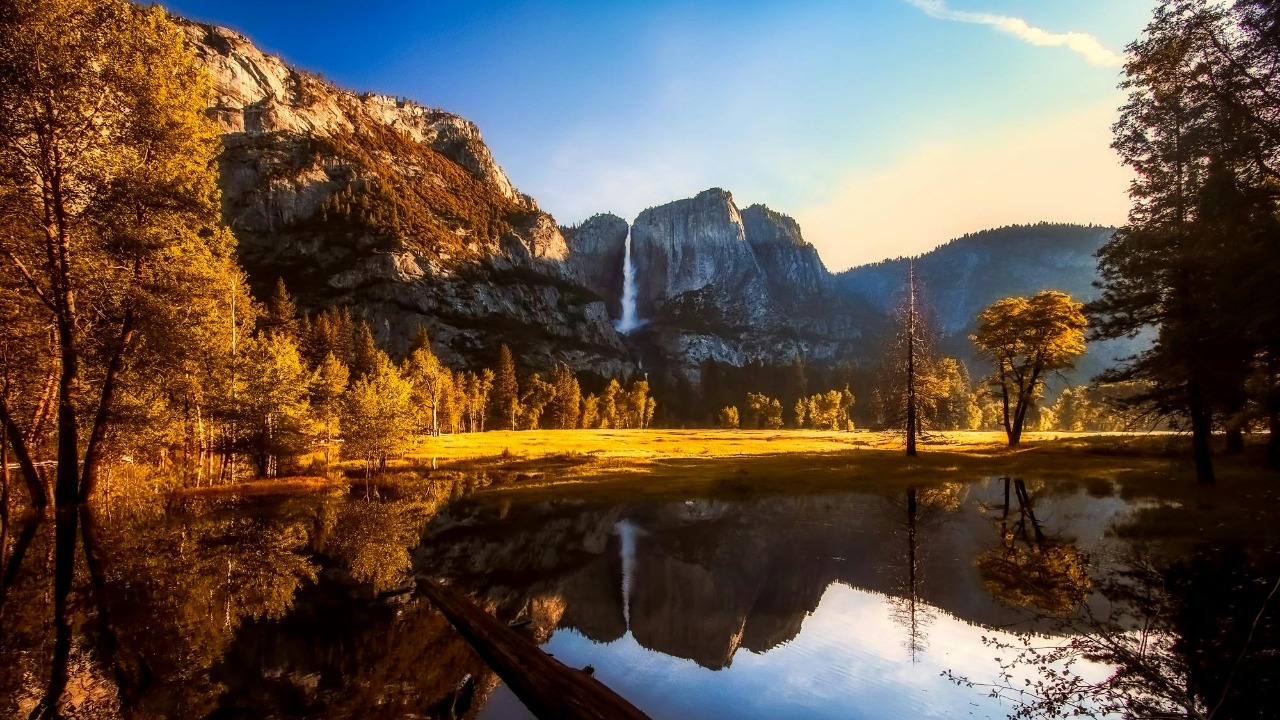
Sheer walls of pale granite rise nearly 3,000 feet above the valley floor, framing meadows where waterfalls plunge in long white ribbons each spring. The famous face of El Capitan and Half Dome anchors a landscape sculpted by ancient glaciers grinding through solid rock.
That vertical drama made the valley an early rallying point for the conservation movement, helping convince a young nation that wild places deserved federal protection. Today the same cliffs draw climbers, photographers, and hikers who trace trails first cut more than a century ago, testing themselves against scenery that shaped how Americans think about wilderness.
2. Yellowstone National Park: Where The Ground Boils
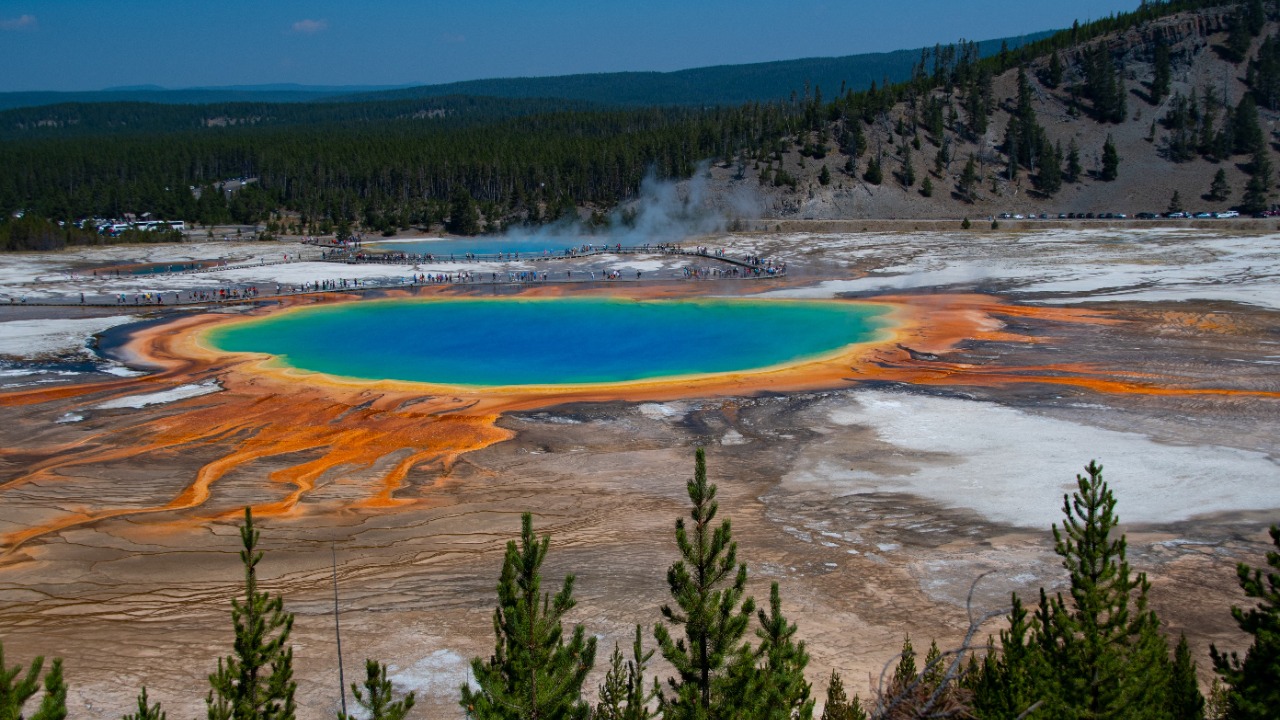
Half the planet’s geysers erupt inside this sprawling reserve, fed by a restless volcanic hotspot simmering just beneath the surface. Beyond the steaming basins lie painted canyons, herds of bison, and the color-banded pools of Grand Prismatic Spring, whose rings glow orange and turquoise.
Established in 1872 as the world’s first national park, it set the template every country afterward borrowed. The living geology remains its signature draw: eruptions on a predictable clock, mud pots that gurgle like something prehistoric, and wildlife that roams freely across a plateau larger than some states, reminding visitors how young and unfinished the land really is.
3. Grand Canyon National Park: A Mile Down Through Time
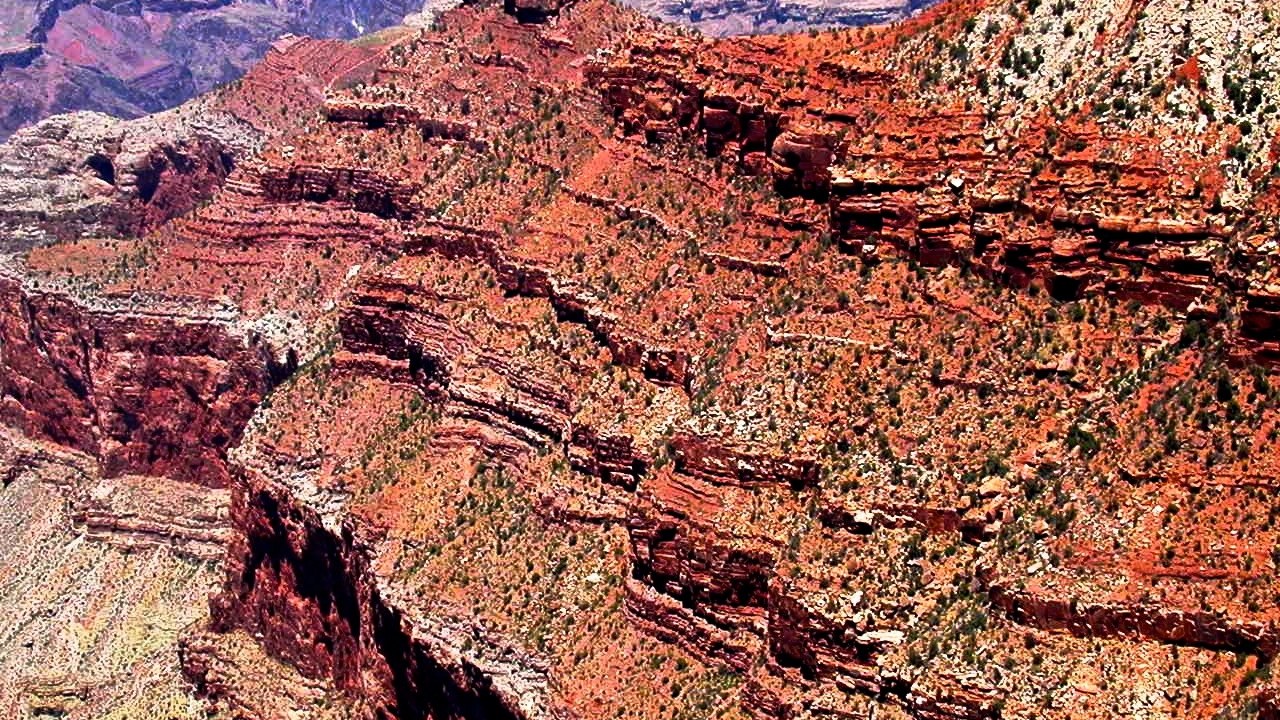
Cut a full mile deep and stretching 277 river miles across northern Arizona, this chasm exposes nearly two billion years of stacked rock in bands of rust, cream, and shadow. The Colorado River still carves deeper at the bottom, a thread of green far below the rim.
The sheer scale defeats first impressions; the far wall can sit ten miles away, dissolving into haze at sunrise and sunset. Standing at the edge delivers a jolt of perspective few landscapes match, which is exactly why millions arrive each year simply to look, and why so many describe the view as impossible to absorb in a single visit.
4. Zion National Park: Red Walls Closing In
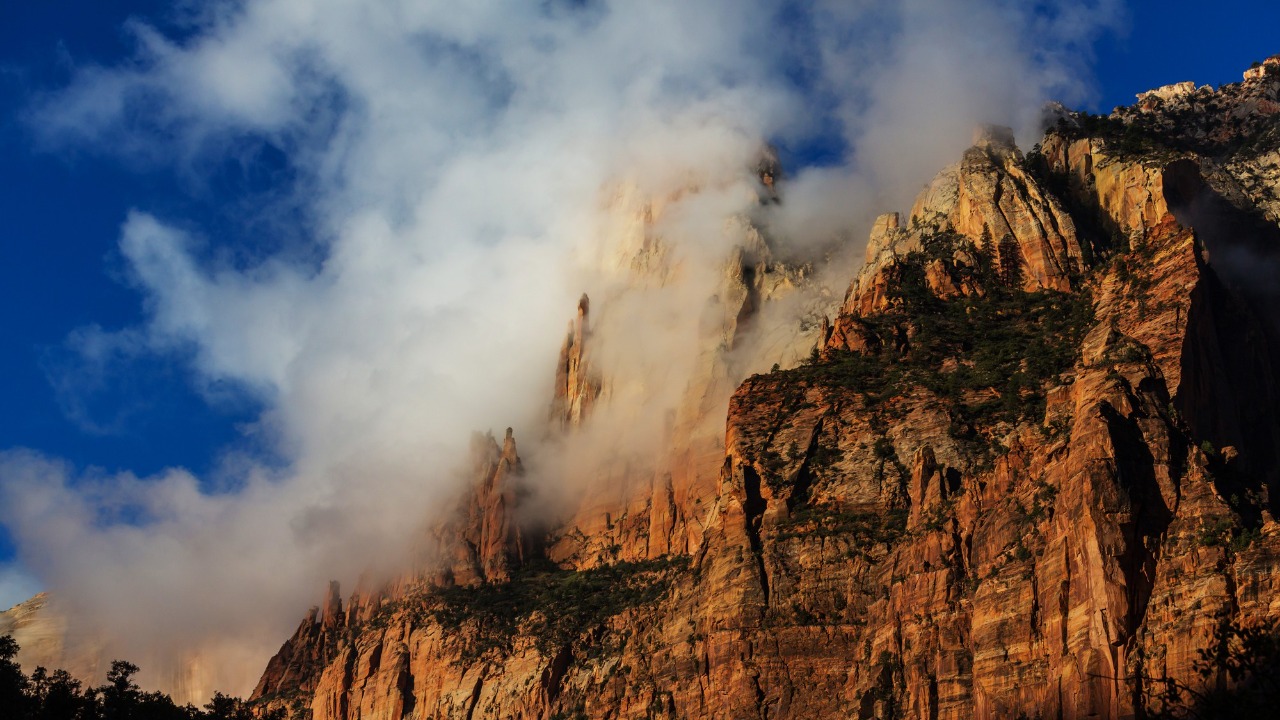
Sculpted sandstone cliffs blaze deep red and cream above a narrow valley, some rising 2,000 feet from the canyon floor. The Virgin River threads through slot canyons so tight that hikers wade the current itself along The Narrows, walls pressing in on both sides.
That intimacy sets it apart from wider Western parks; instead of looking down into scenery, visitors stand inside it, craning upward at monoliths named for cathedrals and thrones. Adventurous routes like Angels Landing climb exposed spines with chains bolted into the rock, turning a walk into a heart-in-throat ascent that rewards nerve with a sweeping overlook of the gorge.
5. Glacier National Park: Ice Country On Borrowed Time
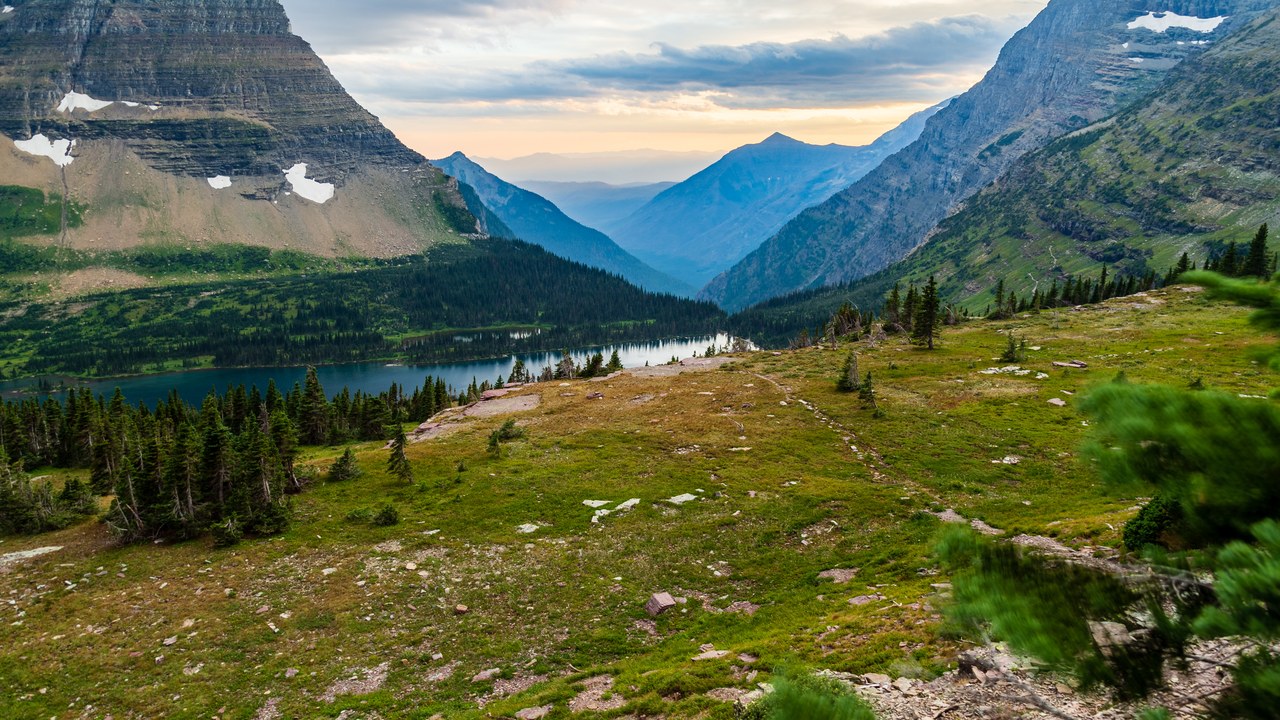
Jagged peaks cradle turquoise lakes and hanging valleys across a million acres of the northern Rockies, stitched together by the cliff-hugging Going-to-the-Sun Road. Snowfields feed waterfalls that tumble past wildflower meadows and forests full of grizzlies and mountain goats.
The park earned its name from the ice that carved these U-shaped valleys, though only a couple dozen active glaciers remain and they continue to shrink. That slow vanishing gives a visit real urgency, drawing travelers eager to witness a landscape in transition before its defining feature retreats further into the highest, coldest pockets of the range.
6. Grand Teton National Park: Peaks Without A Foothill
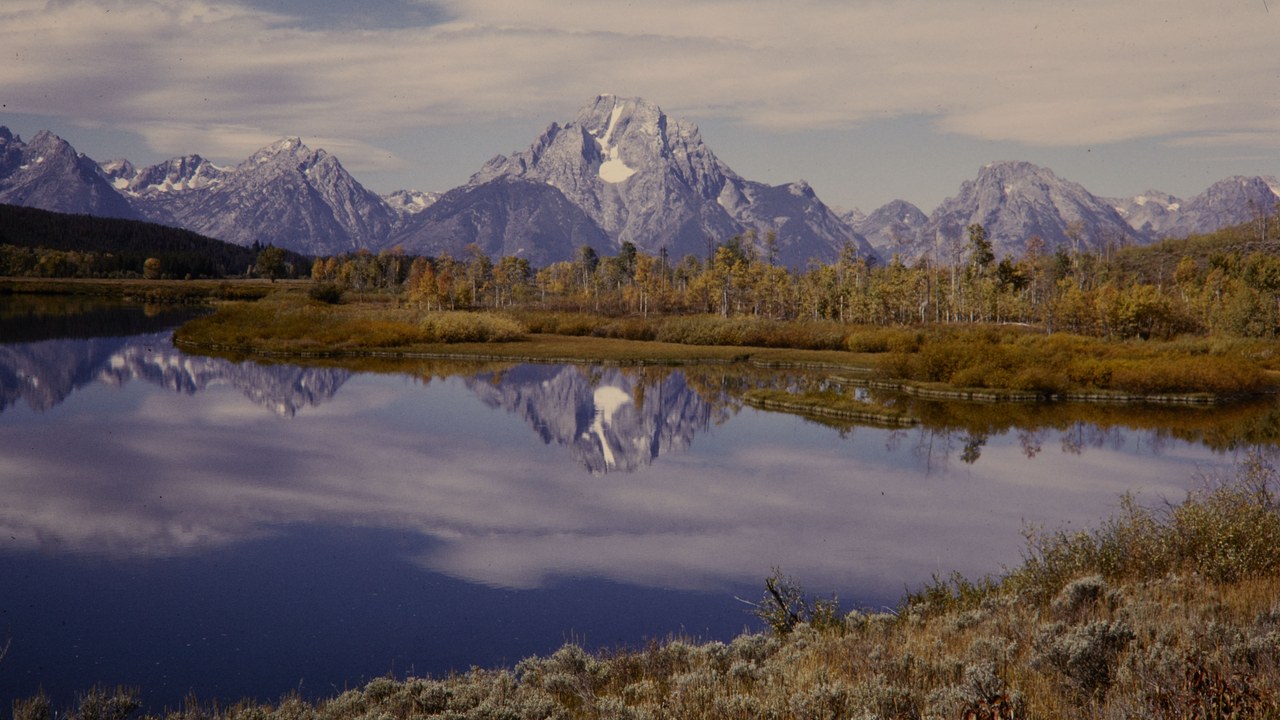
The Teton Range erupts straight from the valley floor with no gentle foothills to soften the shock, its highest summit topping 13,700 feet above a chain of glassy lakes. At dawn the jagged skyline doubles perfectly across the still surface of Jenny Lake.
That abrupt vertical rise creates one of the most instantly recognizable profiles in the country, a wall of granite spires that photographers chase in every season. Moose wade the willow flats, elk migrate through the sage, and the untouched valley below stays deliberately undeveloped, preserving a foreground worthy of the mountains that loom over it.
7. Arches National Park: Stone Bent Into Rainbows
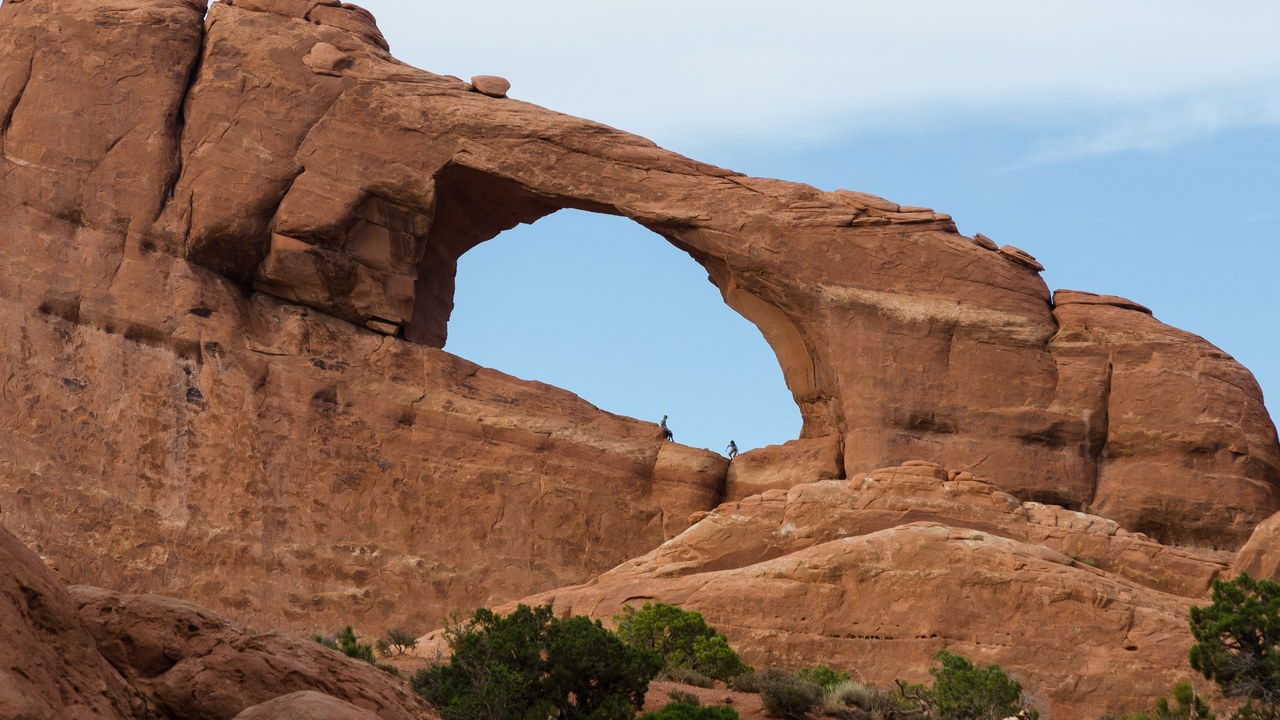
More than 2,000 natural stone arches curve across this high desert, the greatest concentration on Earth, sculpted over eons as water and frost pried apart soft sandstone fins. The freestanding span of Delicate Arch frames distant snow-capped peaks through its opening.
The formations feel almost engineered, ribbons of rock balanced in defiance of gravity and glowing furnace-orange at sunset. Each arch is temporary on a geologic scale; old ones collapse and new ones slowly emerge, meaning the skyline visitors photograph today is a fleeting arrangement that erosion will eventually rewrite into shapes no one alive will ever see.
8. Acadia National Park: First Light On The Atlantic
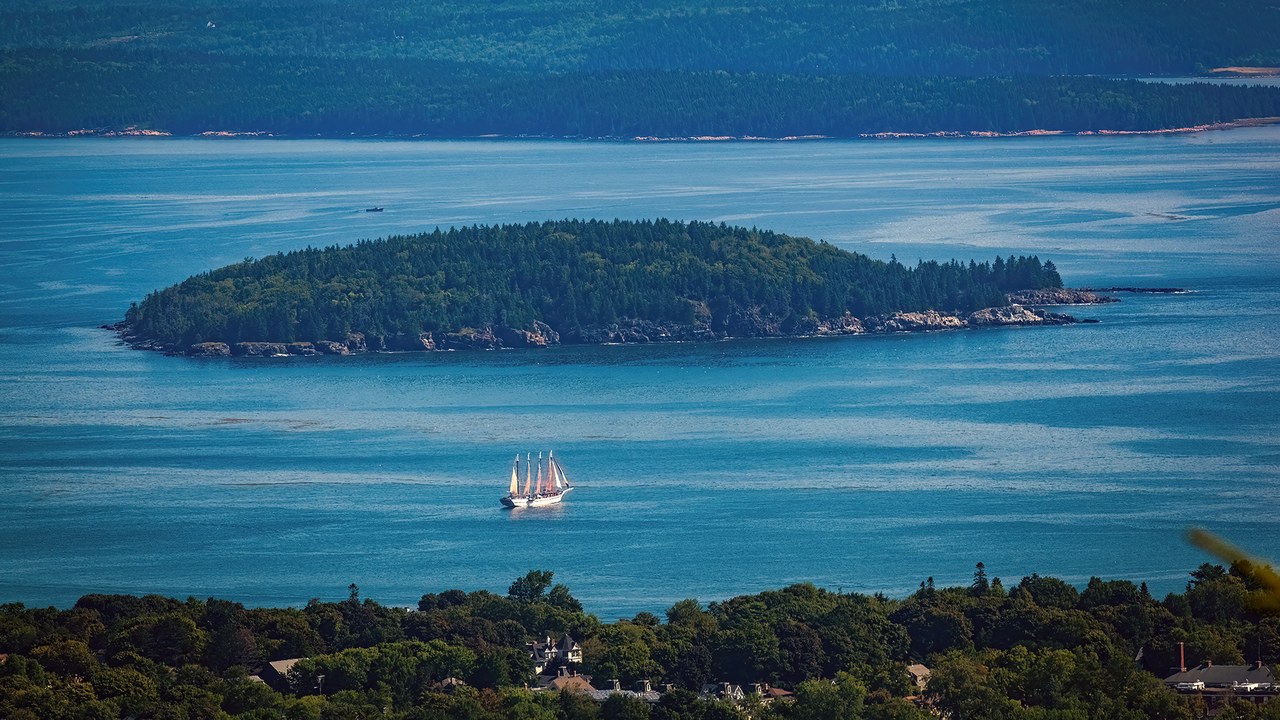
Pink granite domes meet a rugged Atlantic coastline where waves hammer sea cliffs and forests spill down to rocky shores. The summit of Cadillac Mountain catches some of the earliest sunrise in the United States, drawing pre-dawn crowds to its bald granite crown.
Compact compared to the vast Western reserves, this Maine park packs remarkable variety into a small footprint of island, mountain, and sea. Carriage roads built a century ago wind past ponds and stone bridges, offering a gentler, deeply New England kind of grandeur where the drama comes from the collision of forest, rock, and cold northern ocean.
9. Olympic National Park: Three Wild Worlds In One
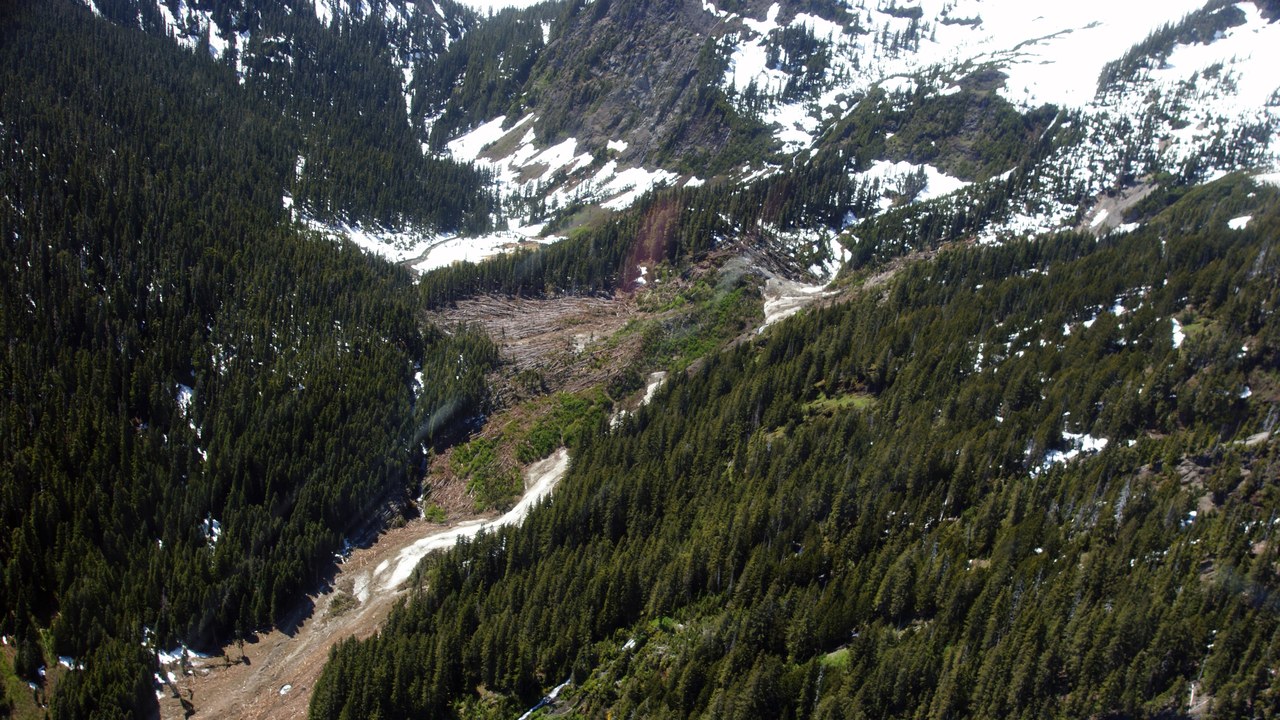
A single park bundles glacier-capped peaks, a wild Pacific coastline, and one of the country’s only temperate rainforests, where moss drapes every branch. Rainfall in the Hoh Rain Forest can top 140 inches a year, feeding cathedral-quiet groves of towering conifers.
Few places let a traveler stand among sea stacks at low tide in the morning and wander a dripping green rainforest by afternoon, with alpine meadows a short drive higher up. That compression of ecosystems, largely roadless and protected as wilderness, preserves a corner of the Pacific Northwest much as it looked before settlement reshaped the coast.
10. Denali National Park: The Continent’s Rooftop
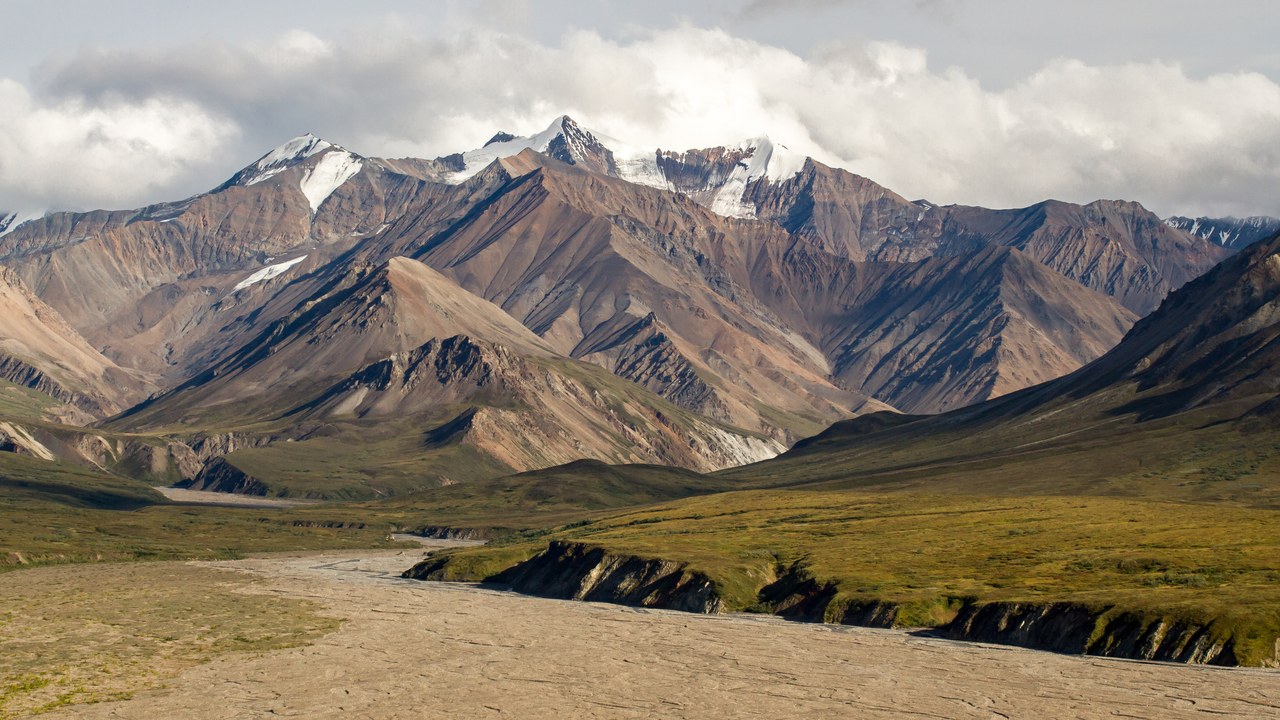
North America’s tallest peak rises 20,310 feet over a wilderness the size of a small state, dominating a horizon of tundra, braided rivers, and roaming grizzlies. The immense summit of Denali itself is so tall it generates its own weather and often hides in cloud.
A single ribbon of road penetrates the interior, keeping most of the park roadless and genuinely wild, home to wolves, caribou, and Dall sheep. The scale humbles anyone who visits; entire mountain ranges serve as mere foreground to the giant, and clear days that fully reveal the peak are rare enough that seeing it feels like an event.
More from Morning Overview
