
Nuclear power, once treated as a shrinking industry, is finding new urgency as utilities and governments race to meet rising electricity demand from data centers and manufacturing. Reactors idled for cost, safety reviews, or public backlash are being reexamined, refurbished, and in some cases physically restarted rather than demolished. Here are ten shut-down nuclear reactors now being brought back online or under active restart efforts.
1. Three Mile Island Unit 1 (Crane Clean Energy Center): The Microsoft-Backed Comeback
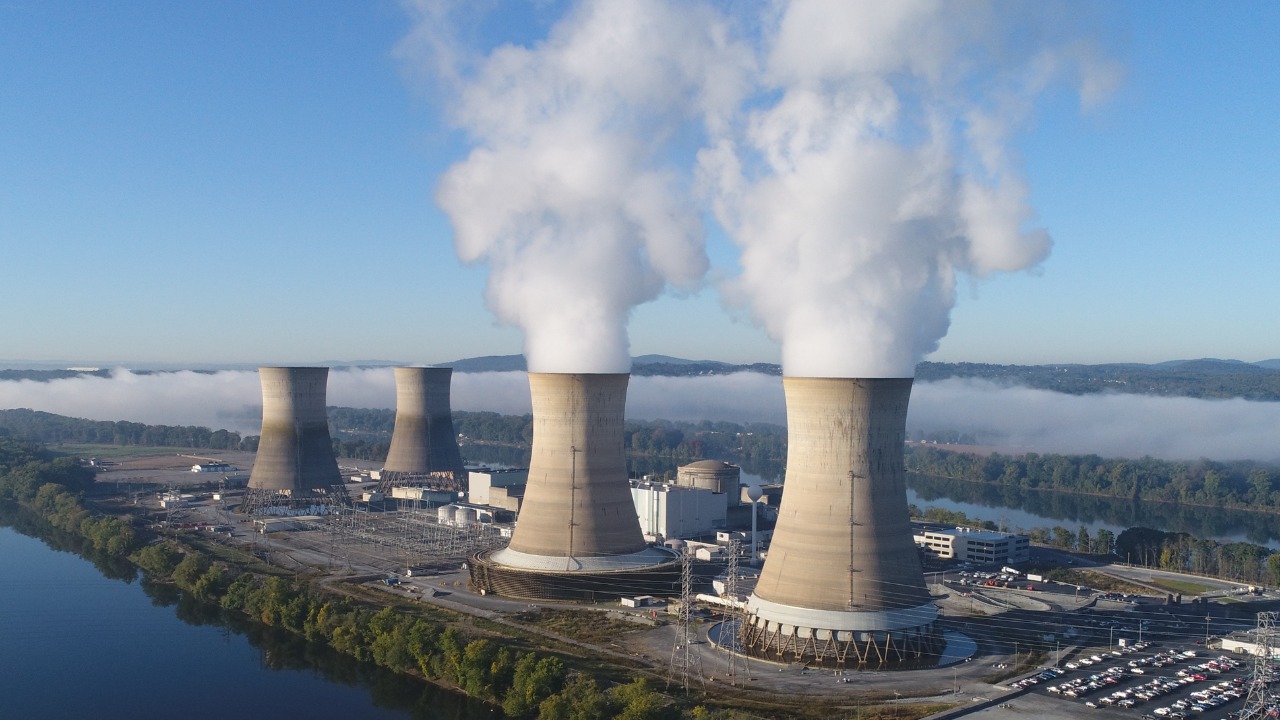
Constellation Energy is spending roughly $1.6 billion on the TMI-1 restart, working to return the shuttered reactor to service under its new name, Crane Clean Energy Center, by 2028. The project is anchored by a power purchase agreement with Microsoft, which wants the reactor’s output earmarked for its own electricity needs.
The bet signals a broader shift: reactors once written off as unprofitable are being treated as strategic assets by utilities racing to satisfy the surging power demand from data centers and other large industrial users, provided regulators and construction timelines cooperate.
2. Palisades Nuclear Generating Station: The First-of-a-Kind Restart
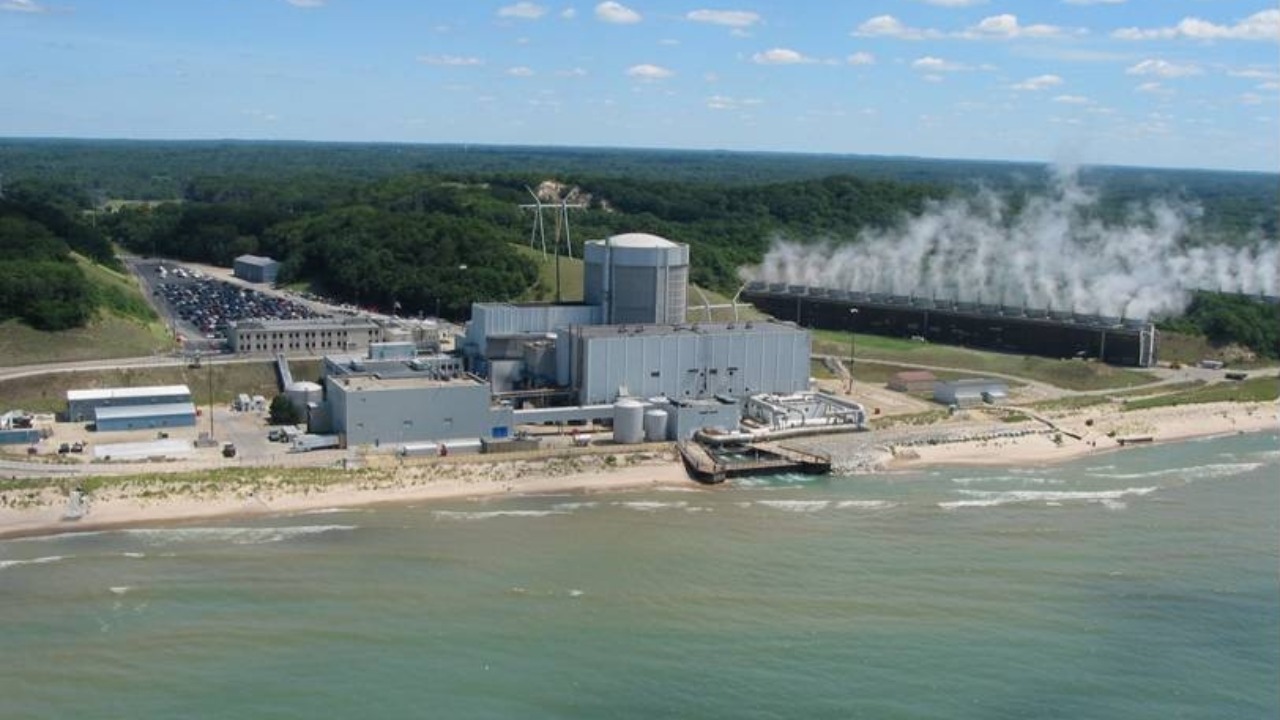
The Nuclear Regulatory Commission has assigned a dedicated Restart Panel to oversee Holtec’s attempt to bring Palisades back online, calling it a first of a kind effort to restart a shuttered commercial reactor.
As of August 2026 the Michigan plant had not yet returned to operation, underscoring that reviving a reactor already taken out of service is a slower, more heavily scrutinized process than restarting one that merely powered down for routine maintenance, with regulators treating every step of the first-of-its-kind restoration as a precedent for future attempts elsewhere.
3. Duane Arnold Energy Center: A Federal Loan for Iowa’s Only Plant
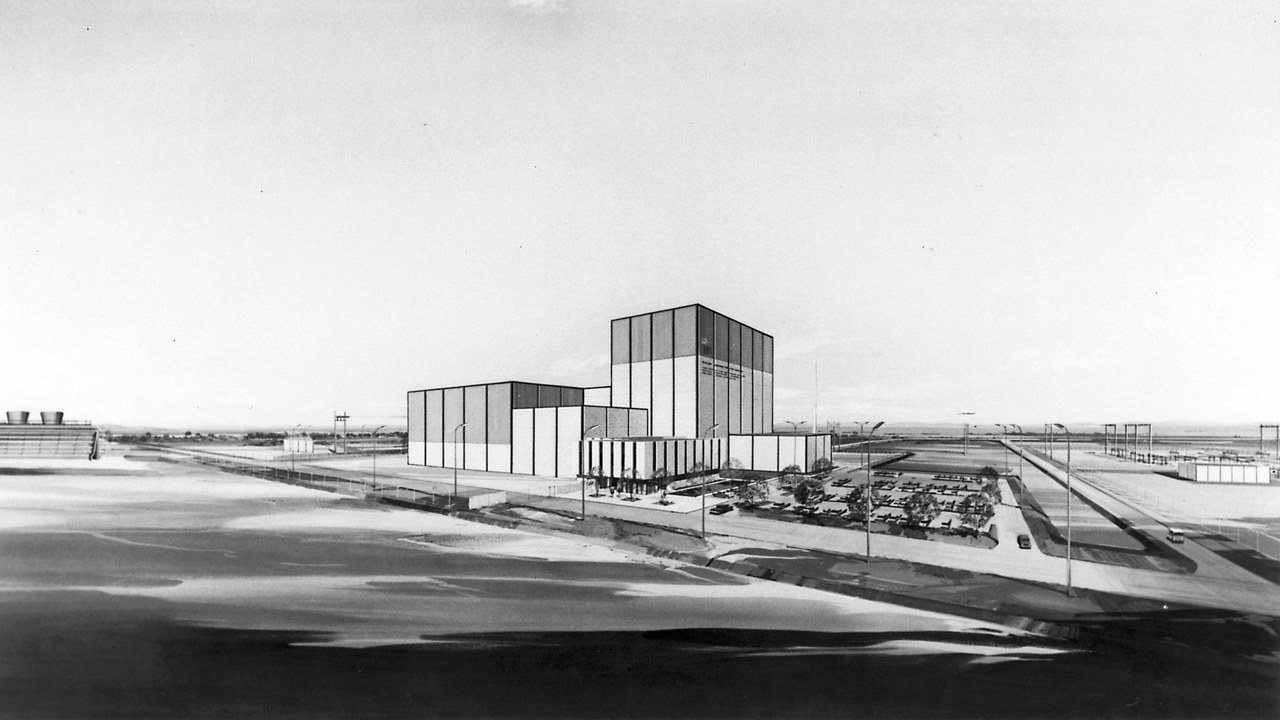
NextEra Energy has agreed to a Department of Energy loan of up to $1.9 billion to help restart Duane Arnold, the only nuclear power plant in Iowa, with the utility targeting a return to service in early 2029.
The loan reflects how federal financing has become a central tool for reviving reactors that utilities previously judged too costly to keep running, giving Iowa’s grid a source of large-scale, always-on power that state regulators and the utility itself had already treated as permanently retired.
4. Ōi Nuclear Power Plant Units 3 and 4: A Two-Time Restart
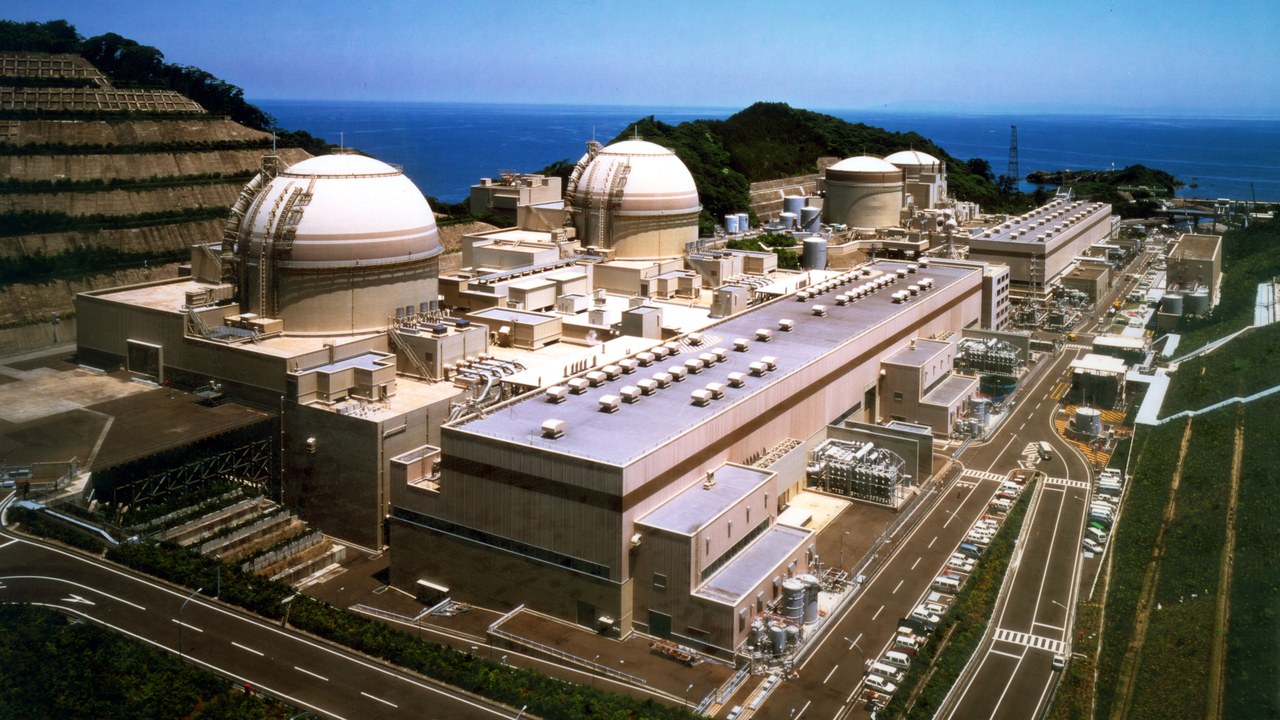
Ōi Units 3 and 4, each rated at 1,180 megawatts and operated by Kansai Electric Power Company, first returned to service in July 2012 — Unit 3 restarting on 1 July and reaching criticality the next day, Unit 4 beginning generating power on 21 July.
Both units were taken offline again in September 2013 — Unit 3 on 3 September — and stayed shut for more than four years before Unit 3 restarted on 14 March 2018 and Unit 4 followed on 9 May 2018, giving the plant a restart-shutdown-restart history rather than a single clean return to service.
5. Shimane Nuclear Power Plant Unit 2: Back Online After a Long Pause
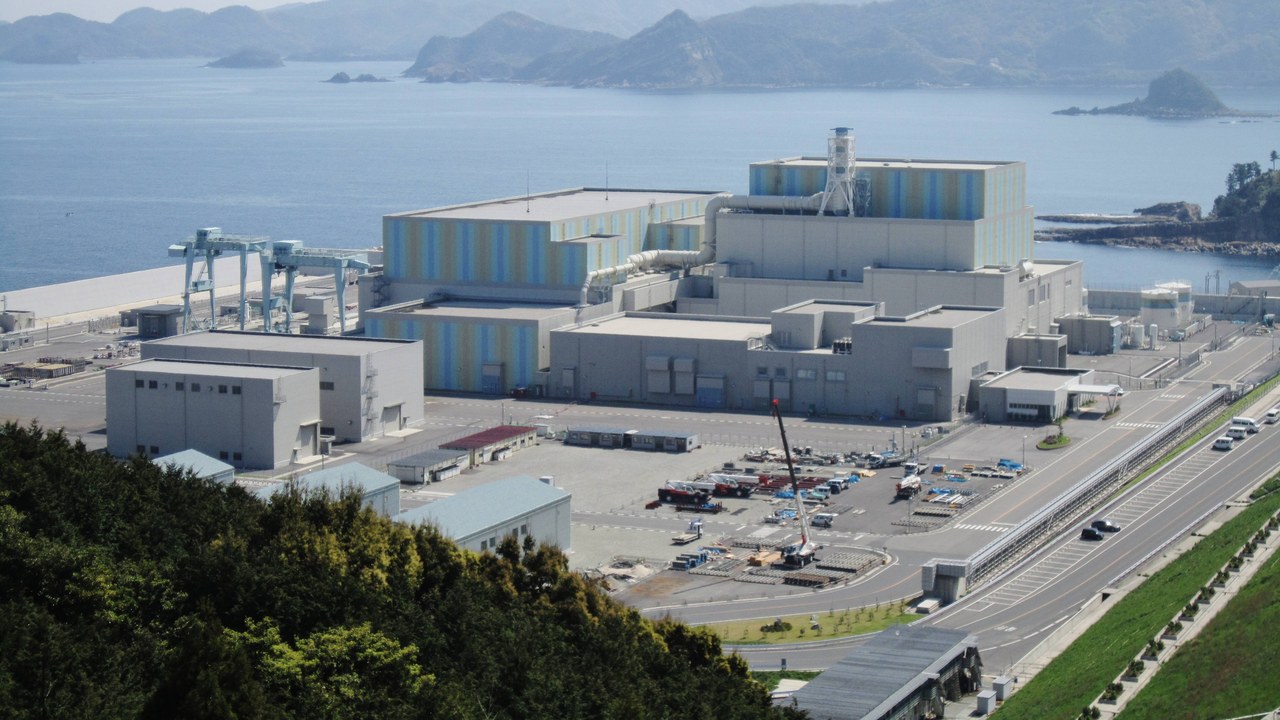
Shimane Unit 2 returned to commercial service in December 2024, another entry in Japan’s steady, plant-by-plant push to bring reactors idled after the Fukushima accident back online.
The restart adds to a growing tally of reactors returning to Japan’s grid, each requiring its own local consent, safety upgrades and regulatory sign-off before operators are cleared to bring the unit back to full power — a deliberately slow, plant-by-plant process rather than a single nationwide reversal of the post-Fukushima shutdowns that idled the entire fleet.
6. Kashiwazaki-Kariwa Nuclear Power Plant Unit 6: The World’s Largest Plant Returns
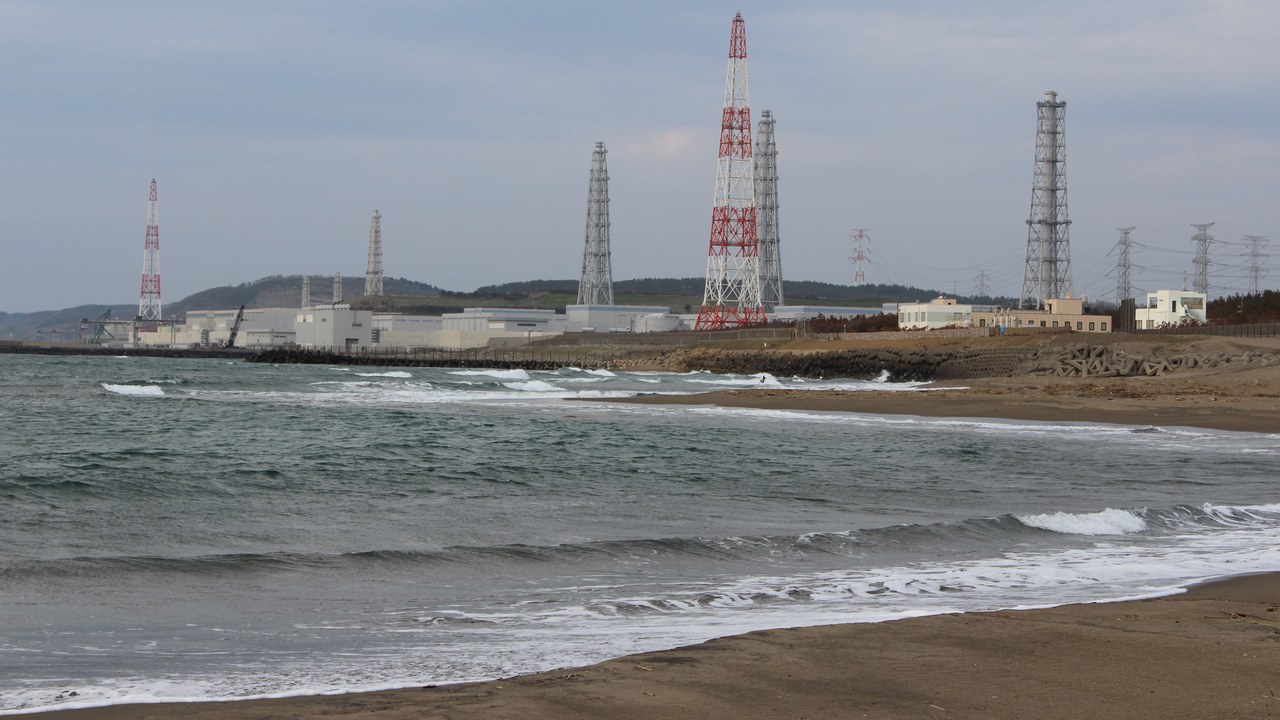
Kashiwazaki-Kariwa, the world’s largest nuclear plant by generating capacity, restarted Unit 6 in January 2026, after the site had sat closed for more than a decade.
Bringing back a plant of this scale carries outsized weight for Japan’s power mix, since a single restarted unit at the country’s largest nuclear site can supply meaningfully more electricity than most other individual reactors in the national fleet, making its return one of the most closely watched milestones in the country’s broader restart effort.
7. Genkai Nuclear Power Plant Unit 3: A Two-Step Return to Service
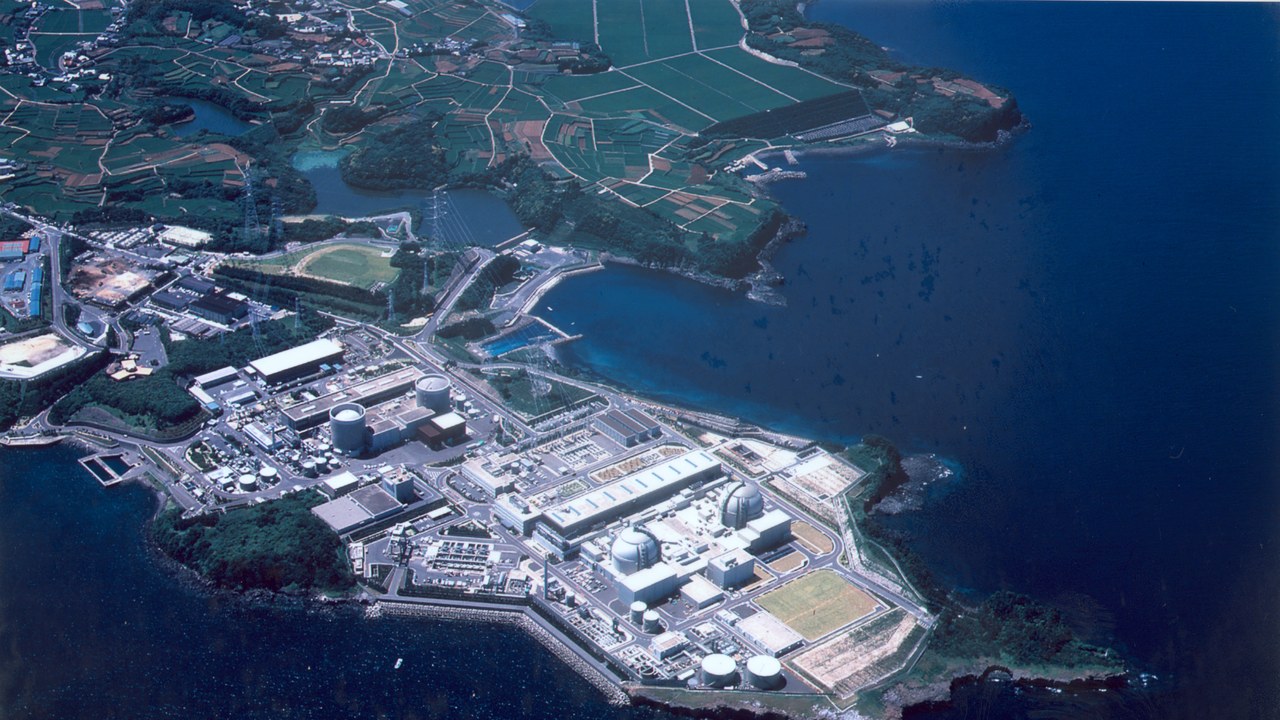
Genkai Unit 3, on the coast of Kyushu, began supplying power to the grid again in December 2022, then formally returned to full commercial operation the following month, in January 2023, after passing the post-Fukushima safety reviews required of every Japanese reactor seeking to restart.
The staged return — grid reconnection first, full commercial status a month later — reflects the standard sequence Japanese regulators require before a restarted reactor is treated as fully back in service, a process that has played out unit by unit across the country’s fleet rather than as a single nationwide switch-on.
8. Sendai Nuclear Power Plant Units 1 and 2: The Reactors That Restarted First
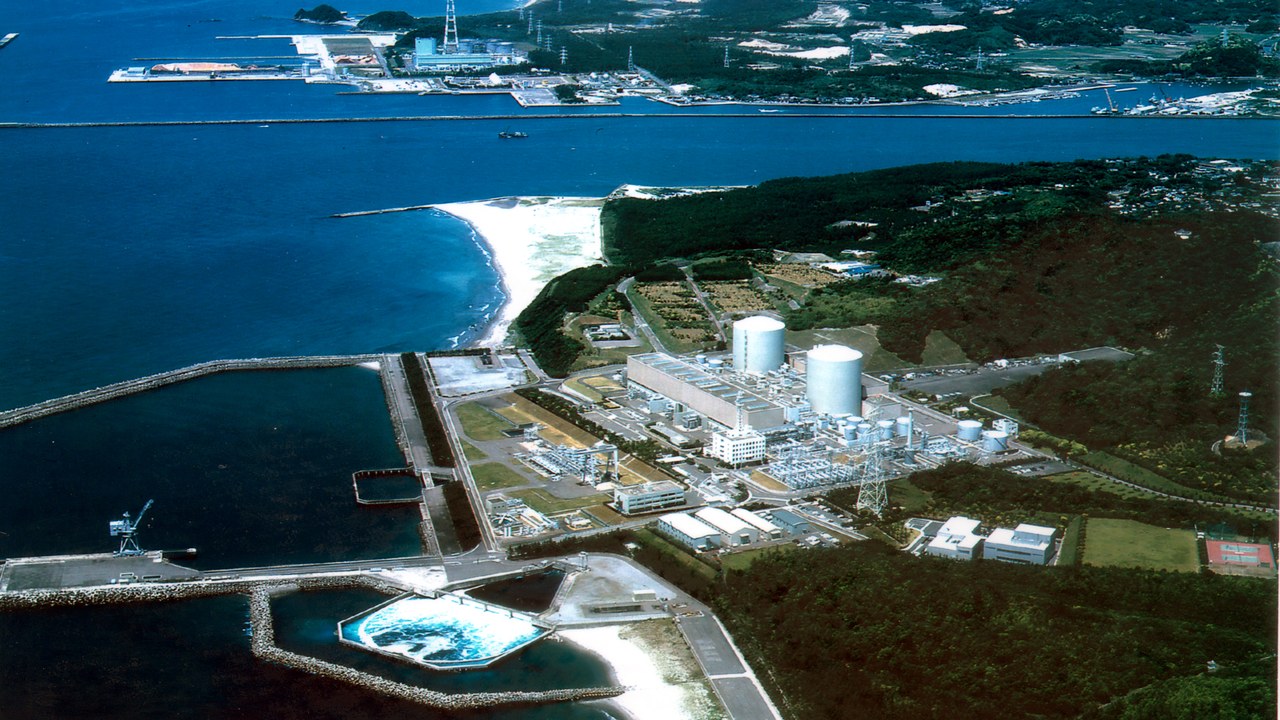
Sendai Units 1 and 2 were the first Japanese reactors to restart after the 2011 Fukushima accident, returning to service in August and November 2015 respectively, more than four years after the disaster shut down the country’s entire nuclear fleet.
Their return marked the start of Japan’s slow, reactor-by-reactor restart process, setting the template — grid reconnection, then full commercial status, plant by plant — that other sites, including Genkai and Ikata, later followed through their own separate safety reviews, one restart at a time.
9. Ikata Nuclear Power Plant Unit 3: Fifth in Line to Restart
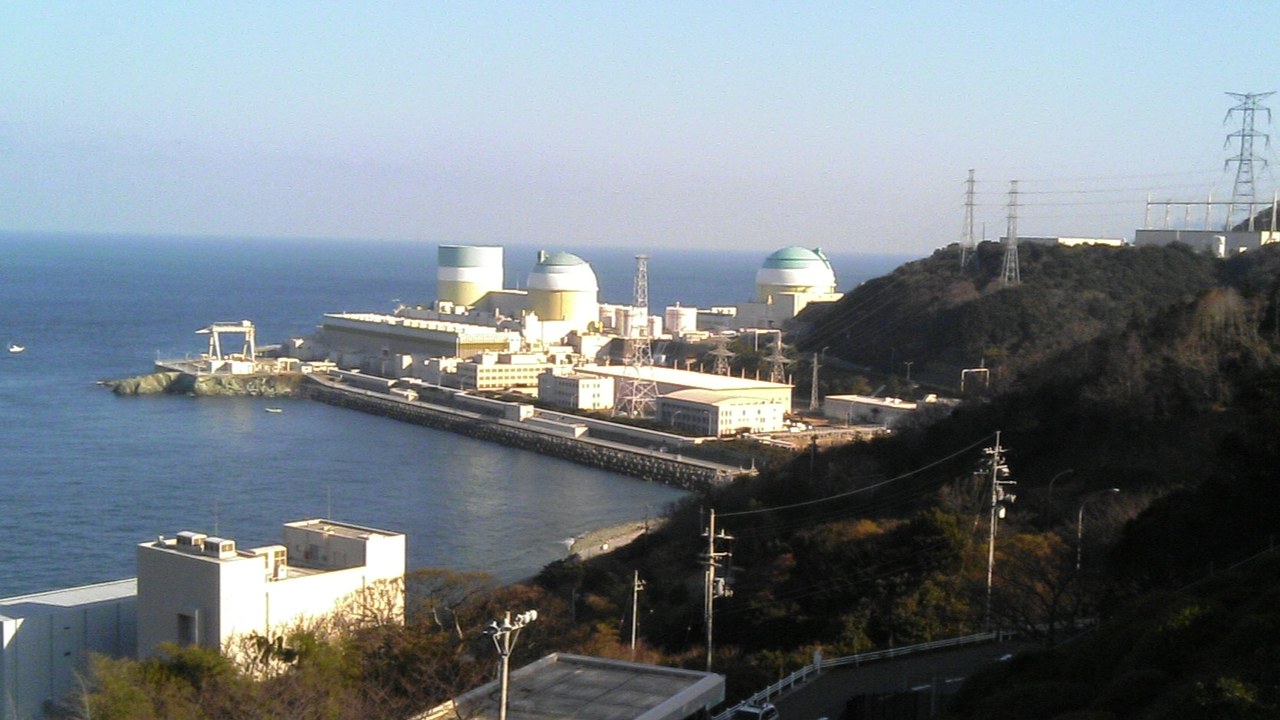
Ikata Unit 3 was the fifth Japanese reactor approved to restart after the Fukushima accident, going back online on 19 April 2016, years after the plant had been idled along with the rest of the national fleet.
Its place fifth in that sequence shows how methodically Japan worked through its fleet, clearing each plant only after individual local consent and regulatory sign-off, rather than resuming nuclear generation nationwide in one coordinated step, a pace that stretched the full restart process out over many years.
10. Takahama Nuclear Power Plant Units 3 and 4: A Restart After a Court Order
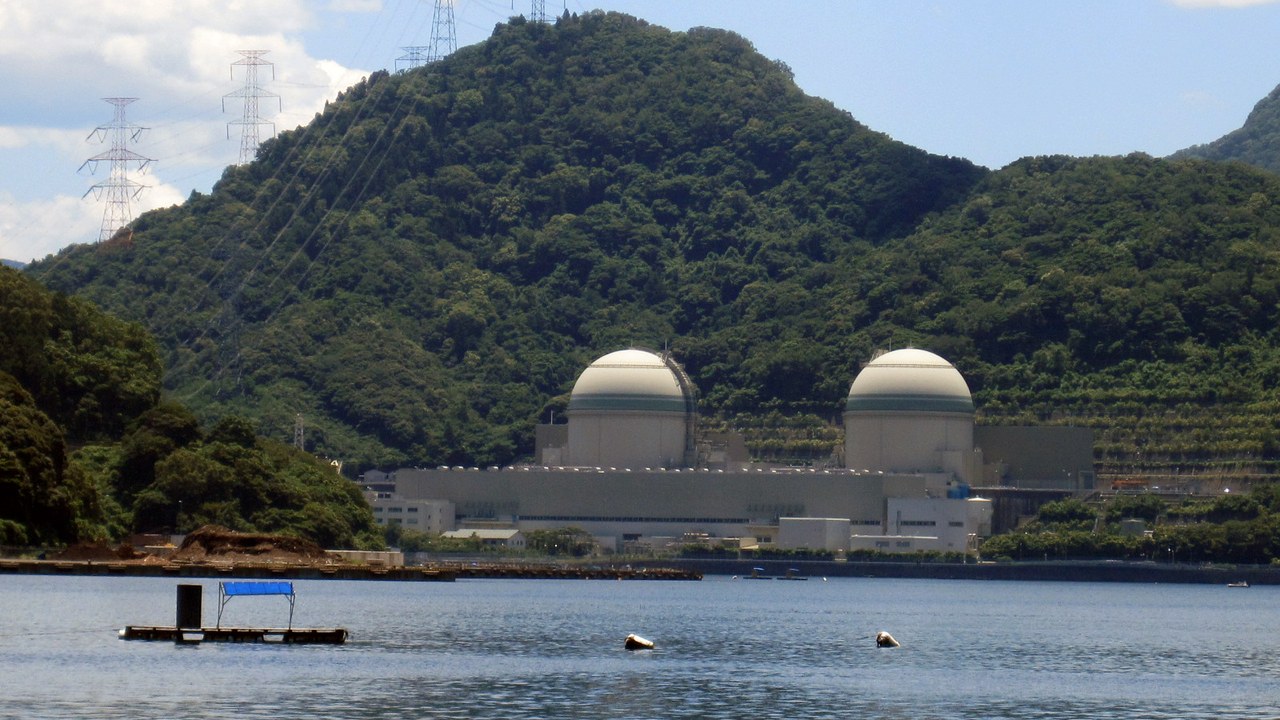
Takahama Units 3 and 4 returned to service in mid-2017 — Unit 4 in May and Unit 3 the following month, in June — after a court-ordered shutdown had forced both reactors offline the year before.
The episode showed that a nuclear restart in Japan is not just a technical or regulatory matter: a court had already ordered the reactors halted over safety objections earlier in 2016, and only after that order was resolved could both units resume generating power later the same year.
More from Morning Overview
- A geomagnetic storm is forecast to hit Earth today, pushing the northern lights unusually far south
- A recalled pill hid a stimulant dose linked to heart attacks and death
- Four U.S. startups fired up their first small nuclear reactors, aiming to power AI data centers on-site
- Card skimmers hidden on gas pumps and ATMs are draining accounts, and here’s the tell
