
Texas has spent much of 2026 tightening its belt as drought and heavy demand outpace what its reservoirs can refill, and even a marquee lake outside the state has begun trending the same way. State and federal water agencies track exactly how much storage remains, updating the figures as evaporation and withdrawals continue to outstrip inflow. Here are nine American reservoirs drained to a sliver of what they can hold.
1. Falcon International Reservoir: A Border Lake Running Dry
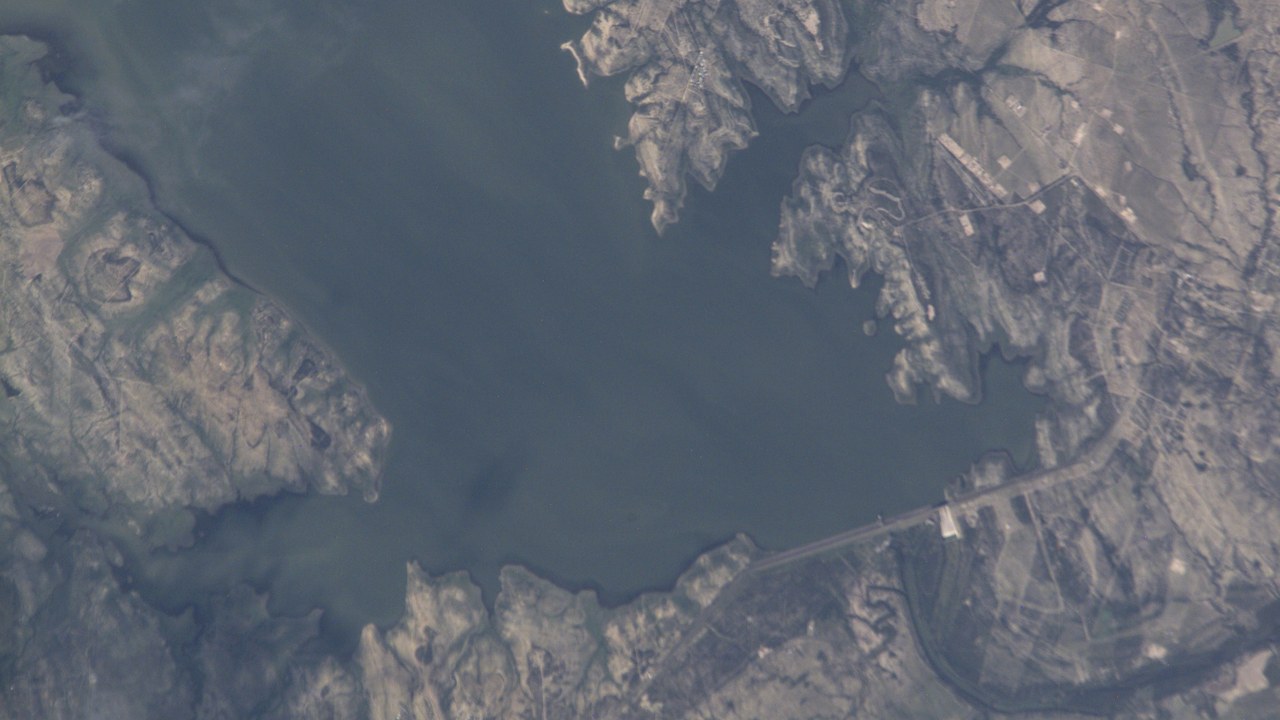
Falcon International Reservoir, shared by Texas and Mexico along the Rio Grande, held just 20.1 percent of its conservation capacity as of September 24, 2026, according to the Texas Water Development Board. Conservation storage stood at 313,371 acre-feet against a conservation capacity of 1,562,367 acre-feet, leaving most of the reservoir’s basin dry.
The shortfall reflects reduced Rio Grande inflow and years of heavy irrigation demand across the border region, and boaters and anglers who once launched from deeper coves along the reservoir now find long stretches of cracked, exposed lakebed instead.
2. Elephant Butte Reservoir: New Mexico’s Vanishing Giant
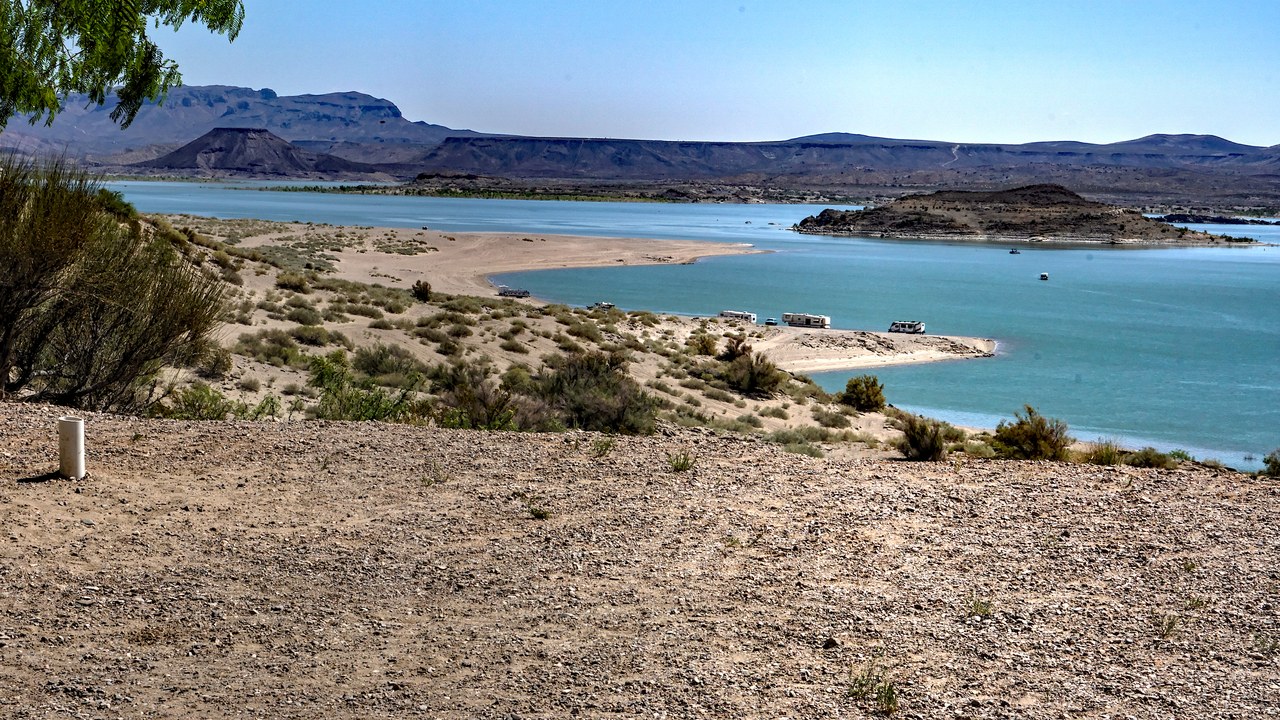
Elephant Butte Reservoir, New Mexico’s largest, fell to just 1.4 percent of capacity in July 2026 after extreme drought conditions and the earliest spring snowmelt on record. The lake has long supplied irrigation water for farmers downstream along the Rio Grande and provides much of the region’s recreational boating.
The collapse followed years of below-average runoff into the upper Rio Grande basin, and water managers now warn that continued shortfalls could force further cutbacks for the irrigation districts and communities that depend on releases from the dam.
3. Twin Buttes Reservoir: San Angelo’s Shrinking Backup
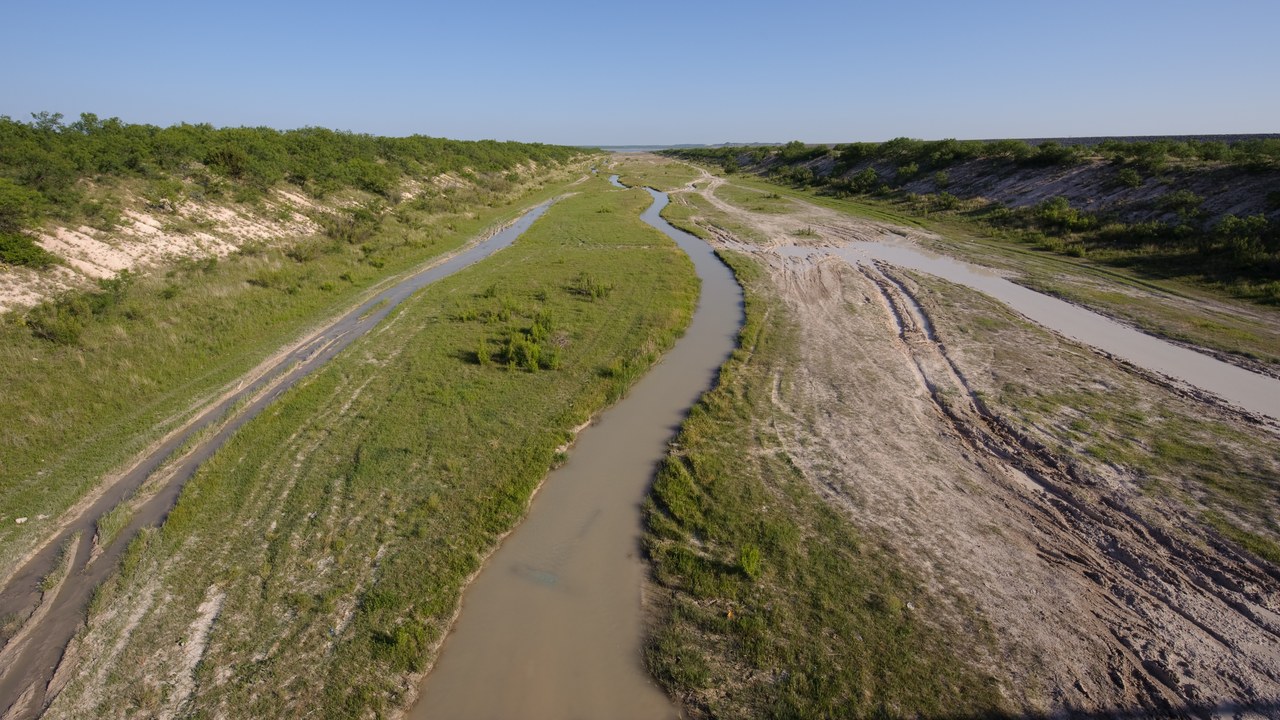
Twin Buttes Reservoir, one of two lakes supplying San Angelo, Texas, had dropped to just 5.2 percent full as of September 24, 2026, according to the Texas Water Development Board. The reservoir’s twin dams were built specifically to buffer the region against the kind of prolonged drought now underway.
With the lake this low, San Angelo now leans more heavily on its other reservoirs and groundwater wells to meet daily demand, and city officials have kept watering restrictions in place through the summer to stretch what supply remains.
4. E. V. Spence Reservoir: The Colorado River’s Empty Stretch
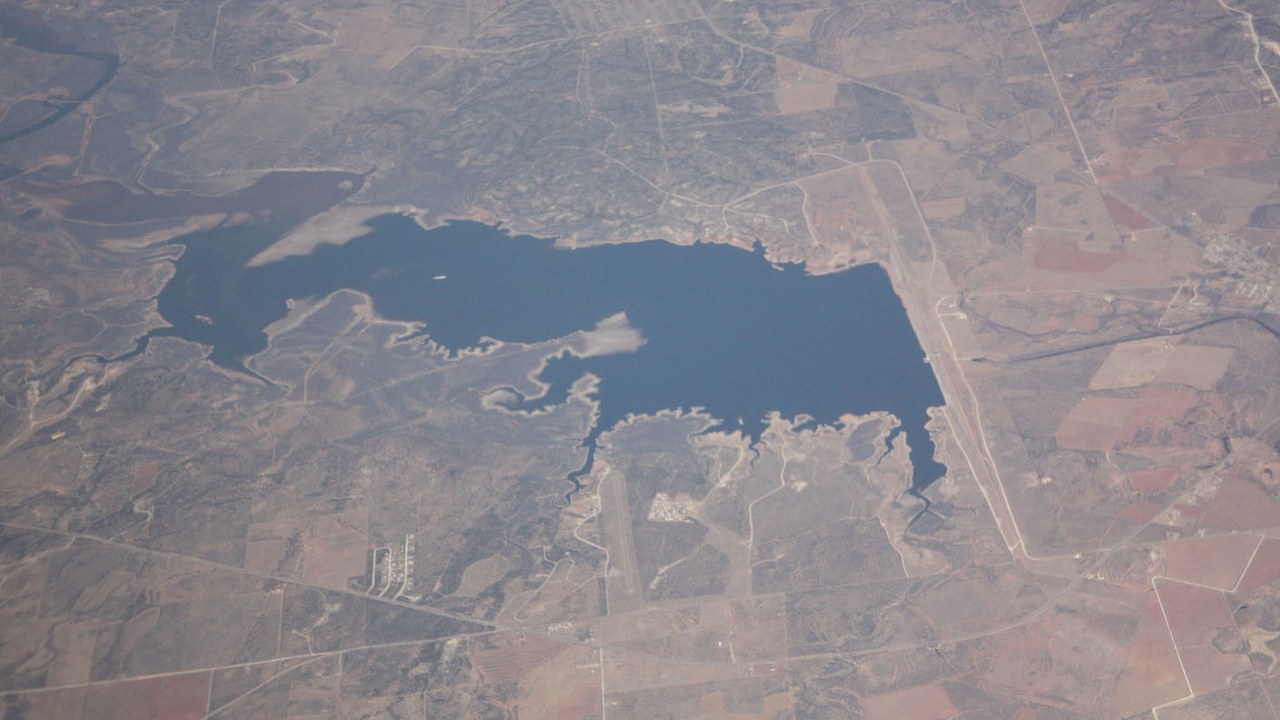
E. V. Spence Reservoir, impounded on the Colorado River near Robert Lee, Texas, held only 9.5 percent of its capacity as of September 20, 2026, per the Texas Water Development Board. The reservoir was built primarily to supply water to West Texas cities including San Angelo.
The dam’s low pool has exposed old roadbeds and building foundations that normally sit underwater, and regional planners increasingly treat Spence as a backup supply rather than a dependable source while the multiyear West Texas drought persists into another year.
5. Medina Lake: Hill Country’s Fading Reservoir
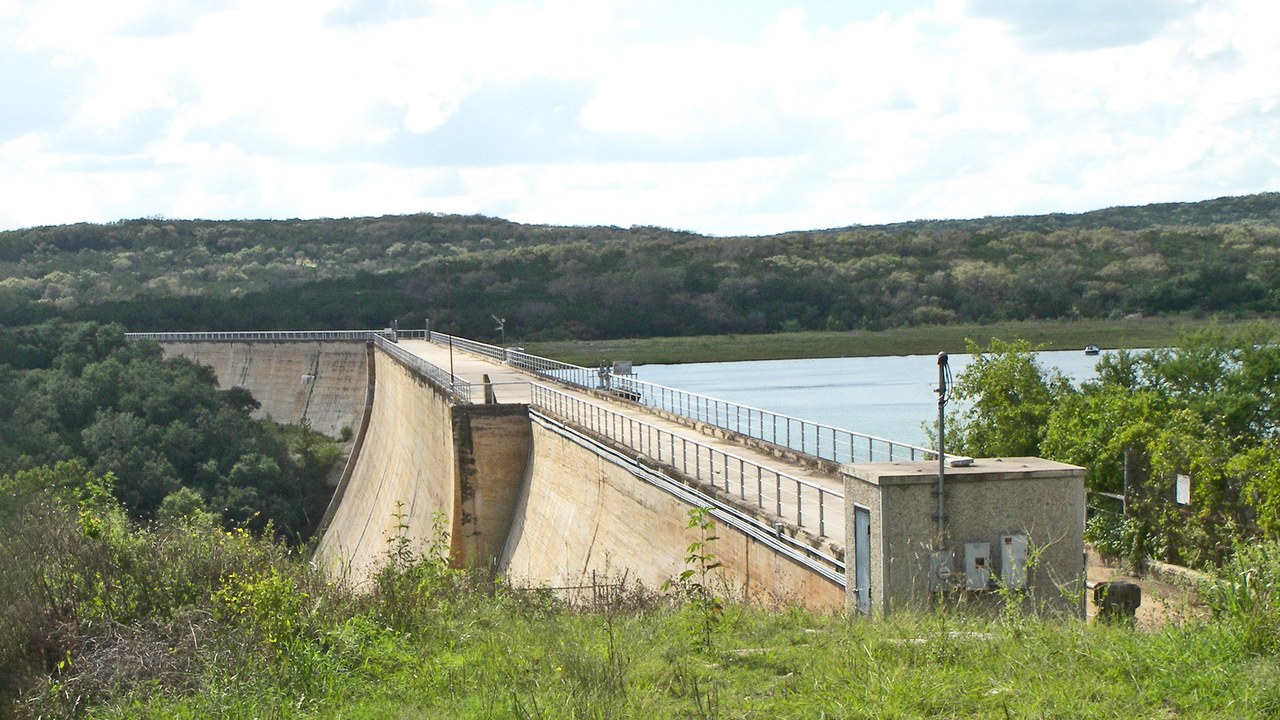
Medina Lake, southwest of San Antonio in the Texas Hill Country, was just 28.8 percent full in the Texas Water Development Board‘s September 24, 2026 statewide reading. The lake was built in the early 20th century to store water for Medina Valley irrigation and has long doubled as a popular boating and fishing destination.
The steep decline has left docks and boat ramps stranded well above the waterline, and residents around the lake describe a shoreline that keeps retreating farther each season as the broader Texas drought drags on without meaningful relief.
6. O. C. Fisher Reservoir: The Concho Valley’s Dry Reserve
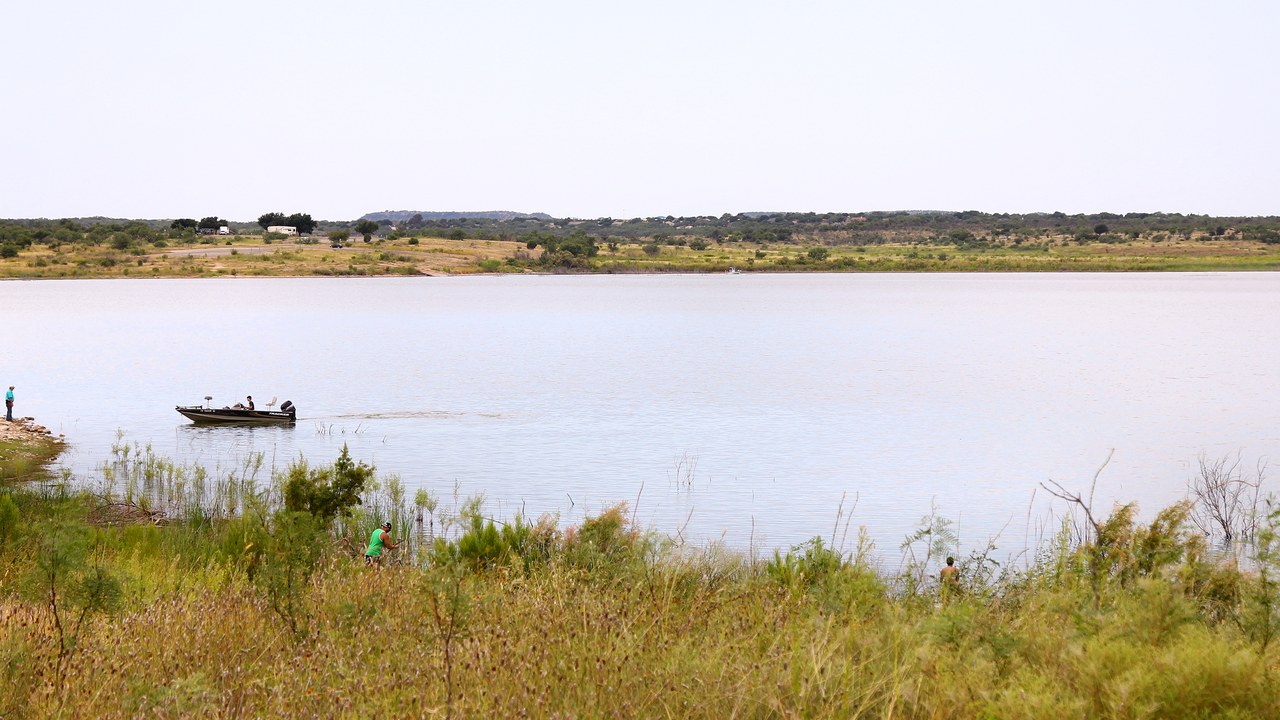
O. C. Fisher Reservoir, on the North Concho River just outside San Angelo, sat at 11.0 percent full in the Texas Water Development Board‘s September 23, 2026 statewide reading. The reservoir was built primarily for flood control on the Colorado River basin and now also backstops the city’s municipal water supply.
The lake’s persistently low level has left boat ramps stranded far from open water and pushed San Angelo to rely more heavily on its other area reservoirs, and forecasters see little near-term relief given the region’s ongoing multiyear drought.
7. Lake Powell: A Colorado River Giant Still Falling
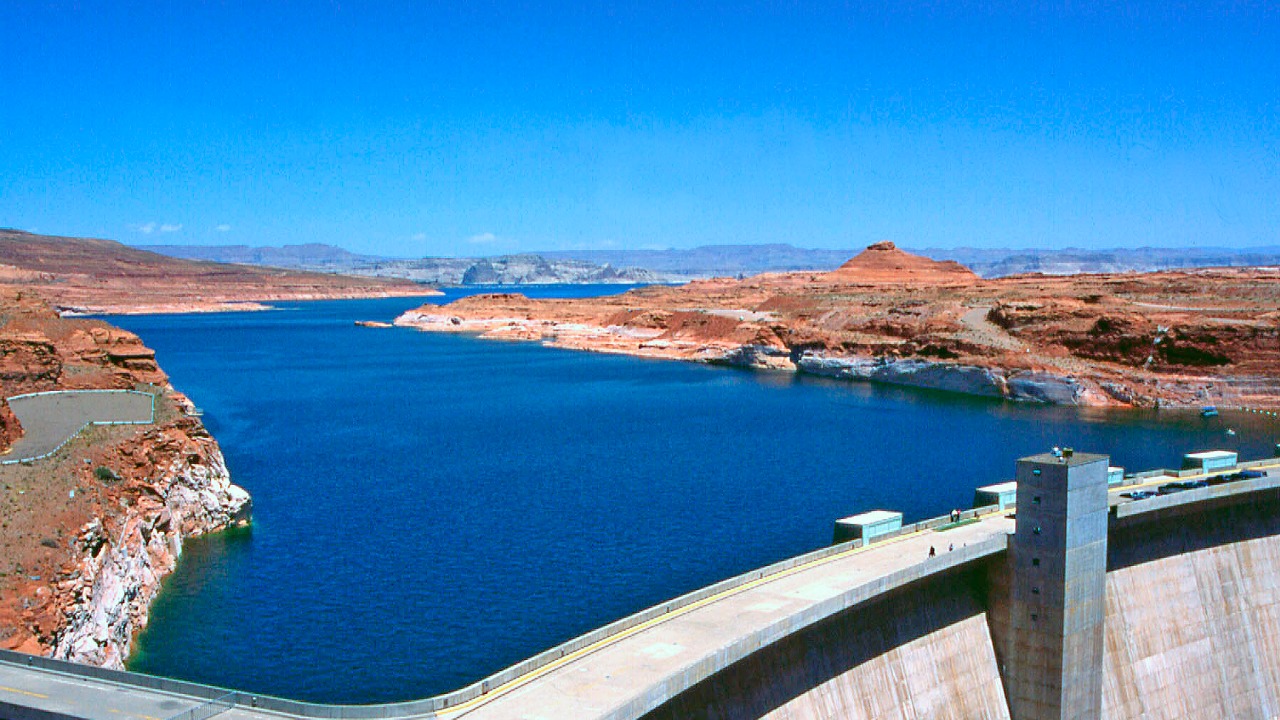
Lake Powell, the reservoir formed by Glen Canyon Dam on the Colorado River, stood at 3,517.87 feet in elevation at the end of August 2026, about 183 feet below full pool, according to the Bureau of Reclamation. That level put the reservoir at 5.14 million acre-feet of storage, just 22 percent of its live capacity.
Powell has been sliding for more than two decades as demand across the Colorado River basin has outpaced a shrinking, drought-strained snowpack, and federal officials continue negotiating how the river’s dwindling supply will be divided among the states and users that depend on it.
8. Lake Mead: Still Stuck Near A Quarter Full
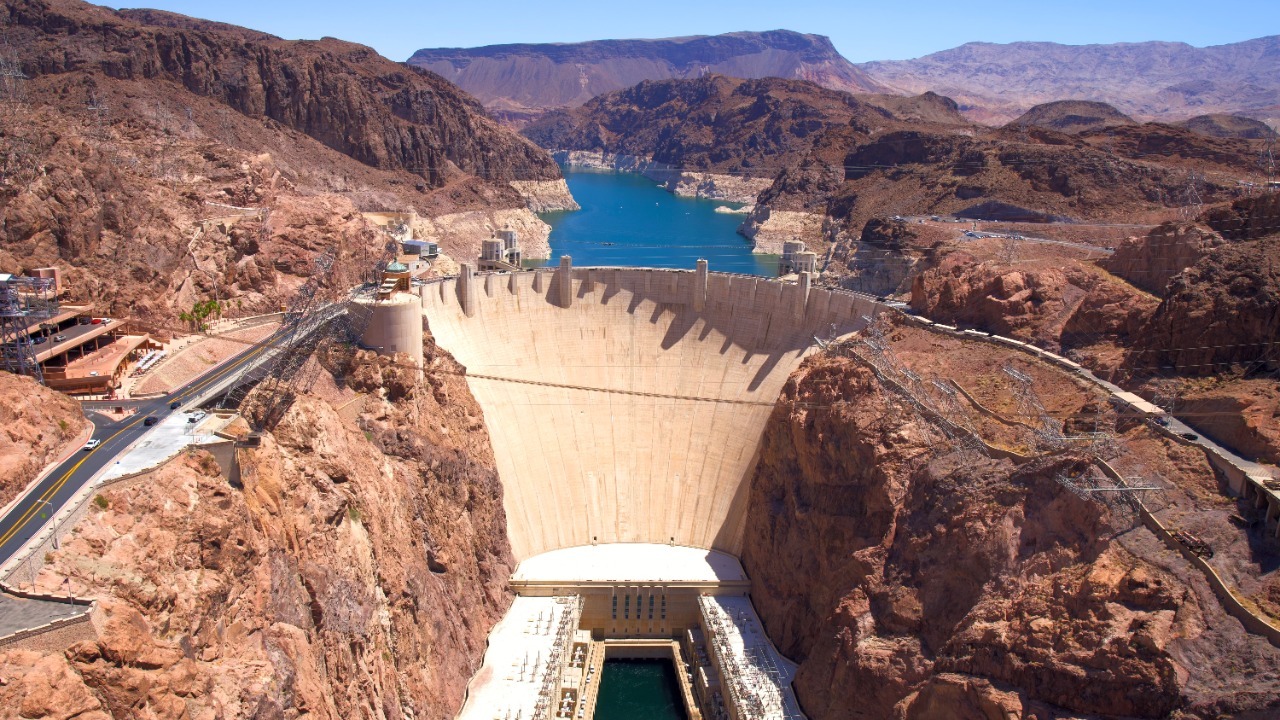
Lake Mead, the reservoir behind Hoover Dam on the Colorado River, stood at 1,038.14 feet in elevation on September 22, 2026, according to the Bureau of Reclamation. Storage held at 6.85 million acre-feet against a maximum capacity of 26.12 million acre-feet, roughly a quarter of what the reservoir can hold.
The lake supplies drinking water and hydropower to Nevada, Arizona and California, and federal officials continue working through multistate agreements meant to stretch the Colorado River’s dwindling supply as the basin’s long-running, multiyear drought persists into another year.
9. Choke Canyon Reservoir: Corpus Christi’s Strained Supply
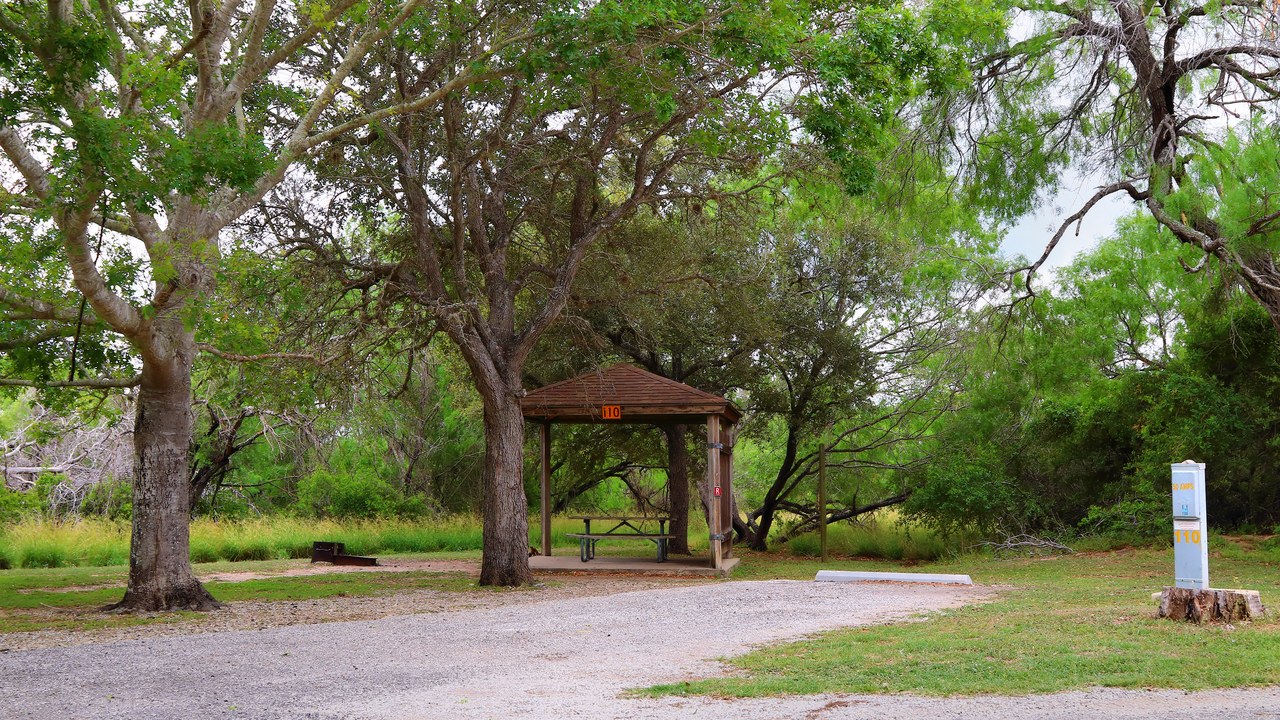
Choke Canyon Reservoir, which helps supply Corpus Christi and South Texas, held 22.4 percent of its capacity as of September 22, 2026, according to the Texas Water Development Board. The reservoir works alongside Lake Corpus Christi as one of the region’s two primary water sources.
The combined system has drawn down steadily through the ongoing South Texas drought, and regional water planners have imposed staged drought restrictions on Corpus Christi-area users as they try to preserve what storage remains in both reservoirs heading into another uncertain winter.
More from Morning Overview
- Four U.S. startups fired up their first small nuclear reactors, aiming to power AI data centers on-site
- Card skimmers hidden on gas pumps and ATMs are draining accounts, and here’s the tell
- Doctors warn a silent liver disease now affects one in three American adults
- Hackers are hijacking outdated home routers, and the FBI named the models to check
