
The age of dinosaurs produced some of the most colossal creatures ever to walk on land, animals so large that their fossilized bones dwarf anything alive today. From long-necked plant-eaters as long as several buses to predators that towered over their prey, these giants pushed the limits of what a body on legs could achieve. Here are ten of the largest dinosaurs paleontologists have ever identified.
1. Argentinosaurus: A Contender For Heaviest Ever
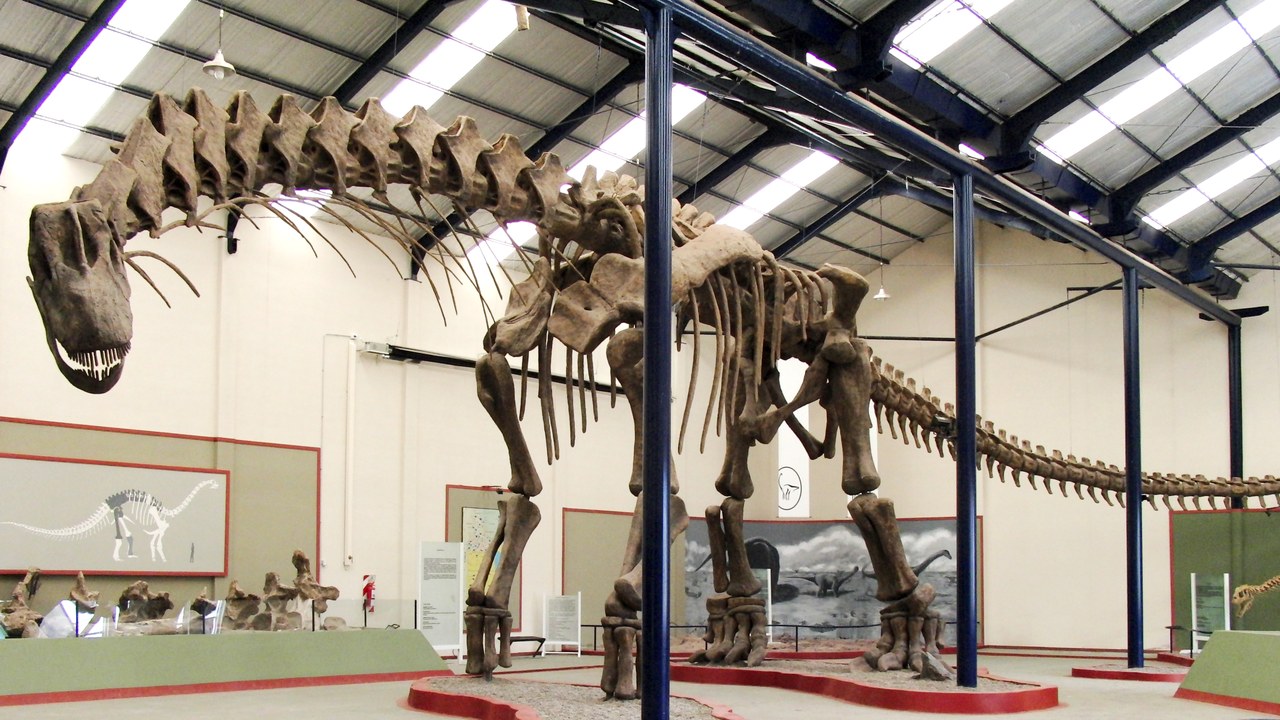
Argentinosaurus lived roughly 95 million years ago in what is now Argentina and ranks among the heaviest land animals ever to exist. Known mainly from massive vertebrae and limb bones, this titanosaur is estimated to have reached lengths of around 30 to 35 meters and body masses approaching 100 tons, though such figures remain estimates drawn from incomplete remains. The Natural History Museum lists it among the very largest sauropods documented.
Because the fossil material is so fragmentary, scientists continue to debate exactly how heavy the creature grew, and revised calculations have shifted the figures repeatedly. Even at the low end of those estimates, the animal would have outweighed a herd of modern elephants.
2. Patagotitan: Built From A Near-Complete Giant
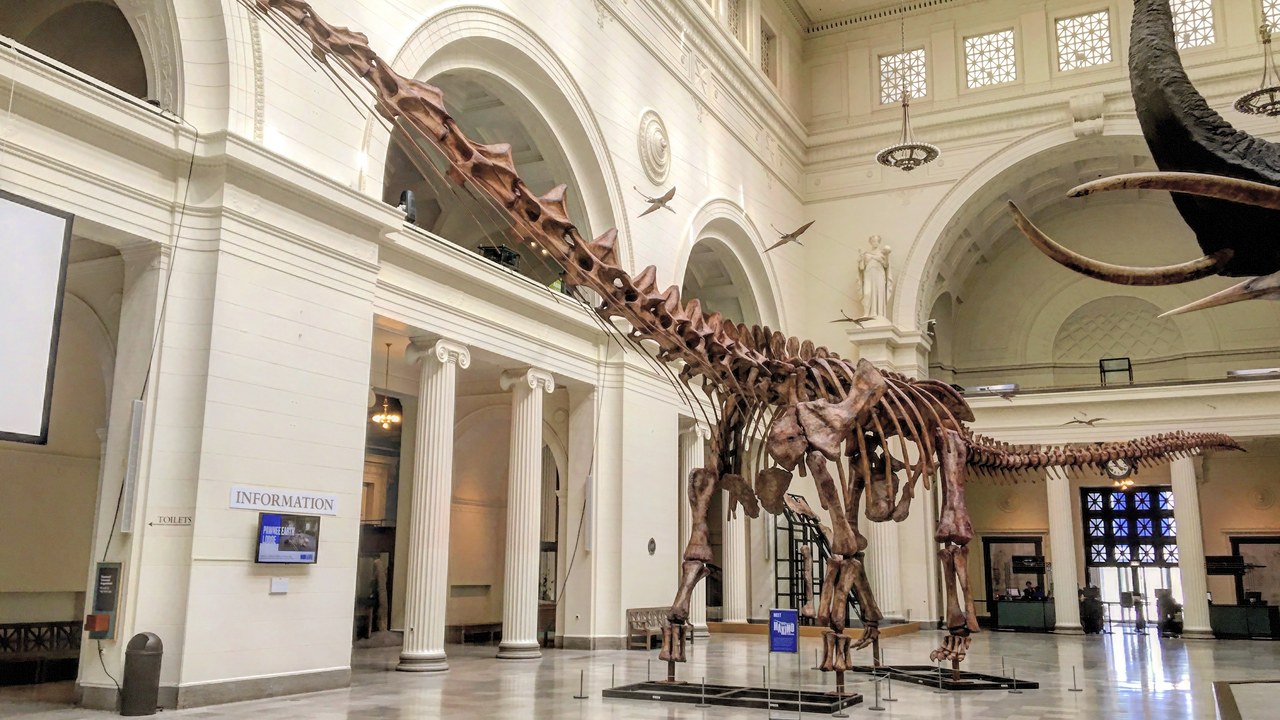
Patagotitan lived about 100 million years ago and is one of the best-represented giant titanosaurs, described from the remains of several individuals unearthed in Patagonia. The bones allowed researchers to build a near-complete skeleton, giving a clearer picture of a colossal sauropod than the scrappier remains of many rivals. Estimates place its length at roughly 31 meters, with body mass often cited at somewhere between 50 and 70 tons. A widely shared reconstructed mount has toured museums around the world.
That completeness matters, because size claims for giants often rest on a handful of bones. With more of the skeleton preserved, the estimates for this animal carry greater confidence than those drawn from fragments.
3. Dreadnoughtus: The Best-Measured Colossus
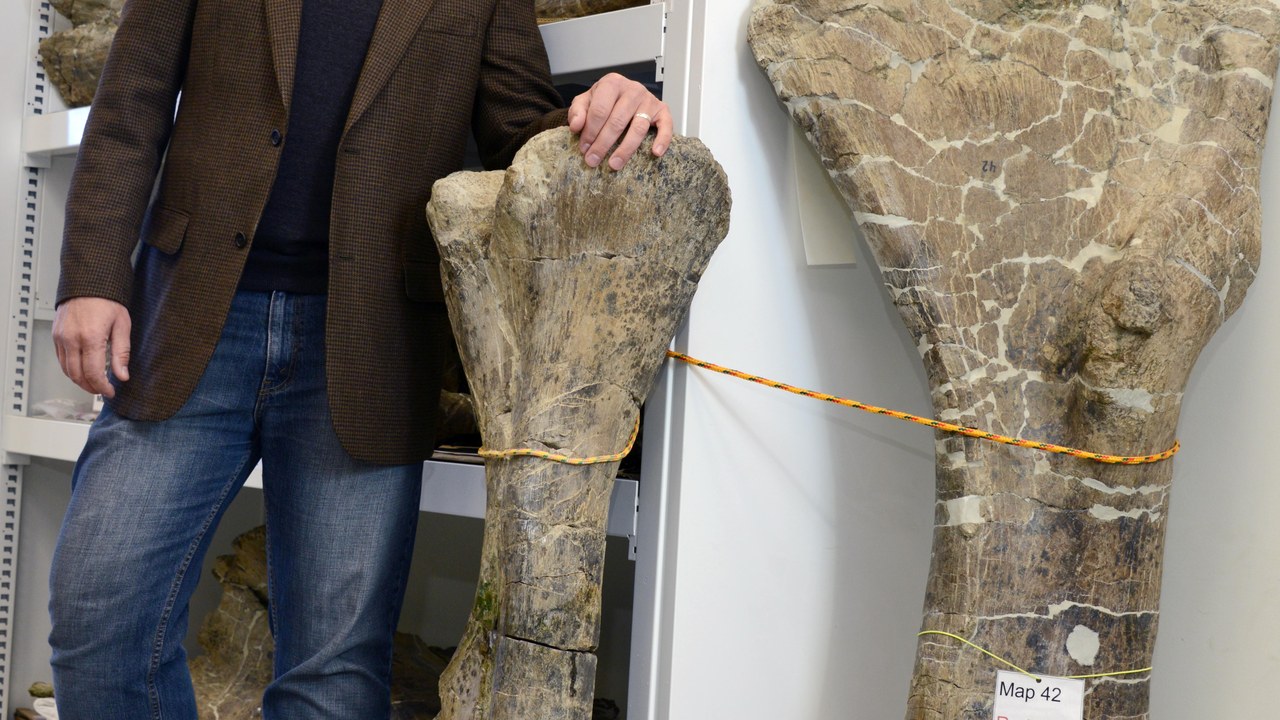
Dreadnoughtus schrani, described in 2014, earned attention because so much of its skeleton was recovered, making it one of the best-measured of the supermassive sauropods. Roughly 70 percent of the bone types below the head were found, an unusual bounty at this scale. Researchers estimated a length near 26 meters and, a mass of about 59 tons, a figure later revised downward as methods improved. The name of this Patagonian giant means fears nothing.
Such downward revision reflects a recurring pattern in dinosaur science, as early mass estimates often shrink as models improve. Even so, the completeness of the find makes this animal a valuable benchmark for studying how the largest land animals grew.
4. Diplodocus: Eighty Feet Of Neck And Tail
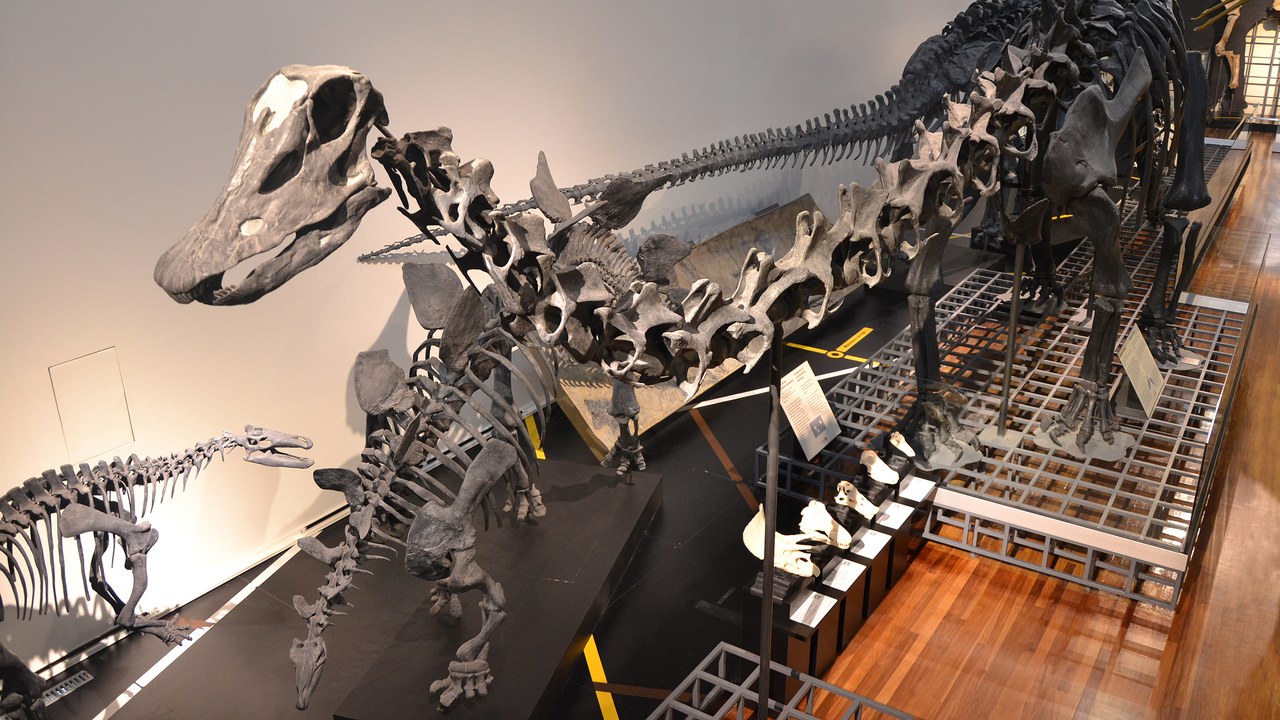
Diplodocus stretched around 24 meters, or roughly 80 feet, much of that length taken up by an extraordinarily long neck and an even longer, whip-like tail. Living about 150 million years ago in North America, this slender sauropod was lighter than the bulkiest titanosaurs, weighing perhaps 10 to 16 tons. The Natural History Museum famously displayed a cast nicknamed Dippy that greeted visitors for decades. Peg-like teeth suggest it stripped soft vegetation rather than chewing tough plants.
Some researchers have suggested the tapering tail could have been cracked like a whip, possibly producing loud cracks in defense. Either way, the remarkable proportions make this one of the most recognizable dinosaurs ever displayed.
5. Brachiosaurus: Towering To The Treetops
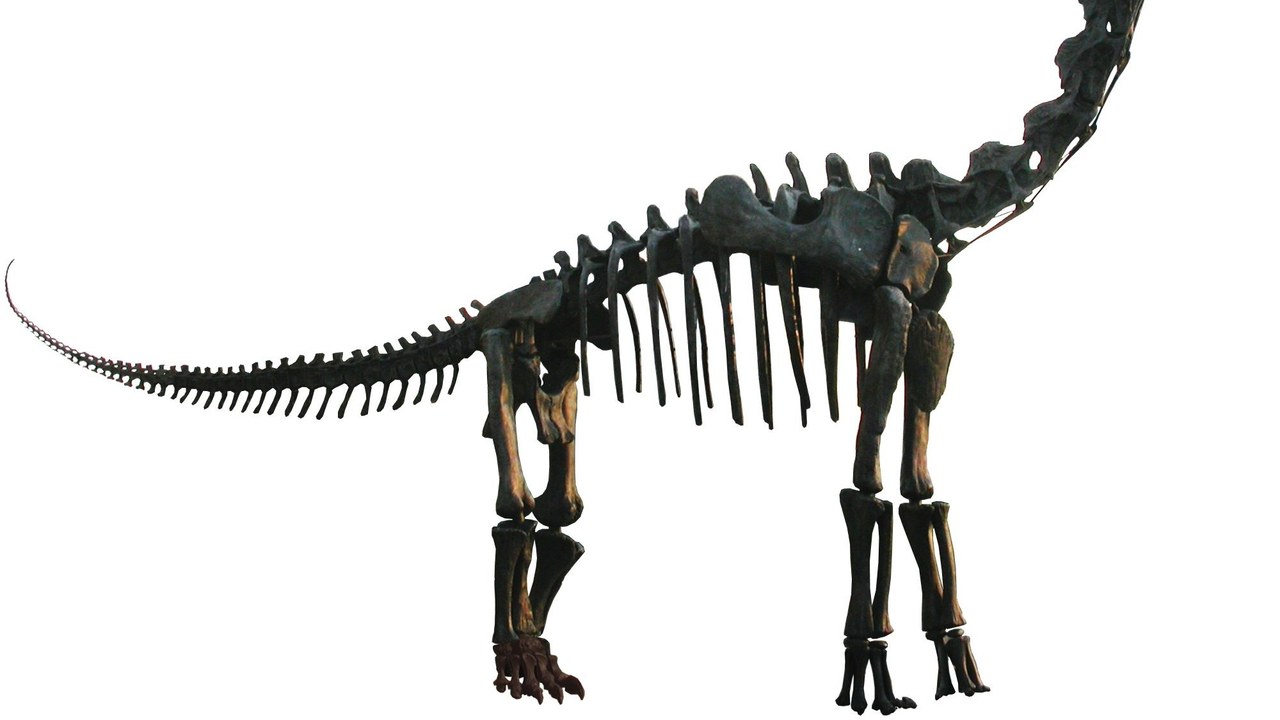
Brachiosaurus broke the usual sauropod mold, carrying front legs longer than its hind legs, a build that raised its shoulders and let a long neck reach high into the treetops. Living roughly 150 million years ago, it may have stretched around 22 meters and weighed in the range of 30 to 60 tons, depending on the estimate. The giraffe-like posture set it apart from lower-browsing relatives. Nostrils positioned high on the skull once fueled debate about its lifestyle.
That elevated reach likely allowed the animal to feed on vegetation beyond the grasp of many contemporaries, easing competition for food. The distinctive silhouette has made it a fixture of museum halls and popular films alike.
6. Spinosaurus: The Largest Known Predator
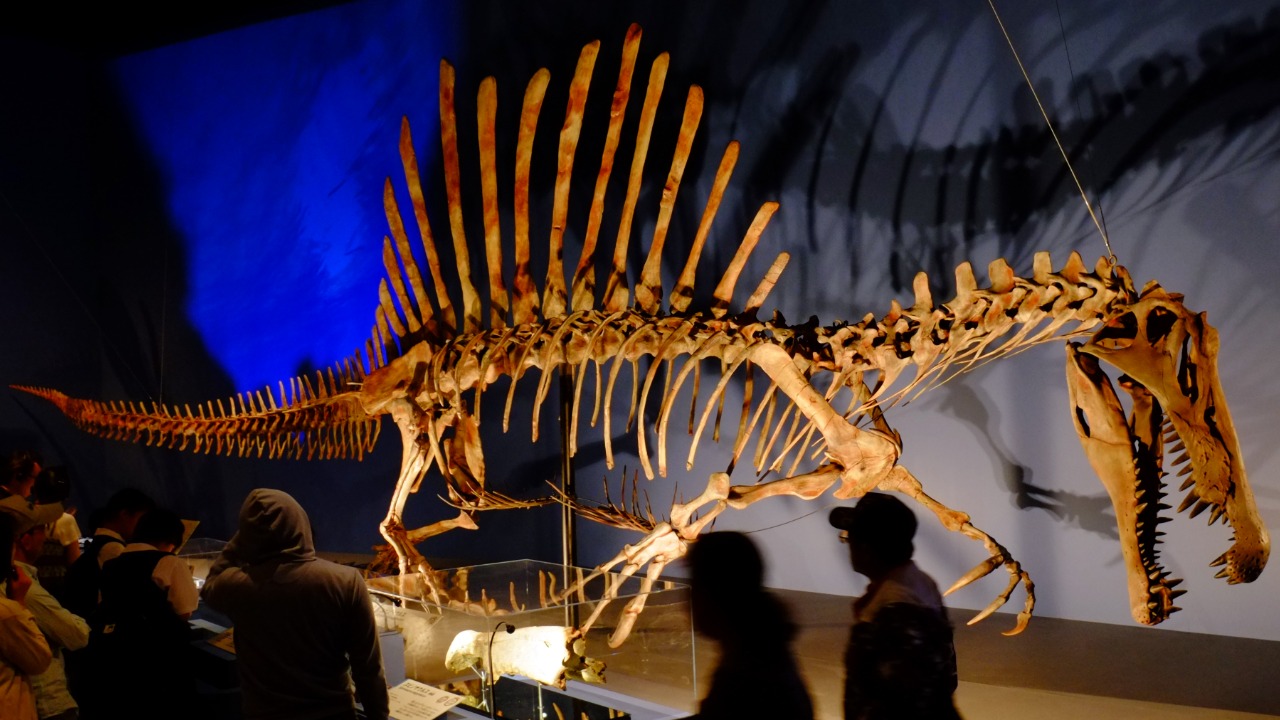
Spinosaurus is widely regarded as the largest known predatory dinosaur, with length estimates reaching around 15 meters, longer than Tyrannosaurus rex. A tall sail of elongated spines rose from its back, and long, crocodile-like jaws bristled with conical teeth suited to catching fish. The semiaquatic hunter lived about 95 million years ago in North Africa. Recent studies of its paddle-like tail suggest it spent considerable time in the water.
Much of the original material was destroyed during the Second World War, so newer reconstructions rely on later discoveries and remain subject to revision. That uncertainty keeps the exact size and habits of this predator a lively topic of research.
7. Tyrannosaurus rex: The Iconic Apex Predator
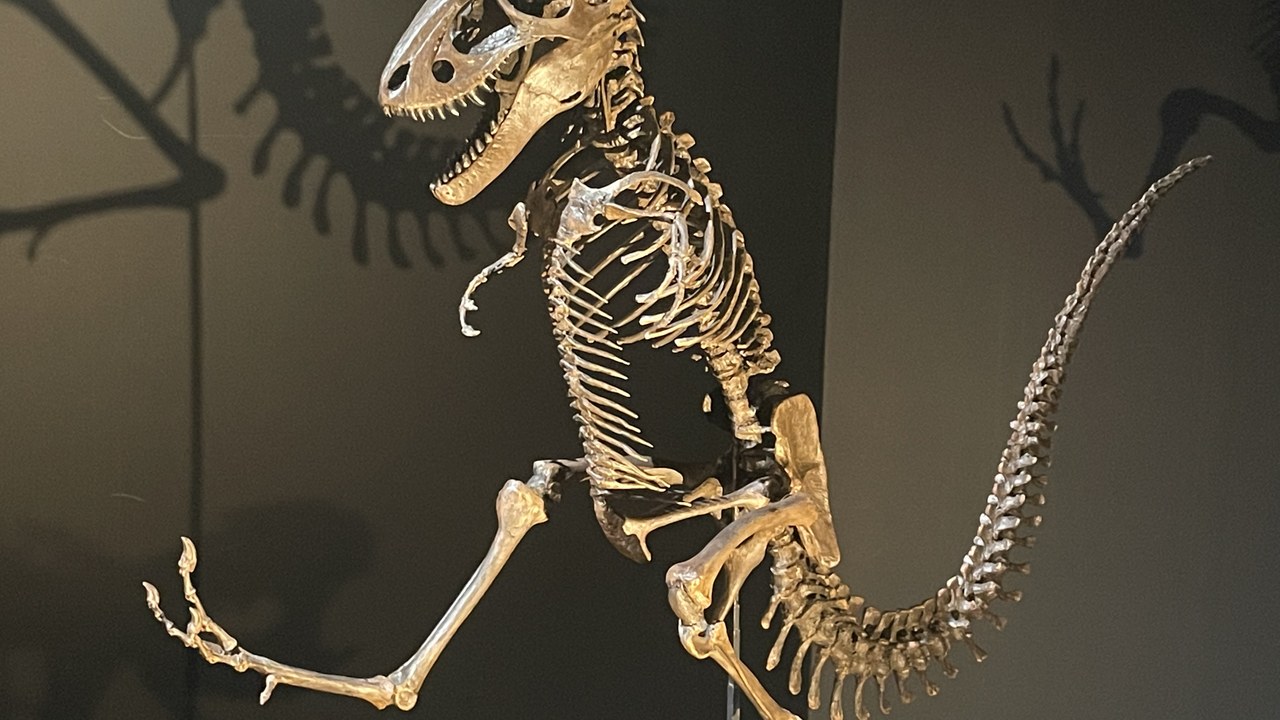
Tyrannosaurus rex remains the most famous of all dinosaurs, an apex predator that stalked western North America near the close of the Cretaceous, about 66 million years ago. Measuring roughly 12 meters long and weighing perhaps 8 or 9 tons, it combined a massive skull, bone-crushing jaws, and banana-sized teeth. The powerful bite ranks among the strongest ever estimated for a land animal. Its arms, by contrast, were famously small.
Decades of well-preserved specimens have made this predator one of the most thoroughly studied dinosaurs, informing debates about growth, posture, and whether it primarily hunted or scavenged. Few extinct animals occupy as large a place in the public imagination.
8. Giganotosaurus: A Southern Rival To T. Rex
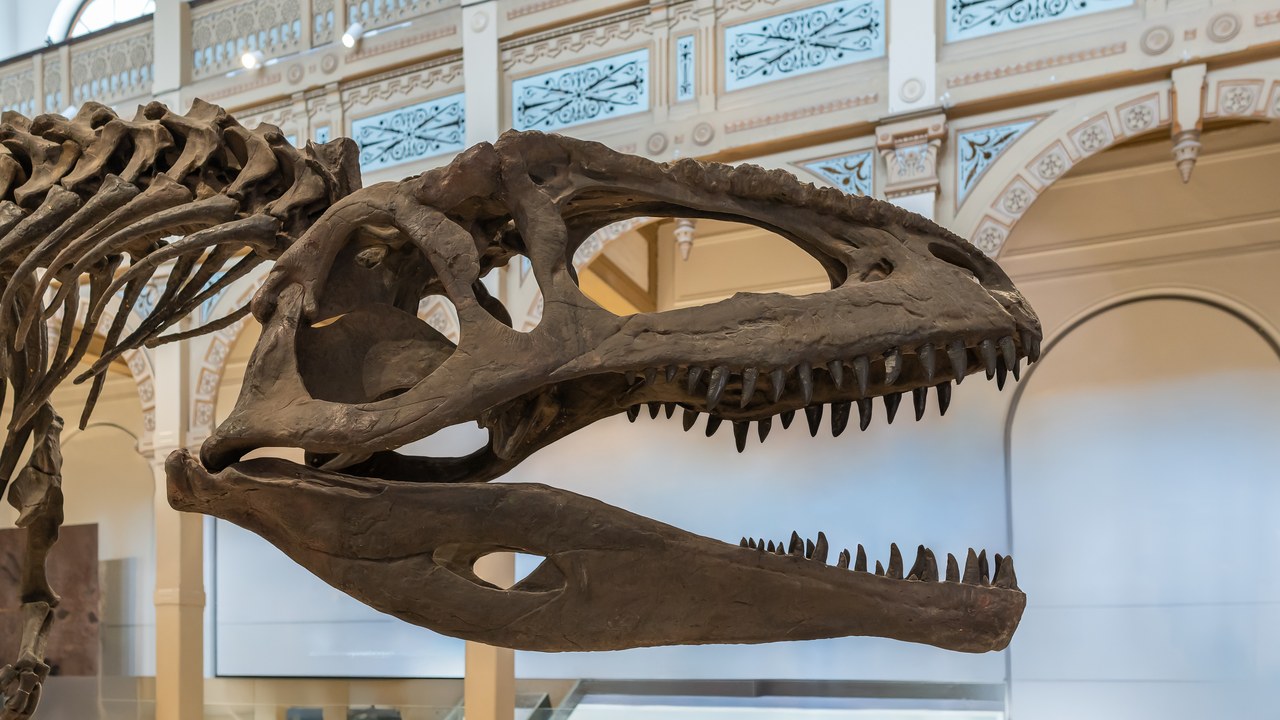
Giganotosaurus prowled what is now Argentina roughly 98 million years ago and rivaled Tyrannosaurus rex in size, with some estimates placing it slightly longer at around 13 meters. Despite the comparable scale, it belonged to a different branch of predatory dinosaurs and had a narrower skull built for slashing rather than crushing. The southern giant may have hunted the enormous sauropods that shared its landscape. Its brain was relatively small for its bulk.
Some paleontologists have speculated that related predators hunted in groups, which could have helped them tackle far larger prey. Because the known material is limited, the animal’s precise dimensions continue to be refined as new fossils surface.
9. Camarasaurus: A Complete American Giant
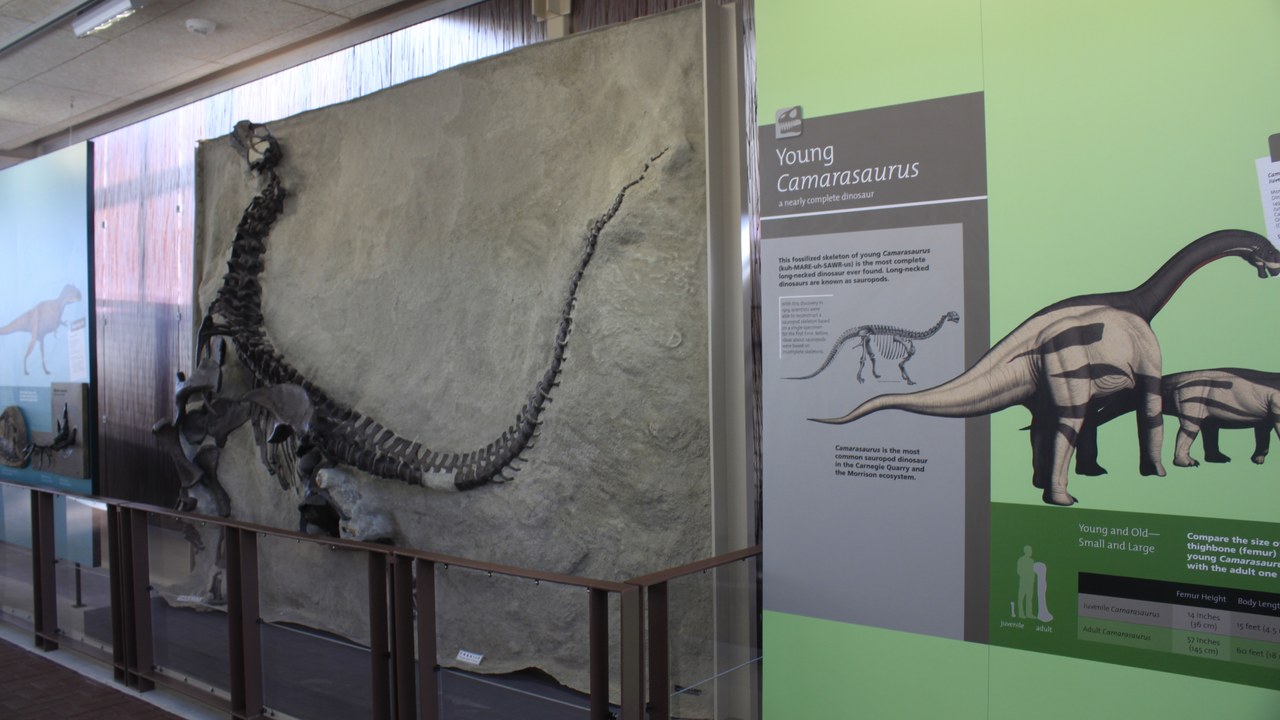
Camarasaurus was one of the largest and most abundant sauropods of Late Jurassic North America, a heavily built plant-eater reaching roughly 15 to 23 meters in the biggest species. Because so many well-preserved specimens survive, it is also among the most completely known giant dinosaurs, and its mounted skeletons anchor sauropod halls in several major museums.
That wealth of fossil material makes Camarasaurus a benchmark for understanding how the enormous sauropods were built, from air-filled vertebrae to column-like limbs. While later titanosaurs grew even larger, few giants left behind enough bone to reconstruct a near-complete animal with such confidence.
10. Mamenchisaurus: An Extraordinarily Long Neck
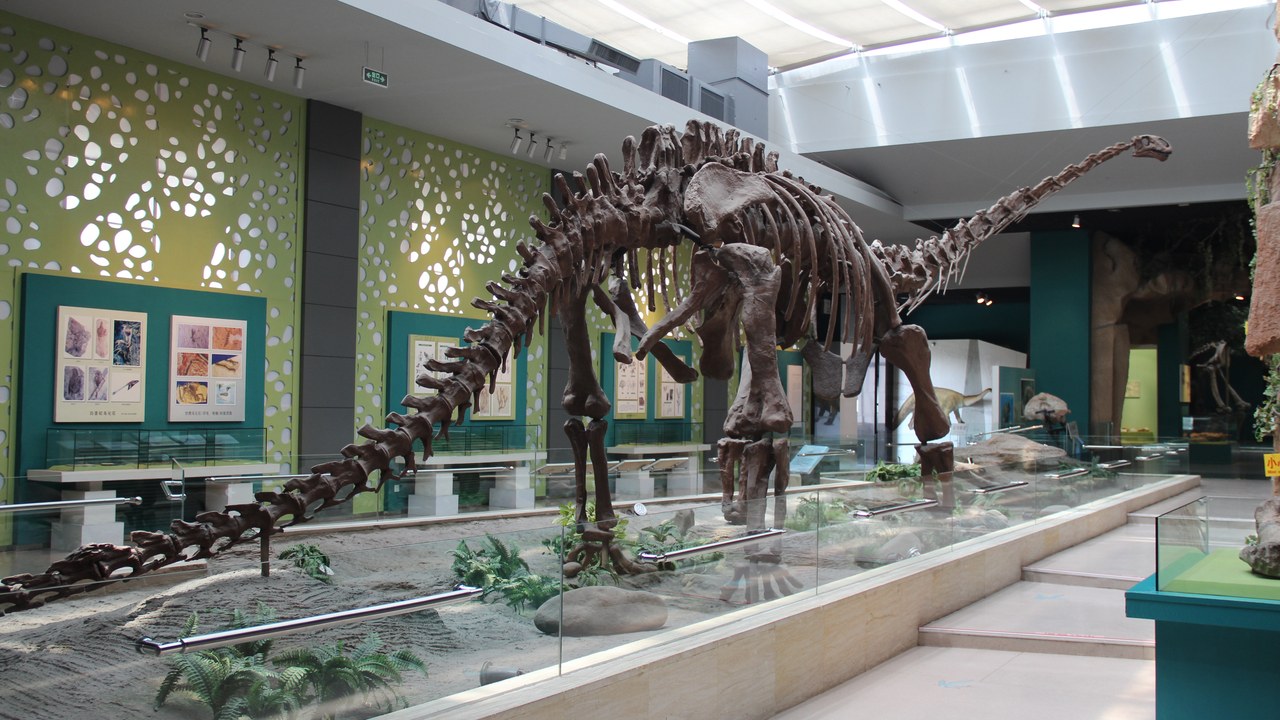
Mamenchisaurus is celebrated for possessing one of the longest necks of any known animal, in some species accounting for roughly half of the creature’s total body length. This Asian sauropod lived during the Jurassic, and larger individuals may have stretched around 25 meters or more from head to tail. The remarkable neck was supported by an unusually high number of elongated vertebrae. Lightweight, air-filled bones again helped make such proportions possible.
That extreme neck likely let the animal sweep across a wide feeding area while barely moving its body, an energy-saving strategy for a giant plant-eater. The genus includes several species, and their exact sizes vary considerably from one to the next.
More from Morning Overview
- A California supervolcano has bulged upward about two and a half feet since 1978
- The FTC is warning about a scam quietly draining thousands from victims
- The NSA is again telling phone owners to switch off one location setting
- A handful of car transmissions are so tough mechanics say they almost never fail
