
Size on land comes in different forms, and each of the animals below represents a different solution to being enormous. Some rely on sheer bulk, others on height, tusks, horns, or bone-crushing bite force, but all of them dwarf nearly everything else that shares their habitat. From African savannas to Arctic ice to Asian wetlands, these ten animals show just how large a living creature can get.
1. African bush elephant: Heaviest Land Animal
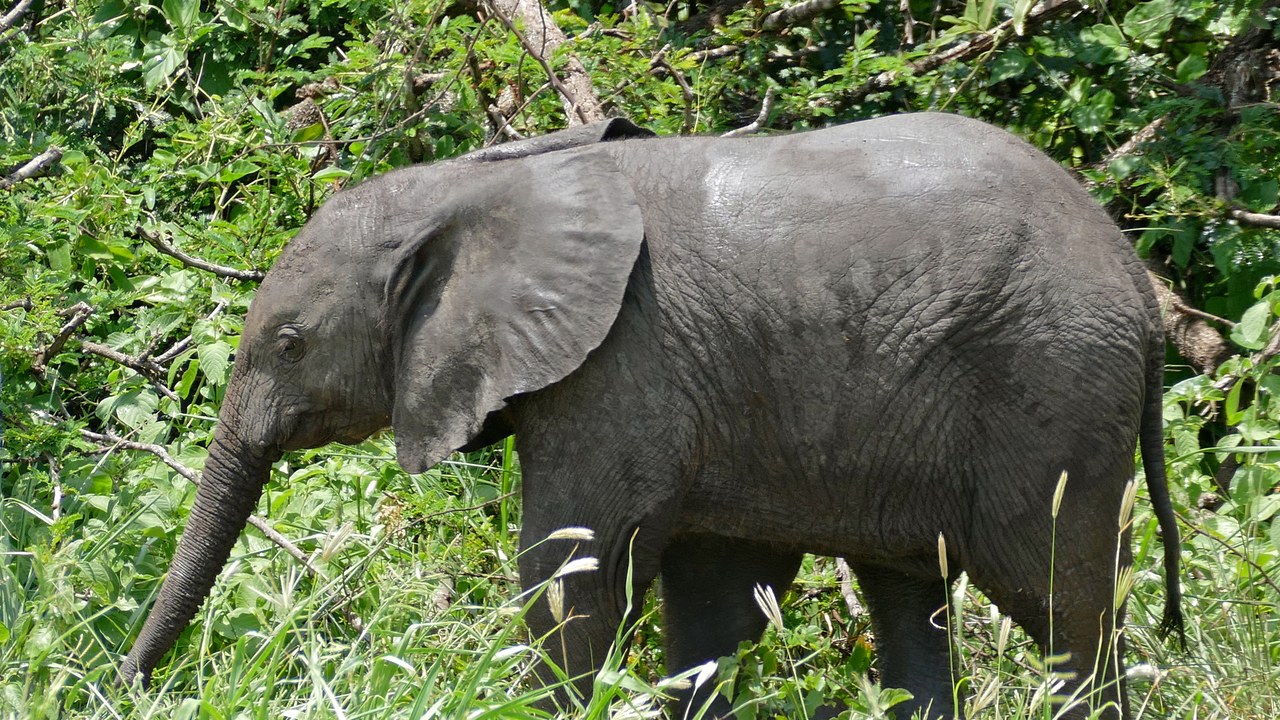
The African bush elephant is the heaviest land animal alive, with bulls regularly topping six tons and standing over eleven feet at the shoulder. Its ears, tusks, and trunk all scale up with its mass, giving it a reach and strength no other land mammal can match.
Herds are matriarchal and highly social, moving across savanna and woodland in search of enough vegetation to sustain such enormous bodies. Poaching and habitat loss remain the biggest threats to their long-term survival.
2. Asian elephant: Forest Giant Of Asia
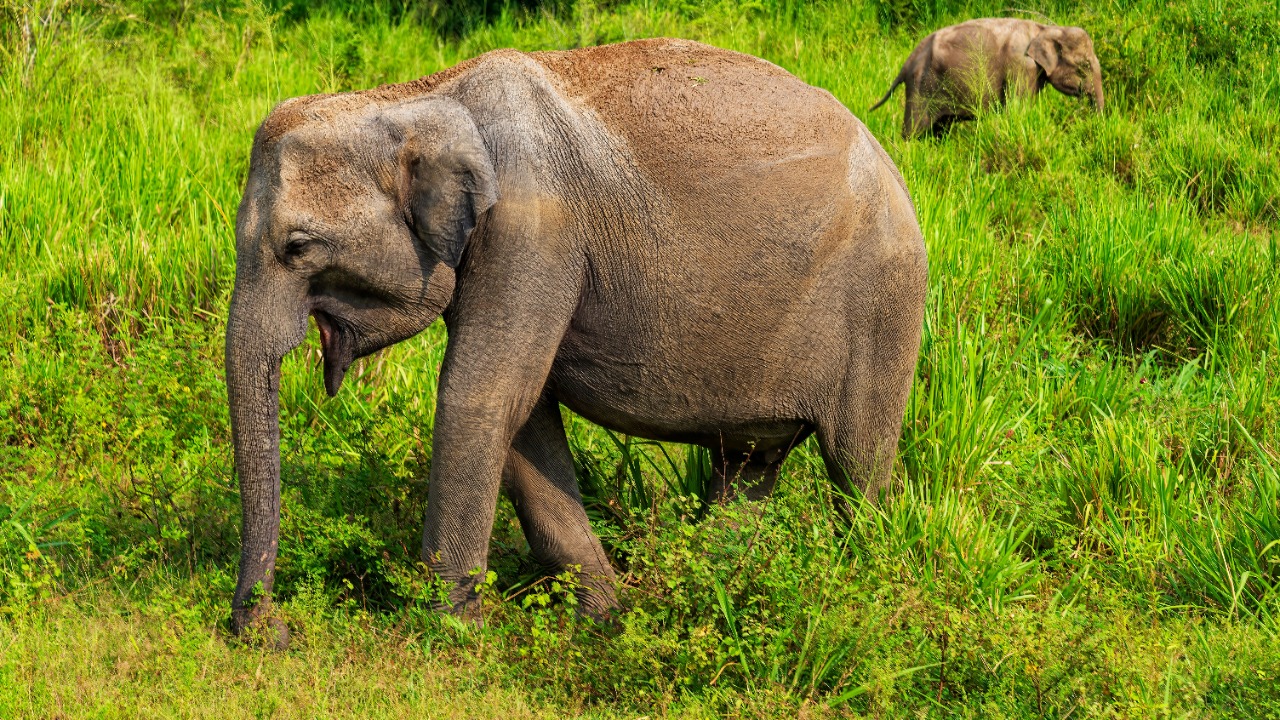
The Asian elephant is smaller than its African cousin but still routinely exceeds five tons, with smaller ears and a single trunk “finger” that sets it apart anatomically. Only some males grow visible tusks, and populations are scattered across fragmented forest and grassland habitat from India to Sumatra.
These elephants are prized for their intelligence and long memory, forming close family bonds that can last decades. Habitat fragmentation and human conflict with farmers have pushed wild numbers into a steady, ongoing decline across much of their range.
3. White rhinoceros: Built Like A Tank
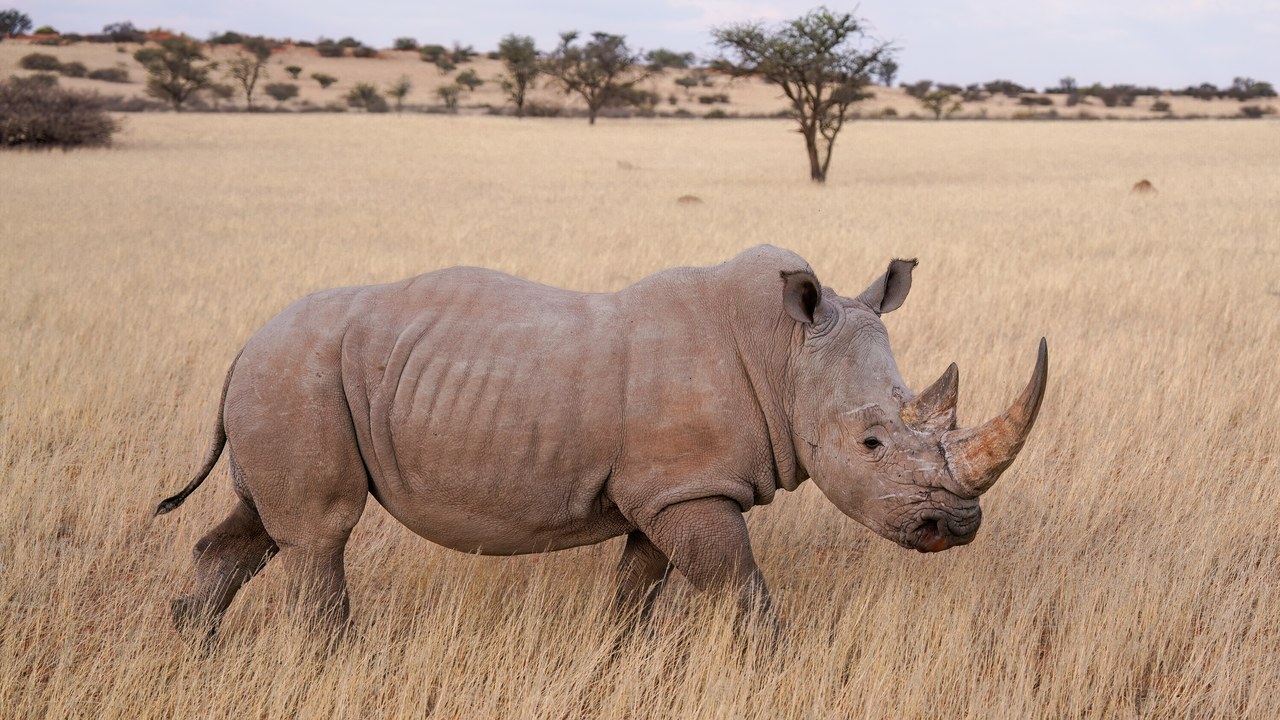
The white rhinoceros is the largest of the five rhino species, with bulls weighing well over two tons and carrying a broad, square muzzle built for grazing grass. Its size is matched only by its thick, armor-like skin and two prominent horns rising from a massive, blunt skull.
Despite their bulk, white rhinos can move surprisingly fast when threatened, reaching speeds most people would not expect from an animal so heavy. Decades of poaching for their horns have made careful protection essential to their survival.
4. Hippopotamus: Deceptively Fast And Massive
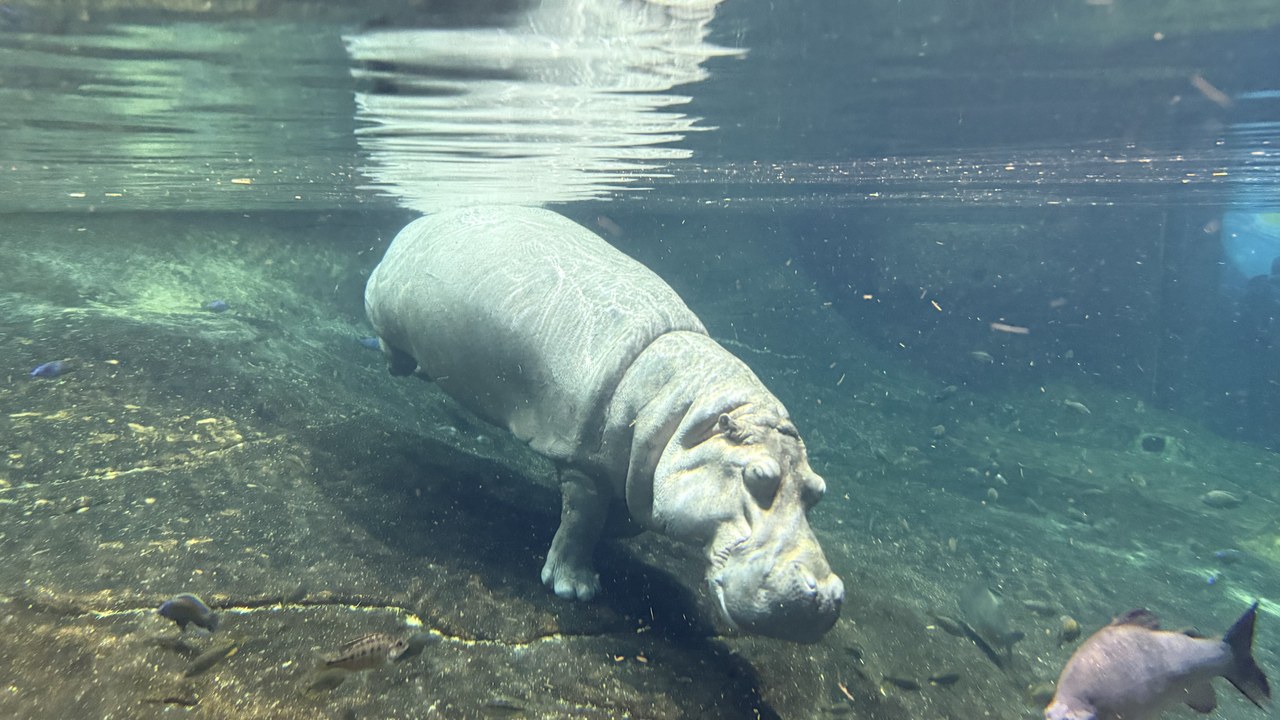
The hippopotamus can weigh well over three tons despite spending most of its day submerged in rivers and lakes to keep its huge body cool. Its barrel-shaped frame and massive jaw, capable of an enormous gape, make it one of the most physically imposing animals in Africa.
Hippos are considered among the most dangerous animals on the continent, capable of short bursts of speed on land that catch people off guard. They graze on grass at night, returning to water before sunrise.
5. Giraffe: Tallest Animal On Land
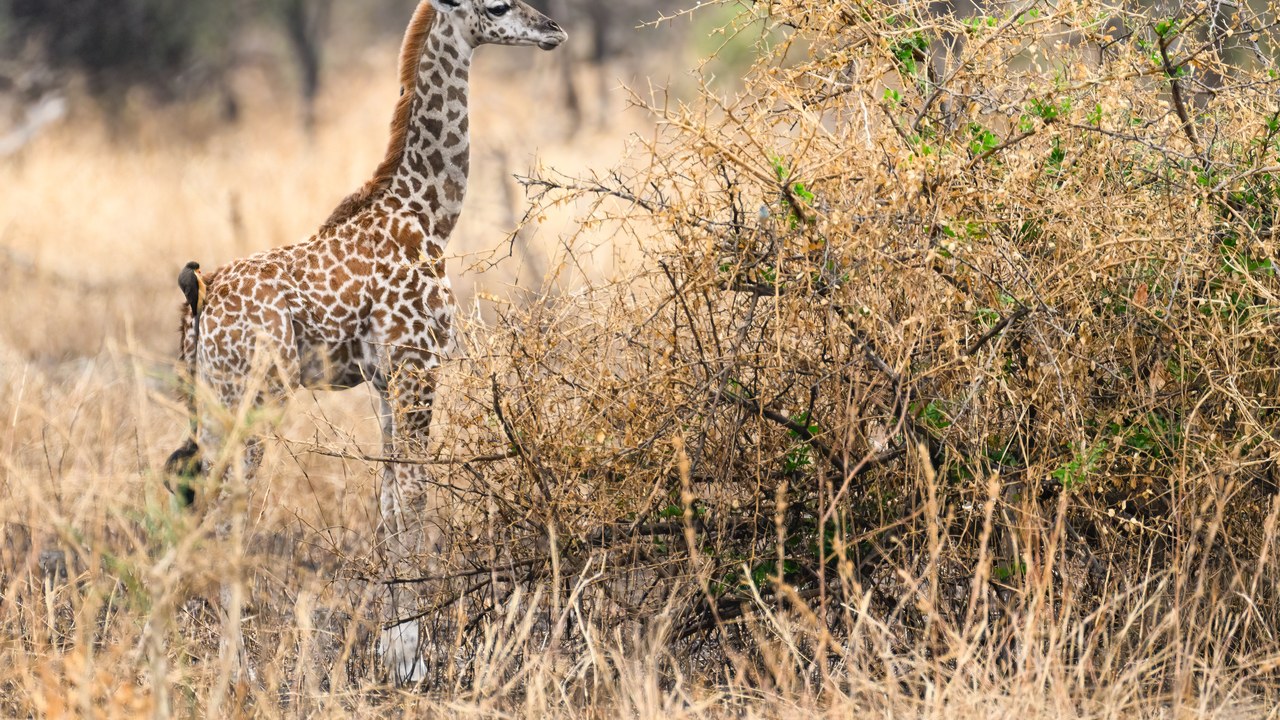
The giraffe stands taller than any other land animal, with adult males reaching roughly eighteen feet thanks to an extraordinarily long neck and legs. Despite that neck, giraffes still have only seven neck vertebrae, the same number found in most mammals.
Their height lets them browse leaves other herbivores cannot reach, especially from acacia trees across the African savanna. A giraffe’s powerful kick is also one of its main defenses against predators, strong enough to injure or kill a lion.
6. Gaur: Largest Wild Cattle Alive
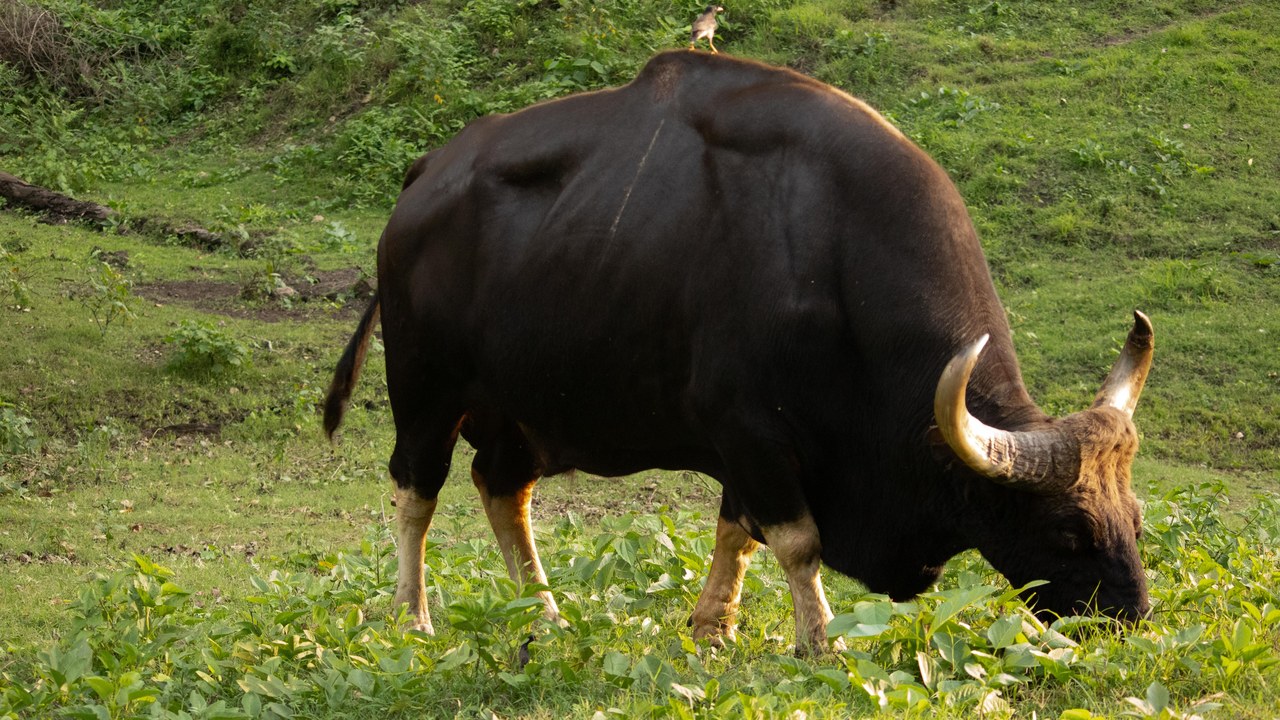
The gaur, also known as the Indian bison, is the largest wild bovine species, with bulls sometimes weighing over a ton and standing more than six feet at the shoulder. A muscular ridge along its back gives it an unmistakably powerful silhouette.
Gaur live in herds through the forests and hill country of South and Southeast Asia, feeding mainly on grasses and bamboo shoots. Tigers are their only significant natural predator, and even then usually only target calves or weakened animals.
7. Wild water buffalo: Hulking Bovine Of Wetlands
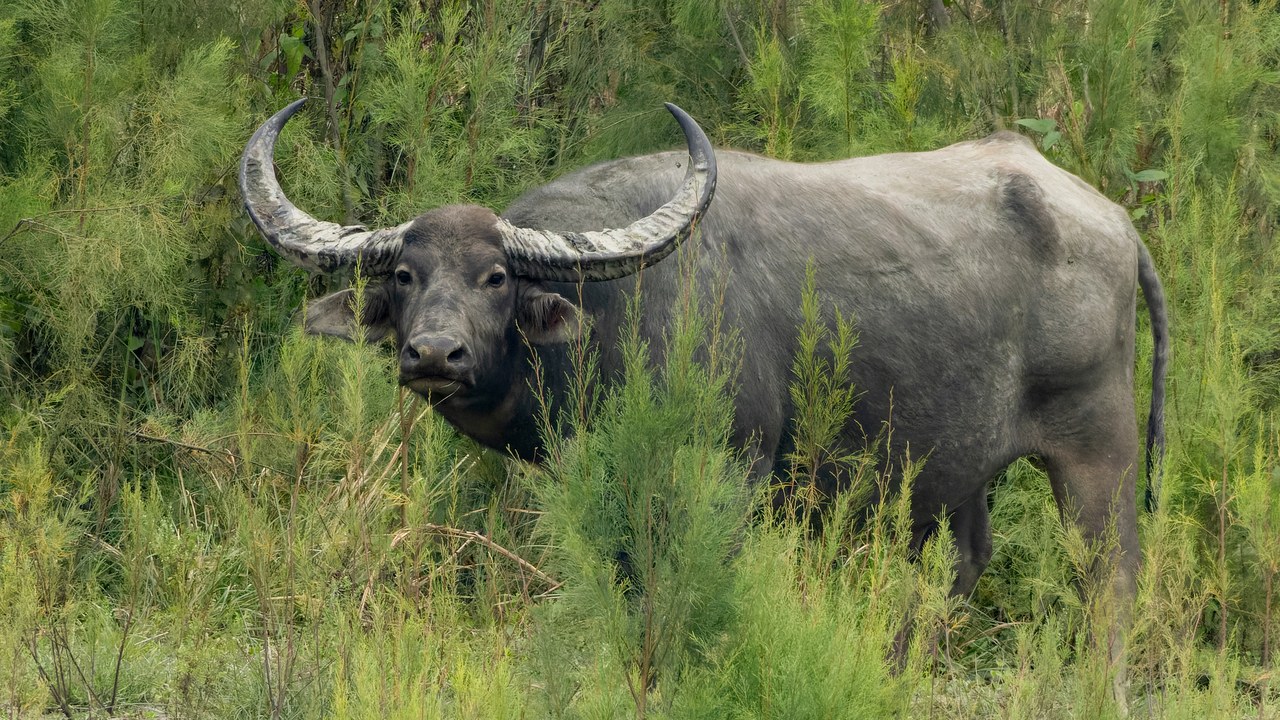
The wild water buffalo is among the largest bovines on Earth, with bulls weighing up to 1,200 kilograms and carrying some of the widest horn spans of any living animal. It thrives in the marshes and floodplains of South and Southeast Asia, wallowing in mud to cool off and avoid insects.
True wild populations are now rare, having been largely replaced by domesticated water buffalo across much of their historic range. Conservationists consider the remaining wild herds genetically important and increasingly vulnerable.
8. Indian rhinoceros: Armor-Plated Heavyweight
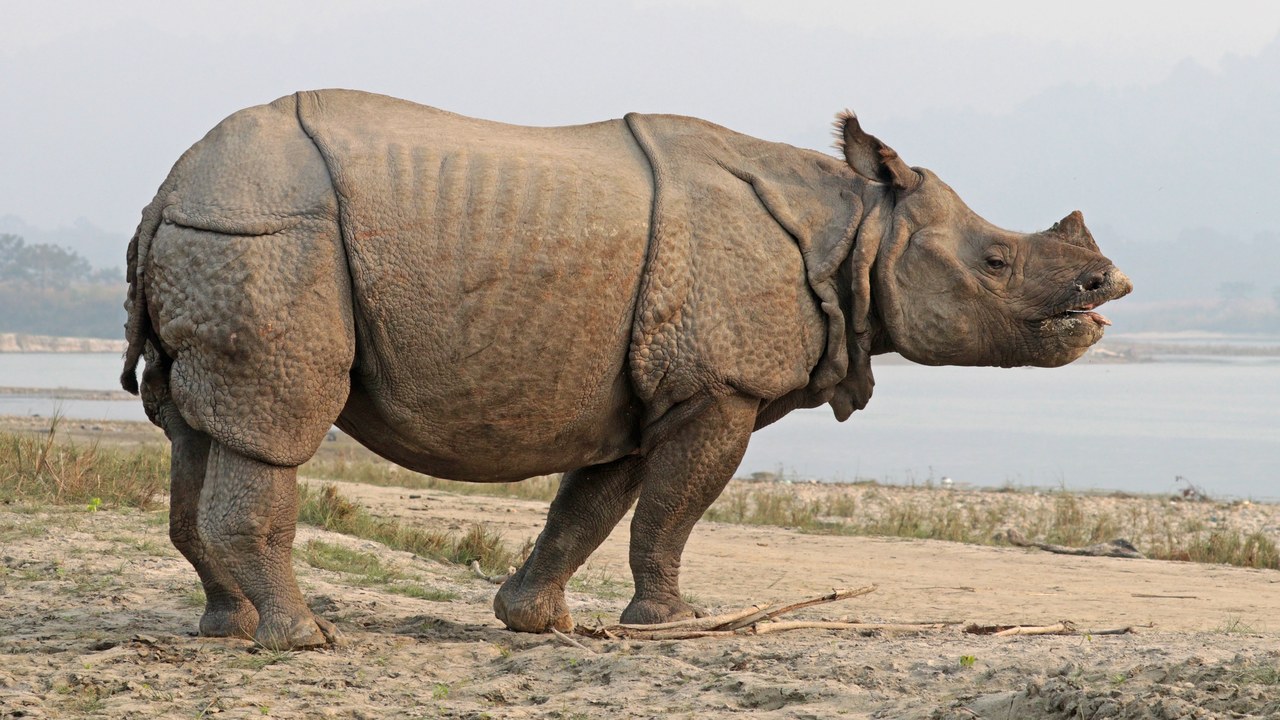
The Indian rhinoceros can weigh more than two tons and is covered in thick, deeply folded skin that gives it a distinctive armored appearance. It carries a single horn, unlike its African relatives, and is powerfully built for pushing through dense grassland.
Once hunted to the edge of extinction, Indian rhinos have rebounded in protected reserves across India and Nepal through decades of dedicated conservation work. They remain largely solitary animals outside of mating season and mother-calf pairs, marking territory with dung piles known as middens.
9. Polar bear: Largest Land Carnivore
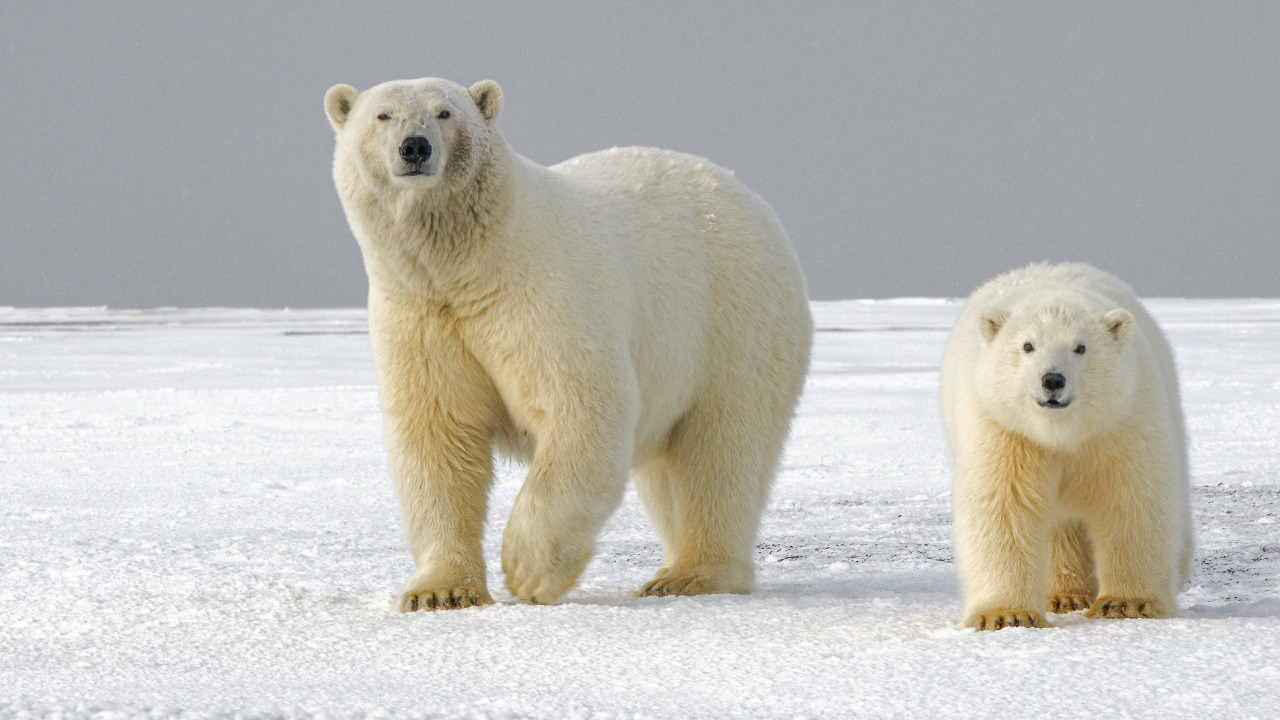
The polar bear is the largest carnivore that lives on land, with big males weighing up to 700 kilograms and built almost entirely for hunting seals on Arctic sea ice. A thick layer of fat and dense fur keep it insulated in some of the coldest conditions on the planet.
Polar bears depend on sea ice to hunt effectively, so shrinking ice cover from a warming climate is shortening their feeding season. That squeeze is considered the single biggest threat to the species’ long-term future.
10. Saltwater crocodile: Biggest Living Reptile
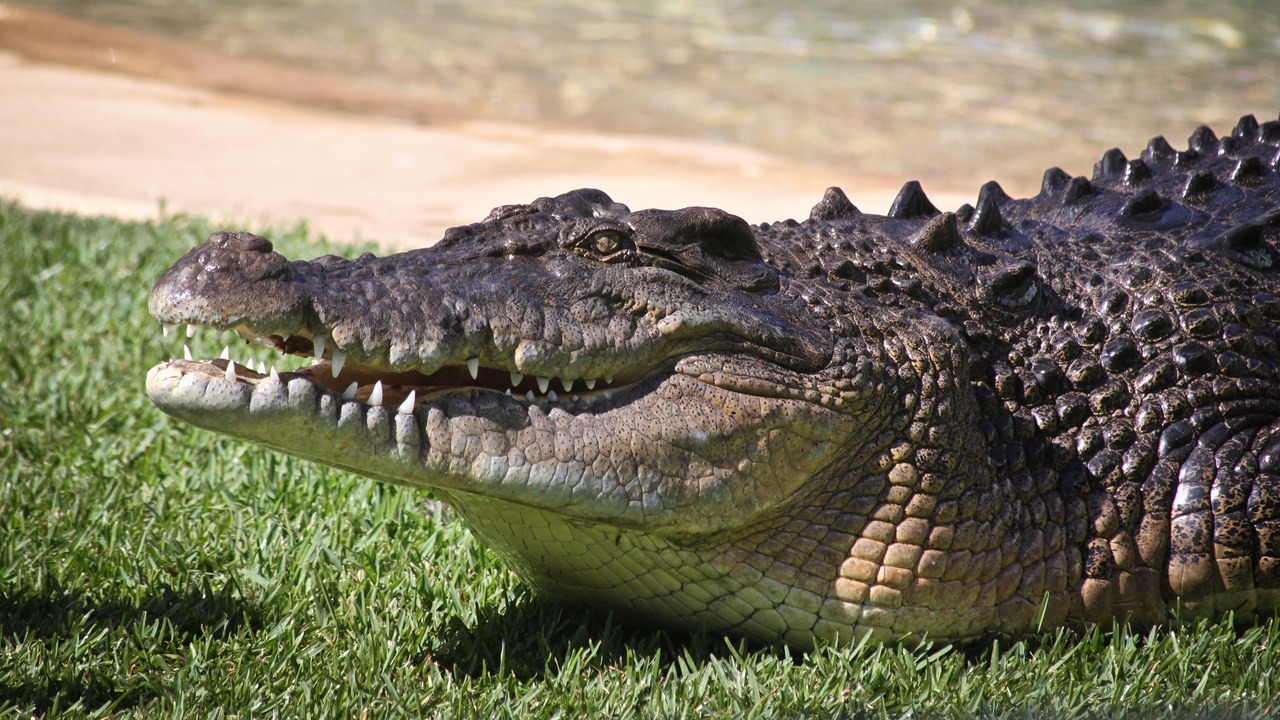
The saltwater crocodile is the largest living reptile, with mature males sometimes exceeding twenty feet in length and well over a thousand pounds of muscle and bone. It has the strongest bite force ever measured in a living animal, capable of crushing bone with ease.
Found across coastal wetlands, rivers, and estuaries from India to northern Australia, it ambushes prey by lying almost motionless at the water’s edge. Despite its size, it can explode into motion in a fraction of a second.
More from Morning Overview
- A California supervolcano has bulged upward about two and a half feet since 1978
- The FTC is warning about a scam quietly draining thousands from victims
- The NSA is again telling phone owners to switch off one location setting
- A handful of car transmissions are so tough mechanics say they almost never fail
