
The 24 Hours of Le Mans has crowned machines that reshaped how the world thinks about speed and endurance. From factory blood feuds to underdog upsets, the winning cars became legends stamped into motorsport memory. These ten racers, spanning the 1950s to today, still define what Le Mans greatness looks like.
1. Ford GT40: Built From Pure Spite
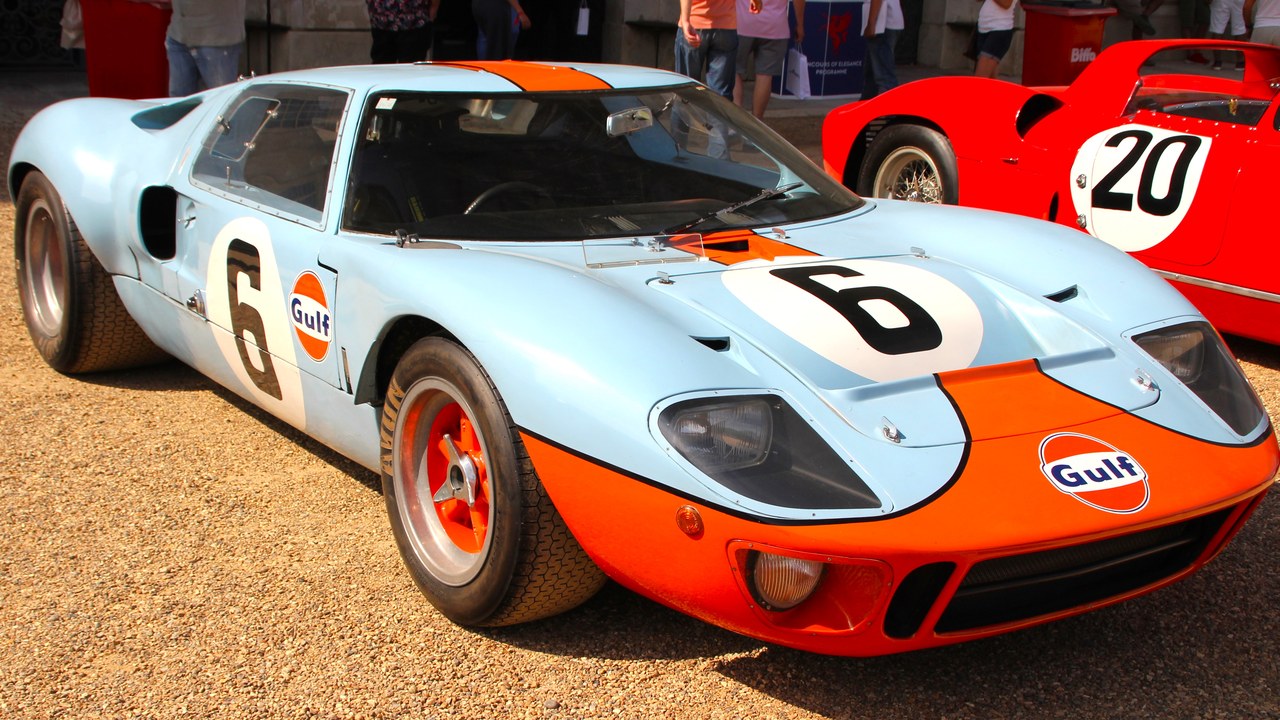
After Enzo Ferrari walked away from a buyout, Henry Ford II ordered a car designed for one purpose: humiliating Ferrari at Le Mans. The resulting American endurance racer stood barely forty inches tall, giving it a name and a mission.
The revenge arrived in 1966, when the marque swept the podium in a famous one-two-three finish. Overall victories followed through 1969, cementing a rivalry that Hollywood eventually turned into a blockbuster. For enthusiasts, this low-slung coupe remains the ultimate story of corporate grudge translated into racing dominance and lasting glory.
2. Porsche 917: The Car That Made Porsche
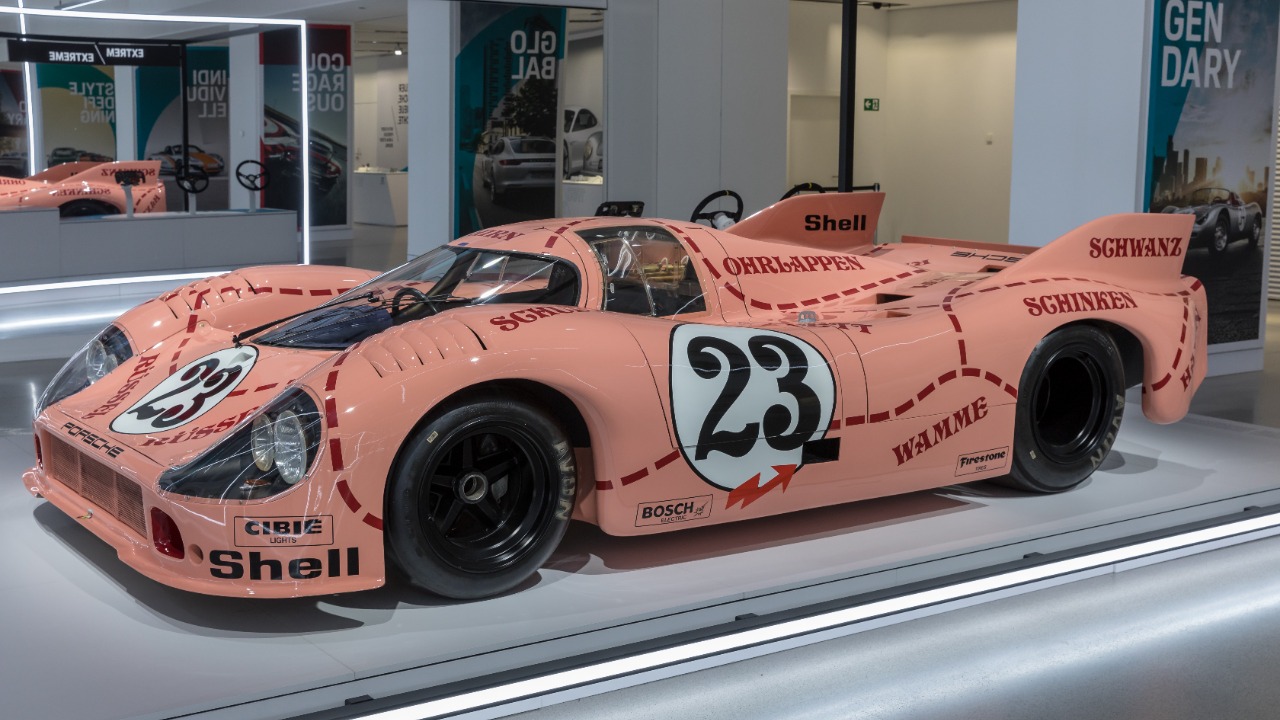
Few machines terrified and thrilled drivers in equal measure like this flat-twelve monster. The Stuttgart prototype delivered the company its first overall Le Mans win in 1970, then repeated the feat the following year.
Early versions handled so unpredictably that engineers scrambled to tame the aerodynamics before races. Once sorted, the design became nearly unbeatable, later spawning fearsome turbocharged Can-Am variants producing over a thousand horsepower. Its starring role alongside Steve McQueen only deepened the mystique, turning a race car into a genuine cultural icon.
3. Ferrari 250 Testa Rossa: Red Heads And Silver Trophies
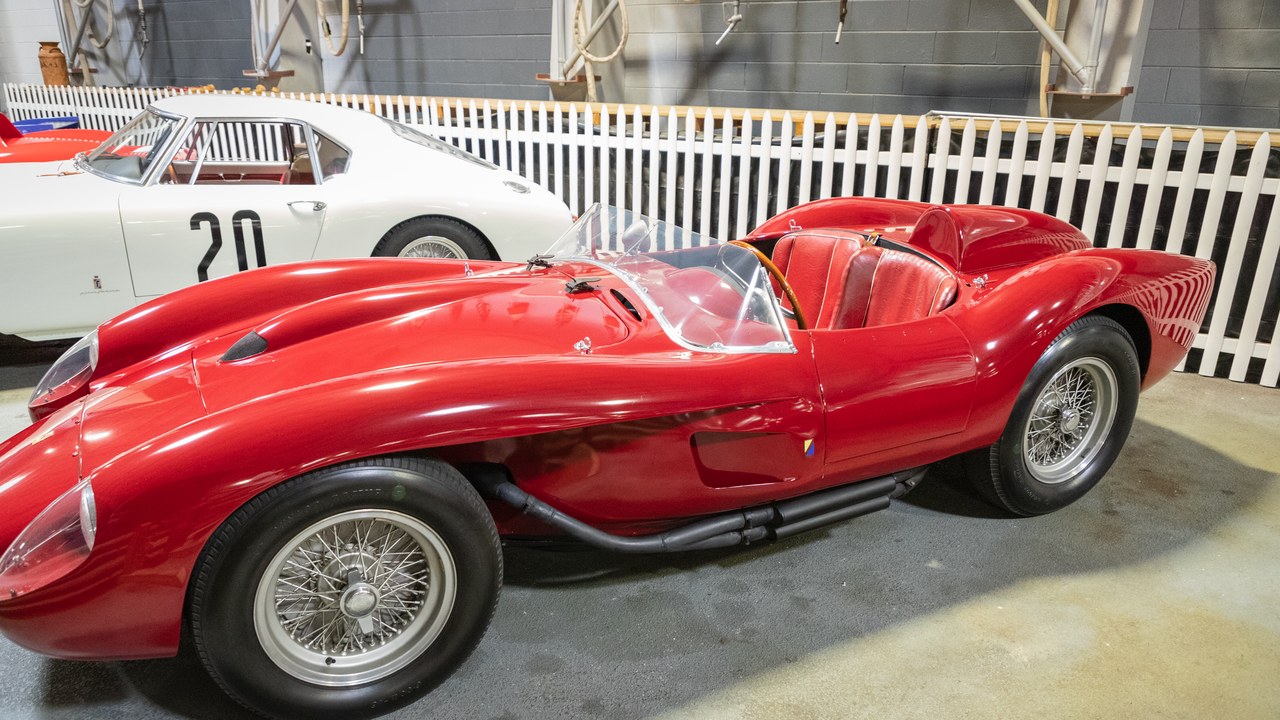
Named for the red-painted cam covers on its V12 engine, this open-cockpit sports racer defined Ferrari’s late-1950s dominance. The Maranello sports prototype claimed a Le Mans overall win and multiple world championship titles.
Its distinctive pontoon-fendered bodywork made it instantly recognizable, blending beauty with genuine competitive ferocity. Beyond the racetrack, surviving examples became some of the most valuable cars ever sold, one fetching tens of millions at auction. Collectors and historians treat it as a high-water mark of hand-built front-engined racing craftsmanship and timeless design.
4. Jaguar D-Type: The Fin That Ruled A Decade
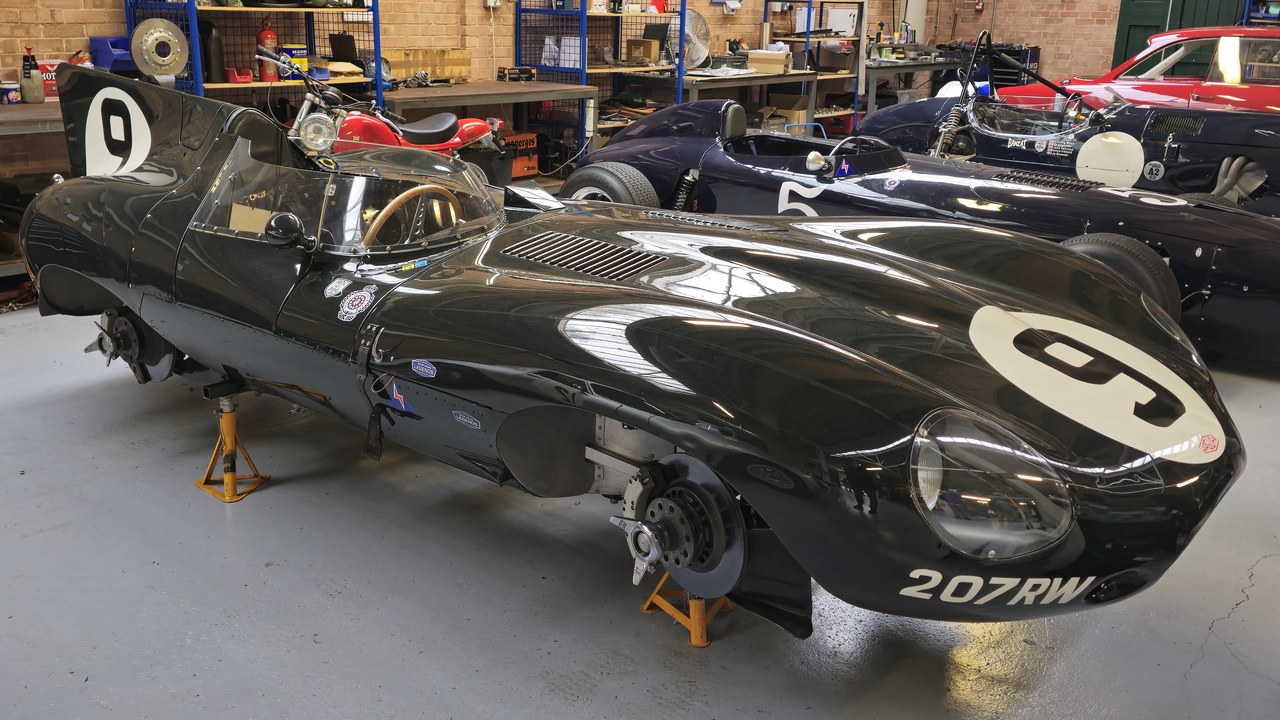
With aircraft-inspired engineering and a signature vertical tail fin, this British machine turned aerodynamic thinking into race wins. The Coventry racer captured Le Mans overall victories across the mid-1950s.
Its monocoque construction was advanced for the era, borrowing techniques from the aviation industry to save precious weight. The car triumphed even through the sport’s darkest hour, the catastrophic 1955 disaster that reshaped safety forever. Decades later, restored examples command staggering prices, proof that this finned Jaguar still stirs deep enthusiast devotion.
5. Audi R8 (LMP): Endurance Racing’s Quiet Dynasty
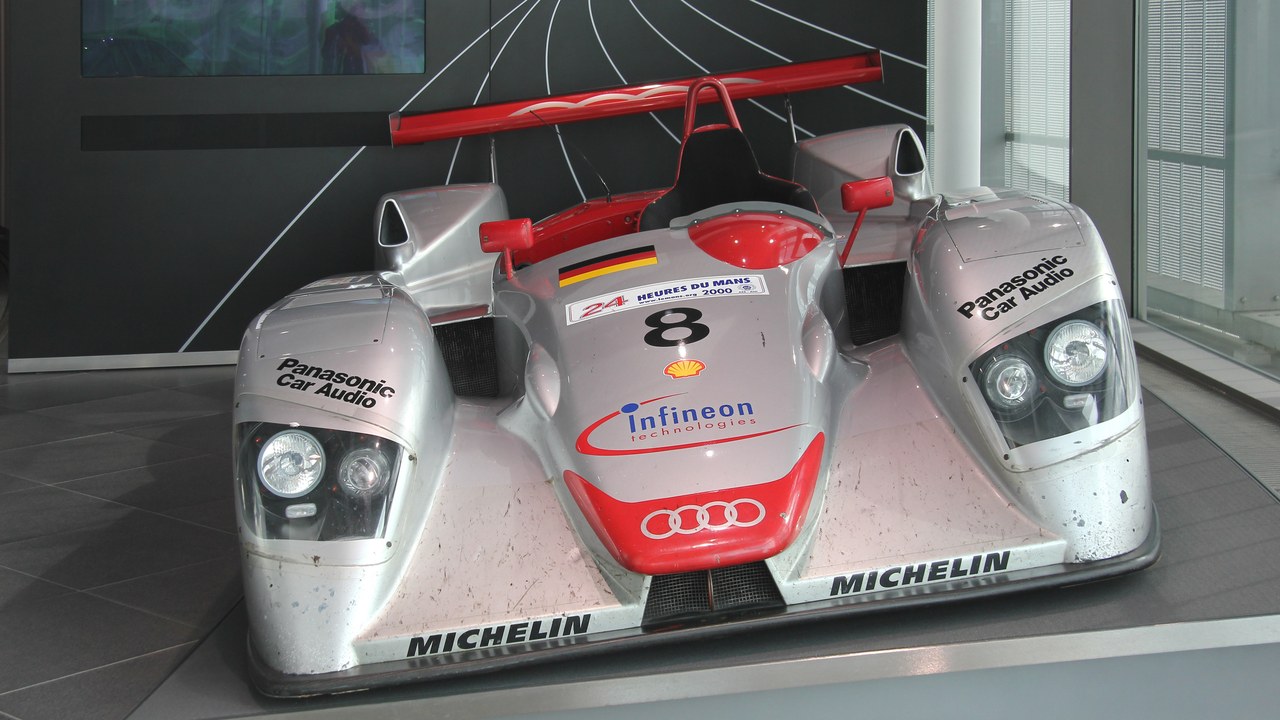
For much of the early 2000s, one German prototype simply refused to lose. The Ingolstadt Le Mans prototype racked up multiple overall wins, built around reliability and lightning-fast pit strategy.
Rather than chasing outright horsepower, engineers obsessed over serviceability, letting crews swap major components in minutes. That philosophy paid off race after race, embarrassing rivals who broke down while it simply kept running. The program laid the groundwork for the brand’s later diesel and hybrid triumphs, becoming a template for modern factory dominance.
6. Mazda 787B: The Scream Heard Round The World
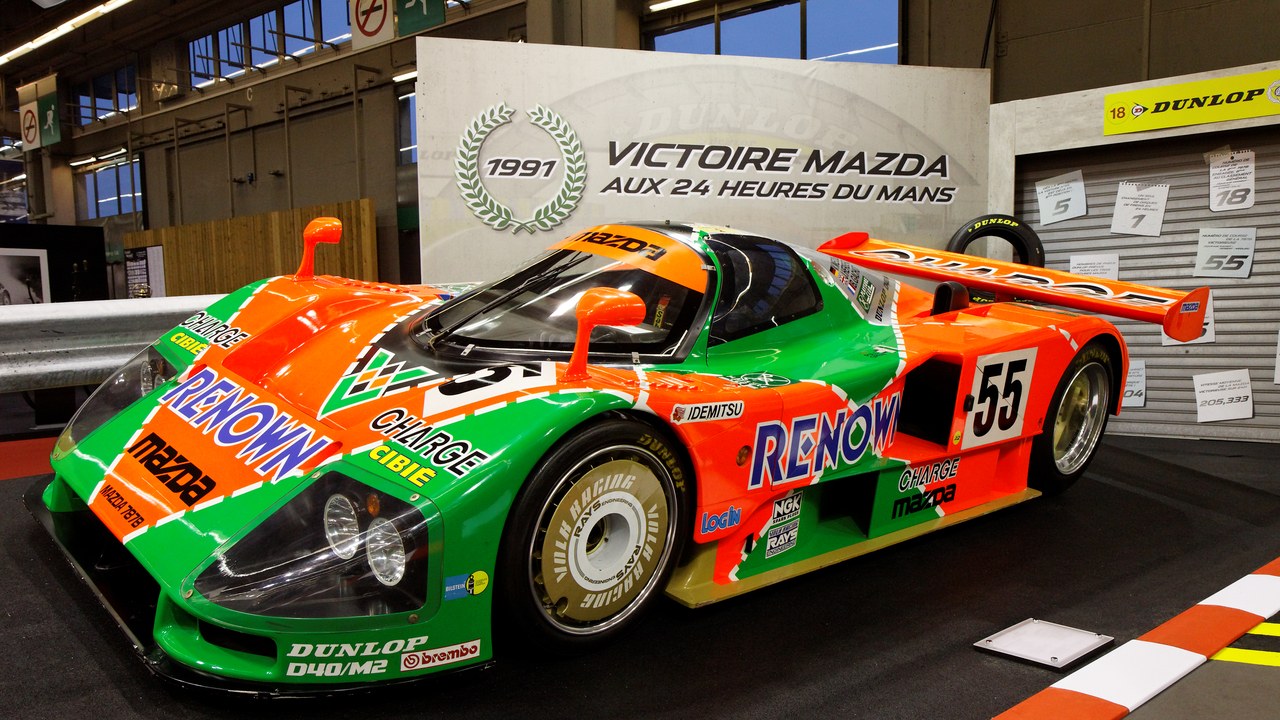
In 1991, a Japanese underdog achieved something no manufacturer has matched since. The rotary-powered prototype became the only car with a Wankel engine ever to win Le Mans outright.
Its four-rotor powerplant produced an unforgettable high-pitched shriek that fans still describe with genuine reverence. The victory arrived just as regulations were about to ban rotary engines from top-level competition, sealing its uniqueness forever. Painted in vivid orange and green livery, the machine remains a beloved symbol of engineering daring being richly rewarded.
7. McLaren F1 GTR: A Road Car Crashes The Party
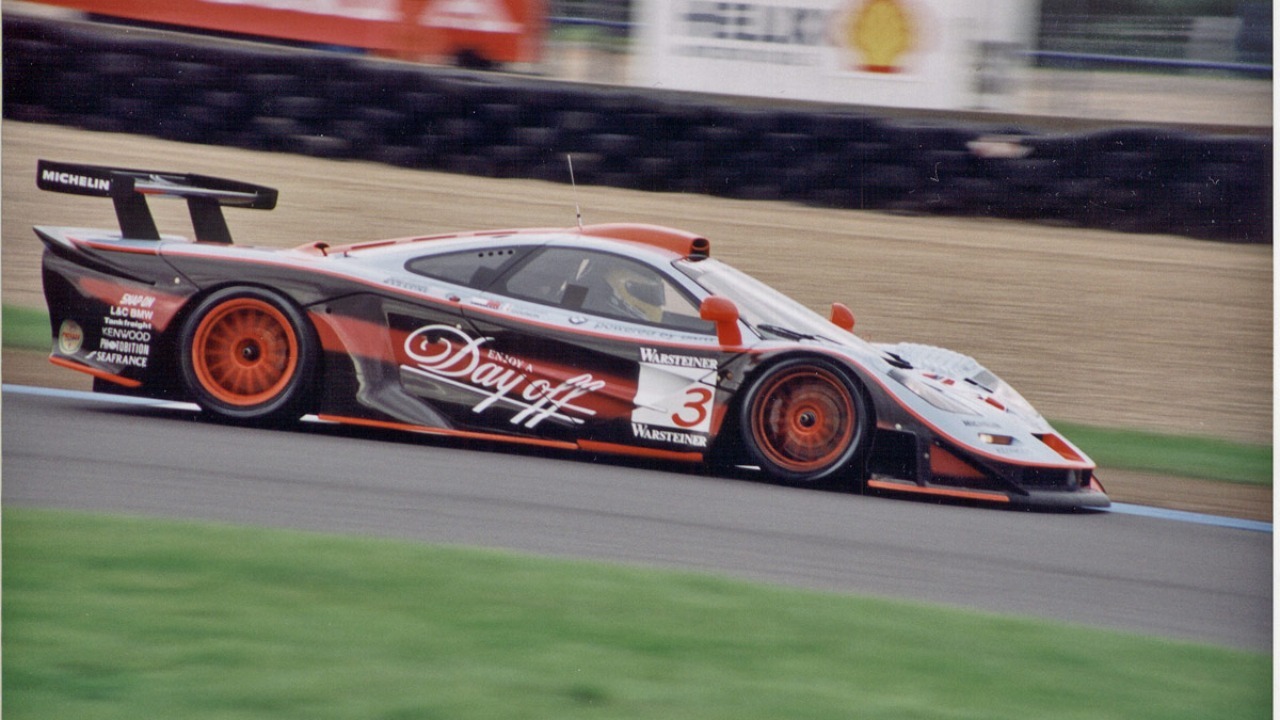
Conceived first as the world’s fastest street car, this design was never meant to race until customers demanded it. The British supercar racer stunned everyone by winning Le Mans overall on its debut in 1995.
Purpose-built prototypes were expected to dominate, yet a converted road car beat them in miserable wet conditions. Its central driving position and gold-lined engine bay reflected uncompromising engineering rooted in a Formula One pedigree. That improbable triumph turned an already exotic machine into one of the most coveted collectibles on earth today.
8. Porsche 956: Ground Effect Goes To War
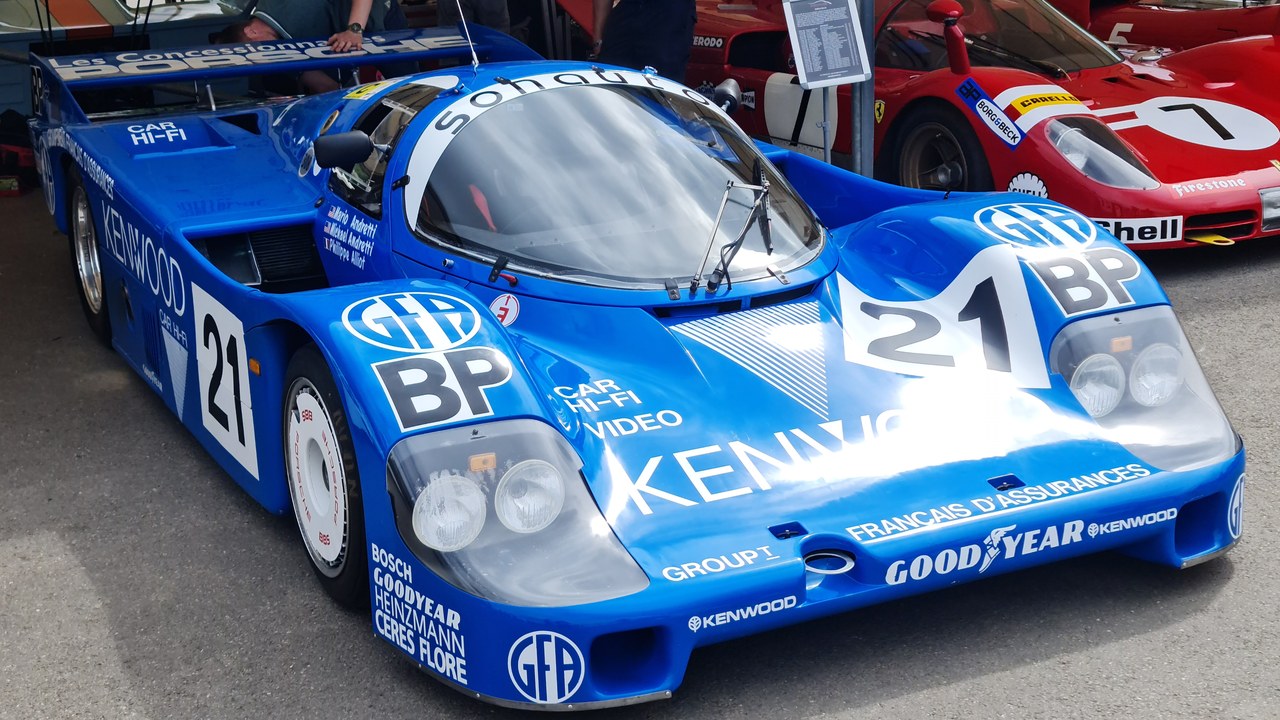
When new Group C rules arrived, one manufacturer answered with a car that rewrote the endurance formula. The ground-effect Group C prototype won Le Mans repeatedly and once filled the top three positions entirely.
Its aluminum monocoque and underbody aerodynamics generated enormous downforce, pinning it to the track through fast corners. The design proved so effective that privateer teams kept winning with it for several years afterward. An evolved long-wheelbase version extended the legacy, making this family among the most successful endurance racers ever built.
9. Peugeot 905: France Reclaims Its Home Race
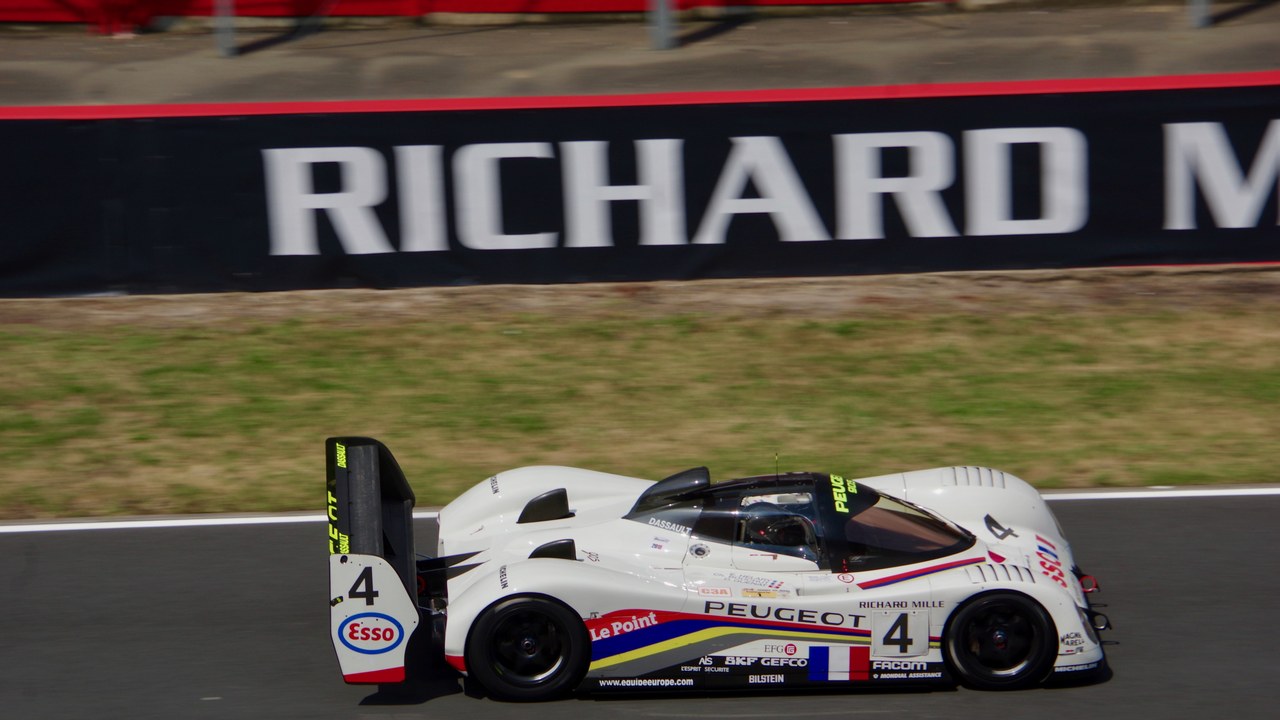
As Group C entered its naturally aspirated era, a French manufacturer returned to top-level competition with real ambition. The Sochaux prototype delivered a home-soil Le Mans victory in the early 1990s.
Powered by a high-revving V10, it combined striking angular styling with genuine championship-winning pace across the season. The win carried enormous national pride, proving France could still conquer its most famous motorsport event. Its success also foreshadowed the brand’s later diesel-era return, when it would again challenge for outright endurance glory.
10. Toyota GR010 Hybrid: The Modern Hypercar King
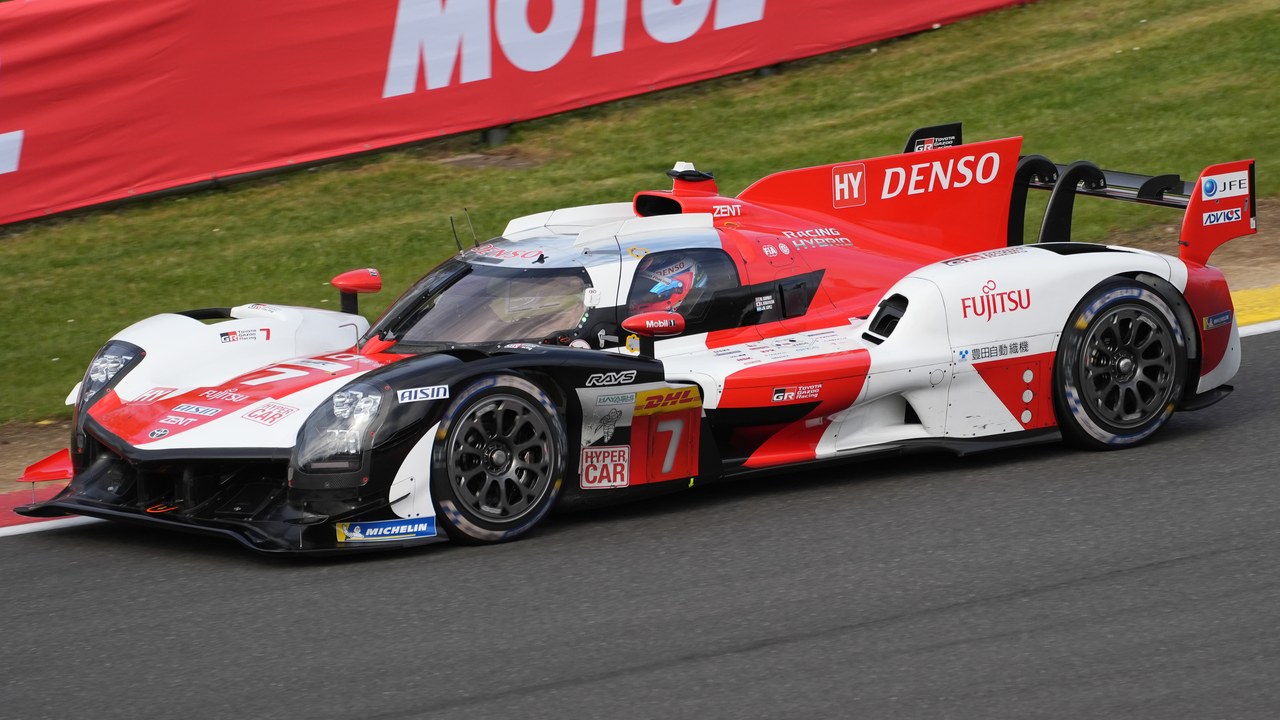
Representing the sport’s current top flight, this hybrid machine carries a brand that once agonizingly missed victory for years. The Hypercar-class prototype won Le Mans in the category’s debut season and defended the crown afterward.
Its combined petrol and electric powertrain channels power intelligently, balancing fuel efficiency with blistering outright pace. The design ushered in a new competitive era that lured fresh manufacturers back to endurance racing. For modern fans, it embodies how cutting-edge hybrid technology now defines the pursuit of overall Le Mans supremacy.
More from Morning Overview
